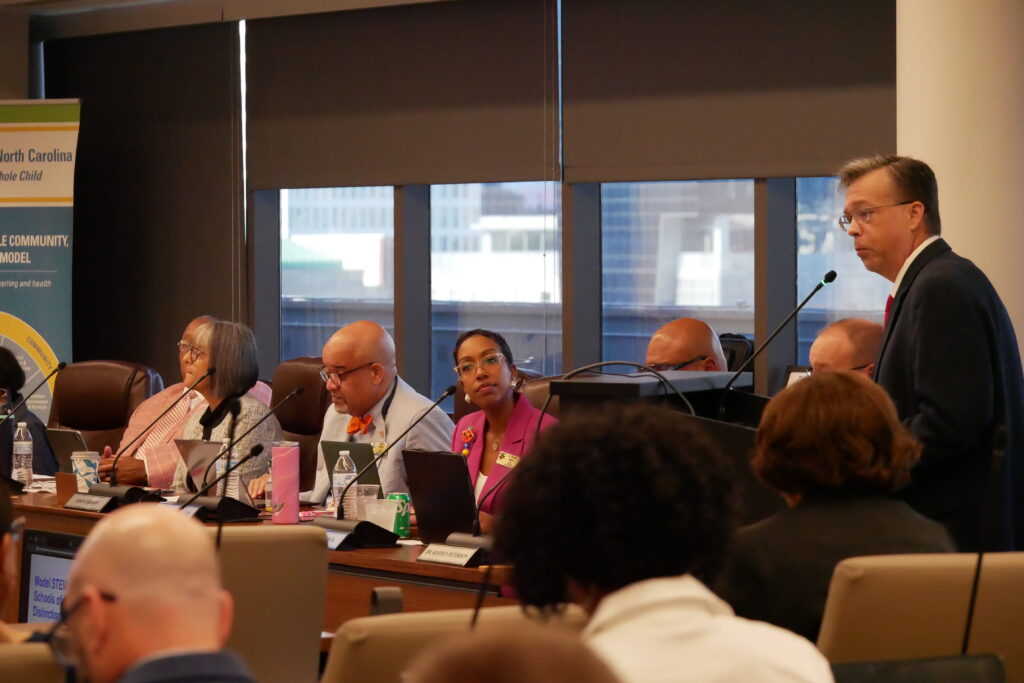
State Board discusses chronic absenteeism, technology, special education, and more

The State Board of Education convened for its monthly meeting this week, where the Board heard a presentation on 2025-26 school accountability data, which showed, among other things, that the statewide graduation rate increased a full percentage point to 88.8% — the highest graduation rate in North Carolina history.
“This graduation rate moves North Carolina’s public schools closer to reaching a ‘Best in Nation Measure’ as identified in the North Carolina Department of Public Instruction’s (NCDPI) strategic plan, Achieving Educational Excellence,” a DPI press release says. You can read more about the new report in the EdNC article below.
The Board also discussed chronic absenteeism, technology policies and grants, updates on matters related to special education, a financial update from Winston-Salem/Forsyth County Schools, and more.
 Sign up for the EdDaily to start each weekday with the top education news.
School attendance bright spots
Gov. Josh Stein recently declared September 2026 as “Attendance Awareness Month.” In North Carolina, chronic absenteeism is defined as missing 10% or more days of school. Chronic absenteeism peaked in the state during the pandemic at 31% and was around 24% in the 2024-25 school year.
Nonprofit Attendance Works put forward a national challenge to reduce chronic absenteeism by 50% by 2030, and in North Carolina, DPI took up that goal by launching the statewide initiative, AttendNC Counts.
Dr. Sean Kellogg, senior director of the DPI Office of Research and Promising Practices, explained to the Board this week that DPI has conducted research on best practices across the state, providing “research-based planning guides, resources, reports for schools and districts.”
On Thursday, the Board also heard a presentation from Kellogg and a panel of principals from schools that have reduced chronic absenteeism significantly, recognized as “Bright Spot Schools” by DPI.
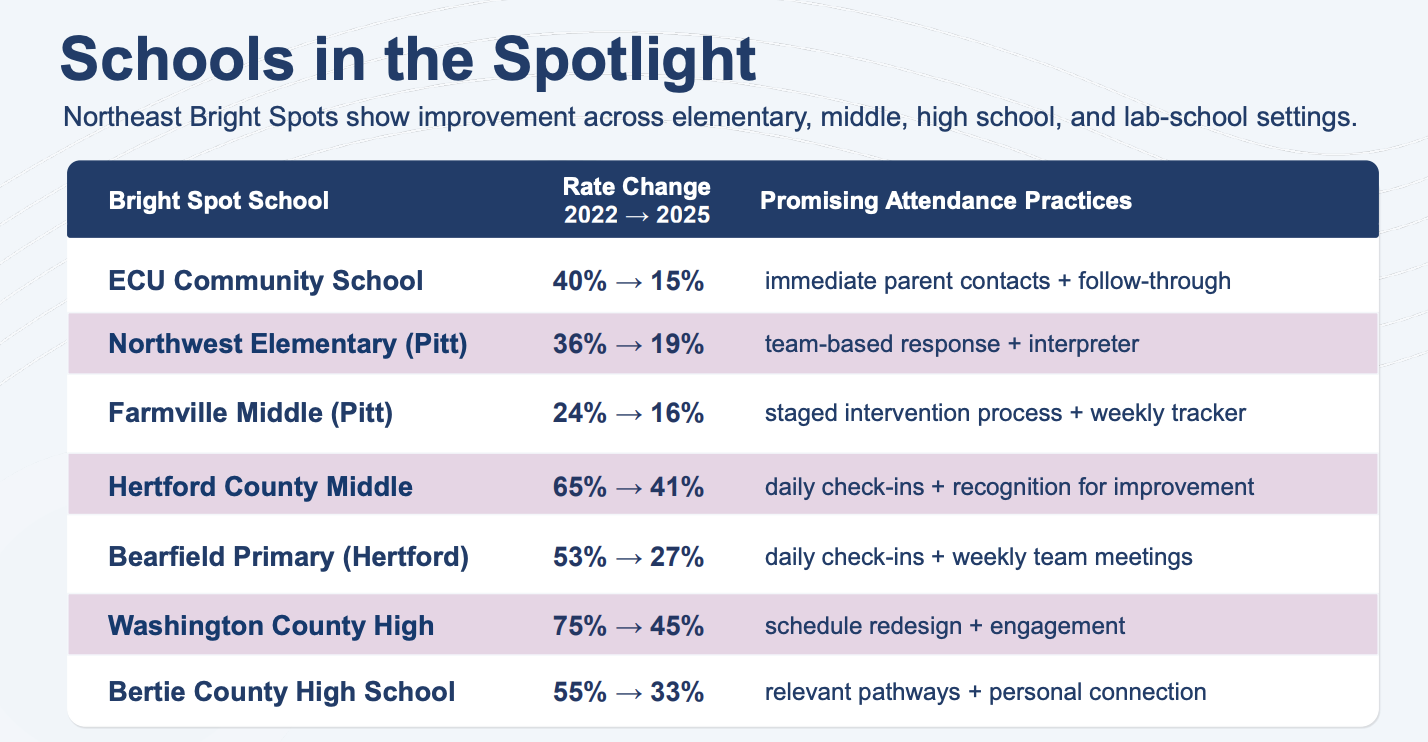
Overall, researchers identified about 300 bright spot schools statewide, and you can explore those schools here. Seven of those schools, in northeastern North Carolina, were interviewed by DPI to develop an understanding of effective strategies in practice currently.
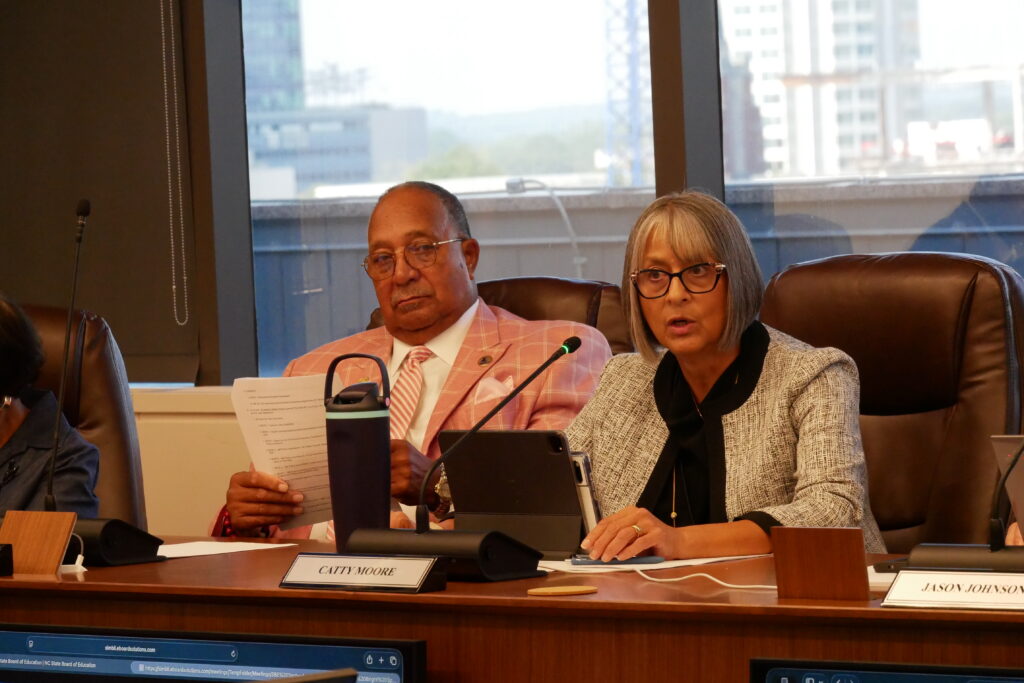
“Our next agenda items really highlights one of the conditions that makes stronger outcomes possible, that is student attendance,” said Board member Catty Moore, welcoming the panel to the meeting. “Students cannot fully benefit from strong instruction, effective teachers, and academic supports when they are regularly missing instructional time.”
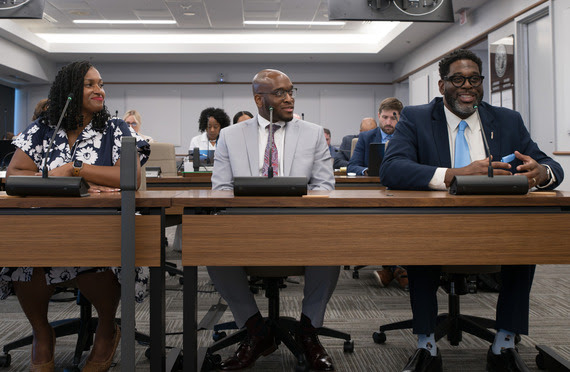
The principals spoke about the importance of strong relationships, flexibility, creative attendance incentives, and working to understand individual student situations.
Elenia Riddick, principal of Hertford County Middle School, described how her school has utilized daily check-ins for chronically absent students and students trending toward being chronically absent, which encouraged students to be at school.
“We have to create the environment for them where they want to come, feel connected, and they have their voice when they come in the building,” said Riddick. “And they’re excited to come to school when they know that someone is there looking for them.”
Washington County High School Principal Torrey Hines said his school believes in “leading with love” when it comes to encouraging attendance, making sure that they directly check-in with students and parents when a student is absent.
Read more


Kellogg said that across all interviewed bright spot schools, relationships between the school and students and the school and parents emerged as a critically important part of reducing absences.
For instance, Northwest Elementary School Principal Taimak Willis said that when he has relationships with students, he’s “able to respond with love and care and try to figure out the next steps to keep them at school consistently.”
Overall, each school took a different approach to ensuring that their students and families understood that attendance was a priority.
“There’s really no single attendance intervention represented here or at the seven schools,” said Kellogg. “Each school’s been responding uniquely to their unique circumstances.”
However, he said several strategies were successful at multiple schools, including noticing an attendance problem early, understanding why a student is absent, acting together as a school to respond, creating connections with families and students, and following through on responsibilities. Some reasons why students might be missing school include transportation, family circumstances, a lack of connection to school, or basic needs — and different barriers may require different school responses.
The Board asked the panelists several questions regarding the effect of attendance policies on students and the results seen at their schools.
The first question came from the newest student adviser to the Board, Keely Deal.
“How can we make sure students … have a voice in developing attendance solutions rather than attendance policies being created solely by adults?” asked Deal.
Willis said his school’s student leadership council helps students have a voice while also helping the administrative team understand what would incentivize students to come to school. Riddick added that her school allows students to have a part in crafting attendance incentives, like coming up with ideas for field trips.
Board Chair Eric Davis thanked the panelists for sharing their expertise and better helping the Board understand “the why” behind chronic absenteeism. You can watch the full panel discussion here.
Technology in schools
Last year, North Carolina lawmakers passed a bill that requires school districts to develop policies prohibiting students from using personal devices during instruction. Stein signed House Bill 959 into law on July 1, 2025, and the law took effect on Jan. 1, 2026.
According to DPI’s mandated report to the General Assembly, most public school units adopted the North Carolina School Boards Association Policy 4318, which established policy consistency across the state.
Currently, five public school units have not submitted compliance plans to DPI, but Dr. Matthew Mayo, DPI’s director of Digital Teaching & Learning and School Connectivity, noted that DPI is in continuous communication with those schools. (In December, the Governor’s Advisory Council for Student Safety and Well-Being reported that every North Carolina school district had a plan in place for cellphone-free classrooms.)
The report found uniformity across three main areas for schools that have complied thus far:
- Standardized class-time storage expectations, although there is some difference in if a school requires that devices be placed in pouches or simply powered off
- Consistent integration of statutory exemptions
- Tiered administrative consequences for violations of the schools’ policy
“One of the things that our legislature has supported, that we have supported, and that is being implemented around the state are these pouches,” said Board Vice Chair Alan Duncan. “There are some districts that cannot afford to purchase the pouches. It strikes me that — with the recent settlement with Meta — some of the money from that would be appropriate to support the social emotional welfare of our students with the use of those pouches, coming into compliance with best practices as they’ve been described.”
The Board also received recommendations for the 2026-27 Digital Learning Initiative (DLI) grants, established under the North Carolina Digital Learning Plan.
The DLI Grant aims to “expand effective digital learning practices across all North Carolina K-12 public schools.” Since its launch in 2017, the program has awarded over $12.5 million to public schools across the state.
Consultant Lindsey Sipe presented the 2026-27 recommended grantees to the Board, explaining the evaluation process for grant applications and the two pathways that schools can apply for funding through. One pathway focuses on professional learning, and the other on integrating innovative technologies.
In total, 76 schools applied, and five are being recommended to receive the grants, which totals about $1.2 million in funding, including continued funds for prior grantees. You can read about the schools recommended for funding and their proposals here.
Grant applications are also now open for the newest cohort of the 21st Century Community Learning Centers Grant Program, which is supported by funds from the U.S. Department of Education. The department sets certain priority requirements that states must abide by when considering grant applications, including giving priority to Title I, Part A schoolwide programs.
You can explore the other priorities here. More information on how to apply will be available in October, and applications will be due by 12:00 p.m. on Nov. 18.
Report on accountability for alternative schools
The Board also heard an update on accountability for alternative schools, defined by DPI as “safe orderly, caring and inviting learning environments that assist students with overcoming challenges that may place them ‘at-risk’ of academic failure.”
Alternative schools must select one of three options for accountability models.
- Alternative schools can report a School Performance Grade.
- Alternative schools can report data on student achievement and growth and receive a status of “Progressing,” “Maintaining,” or “Declining” based on the comparison of year-to-year performance.
- Alternative schools can propose their own alternative accountability models to the State Board of Education for approval. The proposed alternative accountability model must include criteria for achievement and growth.
Curtis Sonneman, director of the DPI Office of Accountability, explained that only one school has opted for the first option, 82 have opted for the second, and 23 schools have opted to design their own model. The report he presented to the Board included each of the school’s individual accountability plans, which you can explore here.
Reports on special education
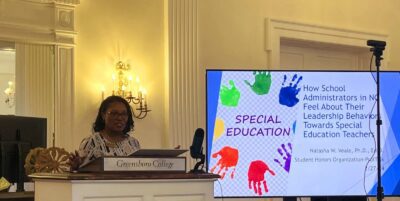
Senior Director of the DPI Office of Exceptional Children Dr. Carol Ann Hudgens also presented the results of the Special Education Census and the Child Find Census.
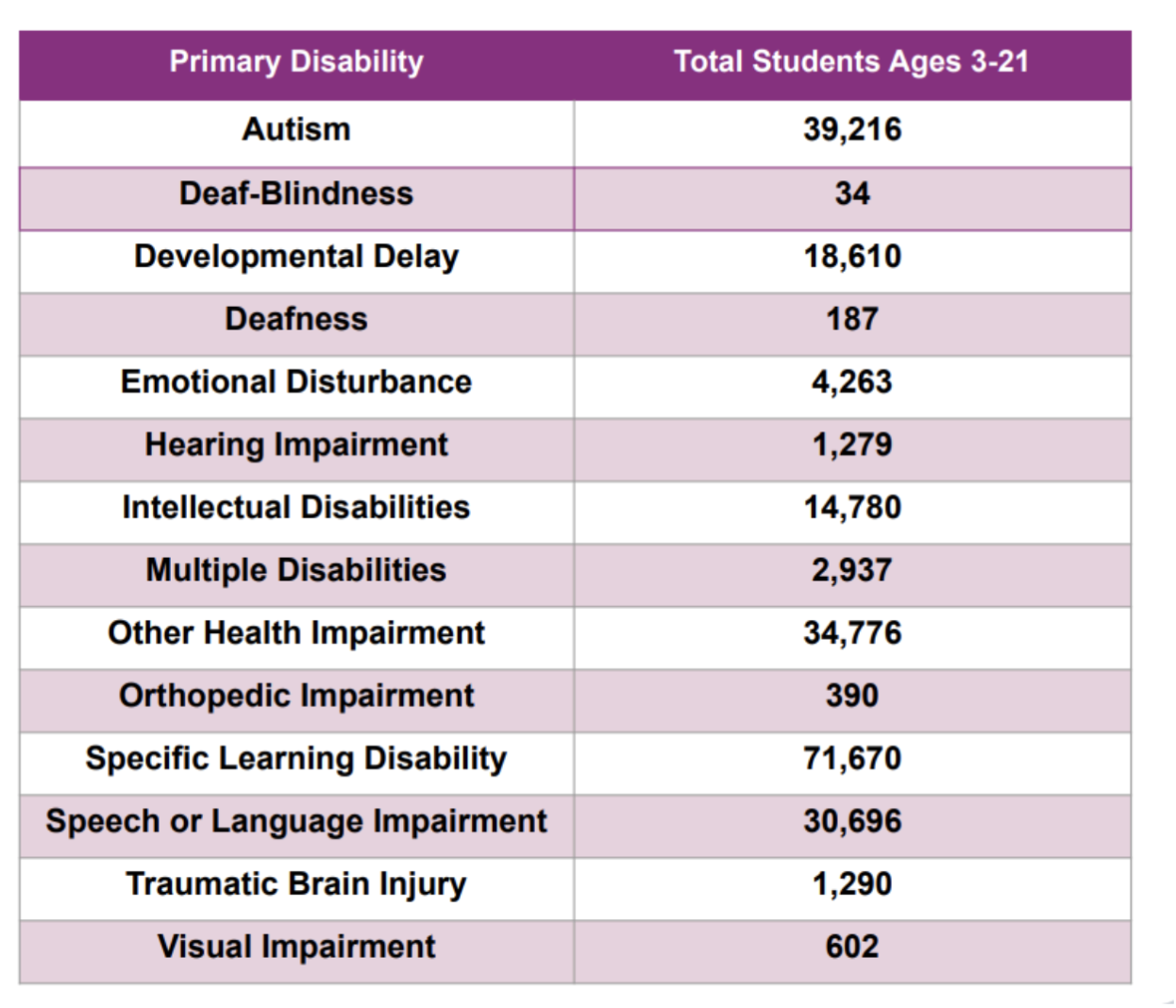
The results of the Special Education Census, required by state statute, are listed below, and they identify 220,730 students with disabilities in North Carolina from Dec. 2, 2024, to Dec. 1, 2025. This reflects an increase of about 2,500 identified students with disabilities from 2024.
The Board is also required to perform an annual census of all students aged 3-21 in North Carolina who might need special education and related services, which is known as the Child Find Census. You can see the results of that census below, from the reporting period July 1, 2024 to June 30, 2025.
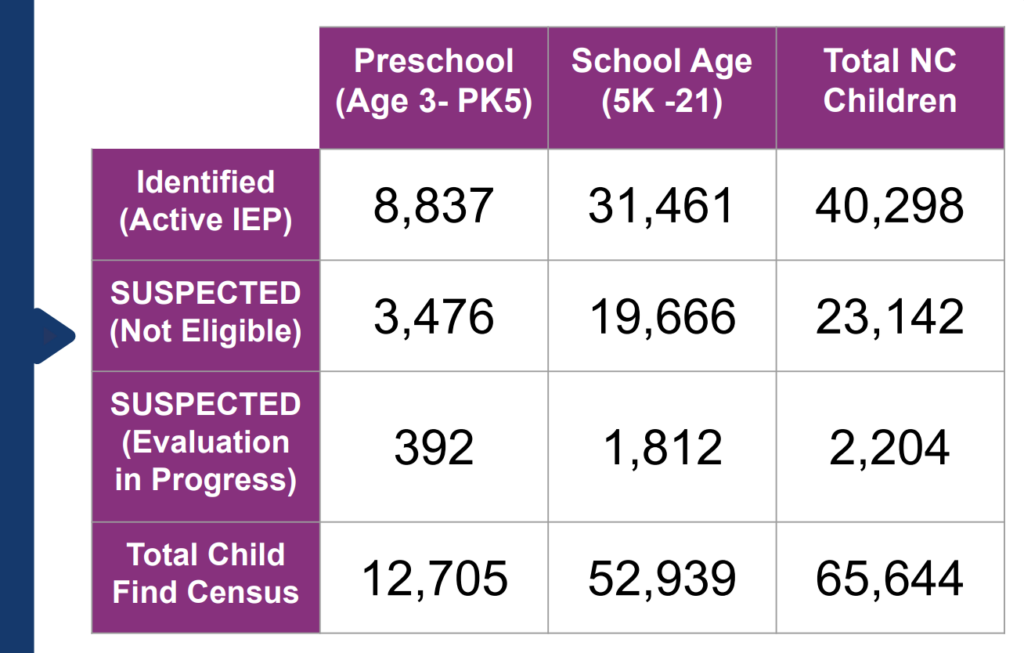
According to the report: “The data provided distinguishes between students navigating the initial referral process through placement during the reporting period of July 1, 2024 through June 30, 2025 (Child Find census) and students with active Individualized Education Programs (IEPs) during the reporting period of December 2, 2024 through December 1, 2025 (Special Education census).”
Hudgens also presented the annual federal performance plan and annual performance report on the state formula grant program under the Individuals with Disabilities Education Act (IDEA). Every February, states must report on 18 indicators that measure the implementation of IDEA, which “include both outcome and compliance indicators,” said Hudgens.
“The U.S. Department of Education uses four determination levels to assess states and U.S. territories in their implementation of the IDEA. Those levels are: meets requirements, needs assistance, needs intervention, and needs substantial intervention,” said Hudgens. “In July, North Carolina received its determination. For data collected in the 24-25 school year, 21 states met requirements. North Carolina was one of 33 states that was determined to need assistance.”
More about special education in NC

Because of this determination, the state is required to access federal technical assistance centers and report actions taken as a results of that support in a February 2027 report.
Currently, educational performance for students with disabilities has remained relatively consistent across the last four years, according to a DPI report. However, in the 2024-25 school year, vacancies for Exceptional Children (EC) teachers were “a recurring theme of concerns across grades,” said Hudgens. There were 1,535 EC teacher vacancies in 2024-25, which is nine fewer than the 2023-24 school year.
Hudgens highlighted the office’s EC tuition assistance program, that “supports the completion of coursework for licensure.” In total, the office invested $142,525 in tuition reimbursements, which was about $60,000 more than last year. Furthermore, the office provided support for professional learning, grants, and technical assistance across the state. You can read more about their efforts to support EC teachers here.
“We recognize that there is much work to be done to improve outcomes for our students, and we are thankful to our dedicated Exceptional Children personnel in the field for helping students with disabilities achieve the gains highlighted earlier in the aggregate accountability data for the 25-26 school year,” said Hudgens.
Additionally, the Board helped to establish the Exceptional Children Competitive Grant for State-Level Targeted Assistance last year. Hudgens presented a brief update on the first award, which was granted in February. However, she explained that she hoped to establish a “fall cadence” for the award, so the presentation also included a recommendation for recipients of the award to be approved in October.
Of the roughly 230 applications received, the office is recommending funding be awarded to 132 groups, or about 57% of applicants. Across all recipients, the funding totals more than $8.3 million. Both K-12 and pre-K groups were eligible for funding.
Winston-Salem/Forsyth County Schools gives budget update
Last May, Winston-Salem/Forsyth County Schools faced a significant budget shortfall in the 2024-25 fiscal year. According to previous reporting by EdNC, many budgetary solutions were considered by the executive team to remedy the deficit.
Deanna Kaplan, chair of the Winston-Salem/Forsyth County Schools Board of Education, gave an update to the Board this week, saying the district’s budget is now balanced, and its debt eliminated. She said the eventual solution was one based in the power of community, specifically recognizing the work of her fellow board members. The main aspects of their plan involved relying on their community and fundraising.
“Through the extraordinary generosity of individuals, businesses, foundations, and community leaders, more than $11 million was raised to support our school district,” said Kaplan.
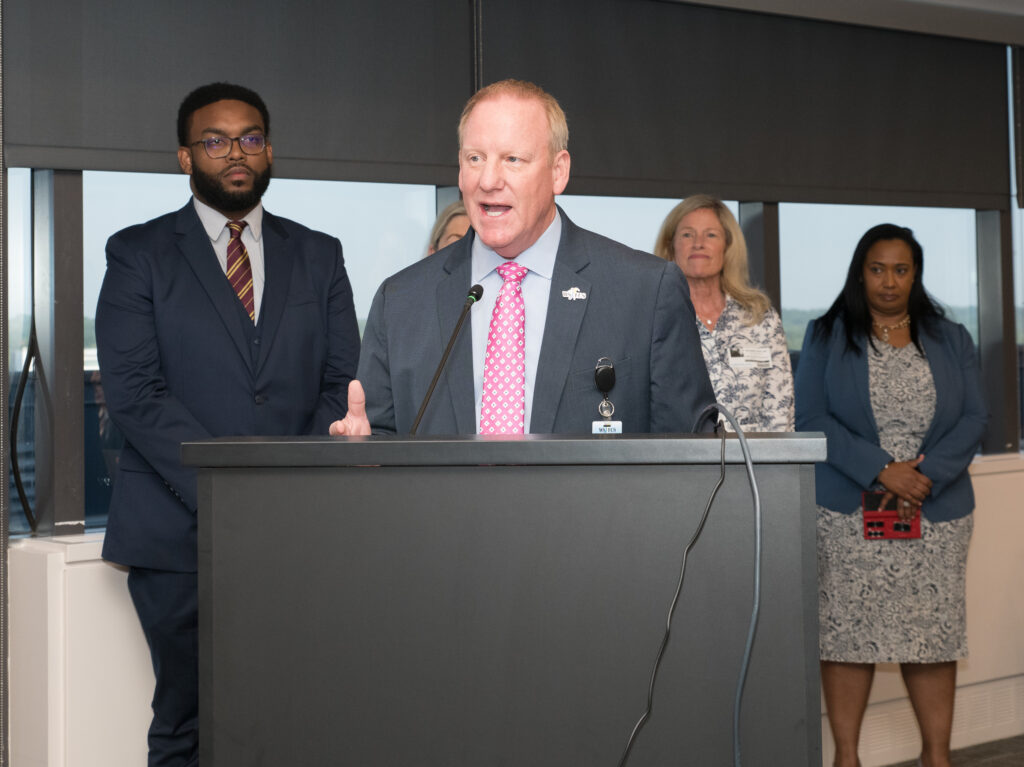
In addition to fundraising, Kaplan explained there were furloughs and other reductions in services. She acknowledged that those cuts caused pain that affected “real people, real families, and individuals who had devoted themselves to our school system.”
However, district leaders focused on a positive outlook for the new school year ahead.
“The community support and collaboration and what is yielded from that couldn’t be more evident than what we’ve seen in the Winston-Salem Forsyth County schools,” said Dr. Don Phipps, superintendent of Winston Salem/Forsyth County Schools, who came into the role in December 2025, and is retiring effective Sept. 30. “We lived under a deep dark cloud last year, but there were great things happening underneath. I could see that when I came in in December.”
Read more

Other updates
- The Board unanimously approved a timeline for considering a proposal from the Catawba County Board of Commissioners to merge Catawba County Schools, Hickory City Schools, and Newton-Conover City Schools into a single countywide school district. If approved, the proposed merger would take effect July 1, 2028. The Board’s vote approves the process for reviewing the proposal, not the merger itself.
- The Board heard recommendations for the 2026-27 Career and Technical Education Grade Expansion Grant Program, which helps expand CTE for sixth- and seventh-grade students. This year, 57 applications were submitted, and 25 returning grantees for awards of up to $65,000 each were recommended to receive this year’s grants.
- Dr. Charles Aiken, section chief of Math, Science, and STEM at the DPI Office of Teaching and Learning, presented the final draft of the K-12 mathematics standards. If the Board approves the standards, DPI plans a two-year installation period during the 2026-27 and 2027-28 school years, with implementation and state assessments aligned to the new standards tentatively beginning in 2028-29.
- The Board also heard a draft of the report on teacher bonuses, which attempts to understand the program’s affect on teacher bonus and retention. Teachers who received a bonus in 2024 and 2025 were most likely to receive a bonus in 2026. Read the full report here.
- Alexis Schauss, DPI’s chief financial officer, reviewed the year-end budget closeout, highlighting the unprecedented nature of the last financial year because of the lack of a comprehensive budget. Overall, less than 1.5% of the total authorized budget was reverted to the state, per the presentation.
- Eric Davis and Alan Duncan were also both reelected to their positions of chair and vice chair, respectively.
The Board will convene for it next meeting Sept. 29-Oct. 1 for the Board’s planning and work session. You can watch the livestream here.