
‘Together We Learn’: Codesigning a brighter future for North Carolina’s alternative schools and programs

A new statewide initiative plans to invite alternative schools in North Carolina to connect, share resources, and give their students more opportunities.
The Together We Learn (TWL) initiative is a multiyear project that strives to improve outcomes for students in alternative learning programs. Launched by School Foundry and Open Way Learning, the group hopes to guide educators through a redesign process while trying to gain more support for the initiative.
Alternative learning programs provide services for students who are at risk of scenarios such as truancy, behavioral issues, academic failure, and dropping out of school. Students in alternative schools and programs receive individualized instruction. Aside from helping students meet graduation requirements, they must also provide flexible scheduling and address behavioral or emotional problems that prevent them from adjusting to a traditional classroom setting, according to the N.C. Department of Public Instruction (DPI).
 Sign up for the EdDaily to start each weekday with the top education news.
There is an alternative learning program or school present in all but six North Carolina school districts, according to a DPI dashboard. TWL organizers hope this network can help schools and educators mitigate challenges like student disengagement, educator burnout and turnover, and resource inequities between districts.
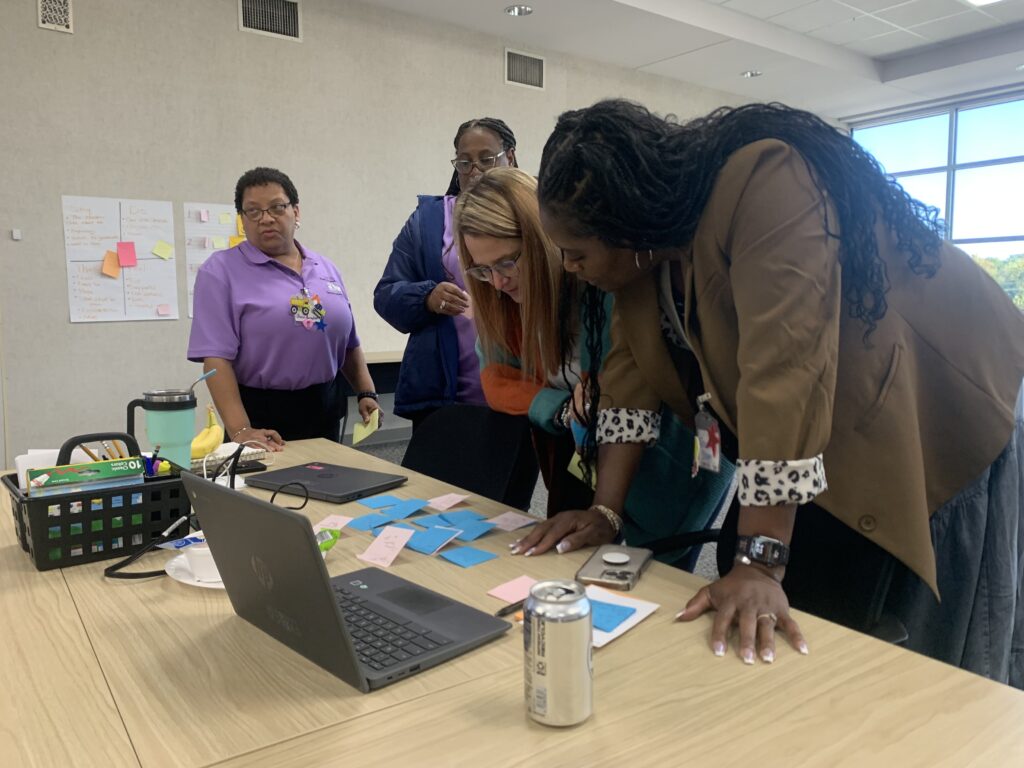
The initiative kicked off with a one-day “design sprint” meeting in October 2025 at the Asheboro City Schools Global Innovation Center. A design sprint is when attendees — in this case educators who work at alternative schools — come together and share ideas. During the event, educators and stakeholders discussed challenges they saw at their schools, and then assets they each possessed to help remedy them. Educators from Wayne, Lee, Haywood, Halifax, Cleveland, and Randolph counties were in attendance.
Terri Beam, a principal at Turning Point Academy in Cleveland County, said she found the kickoff meeting helpful because they are often in networks with people who do not understand their roles and the struggles their teachers and students face.
“But to be in the same space to hear innovative ideas, to see that there’s the possibility of greater things that could happen in our school systems for our students, specifically at our alternative schools, because we are often on an island of our own,” Beam said.
Read more
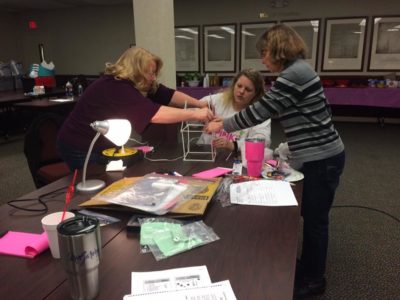
Open Way Learning organizers have already assisted some schools with the redesign process. For instance, Bartram Academy in Macon County saw improvements in graduation rates as well as student and teacher attendance in the 2023-24 academic year after the redesign, according to a newsletter distributed to alternative schools and programs in North Carolina.
During the process, educators are asked to redefine their “why” and “how.” They also employ learner-centered experiential teaching strategies like High-Quality Project-Based Learning (HQPBL), and regular improvement meetings between students and staff, which organizers presented to attendees at the kickoff.
At the kickoff, educators expressed in their conversations and on posters five common themes for changes they sought at their schools. Themes were as follows:
- Belonging and connection;
- Clear, shared definitions of success;
- Authentic, experiential learning opportunities for students;
- Partnerships as a tool for sustainability;
- Measurable impact cycles.
The goal, organizers said, is to have students engaged with many opportunities to pursue future career options instead of solely focusing on obtaining course credits.
“Dispersed as they are, and since they exist in the margins of their districts’ mainstream schools, students enrolled in alternative schools are often relegated to packet systems, credit recovery schemes, and other deficit-oriented strategies to get them to graduate without seriously preparing them for viable futures,” said Jeff Petty, founder of School Foundry.
By being involved in TWL, participating schools will get on-site coaching and design support, regular gatherings, and co-develop a peer network — which TWL likes to refer to as a “community of practice,” to develop their own strengths and toolkits, organizers said. Following the kickoff, organizers said they are have been working to secure more funding to support the project’s capacity.
Ben Pendarvis, who works with Open Way Learning, said, “We use design thinking to be the backbone for every interaction that we have with educators, and the reason is because we want to design for innovation, and so we need a structured way to do that.”
For more information about the initiative, you can contact Ben Pendarvis.