
NC announces $17 million in federal funds to improve rural mental health services


Update: Nov. 12: After the federal government awarded North Carolina roughly $213 million for the first year of the Rural Health Transformation Program, the state received $216.8 million for year two, bringing total funding for the program to more than $429 million.
Gov. Josh Stein and the North Carolina Department of Health and Human Services (NCDHHS) announced funding earlier this month for “investments to improve mental health services” through the state’s Rural Health Transformation Program, totaling more than $17 million, according to a press release.
This funding is a part of the $213 million awarded for the 2026-27 fiscal year to NCDHHS by the U.S. Centers for Medicare & Medicaid Services in order to carry out the first year of Rural Health Transformation Program. According to NCDHHS, North Carolina has the second-largest rural population in the U.S., and the program is designed to improve the health outcomes of over 3.5 million North Carolinians who live in rural communities, including through the expansion of behavioral healthcare and substance use services.
“Every North Carolinian deserves the opportunity to live a healthy and fulfilling life,” Stein said in the release. “Nearly 1.5 million North Carolinians struggle with mental health issues, and too many people in rural areas cannot access the care they need. These investments will connect more families to high-quality care in their communities.”
 Sign up for the EdDaily to start each weekday with the top education news.
NCDHHS Secretary Dev Sangvai emphasized the importance of the department’s mission of “addressing whole-person well-being,” acknowledging that mental health is an inseparable part of health.
“There is no health without mental health,” he said in the release. “Our goal is to build a comprehensive system that delivers high-quality services to residents no matter where they live. These initiatives expand access to care and support whole-person well-being, directly advancing the NCDHHS mission to provide essential services that improve the health, safety, and well-being of all North Carolinians while developing a sustainable healthcare workforce for the future.”
According to the release, the $17 million will fund the following initiatives:
- $4 million for Certified Community Behavioral Health Clinics
- $3 million to expand Medications for Opioid Use Disorder Access
- $4 million to expand Mobile Outreach, Response, Engagement, and Stabilization teams
- $3 million for Coordinated Specialty Care for First-Episode Psychosis response
- $2.9 million to establish regional Rural Crisis Partnerships
- $800,000 to expand NC MATTERS
You can read more about each of these initiatives here.
More on the Rural Health Transformation Program
Programs for children and youth
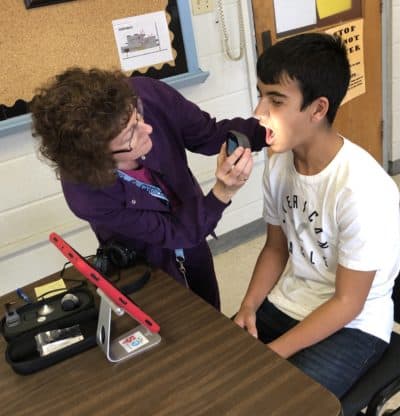
The investment in rural mental health programs will help many children — but the $3 million for Coordinated Specialty Care (CSC) for First-Episode Psychosis response is a service specifically designed for young people. According to the press release, “CSC is a team-based, early intervention for young people experiencing early psychosis.”
A 2022 report to the legislature from NCDHHS on First Psychotic Symptom Treatment said, “Untreated psychosis increases a person’s risk for suicide, involuntary emergency care, and poor clinical outcomes.”
However, research has found that early intervention through a CSC program “can alter the illness trajectory and enable individuals experiencing First-Episode Psychosis to live in community settings and participate fully in family and community life.”
While a young person’s first episode of psychosis is often jarring for many families, the treatment the program provides can alleviate some of the stress, according to Kelly Crosbie, NCDHHS assistant secretary for mental health.
During the NC Chamber’s Business Summit on Mental Health in May, she said the results of the program so far are “tremendous.”
“These young people are getting the treatment they need, the right medication after their first hospitalization that scared the Jesus out of all of you,” said Crosbie. “Families are getting the support they need.”
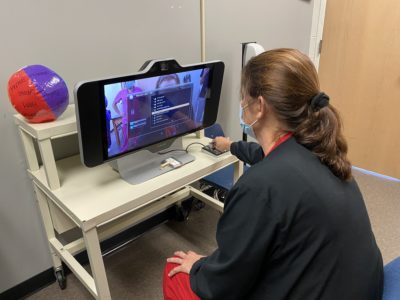
According to the October press release, the Rural Health Transformation Program will implement a “rural adaptation” of CSC that will that will include a “Hub & Spoke Model that incorporates tele-psychiatry with community-based teams to reduce geographic barriers.”
The implementation of CSC in rural communities is projected to help reduce the “number of children staying overnight in emergency departments by 8% to 10% each year through 2031,” the release says.
Read more

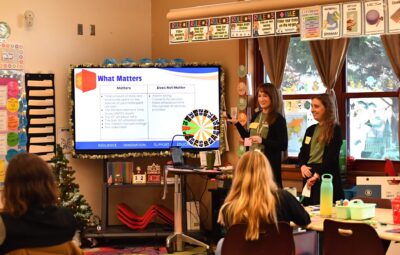
Another award, the $4 million to expand Mobile Outreach, Response, Engagement and Stabilization (MORES) teams, will also specifically target young people, increasing outreach to Beaufort, Edgecombe, Greene, Polk, Transylvania, and Wilkes counties “while strengthening existing teams in numerous counties.”
According to the release: “MORES is a team-based crisis response intervention for children and adolescents ages 3 to 21 experiencing escalating emotional and/or behavioral needs. MORES seeks to reduce admissions to emergency departments and long-term placements in residential settings by supporting youth in their homes and communities for up to eight weeks.”
In September, NCDHHS previously announced $1.25 million in Rural Health Transformation Program funding for school-based health centers to expand preventive and acute healthcare, provide nutrition support, and address behavioral health needs.
Filling in the gaps
The Rural Health Transformation Program was created by the federal budget reconciliation bill, also called H.R. 1. The program supports health initiatives nationwide, totaling $50 billion across the country in federal funding from 2026 to 2031.
However, H.R. 1 also significantly reduced federal funding for Medicaid, which is a joint federal-state program that provides healthcare to “eligible low-income adults, children, pregnant women, seniors and people with disabilities.”
Over the next 10 years, North Carolina is projected to lose nearly $50 billion in federal funds for the state’s Medicaid program. Nationally, the cuts to Medicaid in H.R. 1 totaled more than $1 trillion in federal funding.
“North Carolina is eager to maximize the funding awarded by the Rural Health Transformation Program, but the state will need to overcome significant funding losses as a result of federal reconciliation law H.R. 1,” says the release. “NCDHHS will take advantage of the available funding while continuing to advocate for more funding for NC’s rural health care system in the future.”
Editor’s note: Sophia Luna contributed to this report.