
The power of civic muscle: In rural western NC, your neighbors are the heavyweights
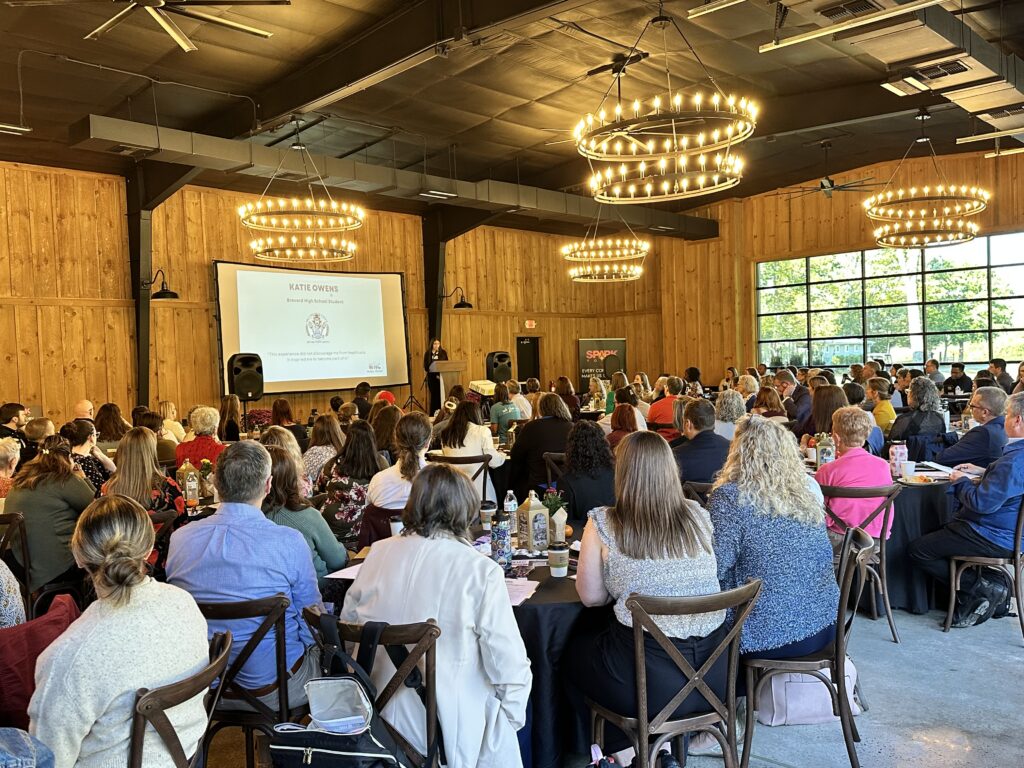
Katie Owens got up in front of a room full of hospital administrators, state health officials, and nonprofit directors on Oct. 1 and talked about her dad.
Owens is a student at Brevard High School. Her dad’s story is a painful one, she told attendees at the N.C. Rural Health Association’s Western North Carolina gathering, and her family went a long time without the answers they needed. Then she got to see things from where the doctors and nurses sit, overwhelmed but doing everything they could with the time they had.
None of it pushed her away from medicine. Owens wants to be an orthopedic spine surgeon back home in the community that raised her.
“I want to help patients like my dad find answers, understand options, and feel that they are not facing the experience alone,” she said.
When she finished, she handed the microphone to the woman who runs rural health for the state, who had shared a table with Owens and her family that morning.
 Sign up for the EdWeekly, a Friday roundup of the most important education news of the week.
Starting with the community
Maggie Sauer, director of North Carolina’s Office of Rural Health, didn’t open with statistics. She opened with the Colorado ranch where she grew up, and the woman people went to see with a question about their health. Folks knew and trusted her from church and the grocery store.
That’s who you are, too, she said to the crowd.
North Carolina has a long habit of starting there. The state opened the nation’s first office of rural health in 1973, after Jim Bernstein came home from the Peace Corps and found an ally at the University of North Carolina in Dr. Cecil Sheps.
“They started with the community,” Sauer said, “and walked beside it.”
She put a quote up on the screen that she’d heard at a meeting in Washington the week before. It listed some of what rural communities need, like economic security and social connections. Further down was civic muscle, which the quote described as the ability to work together, create opportunities, and address challenges.
“There’s all kinds of civic muscle in this room, wouldn’t you say?” Sauer asked.
“The real work gets done here,” she said. Government can make space for that coordination, she added, but can’t manufacture it.
“It’s not about a big title and a big name,” Sauer said. “It’s about you, and what you need. Don’t be afraid to use your voices.”
Walking in someone else’s shoes
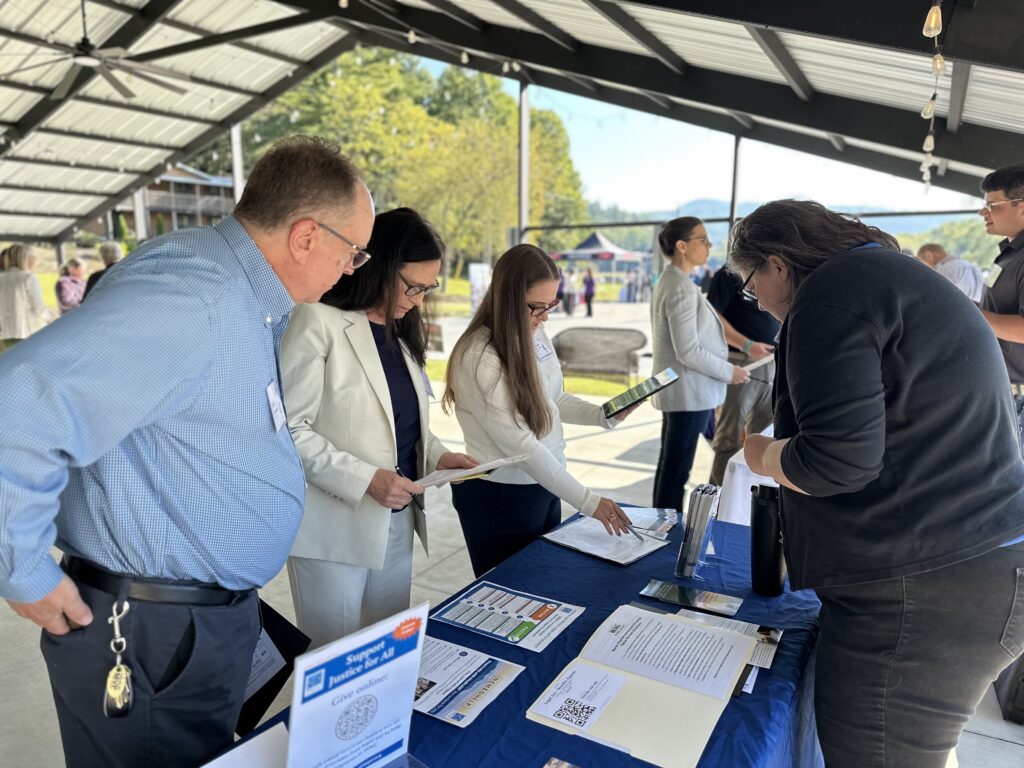
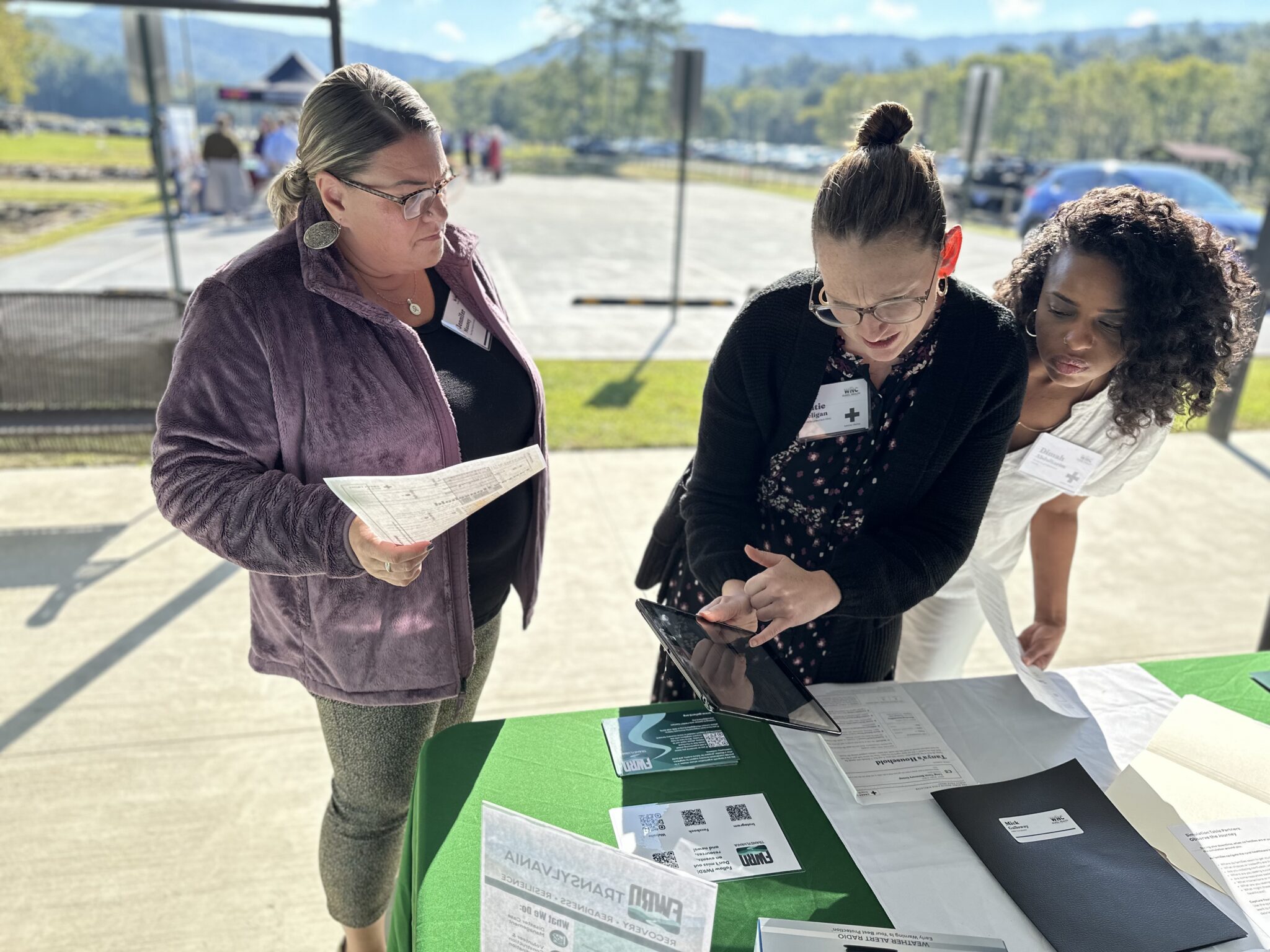
After a morning of hearing about rural health, every attendee in the room was about to live inside it through a simulation from SparkPoint, the Brevard nonprofit hosting the day. Sarah Hankey, founder and director of SparkPoint, explained the simulation’s rules.
A shape and color on each name tag sorted people into families. Each family got an iPad and a household sheet spelling out their particular circumstances: Medicaid or not, limited English or not, internet or not.
“Remember choose-your-own-adventure books from the ’80s and ’90s?” Hankey asked. Every decision changed the route.
She asked people to step into the life of a rural family, with “limited time, limited resources, competing needs, and sometimes no clear path forward,” and to talk it through together.
“This is not a race,” she said.
Some of it happened on foot. Families had to walk from the main hall out to the patio and then over to the gravel parking lot, and their iPads lost connection at points along the way. Hankey said that was built in, and anybody who has driven a back road in these counties knows why.
Hankey wasn’t looking for anyone to win.
“There is no right answer for the perfect journey,” she said. “Instead, pay attention to where you get stuck. What helps you move forward? Who do you trust? What is missing?”
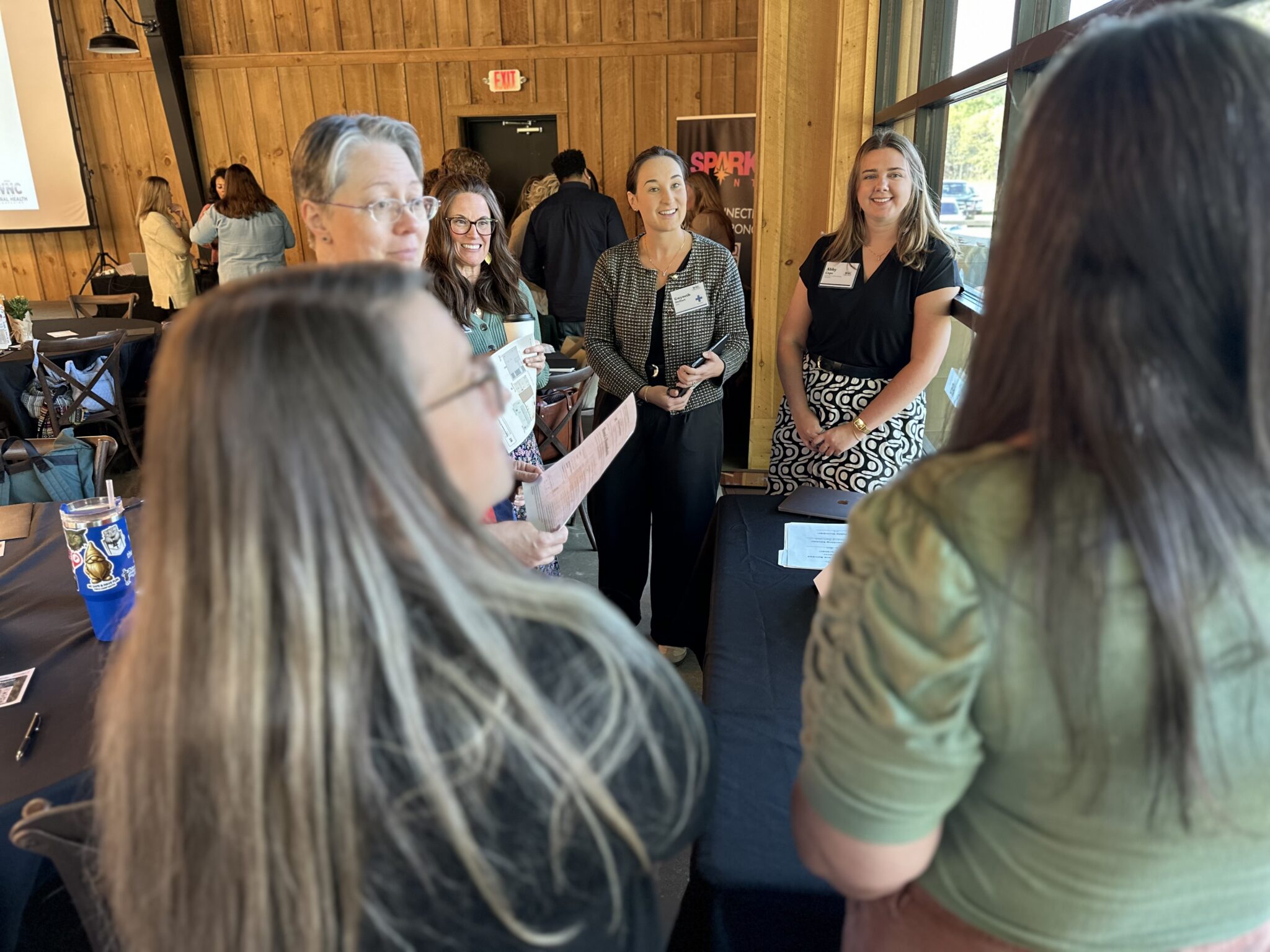
Afterward, family spokespeople reported back, and the group compared what families spent, whether they got care, and where the system gave out. Then everyone returned to their tables, stepping, in Hankey’s words, “out of the family shoes back into your own body.”
Amber Webb, a senior vice president at First Citizens Bank, was in one of the families.
“The simulator was incredible,” Webb said. “It really opened my eyes to the challenges people face trying to access care and how complicated the system can be to navigate. What I loved most was that it brought everyone together in a way that felt positive and productive. It’s a really powerful tool.”
“If we really want to build a stronger rural healthcare system,” Hankey said, “we have to understand not only from where we sit today, but from the perspective of the people that we’re meant to serve.”
Coming home
Hankey’s question about trust led back to Sauer’s neighbor in Colorado. Nobody in the room that day can fix rural healthcare from one seat, but they can get better at seeing it from the others.
Owens had said as much hours earlier. If people understand one another better, she told the room, rural North Carolina can build a system where patients get the care they need, providers get the support they need, and the state has “more young people (who) can imagine coming home to be part of the solution.”
She’s planning to be one of them.
To learn more about SparkPoint or bring its simulation to your community, contact SparkPoint at 828-554-7010, info@yoursparkpoint.org, or yoursparkpoint.org.