
Rural Health Transformation Program announces $1.25 million to expand school-based health centers

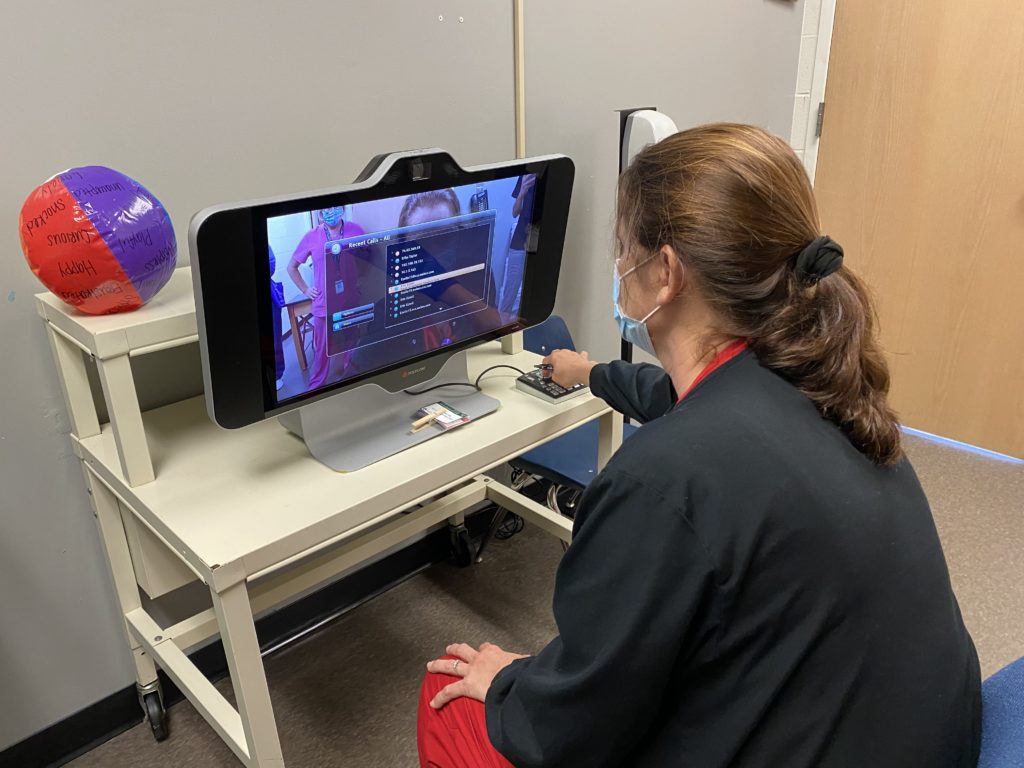
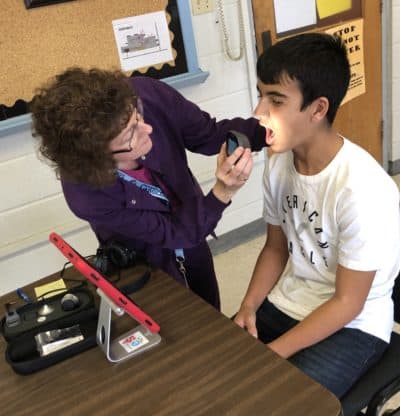
Gov. Josh Stein and the North Carolina Department of Health and Human Services (NCDHHS) announced $1.25 million in federal funding on Monday toward the expansion of preventive and acute healthcare, nutrition supports, and behavioral health needs addressed by school-based health centers.
“This investment will bring critical health care directly to students in rural North Carolina,” said Stein. “For many young people struggling with their mental health, having these resources at school can make all the difference.”
According to the press release, when mental health services are available at schools, nearly 20% of public school students use those services. Approximately 30,000 children and youth receive healthcare from about 90 school-based health centers in North Carolina.
 Sign up for the EdDaily to start each weekday with the top education news.
Five organizations will receive the funding: the Appalachian District Health Department, Blue Ridge Community Health Services, First Health of the Carolinas, Mountain Community Health Partnership, and Wilson County Health Department.
To be eligible, applicants had to have an active grant agreement with NCDHHS’ Department of Child and Family Well-being, provide a school-based health center program, and serve areas with limited access to local behavioral or physical health providers.
The funding is part of the North Carolina Rural Health Transformation Program (NCRHTP), a statewide initiative “designed to address longstanding challenges in rural health care access and delivery.” In practice, the funds will go toward supporting current school-based health centers, offering mobile care at rural schools, or increasing the numbers of healthcare personnel responding to their communities’ mental health needs.
“School-based health centers provide vital access to comprehensive, coordinated, and preventive health care through direct services and programs or through referrals to other primary care providers,” said NCRHTP Director Maggie Woods. “We are grateful for our local, state, and federal partners who share in the commitment to ensure children can access the care they need and deserve in their communities.”
Read more

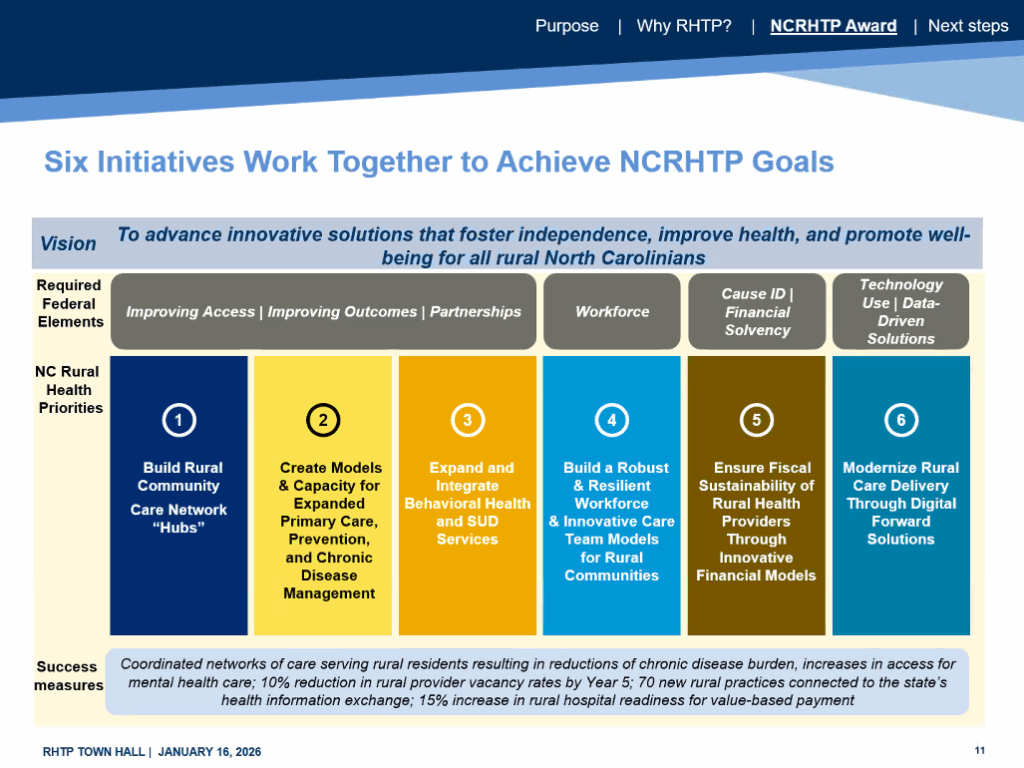
In December 2025, the state was awarded $213 million from the federal Center for Medicare and Medicaid Services to execute the first year of the Rural Health Transformation Program. A press release for the program previously outlined the following six initiatives:
- Launch locally governed NC Rural Organizations Orchestrating Transformation for Sustainability (NC ROOTS) Hubs to create centralized comprehensive care for rural residents
- Expand programs that address prevention, chronic disease management, maternal health, and nutrition
- Increase access to mental health services, including substance use disorder treatment
- Invest in the rural healthcare workforce
- Help rural providers build the capacity to transition to value-based care models, where providers are paid based on the quality of their care rather than on how many services they provide
- Enhance technology in healthcare through artificial intelligence and expanded broadband access
“We look forward to continuing the collaborative effort needed to make sure everyone has access to affordable, high-quality, patient-centered health care while reducing the burden on rural health providers,” said NC Health and Human Services Secretary Dev Sangvai in December. “The North Carolina Rural Health Transformation Program is one part of our efforts to support the more than 3 million people in North Carolina who live in rural communities.”
The initial $213 million was awarded for 2026, and the state will be eligible for annual funding through 2031, contingent on the program’s success in its first year. If awarded, federal funding over the next five years would total $1 billion.
The most recent information on the program can be found on the NCRHTP website.