Beyond policy: Why literacy reform is entering a new phase

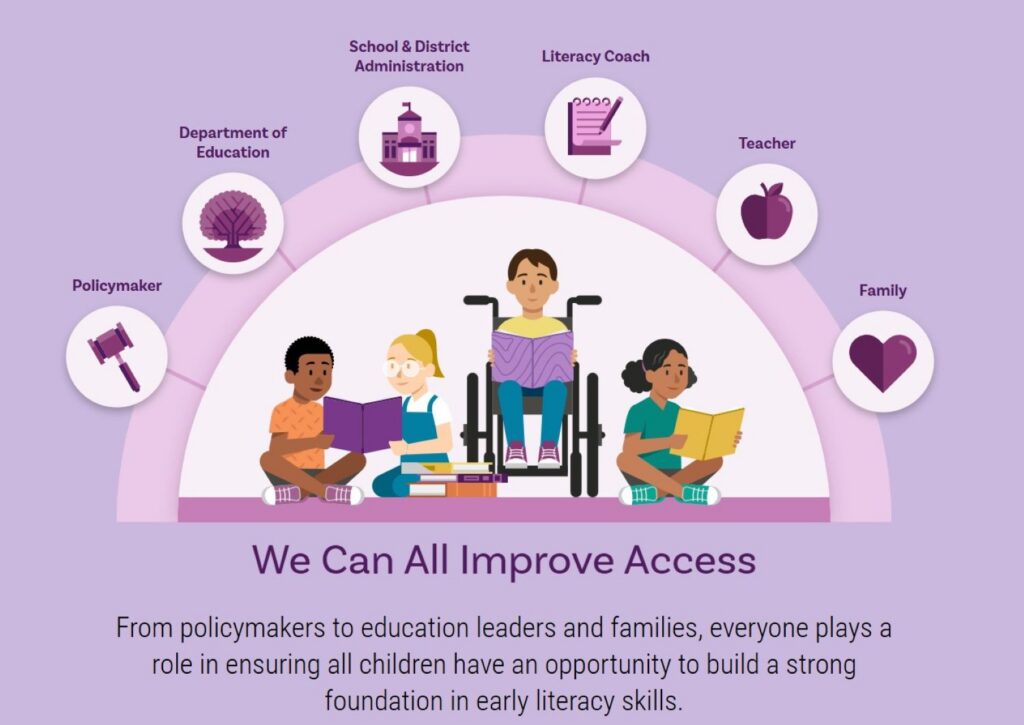
Over the past several years, states across the country have rewritten early literacy policy at an unprecedented pace. Science of reading legislation, teacher training requirements, instructional material reforms, and early intervention initiatives have reshaped the national literacy landscape.
Today, nearly every state has taken meaningful steps to strengthen reading instruction. But passing legislation was intended to be a starting point, never the finish line.
As more states move beyond adopting literacy laws, the challenge has become turning policy into consistent classroom practice. The work has shifted beyond simply deciding what should happen to ensuring that it happens for every teacher, in every school, and for every student.
 Sign up for the EdWeekly, a Friday roundup of the most important education news of the week.
Casey Taylor, senior policy director for literacy at ExcelinEd, has watched that shift unfold across the country.
“It doesn’t happen overnight,” Taylor said. “You have to stay the course.”
That perspective captures where literacy reform is headed. Strong policy remains the foundation, but lasting change depends on how those policies are put into practice.
Today, the work is helping those policies come to life in classrooms. Increasingly, the work centers on implementation by equipping teachers, building coaching systems, sustaining high-quality instructional materials, measuring progress, and strengthening practice long after legislation is passed.
Literacy reform is entering a new phase
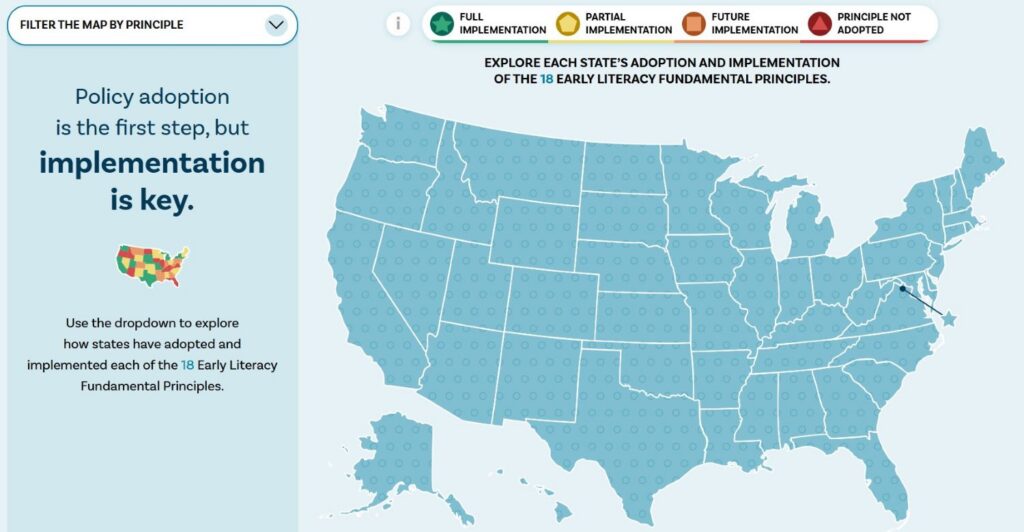
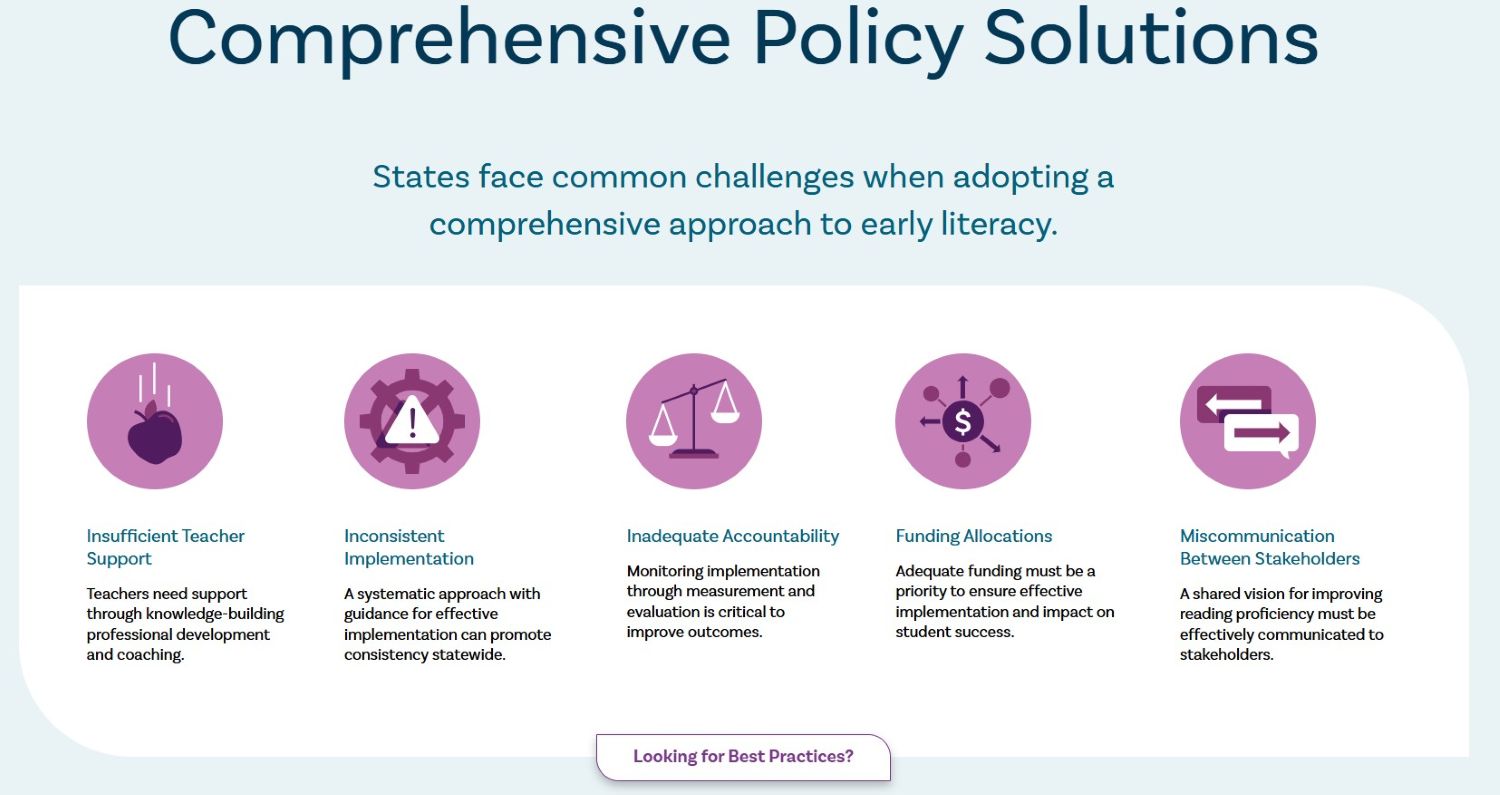
Over the last decade, states have made remarkable progress building cohesive early literacy policies. Teacher training, screening requirements, interventions, curriculum guidance, and accountability measures have become increasingly common across the country. Passing legislation is only the beginning. Policies and funding create the conditions for success. A shared vision helps everyone move in the same direction.
“The most effective states don’t stop once the policy is passed,” Taylor explained. “They’re continually reflecting, improving, and asking what’s next.”
She believes successful implementation begins with two foundational elements: a comprehensive literacy policy and adequate funding to support it. Beyond those essentials, implementation also requires something less tangible but equally important — a shared vision.
Successful implementation begins with a clear vision, so everyone understands their role in achieving the desired outcomes.
“What’s everyone’s role? How are we going to arrive at the outcomes we want? How are we going to sustain the work and continuously improve?” Taylor said.
Rather than viewing literacy initiatives as one-time reforms, the strongest states approach implementation as an ongoing cycle of planning, reflection, evaluation, and refinement.
Read more about literacy



Teachers need more than training
Professional learning has become one of the most visible components of literacy reform nationwide. More than 40 states now offer some level of science of reading training for educators. Taylor points out that fewer than half require training for all elementary teachers and administrators. As a result, access to highly qualified teachers can vary from one classroom to the next, leaving some students with educators who have received comprehensive science of reading training while others do not.
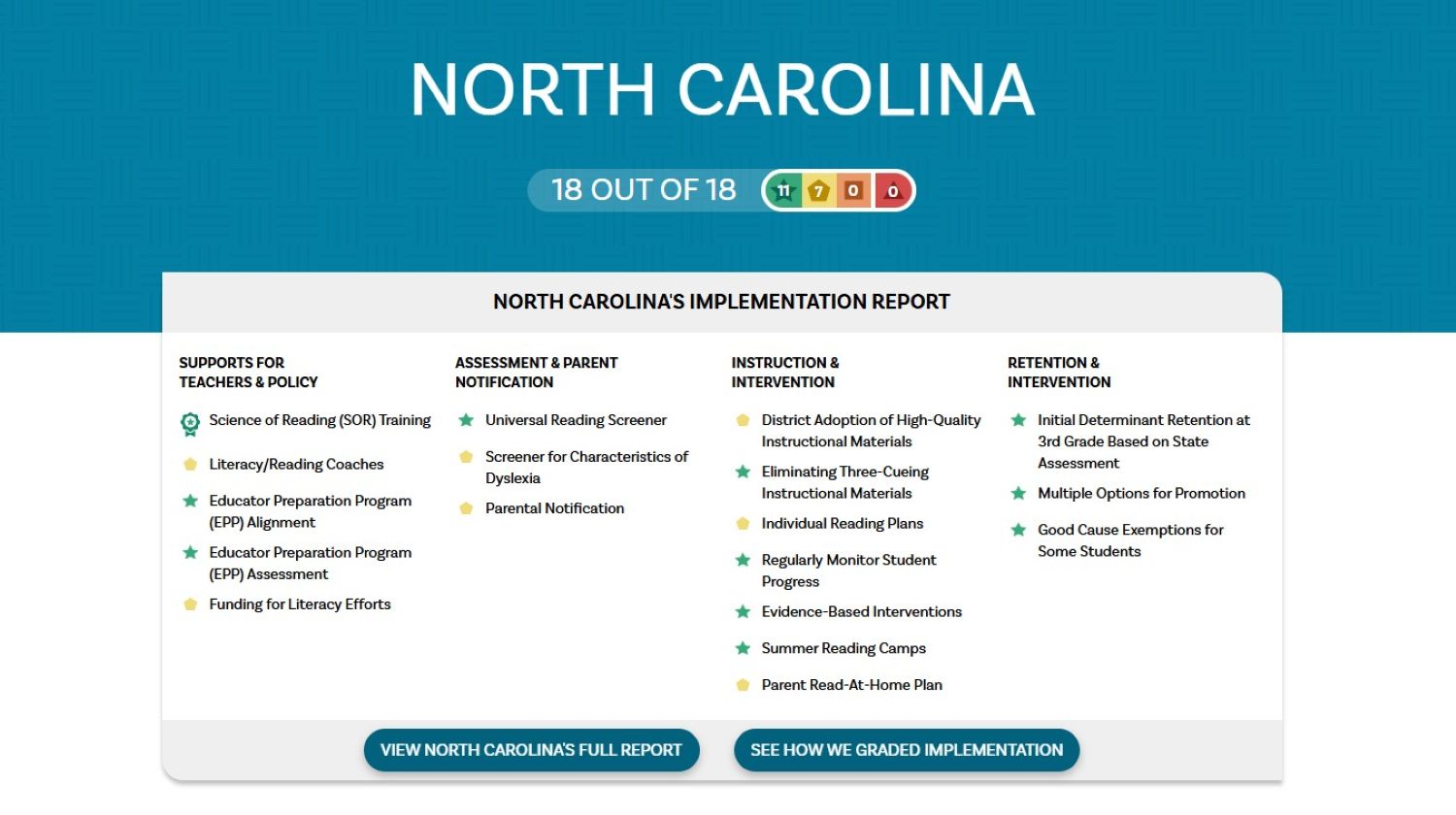
North Carolina has distinguished itself by taking a broader approach. The state’s legislation ensured that pre-K through fifth grade teachers, instructional support personnel, and elementary administrators all received science of reading training, creating a common instructional foundation across schools. Even so, training alone is not enough. Teachers also need high-quality instructional materials aligned with scientifically based reading research, strong educator preparation programs, and ongoing guidance that helps translate new learning into classroom practice.
Professional learning introduces the research. Implementation happens as teachers put that learning into practice every day.
“Professional learning is important,” Taylor said, “but we also have to think about how we help teachers implement what they’ve learned.”
Coaching is becoming the missing link
If training builds knowledge, coaching builds practice.
Taylor repeatedly emphasized literacy coaching as one of the most important, and often overlooked, investments states can make.
“The most effective implementation often involves highly qualified literacy coaches,” she said.
Across the country, more states are recognizing coaching as the bridge between policy and classroom instruction. This year, Georgia approved legislation ensuring every elementary school has access to a literacy coach, joining Alabama and South Carolina as the only states currently providing statewide funding for coaching in every elementary school. Taylor believes this reflects an important step forward in literacy reform.
Teachers participate in countless professional learning opportunities each year. Without ongoing, job-embedded coaching, much of that learning risks becoming “just another training.”
The same is true for high-quality instructional materials. Districts are making substantial investments in new curricula, but those investments yield the greatest return only when educators receive sustained support to understand the instructional design, make sound instructional decisions, and use the materials as intended. Coaches help educators translate research into daily instruction, provide meaningful feedback, solve implementation challenges, and sustain improvement long after workshops have ended.
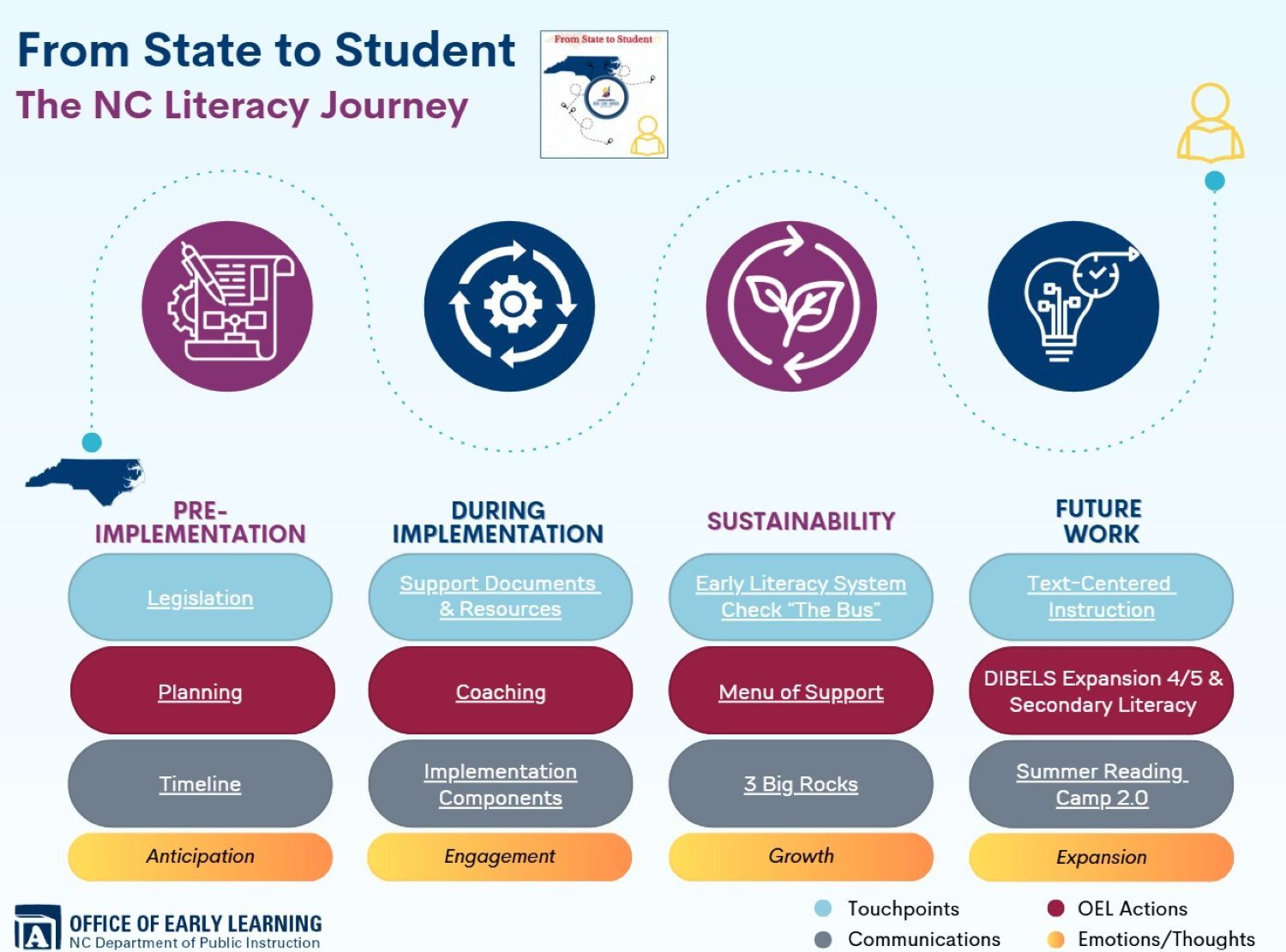
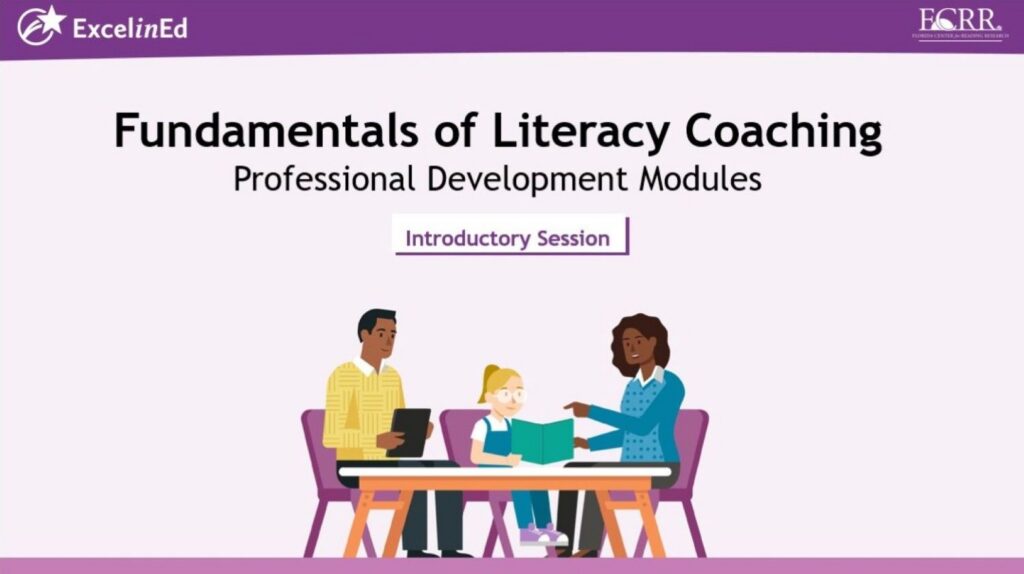
North Carolina is moving in that direction as well. Taylor praised the state’s efforts to expand a scalable coaching model through the use of ExcelinEd’s Fundamentals of Literacy Coaching. The model creates a layered system that connects the Office of Early Learning state leaders, regional early literacy consultants, early literacy specialists, district leaders, local coaches, and classroom educators.
“It creates that systemic approach that has the power to make true and lasting change,” she said. “Build a model that people can understand and see their part in, and they’ll take it and run with it.”
Literacy doesn’t end in third grade
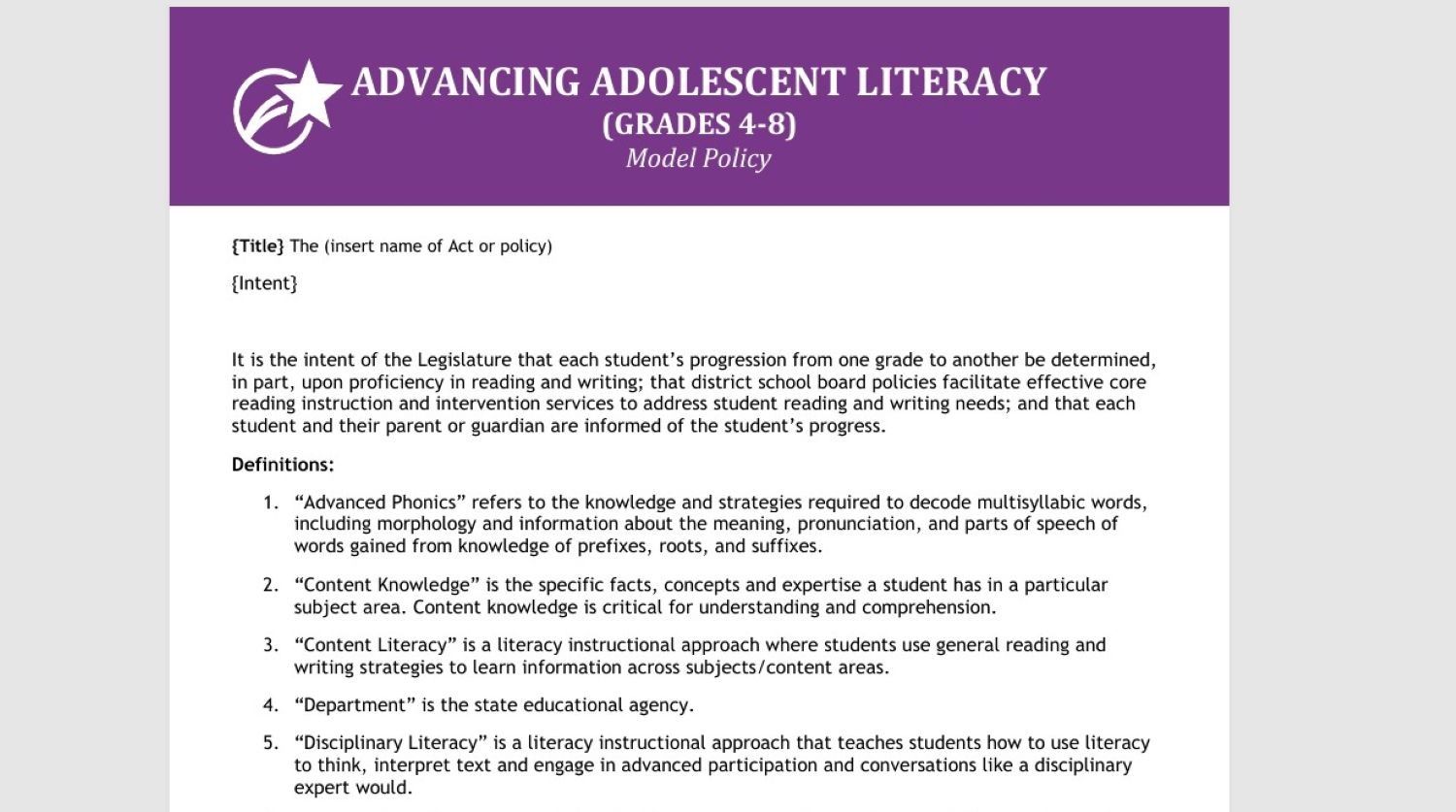
As states support early literacy implementation, many are recognizing that the work cannot stop in third grade. Students continue developing more sophisticated reading, writing, vocabulary, and comprehension skills throughout middle school and high school.
Several states are already moving in that direction. Virginia and Indiana established adolescent literacy policies several years ago. More recently, Louisiana and Mississippi expanded literacy support into the middle grades, while Wyoming adopted a K-12 literacy framework that prepares students throughout their educational journey. North Carolina has also taken important steps by expanding literacy training for educators who teach older students.
The shift reflects a broader understanding of literacy itself. Every content area teacher, from science to social studies, has a role in helping students become stronger readers, writers, and thinkers. All students beyond third grade are still learning to read at more advanced levels.
The best states measure more than test scores
One lesson that states are learning is the importance of beginning with the end in mind. Too often, ambitious literacy initiatives begin without a clear plan for evaluating their impact. As a result, educators may believe reforms are making a difference but struggle to demonstrate success because they never identified the evidence that they would need before implementation began.
Evaluation should never be an afterthought. Successful states define their desired outcomes early, determine how they will measure progress, and use that information to expand and sustain implementation over time.
Accountability is an important part of that process. As Taylor explained, the states making the greatest improvements in literacy have built strong partnerships between their accountability systems and literacy efforts. Accountability is about more than measuring results. It provides educators and leaders with the information they need to reflect, make adjustments, and continue improving.
What the leading states have in common
As Taylor reflects on the work happening across the country, she sees a common thread among the states making the greatest progress. Their success is not the result of a single initiative or one legislative victory. It comes from building systems that prepare educators, improve instruction, and continue improving over time.
Those systems begin with a clear vision. Strong policy provides the foundation, but successful implementation depends on everyone understanding their role and working toward the same goals. States that sustain progress invest in educators through high-quality professional learning, refine educator preparation programs, and provide the coaching teachers need to put research into practice.
Just as important, they recognize that implementation is never finished. The strongest states establish meaningful ways to measure progress, learn from the data, and make adjustments along the way. They continue refining instructional materials, expanding supports, and expanding literacy efforts long after legislation is passed.
Long-term commitment is what separates lasting change from short-lived reform. States that continue learning, improving, and investing in educators create the conditions for stronger reading outcomes that endure over time.
Why North Carolina is well positioned
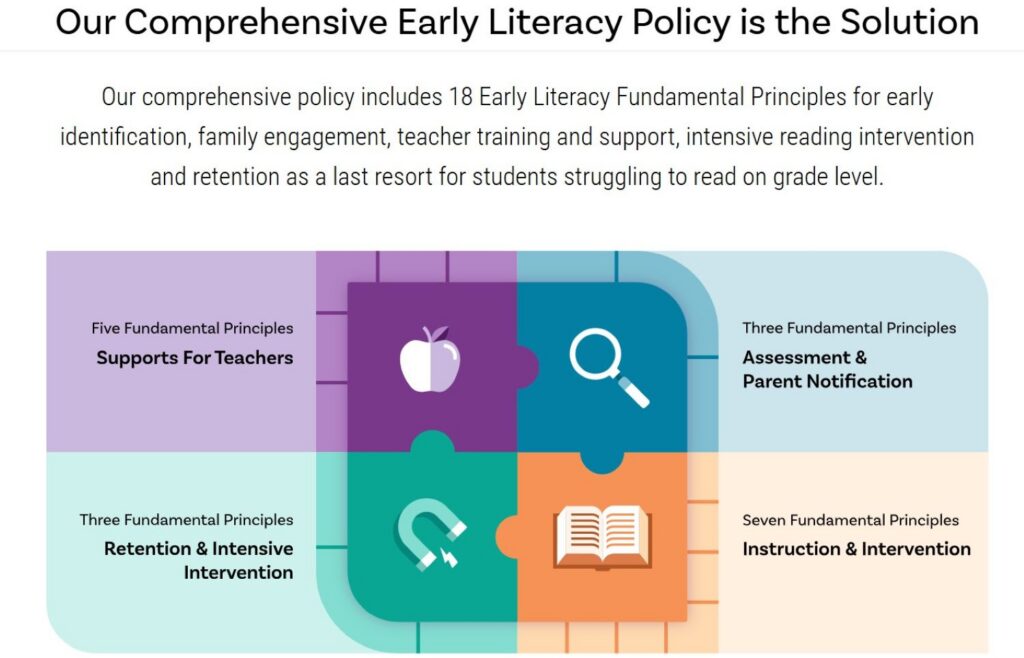
Among the states Taylor follows closely, North Carolina stands out. Its statewide literacy policy, significant investment in professional learning, expanding coaching infrastructure, strong leadership, and commitment to continuous improvement have created a strong foundation for continued improvement.
“We love North Carolina’s policy,” Taylor said, noting that it included several areas beyond what many other states had already adopted, including educator preparation and comprehensive professional learning.
Equally important is the state’s willingness to reflect and improve. Rather than assuming the work is finished, state and local leaders continue examining assessment results, identifying areas for growth, and refining implementation along the way. That commitment keeps North Carolina moving forward.
Like every state, North Carolina still has opportunities to strengthen its literacy efforts. Developing a more systematic process for reviewing high-quality instructional materials, refining consistency around dyslexia screening, expanding adolescent literacy supports beyond policy, and continuing to invest in coaching could further improve the state’s literacy efforts.
Taylor offered one final piece of advice: “Remember the old adage, ‘If you fail to plan, you’re planning to fail.’ Have a plan, communicate it well, and see it through to completion from the statehouse to the classroom.”
Meaningful literacy improvement takes time. When policy is paired with thoughtful implementation, educators receive the tools, coaching, and guidance they need. Students experience consistent, research-based instruction, and literacy reform becomes everyday classroom practice.