As districts across North Carolina prepare for another school year, many are asking the same question: How do we create lasting improvement? For Wilkes County Schools, the answer begins with leadership.
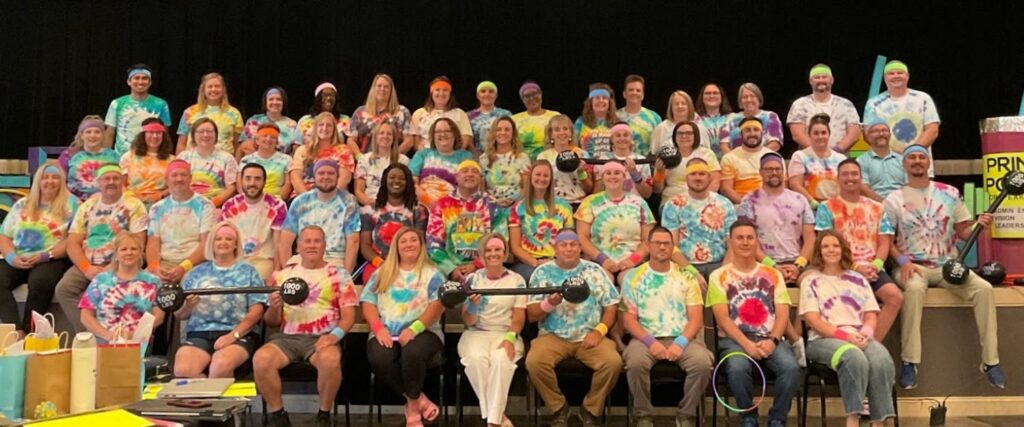
This summer, more than 80 school and district administrators gathered before students returned to classrooms, not to spend another week reviewing policies and calendars, but to prepare for the work of leading schools together.
The district’s annual administrative conference launched a shared vision for the year ahead, with a focus on collaboration, consistency, and strengthening instruction across every school.
 Sign up for the EdWeekly, a Friday roundup of the most important education news of the week.
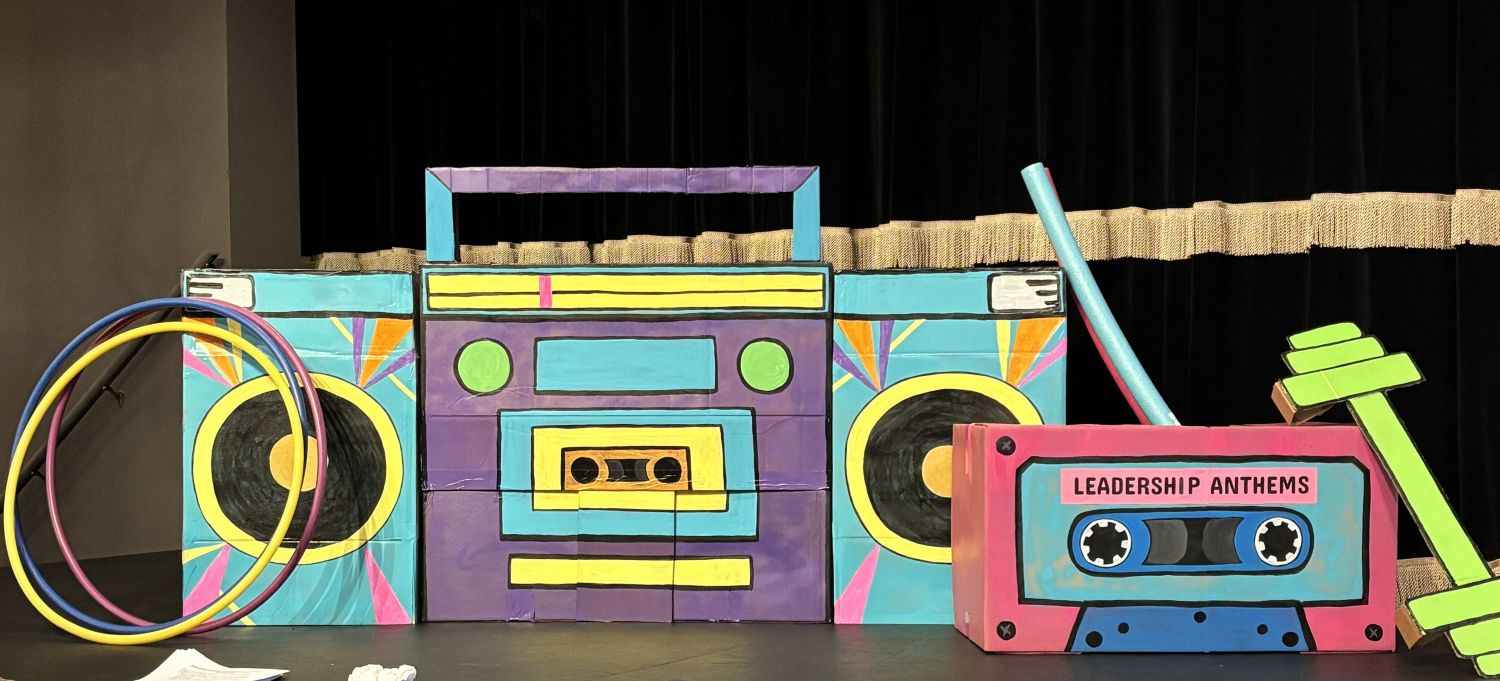
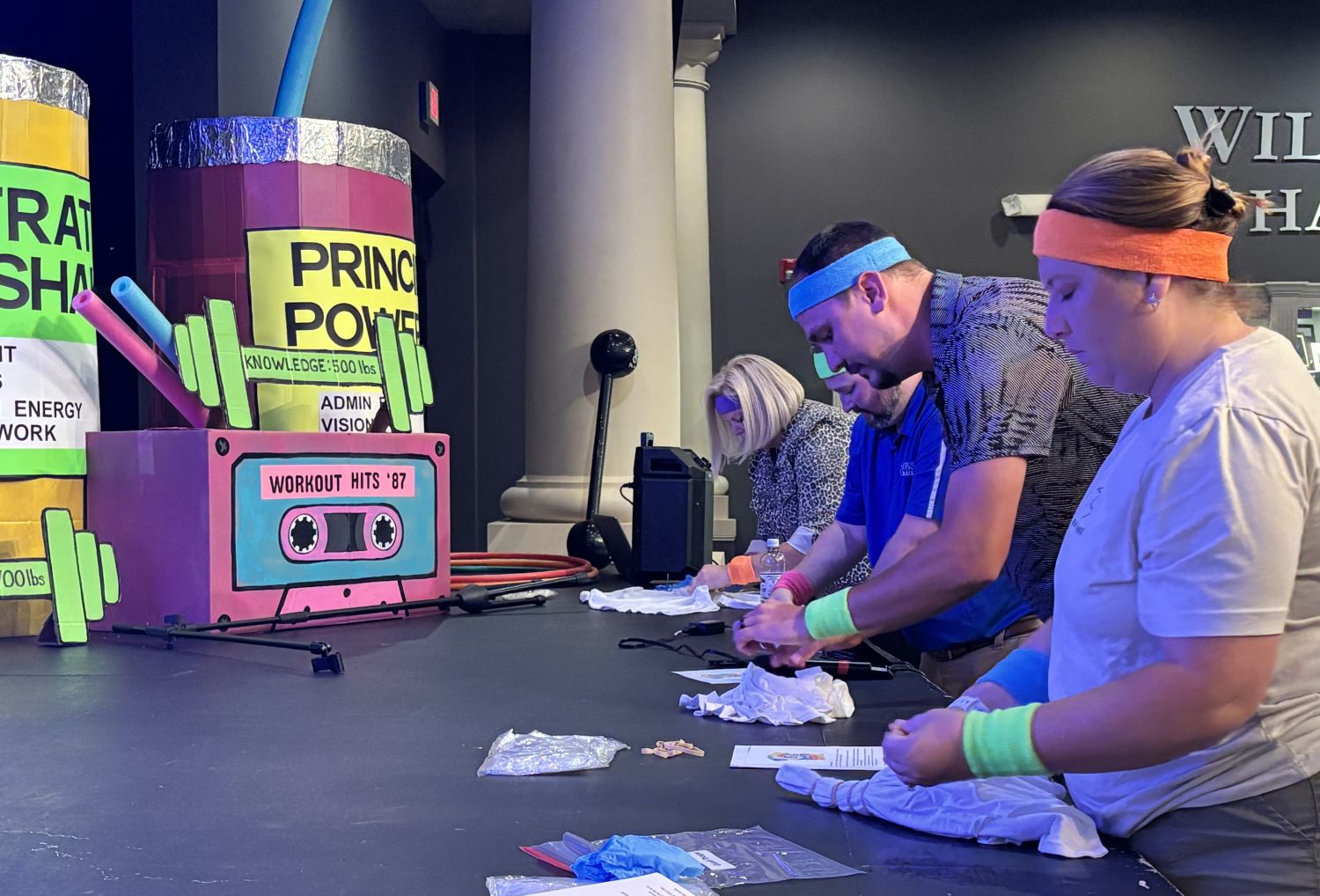
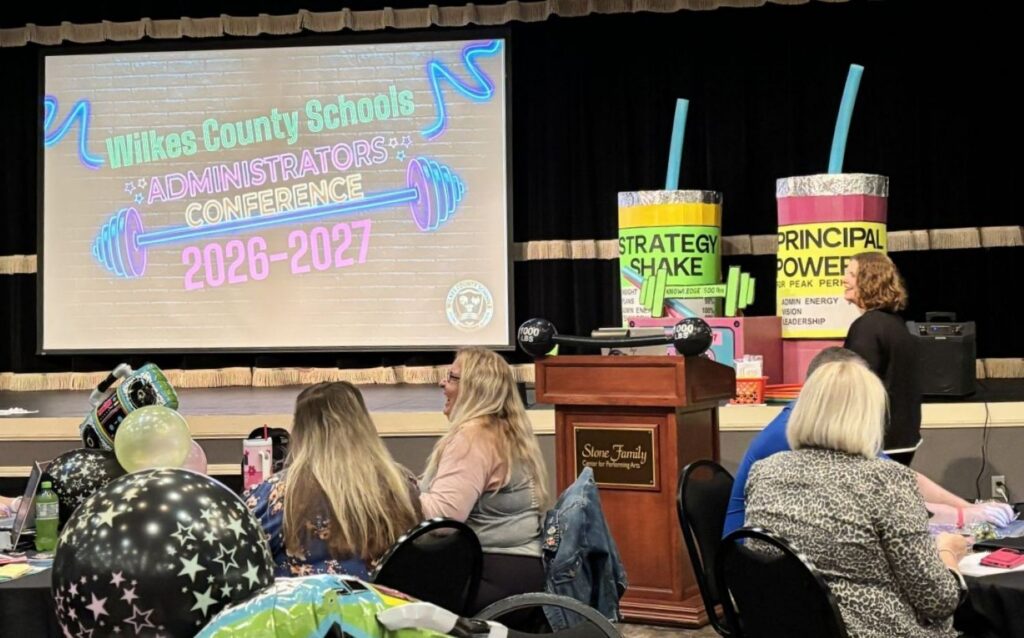
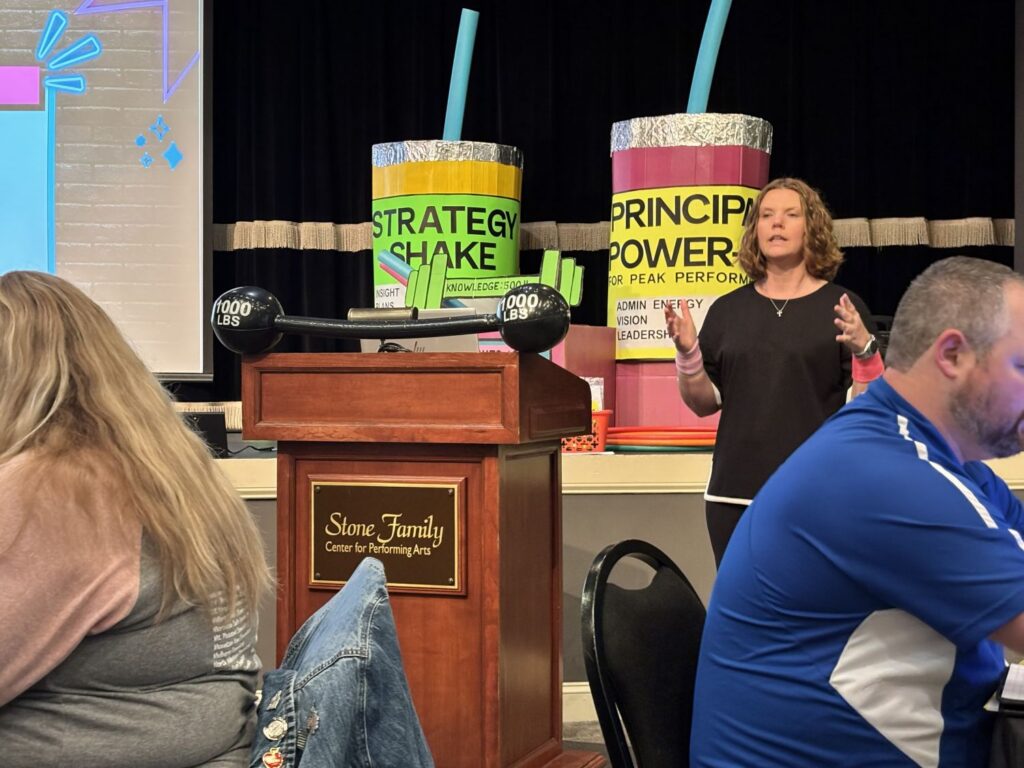
From the moment participants walked into the conference, it was clear this wouldn’t be a typical leadership meeting. Inspired by a 1980s workout theme, the room was filled with oversized “Strategy Shake” and “Principal Power” displays, cassette tapes, weights, neon colors, and fitness-inspired decorations.
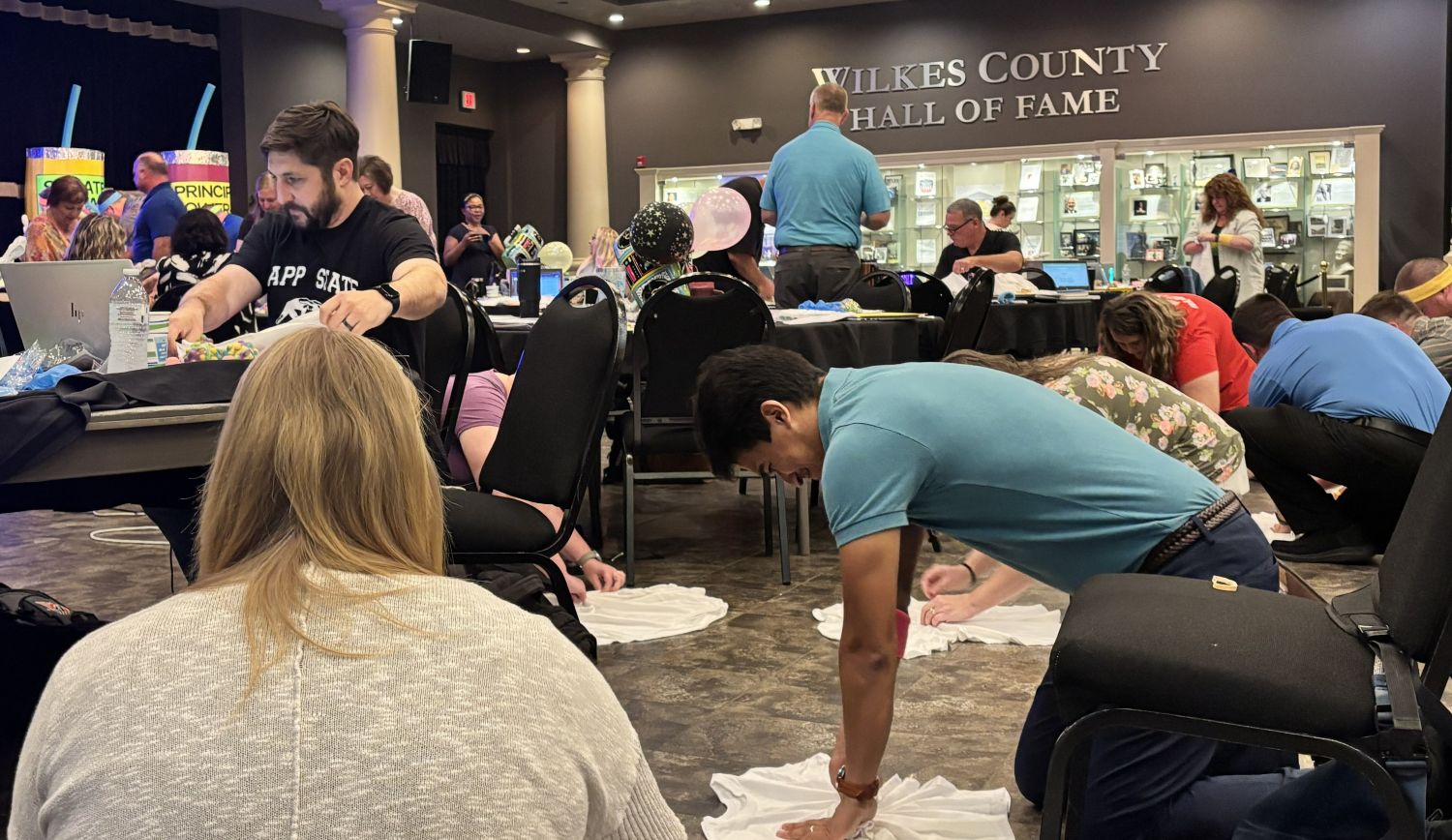
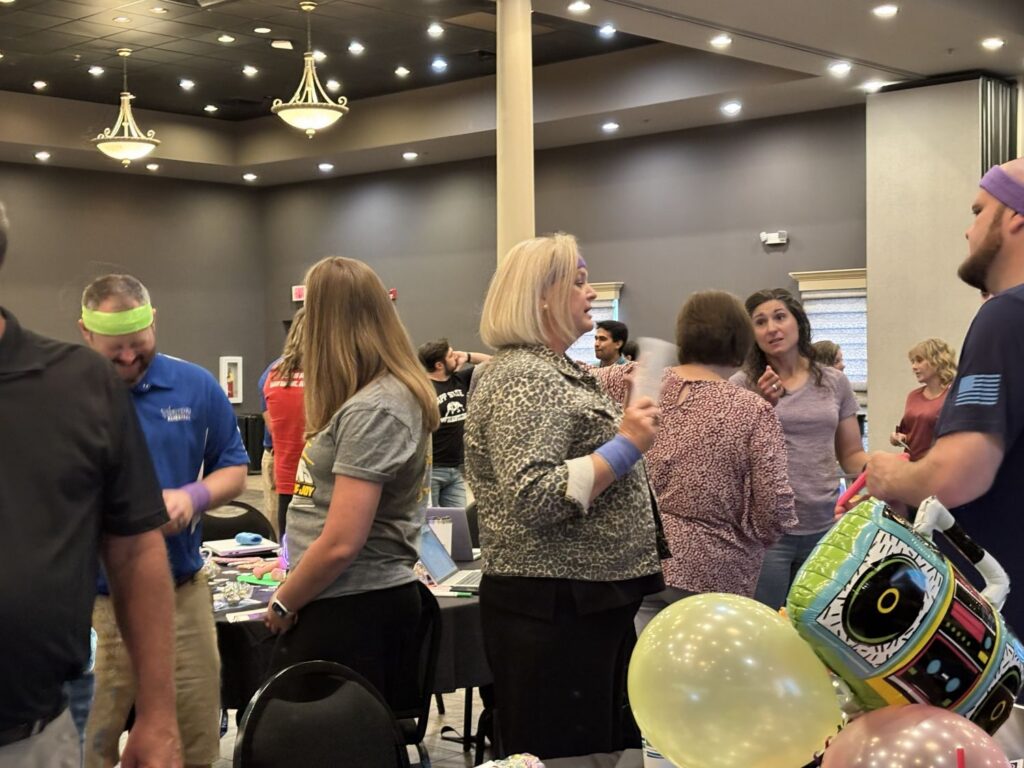
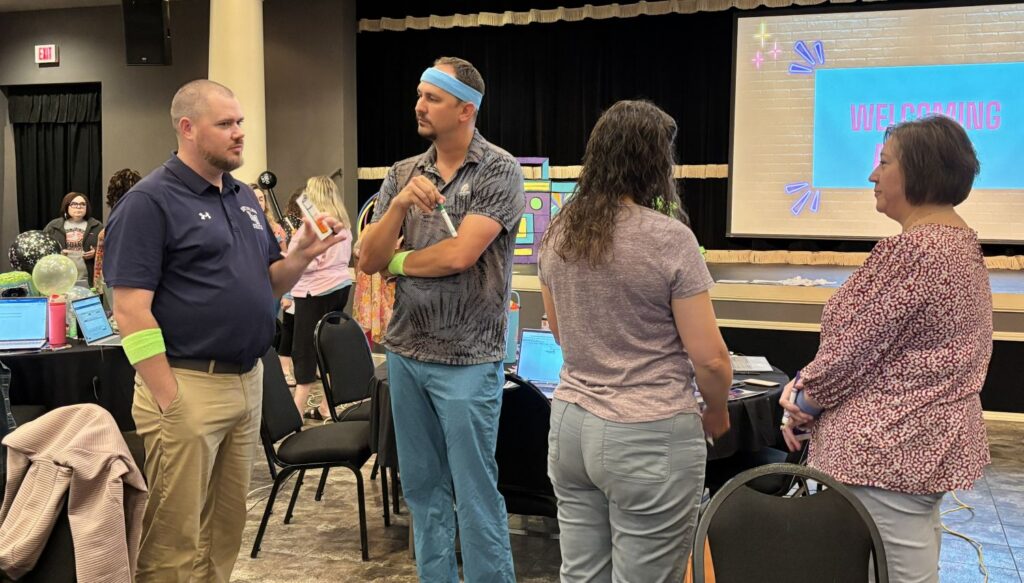
Administrators swapped business attire for sweatbands, wristbands, and bright workout gear as they participated in activities designed to strengthen communication, teamwork, and problem solving.
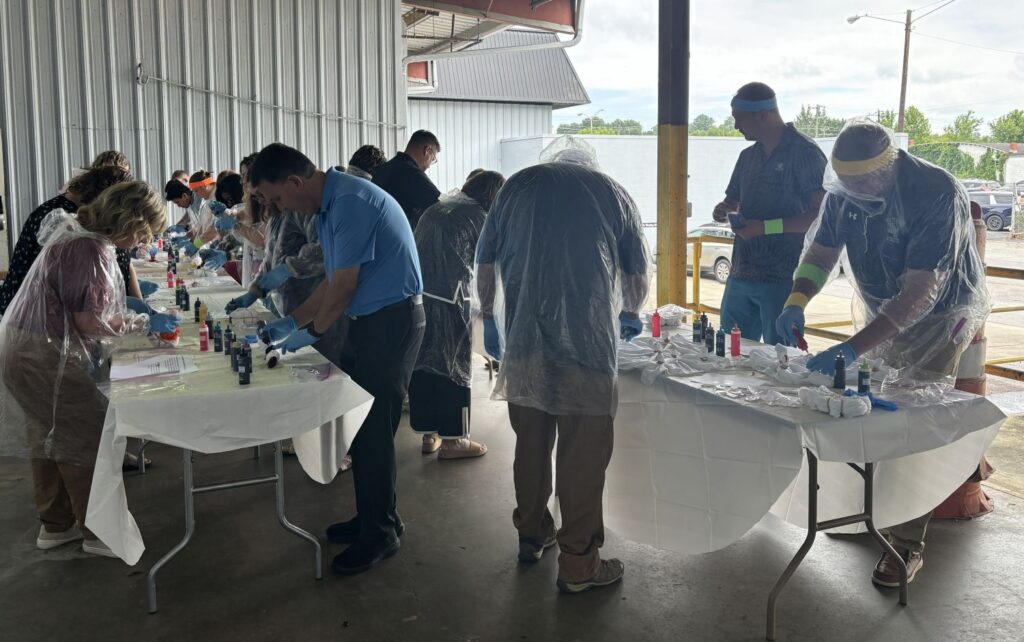
The energy in the room was unmistakable. Leaders laughed together as they tie-dyed shirts and worked through engaging activities. They encouraged one another while problem solving school-specific data, goals, and action steps.
Rather than simply talking about collaboration, it was integrated into sessions throughout the conference. Every activity reinforced the trust and relationships district leaders believe are essential for improving instruction throughout the school year.
The conference design reflected the district’s belief that the way leaders learn together matters just as much as what they learn. This belief shaped the conference from beginning to end. Participants weren’t passive listeners. They spent the week working together, exchanging ideas, and learning from one another in ways they hope to replicate in their schools.
“Our Wilkes County Schools summer administrative conference has been an investment in the people who lead our schools,” Superintendent Dr. Westley Wood said. “We intentionally focused on strengthening unity, building high-performing teams, establishing common high-leverage instructional practices, fostering meaningful relationships, and reinforcing the attitudes and drive necessary to serve students well. As we begin a new school year, we move forward with a shared vision and a collective commitment to excellence. When our leaders are united in purpose and focused on what matters most, our students, staff, and communities are the ones who benefit.”
Training together, growing together
Wilkes County School District leaders understand that leadership isn’t developed only during formal professional development sessions. It grows through shared experiences, honest conversations, transparency, and strong relationships that continue long after the conference ends.
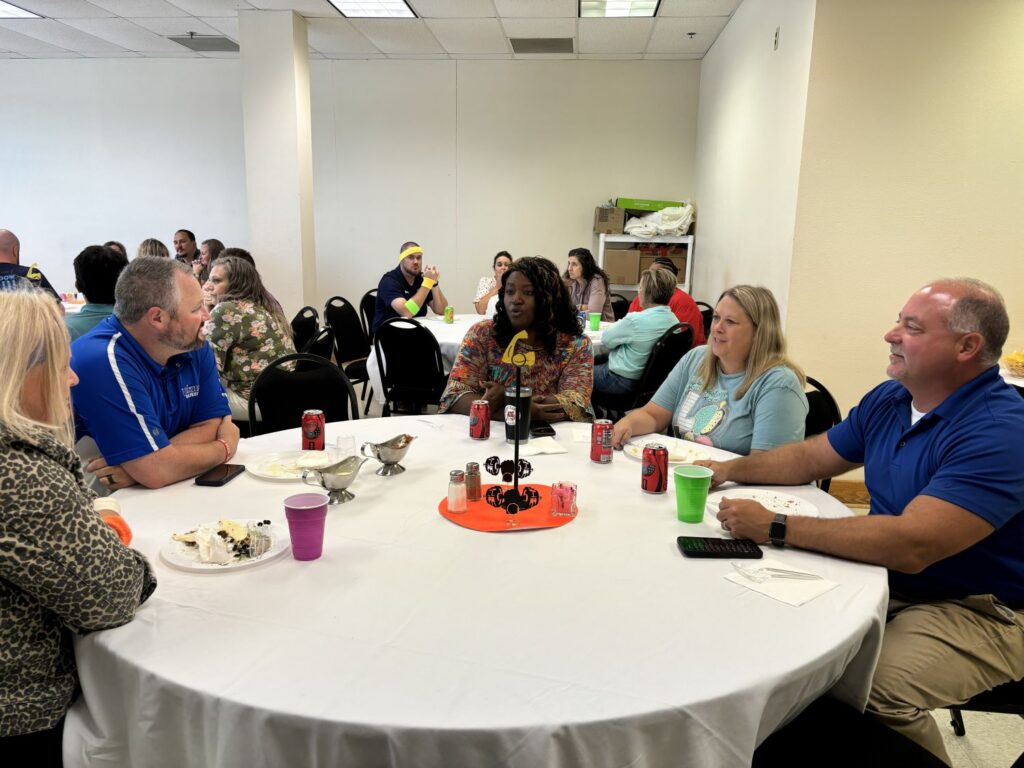
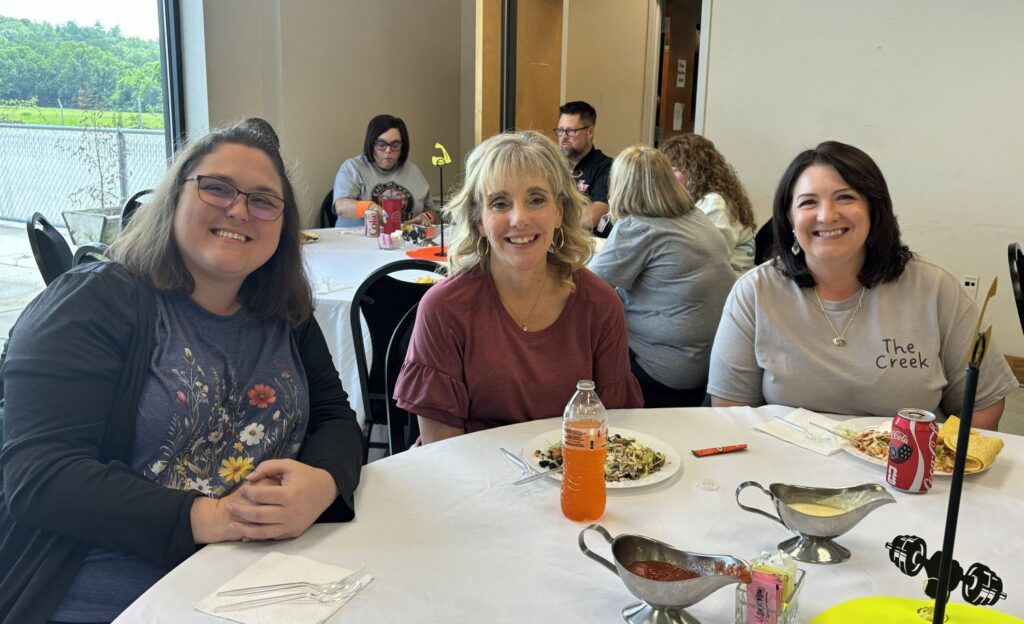
For many participants, conversations with colleagues were among the most valuable parts of the conference. School leaders shared challenges, celebrated successful strategies, and discussed ways to strengthen teaching and learning in their own buildings.
North Wilkes High School Principal Debra Surgeon said she hoped to “increase her capacity to better serve students, staff, and the community.”
Dr. Heather Freeman, Wilkes Central High School principal, shared that working alongside colleagues gives administrators the opportunity to validate successful practices while finding solutions to shared challenges. She described the experience as an investment in collective efficacy, the belief that educators working together can positively influence student learning. That shared responsibility, she said, “strengthens support for teachers while ultimately benefiting students across the district.”
Building the foundation
One of the greatest challenges facing school districts is providing every student with a high-quality learning experience while recognizing that each school serves a unique community. Assistant Superintendent of Curriculum and Instruction Callie Grubb outlined the district’s instructional approach, giving educators a shared direction while allowing schools the flexibility to meet the needs of their students.
“This framework is designed to align our priorities as a district,” Grubb said during the opening welcome. “However, it does not mean that every school needs to look identical. Each school will use data to identify your primary focus during the upcoming school year.”
The district’s approach emphasizes standards-aligned instruction, high-leverage instructional practices, professional learning communities, coaching, and continuous improvement.
By establishing shared expectations for effective instruction, district leaders are creating consistency without sacrificing each school’s unique strengths. Students benefit from high-quality teaching regardless of which school they attend, while teachers, principals, instructional coaches, and district leaders work toward the same instructional vision. That shared focus makes improvement efforts more intentional, consistent, and sustainable.
Strengthening leadership muscles
Strong instruction begins with strong leadership. Throughout the conference, administrators returned to conversations about transparency, collaboration, and shared responsibility, not simply as leadership concepts, but as everyday practices that influence how schools support teachers and students.
Wilkes County is pleased to be able to begin the 2026-27 school year with every principal position filled by an experienced school leader. That stability allows principals and district leaders to build on existing work instead of starting over with new leadership teams. The continuity provides an important advantage as the district continues implementing instructional priorities across its schools.
Powering up literacy
Those leadership decisions are already shaping classroom instruction, particularly in literacy. Over the past several years, Wilkes County Schools has invested in structured literacy, professional learning, and consistent implementation across the district. Administrators shared encouraging progress in foundational skills instruction, implementation fidelity of the aligned curriculum, and literacy assessment data showing students are internalizing these skills.
Millers Creek Elementary School offers one example of what that work looks like. The Walk to Read model in second grade brings together classroom teachers, specialists, interventionists, and administrators to provide targeted reading instruction based on student need.
“The model has been successful, and we plan to expand it to other grade levels this year,” said Principal Nikki Patrick.
Even school administrators fill in as needed to teach small intervention groups, reinforcing the belief that improving literacy is everyone’s responsibility.
“Through intentional scheduling, the school has protected literacy blocks, even on early dismissal days, so students continue receiving uninterrupted reading instruction and interventions throughout the year,” explained Assistant Principal Rebecca Kilpatrick.
Melissa Miller, early literacy specialist, shared how committed both leaders have been and the positive outcomes taking place as a result.
Looking ahead
The opening days of the school year often set the tone for everything that follows. By investing in relationships, fostering authentic collaboration, and establishing shared expectations before students returned, Wilkes County leaders created far more than a routine administrative meeting. They built momentum for the year ahead by strengthening a culture where leadership is collaborative, learning is continuous, and improvement is everyone’s responsibility.
The conference’s “Power Up the Learning” theme may have celebrated the energy of the 1980s, but its message looked firmly toward the future. The week wasn’t simply about preparing for a new school year, it was about strengthening the people who will lead it.
As districts across North Carolina continue to strengthen instructional systems, Wilkes County’s approach offers a reminder that lasting improvement begins with investing in people. When leaders grow together, schools become stronger, educators are better supported, and students are ultimately the ones who benefit most.