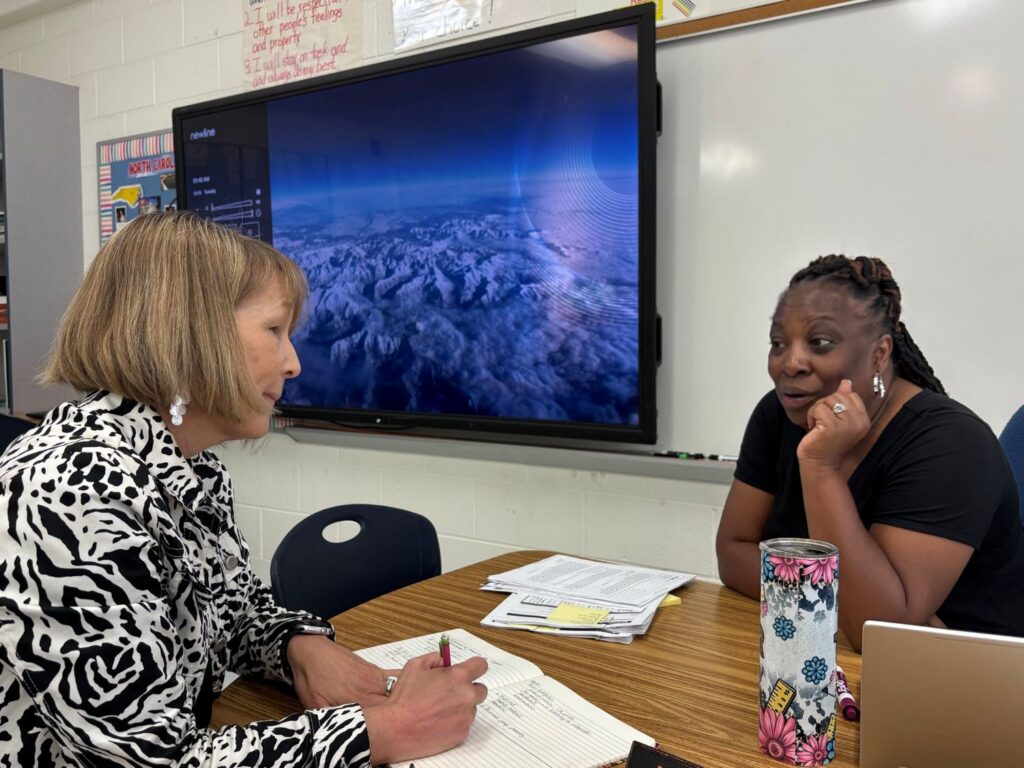
What’s next on North Carolina’s literacy journey?

Mary Derfel, assistant director of early literacy at North Carolina Department of Public Instruction’s Office of Early Learning, recently heard Canadian astronaut Jeremy Hansen describe the dream that shaped his childhood.
“As a kid,” Derfel recalled Hansen saying, “I knew I wanted to go to the moon. What I learned is that I can’t get there by myself, but I can get there with a team.”
Derfel smiled as she shared the story because, in many ways, it captures where North Carolina’s literacy work stands today.
“No one organization can carry this work by itself,” she said. “Not a school, not a district, not a university, and not even the Department of Public Instruction can do this work alone. If every child is going to become a successful reader, it will take everyone moving in the same direction.”
North Carolina’s literacy journey has reached an important transition point. Over the past several years, much of the state’s energy has centered on implementation. Educators immersed themselves in LETRS training. District leaders examined curriculum and instructional materials. Schools adjusted classroom practices to better reflect decades of reading research, while Early Literacy Specialists worked alongside education leaders to help translate that research into everyday instruction.
Those efforts established the foundation for meaningful change in classrooms across the state. Now the focus is shifting.
 Sign up for the EdWeekly, a Friday roundup of the most important education news of the week.
Investing in long-term sustainability
Cynthia Barber, director of the Office of Early Learning (OEL), said the next challenge is ensuring the work continues long after state support tapers.
“We only have 115 Early Literacy Specialists, which we’re grateful for, and they’re phenomenal, but North Carolina is a huge state,” Barber explained. “If we’re going to scale their work, then we want to prepare the field to equip local leaders and coaches.”
She wasn’t describing another statewide initiative. She was describing a strategy for long-term sustainability. Rather than relying on outside expertise, OEL is investing in people already working within districts, so coaching knowledge and instructional leadership become part of each local system.
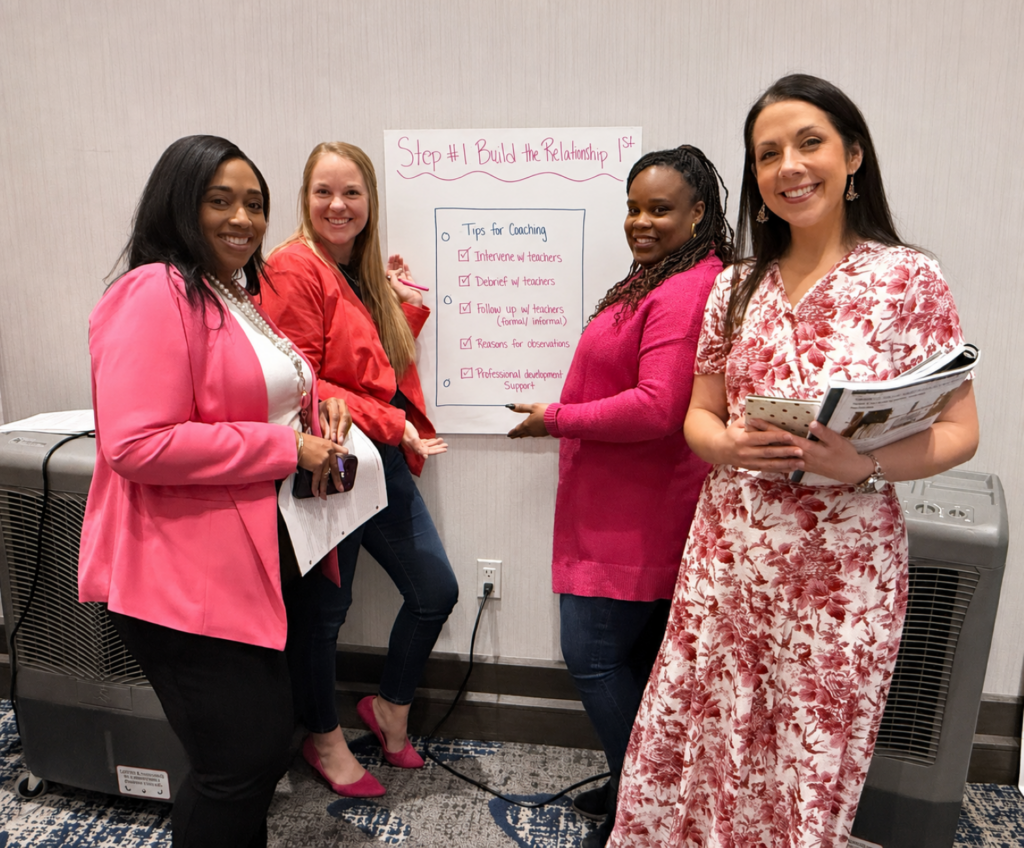
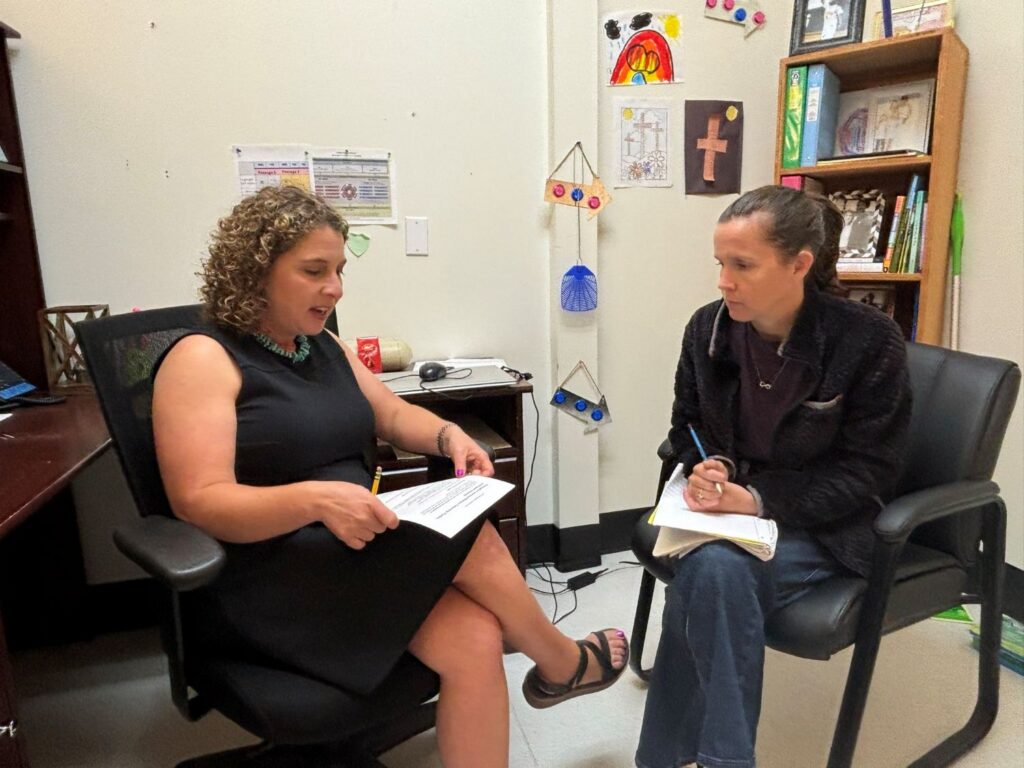
That vision began taking shape last year when OEL’s regional consultants completed Excel in Ed’s Fundamentals of Literacy Coaching. The experience extended far beyond working through six modules. Participants practiced coaching conversations, reflected on their own leadership, and examined how effective coaching influences not only classrooms, but entire instructional systems.
“We’re not just coaching instruction,” Derfel explained. “We’re coaching systems that improve instruction.”
The distinction may sound subtle, but it represents a significant shift in thinking. Strong literacy instruction depends on excellent teaching. Lasting improvement depends on building systems that help excellent teaching continue long after individual initiatives end.
After completing the training, regional consultants introduced the same coaching framework to the Early Literacy Specialists within their regions. By sharing a common coaching language and consistent expectations, consultants and specialists can provide more coherent support across the state while still adapting their work to each district’s unique needs.
“When you’re trying to create a scalable model,” Barber said, “everyone has to speak the same language.”
Much like LETRS established a shared understanding of reading research, Fundamentals of Literacy Coaching is helping establish a common understanding of how educators support one another through coaching. That shared foundation is quietly reshaping how literacy support is delivered across North Carolina.
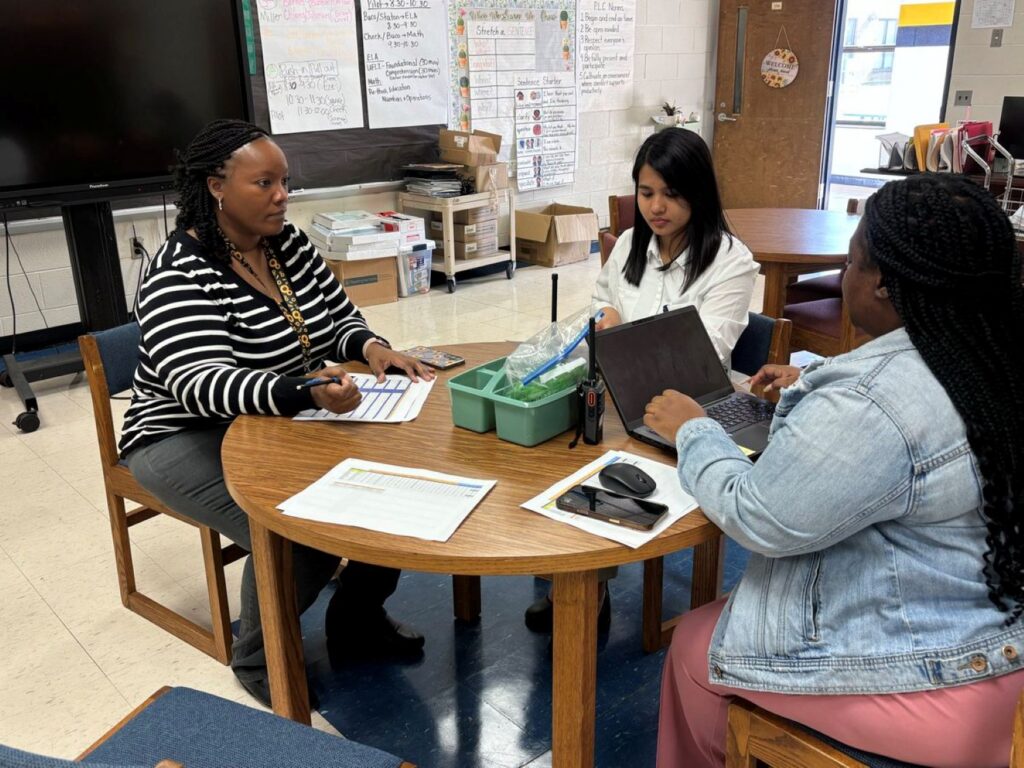
Building capacity from within
When North Carolina first introduced Early Literacy Specialists in 2022, their responsibilities were intentionally broad to support districtwide implementation of evidence-based literacy practices aligned with state legislation. At that time, Science of Reading implementation was still in its early stages, and districts needed practical guidance, systems support, and professional learning to build a strong foundation for change.
Early Literacy Specialists worked alongside district leaders, school administrators, and instructional coaches to develop the knowledge, processes, and capacity necessary to implement evidence-based literacy instruction with fidelity as educators transitioned to a new approach to teaching reading. Several years later, that role is evolving.
As districts have developed stronger internal expertise, specialists are spending less time providing broad support across many schools and more time working intensively in one or two schools within each district. The shift reflects a deliberate strategy to help districts build the knowledge and leadership needed to sustain the work themselves. The goal extends well beyond improving a handful of campuses.
The plan also includes highlighting schools where effective coaching, instructional decision-making, and collaborative problem-solving are visible in daily practice. Within these model sites, teachers refine their instructional practices through ongoing collaboration with local instructional coaches, while principals deepen their understanding of implementation and instructional leadership. Over time, these local leaders become the driving force behind sustained literacy improvement, building district capacity and expanding successful practices across schools without relying on continued external support.
That philosophy also explains why OEL has opened Fundamentals of Literacy Coaching to instructional coaches and leaders statewide through free virtual professional learning. Rather than creating another temporary initiative, the training is designed to strengthen the coaching capacity that already exists inside school systems.
State leaders describe the approach as a gradual release of responsibility. Instead of remaining the primary drivers of implementation, they are intentionally preparing district leaders and instructional coaches to assume ownership of the work using evidence-based tools, strategies, and coaching practices.
Read more

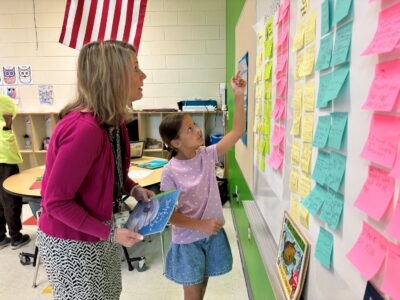
The central role of school principals
On any given day, school principals are balancing staffing shortages, budgets, accountability requirements, student behavior, parent concerns, safety issues, and countless operational decisions.
“They have so many balls in the air,” Barber said.
Literacy remains one of their highest priorities, but it must compete with every other pressing demand.
“It’s one thing to know literacy is your pipeline to opportunity,” Derfel observed. “But the tyranny of the urgent can often overshadow the emphasis that literacy has to remain at the forefront.”
That reality has prompted another evolution in OEL’s work.
The next phase of professional learning is designed specifically for school leaders. Rather than concentrating solely on classroom instruction, the initiative will help principals deepen their understanding of implementation science, systems thinking, instructional coaching, and continuous improvement.
The reasoning is straightforward. Improving classroom instruction is essential, but sustaining improvement requires leaders who understand how successful change actually happens. When principals recognize how coaching, professional learning, and organizational systems work together, they are better positioned to create the conditions where effective literacy instruction can thrive year after year.
North Carolina’s strategy is becoming increasingly clear. The long-term goal isn’t simply to strengthen individual classrooms. It’s to strengthen the leadership systems that make excellent instruction sustainable across entire schools and districts.
Looking beyond decoding
North Carolina’s investment in foundational reading skills has transformed instruction across the state. Teachers now have a stronger understanding of how children learn to decode, and classrooms increasingly reflect the research behind effective word recognition. But both Barber and Derfel were quick to point out that reading success does not end with decoding.
Students also need rich vocabulary, broad background knowledge, meaningful discussions, and regular opportunities to think deeply about increasingly complex texts. Those experiences allow children to make sense of what they read and ultimately become successful, independent readers. For Barber and Derfel, strengthening language comprehension represents the next stage of North Carolina’s literacy journey.
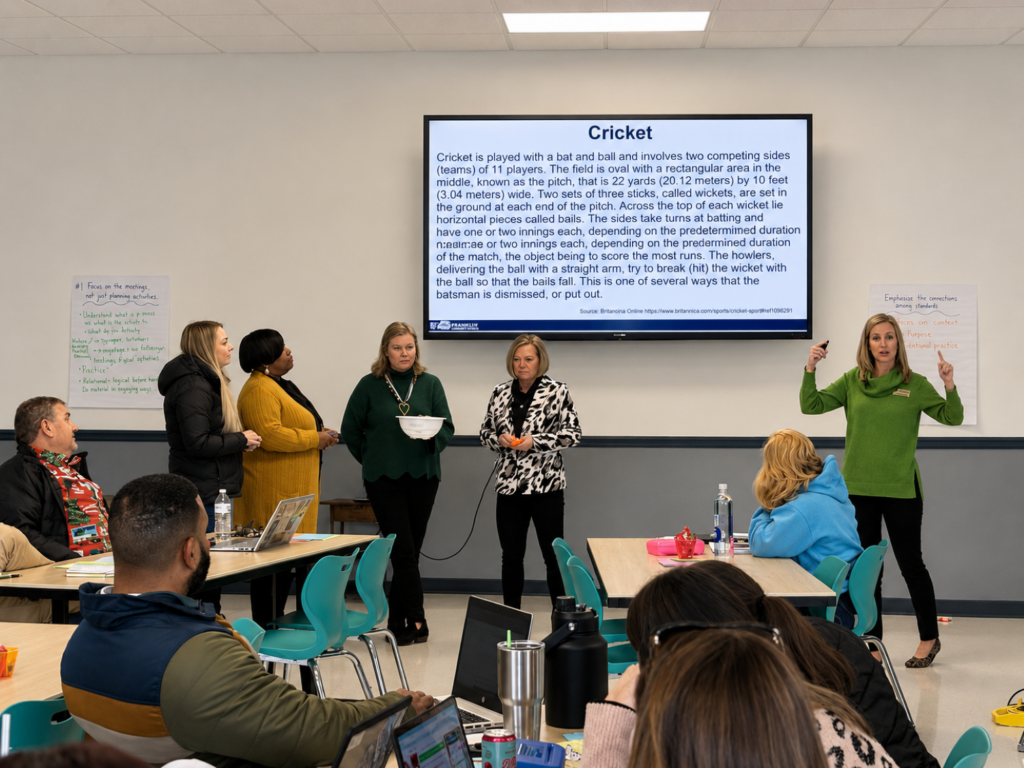
One of this year’s highlights has been OEL’s partnership with the Mebane Early Literacy Center, which has provided statewide virtual professional learning focused specifically on language comprehension instruction. That collaboration has opened the door to even broader partnerships. Ashton Clemmons, associate vice president for P-12 strategy and policy for the UNC System Office, and several Spangler Distinguished Professors of Early Child Literacy are now working closely with districts to help translate evidence-based literacy practices into everyday classroom instruction.
The partnerships extend beyond professional learning sessions. University faculty are collaborating with educators, developing resources and helping bridge the gap between literacy research and classroom practice. At the same time, the relationships have strengthened connections between OEL and North Carolina’s Educator Preparation Programs, creating opportunities to better align how future teachers are prepared before they ever enter their own classrooms. Rather than existing as separate efforts, these partnerships are becoming part of a larger statewide network focused on improving literacy from multiple directions.
The quiet work of lasting change
From the outside, North Carolina’s literacy work may appear quieter than it did just a few years ago. Yet beneath the surface, the work has entered its most important phase. The urgency of statewide training has evolved into the steady work of coaching, layered implementation, and continuous improvement. There are fewer headlines announcing state-level initiatives and more conversations taking place in classrooms, district offices, and professional learning communities. Barber believes that quieter work is exactly what lasting change looks like because implementation has moved closest to the students.
“I believe we have the infrastructure to support districts at every stage of implementation,” she said. “It’s encouraging to see districts across North Carolina making meaningful progress. While the work looks different from one community to another, we’re seeing more and more examples of educators moving in the right direction.”
Listening to North Carolina’s literacy leaders reflect on the road ahead, one idea became impossible to ignore: improving reading instruction was never the finish line. The greater opportunity is to build a system capable of sustaining that improvement for generations to come. Success will be measured not only by stronger classrooms today, but by whether those classrooms continue to thrive for years because effective instruction, expert coaching, and strong instructional leadership have become embedded in the culture.
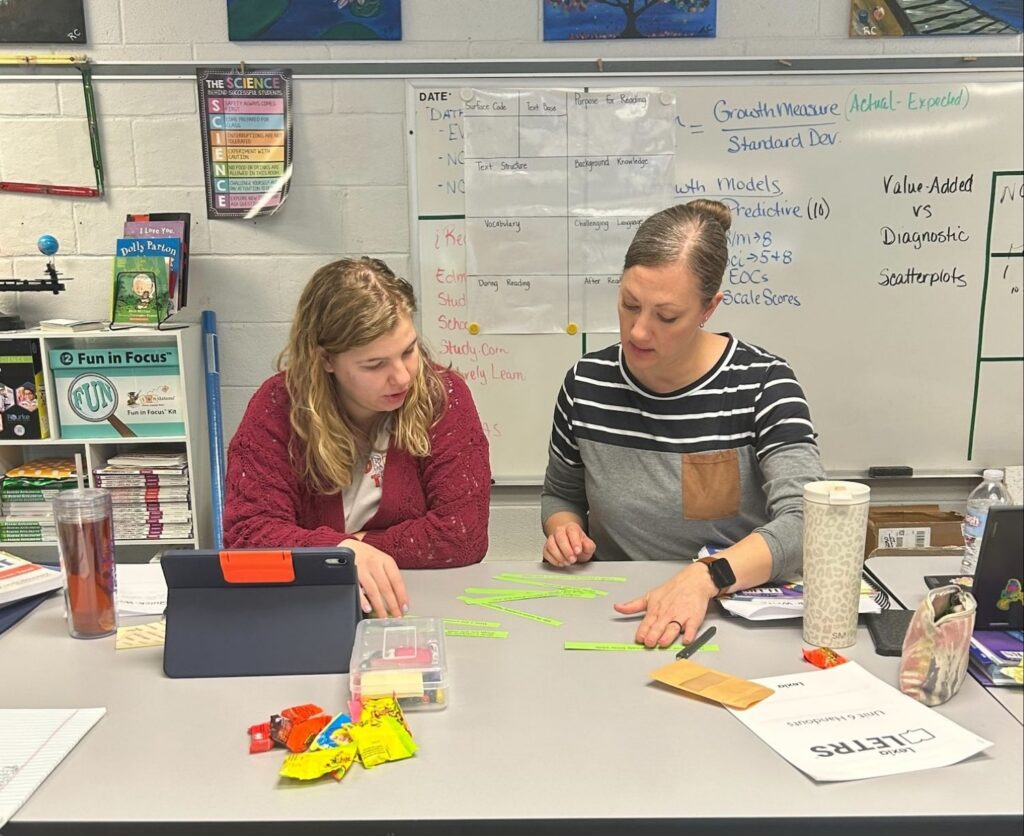
That work is already unfolding across North Carolina. It happens when instructional coaches help teachers solve instructional challenges together. It happens when principals recognize that successful implementation requires both patience and purposeful urgency. It happens when districts openly share effective practices, when universities learn alongside practitioners, and when educators at every level embrace their role in a shared mission centered on students. While this work is far less visible than a statewide rollout, it is ultimately far more enduring.
North Carolina’s literacy story is still being written, but its next chapter will not be defined by a single initiative or one remarkable leader. It will be written in thousands of classrooms, coaching conversations, leadership meetings, and collaborative partnerships across the state. Every instructional decision, every coaching conversation, and every shared success strengthens the foundation for lasting improvement.
Jeremy Hansen’s reflection serves as a powerful reminder that meaningful change begins with a vision that extends beyond our own individual goals. For North Carolina’s educators, that vision extends far beyond raising reading scores.
The state’s true moonshot is building a literacy system that continues to learn, adapt, and improve long after any single initiative has ended. It is creating a culture where educators continuously strengthen their practice, schools build lasting instructional capacity, and every child has the opportunity to become a confident, capable reader. That is the kind of legacy that reaches beyond today’s classrooms and shapes generations to come.