
Perspective | North Carolina can’t afford to lose its best teachers

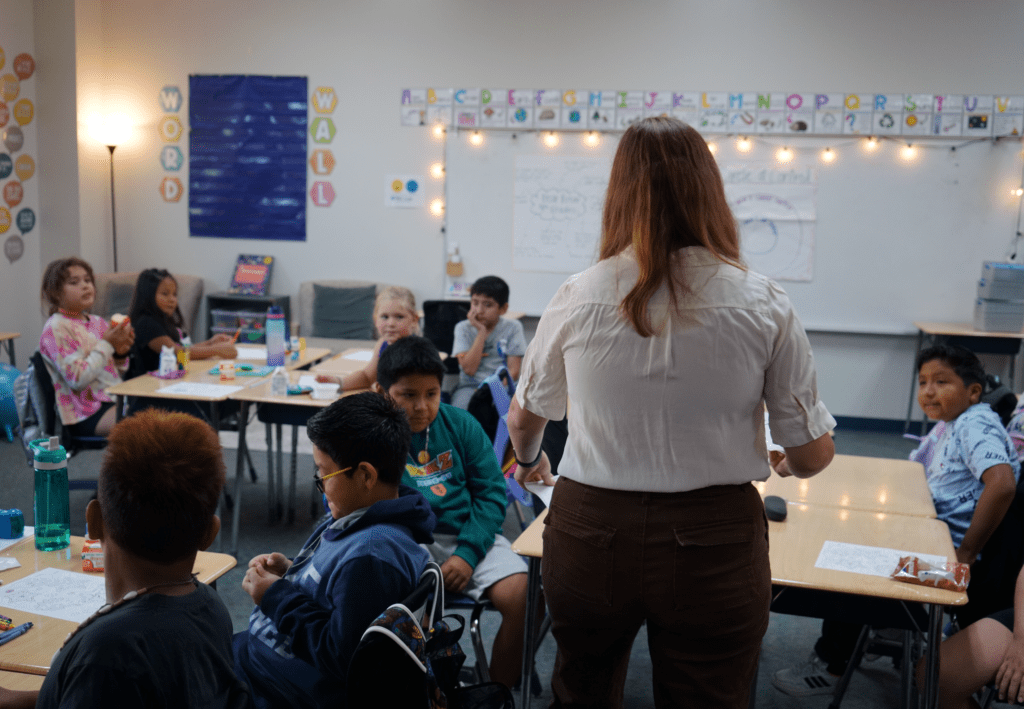
We often measure an education budget by how many new teachers it attracts. Perhaps it is time to ask a different question: How many accomplished veteran teachers does it inspire to stay? Experienced teachers are one of the state’s most valuable educational assets, and budgets should be evaluated not only by how many new teachers they attract, but also by how many effective veteran teachers they keep.
I appreciate the state’s investment in recruiting new teachers. My question is whether we are investing enough in retaining the experienced teachers who are already producing results for students.
Read more about NC teacher pay



If salary schedules and incentives focus primarily on recruitment, experienced educators may question whether their expertise is valued. Retention protects the state’s investments. North Carolina spends money recruiting, training, licensing, mentoring, and supporting beginning teachers. Every time a school, a district loses an experienced teacher, they lose instructional expertise, mentorship for new teachers, and relationships with families.
Retention is not simply a personnel issue; it is a return-on-investment issue. Developing an accomplished teacher takes years. It requires years of classroom experience, ongoing professional development, collaboration with colleagues, and continually adapting instruction to meet changing student needs and refining practice.
Many veteran teachers also pursue advanced certifications, graduate degrees, and leadership opportunities that further strengthen their effectiveness. Those experiences benefit students every day they remain in the classroom.
When policymakers discuss student outcomes, we must also discuss the educators producing those outcomes. High-growth classrooms and schools are often led by experienced teachers who have spent years refining their practice.
 Sign up for the EdWeekly, a Friday roundup of the most important education news of the week.
Every class presents different strengths, challenges, and learning needs. Each year requires adjustments in instruction, different interventions, and new ways of reaching students with varying academic and social-emotional needs. Veteran teachers recognize misconceptions early, adapt lessons when students struggle, and build on successful strategies developed over years of practice. Those decisions are often invisible, but they are essential to student success.
The value of retaining experienced teachers is not only reflected in research, but also in student achievement results. Here is a personal account of what an experienced teacher has accomplished, and here is why keeping teachers like me matters. Last year, one class of my students had 100% math proficiency.
This year, 21 of my 22 students in one class reached proficiency, with many students in all classes achieving high growth, including students receiving exceptional children’s services. Those outcomes are not the result of a single program or initiative. They reflect years of refining instruction, learning from successes and failures, collaborating with colleagues, and continually adapting to meet the needs of different groups of students.
Think about what more could have been accomplished with adequate support.
Read more about teacher retention


When schools cannot fill positions, veteran teachers absorb additional responsibilities. They mentor substitutes, support beginning teachers, cover gaps in instruction, help maintain stability for students, and navigate classroom management. They also help preserve consistency during periods of transition, ensuring that students continue to experience stable expectations and quality instruction despite staffing challenges.
Their willingness to step into additional roles often keeps schools functioning smoothly in ways that are rarely reflected in budget discussions. That is a budget issue because staffing shortages are often connected to compensation and working conditions.
I am grateful for efforts to recruit new teachers into our profession. However, I would ask policymakers to consider this question: What message are we sending to the veteran teachers who have remained in the classroom through staffing shortages, learning loss, increasing student needs, and years of educational change?
Recruitment is important, but retention is what sustains a strong educational system.