
Literacy supports cultural connection and fosters hope in this rural community

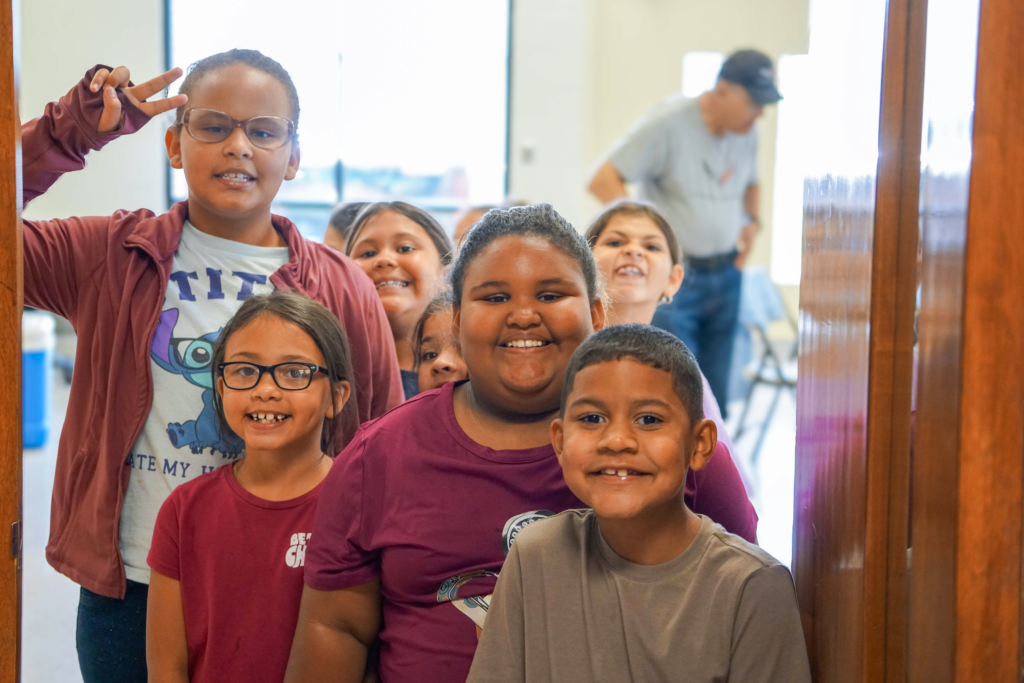
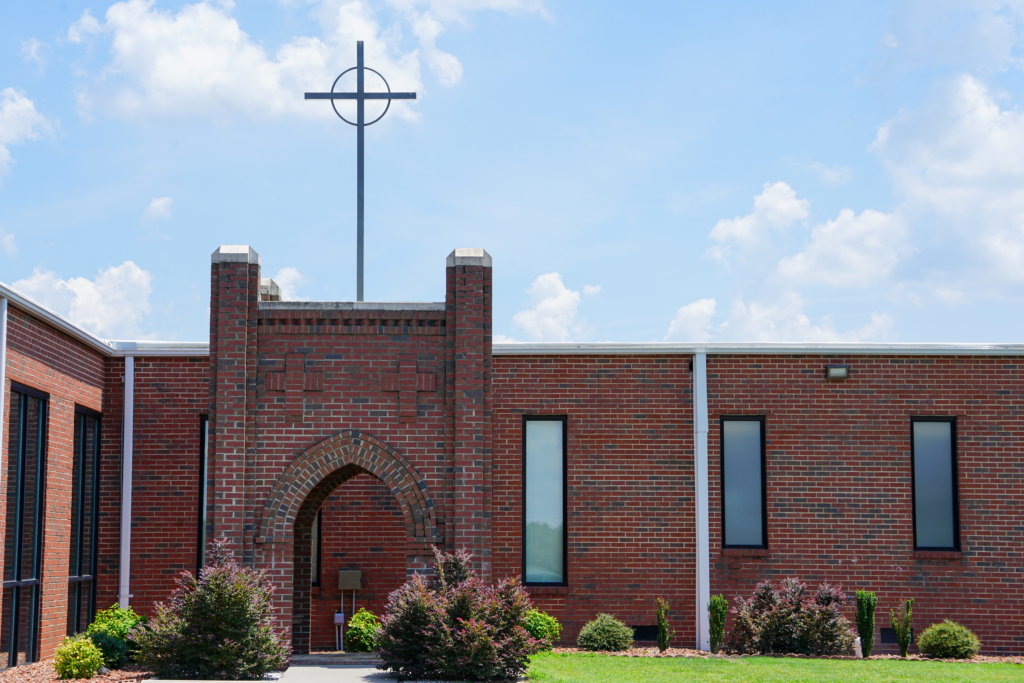
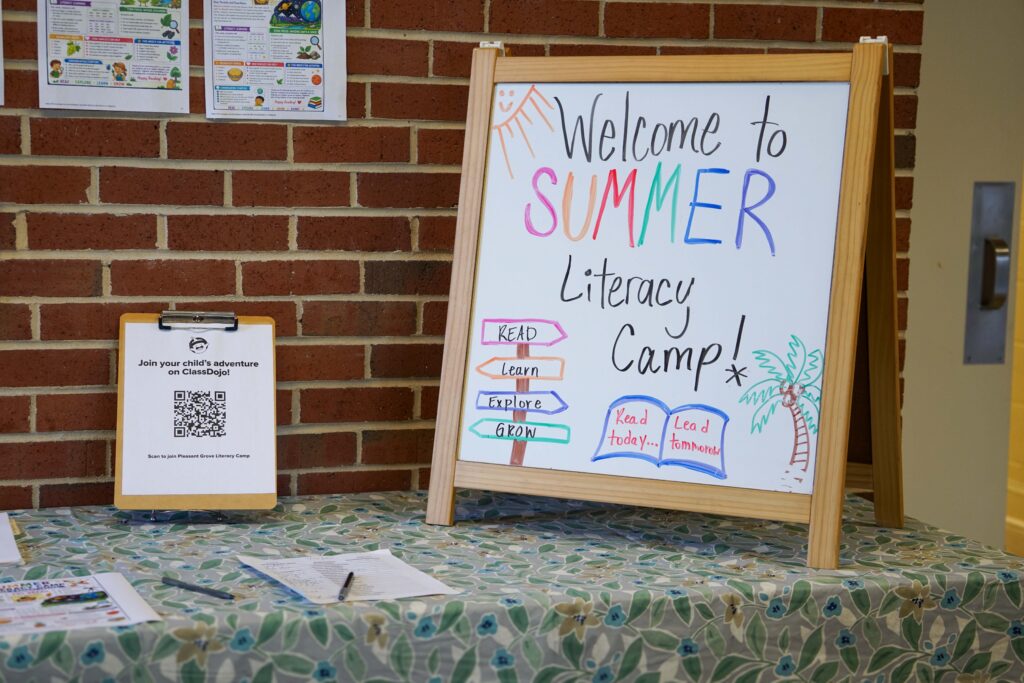
Walking through the halls of Pleasant Grove United Methodist Church in Robeson County, you see drawings of cats with buttons and vowel worksheets on the walls. In the classrooms down the hall, local teachers are addressing summer learning loss by guiding children through literacy programming.
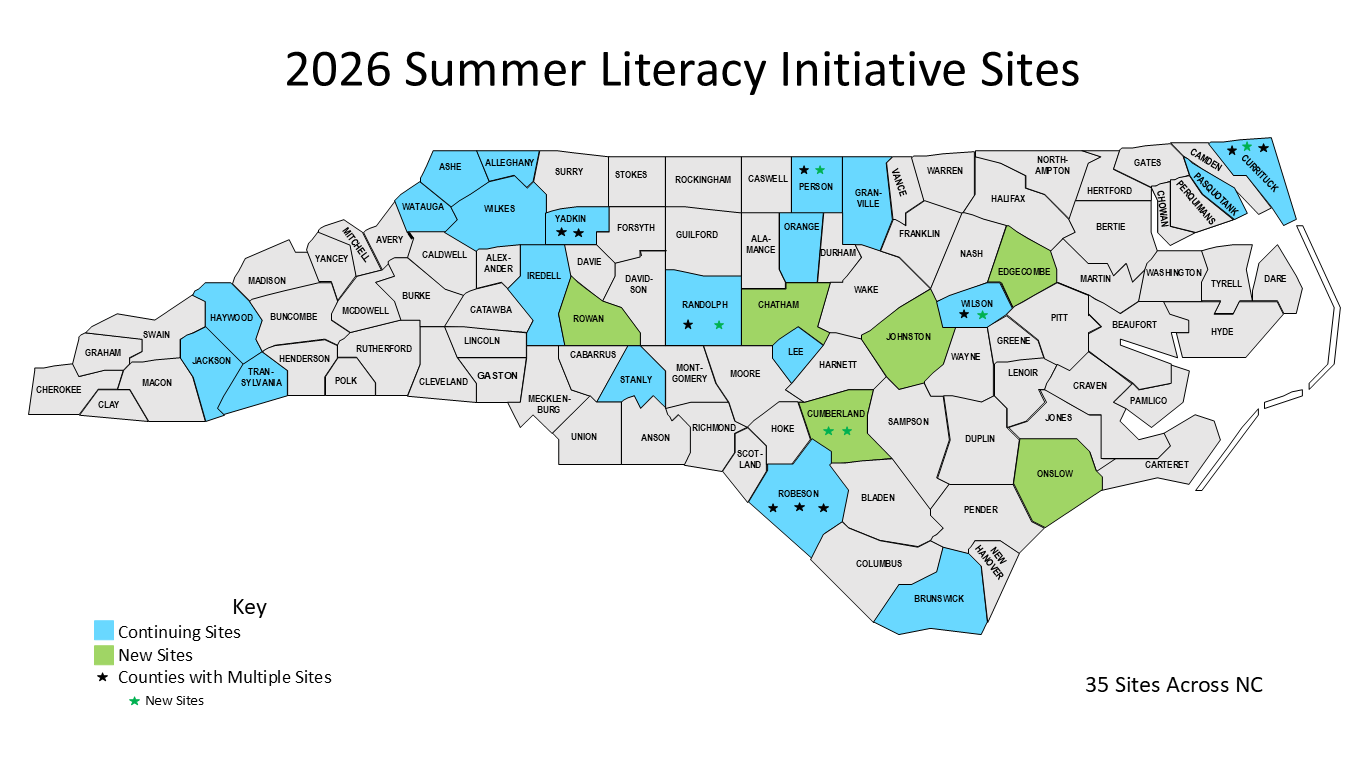
Last year was the church’s first year hosting a summer literacy camp through the Summer Literacy Initiative (SLI). Created by The Duke Endowment in 2012, SLI is a network of partners that provide evidence-informed summer reading camps for rising first through third graders with certified Science of Reading teachers. In the summer of 2026, SLI had sites across 35 rural communities in North Carolina.
“We connect church to community, and so I see this as an outreach and a ministry of the church, and it works in a church because the church is a connector in rural communities,” said Camille Roddy, the SLI coordinator for the Western North Carolina Conference of United Methodist Churches.
 Sign up for the EdWeekly, a Friday roundup of the most important education news of the week.
Serving a region that’s home to the Lumbee Tribe, the Public Schools of Robeson County have an estimated nearly 21,000 students. Pleasant Grove was one of three SLI sites in Robeson County this year and served 28 children.
The literacy camp runs for five weeks and is staffed by certified teachers from nearby elementary schools. Programming runs from 8:00 a.m. to 3:00 p.m., Monday through Friday, and the children are provided breakfast before starting morning instructional rotations, lunch, and recess, followed by a STEM activity in the afternoon.
While The Duke Endowment created the Summer Literacy Initiative, it has grown to include several funders who work together with statewide nonprofits and local partners to make the summer literacy camps possible.
Healthy Blue, Blue Cross and Blue Shield of North Carolina’s (Blue Cross NC) Medicaid Managed Care plan, is one of the funders. Their investment reflects the reality that literacy is a foundation for lifelong health and well-being, and it reinforces Blue Cross NC’s broader commitment to helping tackle the state’s youth mental health crisis by advancing youth well-being and resilience.
Angela Boykin, Healthy Blue’s chief executive officer, visited Pleasant Grove’s camp this summer and got a firsthand look at how it is changing lives.
When we invest in children, we’re investing in healthier families, stronger communities, and opportunities that can last for generations.
— Angela Boykin, CEO of Healthy Blue
Cultural connections
Janet Locklear, the literacy camp’s site director, gave Boykin and her colleagues a tour of the camp and shared stories of connection and impact from the experience so far.
Dangling from her neck, directly over her heart, Locklear wears a handmade necklace with a wooden button in the center. She explained that the necklace is actually a button yoyo, a folk craft passed down through generations of families.
“It came from great-grandparents, and they called it a zuzu,” said Locklear.
The curriculum for the camp revolves around one book a week. Earlier in the summer, the children read “Pete the Cat and His Four Groovy Buttons” by Eric Litwin and participated in several activities inspired by the story, including making button yoyos.
“The kids had a ball making them,” Locklear shared.

More recently, the children read “Fry Bread: A Native American Family Story,” by Kevin Noble Maillard. On the day we visited the camp, they were preparing for their family engagement night that evening where the children and their families made fry bread together at the church.
“Literacy is about so much more than loving books. If little ones can read, they can be empowered to do so much more,” said Boykin.
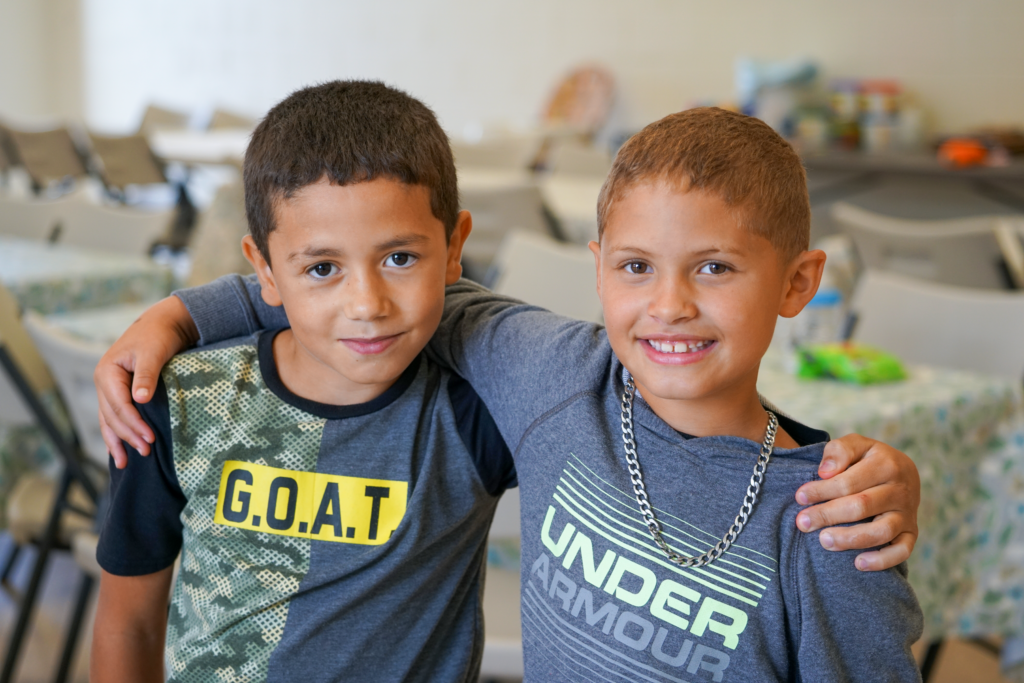
For their community, literacy is also about connection and tradition, Locklear explained. An estimated 90% of the children enrolled in camp are part of the Lumbee Tribe. Locklear is part Lumbee and being able to share the generational knowledge and traditions of the tribe through the literacy camp has been impactful.
Centered around the Lumber River, the Lumbee Tribe is the largest Indigenous nation east of the Mississippi River with more than 50,000 enrolled members. In late 2025, the tribe secured full federal recognition.
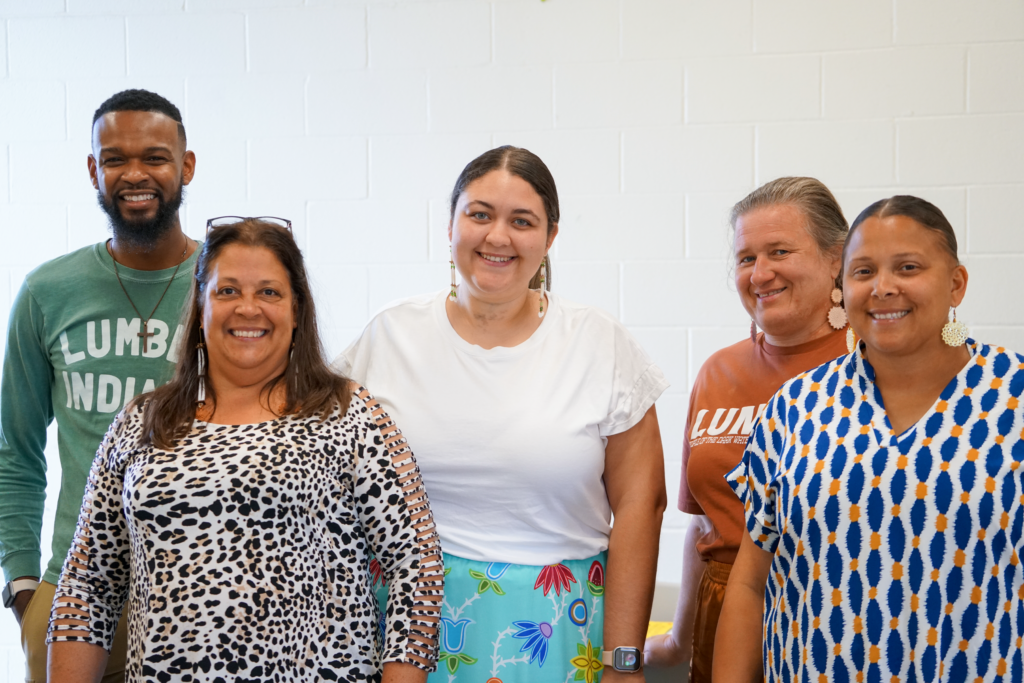
During the last week of camp, the children read “Powwow Day,” by Traci Sorell and took a field trip to the Lumbee Tribe Cultural Center. Soon they will take a test to assess what they learned this summer and move into the school year further along on their literacy journey.
Locklear hopes they leave the camp with a renewed sense of hope and confidence.
“All we’re trying to do is give them a love for learning,” she said. “We just want to let them know they are loved and they can do it.”
Editor’s note: The Duke Endowment and Blue Cross NC support the work of EdNC.