
How one group of educators is building stronger literacy leaders across northeastern North Carolina

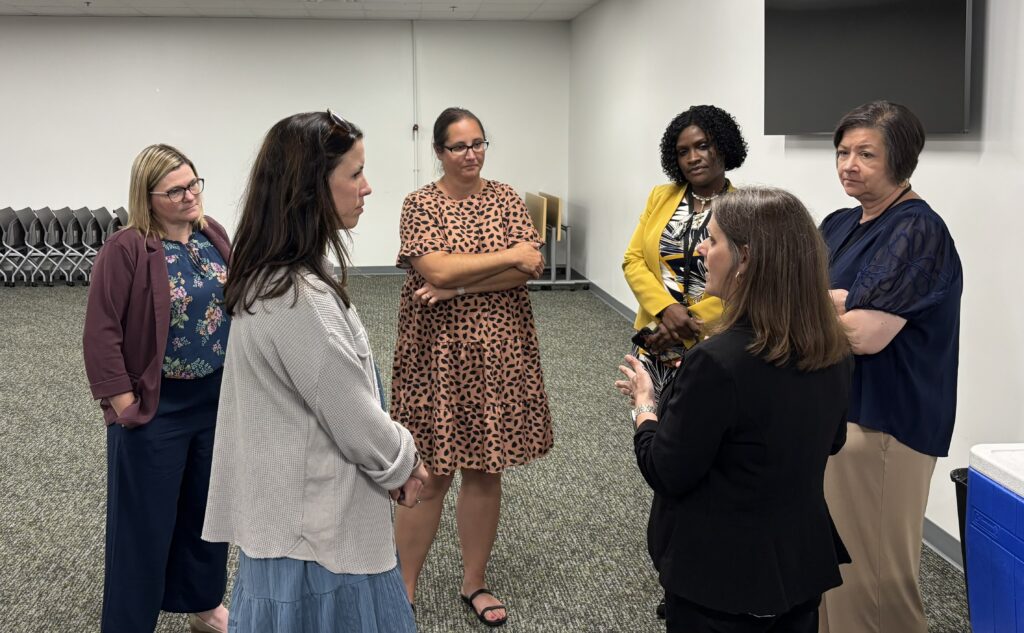
When educators talk about improving literacy outcomes, the conversation often focuses on curriculum, instructional resources, or assessment data. In northeastern North Carolina, however, a group of school and district leaders is proving that sustainable literacy growth begins somewhere else: leadership.
Over the past semester, a unique professional learning community (PLC) has brought together principals, district leaders, curriculum directors, and literacy advocates from across the northeast region. Their purpose was simple but powerful — to deepen their understanding of effective literacy instruction and strengthen their ability to support teachers and students. What they found was that leadership learning is just as important as student learning.
“Leadership is often a lonely world,” said Karen Wood, northeast regional literacy consultant with the Department of Public Instruction’s (DPI) Office of Early Learning. “Many leaders don’t have regular opportunities to collaborate with others who are doing similar work. This PLC created a space where leaders could learn from one another and grow together.”
 Sign up for Early Bird, our newsletter on all things early childhood.
In 2022, the Office of Early Learning launched its first Literacy for Leaders session to provide district and school leaders with an opportunity to build their understanding of the science of reading and learn how to support the instructional shifts taking place in classrooms as educators participated in and completed LETRS professional learning.
While Literacy for Leaders provided a strong foundation and general overview of the science of reading, leaders across the northeast region expressed a desire to deepen their learning. In response, the LETRS Sustainability PLC for Leaders emerged from regional feedback that highlighted two ongoing needs: literacy and leadership.
Many school and district leaders were stepping into new roles while simultaneously navigating the complexities of implementing science of reading practices, leading instructional change, and sustaining momentum for literacy improvement. The PLC was designed to address these intersecting needs by creating a collaborative space where leaders could strengthen both their literacy knowledge and leadership capacity.
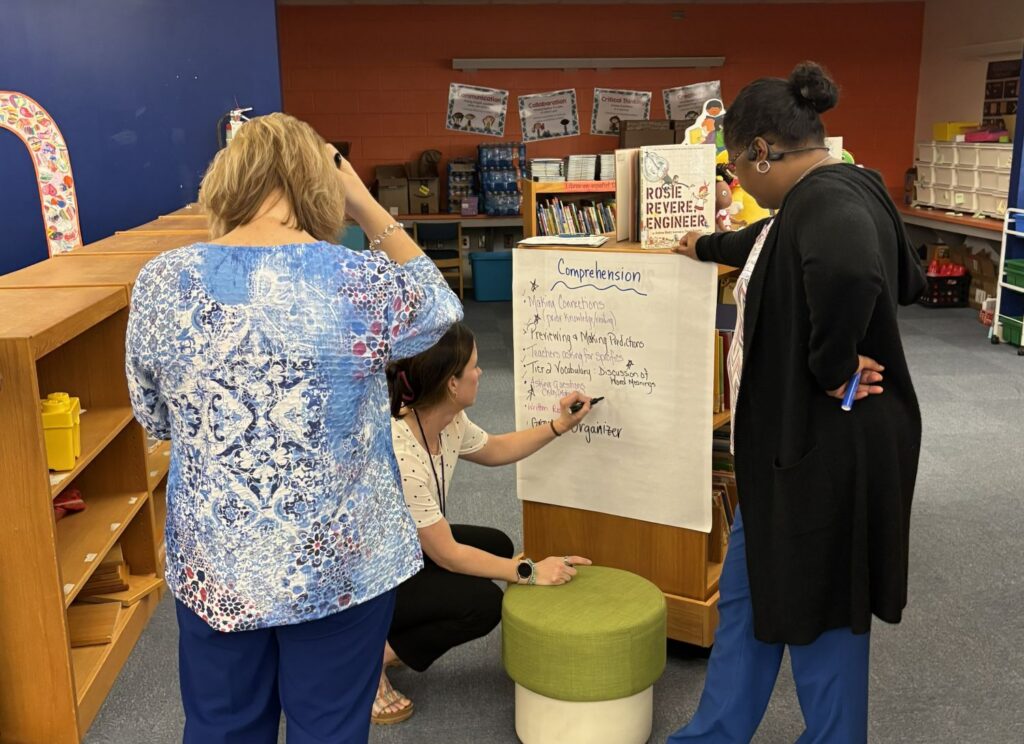
The PLC became a bridge between learning about literacy and leading literacy for sustainable impact. Approximately 20 district leaders from across the northeast region explored the Office of Early Learning’s Literacy Effectiveness Check and literacy self-reflection tools, engaged in professional discussions, and most importantly, visited classrooms together.
Two districts, Martin County and Edenton-Chowan School District, welcomed the group of northeast leaders for hands-on practice in observing and identifying effective literacy instruction. During literacy walkthroughs, participants observed instruction, collected evidence, and engaged in reflective discussions to deepen their understanding of effective literacy practices in action.
By comparing observations across classrooms and schools, leaders strengthened their ability to identify high-quality literacy instruction and consider implications for their own districts. For many participants, these experiences provided a level of confidence that traditional professional development often cannot.
When leaders become learners
Victoria Brinson, director of curriculum for Edenton-Chowan Schools, entered the work with a secondary education background. While the initial Literacy for Leaders training helped build general foundational knowledge about early literacy, the PLC provided opportunities to apply that learning in real classrooms.
“It gave me the opportunity to know exactly what I was looking for and how to be supportive in that realm,” Brinson said.
White Oak Elementary Principal Micah Lynch shared a similar experience. Coming from a middle school mathematics background, she understood the importance of building her own literacy knowledge before expecting others to do the same.
“Literacy for Leaders helped piggyback on my new knowledge,” Lynch explained. “The PLC helped me see beyond what’s happening in my building and connect with leaders in other schools. It gave us a network where we could compare what we were seeing and challenge our thinking.”
Those opportunities to learn alongside colleagues proved invaluable. “Stepping outside of our own district helped us become more aware of what we didn’t know but thought we did,” Lynch said.
The work also reinforced that leaders set the tone.
“If the leader doesn’t believe our kids deserve it, it will fall flat,” Lynch said. “People know whether leaders genuinely believe in something or whether it’s just another initiative.”
That belief is evident throughout Edenton-Chowan Schools. Superintendent Tammi Ward participated in both Literacy for Leaders and the LETRS Sustainability PLC for Leaders, modeling a commitment to continuous learning that spread throughout the district. Furthermore, district and school leaders attended training together to create a shared language and vision for literacy improvement.
“It sets the tone for our district that no matter what level you are, we are all here to learn,” Lynch said. “No one has arrived. We are learning together.”
From the superintendent to the classroom teacher, leaders at every level of the system are setting a strong example by modeling what effective leadership looks like in practice. This commitment to leading by example has fostered a culture of trust, where leaders value the voices and perspectives of stakeholders and customers alike.
As a result, leadership becomes a shared responsibility, with individuals at every level listening to and learning from those who guide them while also honoring the needs and input of those they serve.
Building systems for success
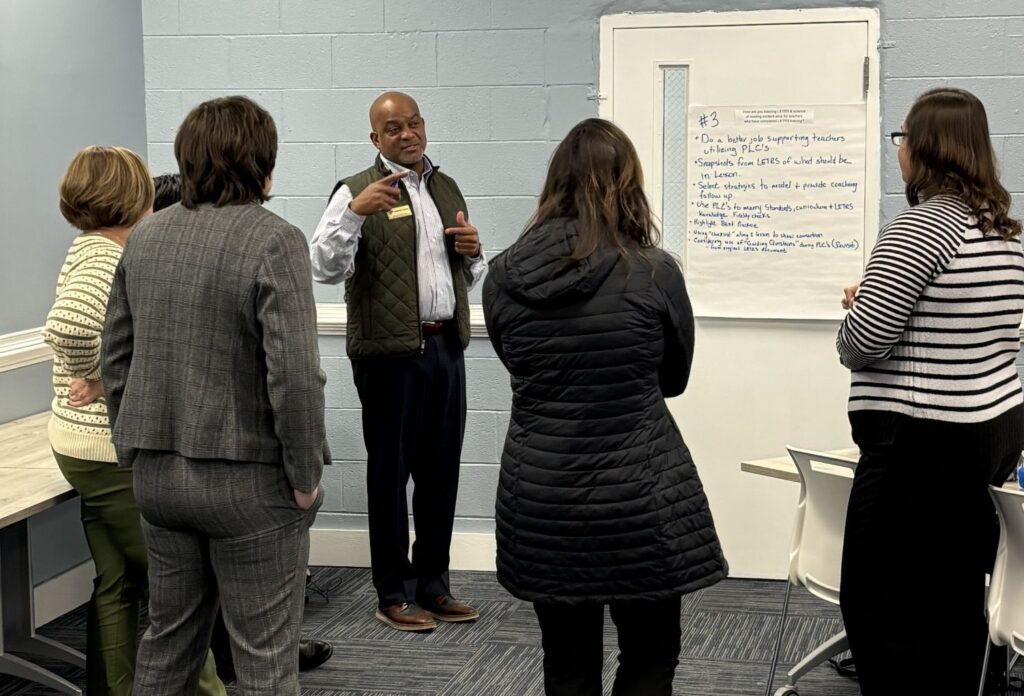
The district’s commitment extended beyond professional learning and into systems and structures. Principal Lynch partnered with Elizabeth Jordan, early literacy specialist from the Office of Early Learning, to conduct deep data reviews that led to restructuring PLCs, refining the master schedule, and increasing collaboration across grade levels. Data became more than numbers on a spreadsheet.
Every PLC meeting included intentional discussions about student progress. Grade-level teams established short-term goals, monitored growth throughout the year, and focused conversations on solutions rather than deficits.
“We knew exactly where our students were at all times,” Lynch said. “The discussion shifted from ‘this student is struggling’ to ‘how can we help this student?'”
Teams discussed how far away they were from reaching each goal by always keeping the data at the forefront of conversations, broken down beyond proficiency to the actual number of students needed to attain the goal.
Lynch shared: “At middle of year we determined that we only needed two more proficient students per classroom to attain a specific goal in one grade level.”
So, Micah and her assistant principal, Heather Terrell, met with each teacher in the grade level to dig into the data, reviewing their classroom data proficiency and growth from beginning of year compared to the grade level. This created a space to turn numbers into student names.
Teachers were genuinely excited to share what they learned about each child, how close they were, and what skill they needed to move ahead. The best part was that the teachers were encouraged and believed that each student could attain the goal because it was broken down and manageable.
The impact moved beyond teacher discussions to empowering and equipping students. Teachers began sharing individual literacy data with students, helping them understand their goals and take ownership of their learning. Students could articulate the skills they needed to master and celebrate progress along the way. That culture of ownership and collaboration contributed to encouraging literacy gains.
In just one year, Edenton-Chowan increased K-3 DIBELS composite proficiency from 60% to 72%, surpassing their end-of-year goal and demonstrating the power of a focused, systemwide approach to literacy improvement.
Learning together, leading better
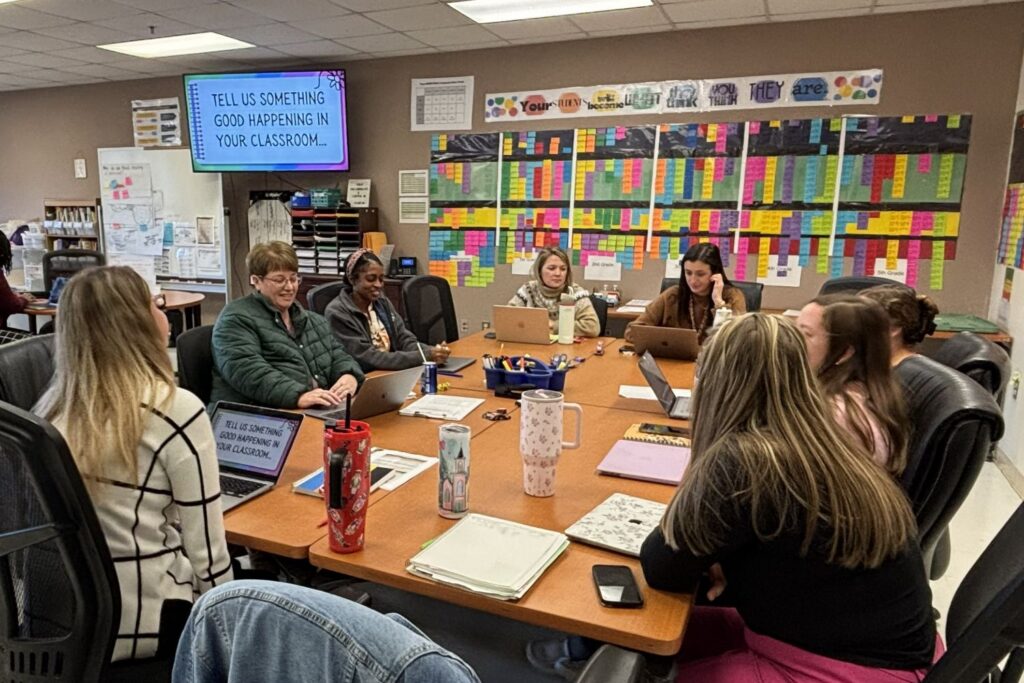
Regional and state literacy partners also played an important role by serving as thought partners throughout the process. Through walkthroughs, coaching conversations, and feedback sessions, they helped district and school leaders reflect on strengths and identify opportunities for refinement.
The result has been a culture built on trust, transparency, and a shared commitment to student success. North Carolina’s local-control model means districts ultimately determine how they engage with state support. While it is not the case for all districts across the state, Edenton-Chowan leaders chose to embrace those partnerships.
Regional consultants and early literacy specialists often bring a wealth of knowledge to their work through exposure to effective practices, innovative models, and lessons learned from districts across the state. Their unique advantage allows them to serve as valuable thought partners, and connect district leaders with peers facing similar challenges, creating networks of support and collaboration that extend beyond geographic boundaries.
Even with intentional efforts to build trust and relationships, Wood noted that state-level support is not always perceived as a true partnership and may not always be welcomed by local stakeholders. The same dynamic tends to occur within districts when school leaders choose to embrace or reject district guidance and coaching. Rather than seeing broader system leaders as collaborators in a shared mission, some leaders choose to serve as gatekeepers, limiting support to a small internal circle.
As a result, opportunities for growth, innovation, and shared learning may be missed until data creates an urgency that can no longer be ignored.
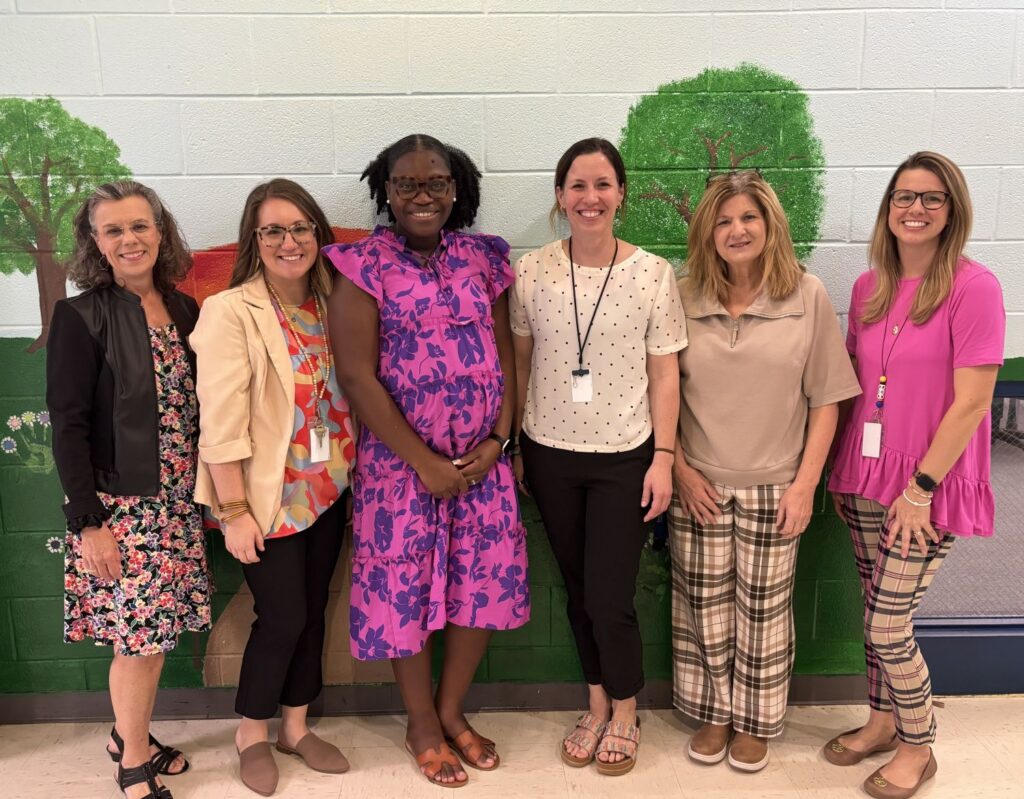
For Wood, the lessons learned through the PLC extend far beyond literacy.
“I sincerely believe leadership drives the bus,” she said. “We have a responsibility to equip leaders with the skills and resources they need to be effective.”
Interest in literacy-focused leadership learning continues to grow across eastern North Carolina. Literacy for Leaders sessions have consistently attracted strong participation, with 80 leaders registering for the summer sessions in Currituck County and Wayne County. This continued engagement reflects a growing commitment among educational leaders to deepen their understanding of evidence-based literacy practices and strengthen outcomes for students.
As leaders learn, reflect, and grow together, they build the capacity to create stronger literacy systems that ultimately benefit the students they serve. The enthusiasm and engagement of the current cohort have already sparked plans for a Literacy PLC 2.0 next year. Participants will continue their learning journey by conducting literacy walkthroughs in additional districts and using a new resource from the Office of Early Learning that will be introduced at the beginning of the 2026-27 school year.
Perhaps the most important lesson of all is that lasting change does not begin with a program — it begins with people who are committed to continuous learning, collaboration, and improvement. When leaders invest in their own growth, they create the conditions for meaningful and sustainable change in literacy outcomes for all students.
Editor’s Note: This article originally stated that nearly 80 leaders registered for the summer session in Currituck County and more than 30 leaders registered in Wayne County. It has been corrected.