From training to transformation: What Carteret County is learning about lasting literacy change


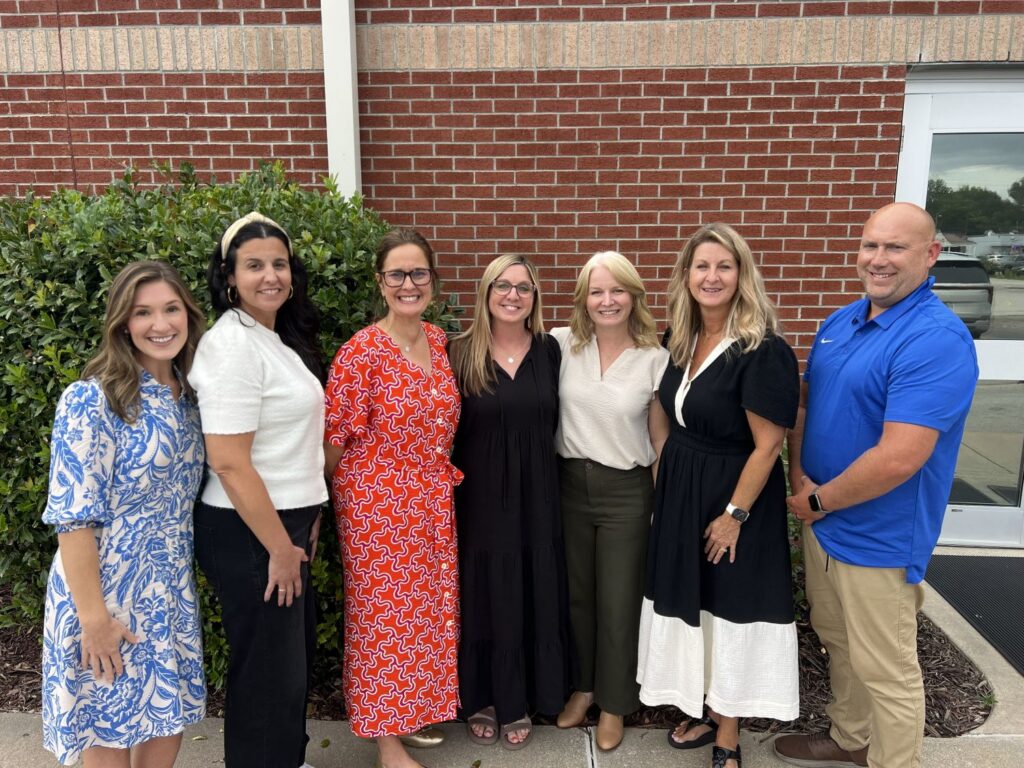
In Carteret County Public Schools, something significant is happening at Newport Elementary School.
Teachers are opening their classroom doors to colleagues, creating a much more authentic collaborative culture throughout the building. Student data that once felt intimidating is now driving conversations about instruction. Educators are sharing strategies, learning from one another, and celebrating progress together. And most importantly, students are experiencing the benefits.
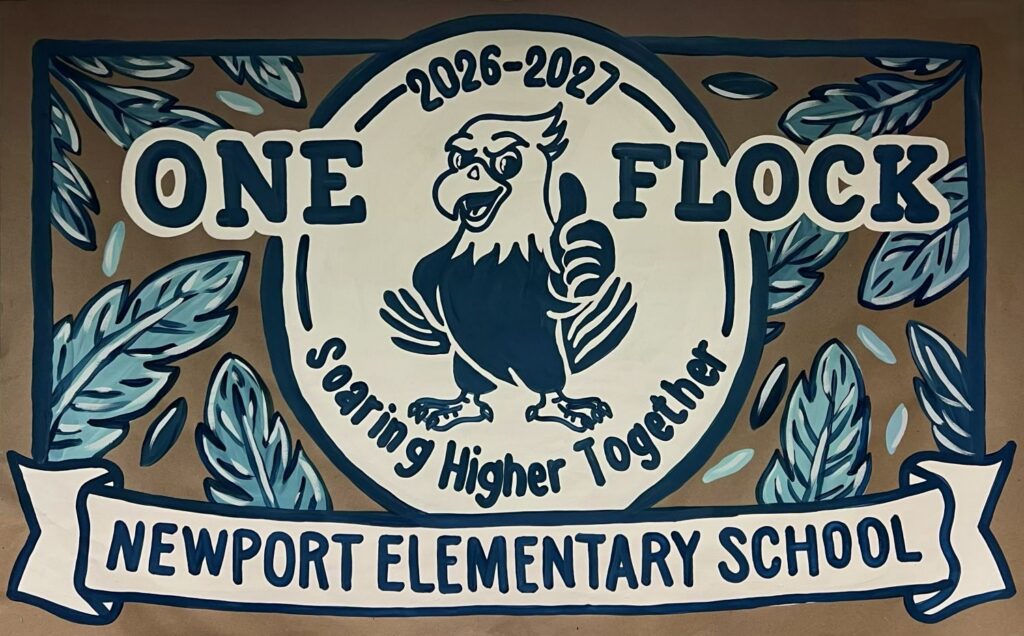
It’s a transformation that reflects the school’s 2026-27 theme, “One Flock, Soaring Higher Together,” where collective responsibility, shared learning, and a commitment to every student’s success are more than just words on a sign.
 Sign up for Early Bird, our newsletter on all things early childhood.
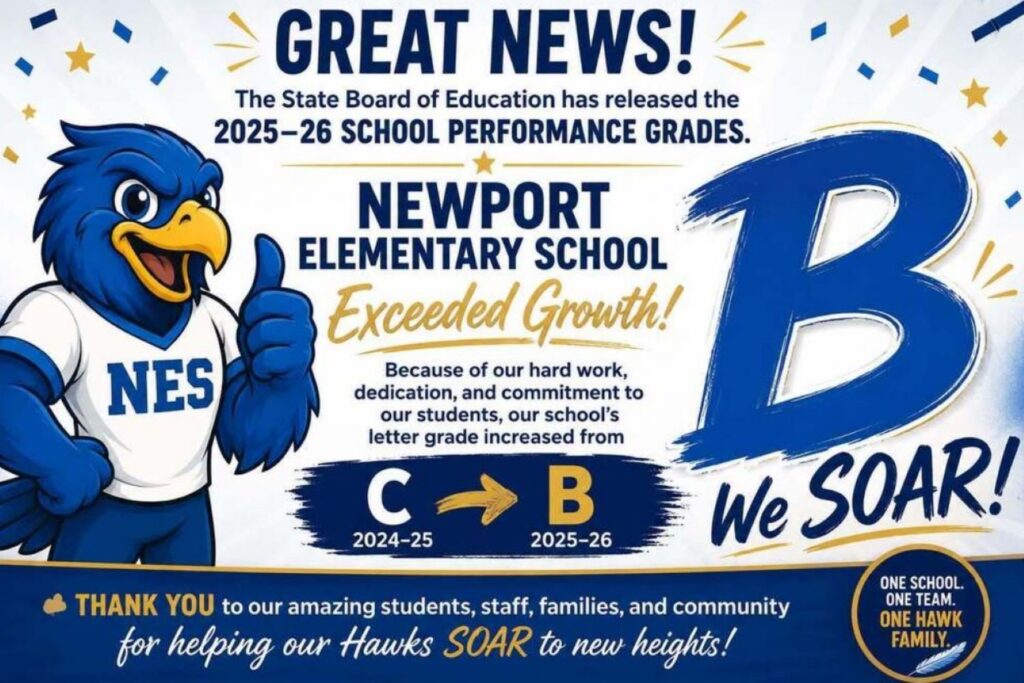
According to Principal Laura Parish, during the 2025-26 school year, Newport Elementary moved from meeting to exceeding expected academic growth, earned a B on its state school report card after previously receiving a C, and saw 91.3% of students meet or exceed individual growth expectations.
For a school serving a significant number of students from economically disadvantaged backgrounds, those accomplishments represent more than improved numbers. They reflect a collective belief that every child can become a successful reader and a school community determined to make that happen. But the story behind Newport’s progress begins well beyond its classroom walls.
From professional learning to classroom practice
Like districts across North Carolina, Carteret County Public Schools invested in Language Essentials for Teachers of Reading and Spelling (LETRS) training as part of the state’s efforts to strengthen literacy instruction through the science of reading. But for Dr. Anna Brooks, the district’s director of teaching and learning, completing the training was only the beginning. The bigger question was how to sustain that learning and ensure it translated into meaningful changes in classroom instruction.
“We did not want LETRS to just be a checkbox,” Brooks explained.
District leaders understood that professional development alone would not bring about lasting change. Teachers needed opportunities to put their learning into practice, examine student data, adjust instruction, and learn alongside colleagues. Just as importantly, they needed ongoing support to make those changes stick. That is where Dr. Carrie Stroud, the district’s early literacy specialist (ELS), has played a critical role.
Thanks to recurring funding provided by the North Carolina General Assembly allocated to the Office of Early Learning (OEL) at the North Carolina Department of Public Instruction (DPI), early literacy specialists continue to support districts and schools as they put evidence-based literacy practices into action.
In Carteret County, Stroud’s role goes well beyond providing support to individual teachers and schools. She has become an integral part of the district’s instructional leadership team, working closely with Brooks to connect state literacy priorities with the day-to-day work happening in classrooms.
Their partnership is grounded in regular communication, shared expectations, and a common commitment to improving literacy outcomes for students. Rather than viewing the ELS position as an outside resource, district leaders have embraced Stroud as an extension of their own instructional support team. That approach has been especially valuable in a district with limited instructional coaching resources. And the impact reaches beyond the schools where Stroud works directly.
Strategies, resources, and processes developed alongside teachers in one school are shared across the district, giving other educators opportunities to build on what is working while adapting practices to meet the needs of their own students. That districtwide approach is visible at Newport, where teachers use shared processes to examine student progress and plan instruction together.
Candace Heath, DPI southeast regional early literacy consultant, shared that what stands out most is how the school’s shared vision translates into daily practice.
“School leadership actively participates in professional learning communities alongside teachers and the ELS, using collaborative data analysis to understand student needs and guide instructional decisions,” she said.
A shift in how teachers think about data
At Newport Elementary, the impact of that approach is especially evident in how teachers use student assessment data to guide instruction.
There was a time when reviewing student performance data could feel uncomfortable. Teachers might focus on a single score or hesitate to share results beyond their own classrooms. Today, those conversations look much different.
Kindergarten teacher Samantha Chapoton described a shift from looking primarily at overall scores to digging deeper into the specific literacy skills students need to develop. Rather than simply asking whether a child has met a benchmark, teachers now examine skills such as letter naming, decoding, and other foundational reading skills to determine what instruction should happen next.
Stroud has helped establish and guide processes aligned with the Office of Early Learning’s data protocol, building capacity at both the district and school levels while making conversations around student data more focused, meaningful, and productive.
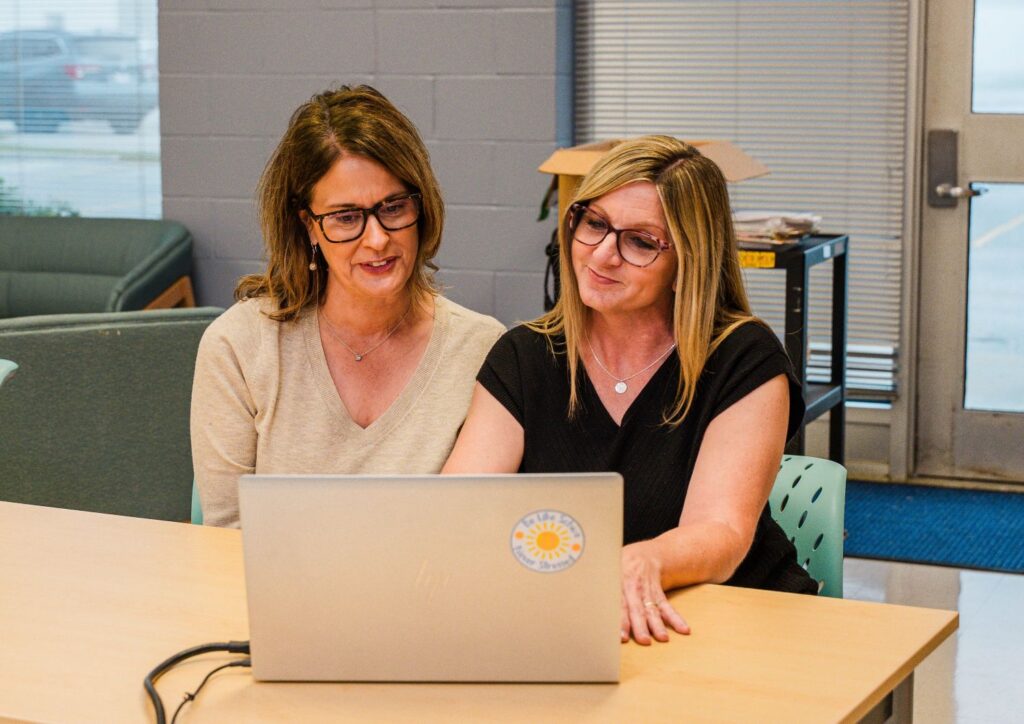
Teachers participate in weekly professional learning communities (PLCs), with Stroud joining monthly and after benchmark assessments. Shared digital resources allow grade-level teams and school leaders to track student progress, examine rates of improvement, and identify students who may need additional support. But the real value comes from what happens next.
When students are not progressing as expected, teachers work together to understand why, share instructional strategies, and identify next steps. Rather than leaving those decisions to individual teachers, teams problem-solve together, using what they learn from the data to make adjustments in instruction. These conversations have shifted the focus from simply reporting scores to deciding together how to respond to students’ specific needs.
Parish and Assistant Principal Mark Sheehe have reinforced that culture by establishing clear systems, processes, and expectations that support collaboration. Teachers are encouraged to continue conversations beyond scheduled meetings, sharing resources, strategies, and instructional approaches across grade levels. These routines have given teachers more confidence to interpret results and make timely instructional decisions.

Coaching built on trust
Behind that growing confidence is a system of instructional support built on trust, relationships, and a shared commitment to strengthening classroom practice. In Carteret County, teachers must feel supported before coaching can be effective. That trust opens the door for honest conversations about what is working, what is challenging, and where additional support may be needed.
Sometimes that means analyzing assessment results or helping a grade-level team develop an intervention plan. Other times, it involves stepping into a classroom to model an instructional strategy, observe a lesson, or participate in coaching cycles focused on specific instructional needs.
Brooks and Stroud work alongside school leaders, instructional specialists, and teachers to connect what the data reveals with what happens during instruction.
Another key partner in this work is Amy Campbell, the district’s elementary instructional coach, who has played an important role in supporting teachers through modeling, coaching, and instructional collaboration at the district, school, and classroom levels.
Their work connects coaching directly to classroom needs. As teachers have become more confident in identifying appropriate instructional responses, the support team has been able to focus more intentionally on modeling effective practices and providing targeted assistance.
The goal is not for teachers to depend indefinitely on an outside expert. Rather, it is to build individual and collective capacity, equipping teachers and school leaders with the knowledge, confidence, and tools to continue improving instruction long after a coaching conversation ends.
Targeted support, measurable progress
That combination of collaboration, coaching, and intentional instruction has been especially important in kindergarten and third grade at Newport Elementary. After reviewing student performance data, school and district leaders identified both grade levels as areas where more focused support could make a difference.
Kindergarten teachers visited another school to observe evidence-based literacy practices aligned with their instructional goals. According to Chapoton, they returned with new ideas and a willingness to reflect on and refine their own instruction. Their work included taking a closer look at foundational literacy skills and using assessment results more intentionally to plan instruction and respond to individual student needs.
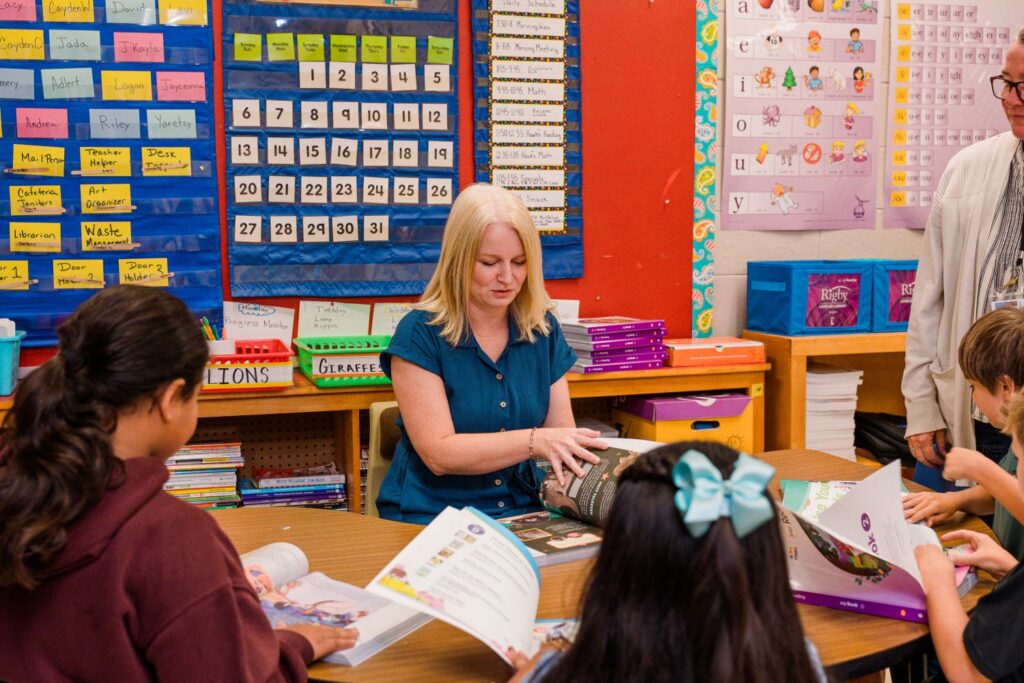
In third grade, the focus was on students who needed additional support to meet grade level reading expectations. School leaders, teachers, instructional specialists, and the ELS worked together to monitor student progress, plan interventions, and provide targeted instruction for students approaching proficiency.
Rather than limiting additional support to students who met the formal intervention criteria outlined in the district’s literacy intervention plan, the team expanded opportunities for small group instruction based on student needs. Groups remained flexible, allowing teachers to adjust instruction and reach more students as needs changed.
Regular data meetings and collaborative planning helped keep those efforts coordinated and responsive. The results were significant and reflected in the end-of-year data.
Third grade teacher Caroline Shults shared that in previous years, Newport Elementary typically ended the school year with 20 to 30 third graders identified for reading retention under North Carolina’s Read to Achieve legislation. Following the school’s focused literacy efforts during the 2025-26 school year, only two students fell into that category.
The progress illustrates what is possible when educators move beyond identifying students who are struggling and work together to build coordinated systems of support that respond to their individual needs.
A culture where everyone owns the work
For Newport’s leadership team, the academic results are important, but the culture behind those results may be even more significant. The school serves a community where many families face economic challenges, and leaders understand that literacy can open doors to opportunities far beyond elementary school.
Parish and Sheehe regularly remind staff of the connection between literacy and future opportunities, describing literacy as a pathway out of poverty. That belief helps shape the school’s expectations for students and adults alike. Rather than allowing economic circumstances to define what children can achieve, educators remain focused on high expectations, effective instruction, and consistent support to help every student succeed.
Brooks describes the culture as one of collective teacher efficacy, the shared belief among educators that their combined efforts can positively influence student learning. That belief is evident in teachers’ willingness to examine their own practices, ask for help, share successful strategies, and continue learning alongside one another.
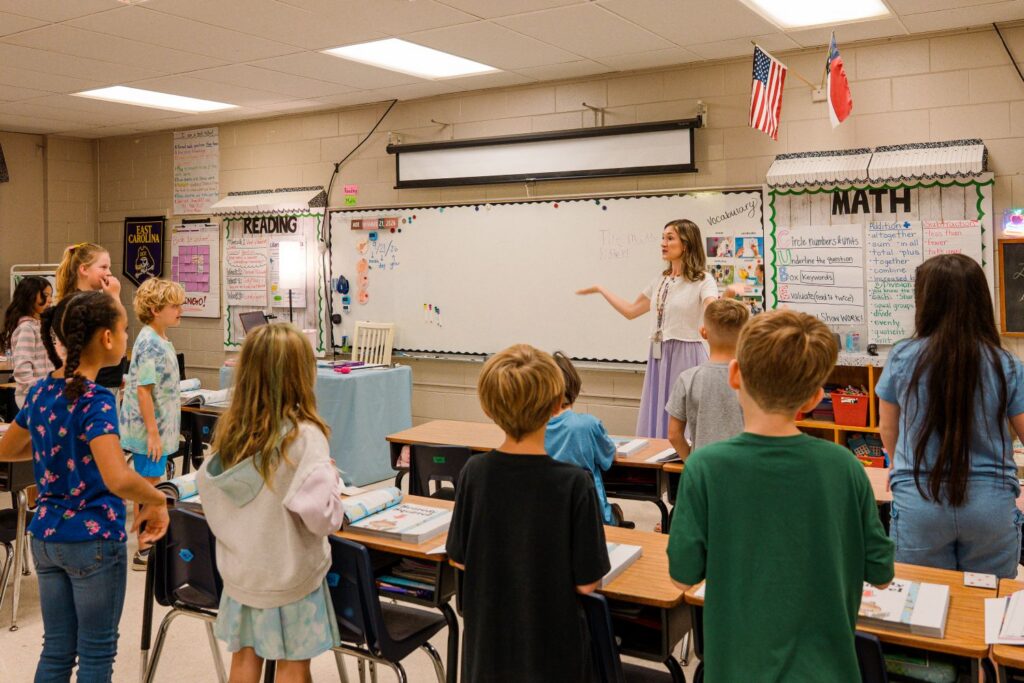
Shults, Carteret County’s 2026 Teacher of the Year, is among the educators who have opened their classrooms to colleagues interested in observing effective instructional practices. Teachers from other schools have visited Newport to observe student engagement strategies, just as Newport teachers have visited classrooms elsewhere to learn from their peers. Those exchanges reflect a larger commitment to collaboration across Carteret County.
The district’s mission is to “Engage, Educate, and Empower All Learners from Cedar Island to Cedar Point.” For Brooks and her colleagues, that commitment means effective practices should not remain within the walls of a single school. When something is working for students, educators across the district should have opportunities to learn from it, adapt it, and build on that success.
Building a system that lasts
Like many districts across North Carolina, Carteret County Public Schools’ literacy work continues to evolve. Although the district’s original Literacy Intervention Plan focused on kindergarten through third grade, leaders had already begun expanding their approach to fourth and fifth grades before the state required it.
They have also developed a framework for secondary literacy, recognizing that building strong readers does not end in elementary school. Educators are exploring how reading routines, vocabulary development, morphology, and access to complex texts can support student learning across content areas in middle and high school.
As the district looks ahead, leaders are also considering how the systems established through their literacy work — shared expectations, instructional coaching, collaborative data analysis, and continuous improvement — can strengthen other areas of teaching and learning.
For Brooks, one of the most valuable unintended outcomes of the state’s science of reading initiative has been the alignment it created. The combination of LETRS training, Office of Early Learning support, and the ELS role helped connect state expectations with local implementation in ways district and school leaders could sustain. What began as an effort to strengthen literacy instruction has become a model for how the district approaches professional learning, instructional improvement, and building systems that support lasting change.
The impact of that districtwide commitment is already evident at Newport Elementary, where the work is far from finished. Even after exceeding expected growth and earning a higher school performance grade, school leaders and teachers are looking toward what comes next. Parish shared that their goal is to continue increasing the percentage of students who meet or exceed expected growth, with 100% as the aspiration.
But perhaps the most important measure of success will be when the practices that helped drive that progress become so deeply embedded in the school’s culture that they are simply the way educators approach their work every day.
For the students walking through Newport Elementary’s doors each morning, that commitment means more than learning to read. It means building a foundation for continued learning, greater opportunities, and success well beyond their elementary school years.