
Five churches, one garden, and a Wilson summer reading camp
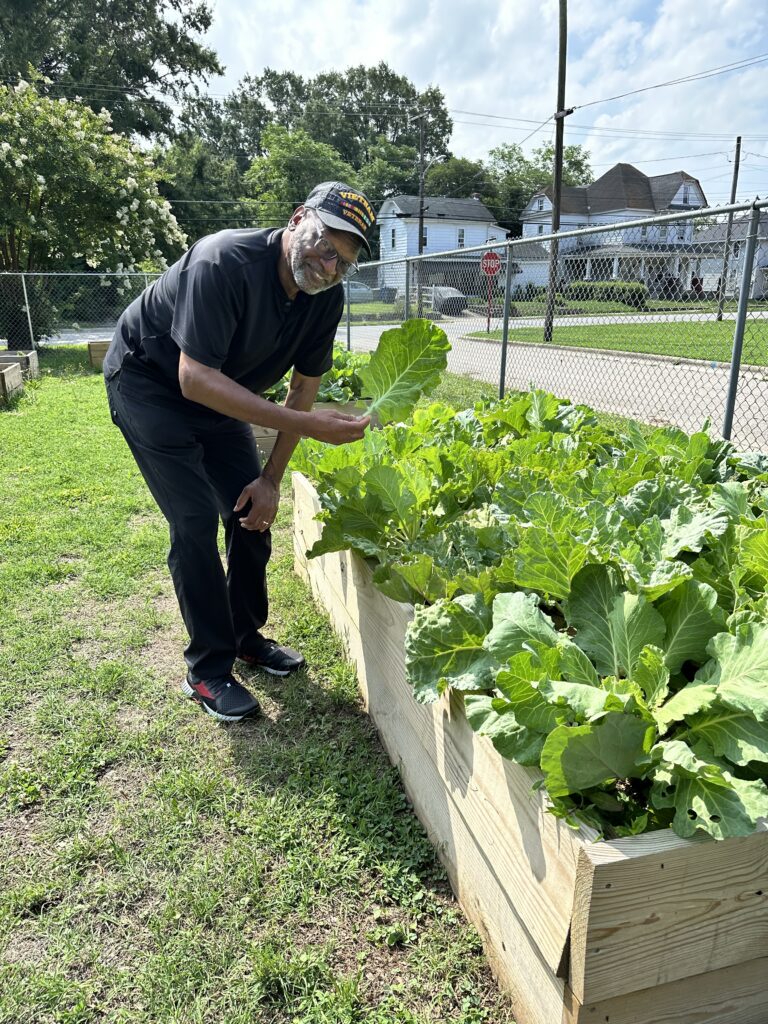
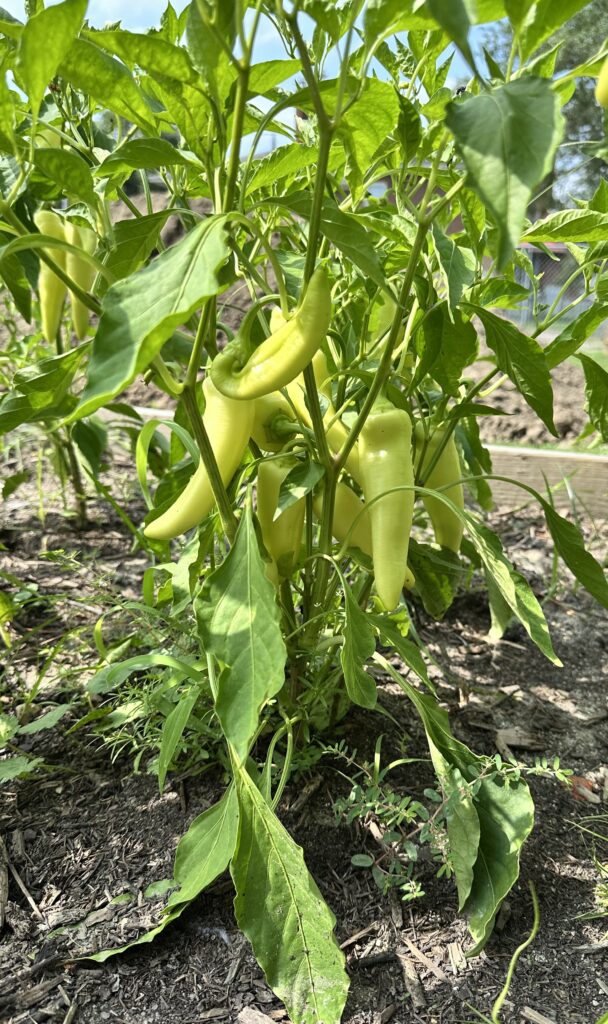
The pepper plants are still growing at the corner of Pender and Church streets in Wilson. Every child planted one, and Charles Pope can tell you which beds. There are 25 beside Calvary Presbyterian Church, 20 filled with soil so far. And it is supposed to hit 102 degrees.
Meanwhile inside, 12 rising third graders are working through phonics with their certified science of reading teacher. Out here is the other half of the education.
“My part is to get them connected to the dirt,” Pope said.
 Sign up for the EdWeekly, a Friday roundup of the most important education news of the week.
Pope is an elder at Calvary Presbyterian, born and raised in Wilson. He oversees the garden for Wilson Read & Grow, an initiative to boost student reading, address hunger, and teach basic business skills, built by five downtown churches — Calvary Presbyterian, Contending for the Faith, Jackson Chapel First Missionary Baptist, St. John AME Zion, and Total Impact Outreach Ministries. Each received $10,000 through the NC Rural Center’s Faith in Rural Communities program, funded by the Lilly Endowment. Rather than spend separately, they pooled their funding.
“That don’t happen,” Pope said of five denominations working together, three years in. “You can’t even get one church to stay together these days.”
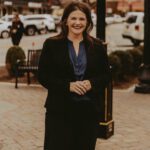
Dr. Carol White brought the NC Rural Center to the five churches in 2023. She is education chair of the Wilson NAACP, a retired principal, and the Summer Literacy Initiative (SLI) site director.
Before the churches started any programming, they spent months training together. Some of it was organizing themselves — five different churches with sets of rules about who approves what.
“We made sure everybody’s internal policies were respected,” White said. The rest was harder.
“The things that we think will benefit our community, most of them will not benefit the community,” Pope said. The Rural Center’s training, he said, helped them move from assumption to intention and figure out what their community needed.
They came out with three priorities — literacy, food, and entrepreneurship. Feeding America puts Wilson County’s food insecurity at 17.9%, against 15.5% statewide. Rev. H. Maurice Barnes, Calvary’s pastor, puts the arithmetic plainly: “How can a child learn hungry?”
Enter The Duke Endowment’s Summer Literacy Initiative (SLI), which started in 2013 with a lone United Methodist Church congregation in Iredell County. That effort has since blossomed into 35 sites in rural communities across the state.
By joining forces with the NC Rural Center, the initiative moved past denominational lines, eventually finding its way to this corner in Wilson.
Read more about the Summer Literacy Initiative
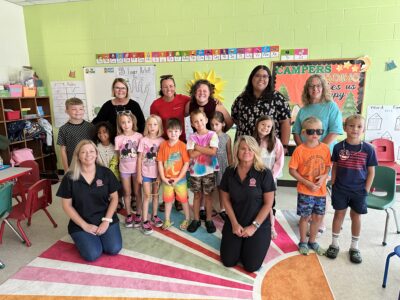
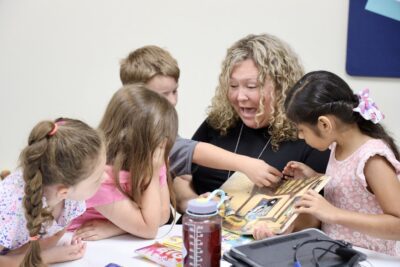
This SLI program runs four weeks from 7:30 a.m. to 3:00 p.m., Monday through Friday — four hours of instruction followed by enrichment activities.
White has stacked the afternoons, including an activity building cardboard robots and a visit from a symphony musician who let the children handle the instruments — “the instrument zoo,” she called it.
The children come from Barnes Elementary a few blocks over, as do the teachers. White adopted that school years ago, when it was the district’s lowest performer. She kept the reading camp small on purpose. Expectations got reset early: this is not playtime, it’s school time.
Her favorite part isn’t test scores. It’s “getting to know the children. Their families, their needs,” she said. “How do we support those needs, so that when they come here, they’re not distracted?”
Ask what keeps her up at night and the answer comes fast, then she stops.
“The thought that a child is hungry,” White said. “The thought that a child is sleeping in a car.”
White retired years ago and still tears up about it while also stepping up and meeting those needs as she can, when she can.
Pastor Barnes frames it plainly.
“If we’re (the church) not doing this — really, why are we here?”
Calvary Presbyterian has an older congregation and declining membership. Twelve energetic elementary schoolers in July is no small ask.
“It’s a huge leap,” Barnes said. “We’re in a different season.”
But congregants come, look in, volunteer, and the building stops being just a place for Sunday church participation.
Pope’s education in dirt started at 7, when his grandmother — two gardens, a block away — gave him a plot and seeds.
“All the rest of them, she said, they don’t care. But you different,” Pope recalled.
Then Pope attended community college, joined the Air Force, and later worked at a chemical company, spending years away from the soil.
“But it was still in my DNA,” he said.
He doesn’t build the garden beds alone. Men from the congregations hammer them together, and his brother-in-law James Thomas, of Contending for the Faith, carries the rest.
“He’s very instrumental,” Pope said of Thomas.
Together, they get the campers outside to plant, and they have harvested and taken food home as well as ridden out to a farm.
Pope keeps chemicals off the beds.
“We don’t put anything on it that hurts you,” he tells the children. “You can pull a leaf and eat it.”
Once the garden produces, the children will sell their produce at the farmers market — growing it, hauling it, pricing it, and selling it — and take home a stipend. The longer play is a fund: scholarships and grants for the children who came through, paid out of what they grew.
“It’s for these children to have resources,” Pope said. “To go to NC State, A&T, wherever. They can do it. They can really do it.”
“That’s what Wilson Read & Grow is,” he continued. “We are growing our children in and out of the classroom.”
As I was leaving, the students spotted Pope and began hollering, “Hey, Mr. Pope!” He stopped, smiled at me real big, and said, “They still blow me away!”
To learn more about Wilson Read & Grow, to volunteer in the garden, or to support the summer reading camp, contact Calvary Presbyterian Church, 209 N. Pender St., Wilson, N.C., at 252-237-6657.
Editor’s note: The Duke Endowment supports the work of EdNC.