Electrical apprentices showcase skilled trades to state leaders at NC State Fair

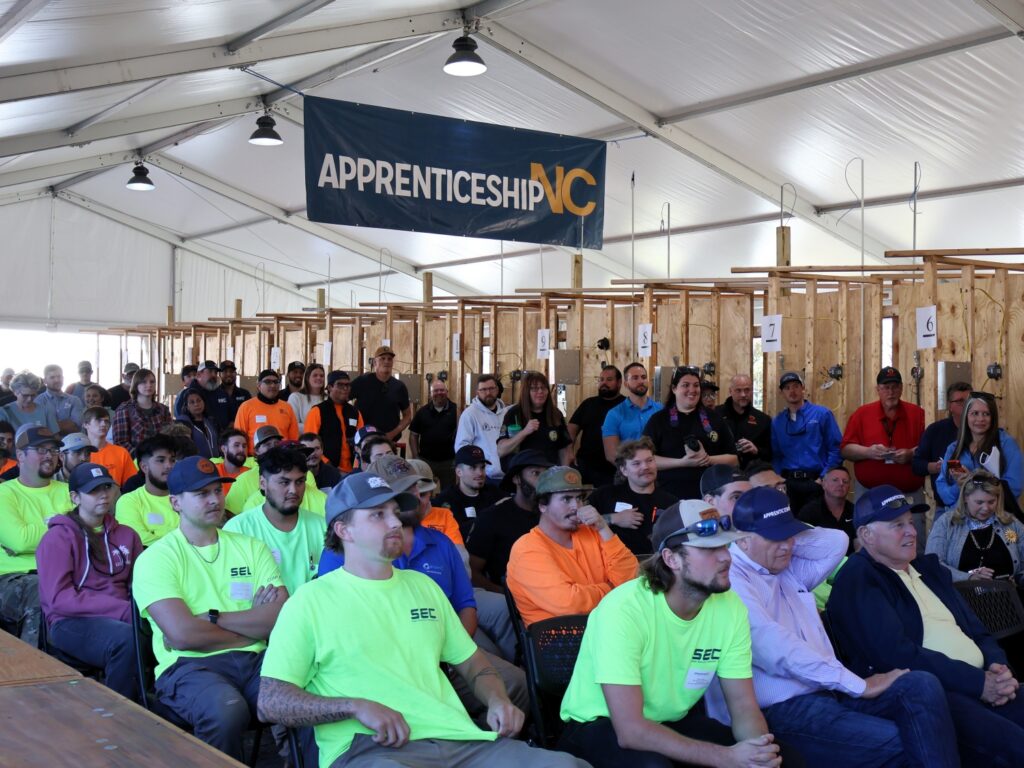
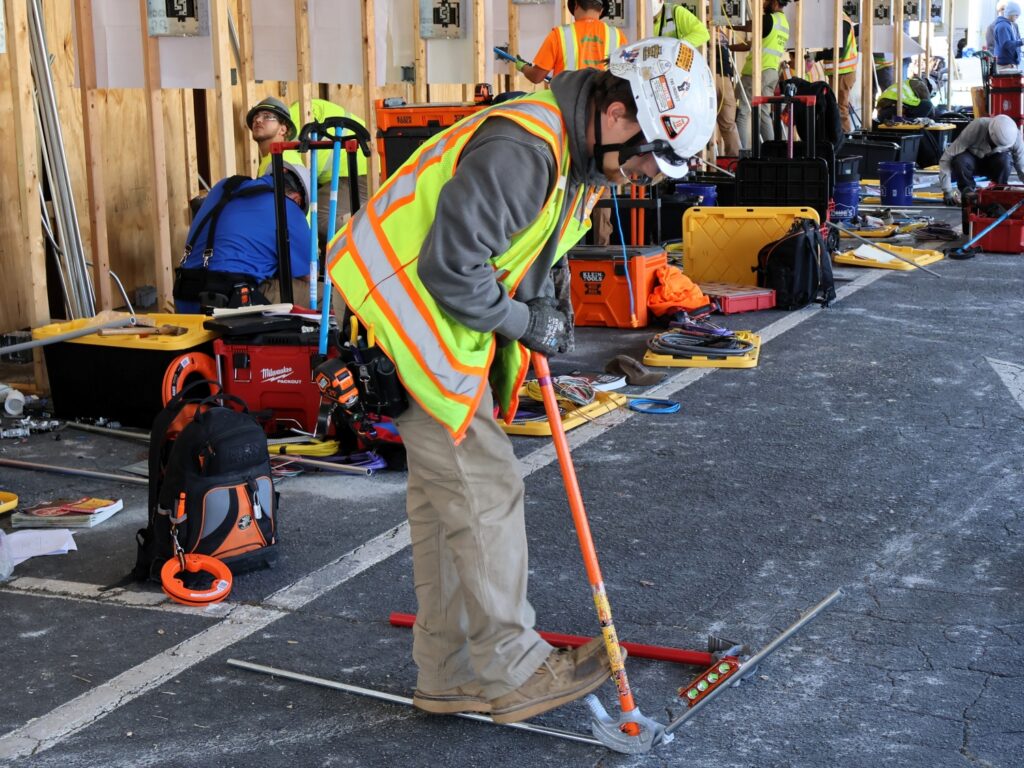
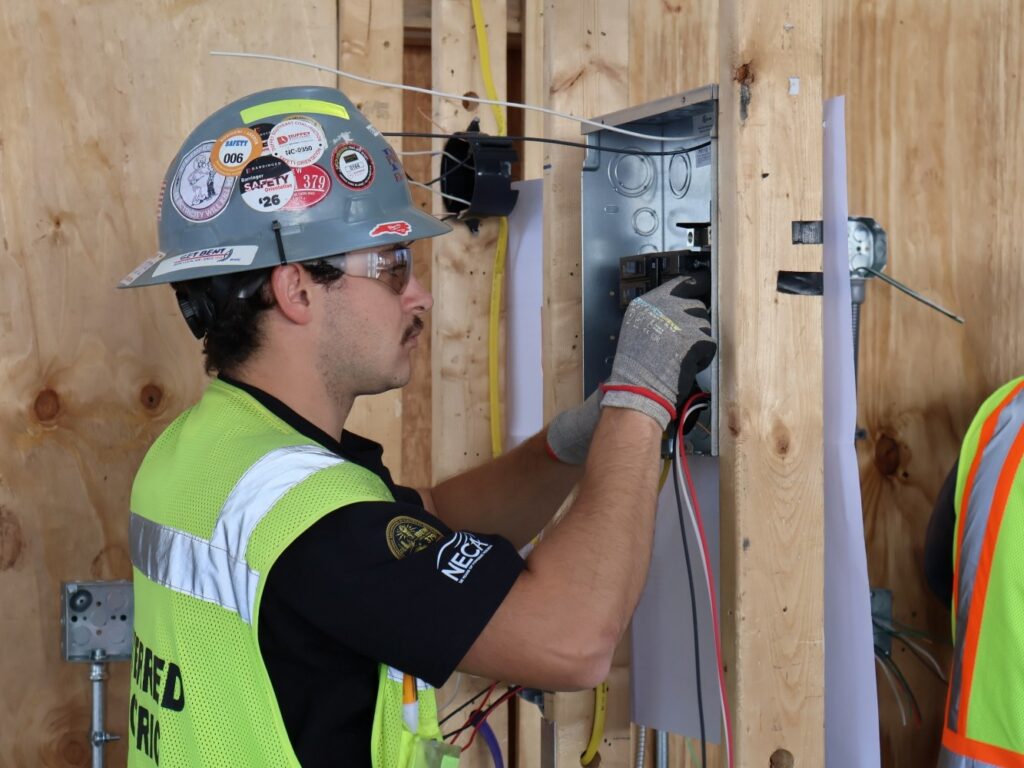
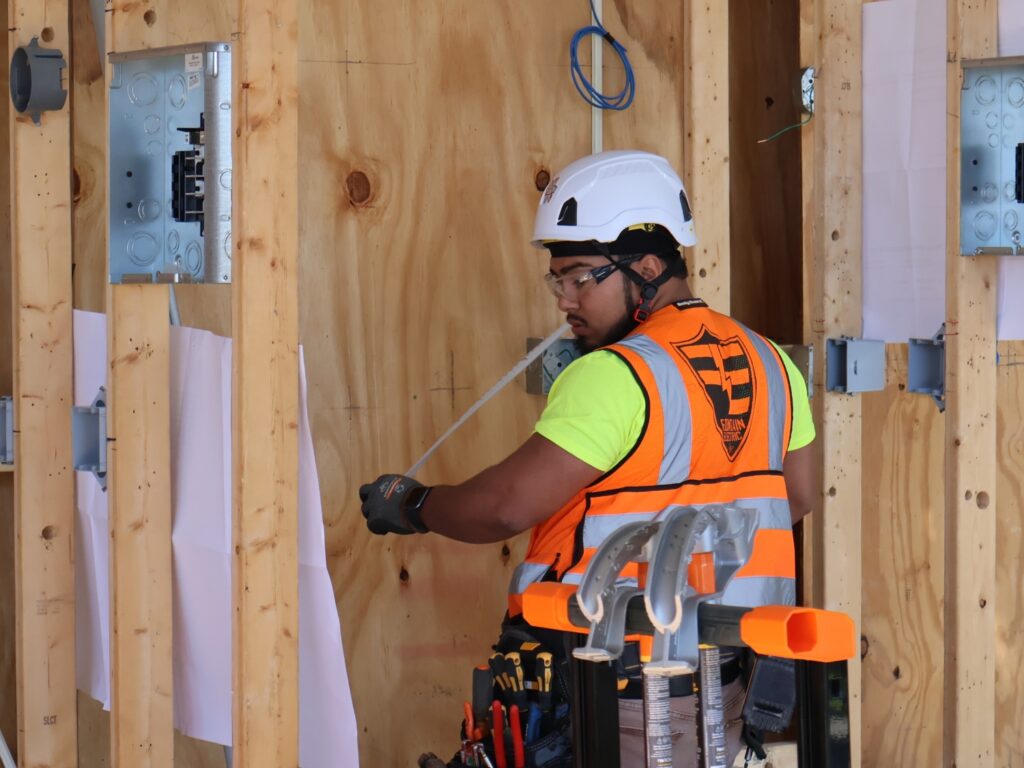
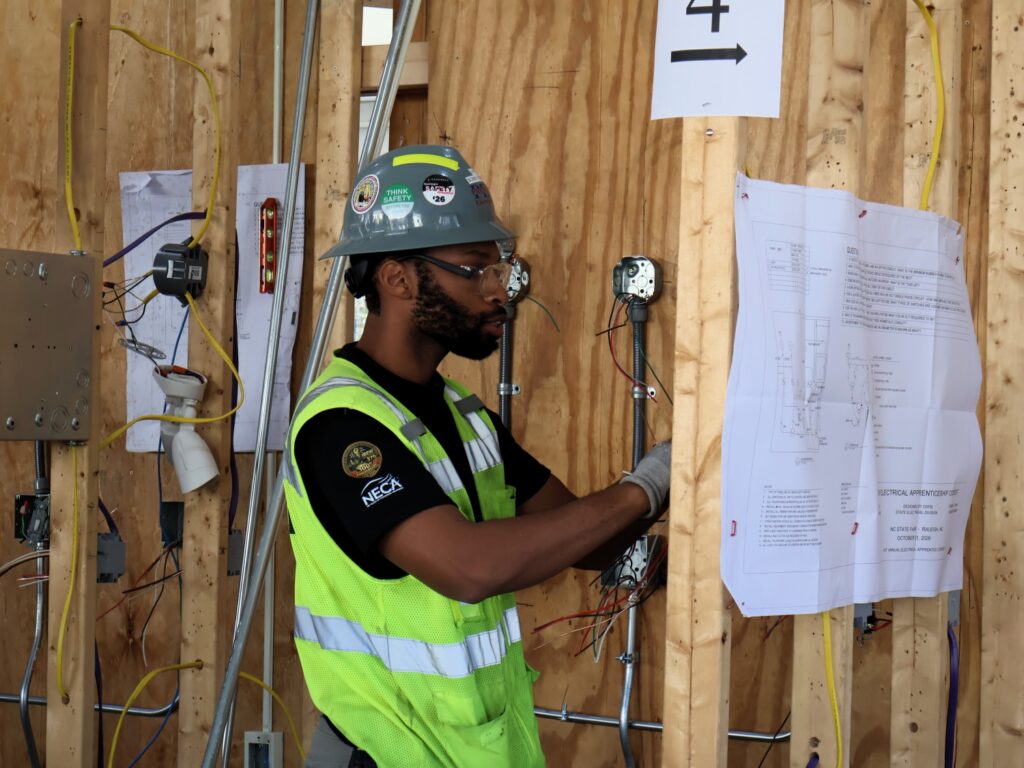
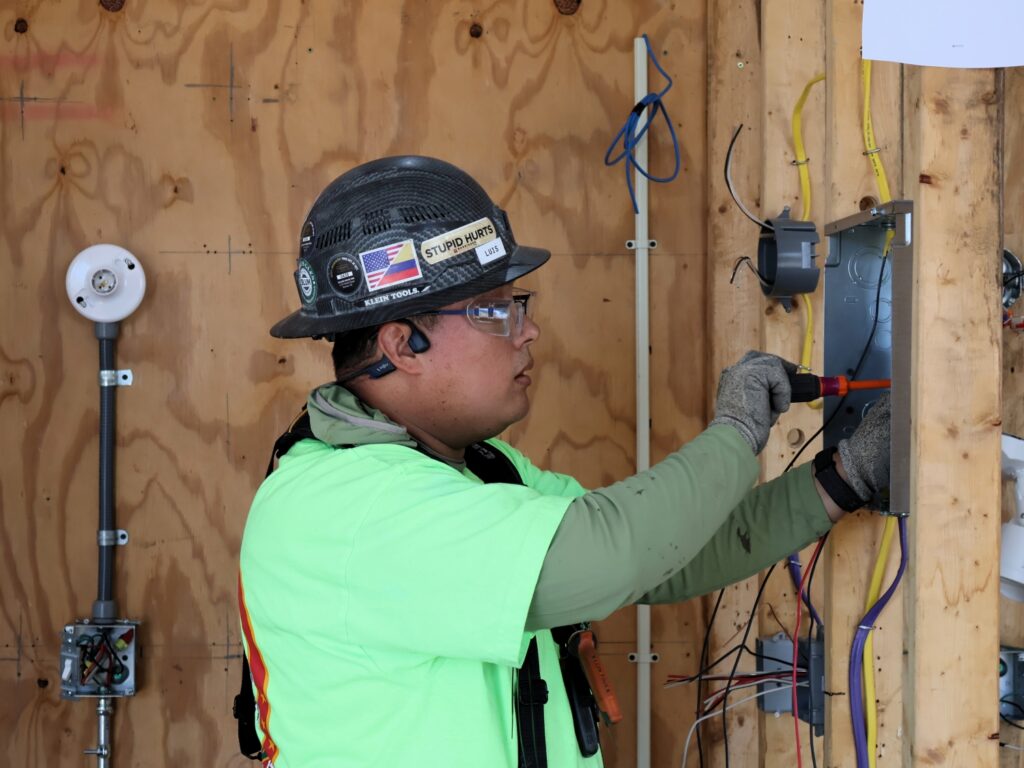
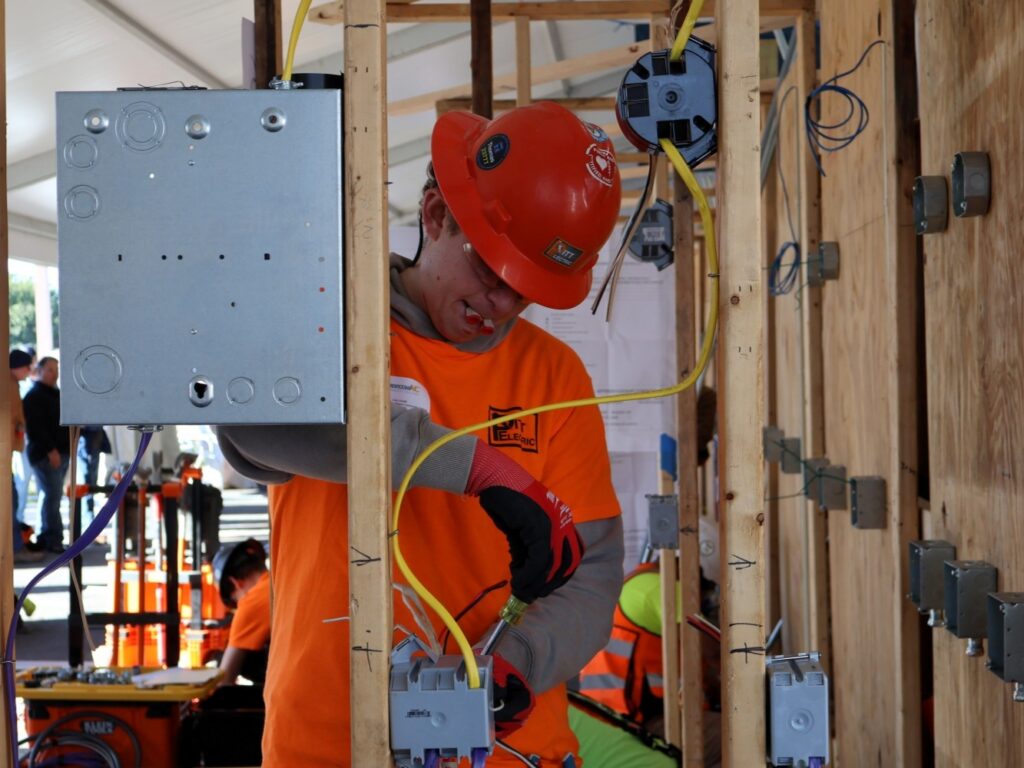
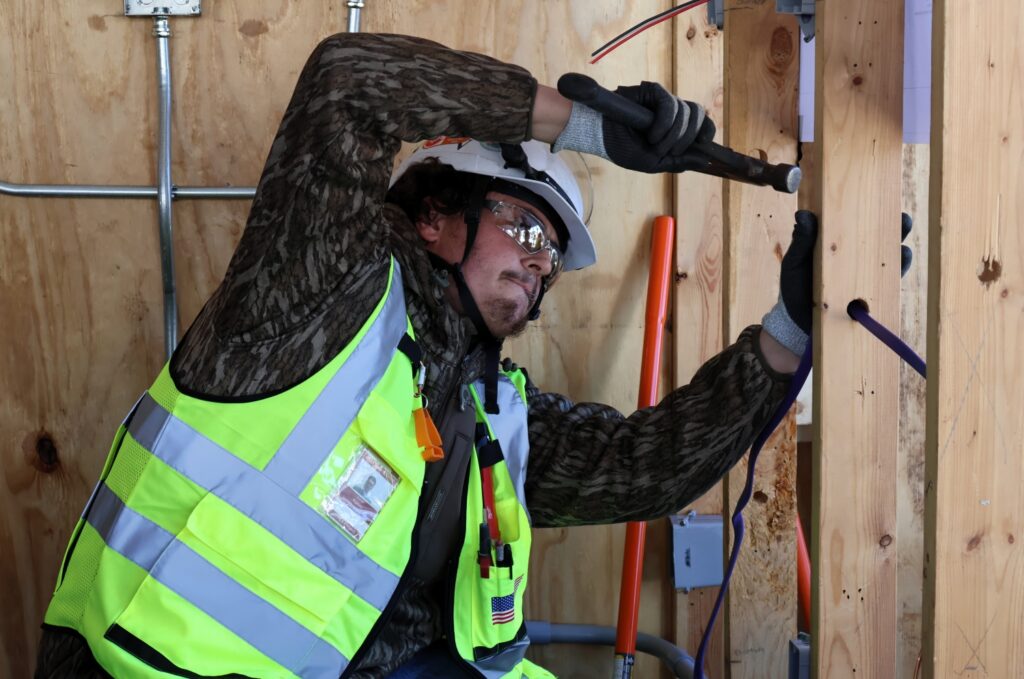
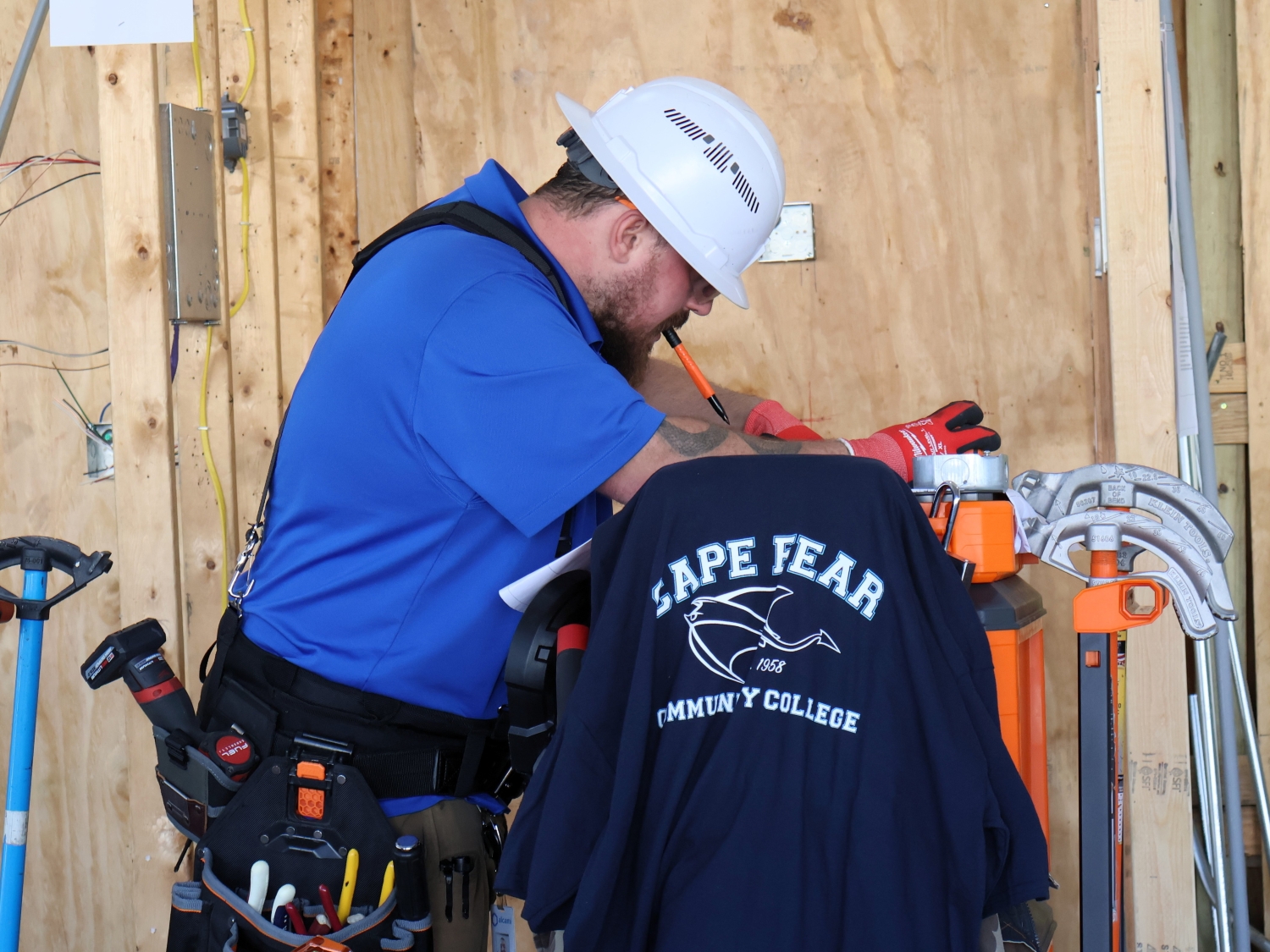
For four hours on a recent Wednesday at the N.C. State Fair, 36 electrical apprentices consulted a blueprint they received that morning to compete for a spot on the podium at ApprenticeshipNC’s 41st annual electrician trades competition.
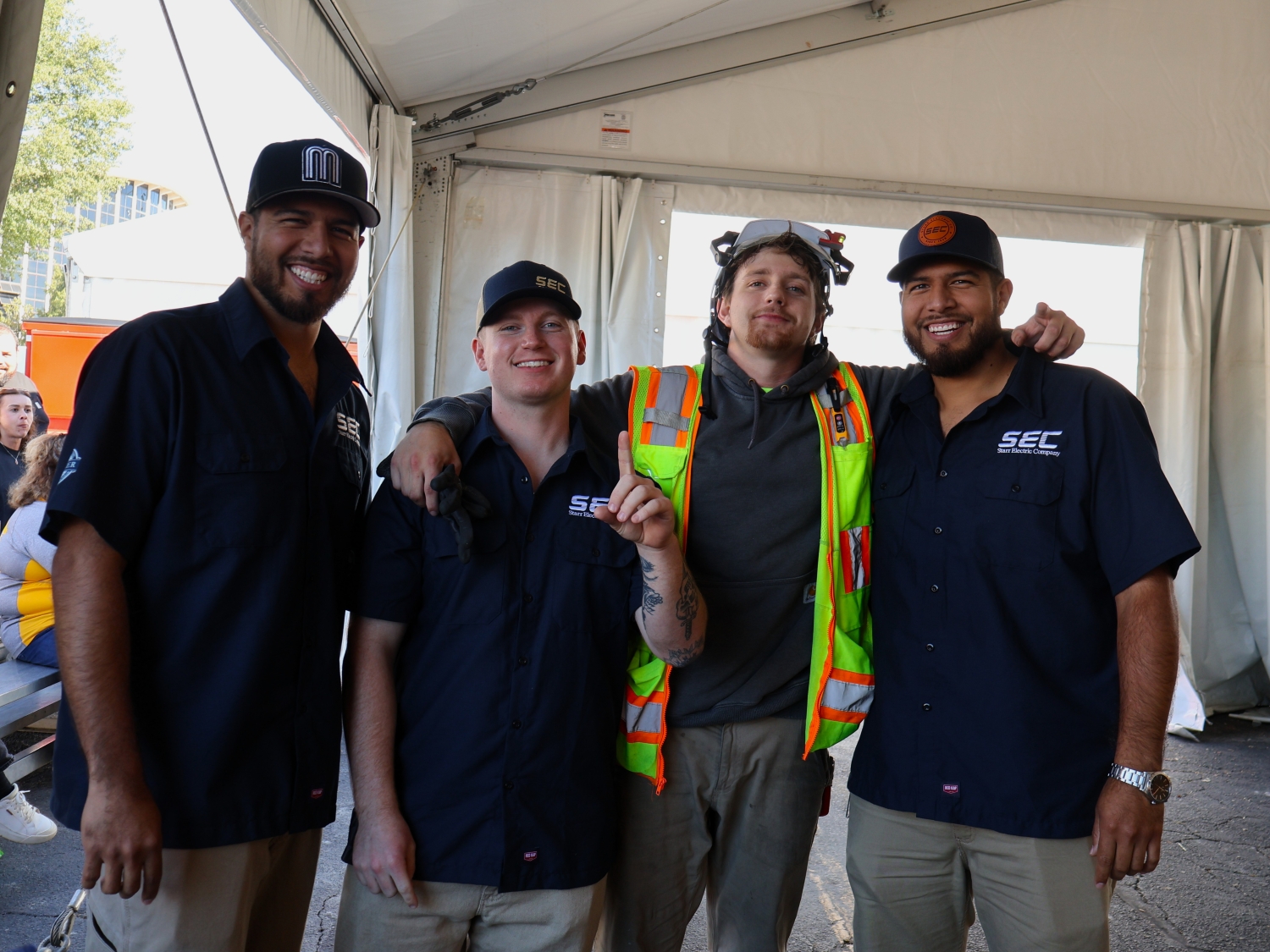
To the untrained eye, it was nearly impossible to spot a difference between each apprentices’ work. But for electricians like Carlos and Luis Ramos, who spent hundreds of hours training to complete their apprenticeship program at Starr Electric Company, those nuances are easy to see.
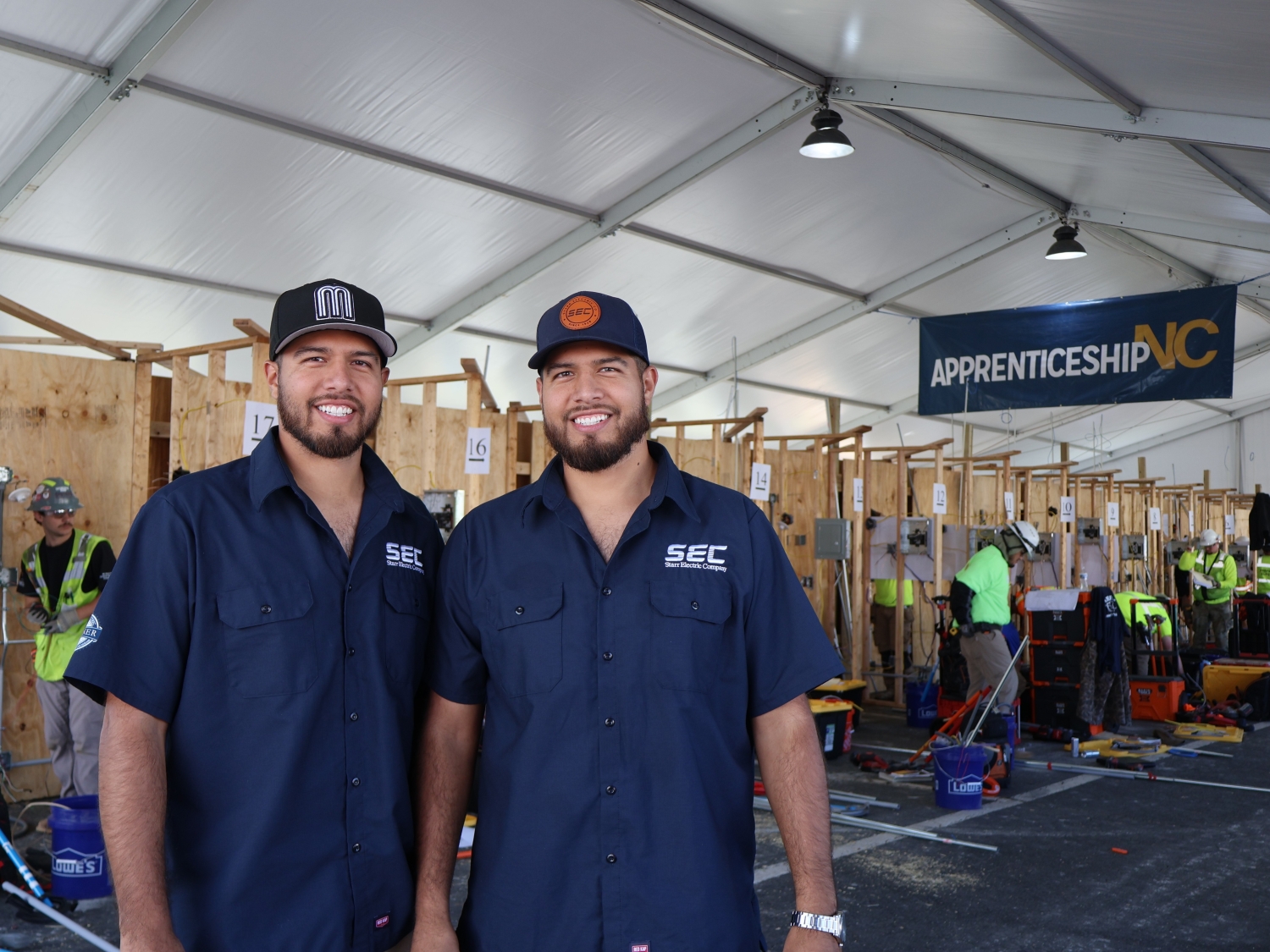
The brothers competed in the ApprenticeshipNC competition two years ago. Luis walked away with second place, and Carlos with third. This year, they were cheering on the three Starr Electric apprentices in Wednesday’s competition. The company was one of 14 in the running for top prize.
As employees of their former apprenticeship site, the brothers said they’d trained two of the three apprentices competing that day.
“At one point you were learning this stuff … so you can relate to what they’re going through,” said Carlos Ramos about the nerves the competitors were feeling.
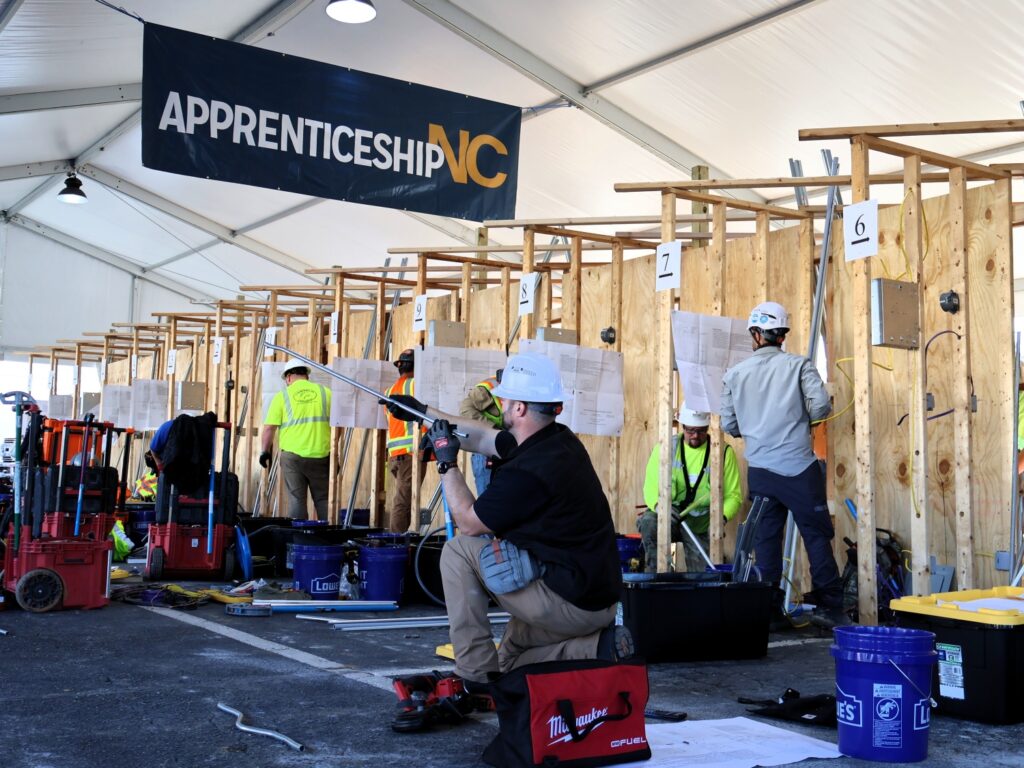
Across all skilled trades, companies are facing a shortage of employees to complete technical, hands-on work. In North Carolina, registered apprenticeship programs are a strategy working to fill that need.
Each year, ApprenticeshipNC hosts a week of trade competitions at the N.C. State Fair. Apprentices training in plumbing, HVAC, carpentry, cosmetology, masonry, and more compete for monetary prizes.
ApprenticeshipNC is the state apprenticeship agency designated by the U.S. Department of Labor (DOL) to register and oversee apprenticeship programs. Though it is housed within the North Carolina Community College System (NCCCS), apprenticeships may be coordinated through community colleges or directly between apprentices and employers.
After the electrical competition’s judges tallied scores, one of the Ramos brothers’ apprentices, Erik Naderer, won third place. Isaachar De La Cruz placed second, and Tyler Hendrix took home first.
In addition to being scored on metrics such as productivity, adherence to National Electrical Code, and accuracy of layout and installation, apprentices had one hour to complete the 2020 National Electrical Code exam.
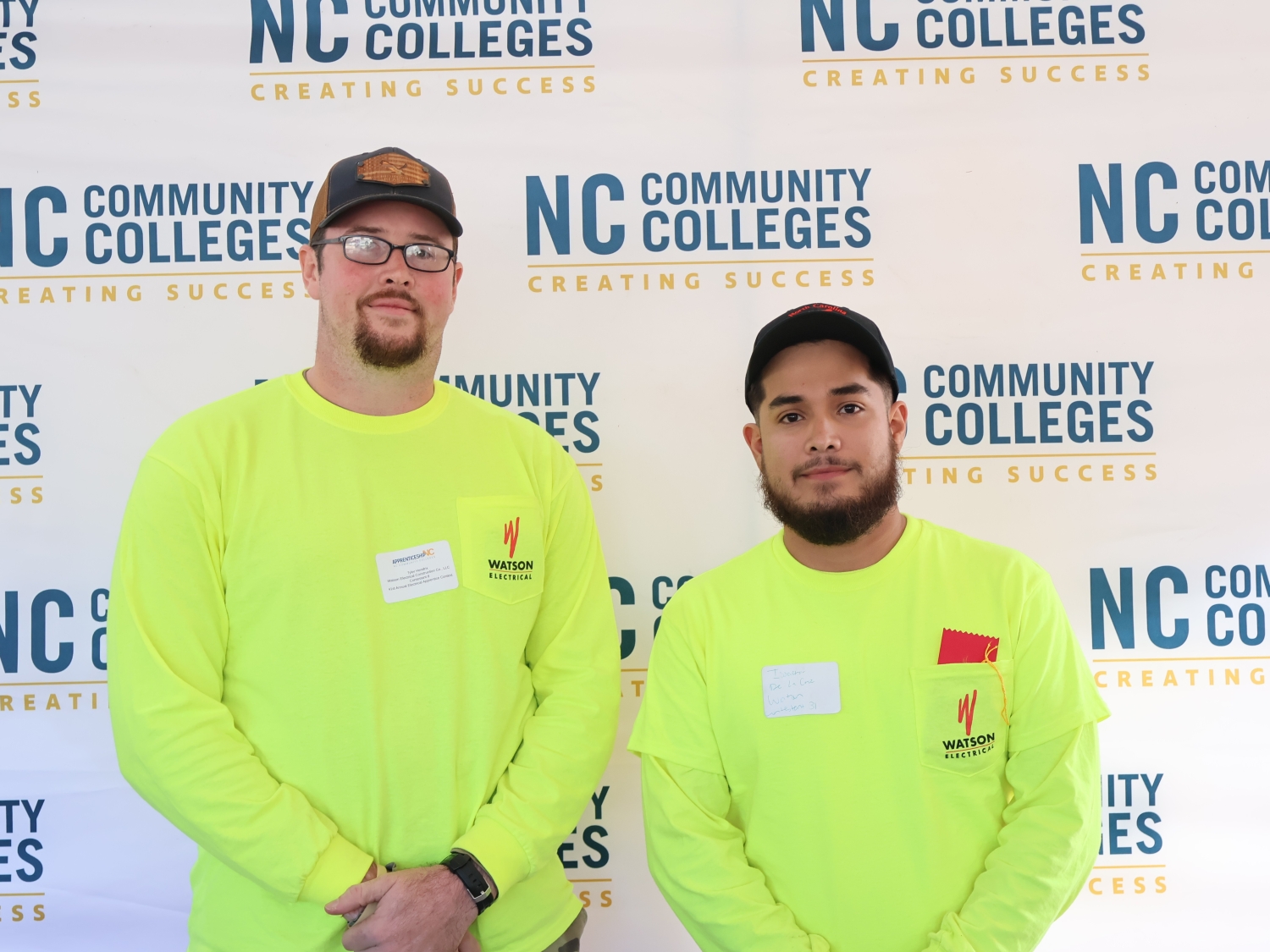
Both De La Cruz and Hendrix are apprentices at Watson Electrical Construction. CEO and Board Chair Craig Myers said the company has been training apprentices for nearly 60 years and is hosting about 50 apprentices this year.
“Especially in today’s world, with the lack of skilled labor, training your people and retaining your people is probably one of the most important things we can do as a company,” said Myers.
His word of advice to other employers thinking about taking on apprentices: It’s worth it.
“I’d rather take a risk on a young person going through an apprenticeship program than a risk on somebody I don’t know anything about coming from outside,” he said.
Myers added that, given the electrical profession’s skilled labor shortage, it would be more costly to find qualified employees elsewhere than to invest in the training program.
However, he said that same labor shortage can make it difficult to retain apprentices because the sheer demand for electricians from other companies makes for a competitive labor market. As of right now, Myers said the company retains about half of the apprentices they train.
“It’s well worth the risk, because the end product, the investment you make in these young adults — when they get out of it, you’ve really got a good employee,” he said.
 Sign up for Awake58, our newsletter on all things community college.
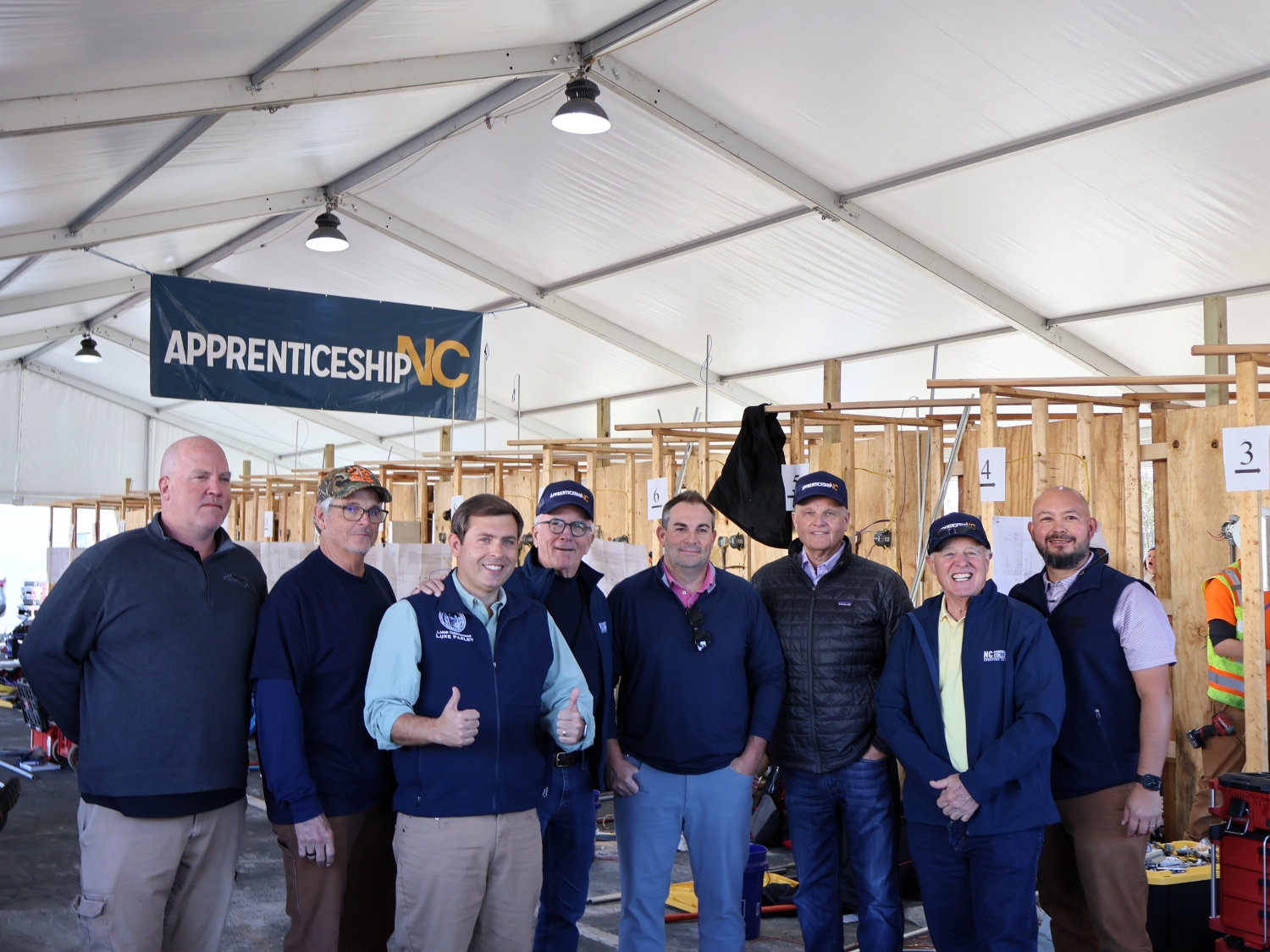
Many state leaders agree with Meyers. Luke Farley, the North Carolina Commissioner of Labor, stopped by the competition with Rep. John Bell, R-Wayne, to cheer on the electrical apprentices. Farley and Bell were joined by members of the State Board of Community Colleges, including Board Chair Tom Looney.
Separately, Gov. Josh Stein’s Council on Workforce and Apprenticeships set a goal of doubling the number of registered apprentices as part of a larger set of strategies for improving workforce development.
The same week as the electrical competition, ApprenticeshipNC released their annual report to the State Board of Community Colleges at the Board’s October meeting.
With a total state appropriation of $4.4 million following the state budget’s $3.17 million recurring allocation to ApprenticeshipNC, the report states that the agency can “move from grant-dependent growth to a deliberate and sustainable statewide expansion strategy.”
At the electrical competition, Looney said the future of North Carolina’s economic development success depends on whether the state will continue to invest in apprenticeships and the community college system’s willingness to listen to students and employers about how the model can be improved.
As experts study how artificial intelligence could change jobs, Farley said he believes the skills electrical apprentices showcased at Wednesday’s competition are, in the near term, resistant to technology change.
“As labor commissioner and a member of the Board of Community Colleges, I want to stand behind this work because, to me, it’s really the way we’re going to get people trained up for the future,” said Farley.
Under the ApprenticeshipNC tent at the state fair, there were signs that the workforce development program’s momentum is catching on with young people.
This year, 72 people applied to compete in the electrical competition. That’s the highest number of applications the agency had ever received, according to ApprenticeshipNC staff.
For the Ramos brothers and their apprentices, the competitions have been a way to showcase their electrical and time management skills on a statewide stage.
“It’s seeing these apprentices really practice their craft and their trade,” said Farley about his favorite part of the competition. “And then to recognize the people who do it excellently, (it) is just a neat thing to see.”