
Governor extends childcare task force through 2027 as co-chairs discuss affordability during site visit

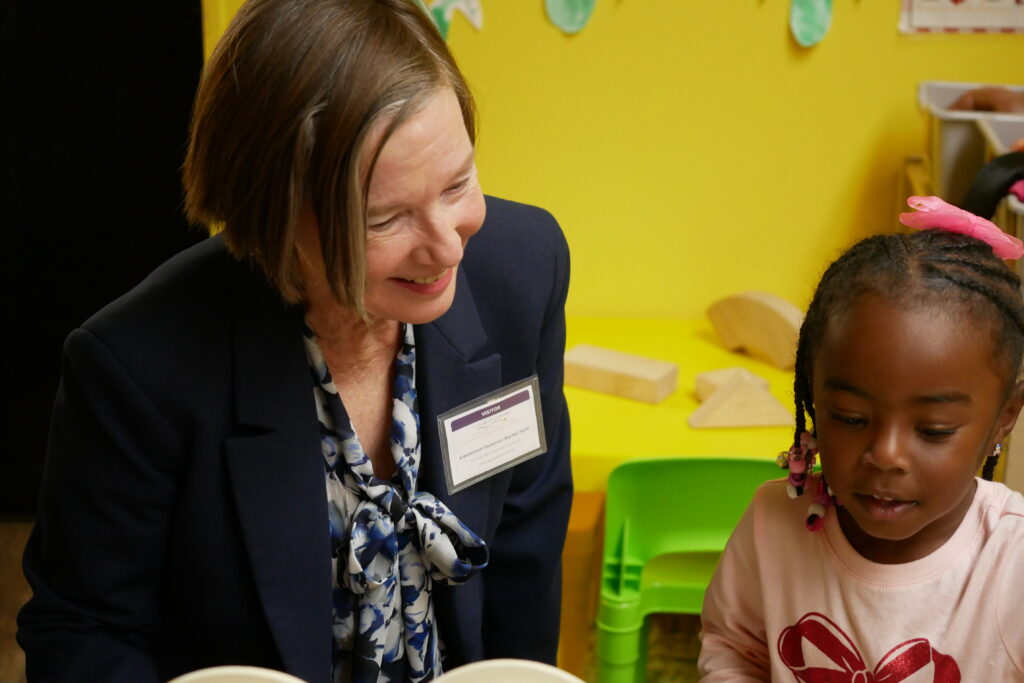
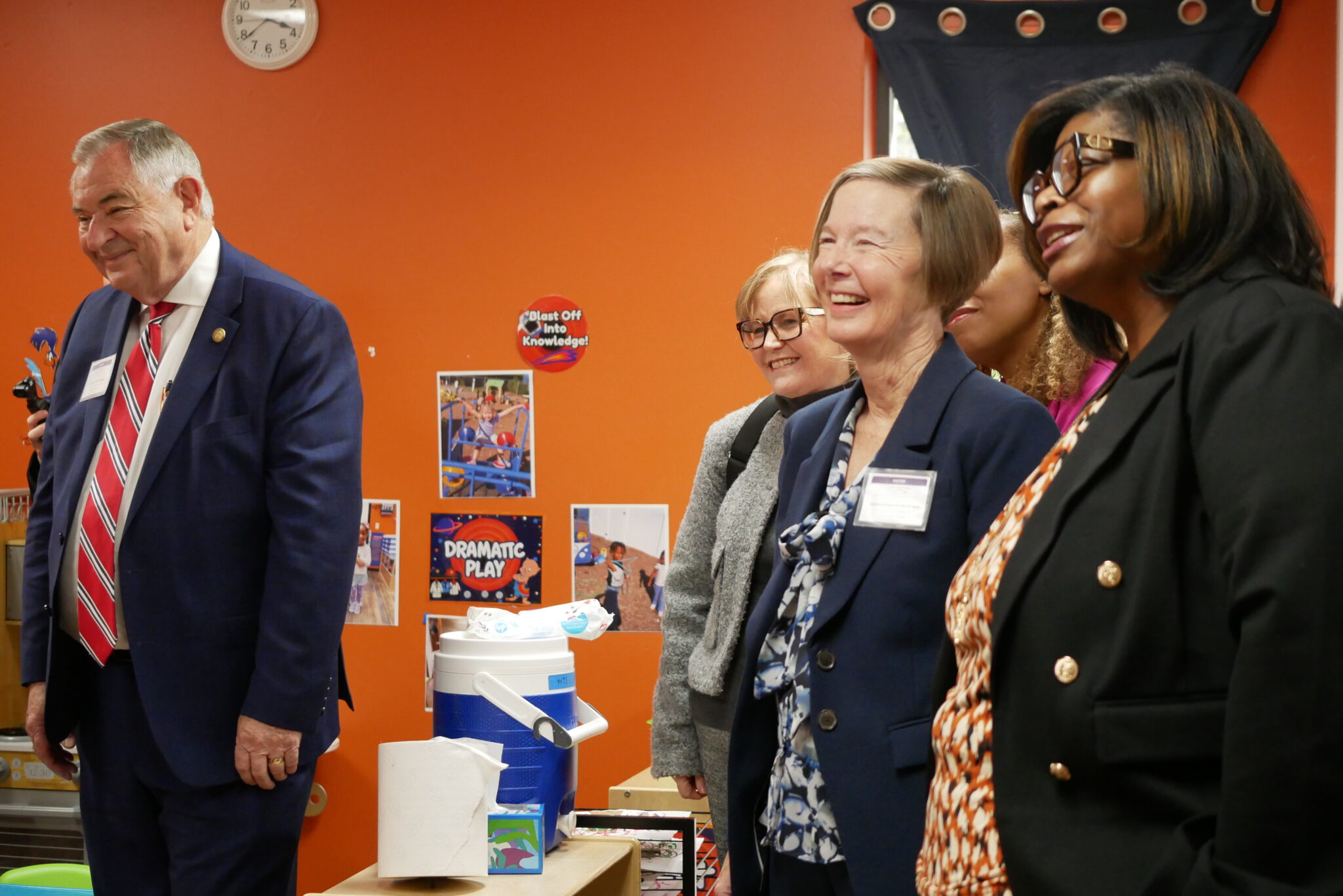
The co-chairs of the bipartisan North Carolina Task Force on Child Care and Early Education, Democratic Lt. Gov. Rachel Hunt and Sen. Jim Burgin, R-Harnett, met Thursday at Little Believer’s Academy II in Raleigh. The pair spoke with educators and administrators, played with eager students, and discussed their upcoming priorities within childcare for the state.
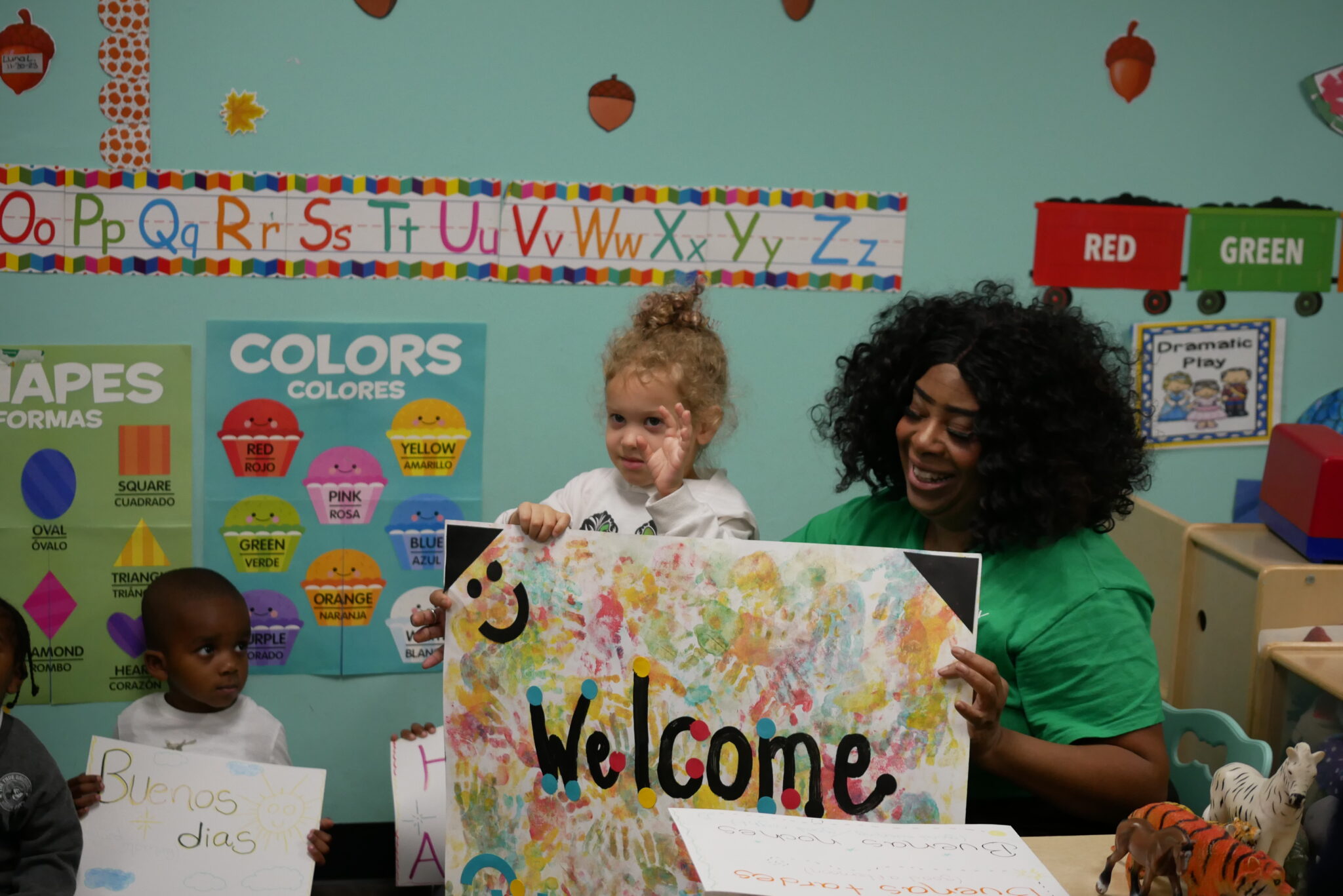
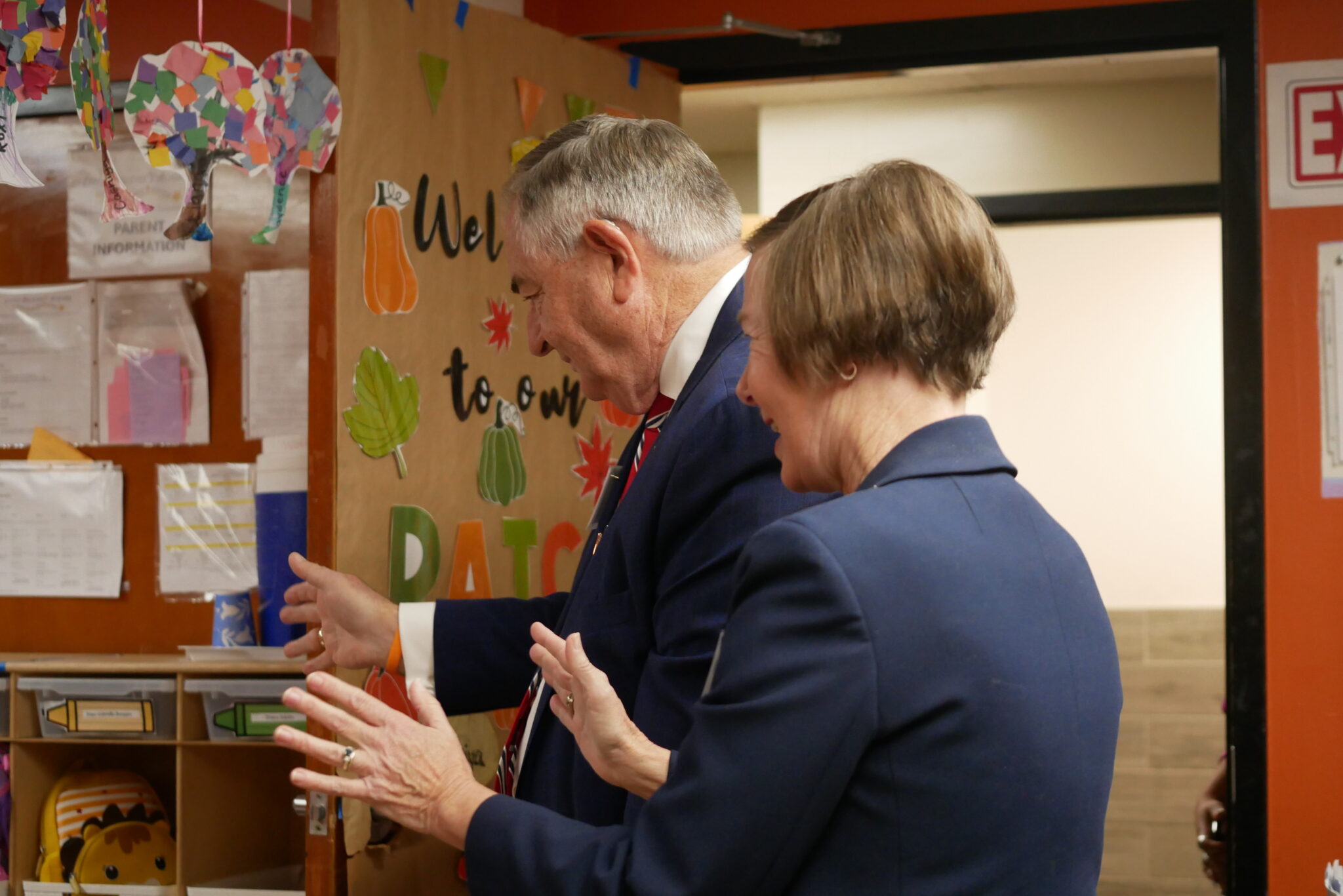
Hunt and Burgin visited several classrooms, seeing the wide variety of activities that students at Little Believer’s Academy participate in every day. In the first classroom, students welcomed their visitors with a hand-painted sign. Students were in the middle of drawing with crayons and pencils, and they showed their creations to the members of the task force, who knelt down next to them to compliment their artwork.

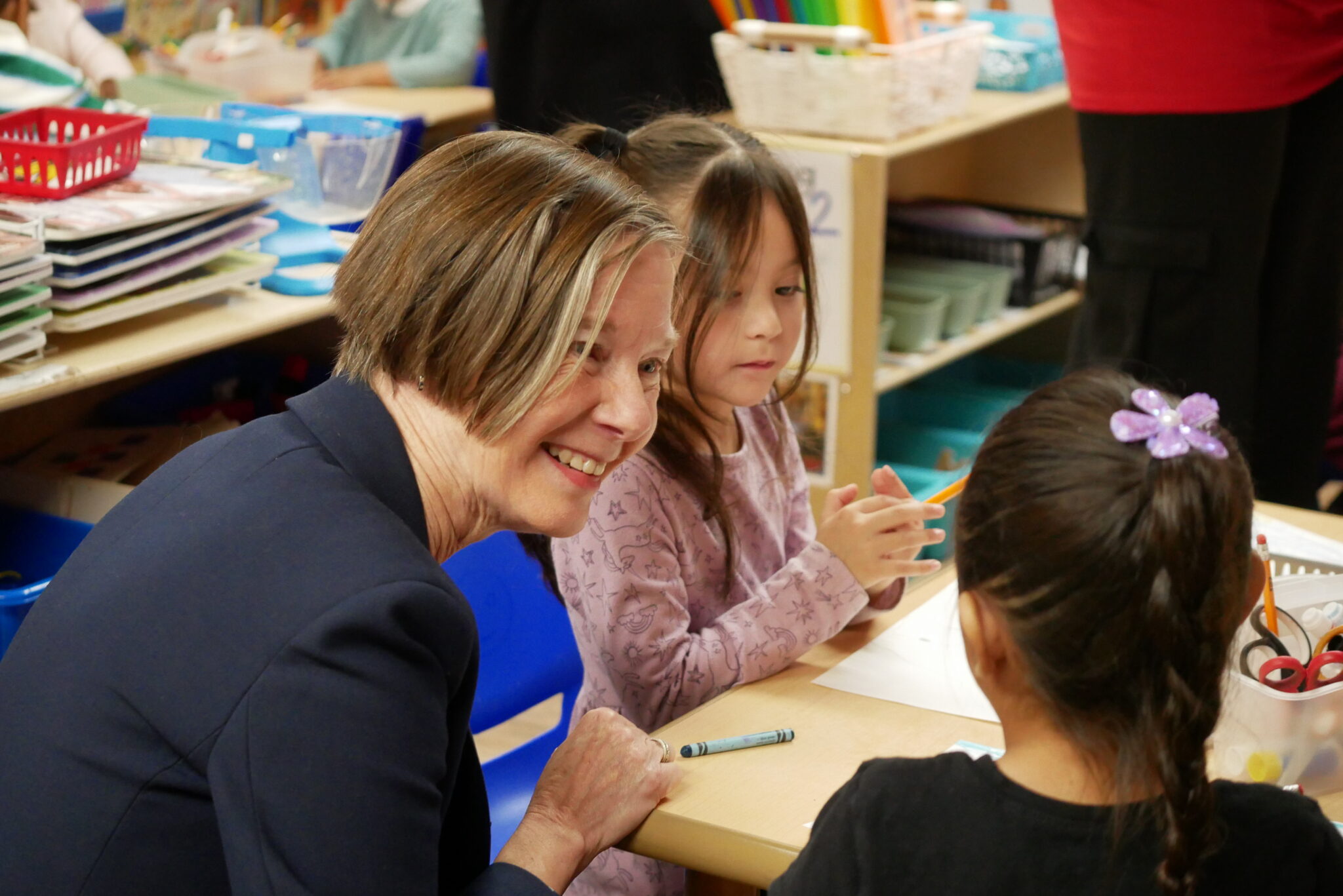
In the next room, one student explained that she knew all her classmate’s names, and she made sure to learn the names of the visitors and introduce her peers to them. The student explained that she hoped to be a teacher when she grew up because teachers always know everyone’s names.
Later, the task force members participated in classroom activities, cheering as students helped identify colors and shapes on a board at the front of their classroom. “Where’s purple?” asked their instructor of one student, who walked between her peers on the rug to successfully point to the shade on a poster. The whole class then practiced saying the name of the color that had just been located.
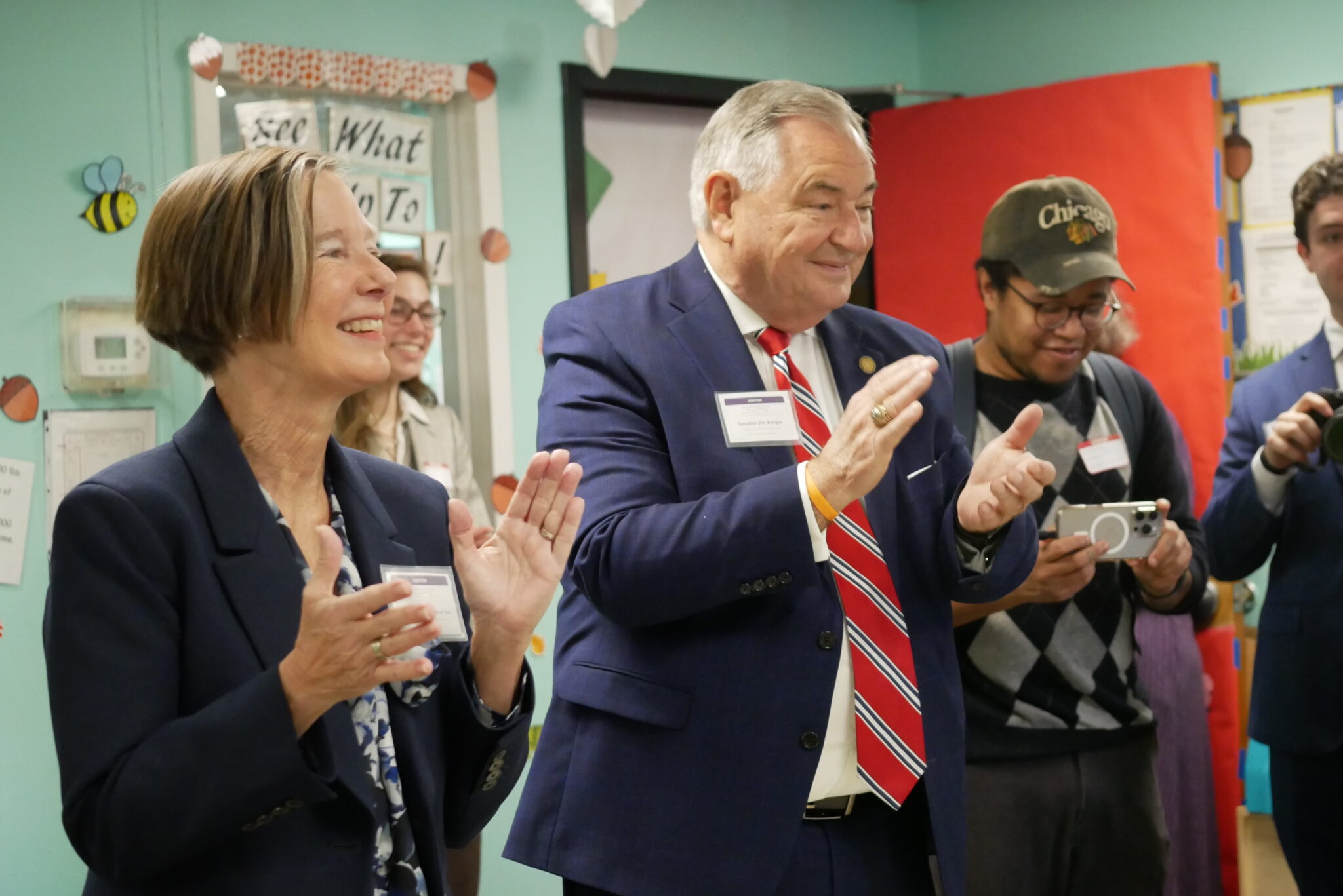
Little Believer’s Academy employs several international instructors on H-2B visas, who help teach the students Spanish every day. Task force members heard a demonstration of students’ language immersion, as the children sang a song in Spanish and task force members clapped along. The students waved goodbye as the visitors left with cheers of “¡Adios!”
Once Burgin and Hunt concluded their classroom visits, the two spoke with Cassandra Brooks, owner and operator of Little Believer’s Academy.
Brooks discussed the positive impact that the state’s childcare subsidy program and subsidy floor have had on her industry, thanking the task force co-chairs for their work and commitment to the children and families of North Carolina.
“We are so thankful for the money increase to childcare. We can do a lot with that,” said Brooks. “Our neighboring state, South Carolina, decided not to continue childcare subsidy, and in return, a lot of children and families were not able to (get) care. And I know centers that have had to close, and I know them personally. So, I just want to thank you both. God bless you for thinking about the children and the families of North Carolina.”
The task force’s 2025 year-end report recommended setting a statewide subsidy reimbursement floor, offering non-salary benefits to childcare professionals, and linking existing workforce compensation and support programs into a cohesive set of supports, according to previous EdNC coverage.
Under the state budget passed in July, North Carolina became the first state in the country to have funding that establishes a childcare subsidy floor rate, which allows childcare facilities to receive at least the statewide average rate for subsidized care. Without a floor, rates range widely from county to county, making it harder for facilities to serve children in certain communities.
Read more


The subsidy in action
Brooks said that her facilities, students, and employees have benefitted from the expanded subsidy program. Importantly, she said that the additional funds have helped meet students’ nutritional needs.
“We do serve additional food,” said Brooks. “We serve breakfast, lunch, snack, and we serve an additional dinner that is not covered by the food program through CACFP,” referring to the federal Child and Adult Care Food Program.
According to Brooks, between 85% and 90% of Little Believer’s students receive subsidies, and many are a part of the foster care system, experiencing housing or food insecurity, or are otherwise considered “at risk.” She said the new funding helps meet their needs, paying for additional educators and supplies.
Little Believer’s has also been able to incorporate more STEM and Spanish education since the funding was implemented.
The school is the first in the state to hire childcare educators through the federal H-2B program, only one of four in the whole country to do so. Currently, the school employs nine educators through the program on a three-year commitment.
“That’s a great solution that we haven’t seen anywhere else,” said Hunt regarding the H-2B program. “We need to spread that around.”
Brooks said that having extra instructors, or “floaters,” has been a “saving grace” for the school, especially when it comes to addressing behavioral issues and providing classroom teachers with support and breaks.
In the future, Brooks said the school hopes to have enough funding to build a playground so they can incorporate more outdoor learning into their curricula.
Challenges remain
Even with the increased subsidy and the subsidy floor rate, Brooks emphasized that childcare is “super expensive.” At Little Believer’s, childcare for an infant to 1 year old is $364 a week. In other parts of the state, it can cost even more.
Recent polling by WNC Early Childhood Coalition and First Five Years Fund found that voters across North Carolina supported state and federal investment in childcare due to their concerns regarding its affordability.
Even with the subsidy, parents have to pay fees and cover additional costs to enroll their child in care. Brooks said that some parents, especially those experiencing housing or food insecurity or who are unable to work for health reasons, struggle to pay those fees.
In fact, Wanda Dixon, a staff member at Little Believer’s, said one student had to unenroll because their mother was injured at work, recently lost their apartment, and couldn’t afford the tuition on her worker’s compensation alone.
“We have multiple stories just like that. I can tell you so much,” said Brooks. “And when I go home at night, I’m thinking about all of the issues that not only children are facing, but the families and our teachers.”
Additionally, Brooks highlighted issues with recruiting and retaining staff despite offering above-average pay and benefits. Trouble with finding staff negatively affects their students.
“We have a lot of children that have unique needs, special needs, and we need additional staffing to be able to put in classrooms to keep them safe, and also give them the opportunity for education,” said Brooks.
Looking to the future
Gov. Josh Stein originally designated the task force to operate until the end of 2026. However, on Wednesday, Stein extended the task force’s operations until the end of 2027 in an executive order.
“With costs climbing, affordable childcare helps families start a family and stay in the workforce,” said Stein in a press release. “With the new enhanced childcare subsidy reimbursement rate secured, I look forward to the task force’s continued work to lower costs and help parents raise their children.”
At their visit to Little Believer’s Academy, the chairs of the task force described their priorities and goals for future childcare legislation.
“We’d just like to see a lot more subsidies,” said Hunt. “We’d like to see more opportunities to incorporate things like benefits for teachers.”
Burgin highlighted incorporating unlicensed childcare into the state’s model.
“We have over 400,000 kids in unlicensed childcare right now,” said Burgin. “We need to know where those kids are so we can make sure they’re in a safe environment and that they’re getting education, not just babysitting.”
Both chairs said they hope to see more money invested in childcare across the state.
“We all know we need to put more money into childcare. We just have to figure out how to do it,” said Burgin. “The training at community colleges is important. The getting the salaries up … the subsidy floor, (too).”
“We need our parents to get what they need from childcare. It needs to be affordable. We need to make sure that they can pay for it,” said Hunt.
Hunt also said that the state needs to ensure that childcare is “excellent.”
“We need the state to step up because these are our future citizens, and if they aren’t taken care of as young children, they’re not going to grow up to be the citizens that we want,” she said.
According to the press release, the task force will “continue to encourage investment in initiatives that improve child care access, affordability, and workforce and strengthen our economy” in the next year.