NC Pre-K in action: Task Force gets a master class on this program with ‘positive outcomes for children and communities’

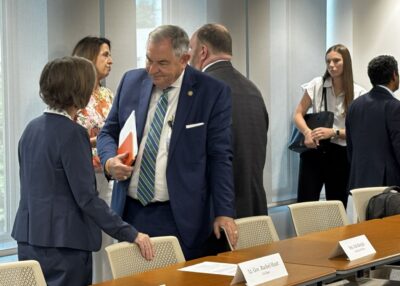
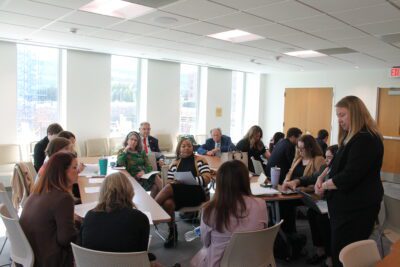
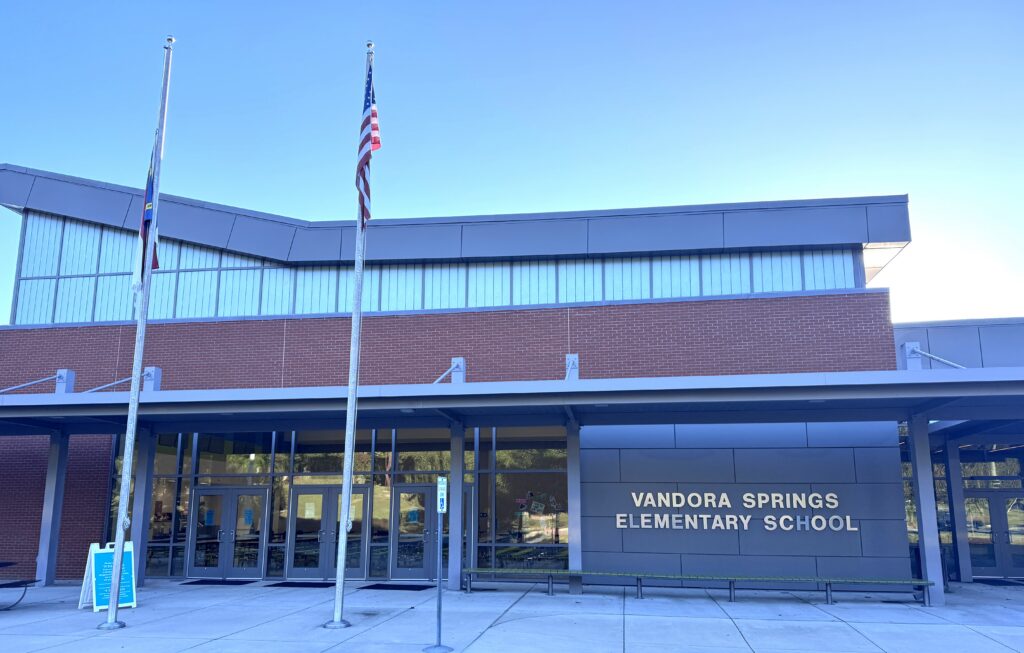
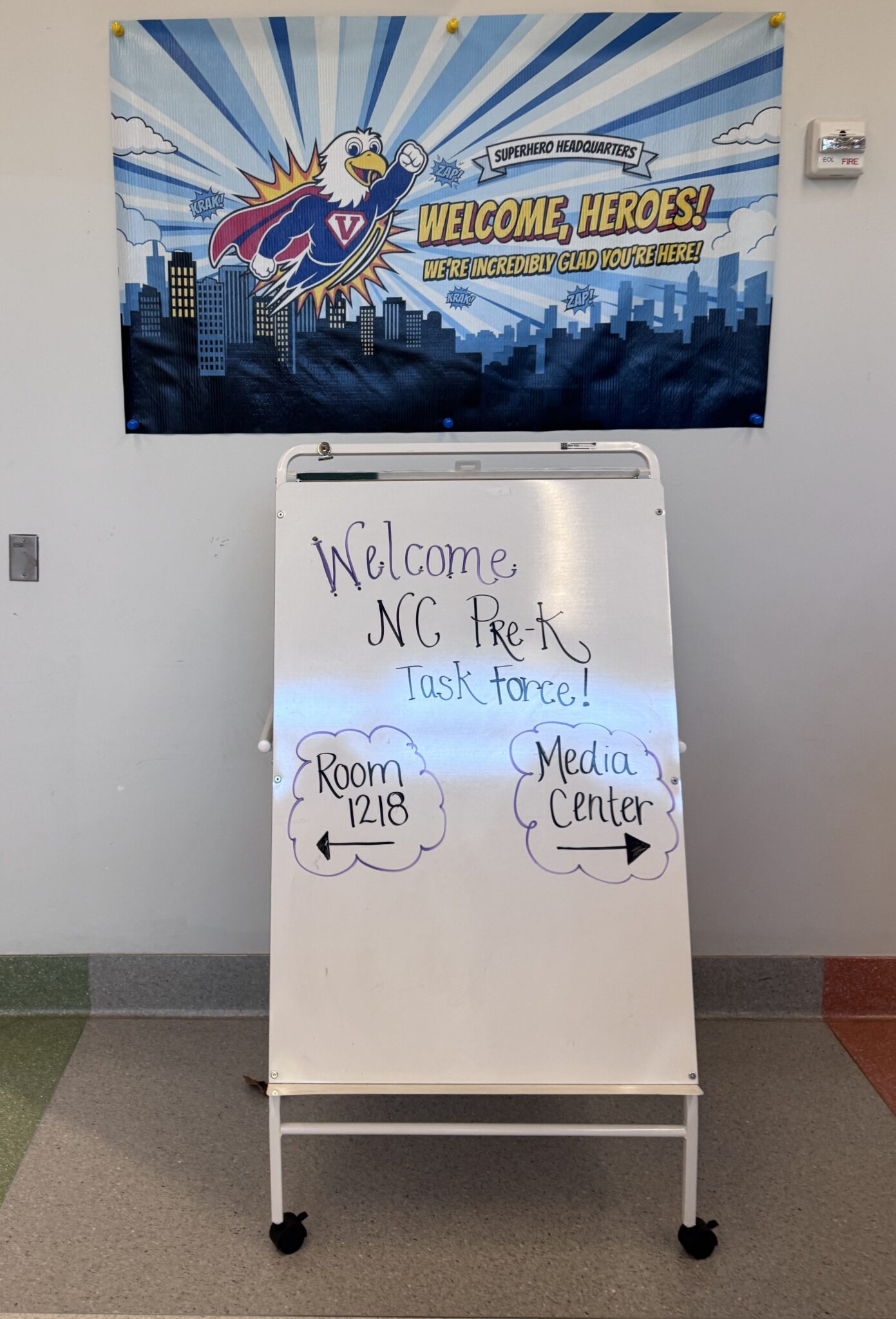
The bipartisan North Carolina Task Force on Child Care and Early Education met Monday at Vandora Springs Elementary School in Garner.
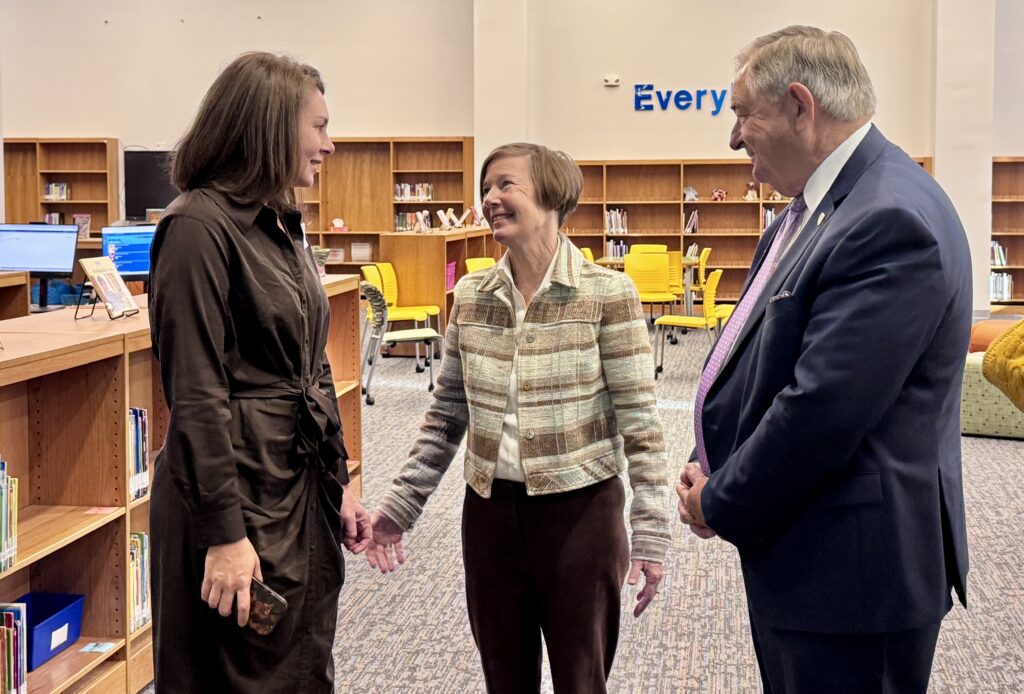
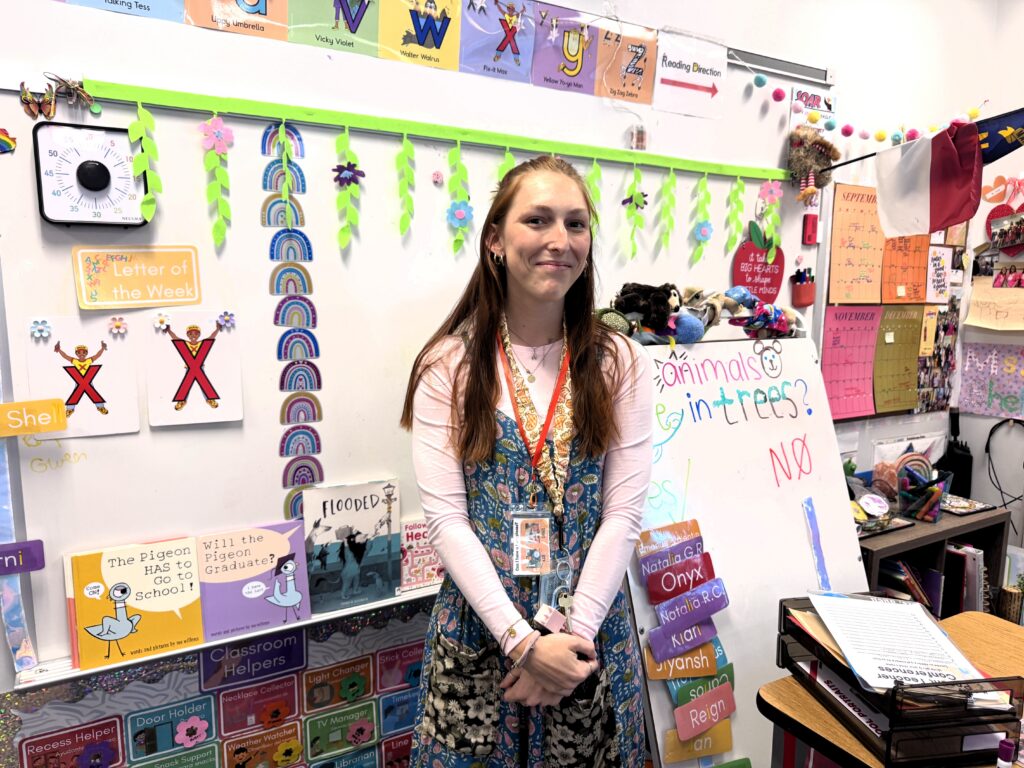
Ahead of its meeting in the school’s media center, task force members visited a preschool classroom led by Jocelyn Shell.
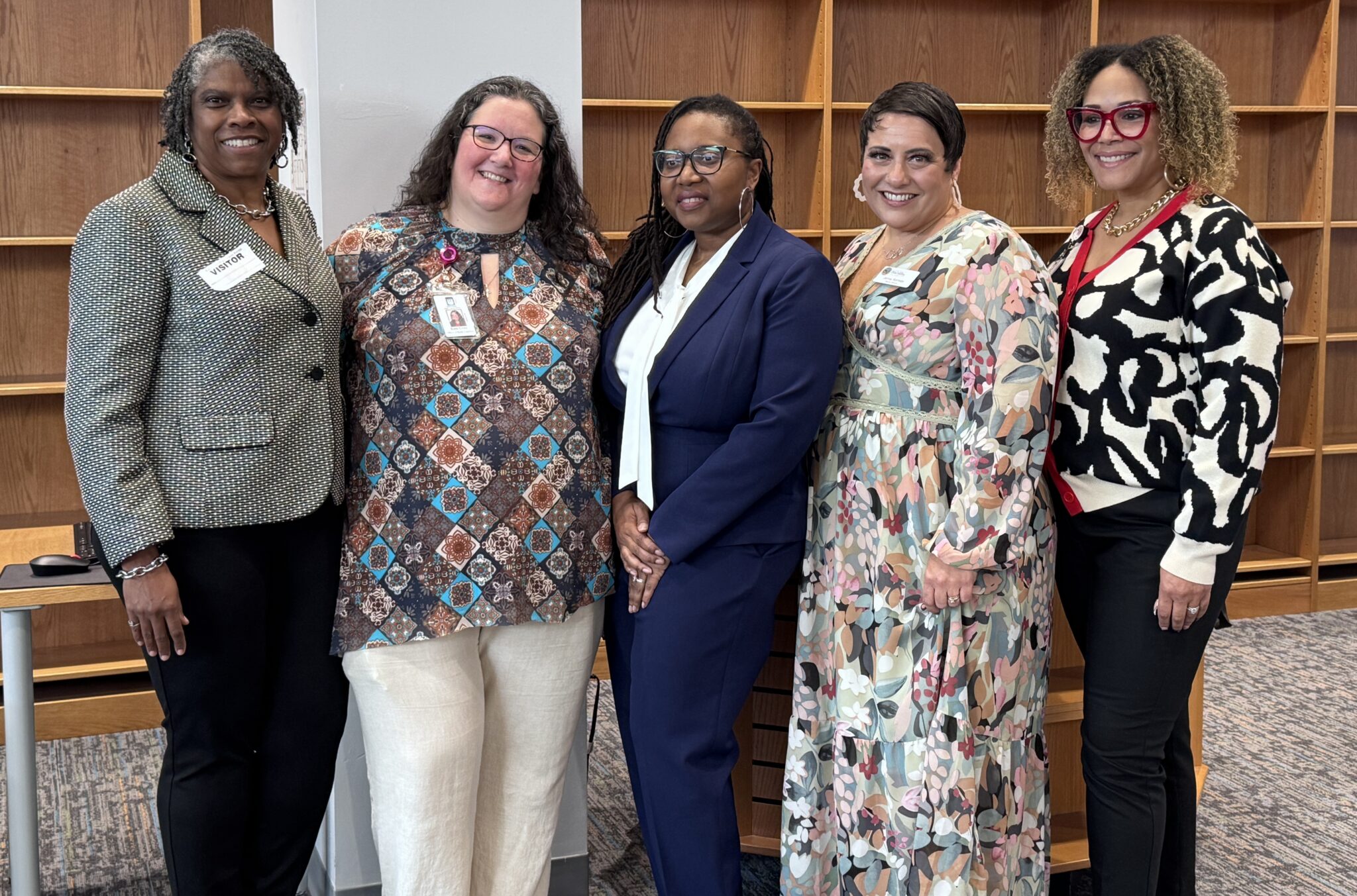
Shameka Rush (full-time) and Lana Davis-Norris (part-time in this class) serve as instructional assistants on this classroom team serving 15 students ages 4 and 5.
The class is “blended,” meaning some students are funded through federal funding like Title I, and others are funded through NC Pre-K.
Seven of the 15 students are identified as exceptional children (EC), according to Shell. Most of the EC students have developmental delays, she said.
Shell started working with the Wake County Public School System in January 2022 as a COVID-19 care coordinator before becoming an instructional assistant. She has been a special education preschool teacher since August 2024.
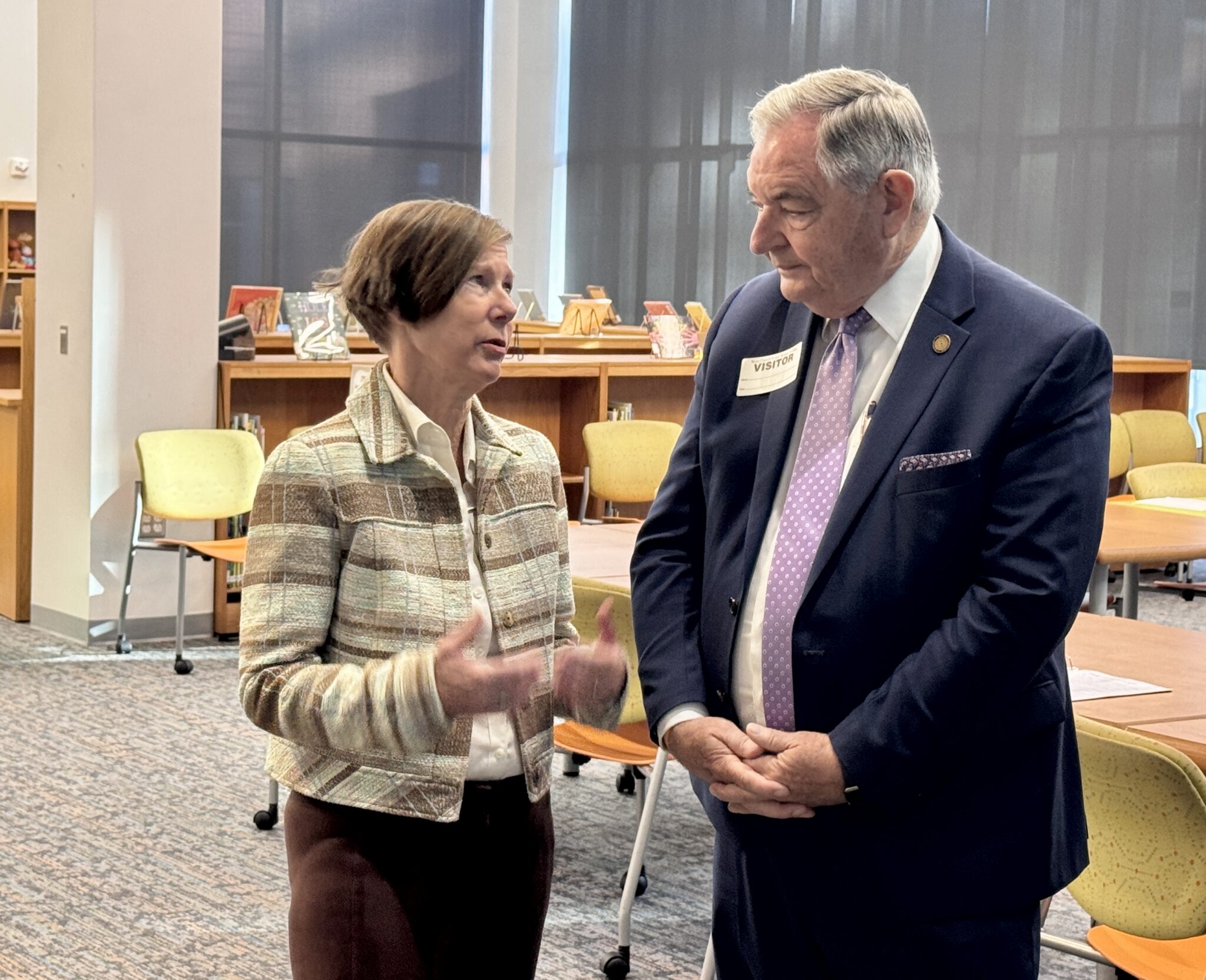
Sen. Jim Burgin, R-Harnett, waved to the students as the task force entered the classroom, but very quickly all eyes were back on Shell.
Signs in the classroom say, “Imagination blooms here,” and “Every child is an artist.”
During the visit, the students were in morning meeting, and they were going over their weekly roles as classroom helpers. At Shell’s urging, the student assigned to be the door opener this week showed the class his muscles.
The students then went over the class schedule for the school day, which is 6.5 hours long. The day includes arrival, breakfast, morning meeting, centers, Letterland, recess, lunch, read aloud, rest time, centers, and a snack before heading home. Shell high-fived the student who led the class through the schedule.
A student was getting overwhelmed by a leaf blower being operated outside the classroom. Shell quickly noticed, acknowledged the student, and promptly got her noise cancellation headphones. The student immediately calmed.
During the morning meeting, students practiced classroom expectations: eyes watching, ears listening, bodies calm, voices quiet, and hands raised.
The students are studying trees, and during the morning meeting they revisited the learnings from last week about the parts of the tree, and previewed the learnings for this week about which animals live in trees. “Say one loud and proud,” instructed Shell. “A lizard,” responded a student.
Ahead of moving into centers, Shell invited two students to join her in modeling appropriate behavior in the centers, including how to practice waiting, experiencing both sad and happy feelings, being patient, acting responsibly, and how to share.
To calm the students before the centers, Shell has them breathe — breathe in deeply like they are smelling the flowers, then breathe out deeply like they are blowing bubbles.
“We’re going to play,” said a student announcing the transition to centers, which went seamlessly.
After speaking with her “adult friends” on the task force, Shell turned her attention back to the students.
“Do you need some help?” she asked one student. “Thank you for waiting, buddy.”
Jenna Ramsey, the deputy director of the Division of Child Development and Early Education in the N.C. Department of Health and Human Services, said, “evidence of curriculum and instruction was everywhere” in the classroom, citing both the instruction on content and social-emotional practices.
Shell, said Ramsey, has met standards of implementation fidelity for educators and practitioners on the highly regarded Pyramid Model, “a framework of evidence-based practices for promoting young children’s healthy social and emotional development.”
As she opened the meeting of the task force, Lt. Gov. Rachel Hunt said, “Being in that classroom was fantastic. I was so impressed by that teacher, the aides, and what the kids were able to do.”
 Sign up for Early Bird, our newsletter on all things early childhood.
NC Pre-K
“NC Pre-K provides high-quality educational experiences that strengthen readiness for eligible four-year-old children in a full day program,” according to a presentation of NC Pre-K provided to the task force by Ramsey.
Ramsey walked task force members through the evolution of NC Pre-K, starting with Smart Start in 1993, to More at Four in 2001, to the transition of the program from the N.C. Department of Public Instruction to the N.C. Department of Health and Human Services in 2011-12, to the renaming of the program to NC Pre-K, through the current mixed-delivery system operating in all 100 counties which provides a choice of setting to families.
According to a handout: “NC Pre-K is administered locally in each county by a contracting agency, either the Smart Start Local Partnership or the public school system. The program is delivered by community-based early learning programs that serve children across various settings, including public schools, child care centers, and Head Start facilities.”
“NC Pre-K shows proven long-term positive outcomes for children and communities,” the handout says.
The NC Foundations for Early Learning and Development — a state resource
defining the skills and abilities supported in the experiences provided for NC Pre-K students — include these five developmental domains:
- Approaches to play and learning
- Emotional and social development
- Health and physical development
- Language development and communication
- Cognitive development
In North Carolina, the Office of State Budget and Management projects the total number of 4 year olds to increase statewide from 122,172 in 2027 to 122,805 in 2028, 125,360 in 2029, and 127,339 in 2030.
Currently, about 30,000 students — 59% of those who are eligible — are enrolled in NC Pre-K statewide. They are served at 1,100 sites in 2,057 classrooms, according to Ramsey.
Of those students, she said, 54% are served in public school at a per child, per month rate of $535; 13% are served through Head Start at a rate of $459; and 33% are served in private settings at a rate of $758.
According to a handout, “current reimbursement rates do not cover the cost of delivering NC Pre-K, making participation financially unsustainable for many programs.”
“Between 2019 and March 2026, 69 child care provider sites that operated NC Pre-
K closed,” the handout says.
Funding for NC Pre-K comes from the lottery ($78.4 million), TANF ($68 million), and the state ($67.9 million), according to Ramsey.
Dr. Michael Little, associate professor of educational evaluation and policy analysis at NC State University, said the quality of NC Pre-K sets North Carolina’s program apart from other states. North Carolina, he said, is one of 16 states that meets nine of 10 quality benchmarks, according to the National Institute for Early Education Research (NIEER).
“The program works, it pays off, and the benefits last over time,” said Little.
For more on why NC Pre-K matters, student growth, and the challenges and opportunities the program is facing, see these slides.
These handouts include information on NC Pre-K, prepared by Afton Partners and including NIEER’s North Carolina State Profile.
NC Pre-K as a kindergarten readiness tool
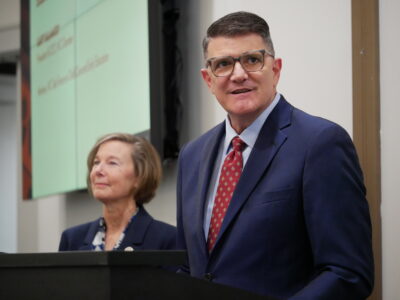
Principal Rhonda Curtis welcomed the task force to Vandora Springs Elementary, saying, “I’m just thrilled you had an opportunity to see a top-notch program in action.”
She said NC Pre-K allows students who might not otherwise have access to preschool to gain the academic and social skills they need for kindergarten and beyond.
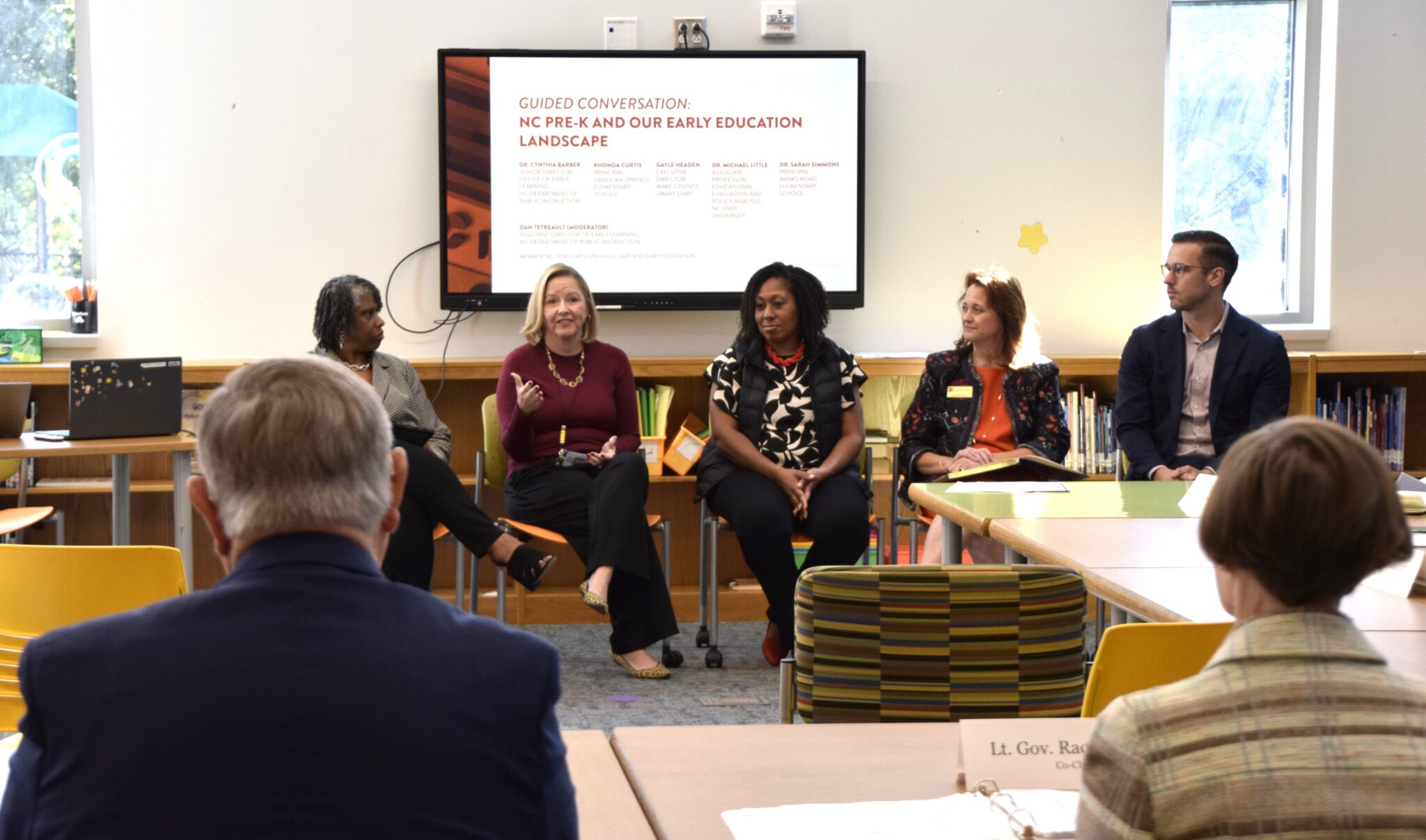
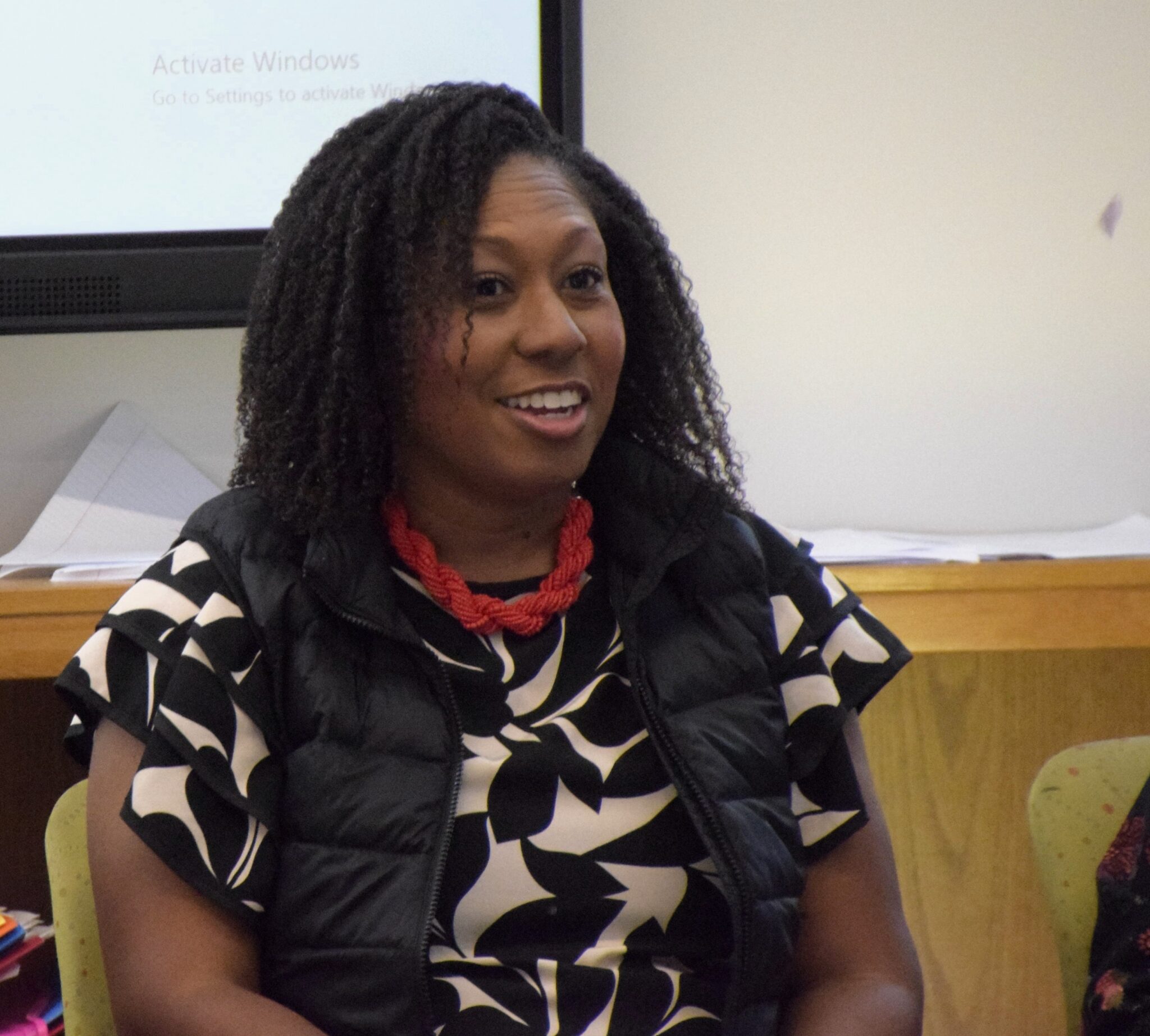
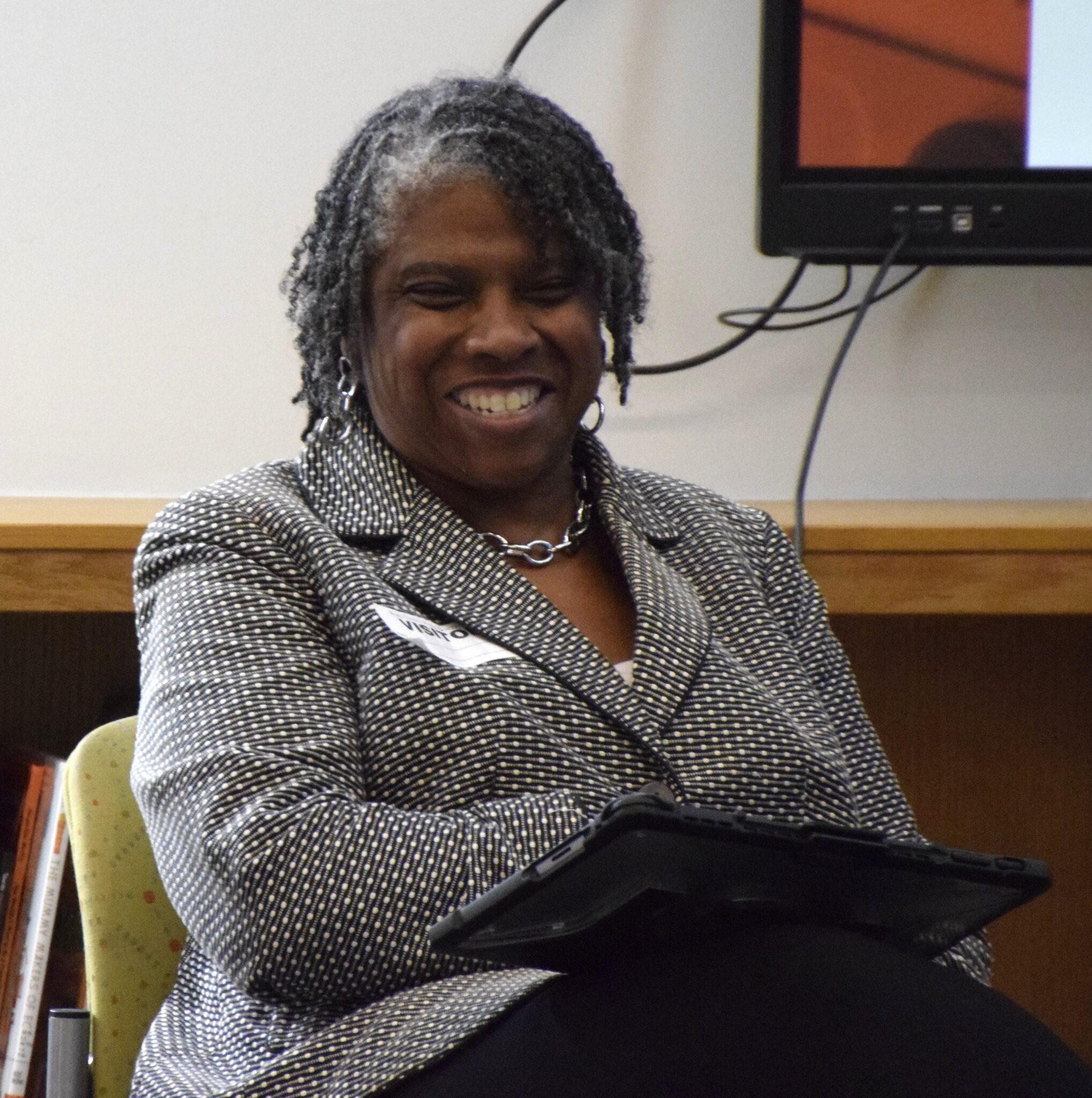
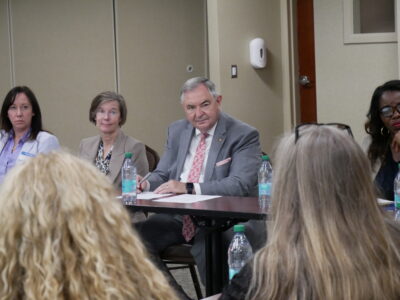
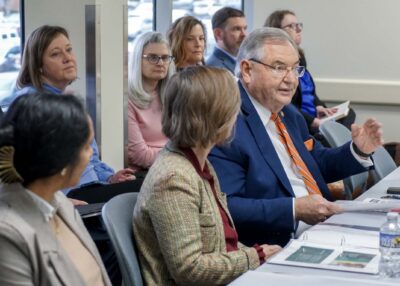
Moderated by Dan Tetreault with the N.C. Department of Public Instruction (DPI), a guided conversation with the task force included Curtis, Little, and these panelists:
- Dr. Sarah Simmons, principal at Banks Road Elementary School
- Dr. Cynthia Barber, senior director for the DPI’s Office of Early Learning
- Gayle Headen, executive director of Wake County Smart Start
The conversation included what makes NC Pre-K unique as a kindergarten readiness tool; how access to NC Pre-K varies across the state; how to ensure consistency in delivery, outcomes, and pay parity across settings; increasing funding so more eligible children can be served; program outcomes; the challenges facing school districts offering NC Pre-K; and staffing challenges.
“Teacher-child interaction at the end of the day is what makes the difference,” said Headen. Lower ratios in NC Pre-K, she said, make it possible for the teacher to know the child, “and more importantly, for the teacher to help the child know themselves.”
The result, Headen said, is children who are confident and who grow into adults who are patient and have empathy. These are skills we all want in our future neighbors, future leaders, and future employers,” she said.
“The design of NC Pre-K produces those results,” she said. “There is no substitute for the intentional design based on early childhood best practices.”
As the task force looked ahead to the long session of the legislature convening in early 2027, questions focused on the need to increase investments in NC Pre-K and the number of children served. Recently, a bipartisan group of elected leaders, including Burgin, visited Kansas to talk about childcare as an investment in their states’ economic growth.
“When a parent looks at me at says how do I get my kid into NC Pre-K, my face does not have a whole lot of hope,” said Simmons, a principal. “You apply, you apply early, and then you pray,” she tells them.
“I just wish I had a different answer for those parents,” she said.
Here is more information about the task force, including its members.
EdNC’s coverage of the task force