
Perspective | We can’t improve reading outcomes if we ignore teacher preparation for multilingual learners in North Carolina

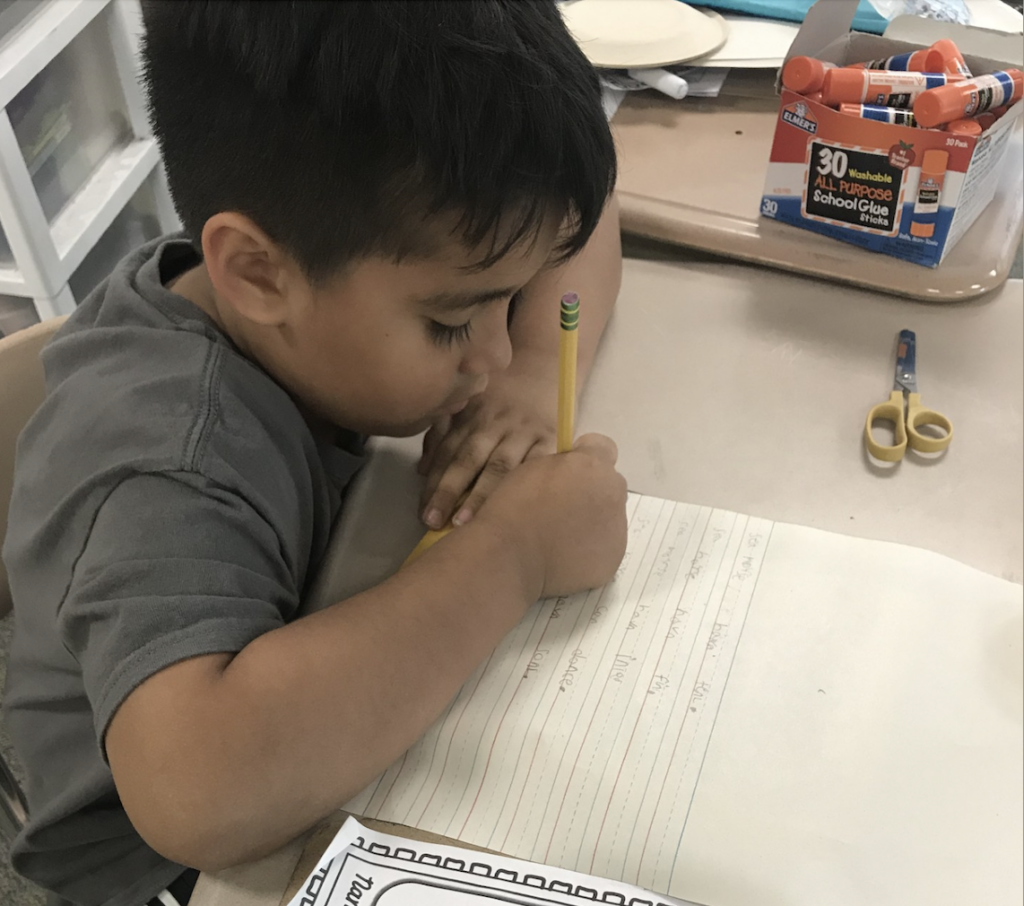
North Carolina has made substantial investments in improving reading instruction. From statewide LETRS training to high-quality instructional materials, literacy coaches, and changes to teacher preparation, the Science of Reading has reshaped conversations about literacy across our state and across the country. Those investments matter, and they have the potential to improve outcomes for many of our students.
But there’s a question I keep coming back to: Are we preparing teachers to teach reading to ALL students — what about multilingual learners?
As both a former ESL teacher and now an education researcher, I’ve seen how often teachers are asked to support multilingual learners without having the preparation they need. The challenge isn’t a lack of commitment. Teachers want to do right by their students. Too often, they simply haven’t been taught how language development and literacy intersect, especially for students who are learning English while also learning to read.
Much of the current conversation has focused on how children learn to read. That’s important to know. But we also need to pay attention to how teachers learn to teach reading — particularly for North Carolina’s large population of multilingual learners, where 1 in 5 students speak a language other than English at home.
Multilingual learners have been one of the fastest-growing student populations in our schools for years, yet many teacher preparation programs still provide limited opportunities for future educators to learn about second-language development or multilingual literacy instruction. In many elementary schools across North Carolina, teaching multilingual learners is no longer a specialized responsibility. It’s part of everyday classroom teaching.
Explore more about multilingual education
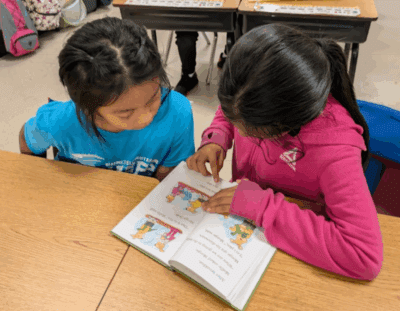

The Science of Reading has brought important attention to evidence-based literacy instruction. Yet literacy reforms have often been implemented as though all students learn in the same way and all teachers enter classrooms equally prepared. The reality is much more complicated.
Learning to read in a second language is not simply the same process with an added layer of translation. Multilingual learners are developing literacy while simultaneously developing proficiency in English. Teachers need to understand how oral language, vocabulary, background knowledge, and literacy development work together. Without that knowledge, even evidence-based reading practices may not be implemented in ways that fully support multilingual learners.
Teachers recognize this challenge. A recent nationally representative RAND survey found that about half of teachers serving multilingual learners reported feeling only somewhat prepared — or not prepared at all — to teach these students. At the same time, only a small percentage of principals reported prioritizing professional learning and instructional materials specifically designed to support multilingual learners. As North Carolina continues to expand literacy reforms, these findings should invite questions.
The solution isn’t simply another round of professional development or another curriculum adoption. High-quality instructional materials matter. Literacy coaching matters. But neither can replace a strong foundation built during teacher preparation.
If North Carolina is serious about improving literacy outcomes for all students, multilingual learner preparation has to become part of the literacy conversation — not something we address after the fact. Current educator preparation requirements emphasize evidence-based reading instruction but stop short of ensuring that every elementary teacher is prepared to teach the state’s rapidly growing population of multilingual learners.
 Sign up for the EdDaily to start each weekday with the top education news.
Where do we go from here?
First, North Carolina should strengthen expectations for multilingual learner preparation within teacher licensure. The state has made substantial investments in literacy reform. Those investments should be matched by ensuring that all future teachers understand the foundations of second-language development and multilingual literacy instruction.
Second, multilingual learner expertise should be woven throughout statewide literacy initiatives rather than treated as a separate issue. Professional learning, instructional coaching, curriculum implementation, and state guidance all need to reflect the realities of today’s classrooms, where multilingual learners are part of nearly every school community.
Finally, districts experiencing rapid growth in multilingual learner enrollment need continued support to build collaborative systems. Classroom teachers, ESL specialists, instructional coaches, and educator preparation programs all have important roles to play. When these groups work together, teachers are better equipped to provide literacy instruction that is both evidence-based and responsive to students’ linguistic strengths.
Teachers cannot implement knowledge they were never given the opportunity to learn.
North Carolina has shown a genuine commitment to improving reading instruction. The next step is making sure every teacher is prepared to teach the multilingual learners who are already sitting in classrooms across our state. Until we do that, we shouldn’t be surprised when literacy reforms fail to reach every child they were designed to serve.