
North Davie Middle School builds a culture where every student grows in reading skills and more

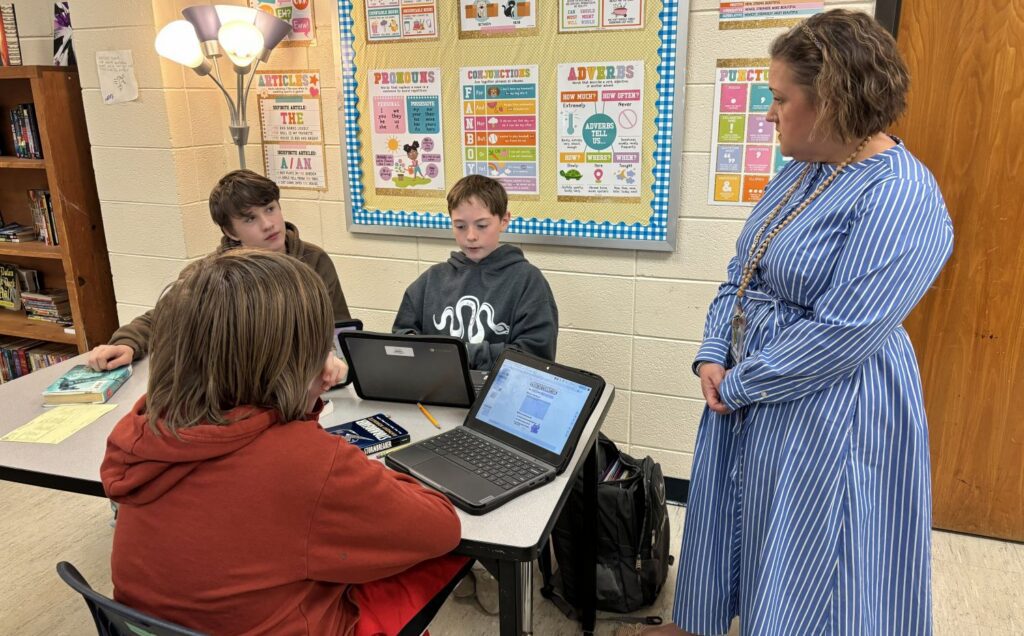
For the past seven years, North Davie Middle School has exceeded growth.
It would have been easy to celebrate that success and keep doing what had always worked. But a closer look at the data revealed an uncomfortable truth — not every student was making progress.
That discovery became the catalyst for change at the school, reshaping how teachers use data, deliver instruction, and work together to ensure every learner gets the support they need.
 Sign up for the EdWeekly, a Friday roundup of the most important education news of the week.
A culture of belonging and engagement
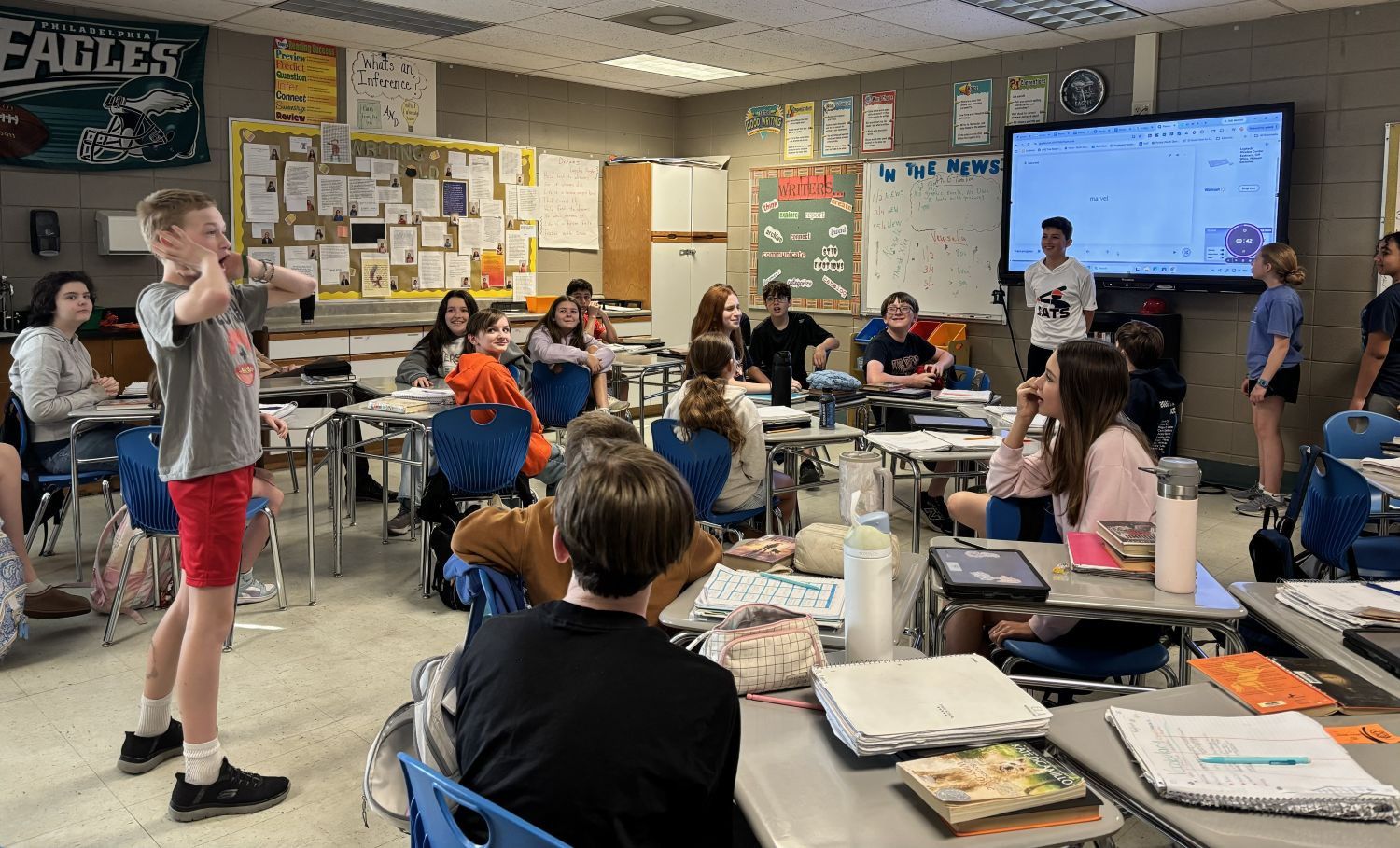
Walk into a classroom at North Davie, and you won’t see students sitting still for long. Teachers intentionally design lessons that get students moving every 15 minutes, sometimes more, to maintain engagement and energy. This level of planning takes effort and reflects a deeper mindset that learning should be active, meaningful, and connected.
The school’s implementation of the Ron Clark House System strengthens that culture. Beginning in sixth grade, every student is placed into a house that fosters belonging, teamwork, and schoolwide community. The system weaves together social-emotional learning, friendly competition, and joy, creating an intentional balance of rigor and fun.
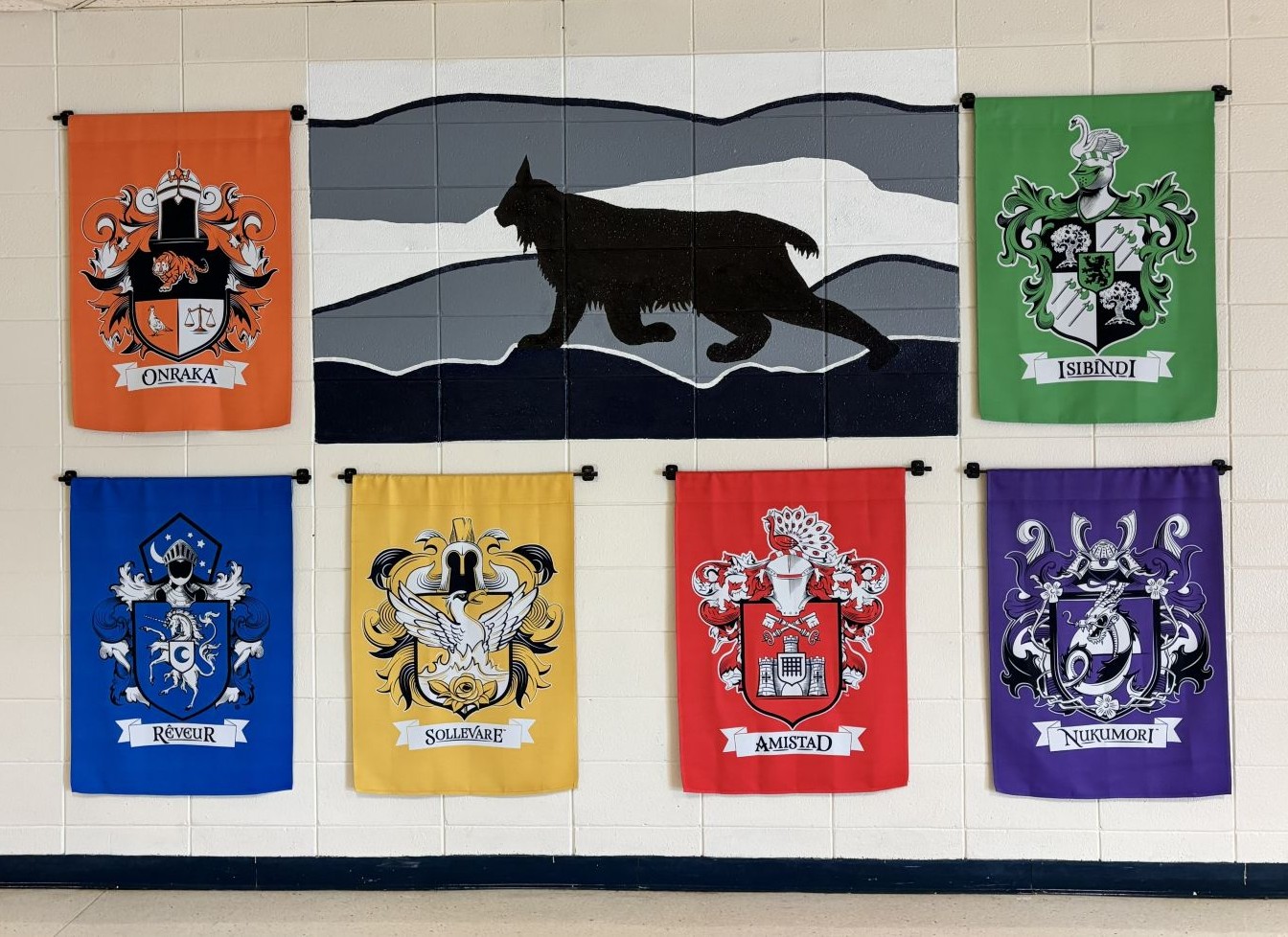
Across the building, that same creativity shows up in instruction as staff go above the call of duty to create an effective and meaningful learning environment. Several examples include:
- Teachers search community bookstores, social media, and local networks to secure class sets of novels for students.
- The media coordinator partners with teachers to create immersive learning experiences, from building the Great Wall of China to using virtual reality and makerspace stations.
- In one interdisciplinary project, eighth grade students researched science topics, wrote thesis-driven papers, and created projects that bridged multiple content areas.
These efforts reflect a shared belief that engagement drives achievement.
Confronting a hard truth through data
Two years ago, school leaders took a closer look at incoming sixth grade data and what they found prompted action. Approximately half of the students were not proficient in reading.
“When we drilled down further, we saw many gaps were around a third grade reading level,” Assistant Principal Jami Gullick shared, particularly in decoding multisyllabic words.
That realization coincided with the state allowing Dynamic Indicators of Basic Early Literacy Skills (DIBELS) assessments beyond third grade in the elementary schools. North Davie jumped on the opportunity, assessing all incoming sixth graders to better understand foundational skill gaps. The results changed the conversation.
Middle school teachers, many of whom had not been trained in foundational reading instruction, suddenly had new data and a new challenge.
“We reached out to the district for support as we sought out age-appropriate curriculum that everyone could implement,” Principal Bryant Copeland explained.
The school adopted a structured, scripted program, a shift that was initially met with some hesitation. After all, this was already a school exceeding growth. But leaders shared data that proved while overall growth was strong, not every student was improving.
The new structured program helped teachers, interventionists and instructional assistants build confidence in teaching foundational skills they had not previously been trained to deliver, while also reducing the planning burden.

Building a system of support together
What followed was a schoolwide shift. Every sixth grade student was assessed in fluency and decoding, and the data was analyzed to implement flexible, fluid, and collaborative interventions through a model that lowered student-teacher ratios.
After implementing this model, Gullick emphasized a key learning from implementation: “The support of staff beyond the classroom teacher is needed and necessary because sometimes it’s hard to do it all alone.”
“However, when the teacher holds the intervention and is involved in the process, they can infuse it directly into their instruction and that connection is more lasting,” she said. This insight continues to guide the school’s approach as they operate from a continuous improvement mindset.
Scaling successes
One of the school’s most notable successes has been with multilingual learners. These students have shown strong growth, which leaders attribute to tight collaboration between the English as a Second Language (EL) teacher and classroom teachers.
The EL teacher regularly aligns instruction with core classroom content, ensuring strategies transfer across settings. Many of these approaches benefit all students, not just multilingual learners.
Related reads
For Gullick, transitioning from elementary teaching to middle school leadership came with uncertainty. “What am I going to tell them?” she recalled thinking. “I just know elementary teaching.”
But she quickly realized her role wasn’t to prove expertise, it was to learn alongside teachers.
“Great teaching is great teaching,” Principal Copeland said.
Gullick’s background in Language Essentials for Teachers of Reading and Spelling (LETRS) training and understanding of how to teach foundational skills was an asset. She also brought with her the experience of implementing small group instruction and grade-level interventions which helped expedite implementation. By identifying classrooms where strong practices already existed, she helped scale those strategies across the building.
Data as a driver
At North Davie, data review is also embedded in the culture. Leadership teams analyze data at least every other week, using it to guide decisions, celebrate progress, and identify next steps.
Teachers are also learning to unpack standards more deeply, which has led to richer instructional conversations and a shift in the importance of unpacking the standard to deepen student learning.
Teaching reading is extremely complex. Therefore, taking the time to unpack standards helps teachers understand exactly where students need additional support.
Unpacking standards is like building a tower out of blocks — it works great as long as all of the blocks are secure and in place. However, shifting or removing one block will always lead to a shaky foundation or total failure. Therefore, it is important to determine which block is out of place or missing.
Protecting the full middle school experience
Even as the school intensified its focus on reading interventions, one expectation remained nonnegotiable: Students would not lose access to electives.
“A student will not give up music to do more reading or math,” Copeland said. “We created a space within these blocks to provide the appropriate support.”
This decision reflects a broader philosophy supporting academic growth without sacrificing student interests, identity, and joy. While this is not always the case in the traditional middle school model, leaders said it should be if you are doing what is best for kids.
The work happening at North Davie Middle School reflects a shift away from traditional middle school models toward something more intentional and student-centered. That approach is showing results.
The school has consistently exceeded growth and, after recent intervention shifts, improved its performance from a C to a B on the NC School Report Card.
Related reads


For Copeland, the work at North Davie is both urgent and ongoing, not defined by past success, but by what still lies ahead.
“While implementing a new intervention model is challenging, it is not holding us back,” he said. “We just want to figure out and find solutions for all children, which requires innovation and takes time. We must always be thinking ahead. Even though we continue to exceed growth and are now a B School, our work is not done until we have reached 100%.”
At North Davie, that mindset drives everything — a relentless commitment to ensuring every student is seen, supported, and moving forward.