
NC needs sponsors to serve summer meals. Here’s how to apply

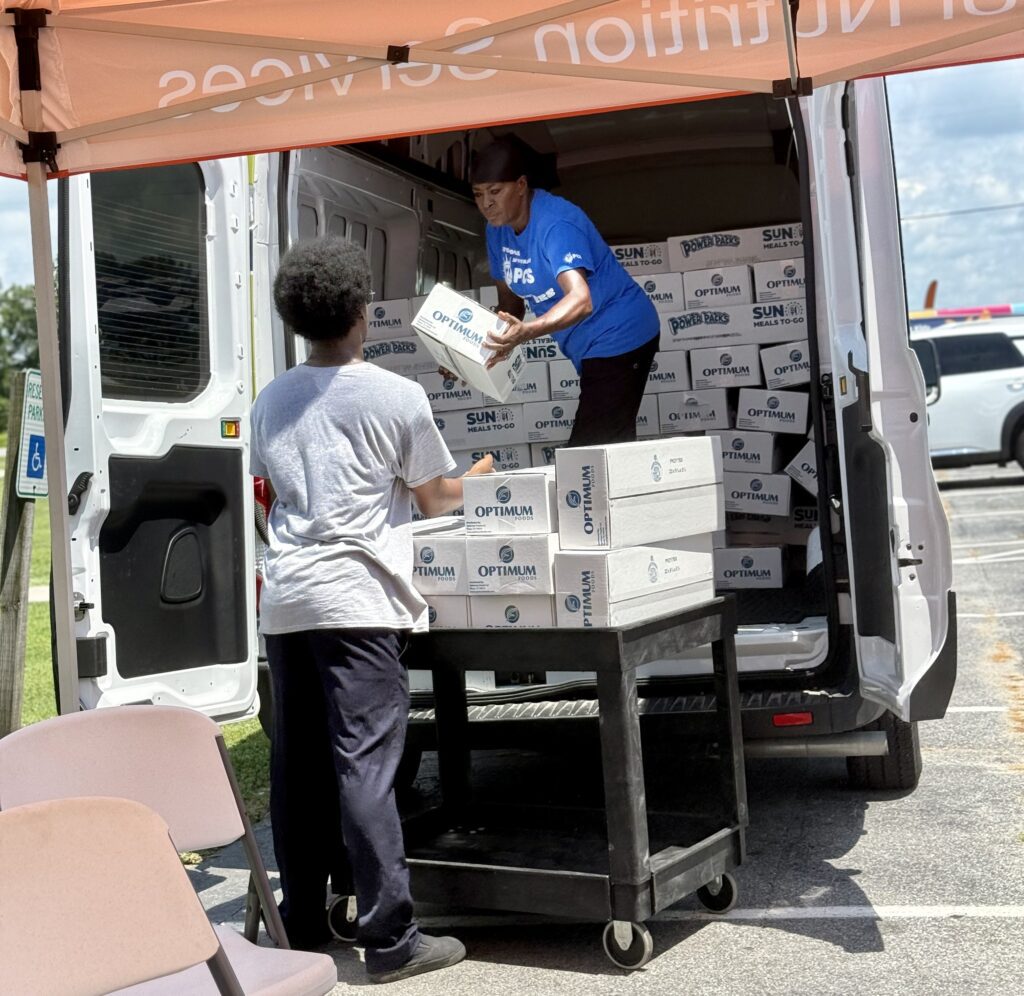
Almost 1 million North Carolina students qualify for free or reduced-price school meals, which they lose access to when school is out for the summer. Summer meals programs work to fill that gap.
In 2025, 5.3 million summer meals were served across the state to children ages 18 and under, an increase from the 4.2 million meals served in summer 2024, according to the Carolina Hunger Initiative (CHI).
These efforts are made possible by summer meals sponsors — nonprofits, school districts, and other agencies that provide meals through the federal Summer Food Service Program (SFSP), also called SUN Meals. According to CHI, 157 sponsors served summer meals in 2025.
Now, the North Carolina Department of Public Instruction (DPI), which administers the SFSP, is seeking sponsors to serve summer meals in 2026.
 Sign up for the EdWeekly, a Friday roundup of the most important education news of the week.
According to a press release, there is a particular need for sponsors “in rural areas, Indian Tribal Territories and areas with a concentration of migrant farm workers, where access to summer meal sites or transportation has been an issue.”
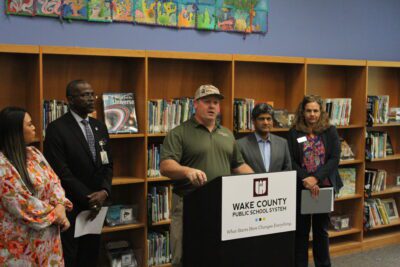
“We know that schools are the largest food service operation in a lot of counties, and we know when that operation stops working, those children and those families need support,” said Rachel Findley, senior director of school nutrition and auxiliary services at DPI. “And so if we can really target those rural communities, and really think through: Who could be sponsors? How do we reach people in these communities? That’s the biggest piece.”
Read more

There are two ways summer meals are provided:
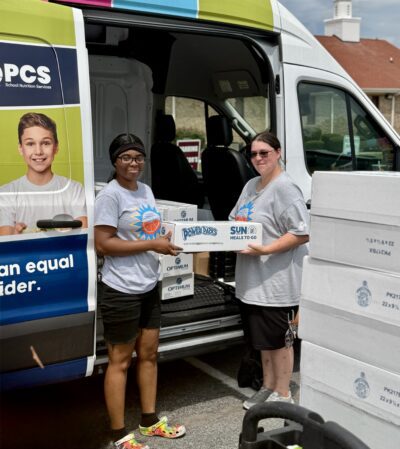
- SUN Meals, also called congregate meals, are eaten onsite at a community location such as a park or library.
- SUN Meals To-Go, also called non-congregate meals, are available in low-income, rural areas and can be eaten off-site.
Families often face barriers to accessing SUN Meals, particularly in rural communities, as children without transportation often can’t reach sites, and parents with limited time may not be able to remain on site while their children eat.
“It’s really hard to transport your child to a congregate open site five days a week,” said Findley. “That’s making a lot of assumptions — it’s assuming that parent is available, and it’s assuming (they) have reliable transportation.”
Through SUN Meals To-Go, meals can be provided through delivery or pick-up, children are not required to be present, and multiple meals can be provided at once, helping address transportation barriers families may face.
Findley recalled hearing about a mom in eastern North Carolina who expressed that, thanks to SUN Meals To-Go, she no longer had to go hungry in the summer in order to feed her children.
“The goal is to keep everyone fed and nourished — so that mom now can use the money she would have spent on feeding her children breakfast and lunch five days a week, well now she can spend it to feed herself,” said Findley. “It impacts her ability to think about other things besides: ‘What am I going to feed my kids today?’”
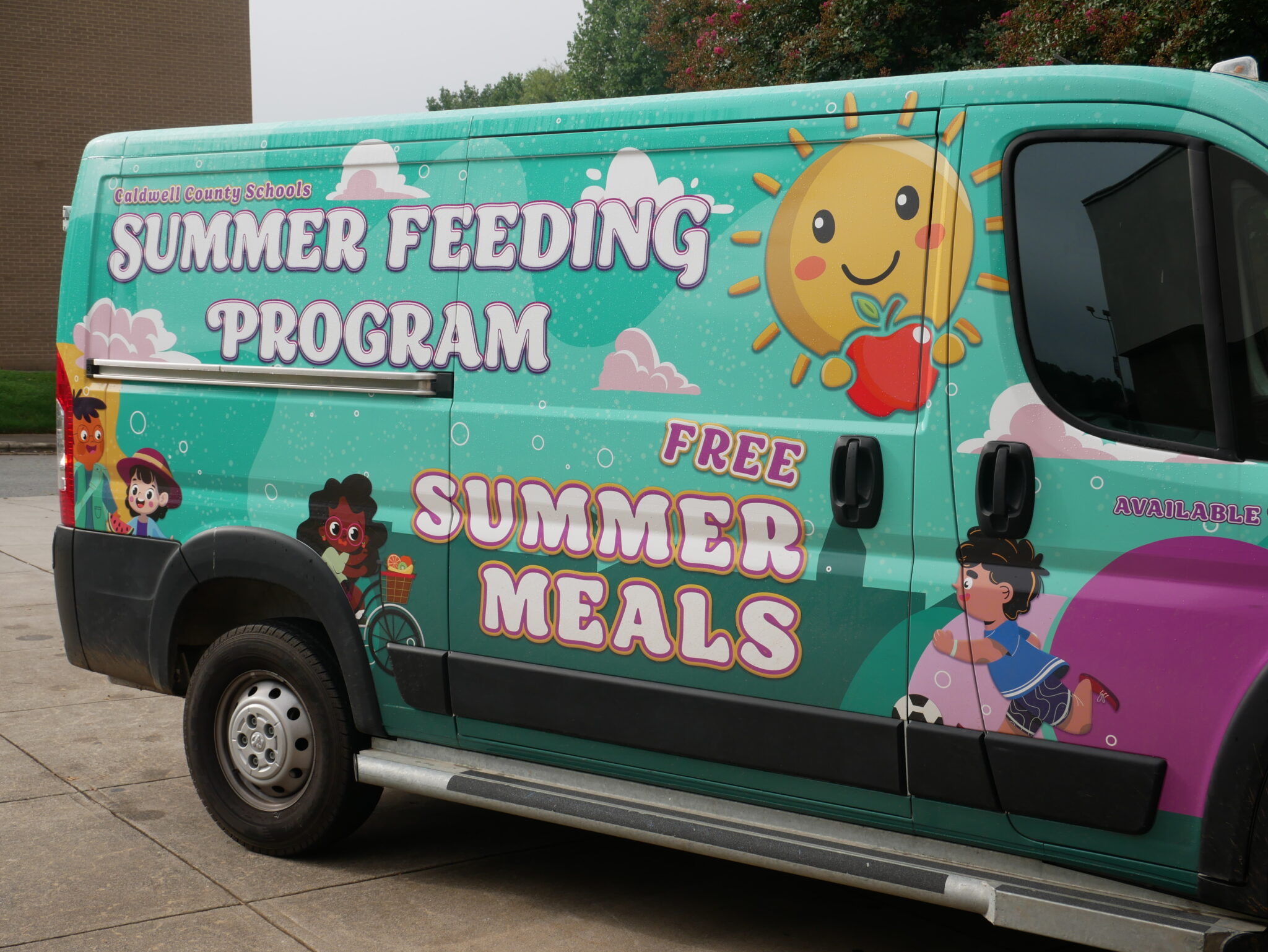
Participation in SUN Meals To-Go has grown rapidly. According to the CHI, there were eight sponsors participating in summer 2023, 33 sponsors participating in summer 2024, and 43 sponsors participating in summer 2025.
Findley said there has been strong interest in SUN Meals To-Go from sponsors for summer 2026. However, due to the nature of non-congregate meals, sponsors have to implement additional processes to ensure all regulations are followed, such as ensuring that a family does not pick up meals from multiple sites.
“The program is complicated … there are layers of regulation that kind of stack on top of each other, and a very honest mistake can cause significant issues,” she said. “So we want to make sure our sponsors are financially ready to take on that obligation.”
In addition to fiscal responsibility, Findley said other qualities of a strong sponsor include being flexible, a self-starter, and an independent learner who is able to take the guidance provided by DPI and implement the program with fidelity.

Interested organizations should first complete DPI’s pre-screening tool to assess if they are eligible to sponsor summer meals. After you complete the tool, a staff member from DPI will contact you to discuss next steps. Note that first-time sponsors are only eligible to serve SUN Meals, not SUN Meals To-Go.
If an organization is able to successfully complete all steps in the application process, which includes attending a DPI training, they can become a sponsor. This timeline from 2024-25 describes typical activities that go into planning summer meals programs each month.
In an emailed statement, CHI encouraged new sponsors to start the application process soon to allow more time to plan and receive feedback from DPI.
“You don’t have to navigate this process alone. Our Carolina Hunger Initiative team at UNC provides consultative support and can help connect new sponsors with experienced peers across the state to share best practices on everything from communications to menu development,” reads the statement.
Applications to sponsor a summer meals program are due March 1, 2026. To learn more about becoming a sponsor, visit DPI’s website or contact DPI’s summer nutrition program team at summernutritionprogram@dpi.nc.gov.
Additional resources are available on https://summermeals4nckids.org/, including resources to promote and plan for your summer meals site, data on summer meals participation by county, and information on models for serving SUN Meals To-Go.