
New federal dietary guidelines, which shape school meals, recommend first limits on highly processed food

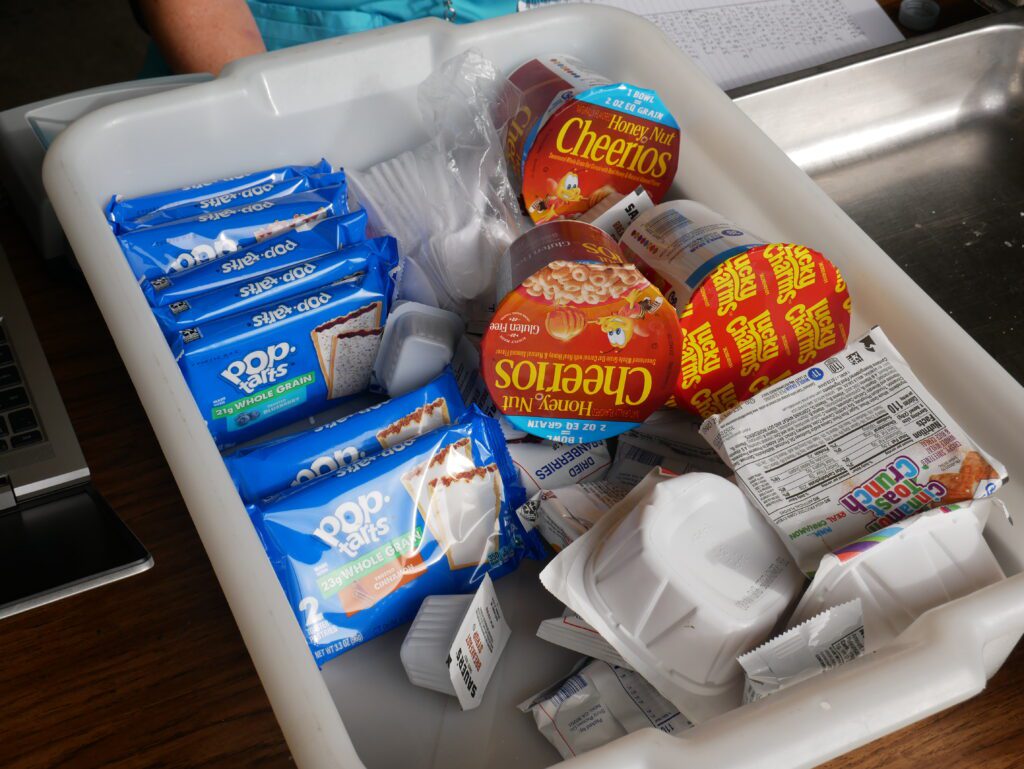
On Wednesday, new Dietary Guidelines for Americans (DGAs) were released by the U.S. Departments of Agriculture (USDA) and Health and Human Services (HHS). Updated every five years, the guidelines help determine what food is served in schools and at child care centers, among other things.
The DGAs for 2025-2030 mark a departure from previous guidelines by encouraging the consumption of red meat and full-fat dairy, and, for the first time, urging Americans to limit consumption of “highly processed” foods. The new guidelines are also much shorter than previous versions, totaling just 10 pages compared to the 164-page previous edition.
 Sign up for the EdDaily to start each weekday with the top education news.
“These Guidelines call on every American to eat more real food. They call on farmers, ranchers, health care professionals, insurers, educators, community leaders, industry, and lawmakers across all levels of government to join in this critical effort,” reads an introduction to the DGAs from HHS Secretary Robert F. Kennedy, Jr. and USDA Secretary Brooke Rollins.
While it is not yet known exactly how the new DGAs will impact school meals, the USDA is required by law to develop school nutrition standards that “reflect the goals” of the most recent edition of the DGAs.
Following the release of the 2020-2025 DGAs, the USDA initiated a rule-making process that resulted in stricter school nutrition standards, including new limits on sodium and added sugars.
Kennedy’s Make America Healthy Again movement has focused on the harms of ultra-processed foods, particularly in school meals, and the new DGAs are the first time that the recommendations have called for restricting their consumption.
As the federal government works to develop a uniform definition of ultra-processed foods, the new DGAs instead encourage Americans to limit their consumption of “highly processed” foods, recommending that they “avoid highly processed packaged, prepared, ready-to-eat, or other foods that are salty or sweet, such as chips, cookies, and candy that have added sugars and sodium.” The guidelines also recommend avoiding sugar-sweetened beverages such as soda, fruit drinks, and energy drinks.
Global consumption of ultra-processed foods has increased rapidly in recent years, and a growing body of research associates ultra-processed foods with negative health outcomes. In survey results published by the Centers for Disease Control and Prevention (CDC) in August, youth ages 18 and under consumed more than 60% of their daily calories from ultra-processed foods.
However, many school nutrition programs face challenges in reducing reliance on ultra-processed foods, including limited equipment, staff capacity and training, and financial resources. In a national survey of school nutrition directors, released by the School Nutrition Association (SNA) this week, 79% of respondents reported an “extreme need” for increased funding to expand scratch cooking and reduce ultra-processed foods.
“School nutrition programs are where the vision of the DGAs becomes reality for the 30 million children eating school meals each day,” said SNA President Stephanie Dillard in a press release. “Congress has a tremendous opportunity to improve the health of America by investing resources to help schools expand scratch cooking, serve more fresh, local foods and further positive momentum in cafeterias.”
Other key updates in the 2025-2030 DGAs include:
- Protein: Americans are encouraged to eat “high-quality, nutrient dense protein foods,” which can include eggs, poultry, seafood, red meat, and plant-based sources such as beans or nuts. The primary change from the 2020-2025 guidelines is the explicit inclusion of red meat — the previous guidelines only mention “lean meats.” The new guidelines also recommend consuming 1.2-1.6 grams of protein per kilogram of body weight each day, higher than the federal government’s recommended dietary allowance of 0.8 grams of protein per kilogram of body weight.
- Dairy: The new guidelines recommend three servings of dairy per day, as did the previous guidelines. However, the new guidelines recommend consumption of full-fat diary products, departing from the 2020-2025 guidelines, which only encouraged consumption of fat-free or low-fat dairy products. Relatedly, the Whole Milk for Healthy Kids Act, passed by Congress and expected to be signed by President Donald Trump, will allow schools to serve whole milk or nondairy milk. Previous school meal nutrition standards only allowed for fat-free and reduced-fat cow’s milk.
- Added sugars: According to the new guidelines, no amount of added sugars are recommended for children under age 10 — stricter than the 2020-2025 guidelines, which recommended no added sugars before age 2. In 2025, the first restrictions on added sugars in school meals went into effect, with limits on how much added sugar breakfast cereals, yogurt, and flavored milk can contain. In 2027, school nutrition programs will also be required to limit added sugars to less than 10% of calories across the week in school lunch and breakfast programs.
You can read the full 2025-30 DGAs here.