
14 NC school districts receive national awards for making school meals healthier


School districts across the state are implementing changes to improve the nutritional quality of meals served to students. In October, 14 North Carolina school districts received Healthy Meals Incentives (HMI) recognition awards from Action for Healthy Kids as part of a cooperative agreement with the U.S. Department of Agriculture (USDA).
The awards honor school food authorities (SFAs) — also known as school nutrition departments — that have made operational changes to improve the nutritional quality of school meals or that have engaged students and families in nutrition education and in the planning and preparation of school meals, according to the award website.
This includes introducing new scratch-made menu items, engaging students in taste-test events, swapping in new products that are lower in added sugar or sodium, providing nutrition education to students, and more. Districts have seen a range of impacts from the efforts recognized by these awards, including positive feedback from students and increases in school meals participation.
 Sign up for the EdWeekly, a Friday roundup of the most important education news of the week.
Awards fall into two categories:
- Trailblazer awards for school nutrition departments that have made gradual changes in school meals to be consistent with the Dietary Guidelines for Americans, such as by reducing added sugars in school breakfasts or reducing sodium in school lunches.
- Innovation awards for schools nutrition departments using unique or innovative approaches to prepare school meals or engaging students and families to offer nutritious meals.
Read on to learn more about each district’s award, the impact of the award-winning efforts, and what advice recipients have for other districts interested in implementing similar improvements to school meals.
Read more
Beaufort County Schools
Award: Small and/or Rural SFA Lunch and Breakfast Trailblazer
Beaufort County Schools was the only district to receive two awards, recognizing improvements in the nutritional quality of both school breakfast and school lunch.
According to the HMI website, for the Breakfast Trailblazer award, the district “revamped its breakfast program by replacing breakfast pastries and cereals with over 6 grams of added sugars with options lower in added sugars and more protein-rich items like eggs, turkey sausage, and cheese sticks,” and also moved breakfast to the cafeteria to “improve meal integrity and give students a calmer, more social start to the day.”
For the Lunch Trailblazer award, the district reduced sodium by “using fresh protein such as ground beef, focusing on fresh or frozen vegetables instead of canned, and utilizing natural flavor substitutes such as lemon pepper, garlic, and roasted red pepper flakes instead of salt.”
Joanne Kirven, director of school nutrition for Beaufort County Schools, said the district has seen increased participation in school meals after making these changes.
Bertie County Schools
Award: Innovation in Nutrition Education
Bertie County Schools received this award for holding the Four Corners Fitness & Nutrition event. During the event, students and families “received nutrition education materials on topics like eating more fruits and vegetables, lowering sodium while cooking, where to purchase fresh produce, and healthy recipe ideas. Students also participated in taste tests, and many families received a box of fresh produce to take home,” according to the HMI website.
Montez Bishop, director of student services for Bertie County Schools, said the district saw a 15% increase in participation in school meals in just one semester, which he credits to incorporating more student voice in menu choices.
“One student shared anonymously that school meals were now ‘the best part of their day,’ which reinforced the importance of offering nutritious options that also reflect student preferences,” said Bishop in an email.
Bishop’s advice to other districts is to actively engage students in the school meals process.
“Listening to their feedback and involving them in menu planning not only builds trust but also increases participation and satisfaction,” he said. “When students feel ownership in the program, they are more likely to embrace healthier choices and encourage their peers to do the same.”
Buncombe County Schools
Award: Innovation in Nutrition Education
Buncombe County Schools received this award for educating students about fresh fruits and vegetables through the federal Fresh Fruit and Vegetable Program (FFVP), a USDA initiative that provides free, fresh fruit and vegetable snacks to students at participating elementary schools. “Messaging is reinforced on district social media platforms and their website, in addition to highlighting local products served on their menu,” according to the HMI website.
Sixteen schools participated in FFVP this year — a number that has doubled since 2023, according to Katy Wyatt, associate director of school nutrition for Buncombe County Schools. To implement the program, the district works with the Appalachian Sustainable Agriculture Program (ASAP) to provide students with educational materials and fruit-and-vegetable-related activities.
“Our FFV Program here at Hominy Valley has been a big hit,” said Gayle Lane, cafeteria manager at Hominy Valley Elementary, in an email. “When I deliver the FFV items for the day, the kids are so excited, they inquire about what I have in my basket for their class and smiles are all over their faces.”
Danny Fusco, principal at Bell Elementary, said that many students at his school have commented that they aren’t able to have fresh fruits and vegetables at home due to high grocery prices.
“This daily and equally provided snack has neutralized the playing field between students who are able to bring snack and those who are not,” Fusco said in an email. “I strongly support this program and the parent/guardian feedback has been overwhelmingly supportive.”
Catawba County Schools
Award: Breakfast Trailblazer

Catawba County Schools received this award for responding to student requests by adding new cereal and yogurt options for school breakfast that contained fewer added sugars. “The changes had big results, with a reduction of over 20g of added sugars per serving and a spike in breakfast participation from students,” reads the HMI website.
Caren Berrier, school nutrition director for Catawba County Schools, said her advice for other districts is to use Google Forms to poll students about what they want in school meals.
“Start small and build gradually. This helps students ease into the change, while keeping your team onboard with the process as well,” Berrier wrote in an email.
Craven County Schools
Award: Innovation in the Preparation of School Meals


Craven County Schools received this award for incorporating new made-from-scratch items including curry chicken and rice, loaded fried rice, and local jerk chicken. “The district has seen a positive impact on lunch participation on the days these meals are served,” according to the HMI website.
Lauren Weyand, school nutrition director for Craven County Schools, said students have shared positive feedback about the scratch-made items. She also said these items have resulted in cost savings for her department. For example, the premade fried rice the district used to serve was more expensive per serving than the scratch-made version served now.
Her advice to other districts: Just go for it.
“You are probably doing some of the wonderful things already to enhance student’s acceptability of menu options, so why not receive the recognition you deserve while showcasing the fun and innovative ways to appeal to students’ taste,” Weyand said in an email.
Elizabeth City-Pasquotank Public Schools
Award: Innovation in the Preparation of School Meals
Elizabeth City-Pasquotank Public Schools received this award for adding new scratch-made items including pico de gallo made with local tomatoes, cilantro, and jalapeños; kale with garlic and parmesan; and local collard greens. “The new menu items were introduced with a taste-test event or a sample on the tray, and feedback was collected from students so that their voices were heard,” according to the HMI website.
Tammy Rinehart, school nutrition director for Elizabeth City-Pasquotank Public Schools, recalled one student at a taste-test event who said they didn’t like collard greens, but had never tasted them before.
“When I told them these were from a farmer close to us and that Ms. Shirley had made them with love, they tried them, and liked them,” she said in an email. “Just a bit of encouragement can make all the difference in the appeal of healthy foods.”
Rinehart said she is proud of the scratch cooking her team does, and encourages other districts to do the same.
“Expand scratch cooking just one recipe at a time and let the students know who prepared this today,” she said.
Elkin City Schools and Yadkin County Schools
Award: Innovation in the Preparation of School Meals
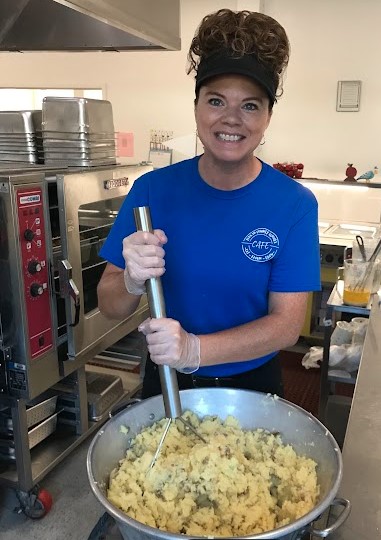

Elkin City Schools and Yadkin County Schools each received this award for serving made-from-scratch items including taco meat, chicken salad, and hamburger patties made with fresh, local ground beef. “To introduce new recipes, the district conducts taste tests to help engage students and gain their feedback,” according to the HMI website.
Jayme Robertson serves as school nutrition director for both Elkin City and Yadkin County schools. She said both districts work to balance nutrition, flavor, and student appeal, while supporting local farmers whenever possible.
“Our focus on incorporating scratch-made (sometimes speed-scratch) meals is a part of our larger commitment and goal to transition from offering highly processed items to offering students with more wholesome, locally sourced options with limited ingredients,” Robertson said in an email.
According to Robertson, other recent scratch-made or speed-scratch items include baked spaghetti, chicken pie, macaroni and cheese, and side items like buttered edamame or roasted okra. With these additions, she said there’s been an increase in student and staff participation in school meals.
“More importantly, we’ve seen an increase in the number of students choosing the scratch-made entree options when menu’d against more historically popular items like pizza,” she added.
Her advice to other districts is to implement scratch-made items slowly and be strategic in menu planning to avoid overwhelming school nutrition staff with multiple high-labor items at one time.
“Staff generally feel more empowered to embrace the change and the increased workload required of complex recipes if they are receiving positive feedback from students, staff and community members,” she said in an email. “And finally, listen to your students but also be mindful of the population you are serving — change takes time and consistency!”
Graham County Schools
Award: Innovation in the Preparation of School Meals
Graham County Schools received this award for introducing scratch-made items using USDA and local ingredients such as taco soup, baked sweet potatoes with apple, and whole grain pasta salad.
“Served on themed and holiday menus, these recipes were well received by students and are being added to future menu cycles,” according to the HMI website.
Denise Moody, school nutrition director for Graham County Schools, said that the whole grain pasta salad was the most popular with students.
Haywood County Schools
Award: Innovation in Nutrition Education
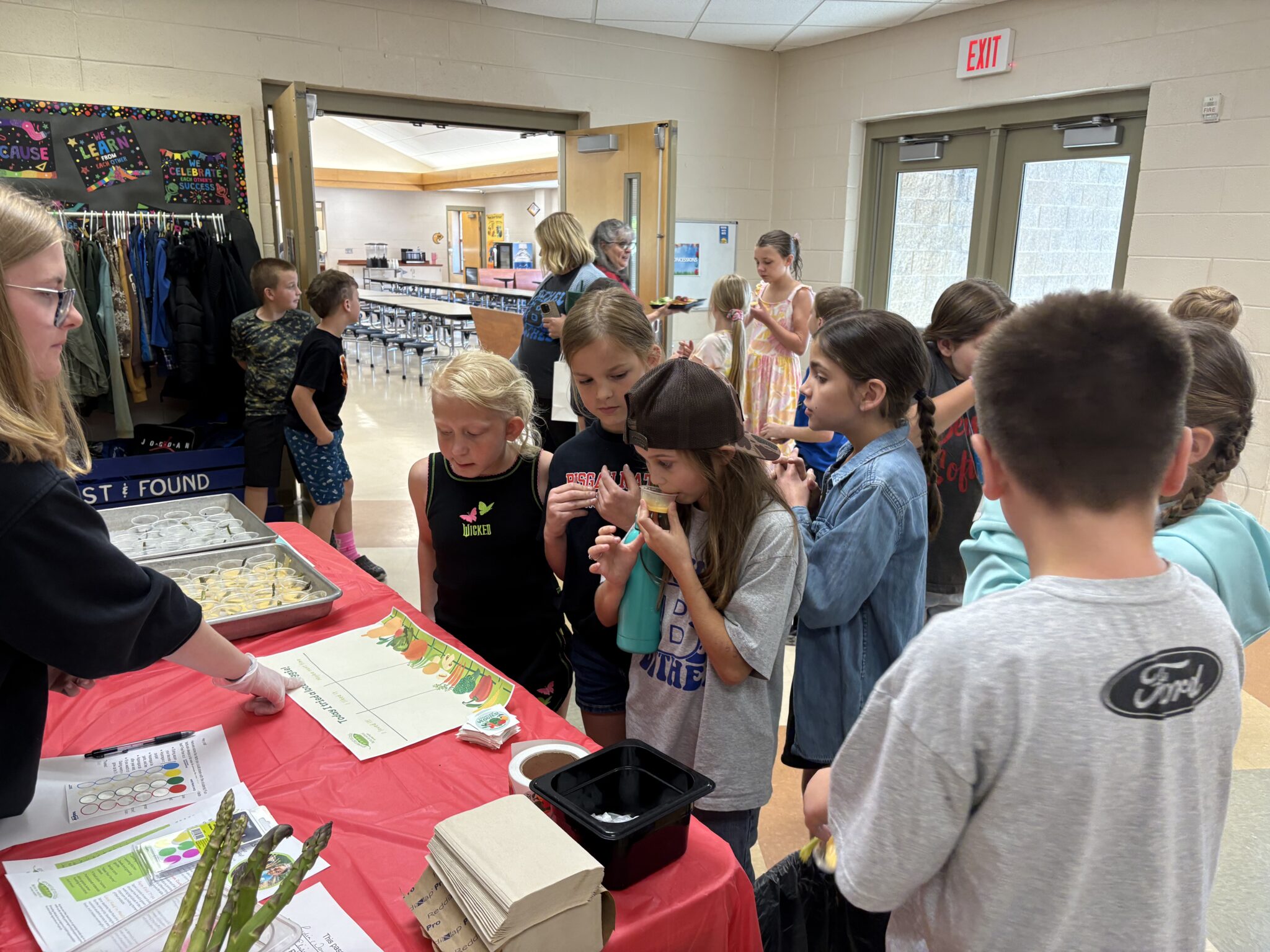

Haywood County Schools received this award for partnering with Pisgah High School’s Career and Technical Education (CTE) program to host farm-to-school taste tests at four elementary schools that featured local asparagus. “High school students led the event, sharing fun facts and nutrition tips while younger students sampled and rated the new veggie,” according to the HMI website.
Alison Francis, school nutrition director for Haywood County Schools, recalled the reaction of one fourth-grader who said: “I didn’t think I would like asparagus, but it was delicious!”
“This feedback really highlighted how crucial peer influence was in encouraging the students to try a new food,” Francis said in an email.
Her advice to other districts is to collaborate closely with CTE teachers.
“Their involvement can turn these taste tests into a rich educational experience that extends beyond just food sampling,” she said.
Hoke County Schools
Award: Innovation in the Preparation of School Meals

Hoke County Schools received this award for introducing scratch-made items including beef nachos, a local Salisbury steak, and meat sauce. “Feedback from students has been positive, and child nutrition staff has noticed that there are very few leftovers on days when these recipes are served,” according to the HMI website.
Deborah Davis Carpenter, school nutrition director for Hoke County Schools, said the district has seen an increase in both overall school meal participation and in the popularity of specific menu items as a result of these changes.
Her advice to other districts is to not be afraid to prepare and serve what students enjoy eating.
“Students love good food and they do not always want ‘fast food,'” Carpenter said in an email. “Try different foods on your menu and see how they take it. It’s the greatest feeling when your students from kindergarten to 12th grades share their love for our specialty dishes.”
Jackson County Public Schools
Award: Innovation in Nutrition Education
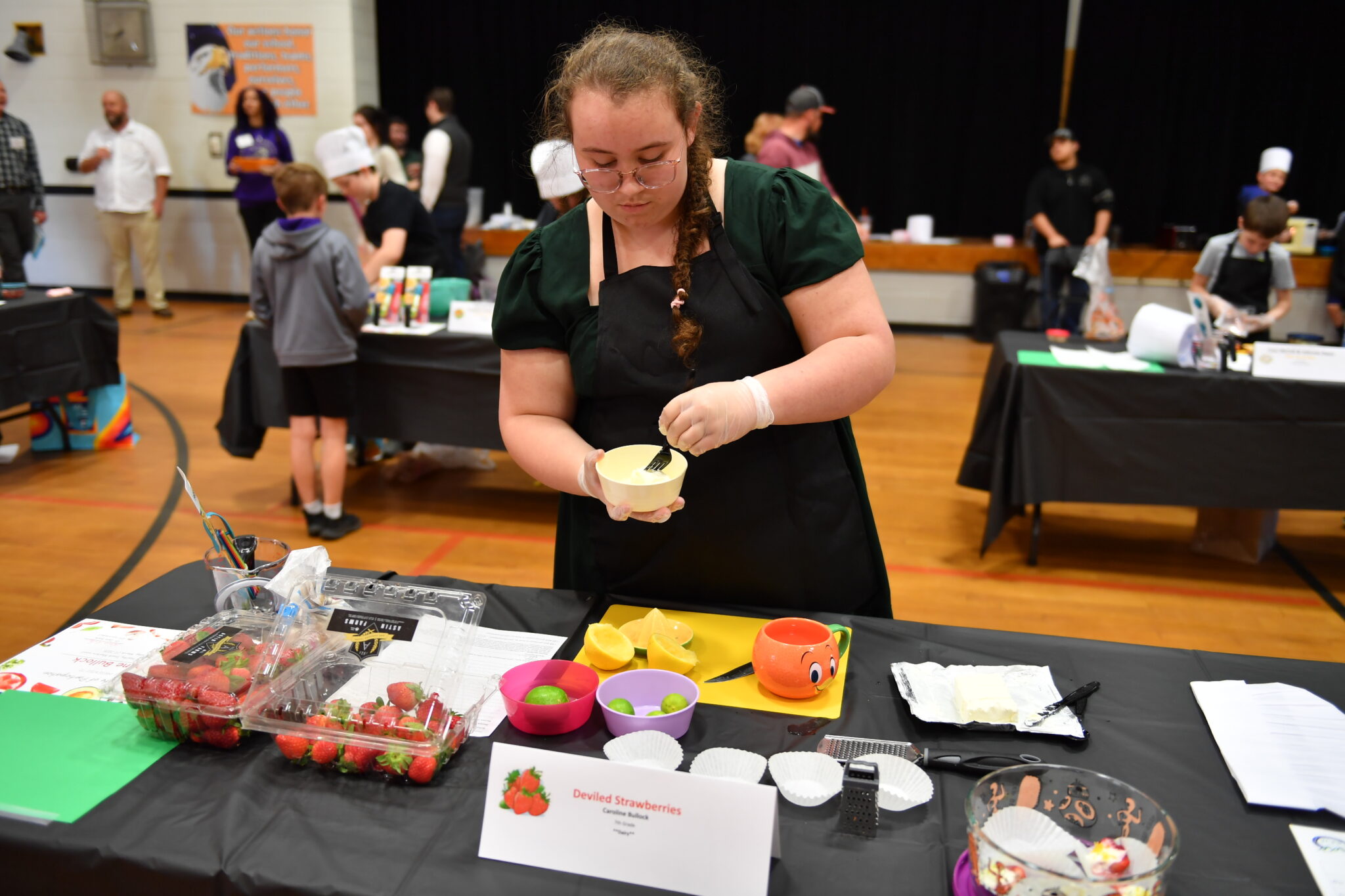

Jackson County Public Schools received this award for hosting an annual Healthy Snack Master Competition in partnership with the School Health Advisory Council.
During the event, students in grades K-8 are invited to develop and prepare their own original healthy snack recipes, according to Laura Cabe, school nutrition director for Jackson County Public Schools. Cabe said this provides students with meaningful, age-appropriate nutrition education while celebrating their creativity. Recipes are then judged by a panel of school board members, health professionals, and school staff.
“The competition has been so popular,” said Cabe in an email. “We just finished the 14th competition, and each year a different school hosts it, and we still get participation from across the school district.”
For districts interested in implementing similar efforts, Cabe’s advice is to start small and grow as you’re able.
“Start by making nutrition education fun and interactive. Involve students, staff, parents, as well as community partners who can support any of the programs, even if it’s a small role,” she said.
New Hanover County Schools
Award: Innovation in Nutrition Education
New Hanover County Schools received this award for engaging students in farm-to-school programming, including featuring local food on the school menu and hosting visits from local farmers. “Students also participate in taste tests and the Fresh Fruit and Vegetable Program,” according to the HMI website.
Amy Stanley, school nutrition director for New Hanover County Schools, said that the district has seen an increase in participation in school meals on days when farm to school products are featured on their social media accounts.
Her advice to other districts: “Invest in farm to school efforts while fostering awareness among students and families about the nutritious, locally sourced foods available.”
Pitt County Schools
Award: Innovation in Nutrition Education
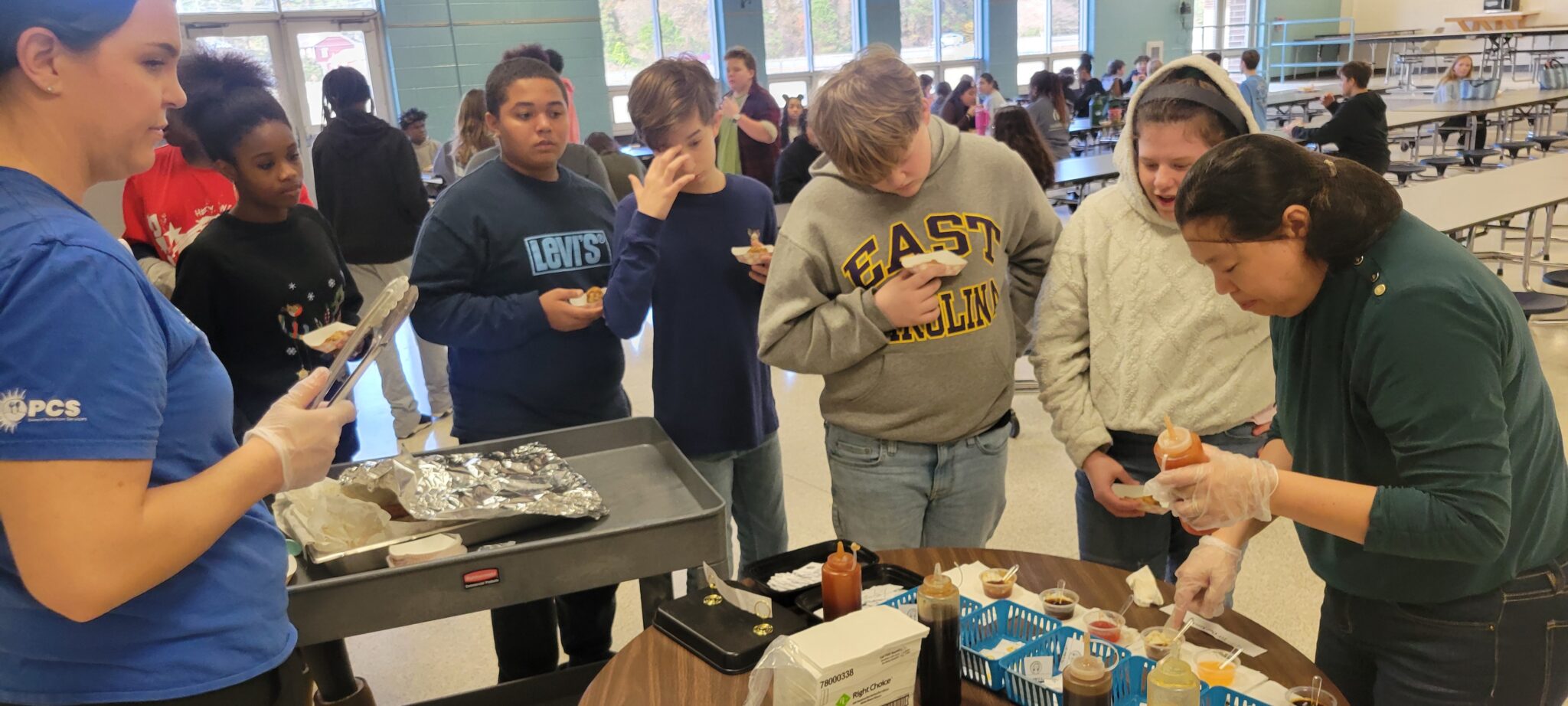
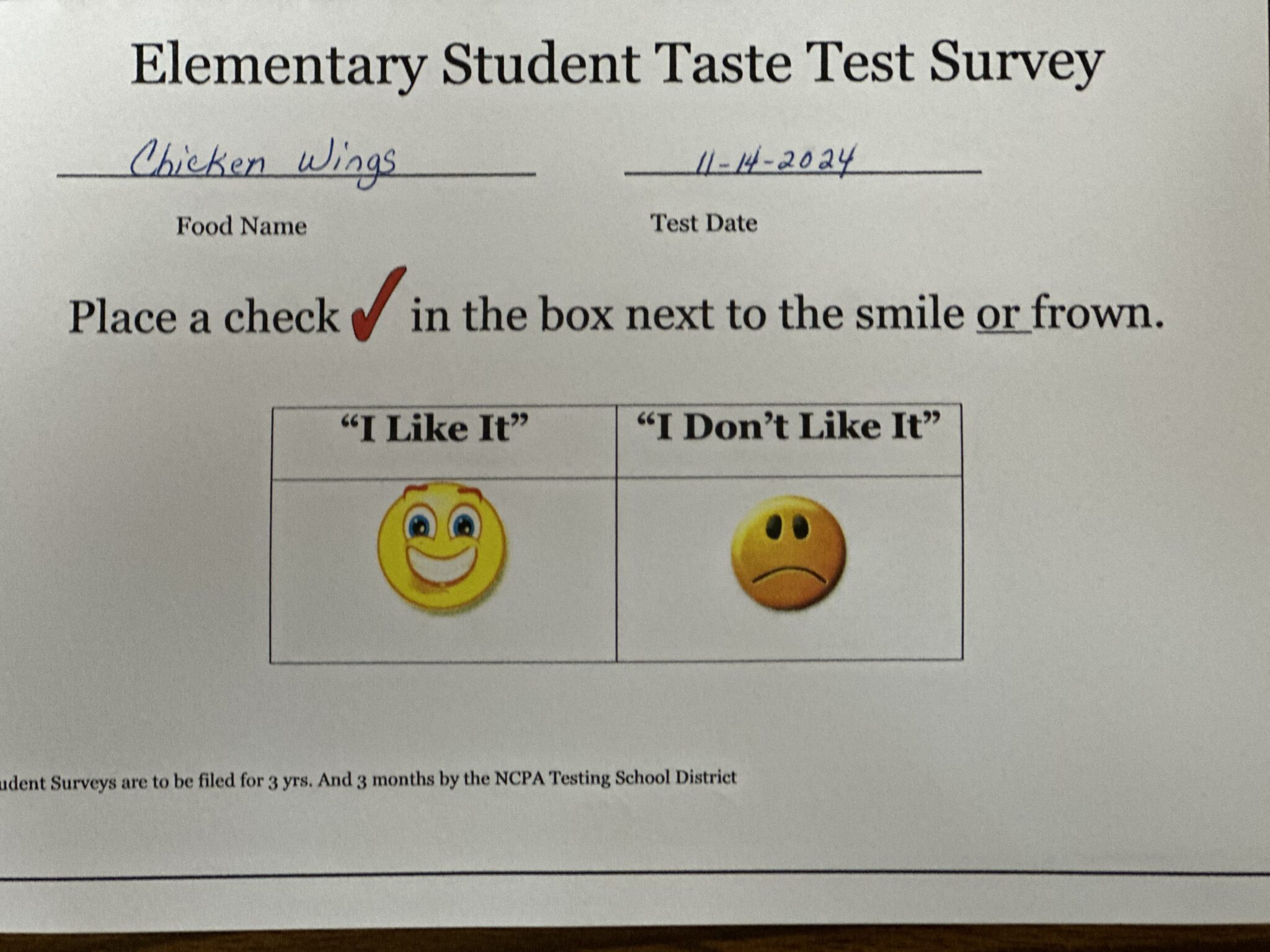
Pitt County Schools received this award for providing students with numerous hands-on nutrition education experiences, including through the Fresh Fruit and Vegetable Program, taste tests, and classroom engagement, such as a menu planning lesson with the high school culinary class.
Nicole Frey, school nutrition supervisor for Pitt County Schools, said that offering taste tests to students and allowing them to sample items before they are introduced has increased enthusiasm for those products.
Her biggest piece of advice is to involve students early and often.
“When students have a voice — whether through taste tests, classroom lessons, or creative menu planning — they become ambassadors for healthy eating among their peers,” she said in an email. “Collaboration between nutrition staff, teachers, and students turns nutrition education into a shared experience rather than a stand-alone activity.”