Western Piedmont Community College is in a ‘time of transformation’ this school year


When Western Piedmont Community College (WPCC) broke ground on the college’s regional skilled trades solution center in 2022, President Joel Welch said the program had eight students enrolled in construction trades. This semester, enrollment is up to 58 students.
Since it opened in 2023, the construction trades building has had an another impact: Located just past the college’s main entrance, Welch says Burke County residents have told him it feels like the building brought the college — and its opportunities — closer to the community.
In the last several years, WPCC has revamped the scope and quality of student support services. And this year, a flurry of new policies and initiatives aimed at harnessing North Carolina’s growing economy and addressing labor market shortages are beginning to take root at the rural college.
WPCC leaders say they are already anticipating the positive effects these programs — coupled with more robust student services — will have on their community.
“I think it sends a message to the community that we are doing something,” said Tou Vang, WPCC’s dean of student services, of the college’s programs this year. “We are really trying to kind of make steps to change and give students more opportunities.”
A ‘laser focus’ on student success
“I don’t think there’s been a time that we didn’t care about students,” said Welch, a South Carolina native who worked for community colleges for over two decades before becoming WPCC’s president in 2020.
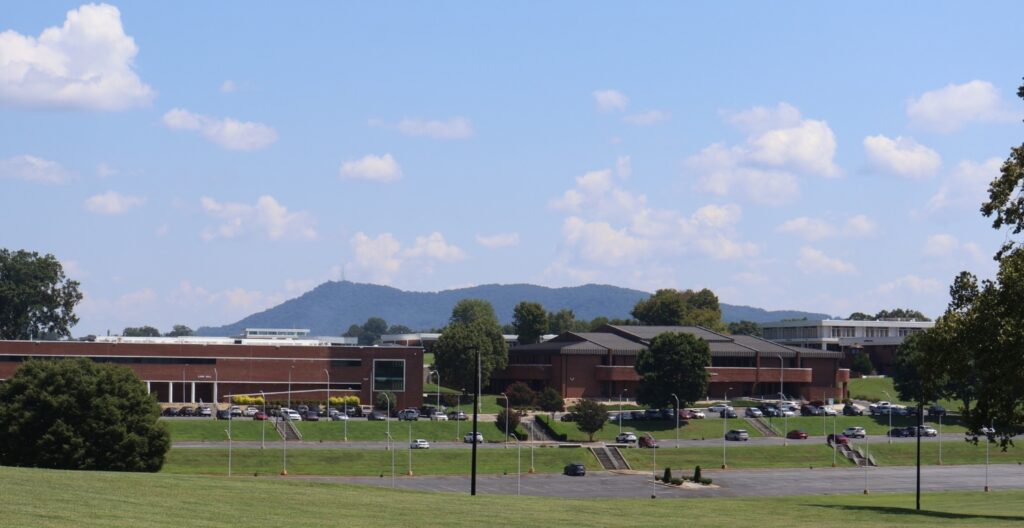
College leaders said that the college can, and should, continue to improve students’ experiences. In pursuit of that improvement, Cynthia (Cindy) Davies, WPCC’s vice president for academic affairs and workforce development, described several recent collegewide efforts that place a “laser focus” on student success.
WPCC’s 2023-28 quality enhancement plan (QEP), required as part of the college’s accreditation with Commission on Colleges of the Southern Association of Schools and Colleges (SACSCOC), kicked off that focus, Davies said. And, soon after Welch’s arrival to the college, WPCC developed a 2021-25 strategic plan; last year, a new 2030 strategic plan was released.
Leaders said each of these institutional plans focused on communicating a culture of care, and Davies says “people have really found it easy to embrace that idea.”
Nicholas (Nick) Evitt is the director of WPCC’s Student Support Services program. The college’s TRIO program received additional federal funding to launch the program in 2020.
For the first few years, and in the wake of the COVID-19 pandemic, Evitt said the Student Support Services program and its benefits worked hard to become visible on campus. The program offers a wide variety of services to WPCC students, from academic and career coaching to financial literacy workshops. Ultimately, the goal is to increase student retention.
Today, Evitt credits buy-in from faculty and staff, evidenced by student referrals, to the overall success of the program.
“I think everybody’s seen the work that we can do to help students,” Evitt said.
 Sign up for Awake58, our newsletter on all things community college.
In 2024, the college announced that it was one of six North Carolina postsecondary institutions to receive federal dollars from the federal Strengthening Institutions Program, a five-year Title III grant program designed to strengthen students’ persistence, retention, and degree completion.
Part of that grant’s implementation so far has directed resources toward students’ first-year experience. That included hiring a first-year experience coordinator.
WPCC is also launching Boost this year, a wraparound student support program rolling out alongside six other North Carolina community colleges. In total, 15 colleges across the state are now implementing Boost.
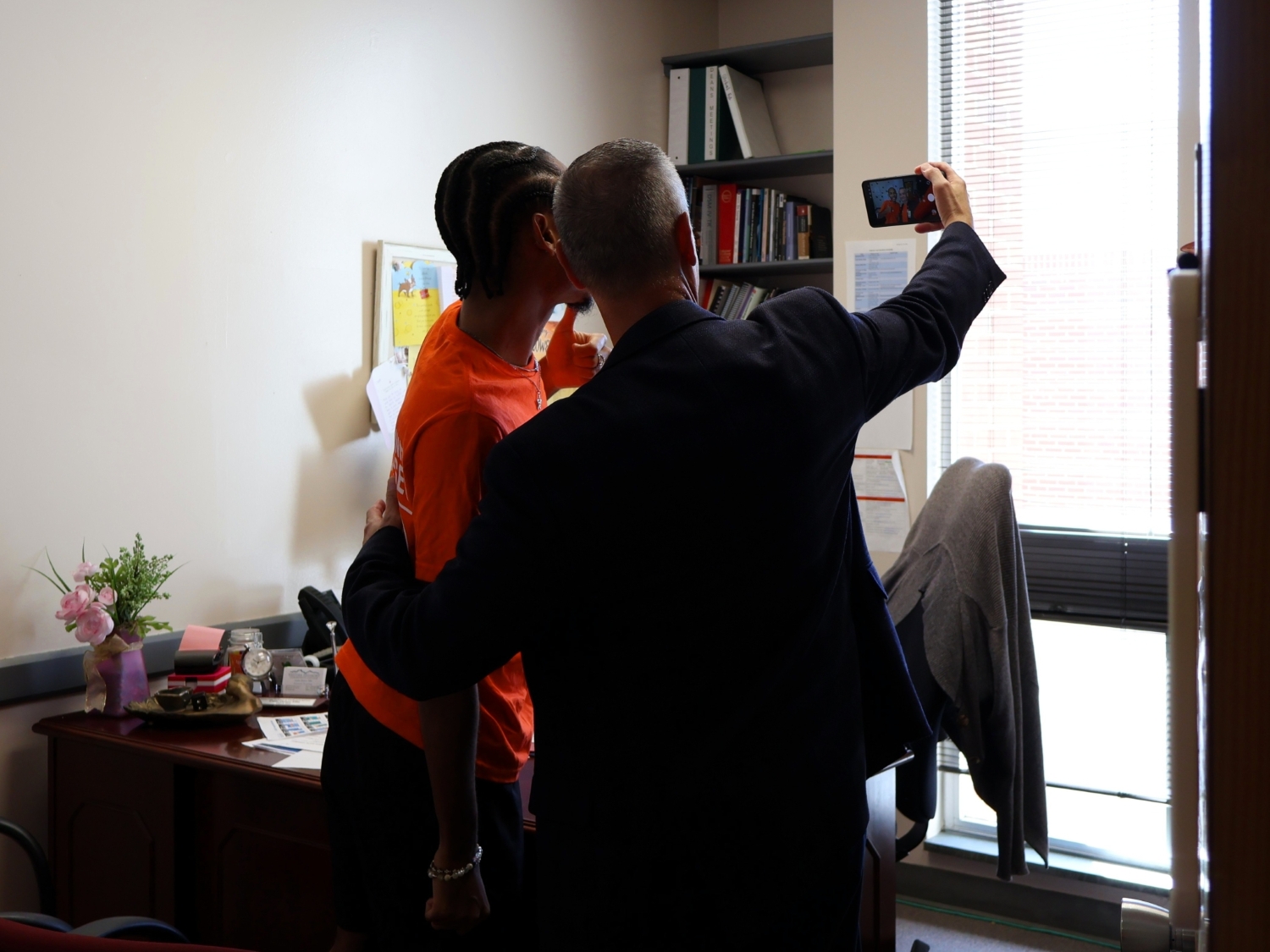
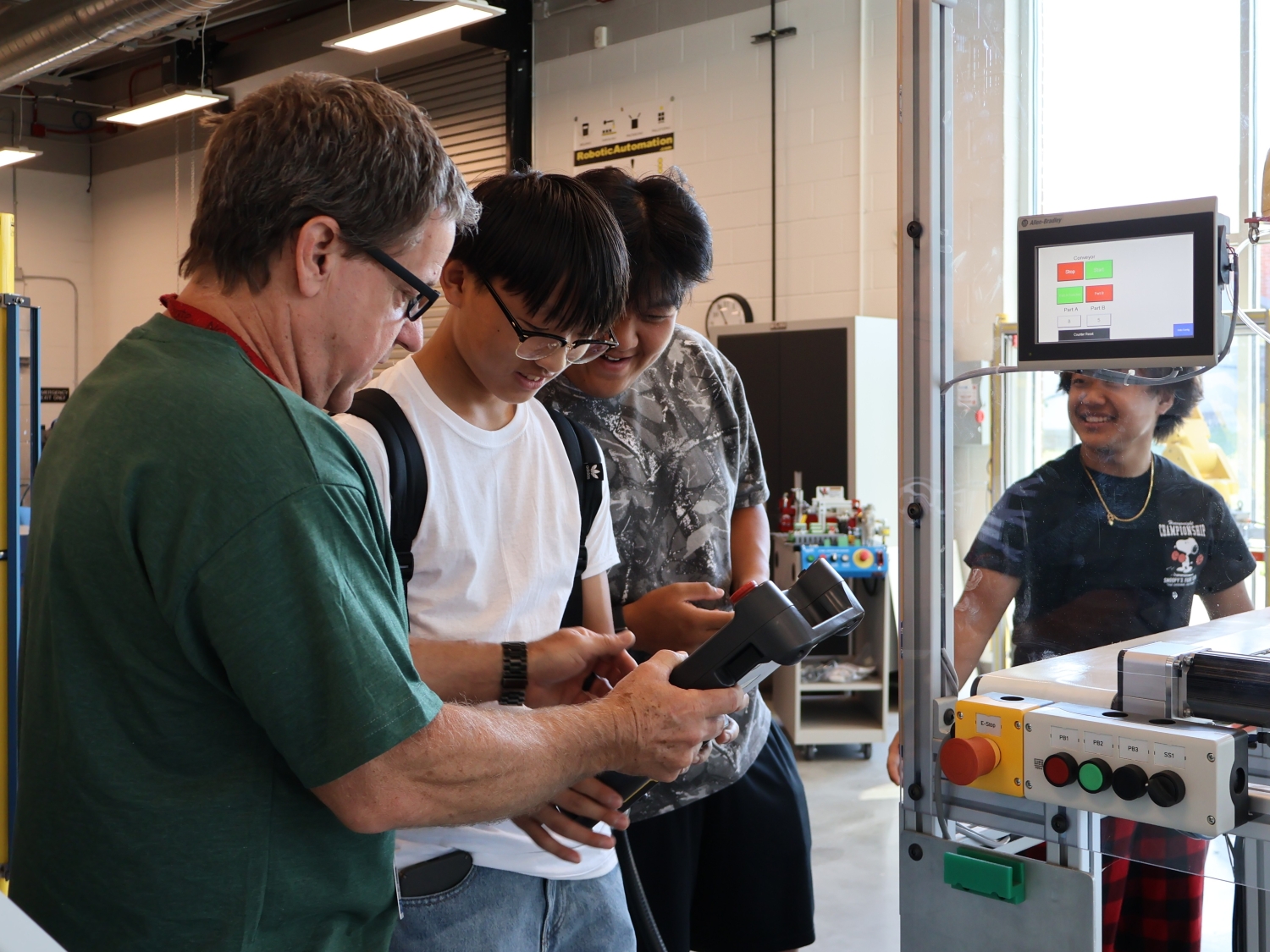
Vang said that partnerships with Burke County Public Schools are another key part of student success.
One of the college’s longest standing federal grants, WPCC’s Education Talent Search program has led to three additional federal grants through GearUp App State, according to Vang. These grants and the partnerships with K-12 schools that their funding supports have been “instrumental” in WPCC’s ability to reach young students, offer academic and career support, and get them thinking about postsecondary education before graduating high school.
Welch said he is committed to finding and addressing additional barriers that keep students from moving forward.
“We can do that because we’ve had good leadership in the past and a good foundation built at the college with folks who care about our community, care about students, and care about each other,” he said.
Preparing for Propel NC and launching Good Jobs WNC
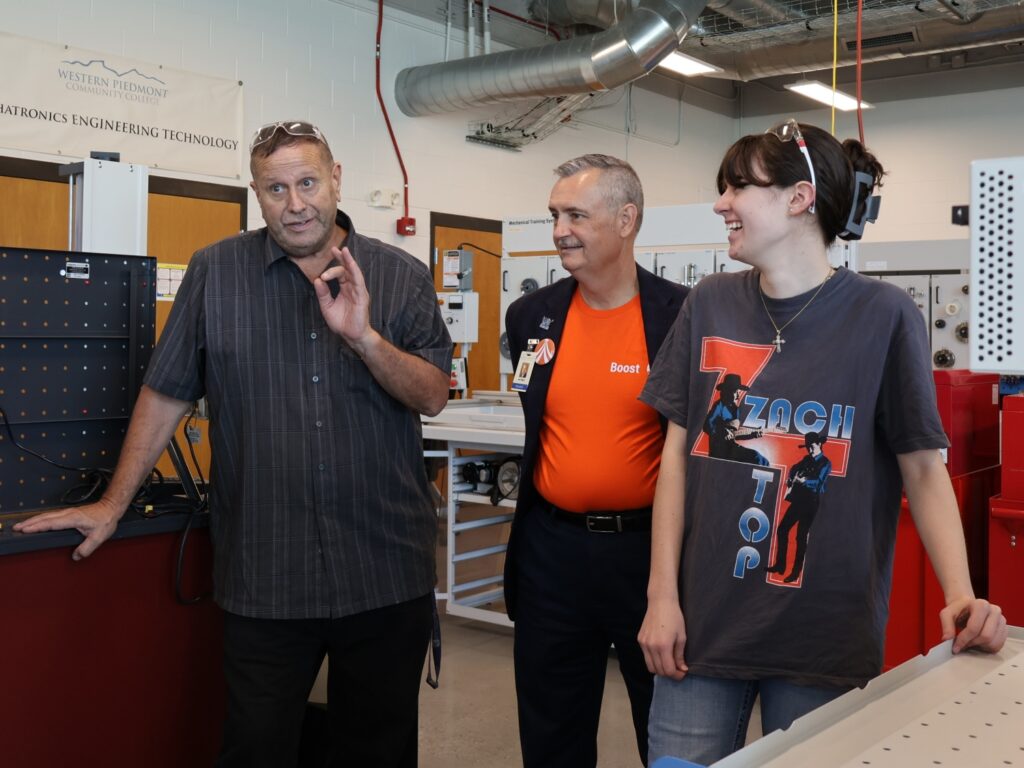
At WPCC, leaders say they are focused on providing students with career pathways and program options that reliably lead to jobs with competitive wages.
“Creating pathways is not just about a degree or a specific credential,” said Welch.
WPCC leaders agreed that Propel NC, the state’s new community college funding model, will help WPCC expand their focus on building successful career pathways.
The state’s previous funding model funded curriculum courses at a higher rate than their continuing education counterparts. Propel NC creates funding parity between curriculum and continuing education courses, funding courses instead based on which workforce sector they fall into, with high-wage, high-demand sectors funded at a higher level.
In short, Propel NC incentivizes colleges to grow programs that train students for jobs in high-demand industries.
“I think that’s important to know because it may not be that a student needs a two-year degree. They may need that short-term workforce development certificate or pathway. It could mean that they just need to come back and upfit their skills a little bit more for their employer” said Sandra (Sandy) Hoilman, WPCC’s vice president of administrative service and chief financial officer.
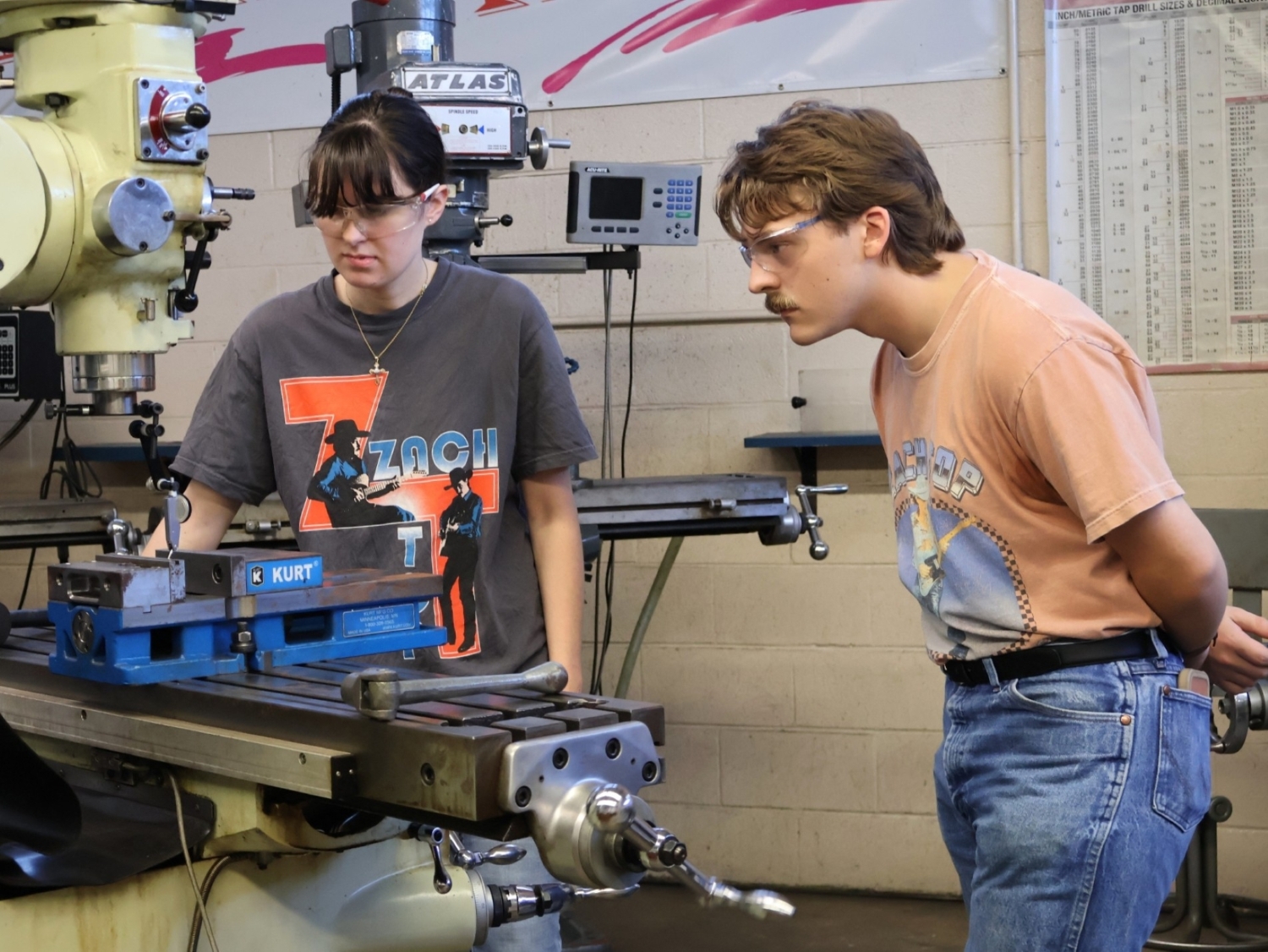
Through Good Jobs WNC, WPCC is working with local advanced manufacturing employers to identify the skills and training they need and how the college can help provide it.
One of 11 community colleges in the coalition, Good Jobs WNC is a locally led, collaborative effort uniting community colleges, employers, philanthropies, and the national nonprofit America Achieves around a shared vision that every western North Carolina resident can have a pathway to a good job.
Community colleges participating in Good Jobs WNC are receiving private and philanthropic capital to scale high-quality, employer-aligned training programs connecting people to good jobs. WPCC will focus on building pathways in advanced manufacturing.
Davies said Good Jobs WNC has provided regional labor market data, such as how many jobs have been posted in an occupation and correlating wage data.
“It really is a conversation starter,” said Davies. “We can just go back and talk to a company and say, ‘Do these numbers look right to you? What’s the backstory behind these?’”
Welch added that the college is committed to being more transparent with students about the type of pay students can expect from specific careers.
“It’s not just what jobs are available, it’s what jobs are available at what wages,” he said.
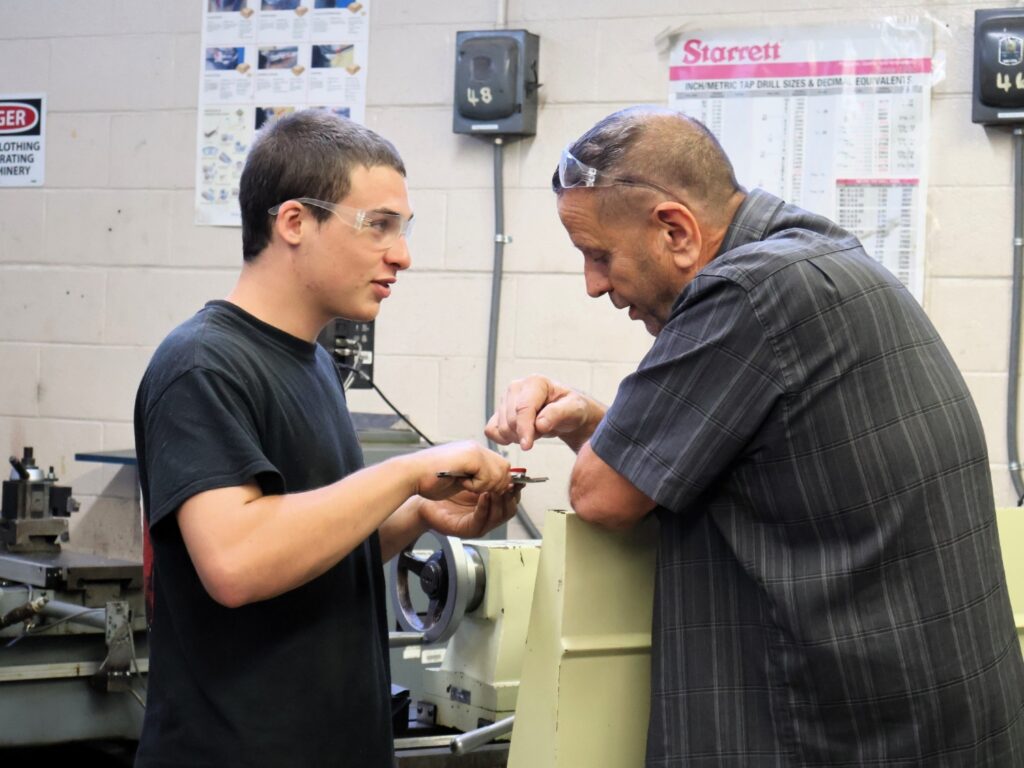
Jonathan Crumpler, dean of business and technologies, said the application process to receive Good Jobs WNC funds has helped the college create a model to use for future outreach to other industries.
While WPCC’s Good Jobs WNC project will focus on advanced manufacturing career pathways, Welch said WPCC is refining program options across the college.
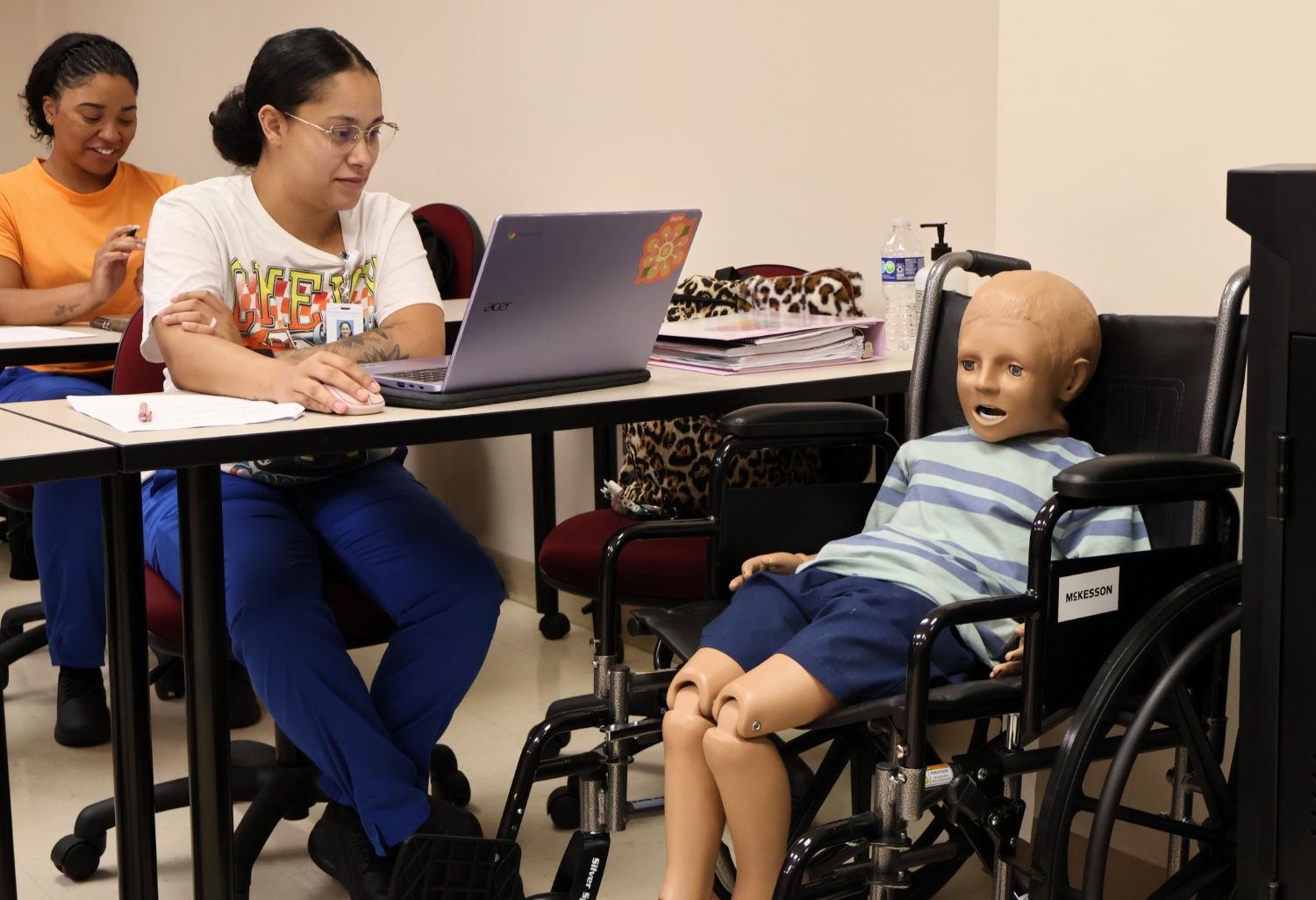
For example, the college has added a dental hygiene program based on industry demand. In September, WPCC opened a new emergency services training center that will house the college’s fire rescue program while also running EMT, paramedic, and wilderness training.
And, leaders say they are raising funds for the second phase of the college’s construction trades building that would focus on industrial construction training. In the face of housing shortages and a need for affordable housing options, Davies said she hopes WPCC can become a regional leader for construction.
“So it’s not Propel, or Good Jobs, or our strategic plan. It’s an aligned model that allows us to take and build a pathway for folks in our community,” said Welch.
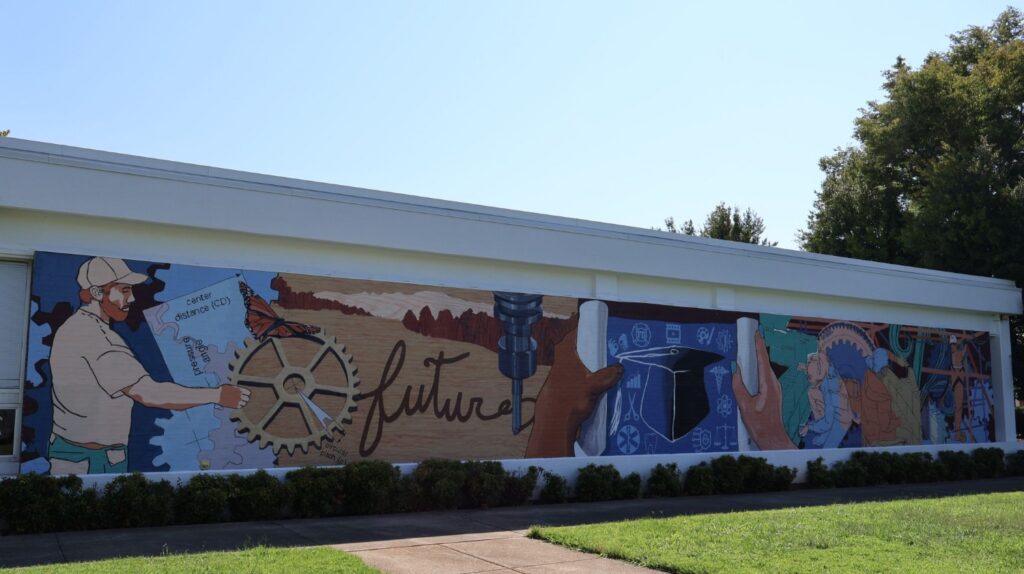
WPCC in a time of transformation
College leaders said the goal for each of the college’s programs this year is to ensure students thrive after they leave WPCC.
“Out on the interstate, there’s a sign that’s ‘All about advancing,’” said Davies. “And whether it’s our local government or our school district, I’ve really just found that there’s a lot of synergy among the groups, and people show up. It really is a proactive community, and a lot of people might not expect that in a rural area like ours.”
Burke County Commissioners formally adopted the “All about advancing” tagline in 2017 as part of a county-wide rebranding effort to reflect the region’s “rapidly emerging economic opportunities.”
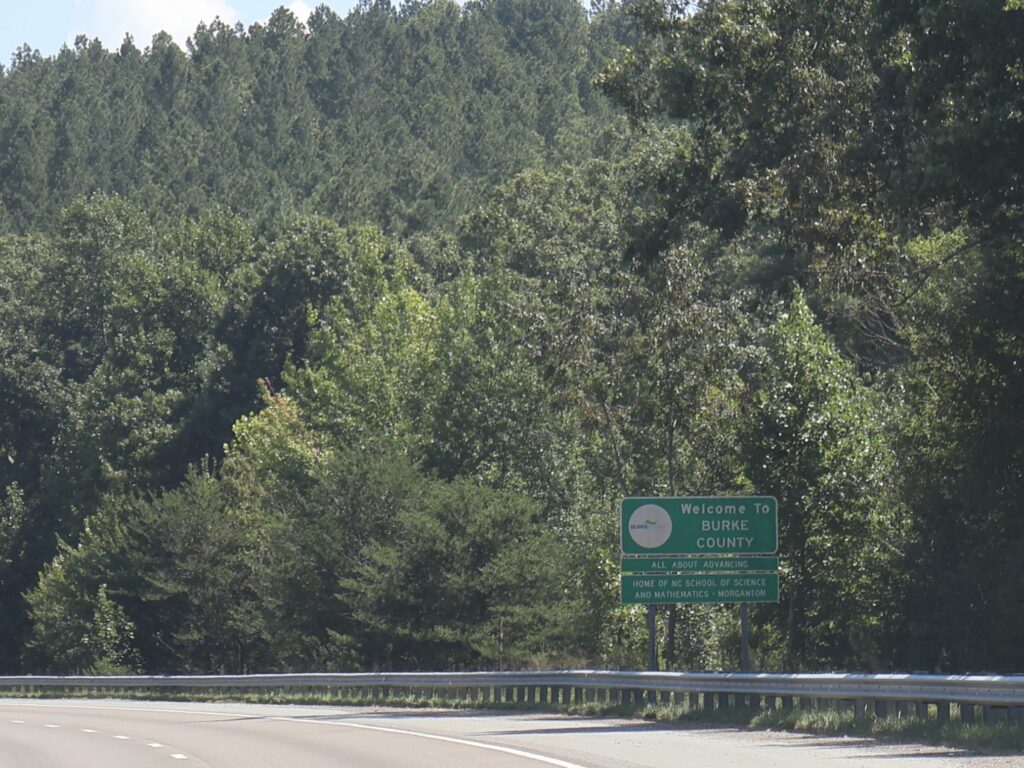
Now, almost 10 years since the tagline’s adoption and at the start of a new academic year, Welch says Western Piedmont Community College is in a “time of transformation.”
“I’m looking forward to seeing how far some of these projects take us, even even in just a short time,” said Davies.