
Scratch cooking is replacing pre-packaged food at this Raleigh charter school

Pre-packaged food will soon be off the menu at RISE Southeast Raleigh Charter School. The K-8 public charter school, which serves nearly 500 mostly minority, low-income students, is poised to launch a scratch cooking food pilot when the new school year starts in August. RISE is partnering with the nonprofit Food Paradigm on pilot design and implementation, with students’ meals to be prepared on-site by a chef in the school’s kitchen.
An ambitious undertaking, the scratch cooking concept initially elicited skepticism from Dawn Arthur, RISE’s executive director.
At an early Food Paradigm event, “there were very few K-12 leaders in the room,” she said. “It stood out to me that this was a bold idea, but one that would be very difficult to execute.” Undeterred, Food Paradigm came back with “stronger alignment and the right partners,” Arthur said.
The idea for a scratch cooking pilot at RISE was born.
Those “right partners” now include a veteran chef and a seasoned educator. Chef Dean Ogan, a restaurateur and owner of Rocky Top Catering, is the pilot’s culinary expert and menu designer. Roxie Cash, a former Wake County School Board member, has joined Food Paradigm’s board.
A resourceful duo, Ogan and Cash have partnered together before. During the pandemic, they worked with the nonprofit Overflowing Hands to provide Wake County families with 850,000 meals.
 Sign up for the EdWeekly, a Friday roundup of the most important education news of the week.
A scratch cooking preview
Both Ogan and Cash were on hand at a dinner in the RISE cafeteria on Tuesday, April 28, to preview the scratch cooking pilot. Members of the RISE board and community attended the dinner, along with current and former members of the Wake County Board of Education, community and nonprofit partners, and other education leaders.
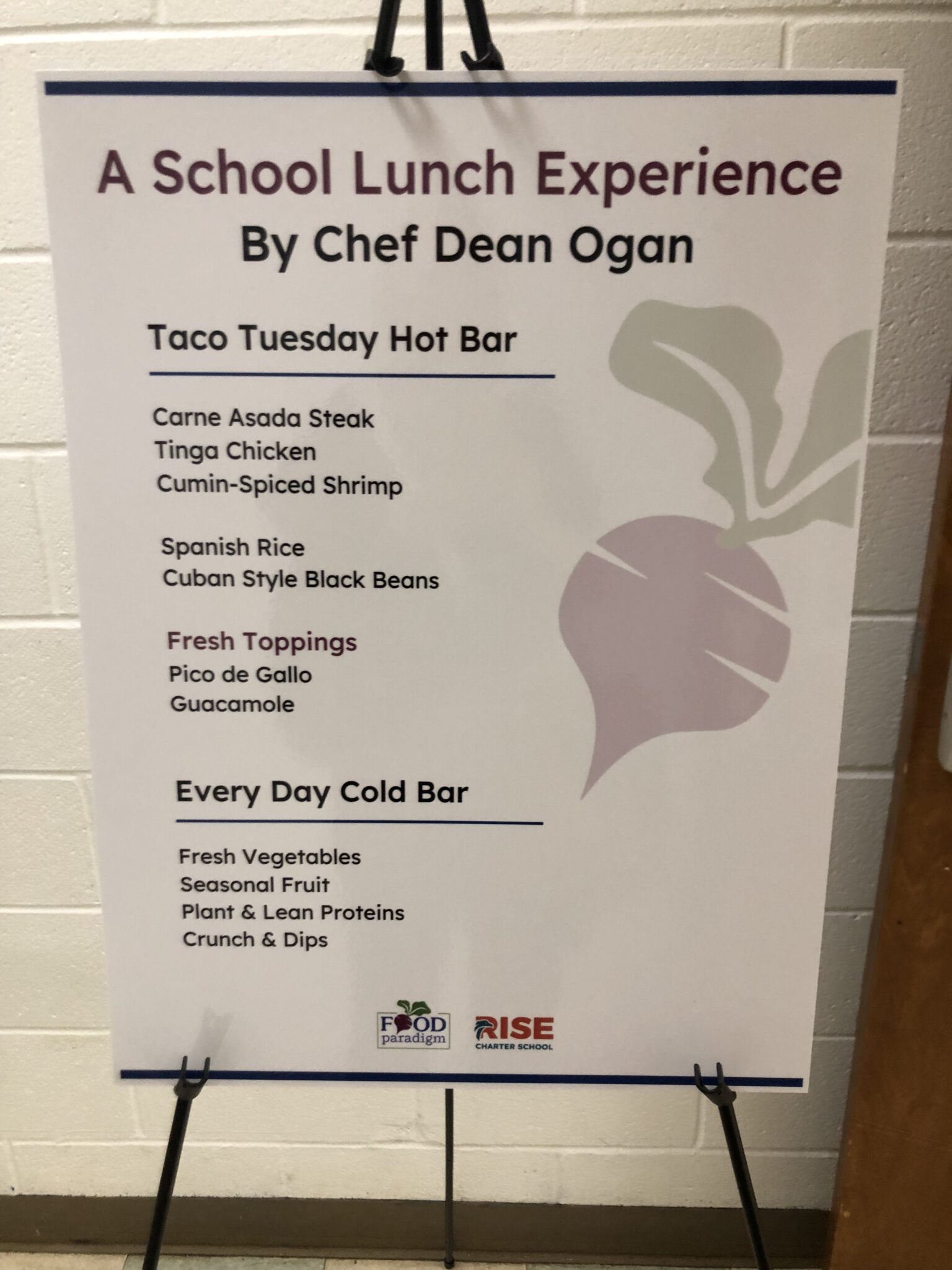
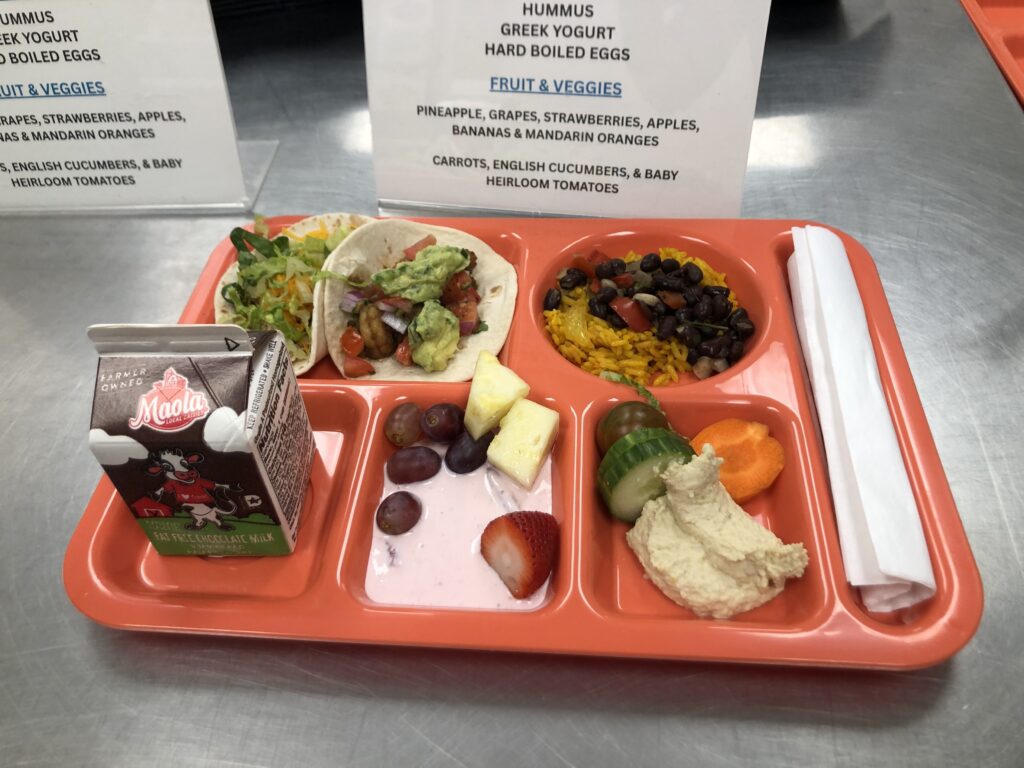
The scratch cooked meal featured shrimp, steak, and chicken tacos prepared by Ogan, along with beans, rice, fresh fruit, and vegetables — all served on colorful lunch trays.
During the dinner, Ogan and Cash participated in a panel discussion moderated by Arthur, along with other RISE leaders and Food Paradigm co-founder Thursall Cellé. Panelists emphasized the need to transform a broken system — by improving nutrition, alleviating hunger, and reducing food waste.
The way students are fed now is “almost like a dirty little secret,” Ogan said.
Food is a key factor in student success, Cash noted. School offers a unique opportunity to shape habits and palates.
“We have a captured audience of kids in our school,” she said.
Cash also said her work with Ogan during the pandemic revealed pervasive need. “What I saw was just how much food insecurity in Wake County there is.”
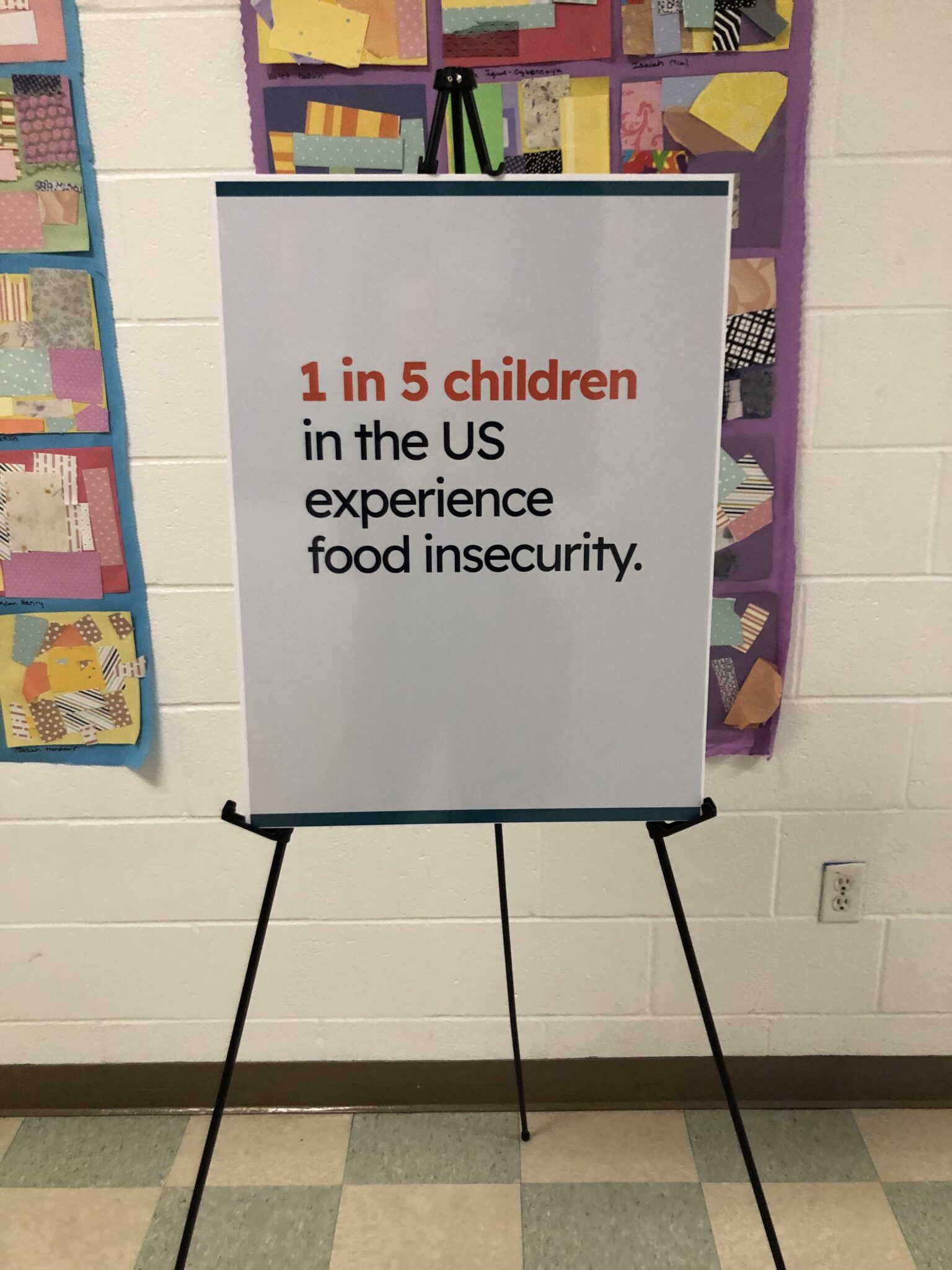
The most recent figures from Feeding America show 11.8% of Wake County children and 18.9% of children statewide experienced food insecurity in 2023.
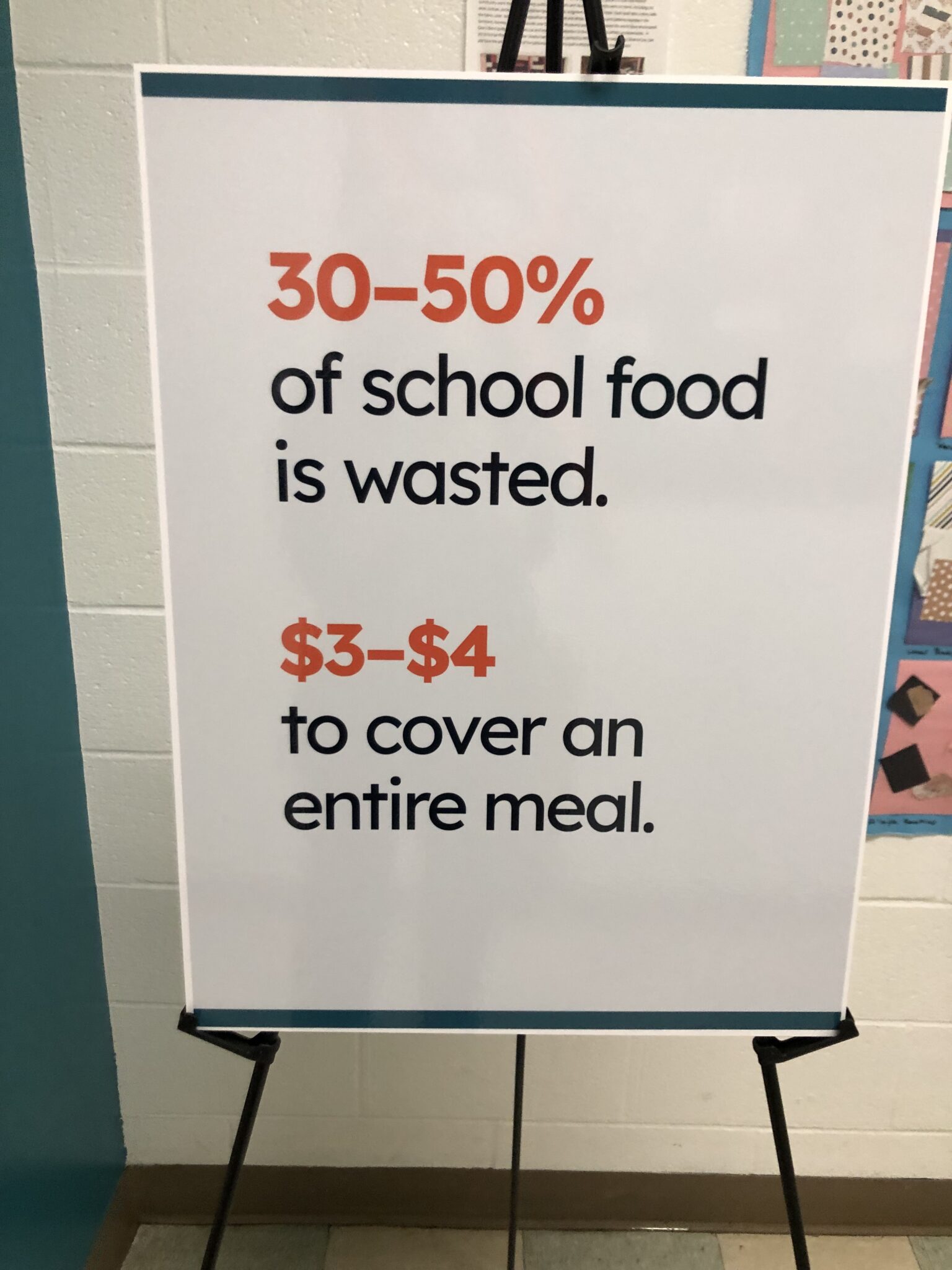
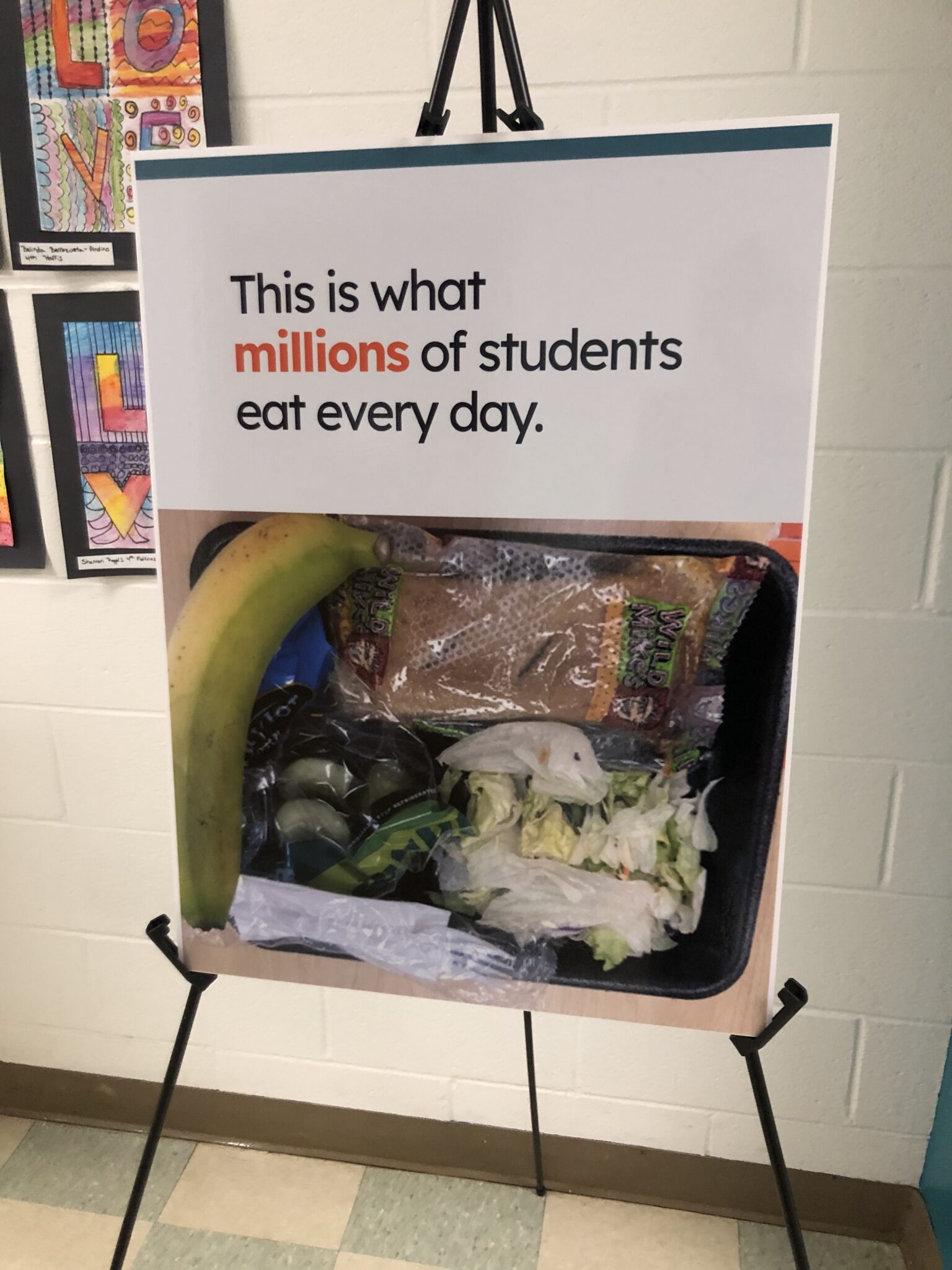
Scratch cooking also creates less waste, Ogan said. As RISE’s pilot summary noted of the current system, “much of what’s served ends up in the trash.”
Pilot origins
The pilot represents novel terrain for Food Paradigm as well as RISE. Food Paradigm has worked with a child development center since 2025 to practice piloting and “refine recipes and approach,” according to Cellé. But RISE is Food Paradigm’s first K-12 partnership.
Cellé founded Food Paradigm in 2023 with Karla Wilson, a friend and fellow health advocate. Their aim, according to an organizational overview, is “to help transform school food systems.”
A former engineer, Cellé turned to nutrition after struggling with infertility. After her health improved, she became a nutritional therapy practitioner, with a newfound passion for revolutionizing school meals.
“The real, true driver for me is about watching our chronic illnesses rise — our rates of everything going up in every single age bracket,” Cellé said. “If we were just changing how we do food, it would make a huge impact.”
The current system needs reimagining, Cellé said.
“At a high level, school food today is shaped by convenience, speed, and cost,” she said. Schools do their best but are limited by the system.
“The challenge isn’t just food, it’s a systems problem,” Cellé added. “Schools don’t typically have the time, knowledge, or infrastructure to redesign their programs. Food Paradigm exists to help bridge that gap with structure, coordination, and the right expertise.”
Read more
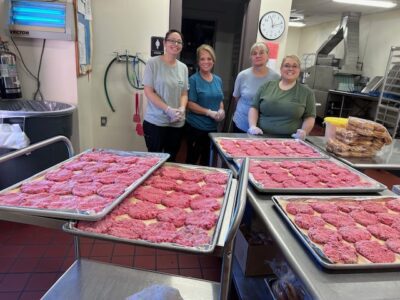

Nationally, the Chef Ann Foundation is working to help school districts implement scratch cooking programs. Chef Ann Cooper, the “Renegade Lunch Lady,” launched the organization in 2009 “to help K-12 schools ensure that every child has daily access to fresh, healthy food,” according to the foundation’s website.
A 2025 foundation report indicated that 118 school districts participated in Chef Ann’s Healthy Schools Food Pathway, “supporting districts to increase scratch cooking, and improving school food service operations, food purchasing practices, and staff capacity.” In addition to providing training and content, Chef Ann Foundation also helped schools install salad bars and bulk milk machines, according to the 2024 annual report.
For RISE leaders, the pilot offers a chance to deliver on core commitments while meeting community need.
“Food is one of the most consistent parts of a child’s day, and we saw a gap between the level of excellence we expect in our classrooms and what we were offering in our meals,” Arthur said.
Kwan Graham, RISE’s board chair, said the pilot fulfills the school’s goal of “meeting the whole child.”
RISE students sometimes lack access to fresh fruit and vegetables, or even whole meals, she added. “If you are hungry, if you are unhealthy, you cannot learn,” she said.
Context and logistics
North Carolina charter schools are not required to participate in the National School Lunch Program (NSLP) to provide students with free- or reduced-price meals. However, charter schools must have a plan to ensure any child who needs lunch will get it. According to the state’s most recent annual charter schools report, 84 charter schools implemented NSLP during the 2024-25 school year, representing 40% of North Carolina charters.
Currently, RISE operates its meal program under the federal Community Eligibility Provision (CEP), Arthur noted, qualifying based on student demographics. CEP is an option within NSLP for schools in high-poverty areas that was authorized in 2010. The provision enables schools to provide free meals to every student.
According to state data for 2024-25, nearly 70% of RISE students are economically disadvantaged. Other metrics put that percentage at 98%.
Historically, RISE has partnered with Wake County Public Schools to cater meals. That arrangement has been relatively simple: Keep food warm or cold and then serve it, Arthur said.
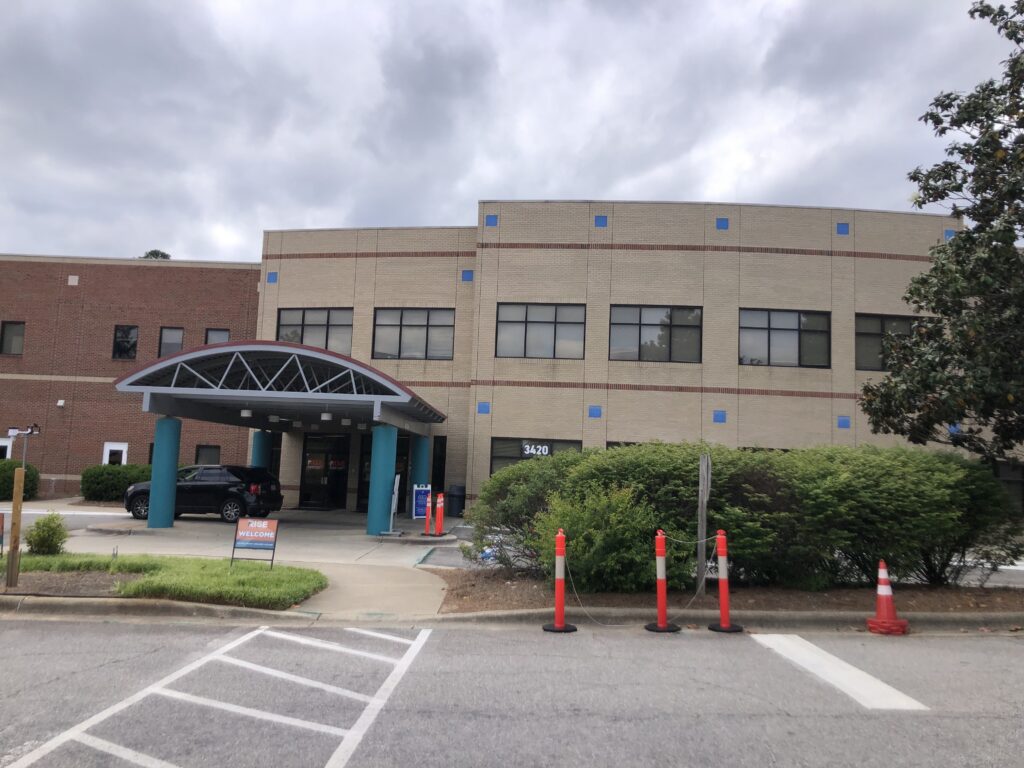
The shift to scratch cooking, however, will require transforming the RISE kitchen “from a warming kitchen into a true production kitchen,” Arthur added. To accomplish that, she will hire an executive chef as well as prep cooks and servers.
While the task is daunting, RISE is now positioned to meet the challenge, she said. This past year, RISE joined a school quality cohort through Great Schools North Carolina (GSNC). That program provides coaching and resources to enable schools to move from “good to great,” according to GSNC.
For RISE, the process strengthened school leadership and reinforced the importance of charter innovation, Arthur said.
“We feel more equipped now to take on something innovative for the benefit of our students. That’s what led us to explore a scratch cooking model — not just to improve food, but to build something that could serve as a model for other schools as well,” she added.
Funding
As with the broader National School Lunch Program, funding under CEP is based on reimbursement for meals consumed. Around 65% of RISE students are likely to participate in the scratch cooked meal program when it rolls out in August. But Arthur said she expects participation to increase in tandem with meal quality, ushering in more federal funding.
Still, launching and stabilizing the program will take time — and more money.
The pilot is working toward a cost target that approximates the federal reimbursement rate, Cellé said. But leaders expect initial costs to be higher.
“Our goal is to build a model that operates as close as possible to federal reimbursement rates, so the food program becomes cost neutral over time,” Arthur said. “In the early stages, we’ll likely rely on a combination of reimbursement and philanthropic support as we build and refine the model.”
Already, community leaders have stepped up to provide pilot funding. At the preview dinner, Overflowing Hands announced a $75,000 matching grant.
As the August launch draws near, Arthur remains realistic but resolute.
“Even though this is scary and hard, there is a part of me that just feels excited about trying to do the right thing, a good thing, an innovative thing for our students,” she said. “I hope we win the day on this.”