
RISE Caldwell-Watauga is training the next generation of workers

Imagine you are a high school student living in Caldwell or Watauga counties, locally known as North Carolina’s high country.
You’ve heard about RISE Caldwell-Watauga. Word is spreading in the community about paid work experiences for high school students — from the kitchen of a restaurant that is a local favorite to intensive care in the emergency room of the local hospital.
You open the application and realize immediately it is a real job application.
“Take this seriously.”
“This isn’t just paperwork.”
“This isn’t just something to list on your resume or college app.”
The application asks about your previous volunteer and work experience. You need to list two references. It asks about your dreams for your career.
In partnership with local workforce development boards, the application pre-screens for Workforce Innovation and Opportunity Act (WIOA) eligibility indicators and gives you a chance to share if you are homeless, a runaway, in foster care, justice-involved, or a student parent, noting that the initiative is working “to make sure we are providing you the tools and financial support you may need to be set up for success.”
You are asked to sign a responsibility statement, which includes the expectation that students will act professionally, including “dressing appropriately, arriving on time, communicating directly and respectfully with my employer, and remaining open to constructive feedback.”
When you submit the application, it’s the beginning of something that will shape your future.
It will also shape the future of the region’s local economy.
“We’re training the next generation of leaders with RISE,” said Tara Brossa, the executive director of RISE Caldwell-Watauga.
RISE Caldwell-Watauga
RISE stands for regional initiative for skilled employment.
According to the website, the initiative “brings together schools, colleges, employers, and community partners to build a homegrown talent pipeline.”
Since January 2026, RISE has placed 120 students in work-based learning opportunities in the two counties it serves.
The student experience
For high school students, the initiative provides a pathway to explore a career one step at a time.
The pathway may include:
- A pre-apprenticeship, which is a 120-hour work-based learning experience where the student earns a credential and a high school course credit
- An apprenticeship, which is longer-term, advanced training in a specific career pathway that may lead to future employment with a host site and tuition-waiver opportunities at Caldwell Community College and Technical Institute (CCC&TI) for related instruction
- An internship, which introduces students to a workplace
The students receive paid, real-world experience, professional mentors, leadership and career-readiness training, and monthly stipends to help cover transportation, supplies, and other costs to participate. They are also eligible for a performance-based bonus.
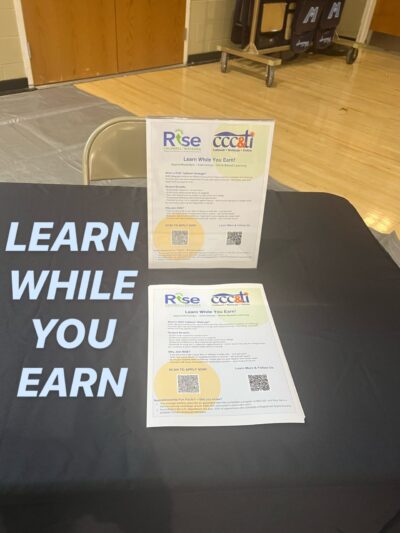
These eight “A’s of RISE” are the principles of student success for both school and the workplace: attitude, appropriateness, attire, attention, accountability, adaptability, appreciation, and ambition.
“They’re treated just like employees,” said Dr. Leslie Alexander of Watauga County Schools.
The students confirm they are treated like employees.
The employers confirm they are treating the students like employees.
“That’s the reason we are doing this,” said Brossa.
The leadership of RISE Caldwell-Watauga
The initiative is a partnership between CCC&TI, Caldwell County Economic Development, Caldwell County Schools, Watauga County Schools, and the Watauga County Economic Development Commission.
It is led by Brossa, who is perfectly and uniquely suited for this opportunity. Prior to leading RISE Watauga-Caldwell, Brossa worked as an executive in the hospitality industry, an educator, and a workforce advocate with more than 20 years of leadership experience across hotels and resorts, cruise tourism, higher education, research, and community development.
She chaired the Boone Area Chamber of Commerce in 2025-26, and she serves as vice chair of the High Country Workforce Development Board.
“What connects it all,” she said, “is a people-first approach and a focus on building systems where both teams and organizations can thrive.”
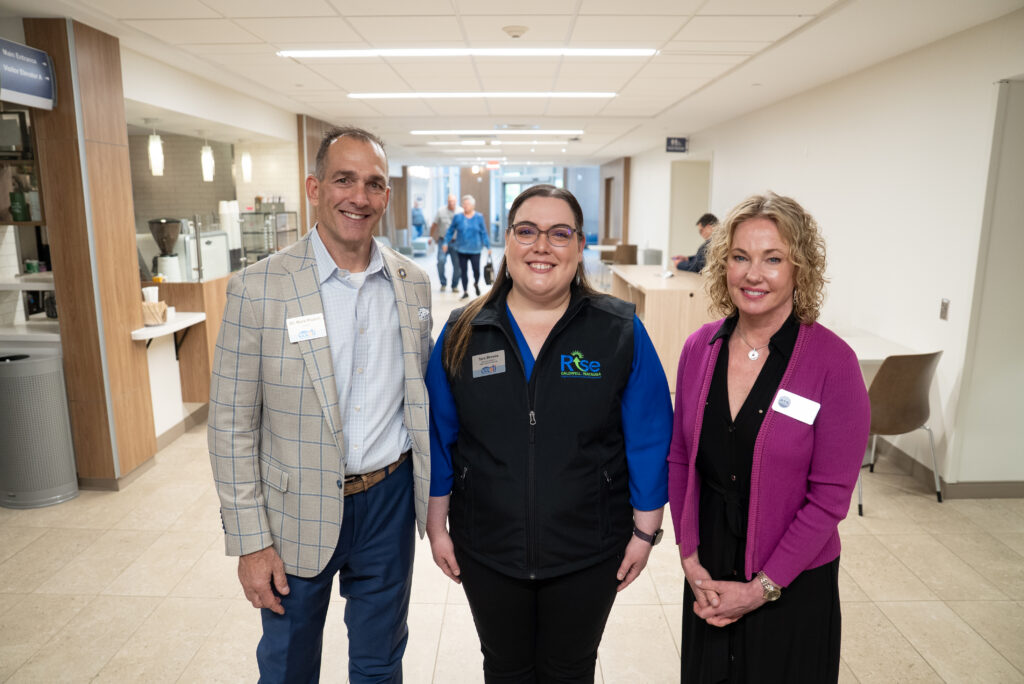
The executive committee of the initiative includes Dr. Mark Poarch, president of CCC&TI; Dr. Leslie Alexander, superintendent of Watauga County Schools; Dr. Thomas Howell, superintendent of Caldwell County Schools; Ashley Bolick, director of Caldwell County Economic Development; Joe Furman, director of Watauga County Economic Development; and treasurer Rashelle Penley, vice president of finance and chief financial officer of CCC&TI, who serves as an ex officio nonvoting member.
An advisory committee comprised of leaders from education, local government, workforce development, and industry — including healthcare, manufacturing, hospitality, and trades — ensures the work of the initiative aligns with the real needs of local employers.
Furman says he is more excited about the potential of RISE Watauga-Caldwell than any other initiative in his more than 20 years working in regional economic development.
Read more
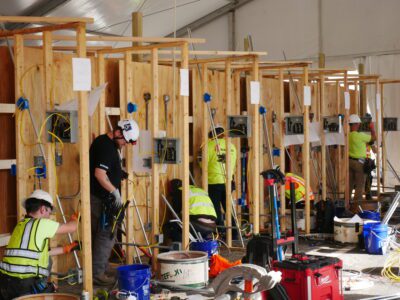
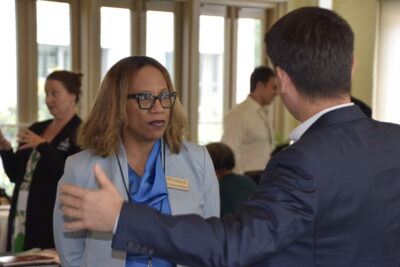
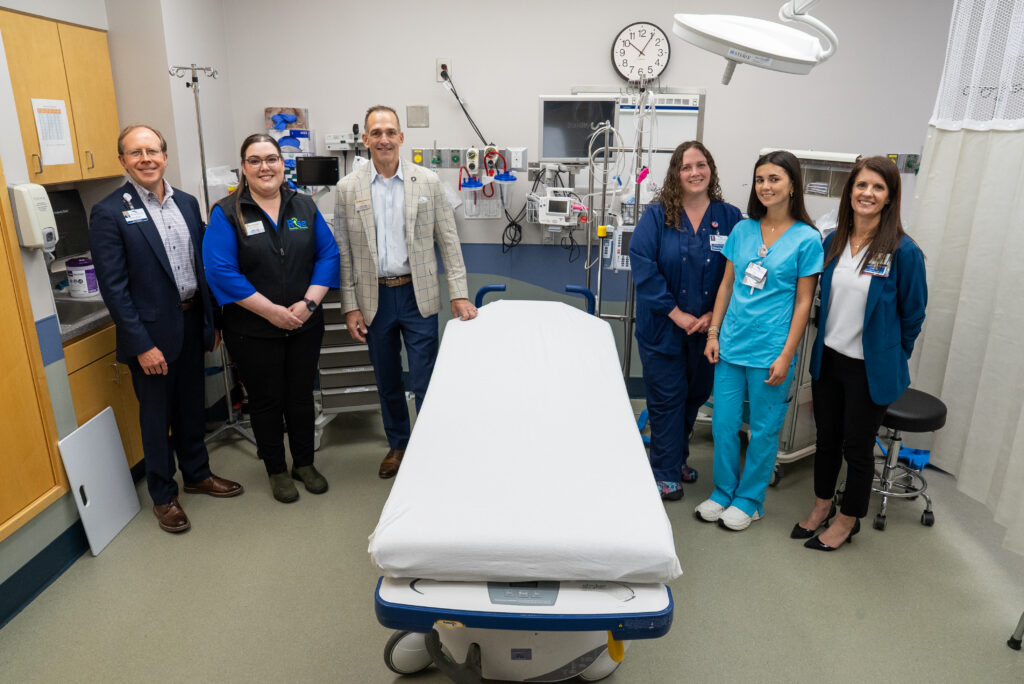
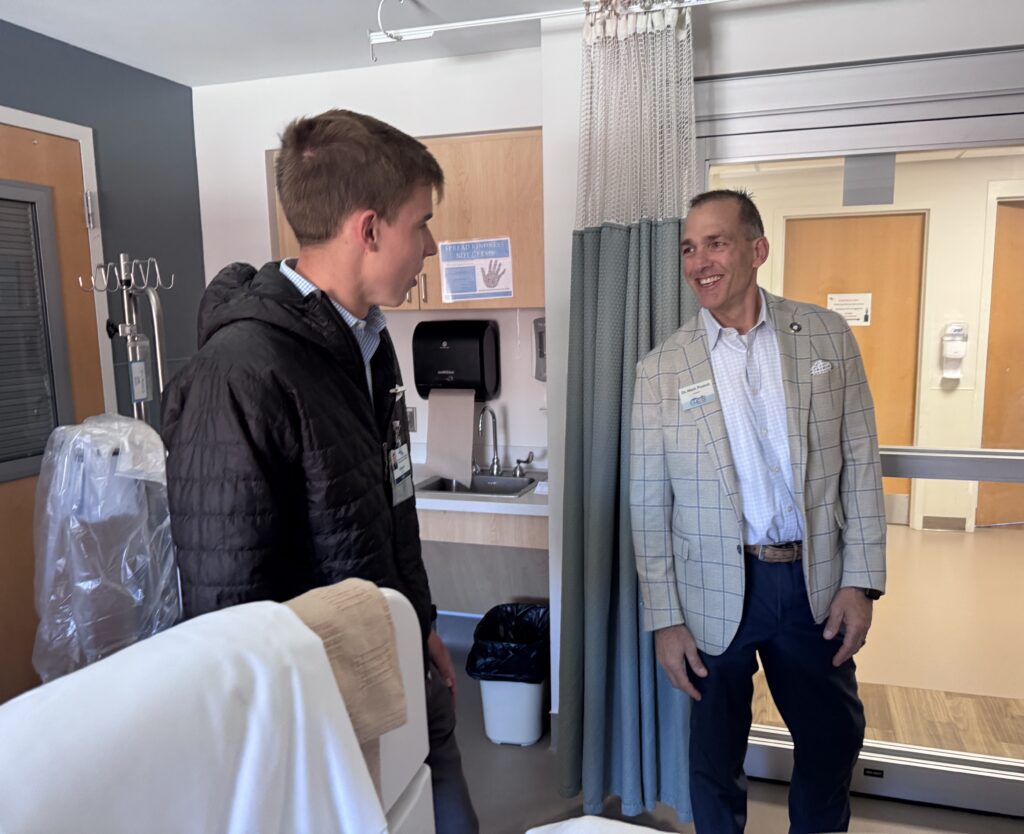
UNC Health Appalachian’s Watauga Medical Center
UNC Health Appalachian is offering paid pre-apprenticeships through RISE Caldwell-Watauga. They hosted five students in spring 2026 and 12 in summer 2026; they are now hosting four students in the fall 2026 semester. They are in the process of signing their first registered apprentice.
Hospitals operate like little cities, and so while there are opportunities for students in the medical field, there are also opportunities in maintenance, engineering, nutrition, data science, and more.
For students interested in healthcare, RISE operates like a residency program, giving them the opportunity to see how working in the ER is different than intensive care unit (ICU), for example.
“We love the opportunity to start with students when they are just learning about what they might want to go into as they start their career,” said Kristy Haynes, assistant chief nursing officer.
At the Watauga Medical Center, students learn not just the skills needed for the job, but how to work in a state-of-the-art facility with state-of-the-art technology.
The Schaefer Family Patient Care Tower opened in March 2023. The tower serves as the main entrance for the hospital and emergency department and houses imaging and laboratory services, surgical services, and 48 inpatient beds. Significant investments were also made to the rest of the hospital so that patients experience it as one hospital with similar systems throughout.
Only sort of jokingly, leaders of UNC Health Appalachian said they would take all of the RISE students.
“It’s a gift for us,” said Nathan Nipper, the CEO and president of Watauga Medical Center. “We know what we have to do to take care of our community and their well-being now. Generationally, we want to be good ancestors.”
Nipper believes RISE is a path others will follow in the future — to locally grow the healthcare pipeline in ways that will not just meet the community’s needs, but ensure the community can thrive.
“Relationships matter. Partnerships matter. Pipelines matter,” said Poarch, the president of CCC&TI. “And you have to build them, you have to invest in them before you need them.”
 Sign up for Awake58, our newsletter on all things community college.
Meet the next generation
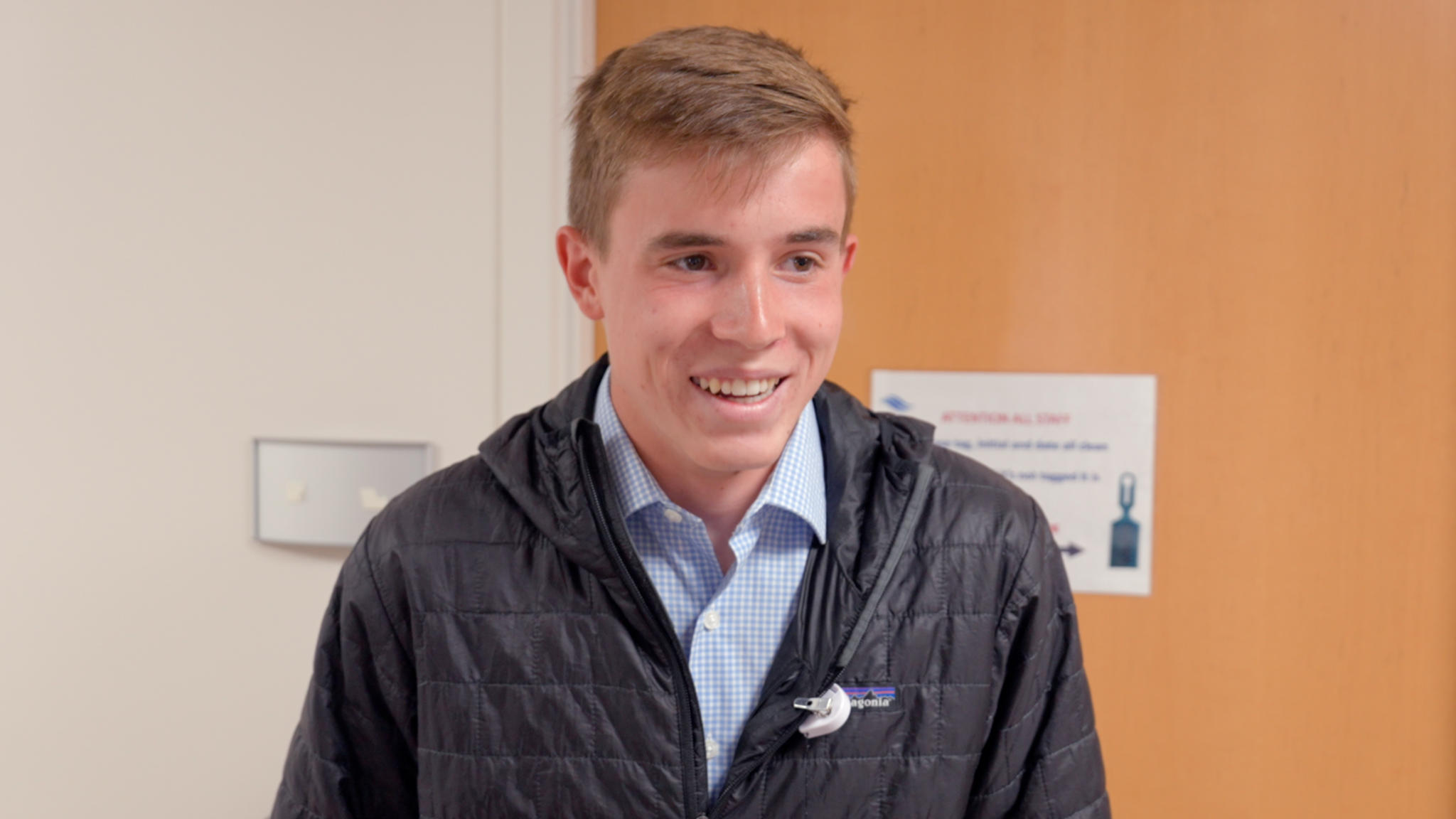
Solomon Triplett | ‘It’s a community I care about’
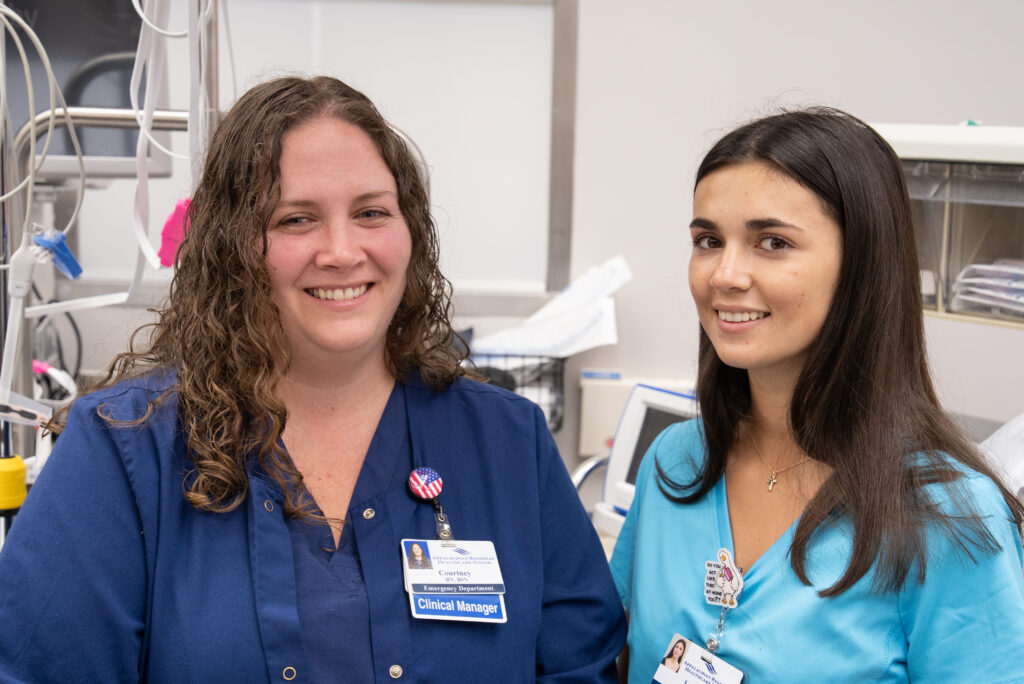
Last spring, 18-year-old Solomon Triplett, then a senior, donned scrubs and worked from 2:30-6 p.m. each weekday in the ICU of the Watauga Medical Center.
“RISE is an amazing opportunity,” he said. “I’ve gotten to learn a lot that I don’t think I would have otherwise.”
“It’s changed the way I look at healthcare and nursing,” said Triplett. He is at UNC-Chapel Hill this fall, pursuing a nursing degree. “Honestly, I hope to come back. Boone is a place I want to live and work as a nurse one day,” he said.
Triplett loves the people of Boone. “It’s a smaller town, a smaller community,” he said. “My family is all here, and it’s a community I care about.”
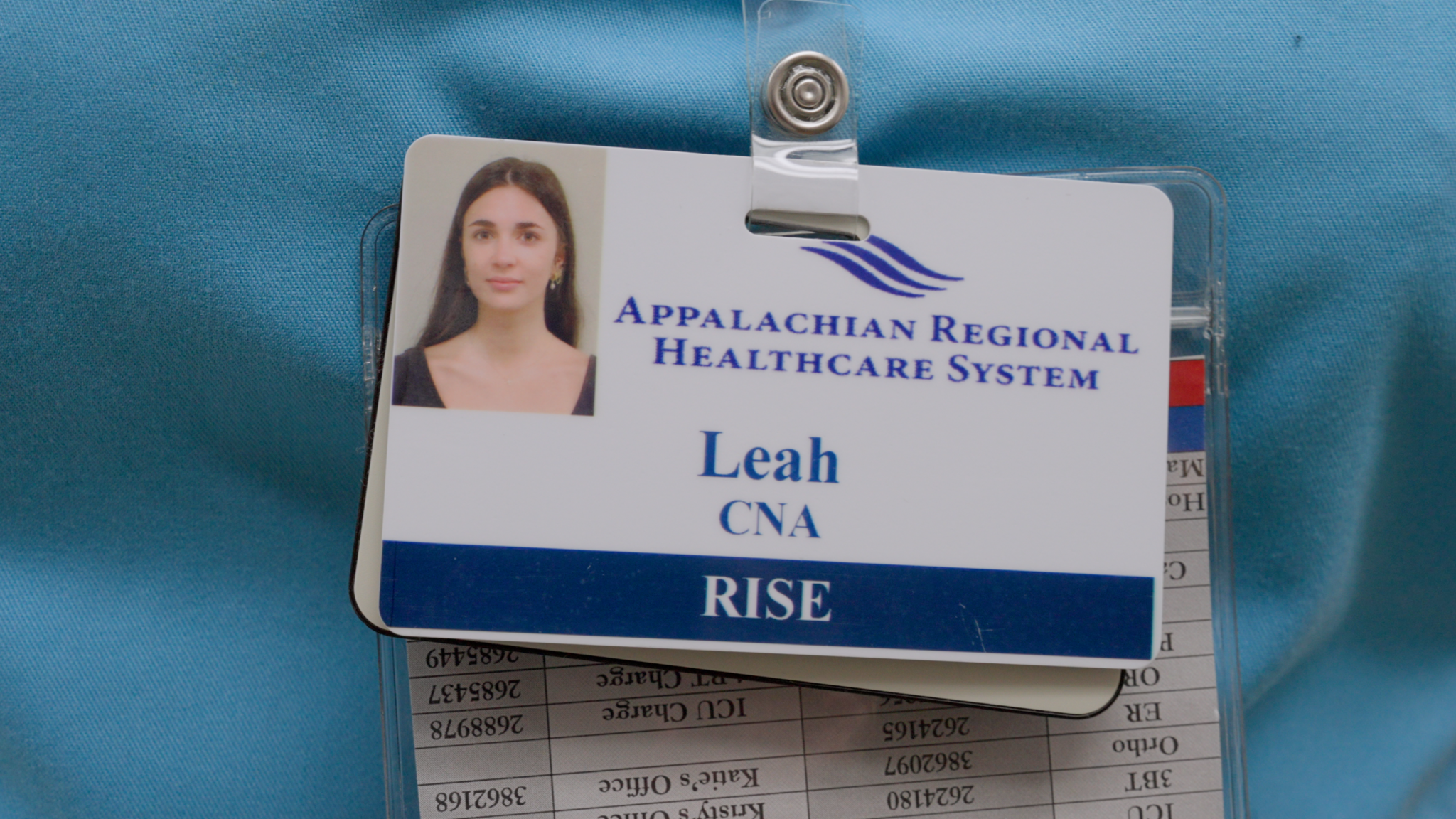
Leah Gaydon | ‘I just really strive to make that kind of impact in someone else’s life’
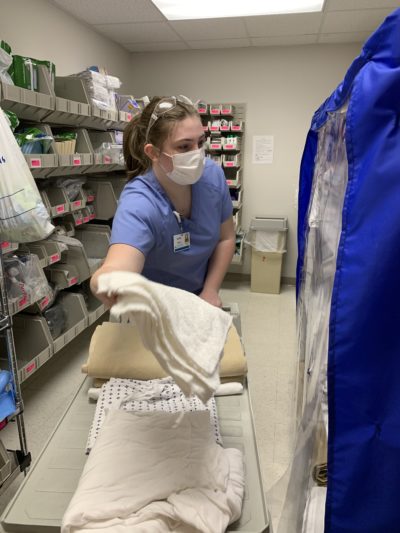
Leah Gaydon works in the emergency department of Watauga Medical Center. Gaydon’s interview to be a RISE student is something the leaders of the medical center continue to lift up and celebrate.
In her interview, Gaydon shared personal stories of her earliest memories of nurses.
When Gaydon was younger, her grandmother had a stroke and was in the ICU. While she was too young to really understand then what was going on, she does remember the nurses.
Despite her young age, Gaydon said, “I had one nurse that allowed me to go into the ICU … and I was able to see my grandma.”
Later in her childhood, Gaydon’s mom had breast cancer and was in and out of the hospital in Winston-Salem for more than two years. “All those nurses … made a big impact in my life and my family’s life,” she said.
“I just really strive to make that kind of impact in someone else’s life,” said Gaydon.
Joe Welborn | ‘It all led me to here’
Joe Welborn is the plant operations manager of the Watauga Medical Center, and RISE students will work with him to learn about plant operations.
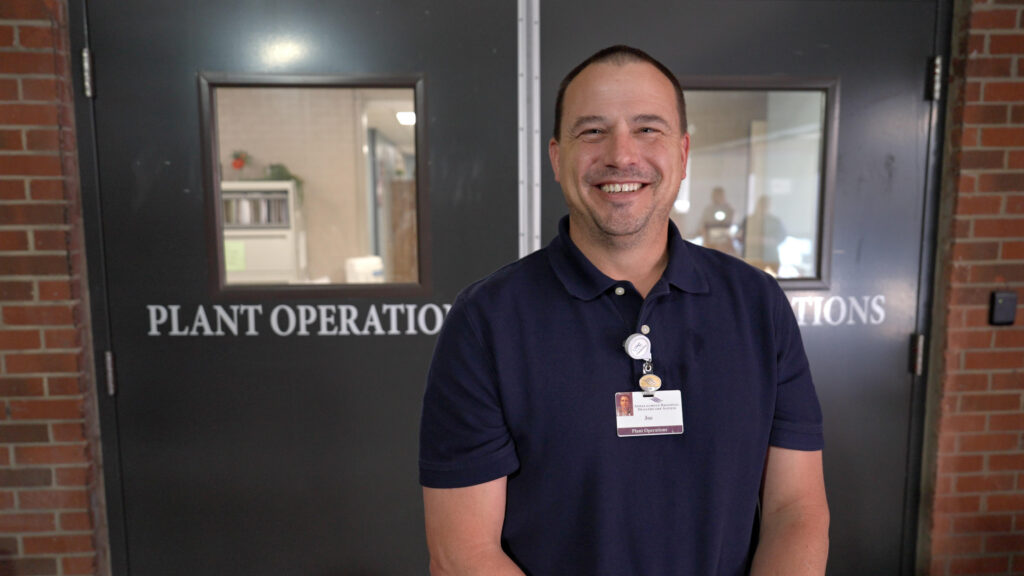
Welborn was a student in Surry-Yadkin Works, the forerunner of programs like RISE in North Carolina. He understands firsthand the benefits and opportunities of “connecting workplaces to the classroom to prepare students for real-world careers.”
“I was one of the lucky students to have a job before graduation,” said Welborn.
“It really propelled me to where I am today,” he said of Surry-Yadkin Works. “It all led me to here.”
Being able to get face-to-face with an employer, Welborn said, equipped him with the confidence to “go out there and find a job.”
EdNC’s reporting on Surry-Yadkin Works
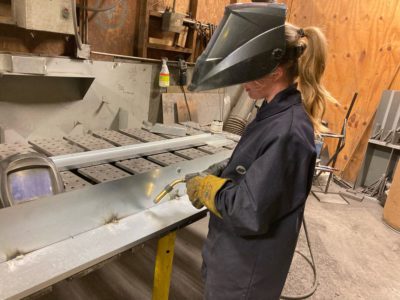
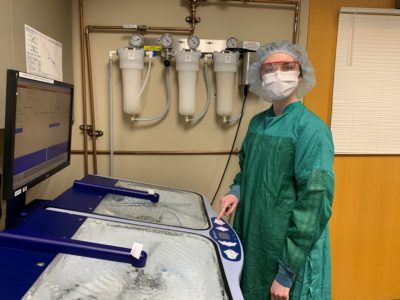
How to sustain and scale programs like RISE
“I think every community should have a RISE,” said Welborn.
Superintendents agree. Community college presidents agree. Economic developers agree.
Philanthropy is providing start-up funding. Several grants from local, state, and national organizations provided funding for RISE, including a $675,000 grant from The Leon Levine Foundation.
Elsewhere in the state, funders including Golden LEAF Foundation, Dogwood Health Trust, the John M. Belk Endowment, and the North Carolina GSK Foundation have supported other programs similar to RISE, including:
- Asheville-Buncombe-Madison Works
- Cape Fear Community College’s Apprenticeship Accelerator
- Carteret Works
- Isothermal Works
But longer term, there will need to be other sources of funding.
In some places, county commissions and local industry may provide funding to provide that sustainability. Surry-Yadkin Works, for example, is now sustained with funding from both county’s commissioners.
“This is really an investment in themselves,” said Poarch.
Brossa hopes federal funding through the Workforce Innovation and Opportunity Act (WIOA) may sustain RISE in the future.
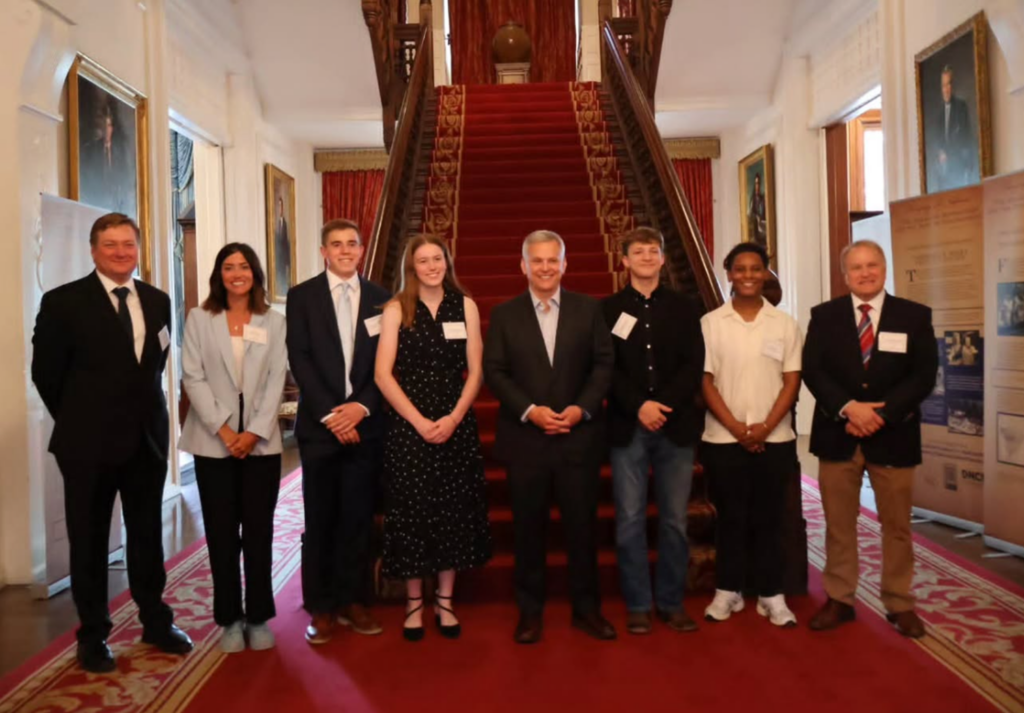
This summer, RISE students and UNC Health Appalachian leadership were invited by the North Carolina Business Committee for Education to an event at the North Carolina Executive Mansion. During the event, Gov. Josh Stein, who recently established a council on workforce and apprenticeships, met with RISE pre-apprenticeship students and UNC Health Appalachian Chief Human Resources Officer Alysia Price.
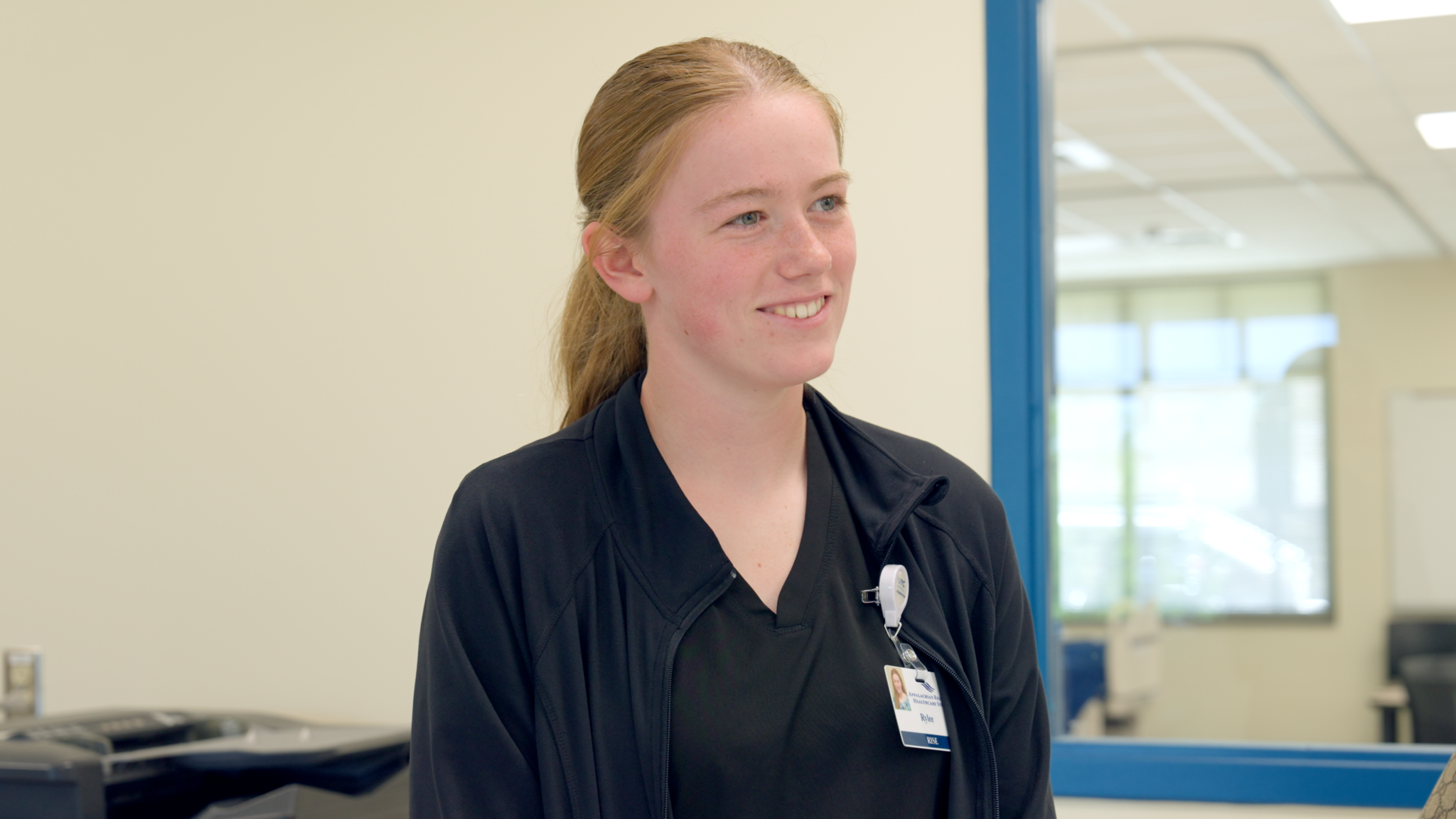
RISE students Solomon Triplett and Rylee Mitchell shared reflections with state leaders “on how their experiences have shaped their career goals and how their mentors have strengthened their confidence in pursuing nursing careers,” according to a post on Instagram.
State funding will also be needed.
Poarch thinks apprenticeships need to be built in to the full-time equivalent (FTE) student funding model and Propel NC, the N.C. Community College System’s new labor-market-driven funding model.
“That’s a key piece to this,” he said.
“It’s really made a difference” for students, Poarch said. “But maybe more than that is the value-add that employers are seeing already.”
Editor’s note: The Dogwood Health Trust and the John M. Belk Endowment support the work of EdNC.