
Perspective | What my Asian and Asian American students want their teachers to know

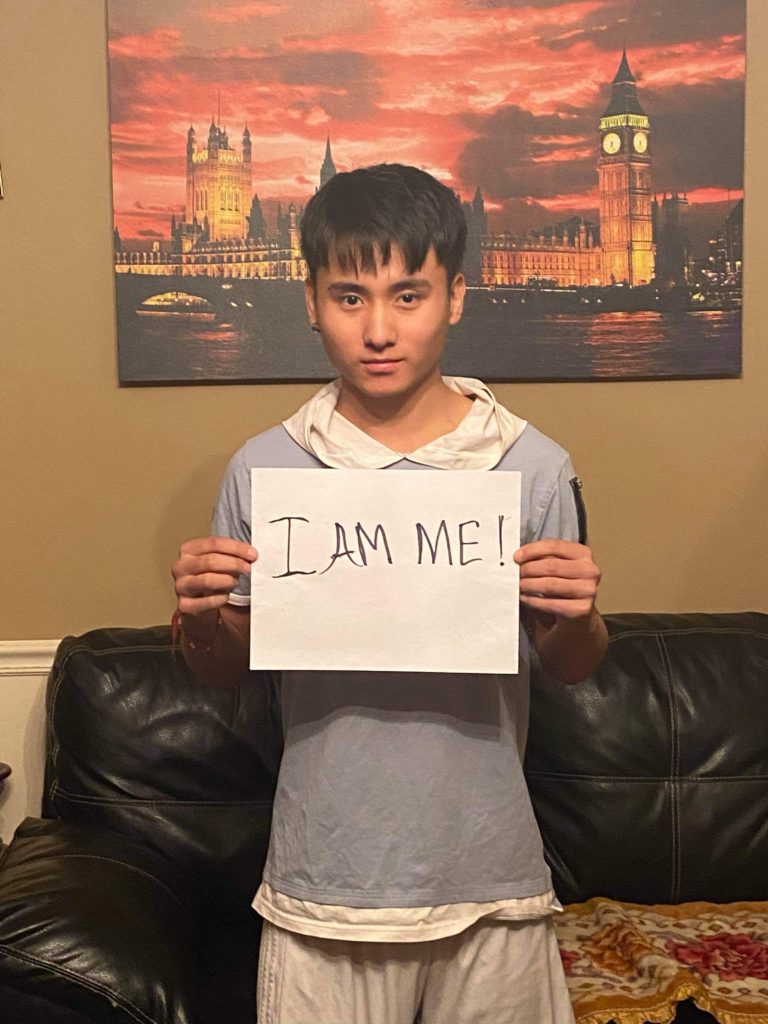
In 2018, almost 8% of North Carolina’s population was foreign-born. As hate crimes against Asians in America continue to rise, we as educators need to stop and consider the Asian students we have sitting in the desks in front of us.
I find that listening is particularly vital in the midst of difficulty, upheaval, or tragedy. This is especially important when I am seeking to hear the voices of those who have been historically marginalized. The lives, experiences, backgrounds, and situations of our students vary so greatly.
Many of my students are recent immigrants and refugees who have some experiences that differ from U.S.-born Asian Americans. So I asked my Asian and Asian American students, “What do you want your teachers to know?”
Let’s listen to their authentic responses:
- Mary T. said: “I want teachers to know that Asians are a diverse population and are not a monolith. We are not the model minority, although there are educated Asians and Asian Americans, there are groups like refugees or immigrants from countries with no prior education that left their home country for a better future. There is also a stigma against refugees for being “harmful” or “lazy” that enters the U.S. or other western countries. As an immigrant and refugee, there is also major cultural shock and the need to assimilate into American society in order to succeed. Often Asian Americans’ mental health is ignored because the model minority makes us out as hard working and obedient, although it’s a myth and used against other minorities in the country. Refugees and war victims have a lot of trauma and it affects us mentally.”
- Ramu M. said: “We have different cultural characteristics, and so we always want our teachers to familiarize themselves with the values, traditions, and customs of our various cultures. Maybe even learn a few words of our language, and by showing such interest teachers can set the tone for better communication.”
- Tee P.S. said: “People see me and they think I need special help or they have to talk to me differently. Maybe I just want to be seen like any other kid in high school. Just a normal kid living a normal life. I don’t want people to discriminate against me, but I also don’t want people to treat me like I need charity.”
- Mu Puay G. said: “We want to be treated the same as everyone.”
- Ser N.P. said: “Sometimes I cannot communicate what I already know because of the language, or I often have trouble finding the correct words to say what I mean. I become disengaged and discouraged when I cannot understand something. And sometimes I’m scared to ask questions. I need my teachers to be patient.”
- Peter B.G. said: “I want teachers to know that most immigrants are civic minded people who want to contribute to America’s democracy. We want to be part of finding solutions to problems. We want to help improve our communities. We are family and community oriented people. We love our families and are grateful for our teachers.”
As I consider the profound wisdom of my students, I consider how I can implement their suggestions. I cannot simply stop and listen and not choose action. I will choose to do the following:
- Educate myself further about various Asian cultures and customs.
- Listen better and get to know my students and their families more fully.
- Be intentional in my language towards and about all students.
- Explain concepts in multiple ways, and allow students to express themselves in various ways.
- Check on my students’ mental health and provide resources when needed.
- More often express the fact that our class is richer because of the diversity of experiences and cultures present within our classroom.
Thank you to the students who were honest and vulnerable, and who continually have hope that their words may impact change.