
NC Attorney General Jeff Jackson’s case against Meta for alleged harms to child users is going to trial


The North Carolina Department of Justice (NCDOJ) announced that its case against Meta is now set to go to trial on Aug. 18, according to a press release. The case began in 2023 when then-Attorney General Josh Stein joined a bipartisan coalition of 41 other state attorney generals taking legal action against the tech company for deceiving the public. The current NC Attorney General Jeff Jackson has taken up the fight, continuing with the lawsuit from 2023.
The attorney general coalition claims that Meta designed its platforms, including Facebook and Instagram, to be addictive and that the company deliberately deceived its users about its addictive properties, which they argue were designed to target young users. They also claim that Meta misled the public about the dangers the design of its sites presents to children, and they assert that the company’s collecting of data from children 13 years of age and younger violated privacy law.
Meta sought summary judgement over the case, claiming that the states had no evidence that their executives ever misled the public or made false claims about the sites, in part because they claimed social media addiction does not exist. However, U.S. District Court Judge Yvonne Gonzalez Rogers denied Meta’s motion on June 29, ruling that the states “presented enough evidence to go to trial,” according to the NCDOJ.
“Meta designed their social media platforms to be addictive and misled the public about them being safe for kids. Then, they asked the court to let them off the hook,” said Attorney General Jeff Jackson. “The judge said no. We’ll see Meta in court.”
In her order, Judge Gonzalez Rogers said that the attorney general plaintiffs presented evidence that:
- “Meta employees have authored internal documents indicating that the platforms are addictive.”
- “[A]t least some employees believed the platforms cultivated compulsive use to maximize engagement.”
- Executives were included in conversations about the platforms’ potential to “induce compulsive use by teens.”
 Sign up for the EdWeekly, a Friday roundup of the most important education news of the week.
Social media and youth mental health
In 2023, the former U.S. Surgeon General Vivek Murthy described youth mental health issues as “the defining public health crisis of our time,” underlining the impact that social media can have on their mental health.
Research from the U.S. Department of Health and Human Services has found that 95% of young people, ages 13-17, use some sort of social media in some way, while 67% of youth respondents reported using social media “almost constantly.”
The risk that young people face of experiencing mental health problems has been found to double if they spend more than three hours a day on social media, which is less than the average 3.5 daily hours that surveyed teenagers said they are using these platforms for. Furthermore, 46% said that social media makes them feel worse about their body image.
Read more about EdNC’s coverage of youth mental health

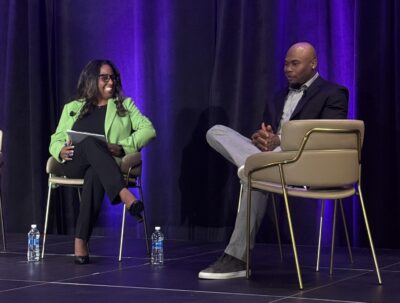

When Stein initiated this case against Meta, he cited the serious negative effect social media can have on children.
“Too many kids spend hours every day on Instagram, and Meta isn’t keeping them safe,” said Stein. “A whole generation of young people struggle with their health and safety because companies are trying to make an extra dollar. I am bringing this action to demand that Meta do better and not exploit our children.”
Jackson says he is working to secure “stronger online protections for children.” This case is an extension of that effort, as he attempts to hold the tech company accountable for their alleged deliberate harm to America’s youth.