
McDowell Tech connects students with careers and their community this school year

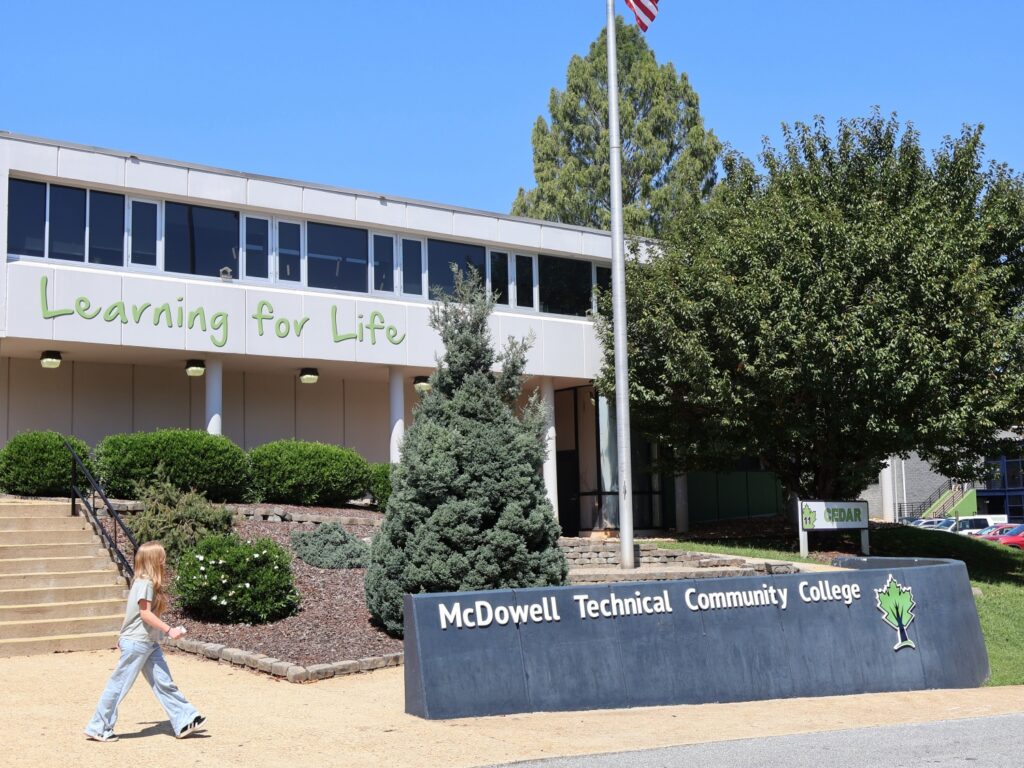
Mariah Thien started her journey at McDowell Technical Community College as a student in the college’s cosmetology program 10 years ago. After that, she explored photography before finding the college’s graphic design and computer integrated machining programs.
Thien said she made slow but steady steps toward her future career. In 2022, she completed a certificate in advertising and graphic design.
This year, she feels like she’s running.
“I feel like I’ve actually taken off this year,” she said.
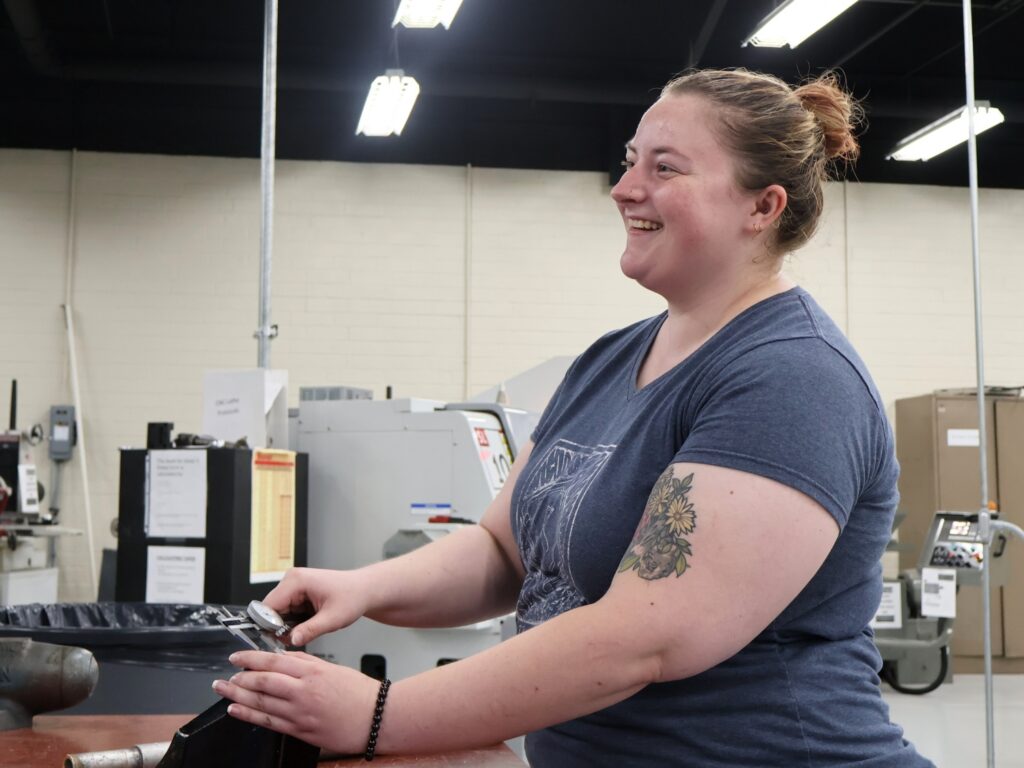
Thien is one of McDowell Tech’s Boost students, a new wraparound student support program the college is rolling out this year alongside six other North Carolina community colleges. In total, 15 colleges across the state are now implementing Boost.
Through the program, Thien said she’s received career coaching and made connections with other students that have helped her make progress toward completing her program.
As the fall semester gets underway, Boost is just one of a handful of programs at the college designed to help students like Thien take off.
 Sign up for Awake58, our newsletter on all things community college.
McDowell Tech prepares to launch the M3 Machining Program through Good Jobs WNC
This fall, McDowell Tech will begin implementing Good Jobs WNC.
One of 11 community colleges in the coalition, Good Jobs WNC is a locally led, collaborative effort uniting community colleges, employers, philanthropies, and the national nonprofit America Achieves around a shared vision that every western North Carolina resident can have a pathway to a good job. Through Good Jobs WNC, participating community colleges are receiving private and philanthropic capital to scale high-quality, employer-aligned training programs connecting people to good jobs.
McDowell Tech’s Good Jobs WNC work plans to focus on the manufacturing industry. The “M3 Initiative” will connect students with local entry-level manufacturing jobs through the college’s partnerships with three employers: Baxter Healthcare, Smurfit Westrock, and Columbia Forest Products.
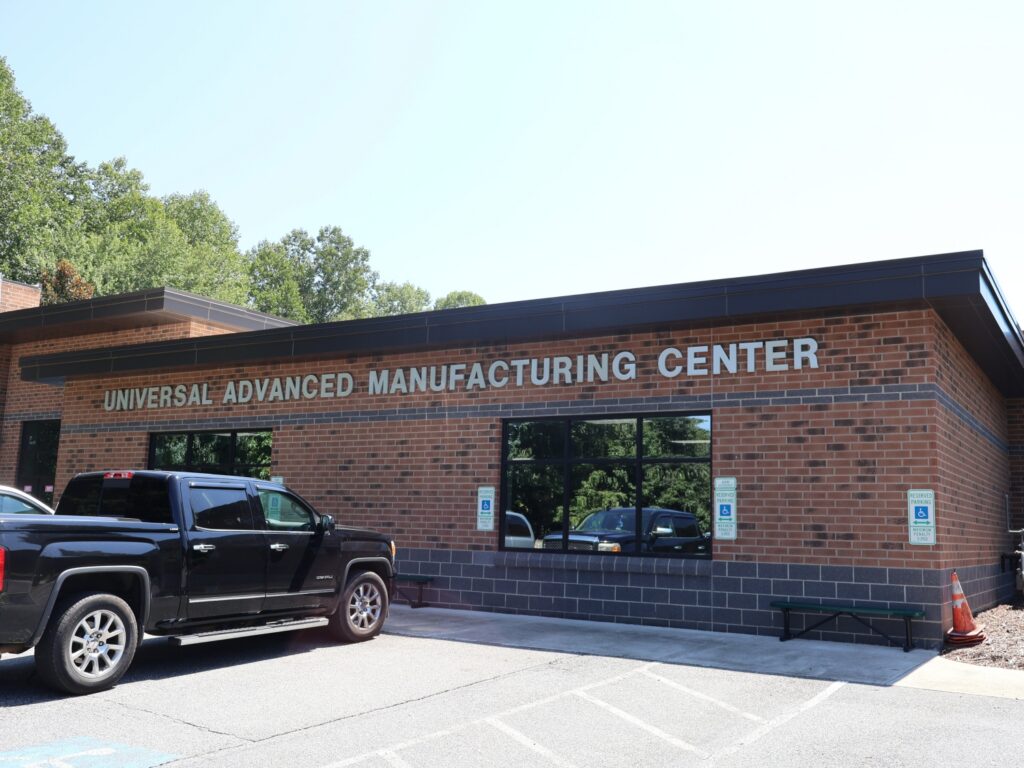
Stacy Buff, vice president of workforce development, said that the program is designed to help the industry partners find and hire entry-level employees, whether that be a recent high school graduate or an adult learner looking for a new career.
Participants will earn stackable credentials and build professional skills at the community college while connecting with the employer partners. Eventually, students will complete coursework to become certified production technicians. At that point, Buff said the college’s partner companies can further invest in students’ skills by sending them through the college’s degree or diploma programs.
“One of the things in our strategic plan that’s new this year is impact. And we feel like that impact has to do with jobs,” said Buff. “We want to see people getting careers.”
A redesigned career center to serve more students
McDowell Tech leaders said they have redesigned the college’s career center to further support impact on jobs.
The redesigned career center will house a career navigator who will focus on supporting students and employers participating in the M3 program.
The college also plans to move their human resource development (HRD) program, which offers short-term employability skills trainings to unemployed and underemployed adults, into the career center.
Buff said the career center will not just on helping people get jobs through the college’s industry partnerships, but also work directly with industry to go into businesses and teach employability skills.
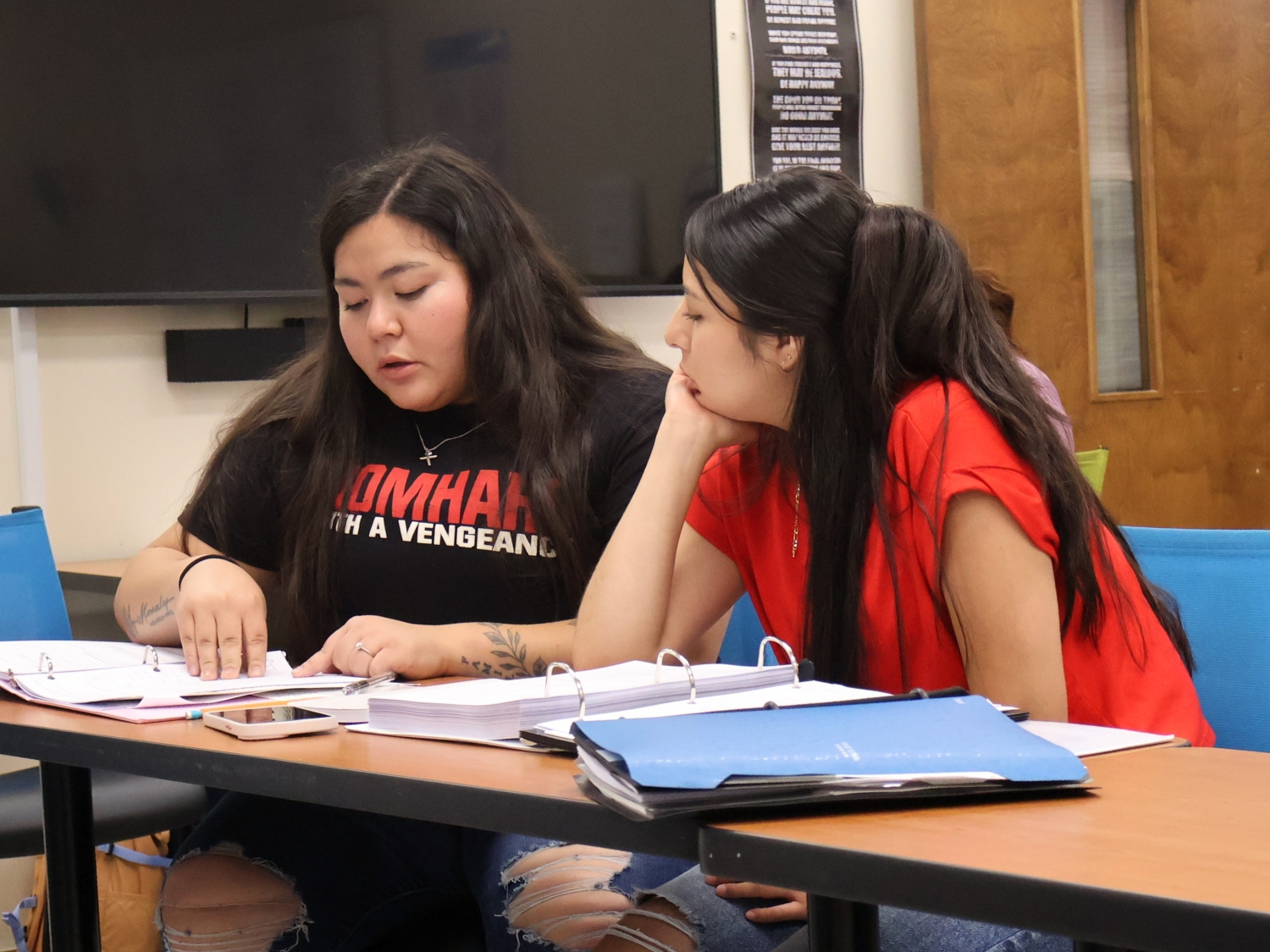
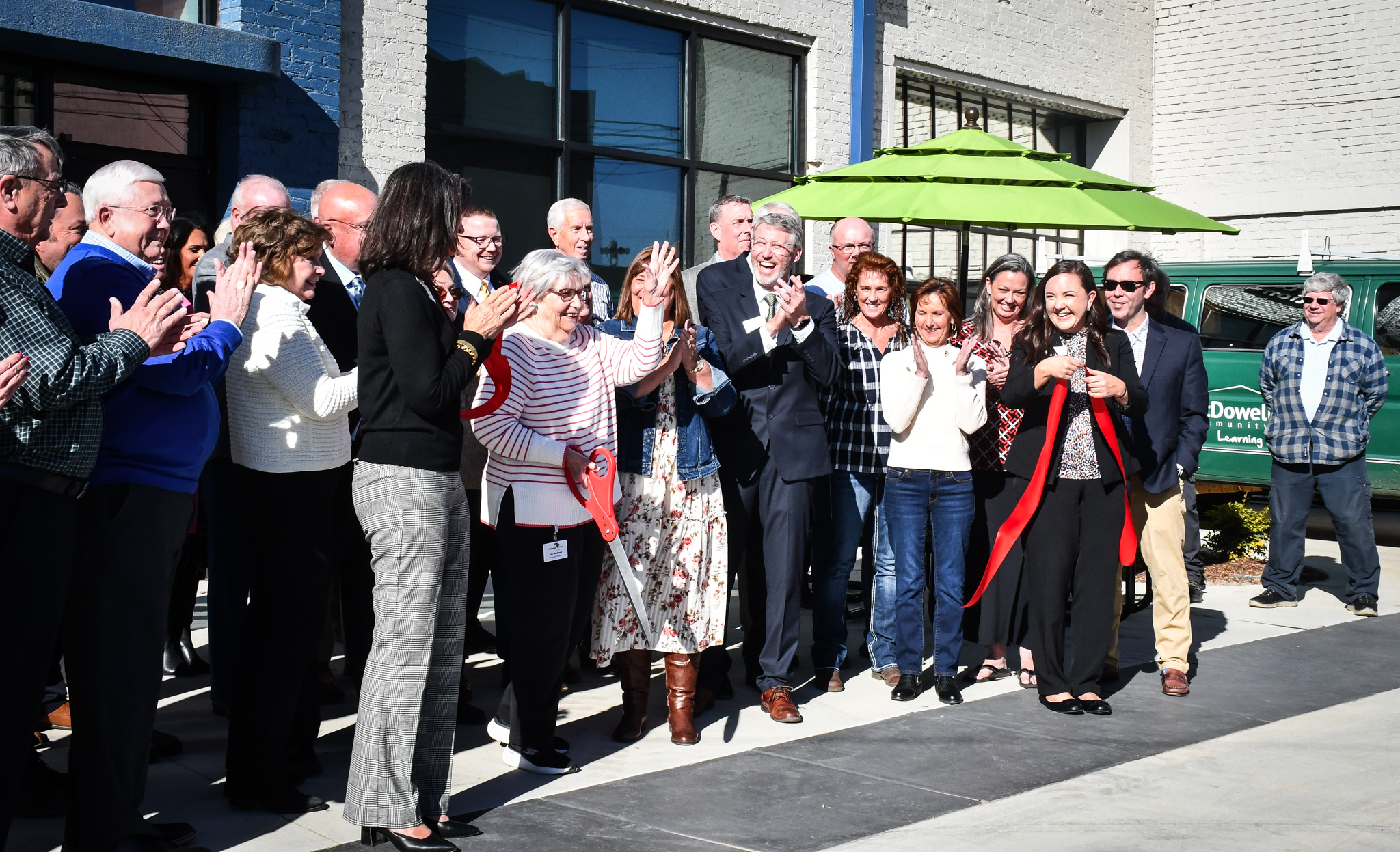
The ultimate goal of the redesign, which will fully launch on Jan. 1., is for every student who is nearing the completion of their courses to visit the career center before leaving the college, according to Dr. J.W. Kelley, president of McDowell Tech.
Kelley added that the work is also part of the college’s effort to blur the lines between curriculum and workforce continuing education programs.
“We meet the student need, regardless of the department,” he said.
Nursing program expansions bring opportunity to the community
The college is also preparing for the impacts of recent changes including new federal Workforce Pell Grants and the $93 million in recurring state funding for the new community college funding model, Propel NC.
One area the college has adjusted in anticipation of these policy changes is the college’s nursing programs.
Last year, the college launched a standalone evening and weekend program for students in the college’s Licensed Practical Nurse (LPN) to Associate Degree in Nursing (ADN) program.
“What that does is it gives students who are already working in the field, working during the day, the opportunity to come back to school and level up from an LPN to RN,” said Sarah Jornigan, McDowell Tech’s dean of health and human services. “They no longer have to transition into a class or cohort that’s already in progress.”
As its own program, separate from other nursing courses, Jornigan said the LPN-to-ADN transition program has been a success. The first cohort of eight students completed the program, passed their NCLEX exams, and are now working as registered nurses. Jornigan said the college hopes to add another cohort to the program in the next year.
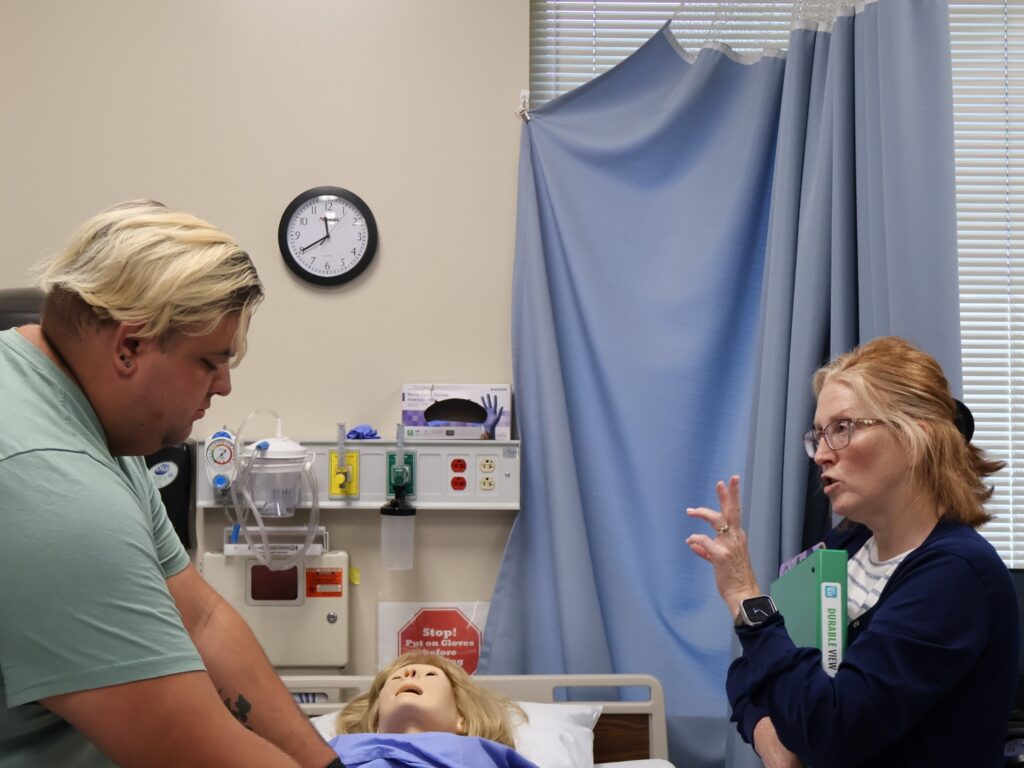
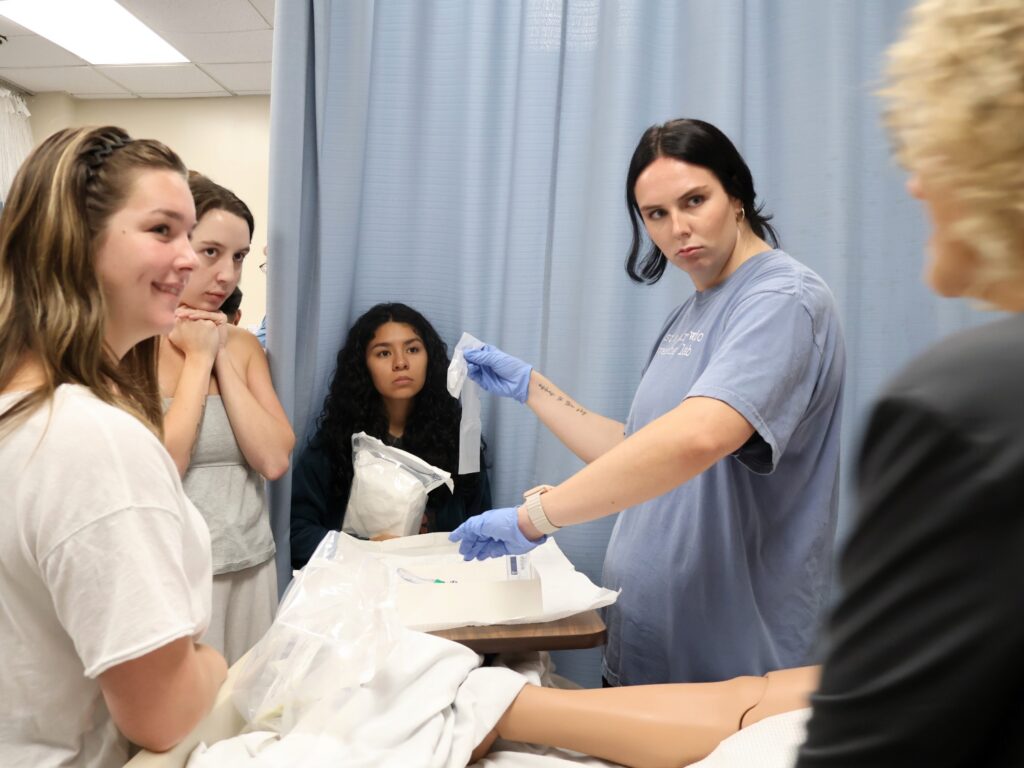
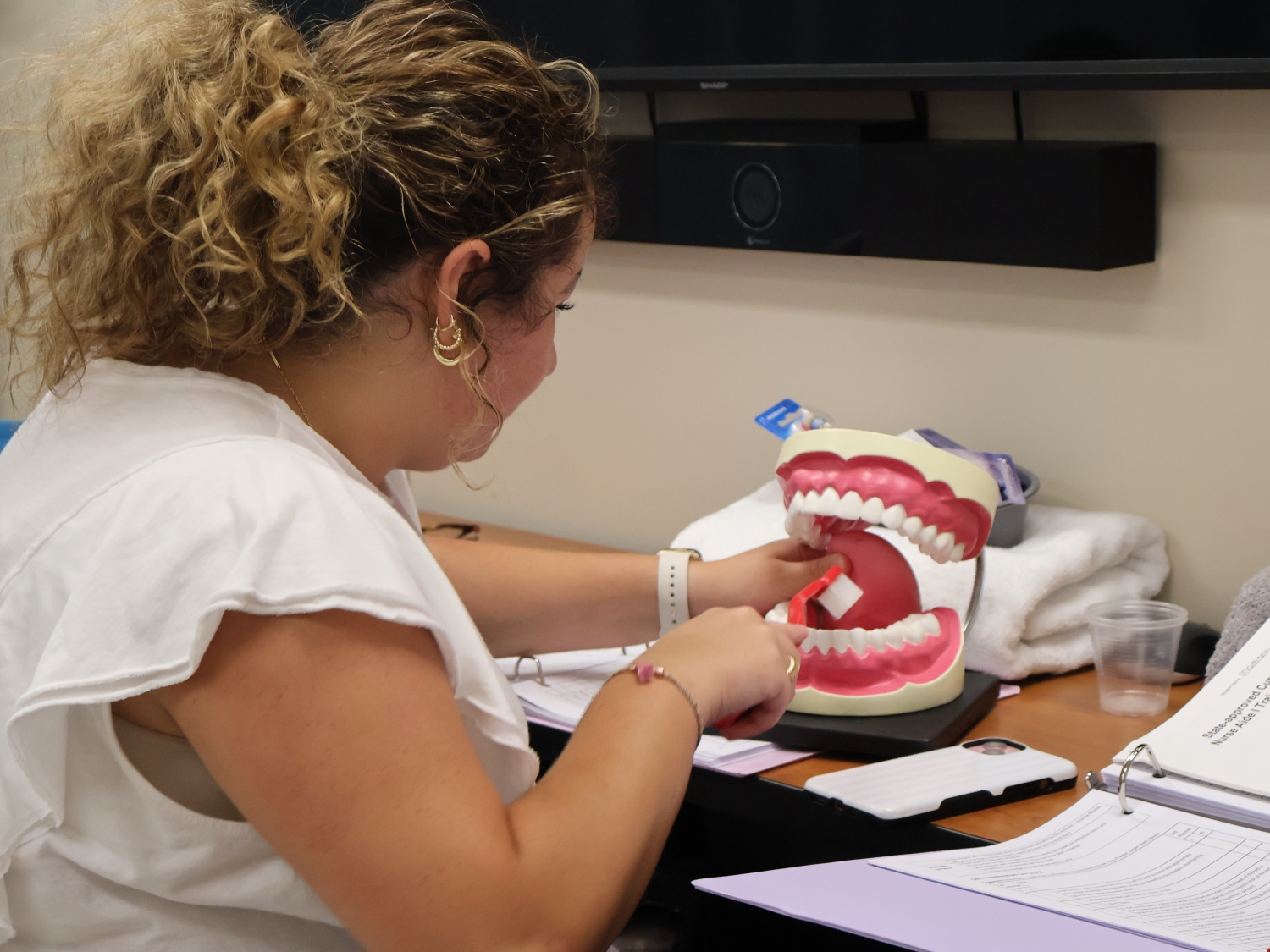
McDowell Tech has also expanded their nurse aide program into the college’s workforce development center located in Old Fort after making renovations with support from the Golden LEAF Foundation. Through that expansion, Jornigan said, the college was able to add continuing education nurse aide classes to the program’s existing curriculum courses.
“It’s really given a lot of opportunity to people in our community, and really put more people in healthcare,” Jornigan said.
Kelley added that, with the expansion into Old Fort, the college hopes that the nurse aide program will be approved as eligible for Workforce Pell Grants by January 2027.
Workforce Pell expands programs eligible for Pell Grants to include certain short-term workforce training programs that meet rigorous standards, including strong completion and job placement rates. If approved, the nurse aide program would be McDowell Tech’s first Workforce Pell Grant-eligible program.
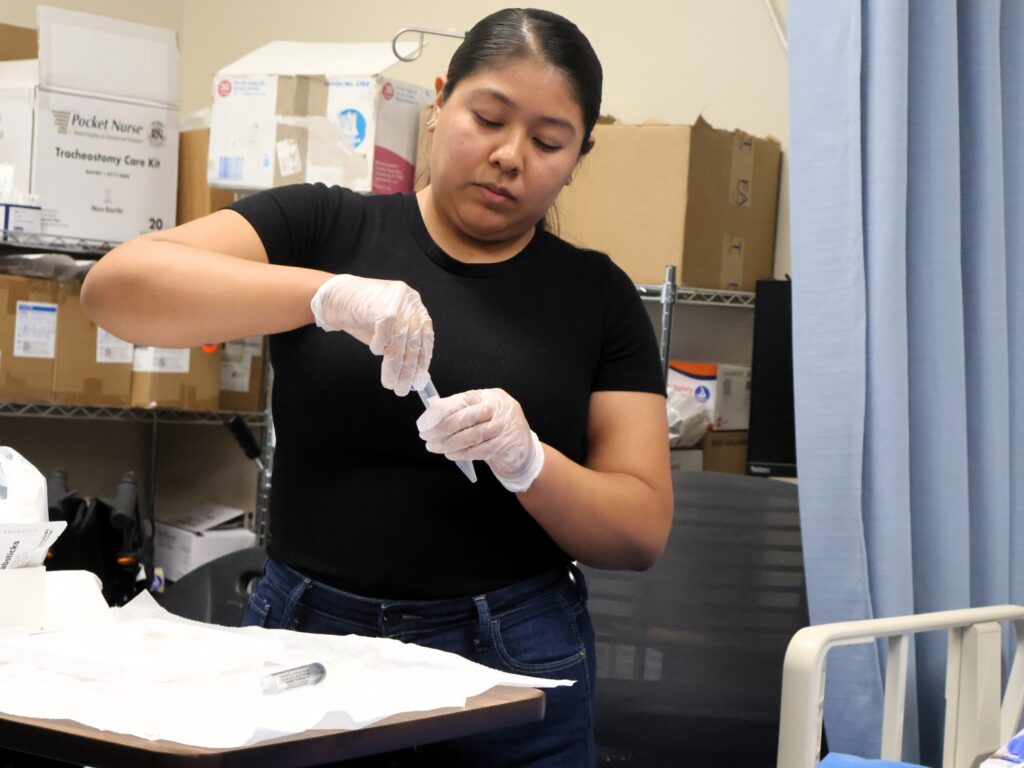
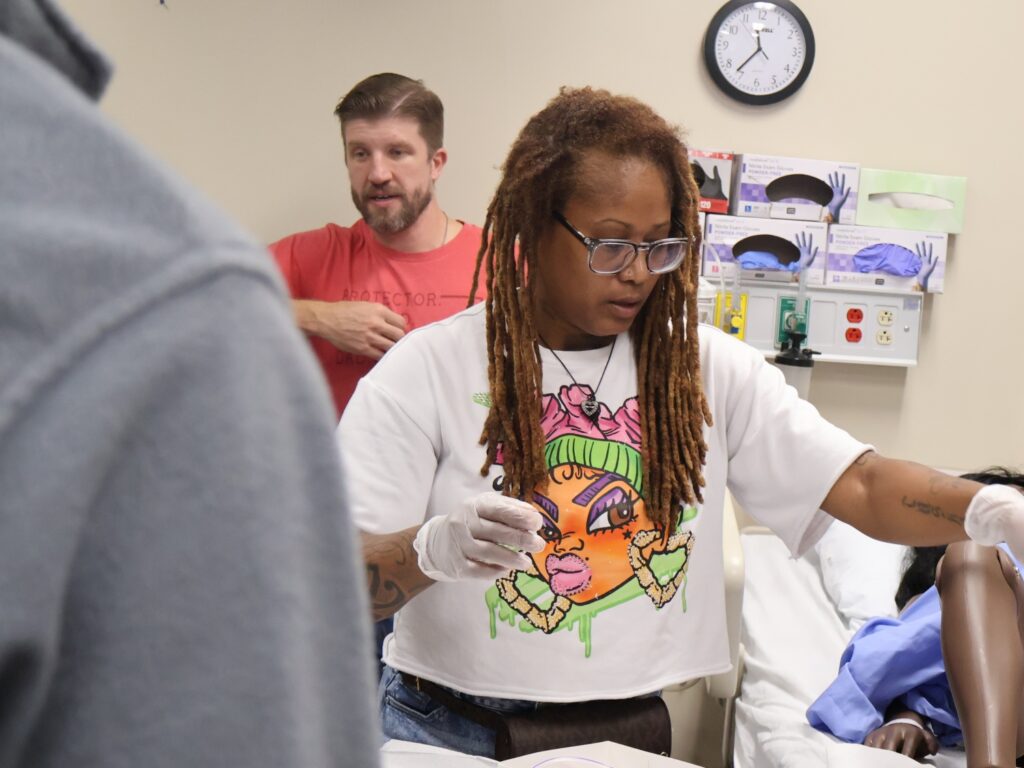
Kelley said the expansion of the college’s nursing programs is an example of how the Propel NC funding model has encouraged the college to invest in programs that will benefit students.
Propel NC is a complete overhaul of the system’s funding model that prioritizes funding for high-wage, high-demand sectors.
“Without Propel NC, without Workforce Pell, you had to make a fiscal decision about how you’re going to deliver courses,” said Kelley. “But now, we don’t have to worry about that. It’s more of: ‘Okay, what’s best for students?'”
The people who make education personal
At the heart of the work happening at McDowell Tech this fall is a commitment to making education feel personal rather than transactional.
“We take that very serious here, and that’s part of our culture,” said Kelley.
McDowell Tech, like many other community colleges in the state, has seen record enrollment growth in recent years. According to Dr. Valerie Dobson, vice president of academics and student services, the college’s enrollment has grown about 56% since 2021.
Dobson and her colleagues agreed that the college’s commitment to its people, whether students, faculty, or staff, is a driver of that growth.
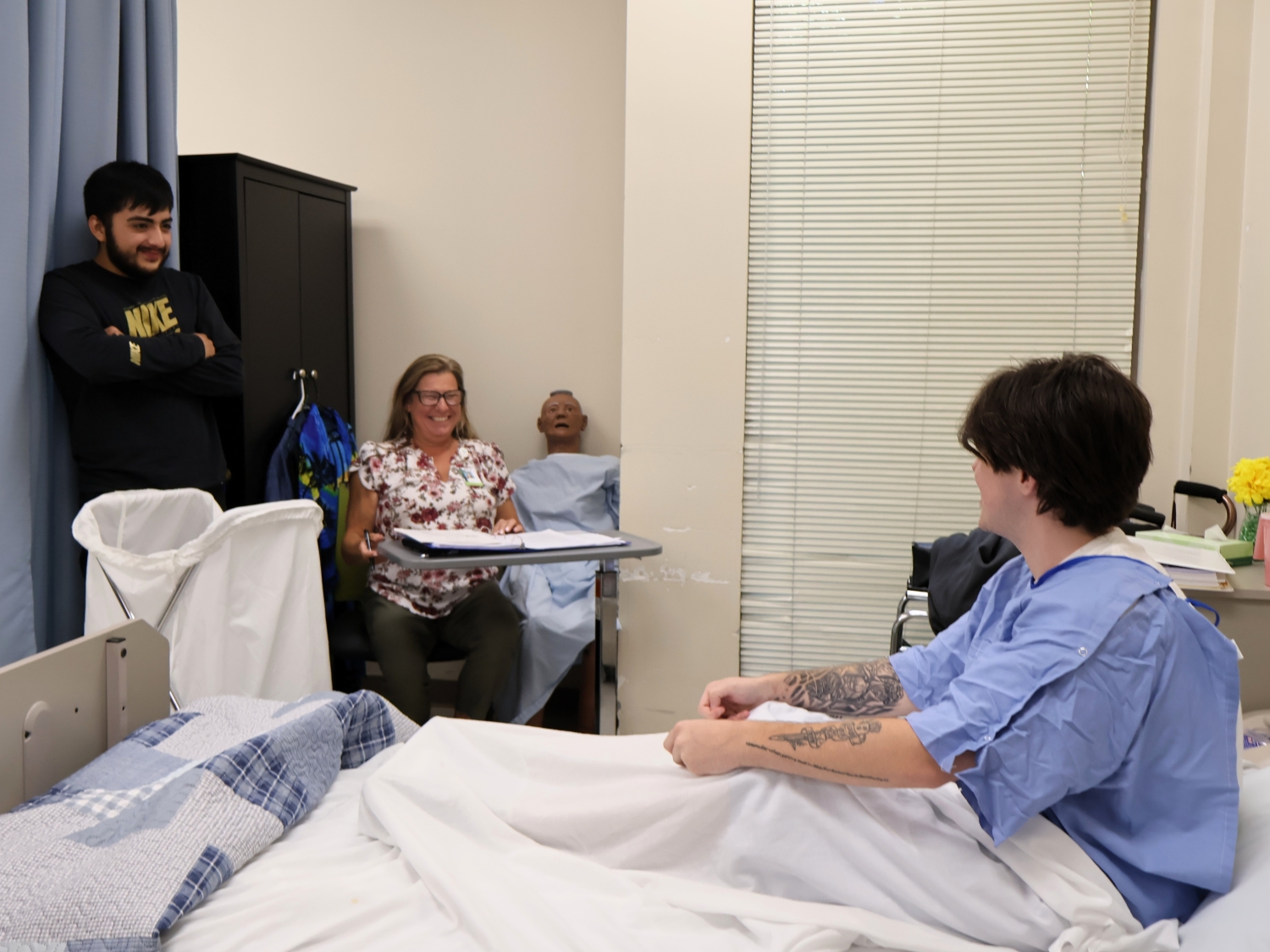
Even before enrolling in Boost, Thien said the people she’s met while being a student at McDowell Tech have helped her discover more about herself and the kind of career she’d like to have.
Thien ended up finding her fit in the college’s machining program after walking by the machine shop and asking a faculty member for help on a personal project she had been working on. The faculty member was happy to help, and, after completing the project together, encouraged Thien to look into signing up for a class.
These kinds of organic, personable interactions are what make McDowell Tech’s culture of student success possible, college leadership told EdNC.
“The Propel and the Boost and all of these different initiatives allow that organic ‘something’ to happen,” said Dr. Brandon Hensley, the college’s dean of career and technical education. “It doesn’t feel manufactured. It doesn’t feel like we’re staffing a table at an event trying to recruit students. We’re just fostering what is happening, and that is a good feeling for us going forward.”