What’s for school breakfast? In Craven County, it’s local

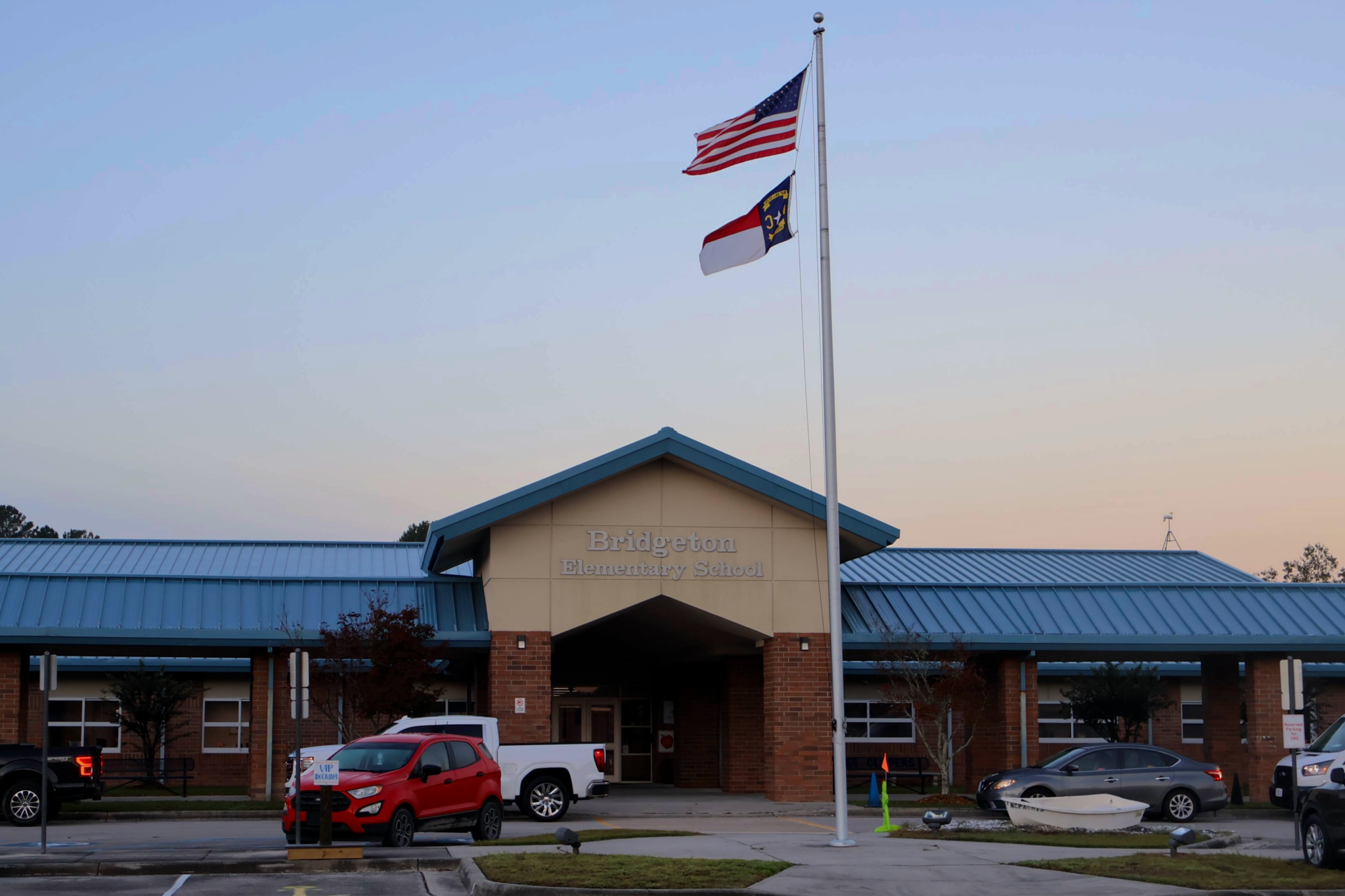
On a cool Tuesday morning in early October, students lingered in the hallways of Bridgeton Elementary School, waiting for the cafeteria doors to open.
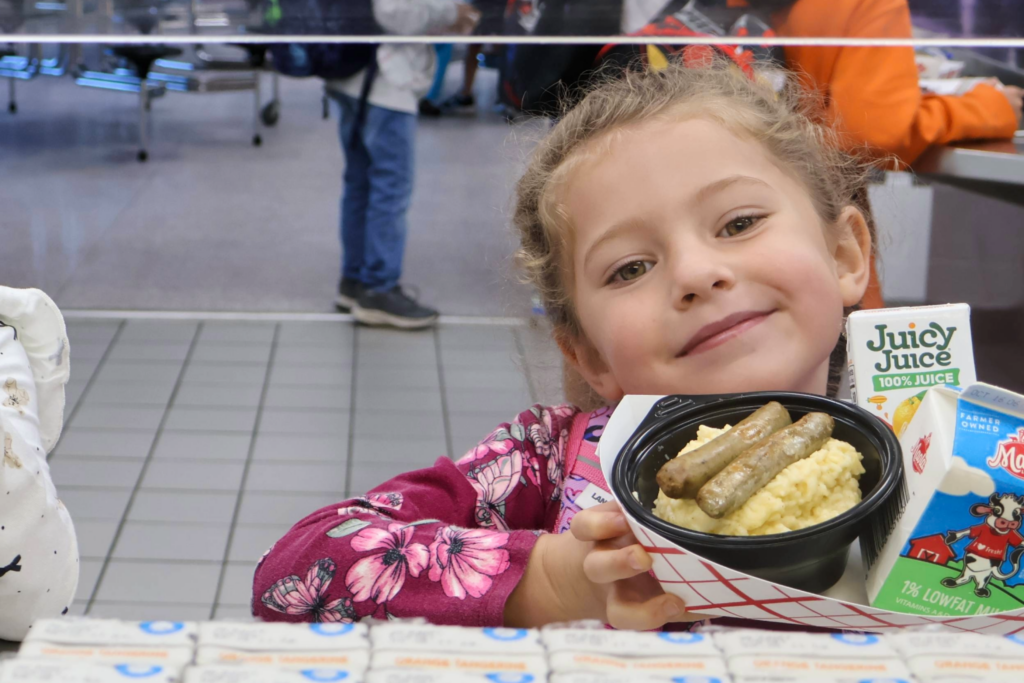
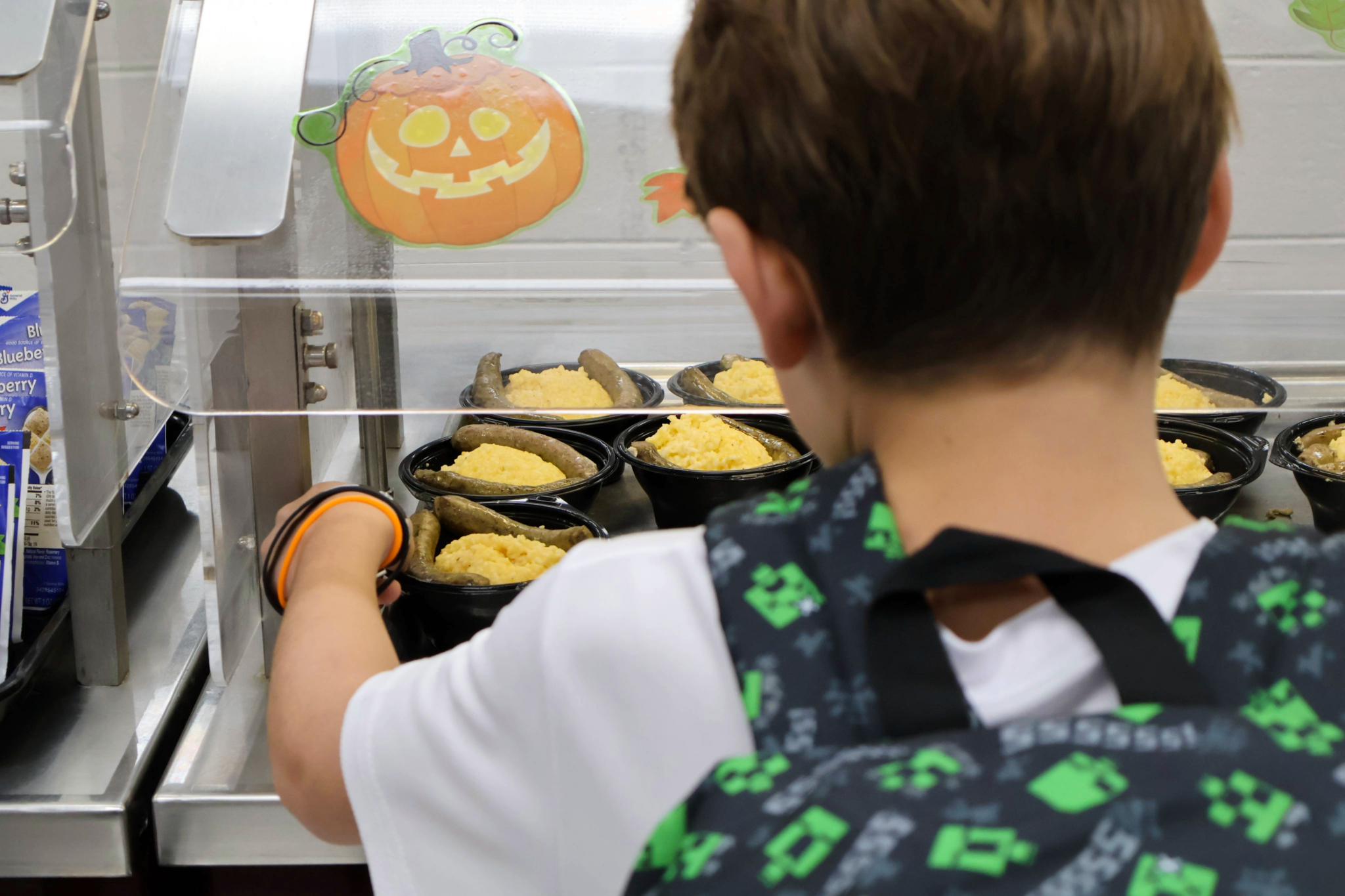
In the breakfast line, warm bowls of cheese grits and sausage links accompanied by cups of cantaloupe and berries awaited — all sourced from farms in North Carolina and purchased through the NC Farm to School Program. On a single breakfast tray, students enjoyed local products from Firsthand Foods, Tidewater Grain Co., Berry Cold Farms, and Jackson Farming Company.
Lauren Weyand, school nutrition director in Craven County Schools, aims to serve something local every day. These efforts, celebrated in October during National Farm to School Month, offer many benefits — including connecting students to nutritious, high-quality products, investing in farmers, and strengthening local economies.
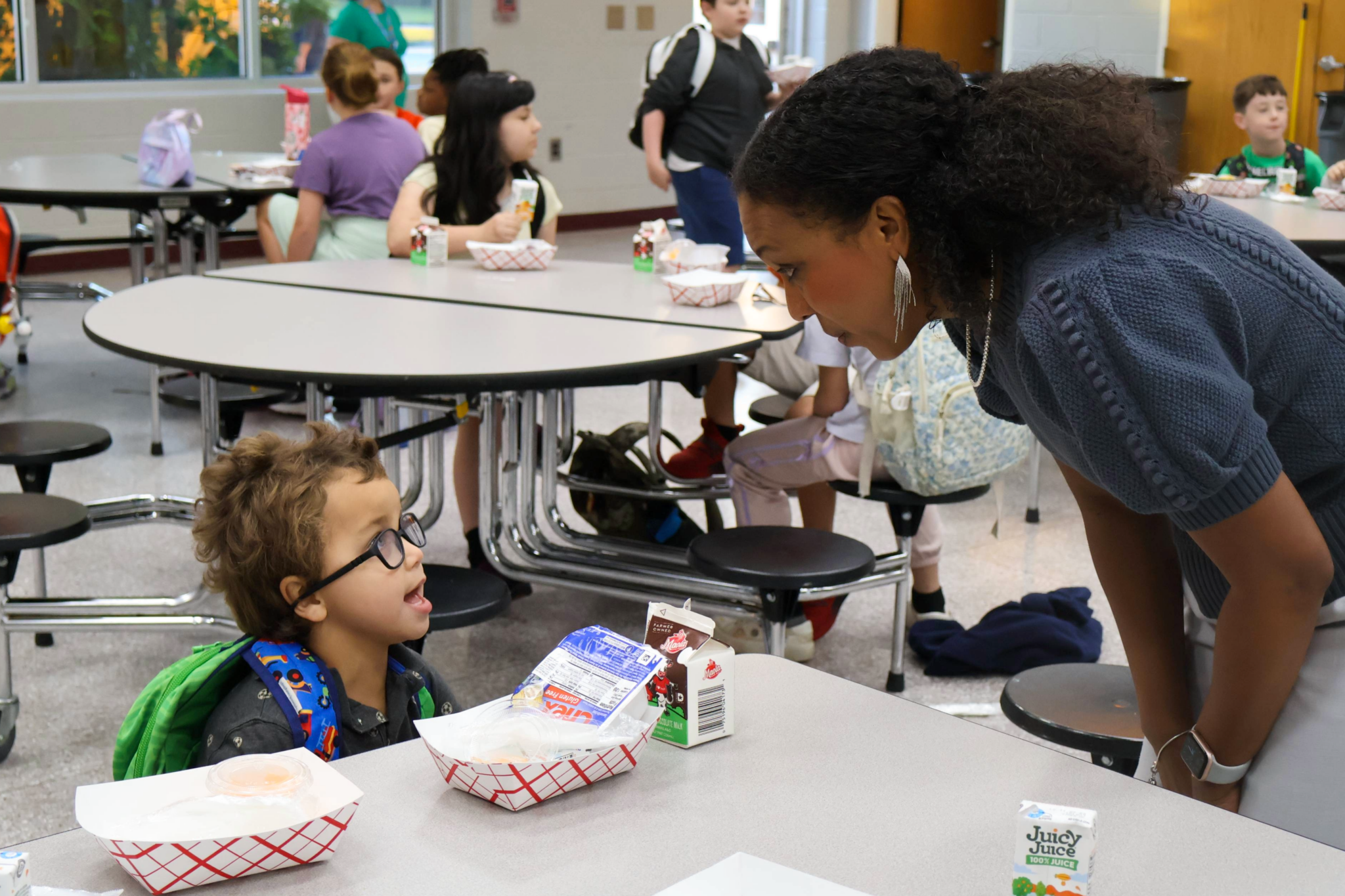
The school participates in the federal Community Eligibility Provision, meaning all students eat breakfast and lunch at no cost. With cost removed as a barrier to access, Weyand encourages schools to adopt innovative breakfast models to increase participation.
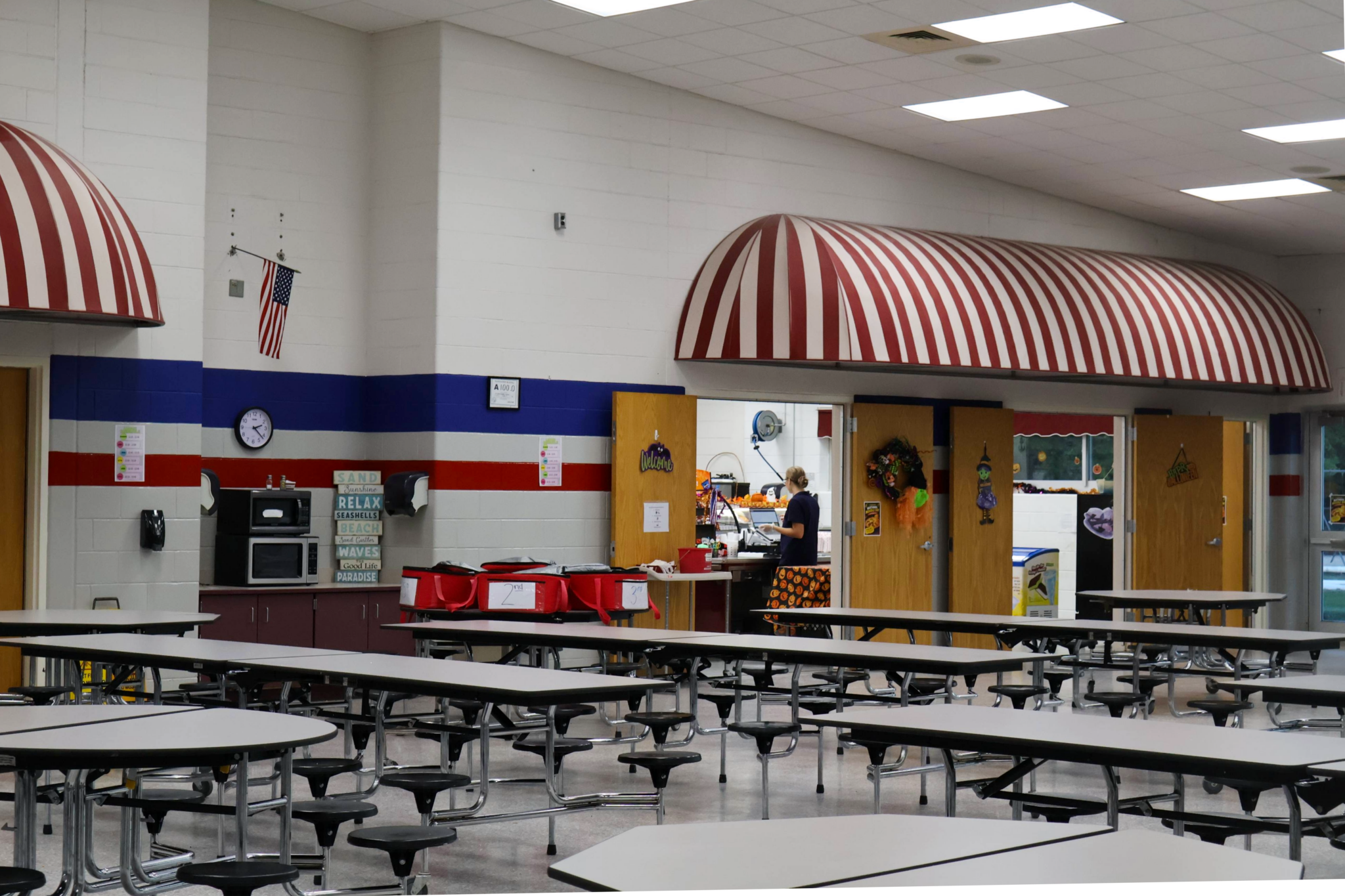
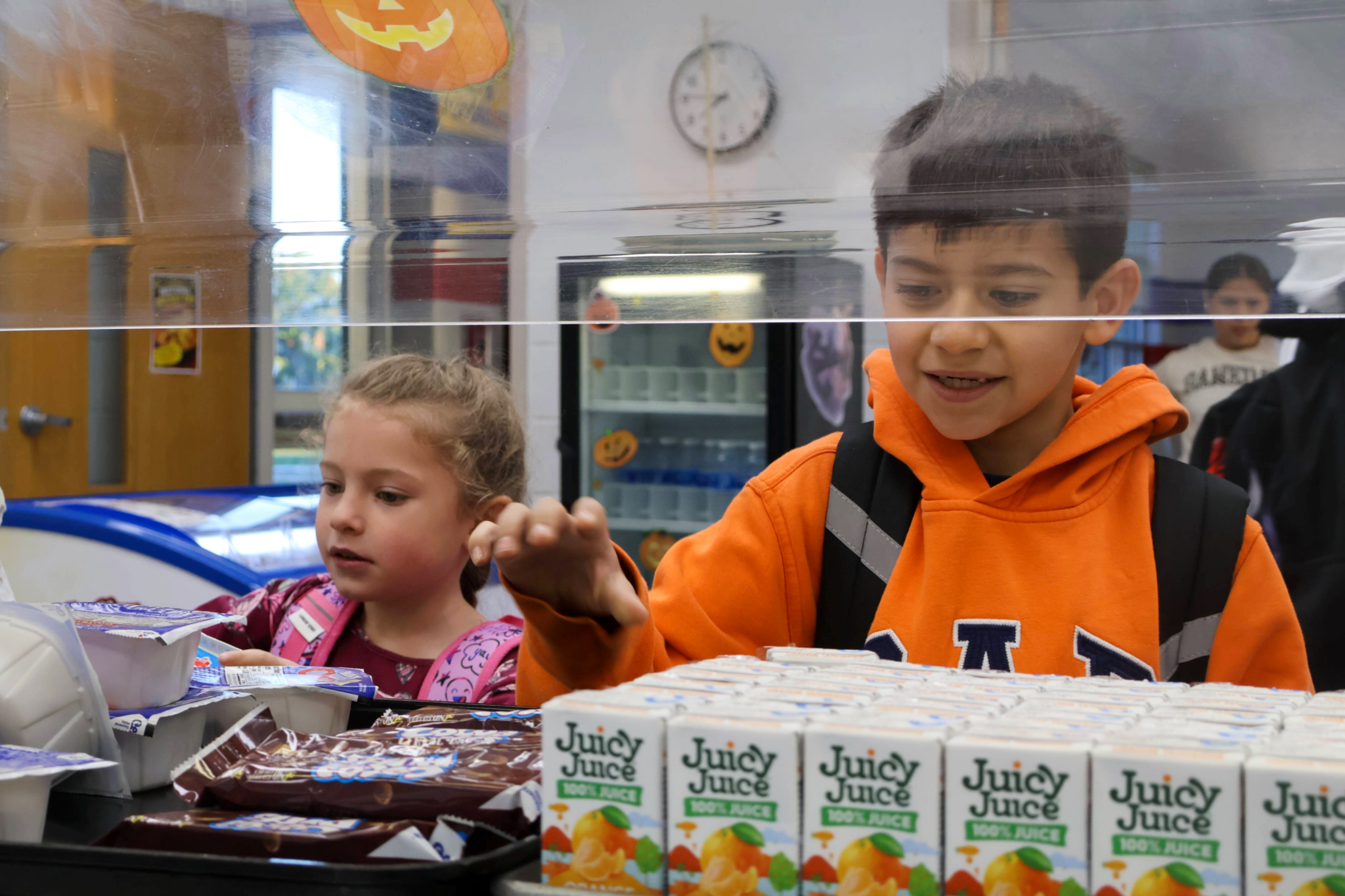
At Bridgeton, morning buses drop students off right in front of the door to the cafeteria, providing quick and direct access to the breakfast line. For students who come through the front doors of the school or who have less time to eat before the first bell, a grab-and-go kiosk welcomes them.
And if students aren’t hungry for breakfast when they arrive, they can select a shelf-stable item in the breakfast line and place it in a large storage container — one for each classroom — that they can then take a snack from later in the day.
In all, roughly 96% of students at Bridgeton participate in school breakfast, which Weyand credits to the dedication of the school nutrition team and principal to ensuring every child has access to breakfast.
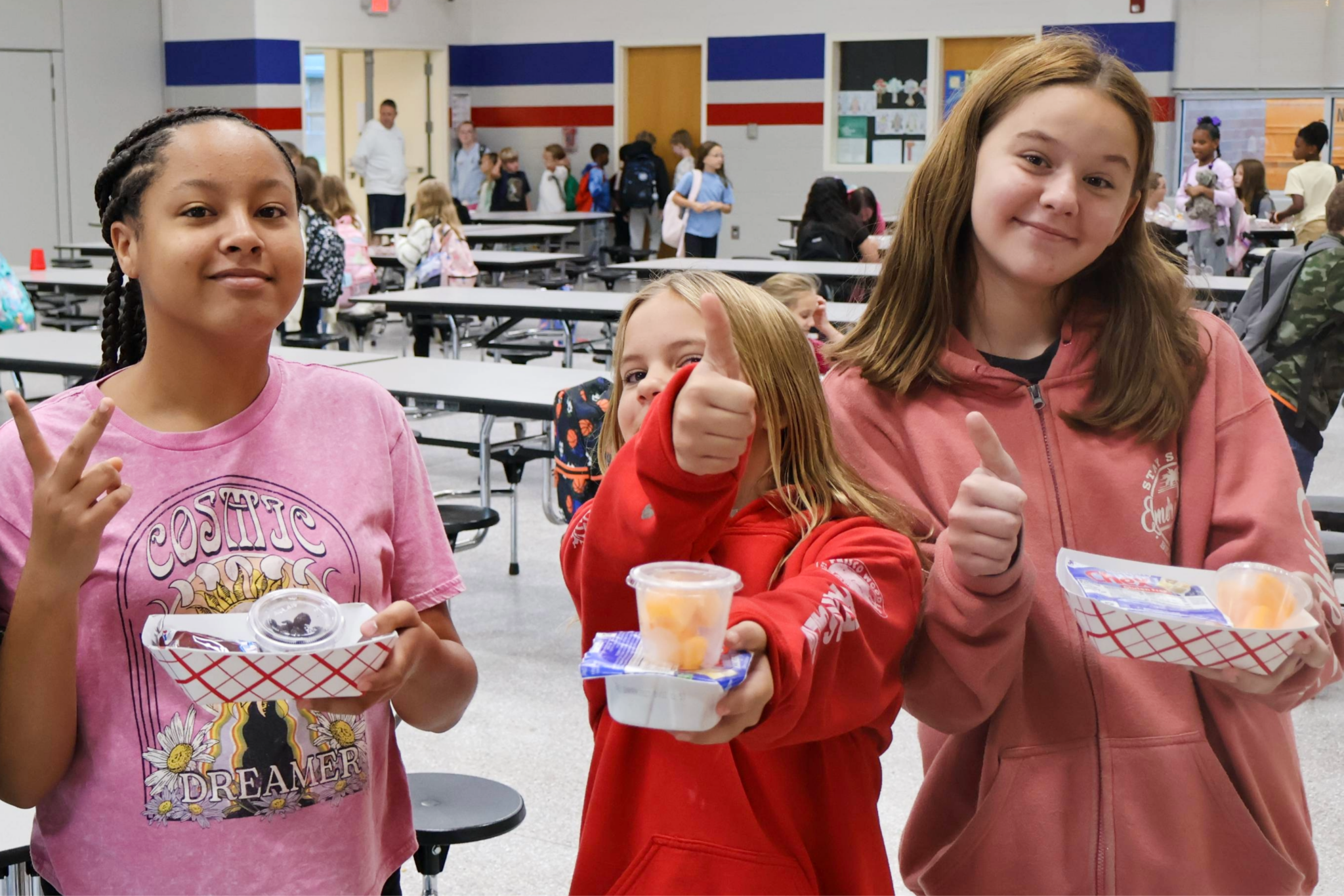
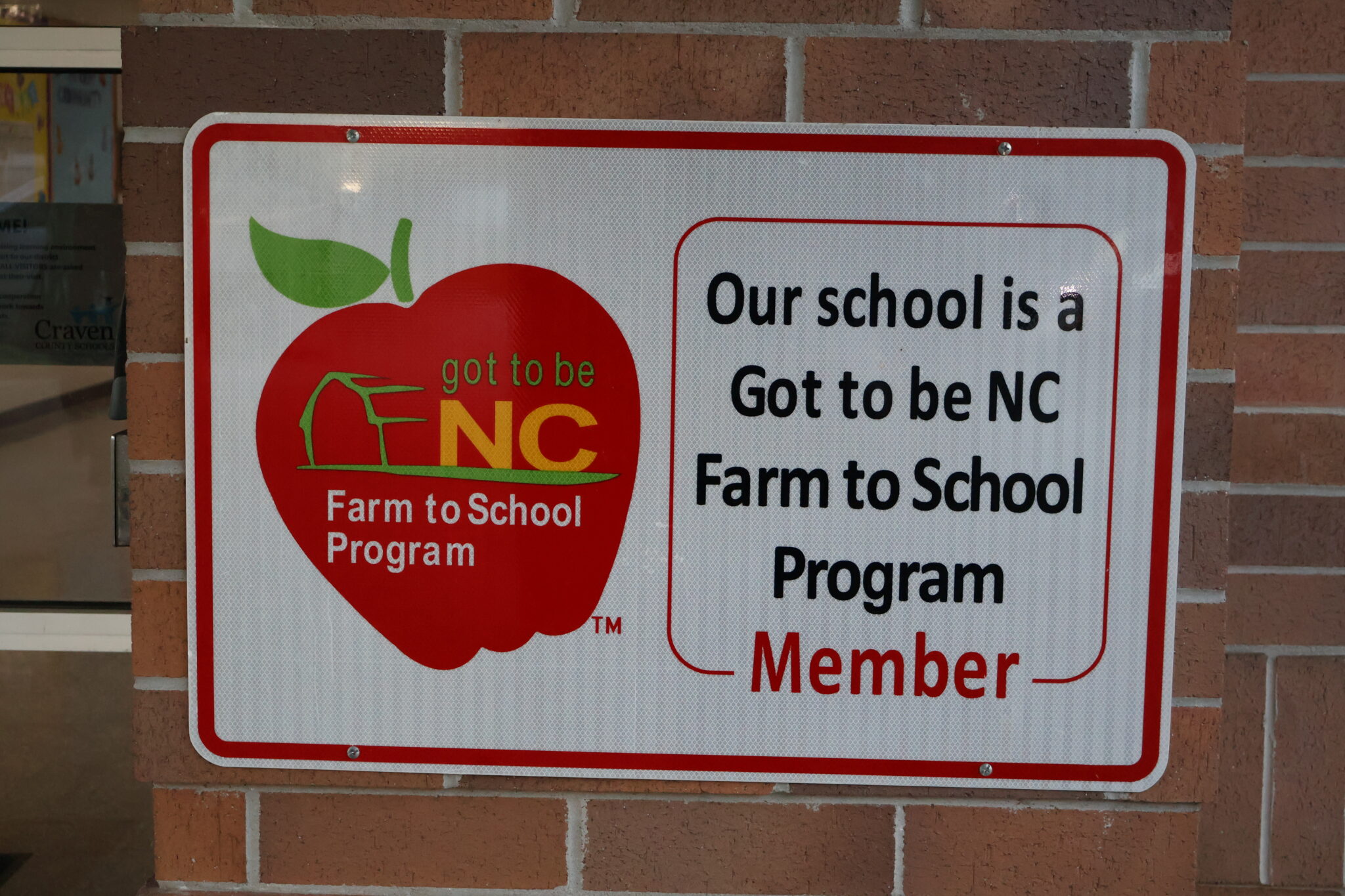
Many of the local products that Craven County Schools purchases come through the NC Farm to School Program. Operated by the North Carolina Department of Agriculture & Consumer Services, the program coordinates ordering local products, picking up items from farms, and delivering them to schools. For 22 weeks during the school year, public school districts and charter schools can purchase local products directly from the program.
Weyand, who serves on the NC Farm to School Program advisory board, said the program’s bid recently expanded to include even more items, making it easier for school nutrition programs to purchase local products compared to directly procuring those items. In particular, Weyand said, the program has expanded beyond fruits and vegetables in recent years, adding grains and protein items.
Weyand also cultivates direct relationships with local farmers outside of the NC Farm to School Program, particularly during the district’s farm to school week each April when all school meals are made with 100% local products. For example, Weyand works with a local cattle farm in New Bern to purchase cubed beef for that week, providing projections seven to eight months in advance to ensure there is enough supply.
This kind of direct purchasing takes more coordination, but it can broaden the number of farms schools can work with, particularly smaller farms that may be able to supply one school district but don’t have enough product to serve the entire state.
Weyand works intentionally to develop relationships and trust with farmers, often over the course of many conversations, to reach the point where they can commit to selling a certain quantity of product at a price that works within the school nutrition program’s tight budget.
“You’re telling me what that is going to cost me around, so then I could budget for it, and I’m telling you, ‘I would need about this much,’ so then you could grow or raise it,” Weyand said of conversations with farmers.
As a federally funded program, procurement of food for school meals is highly regulated. Weyand uses the information she gathers from conversations with local farmers to design formal bids, which farmers then have to submit responses to.
It gets easier to purchase local products directly as relationships are built over time, but when Weyand decides to add a new local product to the menu, the process starts over again.
Weyand recalled a recent example, when she wanted to add local blackened fish tacos to the school lunch menu. She reached out to the owner of B and J Seafood, a seafood market in New Bern, who came to their first meeting prepared with different cuts of fish.
A week before the fish tacos were set to be on the menu, the first shipment from B and J Seafood arrived. When Weyand’s team began to test how to season and serve the product, they noticed the fish still had bones, and panic set in.
“That’s something that I failed to write or specify to him — I didn’t tell him that it needs to not have bones in it,” Weyand recalled. “So now what do I do? I’ve already spent all this money. He’s already caught this (fish). He can’t resell that, because he’s already cut these things in these small little pieces that nobody wants.”
She called the company’s owner and explained the issue.
“He said, ‘I understand. I will go ahead and catch more, and I will take the loss,’” Weyand recalled.
That story is a reminder of all it takes to successfully bring local products into school meals — including school nutrition directors willing to build relationships with local farmers and local farmers willing to engage collaboratively and flexibly with school nutrition programs to meet their specific needs.
Purchasing local products is also often more expensive than purchasing comparable products sourced from large distributors. For Weyand, the premium to provide healthy, fresh, local products to students is well worth it.
During farm to school week in April, when all meals are made from 100% local products, Weyand said the feedback from students and parents is overwhelmingly positive. But the cost of providing each meal that week, on average, is roughly one-third more than the cost of providing a meal in a typical week.
School nutrition programs operate financially independently of school districts and primarily rely on federal reimbursements to cover all costs, including food, staff salaries and benefits, equipment, and more. In the 2026-27 school year, schools on average receive less than $5 per free school lunch and less than $3 per free school breakfast.
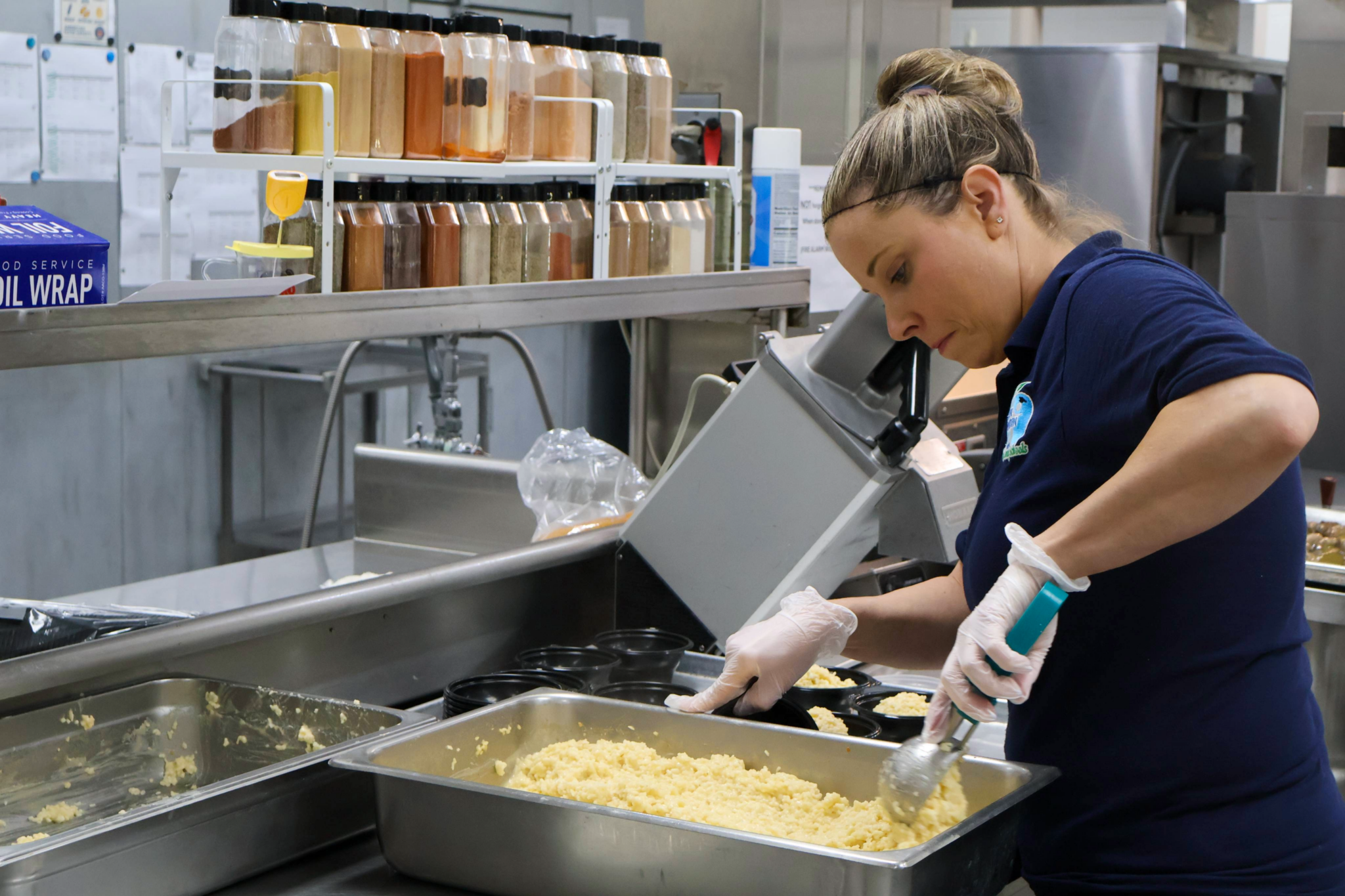
That is not enough, Weyand said, to sustain the cost of purchasing locally and preparing those local items from scratch. In the recent state budget, the General Assembly invested $2.5 million for the NC Farm to School Program to help eligible elementary schools purchase and serve local products.
That funding will ease the burden of purchasing locally, but Weyand said other investments are needed to equip schools to scratch cook with local products — including in staff, equipment, and cafeteria infrastructure. While students love the 100% local meals served during farm to school week, it is also significantly more work for the school nutrition team to prepare all meals from scratch.
Like many other school nutrition programs, Weyand faces challenges recruiting and retaining staff. But a dedicated team of nutrition professionals still shows up every day to feed students, and goes above and beyond each farm to school week to scratch cook entirely with local products.
“Food tastes better when it’s served with love,” said Weyand. “They show up and they get it done.”