
NC school cafeterias serve the same local rice found in high-end restaurants. Here’s how


Following a 120-year hiatus, Tidewater Grain Company brought rice production back to North Carolina when it planted its first crop of Carolina Gold Rice in 2018. The company, based in Pamlico County, is the largest producer of Carolina Gold Rice in the world.
Now, that rice is served everywhere from fine dining dinner plates to school lunch trays across the state.
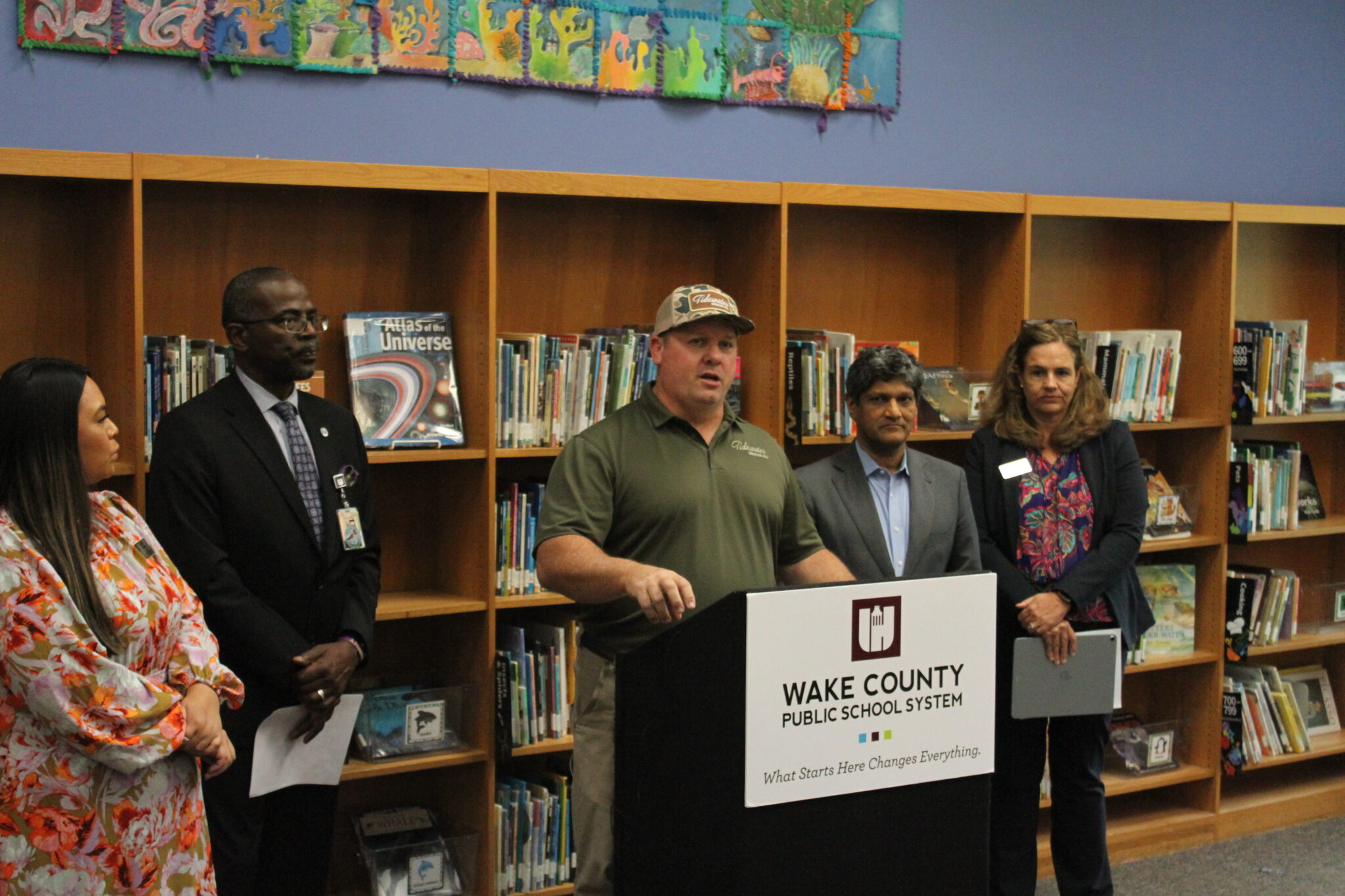
“We bristled at the thought that … all of our children in the state couldn’t have the same quality rice that our Michelin star restaurants and James Beard chefs were serving at all the best restaurants across the country,” said Tommy Wheeler, owner of Tidewater Grain Co, during a recent School Meals for All NC webinar.
Wheeler worked with the NC Farm to School Program to add Tidewater’s Carolina Gold brown rice and grits to the list of North Carolina-grown crops that public schools can purchase directly through the program.
“It is our biggest point of pride company-wide — what we do with the schools for the kids,” Wheeler said.
 Sign up for the EdDaily to start each weekday with the top education news.
North Carolina’s unique approach to farm to school
This National Farm to School Month, students across North Carolina will eat locally grown products in school meals, engage in educational activities about agriculture and nutrition, and take part in school gardening experiences.
One of the primary ways that schools across the state purchase locally grown products for school meals is through the NC Farm to School Program, founded in 1997 and operated by the North Carolina Department of Agriculture & Consumer Services.
The agency’s food distribution division coordinates the ordering of local products and the logistics of picking up items from farms and delivering them to schools, while the marketing division works with farmers to fill orders and develops promotional materials for schools to use. For 22 weeks during the school year, public school districts and charter schools can purchase local products directly from the NC Farm to School Program.
When Wheeler first pitched the department of agriculture on adding Tidewater’s products to the program, the process started as it always does: testing the product with a small subset of schools to see if school nutrition staff and students like it. The products caught on quickly.
During the 2025-26 school year, the program sold $1.8 million in local products to schools, including berries, apples, greens, sweet potatoes, frozen beef patties, brown rice, and more.
“We offer 26 different locally grown and processed items to our schools — how many other states can even say that?” said Walter Beal, director of the department of agriculture’s food distribution division. “We have a program unlike any other state in the country.”
Read more


New state dollars invest in farm to school, but barriers remain
One of the primary challenges facing school nutrition programs in North Carolina — and nationwide — is funding. The programs operate financially independently of school districts as self-sustaining enterprises that primarily rely on federal reimbursements to cover all costs, including food, staff salaries and benefits, equipment, and more.
As costs have increased faster than the federal reimbursement rate, many school nutrition programs are facing financial strain. According to materials provided to EdNC by the School Nutrition Association of North Carolina, an organization of 12,000 school nutrition workers across the state, roughly 84% of school nutrition programs were “in the red post-pandemic,” accruing a statewide total of $15 million in debt as of 2025.
That makes it challenging to find resources to purchase local products, which can be more expensive than products offered through large national wholesalers or distributors.
Now, state dollars are working to bring more local products into school cafeterias. The state budget, signed in July 2026, included $2.5 million for the NC Farm to School Program to help eligible elementary schools purchase and serve local agricultural products.
The state budget’s investment will help bolster local school food purchasing following the federal cancellation of the Local Food for Schools Cooperative Agreement. After providing North Carolina with more than $5 million for schools to purchase local food in 2022, the program was set to bring nearly $19 million in additional funding before it was canceled in March 2025.
During the School Meals for All webinar, Beal said the department of agriculture will release information on how the new state funds will be used in the coming weeks. Any elementary school that participates in the National School Lunch Program will qualify, and those who opt to participate will receive reimbursements for local purchases.
But Beal also acknowledged that not all schools can cook with fresh, local products. It is more labor intensive to do so, and some school nutrition programs do not have the equipment, staff capacity, or both to cook with fresh products.
Outside of the NC Farm to School Program, school districts also have the option to source local products directly from local farmers or distributors. Those efforts often require strong relationships between farmers and school districts, school nutrition staff capacity to navigate procurement regulations, and the ability to transport and store local products.
Wheeler said the new state funding offers an opportunity to every farm in the state — including a short-term opportunity to sell more products to schools, but also a long-term opportunity to build out new markets with school districts.
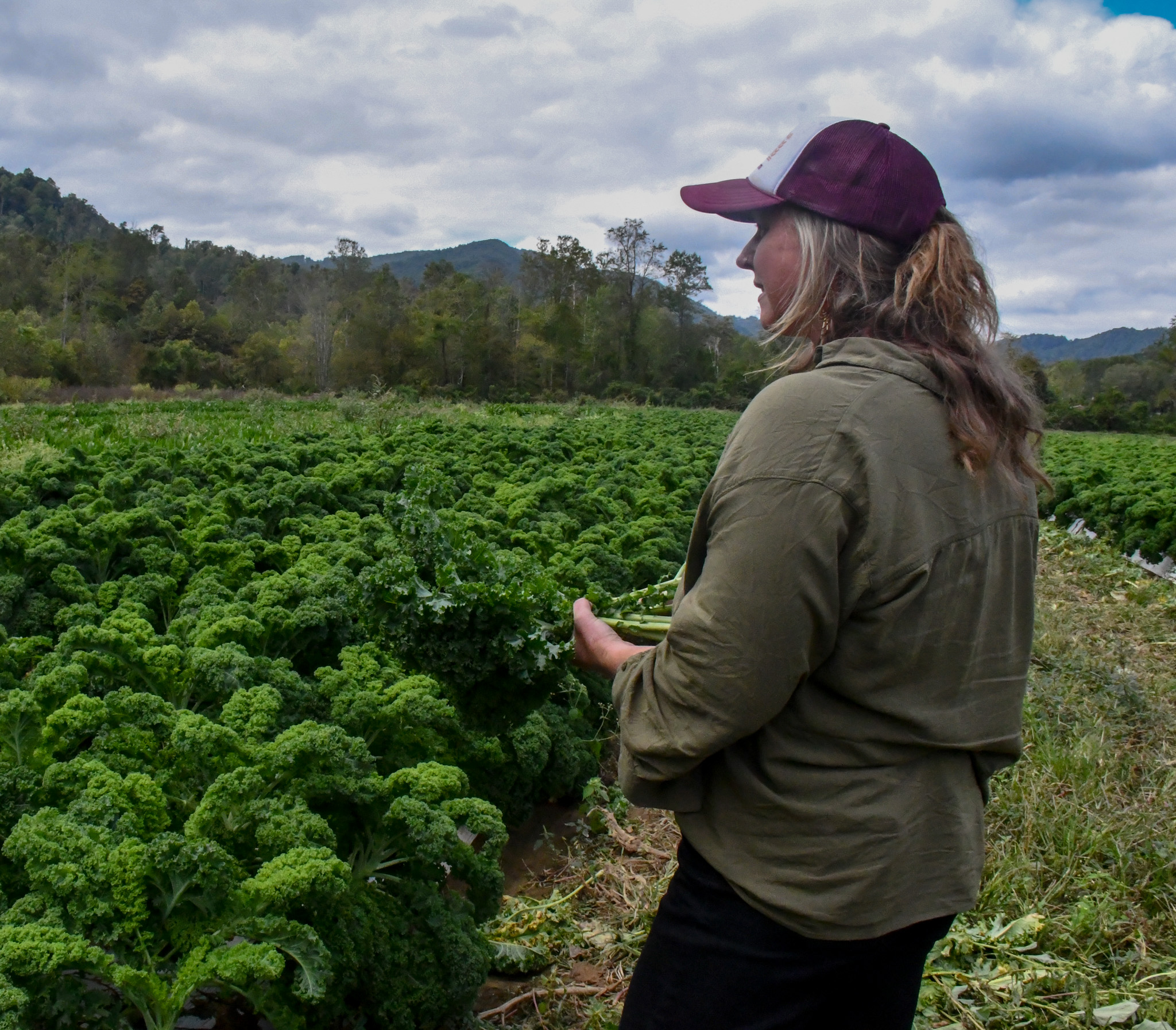
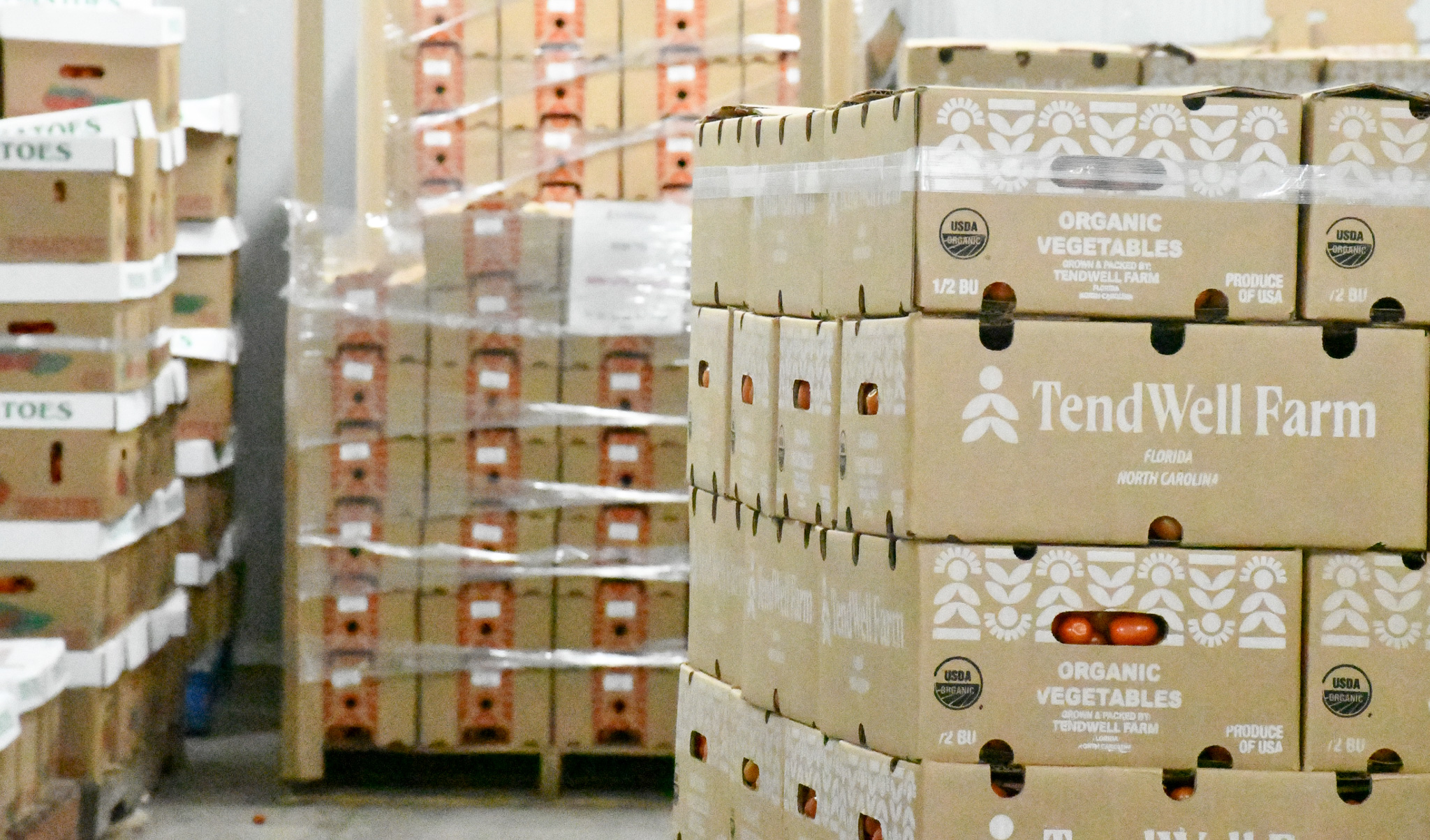
“Funding is constantly changing,” said Wheeler. “So any opportunity we get to showcase our products and put it in front of the school nutrition directors and put it in front of the students that ask for it, it now creates demand.”
Wheeler and Beal also said that multiyear funding commitments would help farmers and school nutrition programs make better use of investments, as planning for school nutrition purchases and what farmers will plant happens well in advance.
“Farmers need certainty. Schools need certainty. The farm-to-school program needs certainty,” said Gabriel Cumming, co-founder and associate director at Working Landscapes, who moderated the panel. “So this thing where funding comes, funding goes, different funding comes — it’s hard to plan around.”
Reflecting on the many benefits of farm to school
Collectively, schools have immense purchasing power, and buying local food can have significant impacts on the local economy, farmers, and the students receiving meals.
Wheeler described the NC Farm to School program as “one of the most efficient and effective rural stimulus programs we have” — since there are no overhead or fulfillment costs, every dollar that goes into the program is spent on local food for students.
And beyond the immediate dollars infused into local economies, Wheeler said there are long-term ripple effects. When students become familiar with local products, they’re more likely to buy them in the grocery store when they grow up. Tidewater has also hired high school students who go on to pursue agricultural degrees, which Wheeler said plays an important role in the company’s long-term hiring and succession planning.
“Kids know where this rice came from … that it’s a farmer. It’s not just a nameless, faceless truck that shows up,” Wheeler said. “It is a local farm, it is somebody who impacts them directly or indirectly.”
Farmers take pride in supplying schools, Beal said, and students get the benefit of fresh, preservative-free produce. The time it takes for NC Farm to School Program produce to get from the field to a school lunch tray is often only a matter of days — strawberries picked on Thursday are often in schools by Monday morning, Beal said.
“Everything’s been in the news about scratch cooking, no preservatives. Well, guess what? A fresh, locally purchased product has no preservatives. It’s fresh,” Beal said. “It’s the most healthy food that a child can eat — we’ve just got to make it as easy as we possibly can for the schools to utilize it in their cafeterias.”
Learn more about Tidewater Grain Co.’s farm to school efforts in this video from School Meals for All NC.