
Western Carolina University’s Mountain Heritage Days promote cross-cultural stewardship

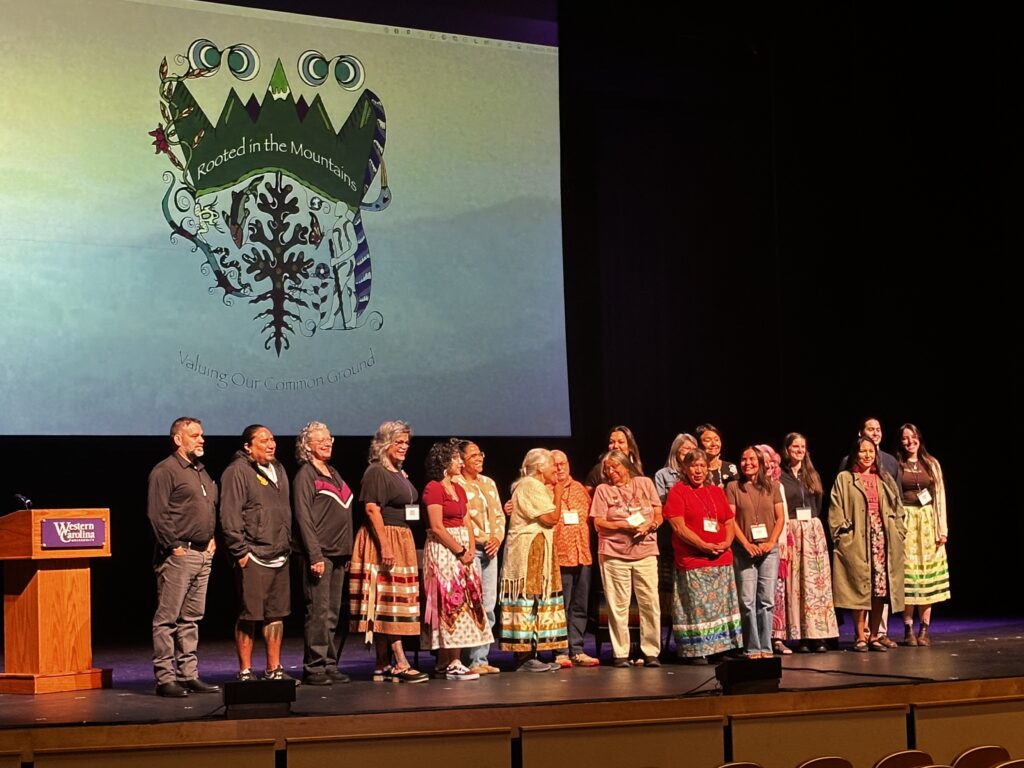
As Western Carolina University’s freshman enrollment rates reach record highs, students, staff, and the surrounding community gathered on campus for the annual Mountain Heritage Days.
For more than 50 years, the festival has celebrated the traditions of Appalachia. This year featured a full weekend of live music, cuisine, handicraft demonstrations, and cultural experiences from Sept. 21-26.
 Sign up for the EdWeekly, a Friday roundup of the most important education news of the week.
The Rooted In The Mountains Symposium
Thursday, Sept. 24
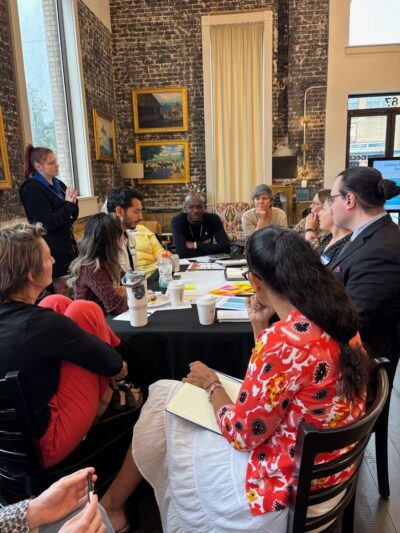
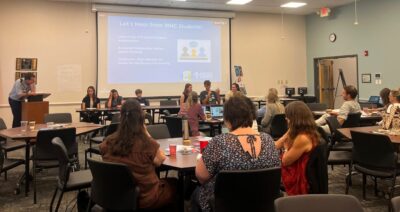
The 16th annual Rooted in the Mountains Symposium took place on Sept. 24-25 at the Bardo Arts Center on WCU’s main campus. The symposium acts as an interdisciplinary forum to raise awareness for Indigenous worldviews, education, health, and environmental issues specific to the western North Carolina region.
This year’s theme was on Indigenous perceptions of hope.
Dr. Kyle Whyte, professor at the University of Michigan and enrolled member of the Citizen Potawatomi Nation, was this year’s main keynote speaker. For Whyte, disseminating hope to the larger community requires targeted action and remembrance of Indigenous stories, traditions, and history.
For a biography of all featured speakers, see this document.
Friday, Sept. 25
Friday’s panels were about teaching Indigenous history to younger generations in order to raise them in the culture of their forebearers.
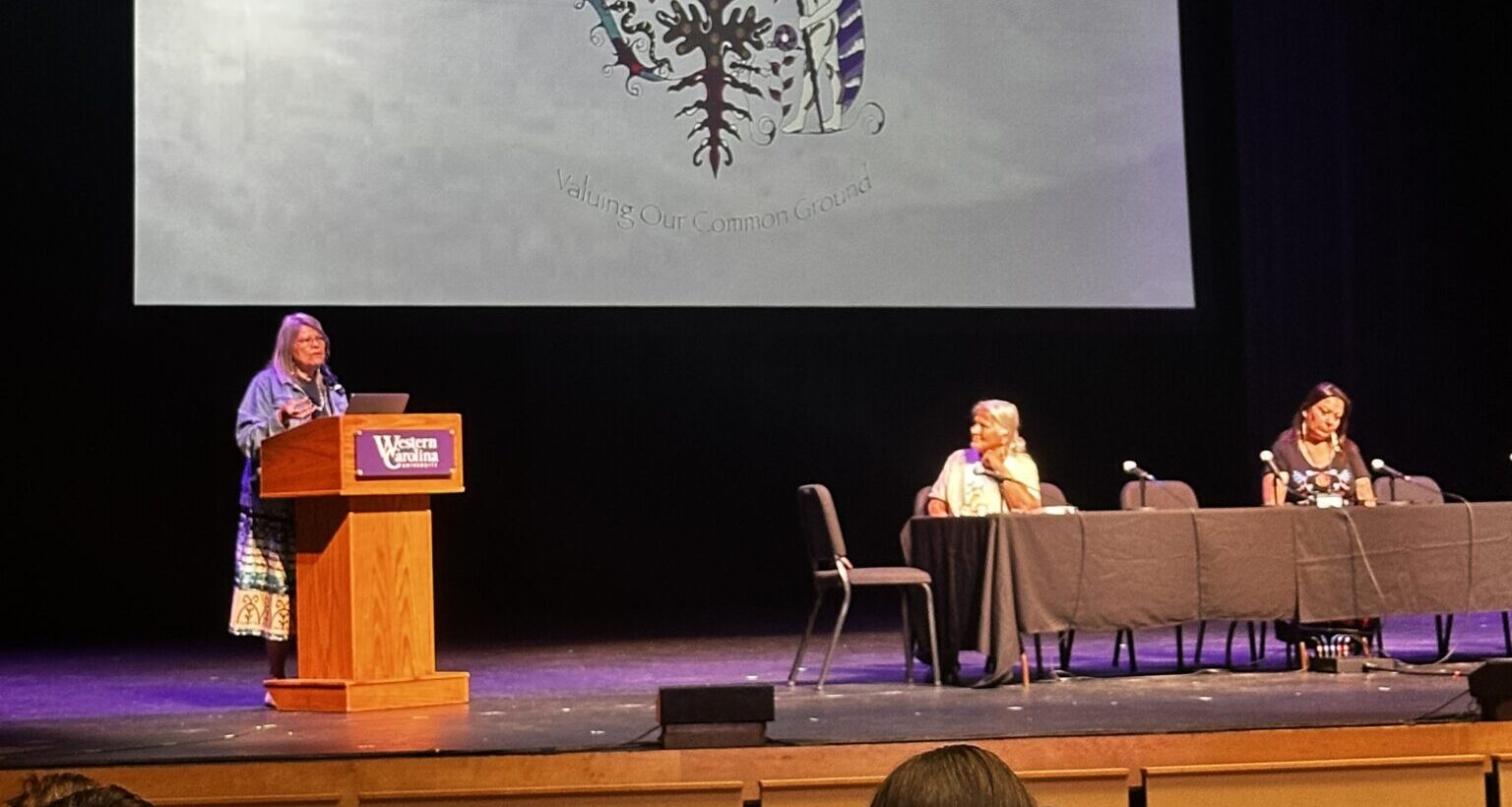
“We must bring children along by immersing them in tradition, language, and ceremony,” said Beverly Cook, nurse practitioner and four-time consecutive elected tribal chief for the Akwesasne Saint Regis Mohawk Tribe. “Not just talking at them, but restoring their identity, so they never have to question who they are or where they came from. The answer is there.”
For those at Cherokee Choices, a chronic disease prevention program, advocating for intergenerational stewardship is tied with promoting wellness across all age groups.
“Our programs work with the littles and all the way up,” said Yolanda Saunooke, behavioral change specialist for Cherokee Choices. “It’s about planting seeds of good medicine along the way.”
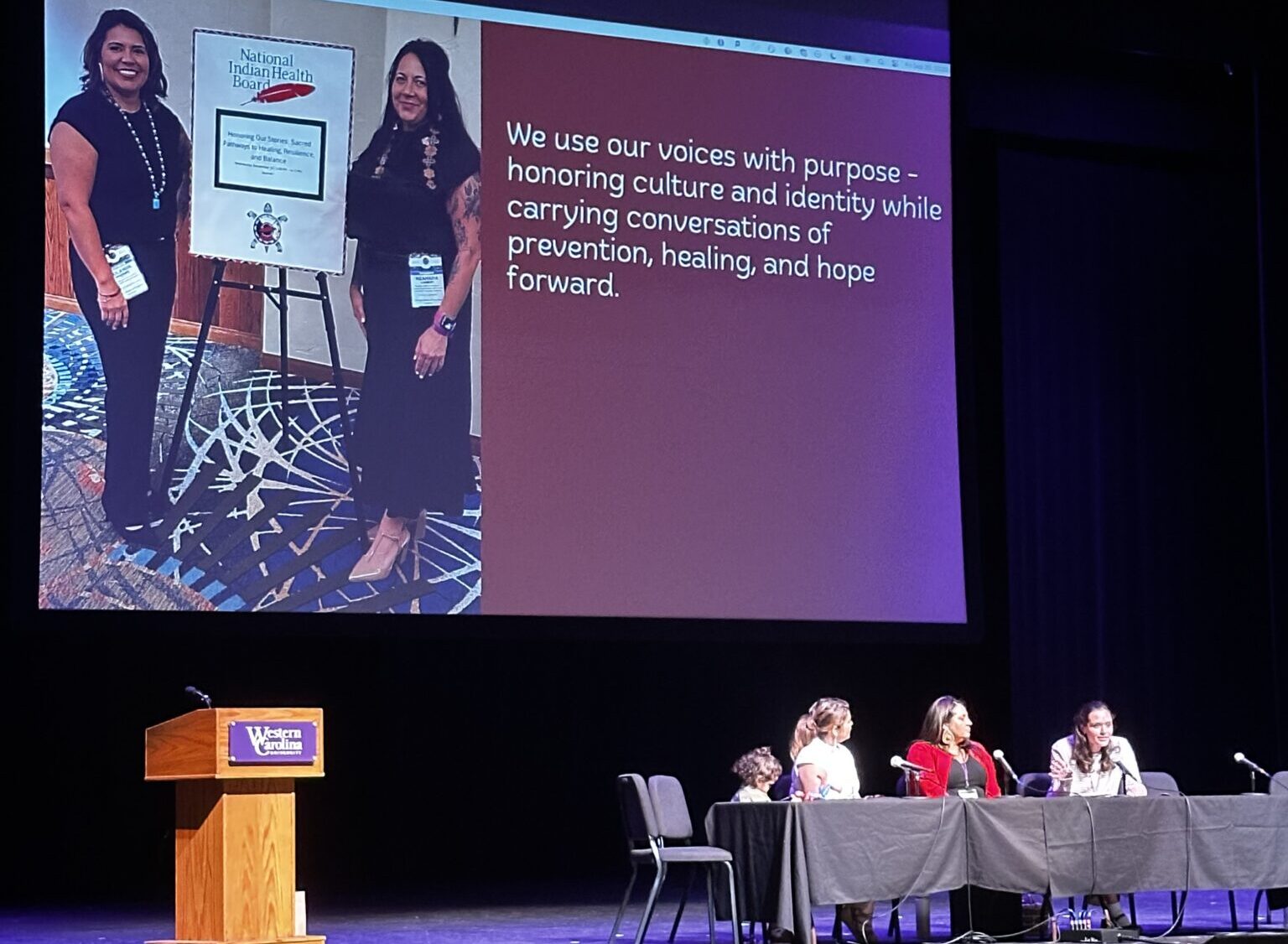
Cherokee Choices’ youth programs are designed to not only advocate for a healthy lifestyle, but prepare children for the mental health demands of their future in the workforce. Staff works hands on with students to teach them self-esteem, conflict resolution, and emotional regulation during after-school activities.
“Our commitment to future generations is to ask ourselves how we can make sure Cherokee kids are ready for a professional career and still have an intact sense of cultural pride,” said Avery Maples of the NYU-Yale American Indian Sovereignty Project and the Center for Native Health. “We have to sow that into a program that guides them along the vulnerable times of middle and high school and gives them confidence.”
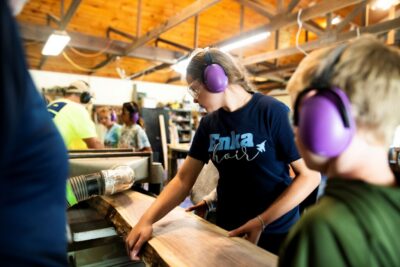
Judaculla’s Kids is New Kituwah Academy’s ecological conservation club for third through sixth graders that aims to give kids confidence with environmental science.
The club was created through a partnership with the academy, the Center for Native Health, EBCI Natural Resources Department, and the Wilderness Society.
“These kids represent the hope and continuation of stewardship,” said Katie Tiger, citizen of the Choctaw Nation of Oklahoma and director for land and wellness at the Center for Native Health.
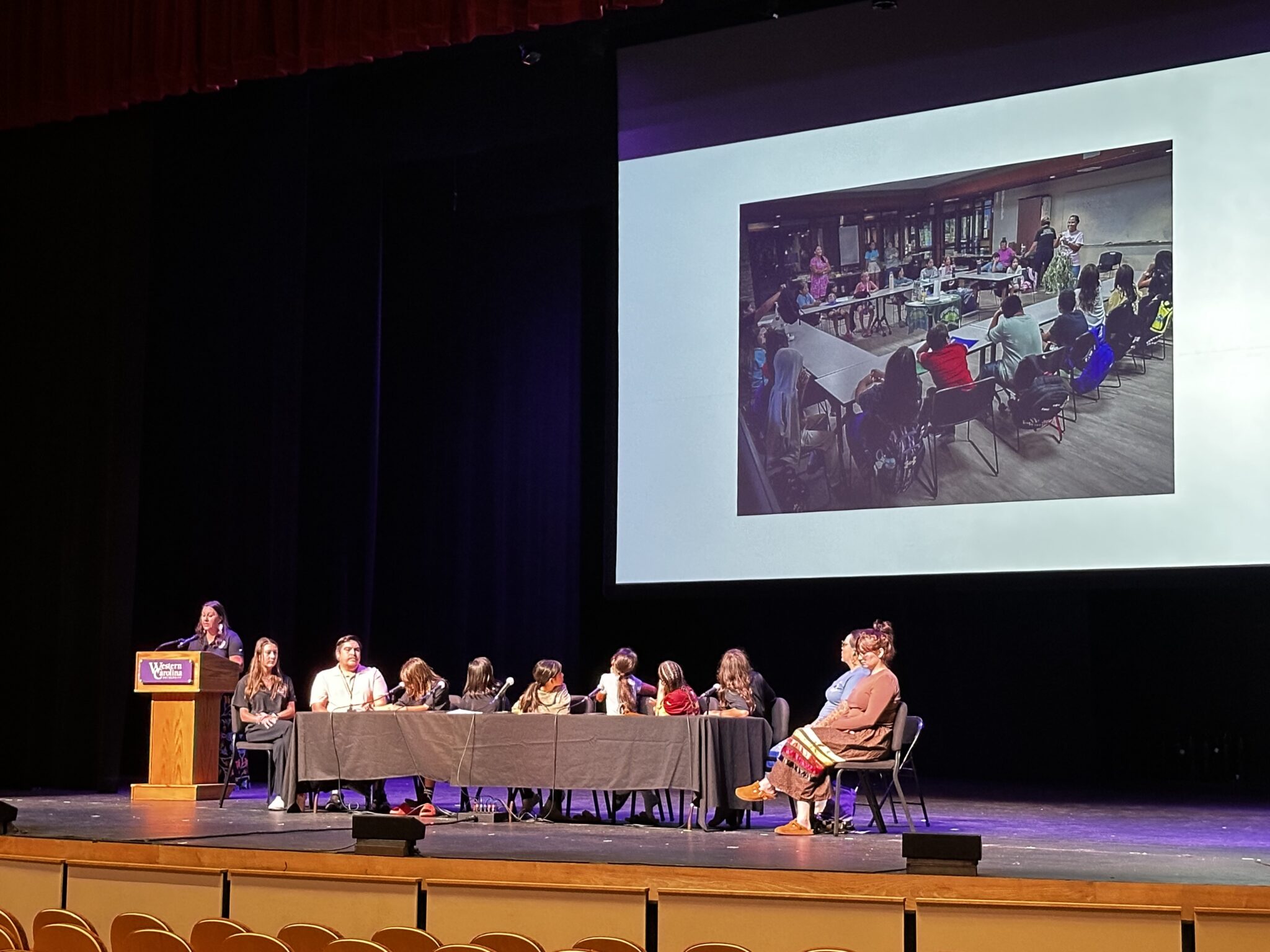
The foundation of the club is rooted in the principles of balance, respect, reciprocity, and sustainability. Kids learn life lessons through oral storytelling and receive the opportunity to apply what they’ve learned towards modern environmental challenges facing western N.C.
“Its more than a conservation club,” said Tiger. “It teaches sustainable living with the land and gives youth opportunities through Cherokee ecological knowledge and hands on experience. Students have monitored water quality and tried beekeeping. They have so much fun, they don’t even realize they’re learning.”
Judaculla’s Kids emphasizes that knowledge comes from hands-on activity. The club holds monthly meetings and quarterly field trips.
“We don’t see culture and science as separate, they work together,” said Tiger. “We have to prepare youth to be the next generation of leaders and caretakers to create a more resilient future for generations to come.”
More on WNC youth programs
Mountain Heritage Days Festival
The main Mountain Heritage Days festival events took place on Saturday. For a full list of the 2026 event schedule, click here.
Saturday, Sept. 26
The 16th annual 5k kicked off the festivities at 8:30 a.m. as runners passed through iconic campus landmarks.
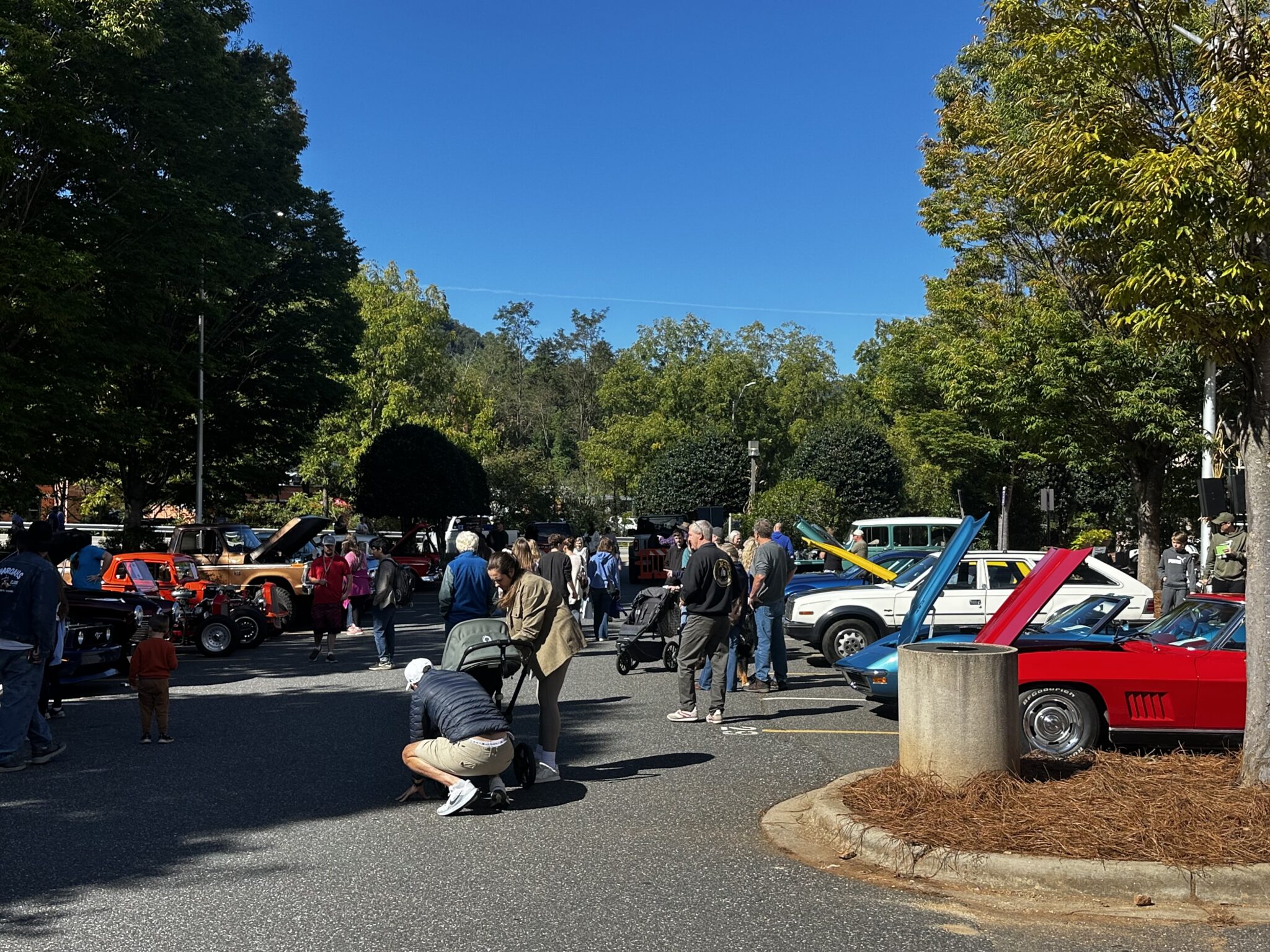
For those wanting a slower pace, the Andy Shaw Classic Car Show brought together a wide range of vehicles spanning almost 100 years of automotive history. Then, McNeeley’s Chainsaw competition had operators show off a high-energy tree cutting gauntlet for spectators.
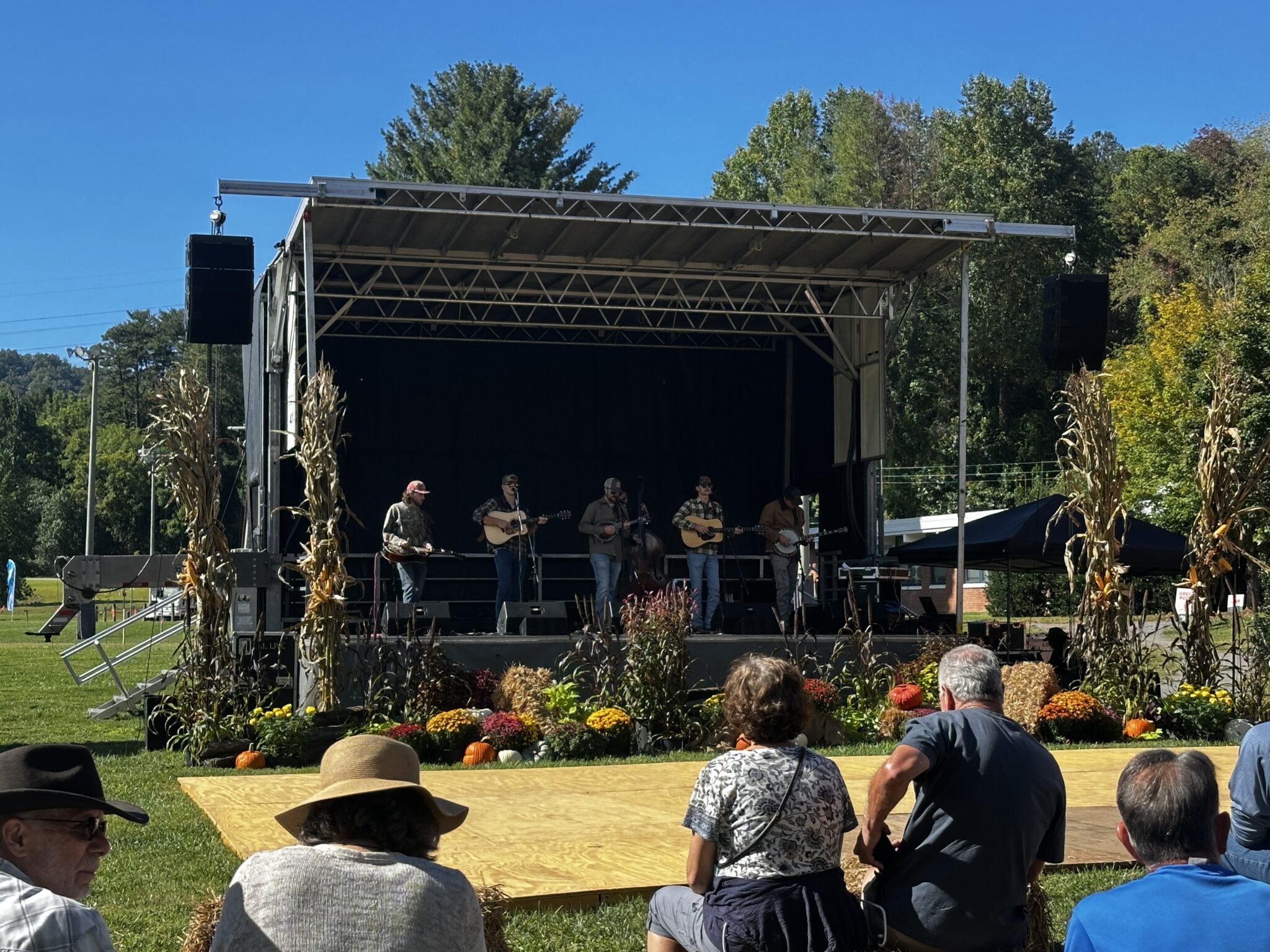
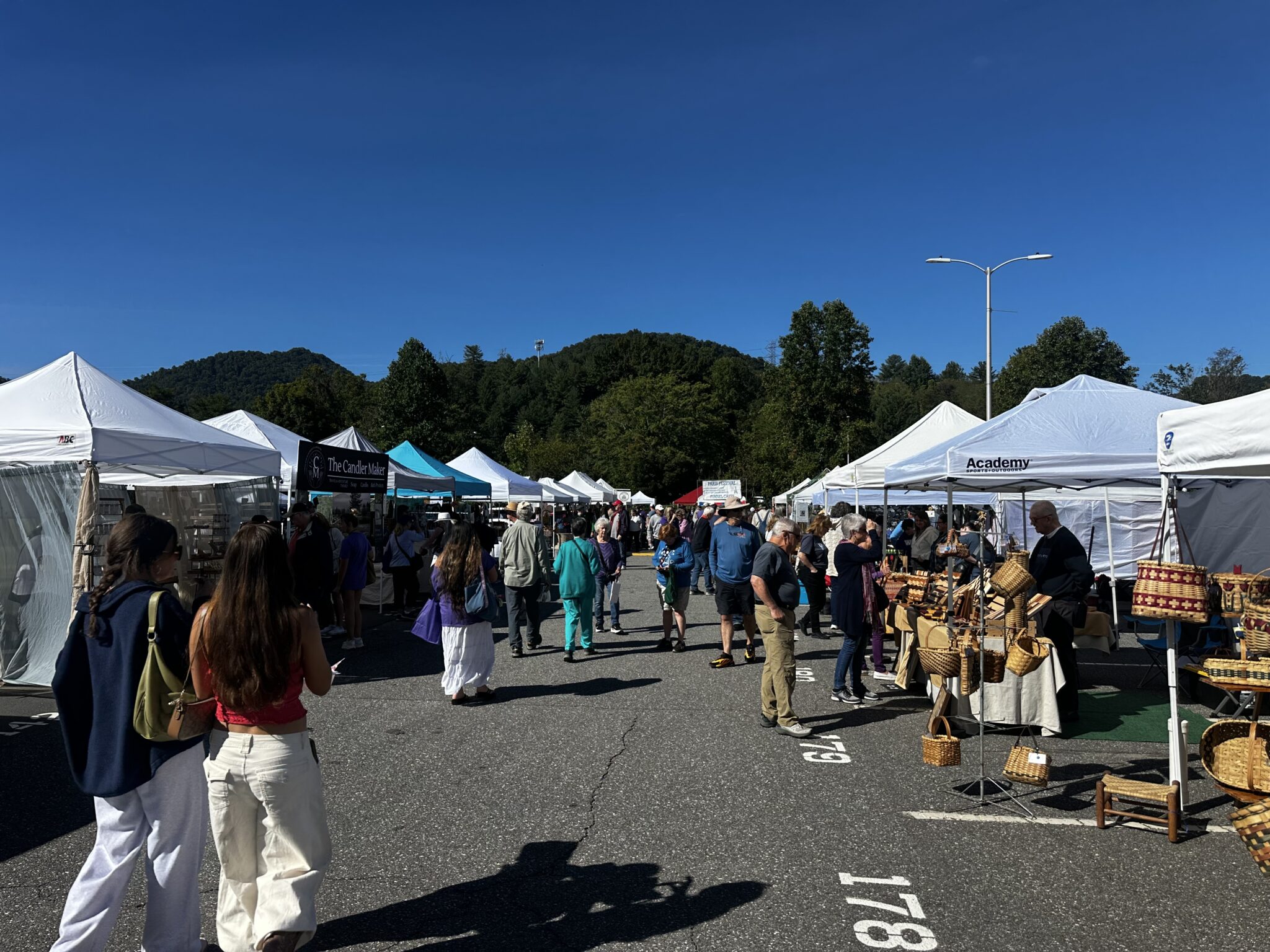
A full day of bluegrass, oral storytelling, and traditional performances took the Balsam Music stage, featuring seven different groups. Across the lot, the Shape Note Tent offered participatory music open to everyone.
The festival concluded with the presentation of the 2026 Mountain Heritage Awards by Western Carolina University’s Chancellor Kelli R. Brown. The final celebration was an afternoon concert in the Bardo Arts Center performance hall featuring Red Camel Collective with the Bailey Mountain Cloggers.
Western Carolina University’s Mountain Heritage Days offered attendees an entertaining balance of family-friendly activities and Indigenous research to highlight the importance of educating the wider community about the dynamic cultural expressions of Appalachia.