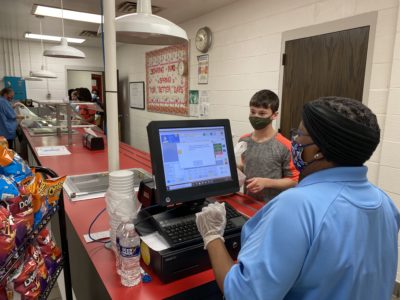
National School Breakfast Week “celebrates the important role a nutritious school breakfast plays in helping students start their day ready to learn, grow, and succeed” and spotlights the leadership of the “dedicated school nutrition professionals who fuel students every morning.”
Child hunger leaders from across North Carolina convened in Asheville this week for an annual conference hosted by the Carolina Hunger Initiative (CHI). “We are a community united by one common value: Kids deserve access to healthy food, no matter what,” said Lou Anne Crumpler, director of the CHI.
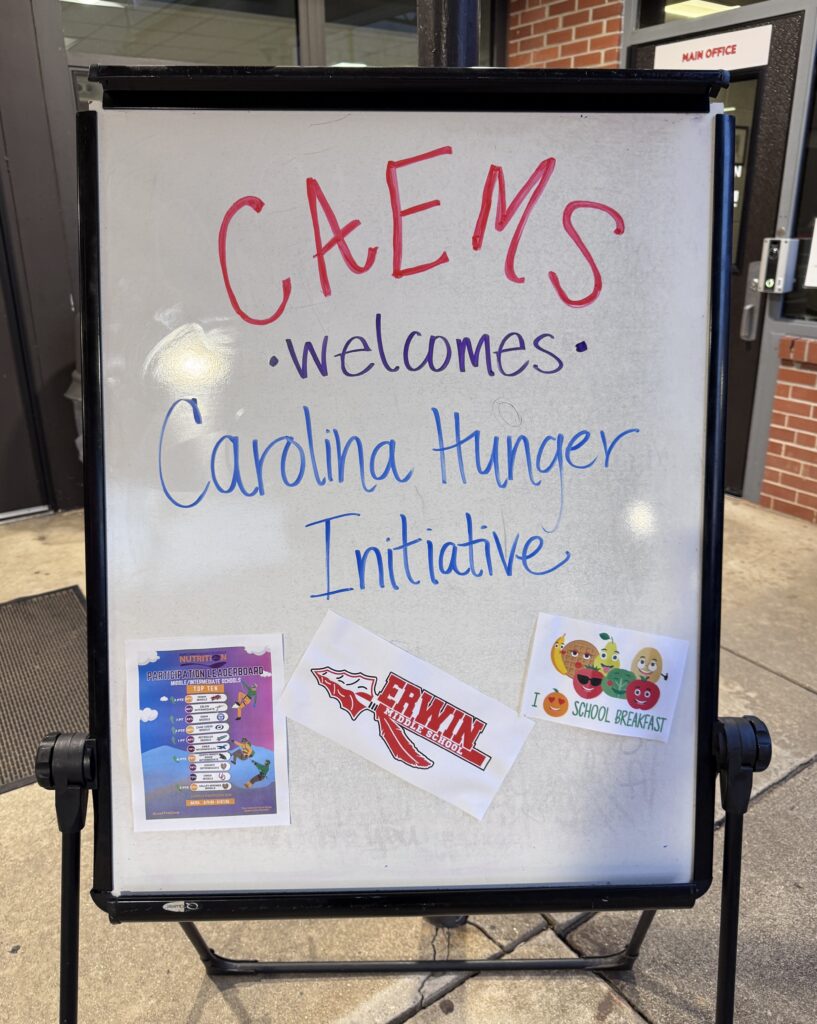
Before the leaders left town they stopped by Clyde A. Erwin Middle School to check out what school breakfast looks like these days.
School breakfast is served differently at different schools, Katy Wyatt, the nutrition director for Buncombe County Schools, reminded us. She is in charge of feeding about 22,000 students across 45 schools.
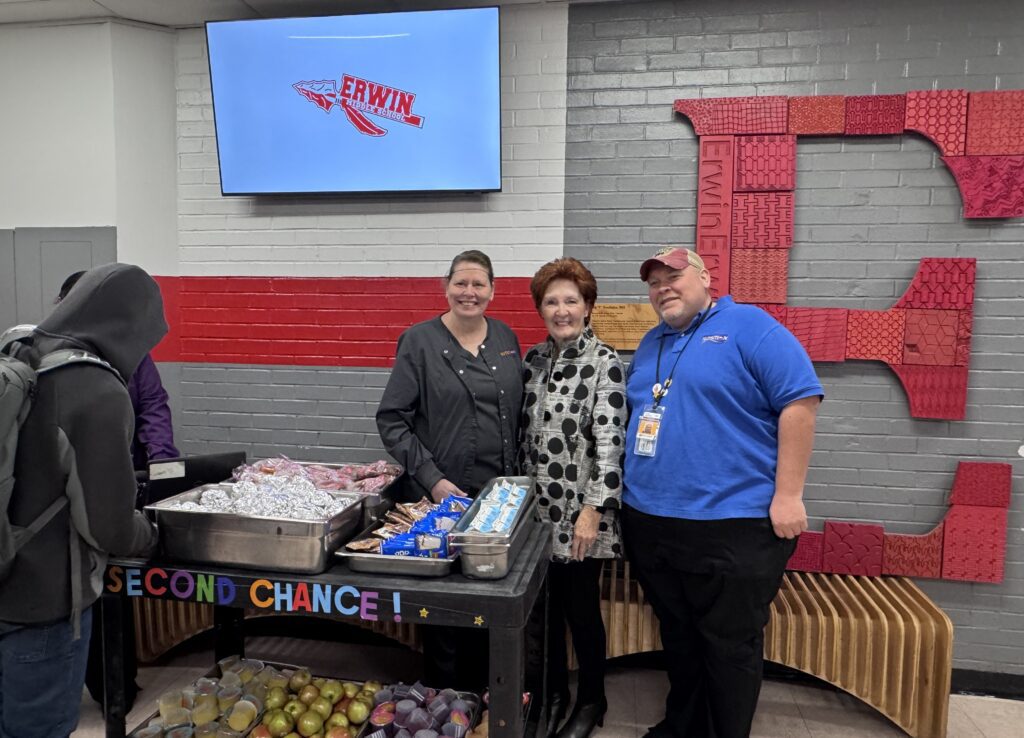
At Erwin Middle, the 530 students in seventh and eighth grade can choose to eat breakfast in the cafeteria or they can pick up breakfast from a second chance cart and eat it in their classroom. Breakfast is available in the cafeteria for latecomers until lunch is served so no one misses out on a healthy start to the day.
Wyatt said, “We’re trying to make it us meet them instead of them always coming to the cafeteria.”
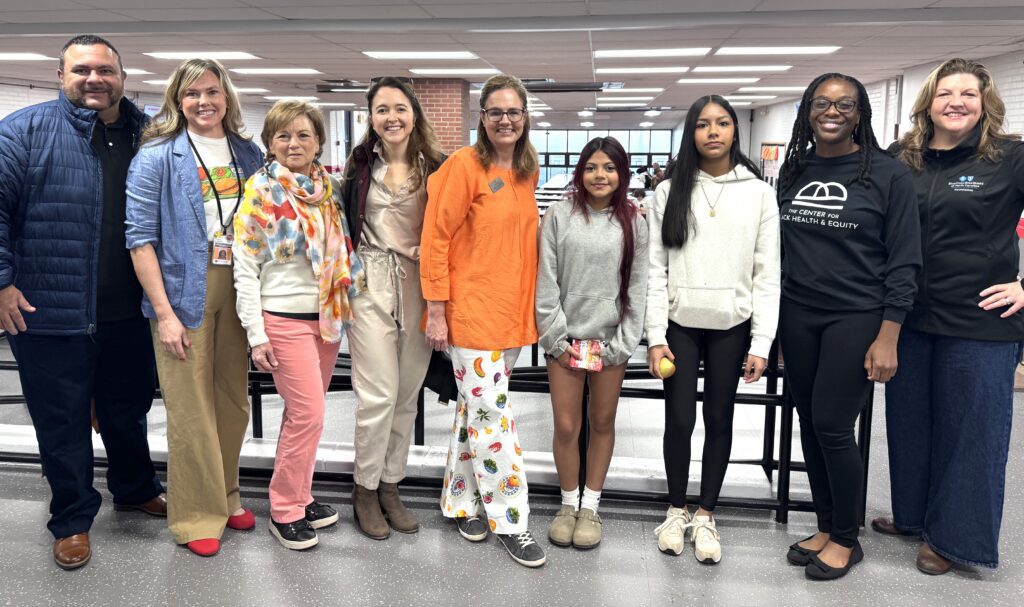
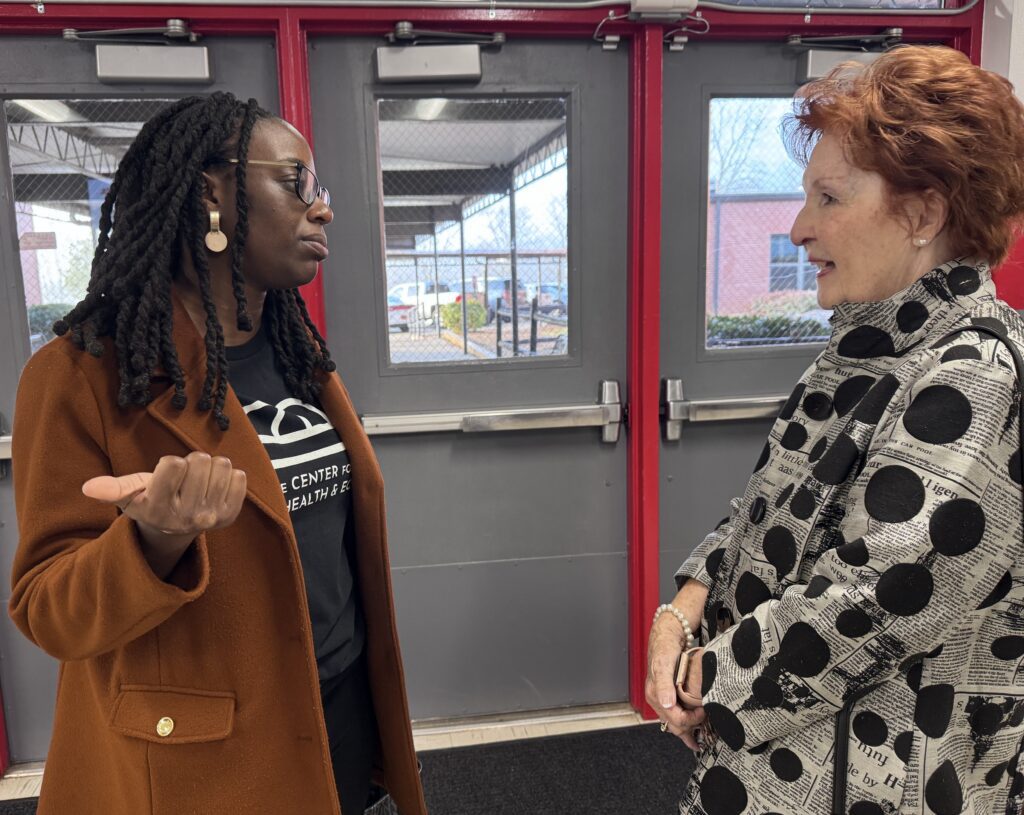
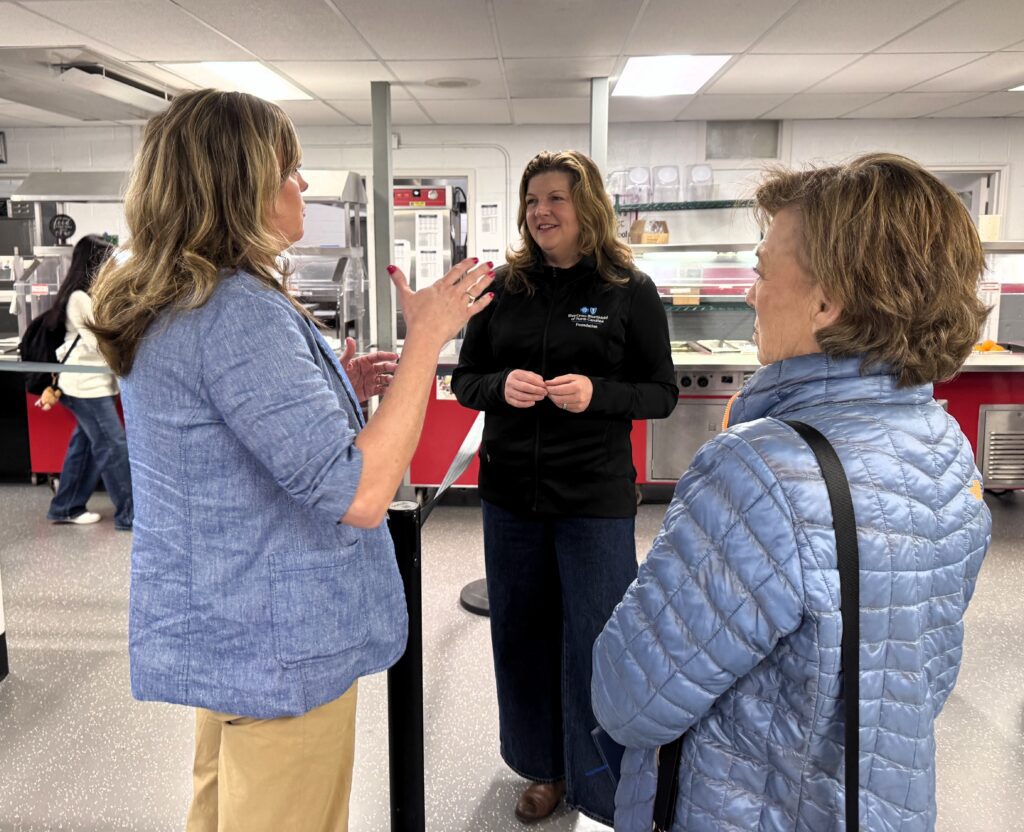
Leaders including CHI, the North Carolina Alliance for Health, the Center for Black Health and Equity, School Meals for All NC, and Blue Cross and Blue Shield of North Carolina engaged with student, school, and district leaders to learn more about school breakfast.
Judy Lewis, who serves on the Buncombe Board of Education and also walked these halls as a student when the school was a high school, was on hand to help us understand why school meals matter to local leaders.
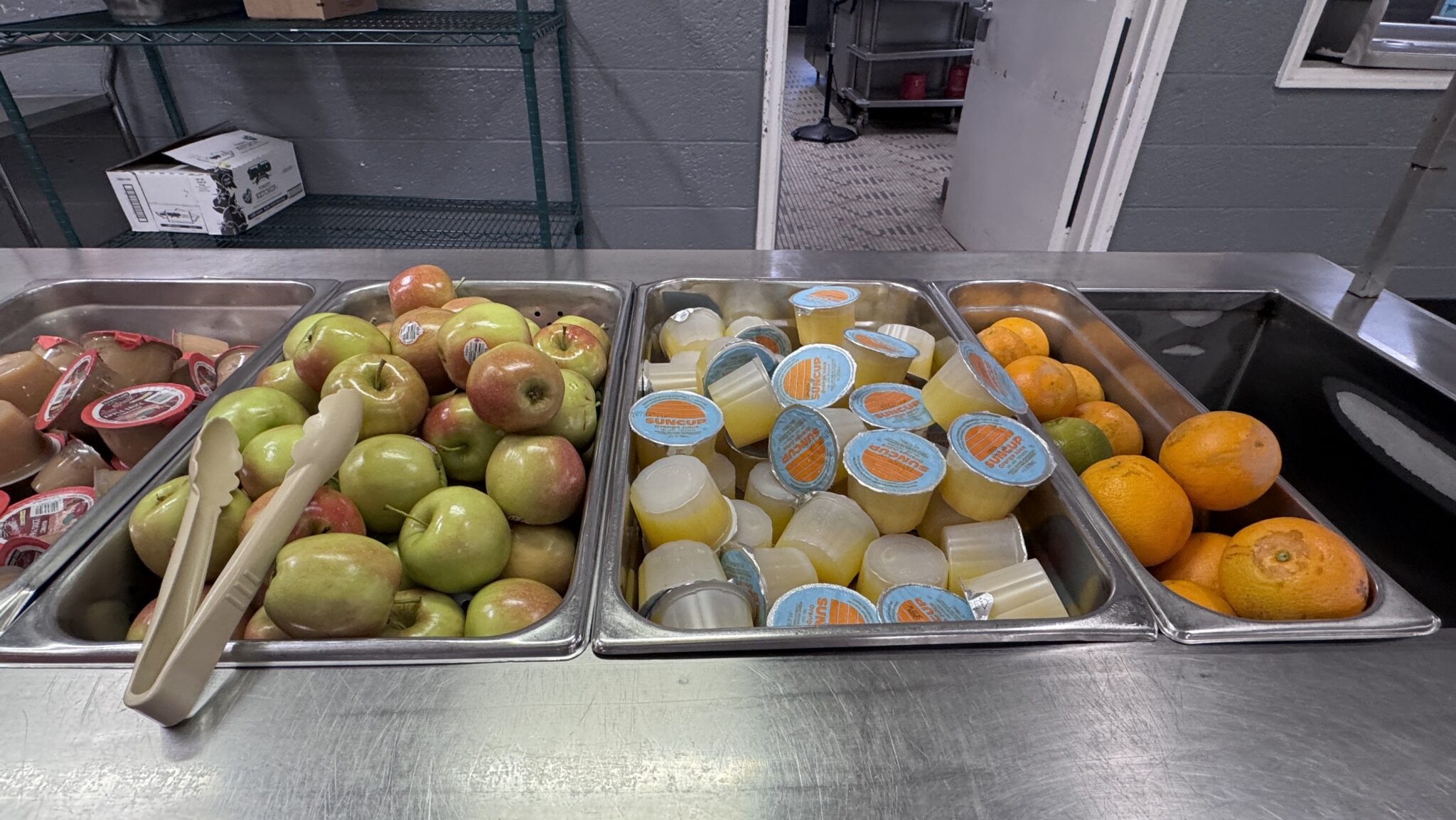
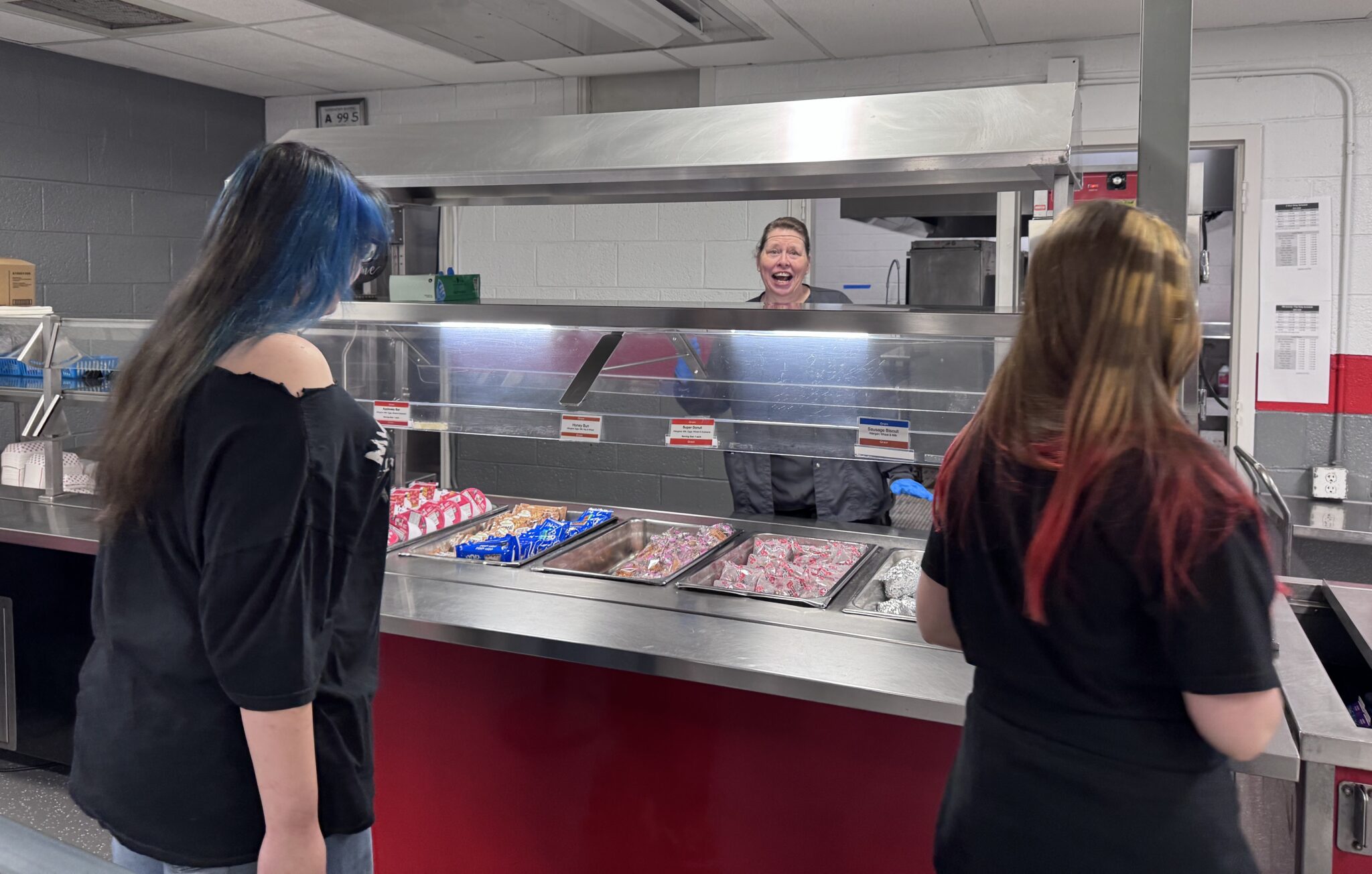
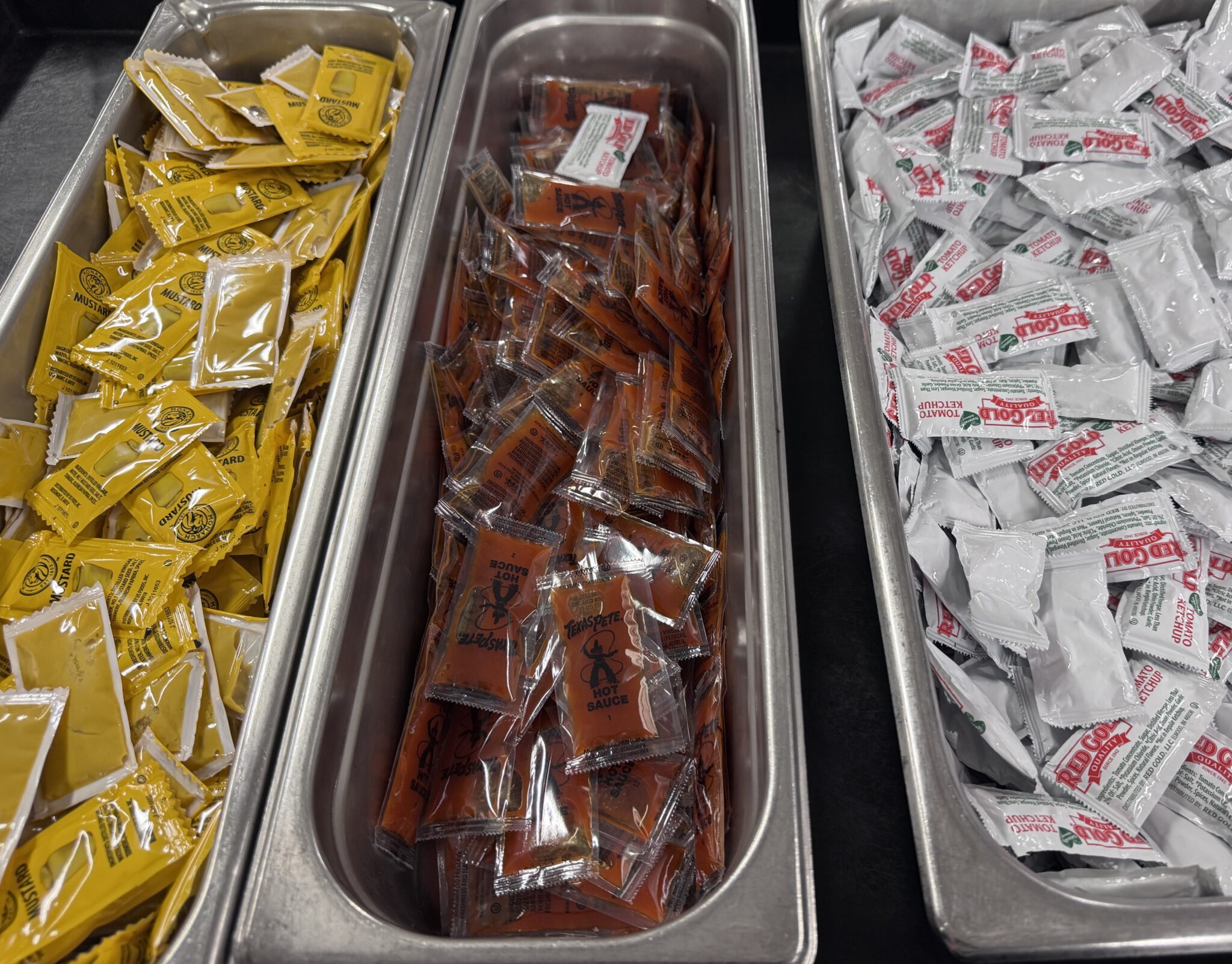
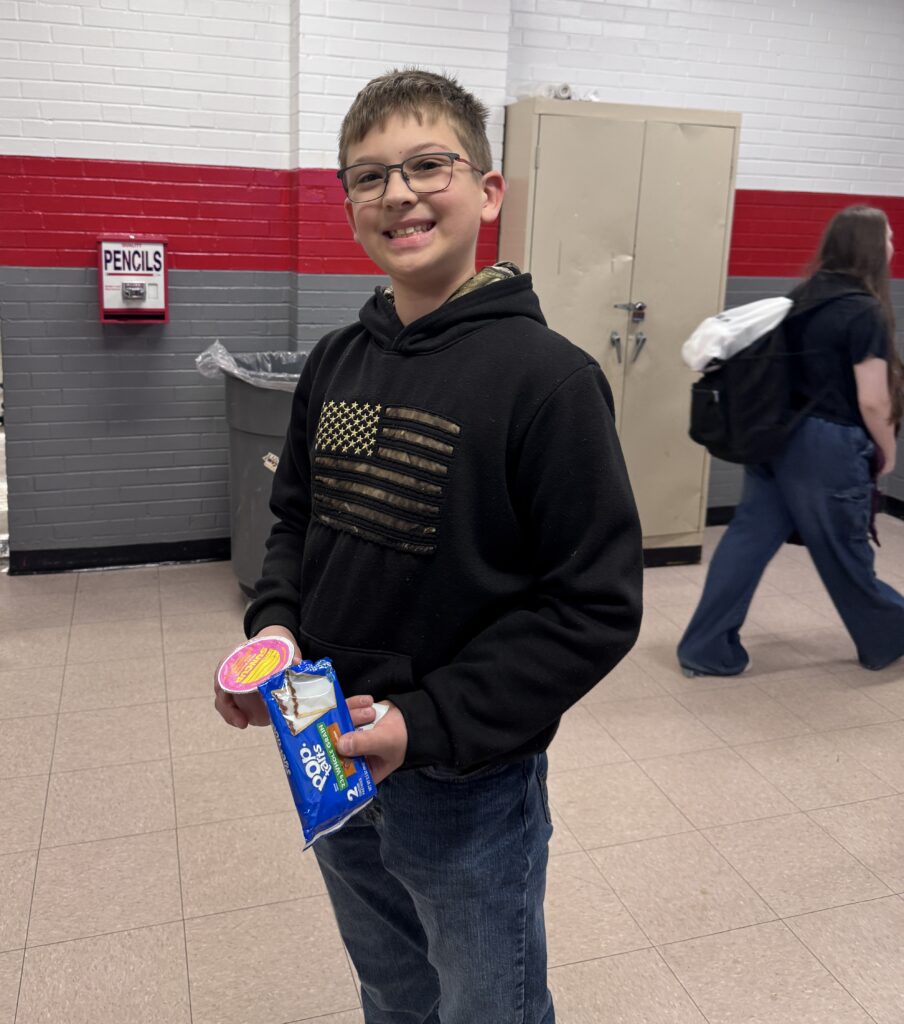
Meet Stefany Aquino, a student who showed us what picking up school breakfast in the cafeteria looks like.
Students may also pick up breakfast from this cart and then take it to the classroom to eat. Lisa Duckett, a school nutrition professional, said to be reimbursable under CEP — the Community Eligibility Provision, which allows eligible schools to serve all students free breakfast and lunch without collecting applications — the students have to pick up an entree and a fruit, but milk is up to them.
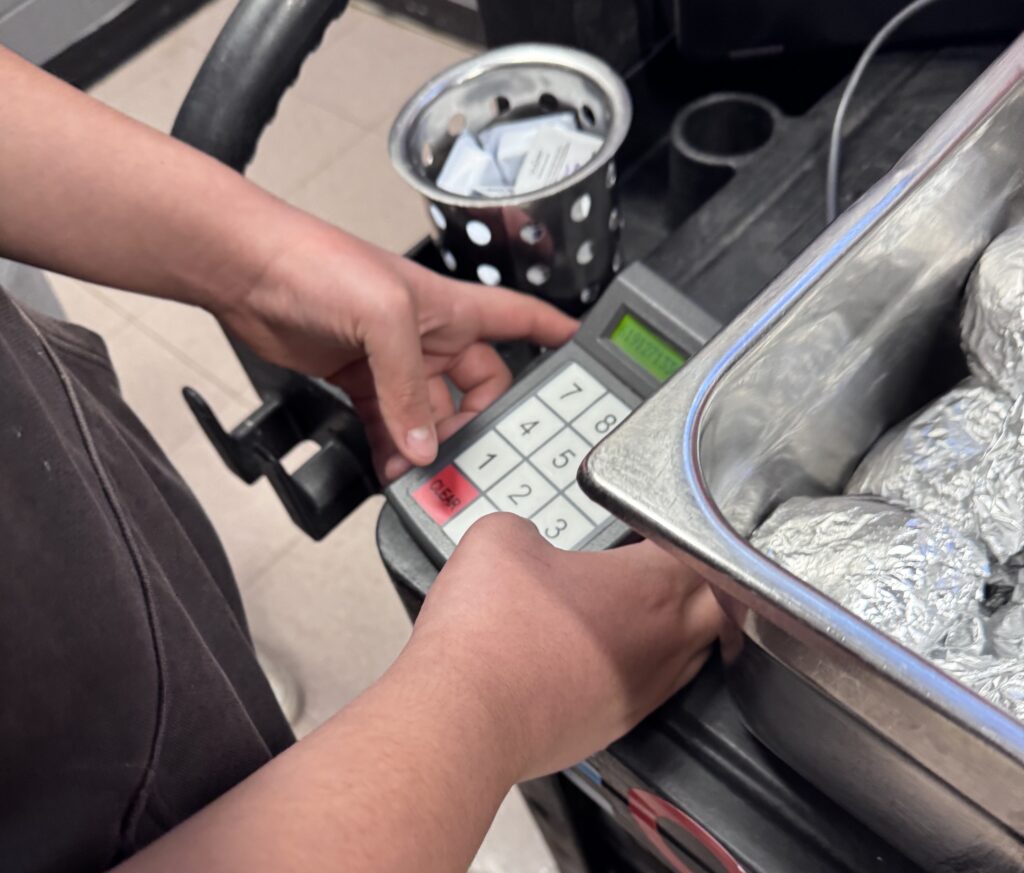
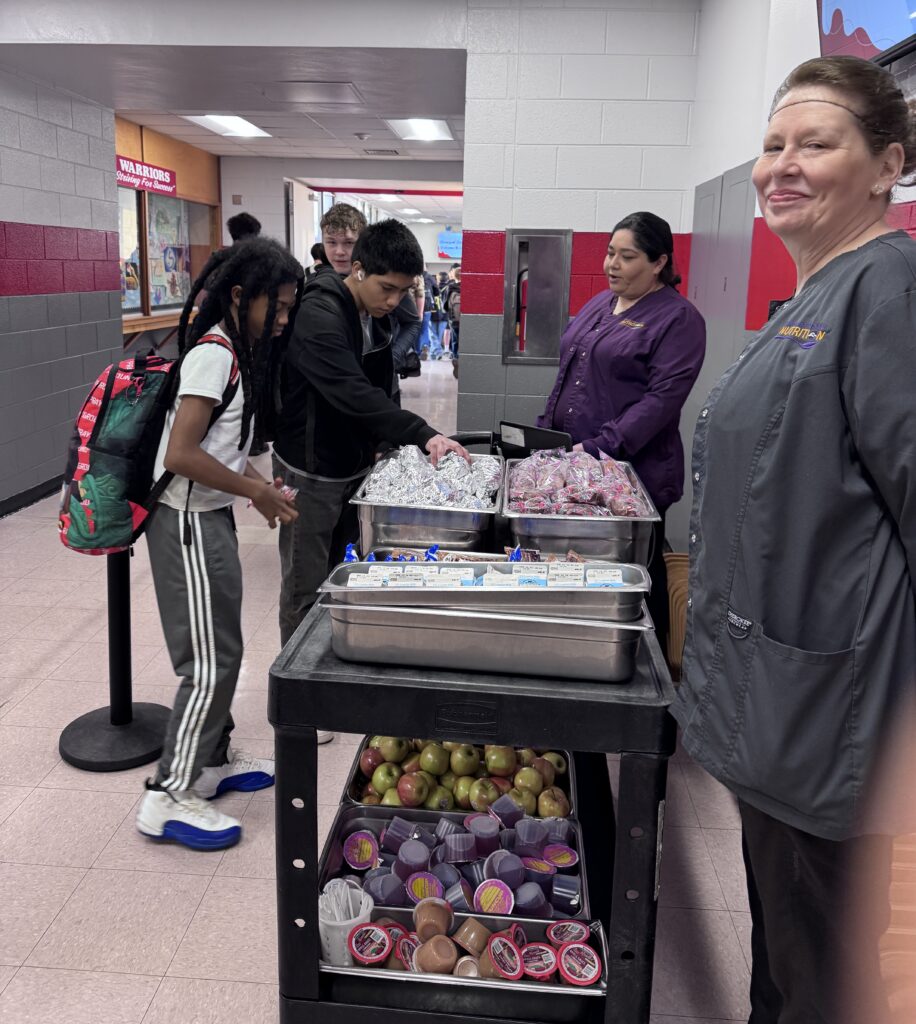
The line was long for the sausage biscuits, and Duckett said there are rarely leftovers.
Camila Valdez, a student, gave us the A-OK on the biscuits.
Principal Dorris Sellers, who has 35 years of education experience, says that when the idea of serving food in classrooms was first introduced now “years and years and years” ago there was concern about disruption. But she said, “Never have I had a teacher complain. Never have I had a custodian complain. Every one would rather our kids eat.”
Sellers said at a high school where she worked they served breakfast at 9:30 a.m. to meet the preferences of high school students, adding 2 minutes to the class change between first and second period. “We served more students second chance breakfast than those served earlier,” she said.
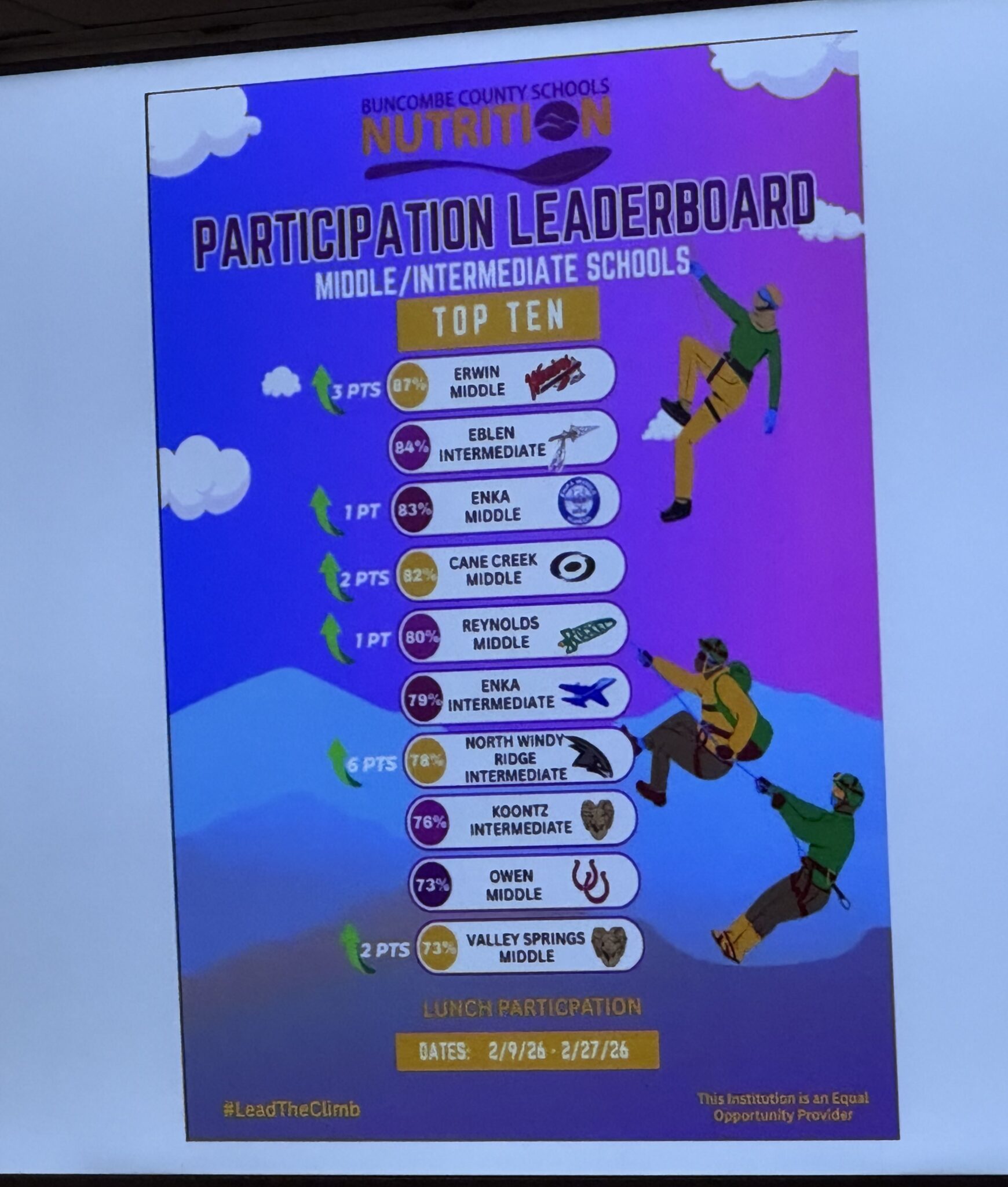
School meals matters at this school — a community school — which leads the district’s leader board for participation.
It matters to local and state leaders too.
“Nutrition is directly tied to academic outcomes,” writes Angela Boykin, with Blue Cross and Blue Shield of North Carolina, in a perspective. “Hunger makes itself evident in test scores, attendance, and classroom behavior; food access is not just a health issue, but a serious cause for concern across our state’s education systems.”
Editor’s Note: Blue Cross and Blue Shield of North Carolina supports the work of EdNC.

Recommended reading