
Perspective | Healthy minds, healthy bodies: Why education and nutrition are the foundation of better health
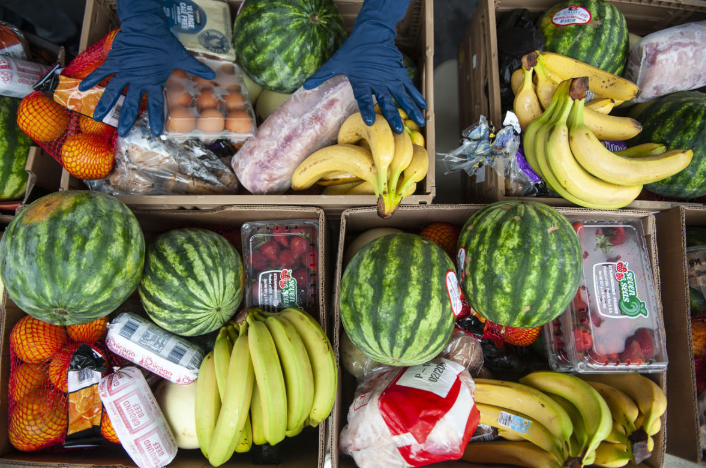
A recent survey asked educators to reflect on the top factors that get in the way of learning. Hunger neared the top of the list.
Nutrition is directly tied to academic outcomes. Hunger makes itself evident in test scores, attendance, and classroom behavior; food access is not just a health issue, but a serious cause for concern across our state’s education systems.
The link between learning and eating well
Education and nutrition are deeply connected. A child fueled by healthy food is more likely to succeed academically. Research backs this up: A North Carolina study found significant improvements in test scores for schools that offer no-cost school meals. Schools offering no-cost meals see measurable gains in attendance and classroom behavior.
When children have access to healthy meals, they’re more likely to succeed in and out of the classroom. Research shows that balanced nutrition fuels both body and mind, and children who eat well have stronger immune systems and a lower risk of chronic illness. Nutrient-rich diets support emotional resilience and cognitive development. Studies link healthy eating to better coping skills and school engagement.
Hunger, on the other hand, makes it harder for kids to concentrate, retain information, and regulate emotions. The resulting academic struggles can have long-term impacts on job prospects in adulthood — and educational attainment is one of the most significant predictors of long-term health and well-being.
Put simply, the consequences of missed meals and inadequate nutrition in childhood can affect individuals over the course of a lifetime.
 Sign up for the EdDaily to start each weekday with the top education news.
Why this matters in North Carolina
Food insecurity is a serious challenge for many North Carolina communities. About one in five children don’t have consistent access to enough nutritious food. Gaps in nutrition don’t just affect test scores — they lead to health outcomes that are hard to overcome. Children with poor nutrition are up to 40% more likely to develop diet-related chronic conditions like heart disease and diabetes. These conditions are also the highest cost drivers for our state’s health care system, and they drive up the cost of care for everyone.
In many cases, this problem is compounded when families face barriers to other resources, such as transportation. Limited transportation can make it harder for residents to consistently access affordable, nutritious food and local nutrition programs, intensifying everyday challenges that affect health and overall well-being.
Investing in healthy students and families
Healthy Blue, Blue Cross and Blue Shield of North Carolina’s Medicaid Managed Care plan, is committed to addressing these nonmedical drivers of health. At Healthy Blue, we believe health care should extend beyond a doctor’s office. That’s why we’re investing in programs that bring nutritious food directly to families — where they already go for care.
Last November, we partnered with BackPack Beginnings in Guilford County and Salisbury Pediatrics to help parents and caregivers access healthy staples so that children have access to well-balanced meals. By working around transportation needs, cost, and other barriers to nutritious food, these efforts make healthy eating a realistic option for more families.
A few years ago, Blue Cross NC started a program designed to help eligible families get help buying healthy foods. The investment has paid off: 2,900 people enrolled, with an estimated net savings of $2 per person in medical expenses. As people gained reliable access to food, their health improved and medical costs were reduced. Findings from the SNAP Application Assistance program emphasize the role that SNAP can play in academic success.
Efforts to help children and young people overcome barriers to nutritious food don’t just help the individuals who receive support. They strengthen our entire state by making communities healthier and our workforce more robust — and by easing pressure on our health care system through the prevention of costly chronic conditions.
Editor’s note: Blue Cross Blue Shield of North Carolina supports the work of EdNC.
Behind the Story
The author used Microsoft Copilot for background research on the number of North Carolina families impacted by food insecurity.