
Preparing the next generation of community college presidents

At a recent gathering of current and former community college presidents, Dr. DeRionne Pollard, president and CEO of the American Association of Community Colleges, wrote that she expected to hear about enrollment, funding, and workforce alignment.
Instead, she heard presidents saying:
“The job is harder than we tell aspiring leaders.”
“We need a place where we can say out loud what we’re actually facing.”
“The presidency is becoming unsustainable without new structures of support.”
In North Carolina, the Aspiring Presidents Institute (API) offers a solution.
A partnership between the Belk Center for Community College Leadership and Research and the N.C. Association of Community College Presidents (NCACCP), API is an immersive professional development program designed to identify, support, and prepare senior leaders for community college presidencies. The program is now in its second year after launching its first cohort in fall 2024.
 Sign up for Awake58, our newsletter on all things community college.
Ten senior community college leaders from across North Carolina — nominated by the presidents of the community colleges where they currently serve — are participating in the program this year, which includes a formal curriculum, co-designed by the Belk Center and the NCACCP, and mentorship opportunities with current sitting presidents.
“Building the talent pipeline in North Carolina is so critical to our future. As presidents and senior staff retire, we need a strong, innovative group of leaders to step up into these roles,” said AJ Jaeger, executive director of the Belk Center. “We know the CEO is the most challenging position in postsecondary education. The most essential part of this program is the depth of the bench the Presidents Association and Belk Center are building together.”
The 2026 API cohort includes:
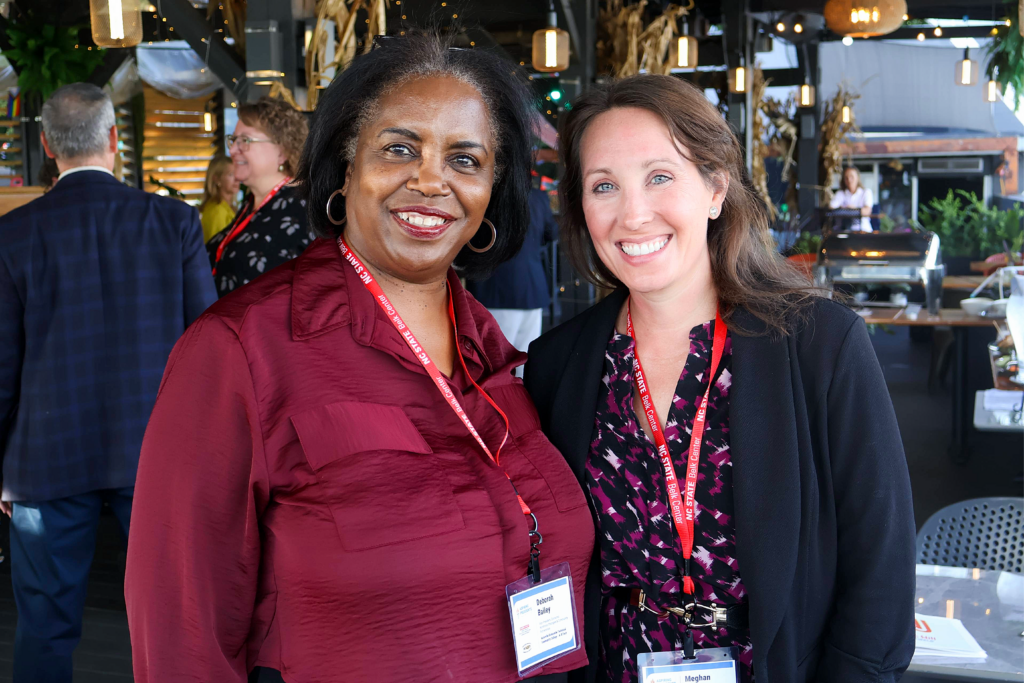
- Deborah D. Bailey, Asheville-Buncombe Technical Community College
- Dr. Gery Boucher, Craven Community College
- Meghan Brown, Central Carolina Community College
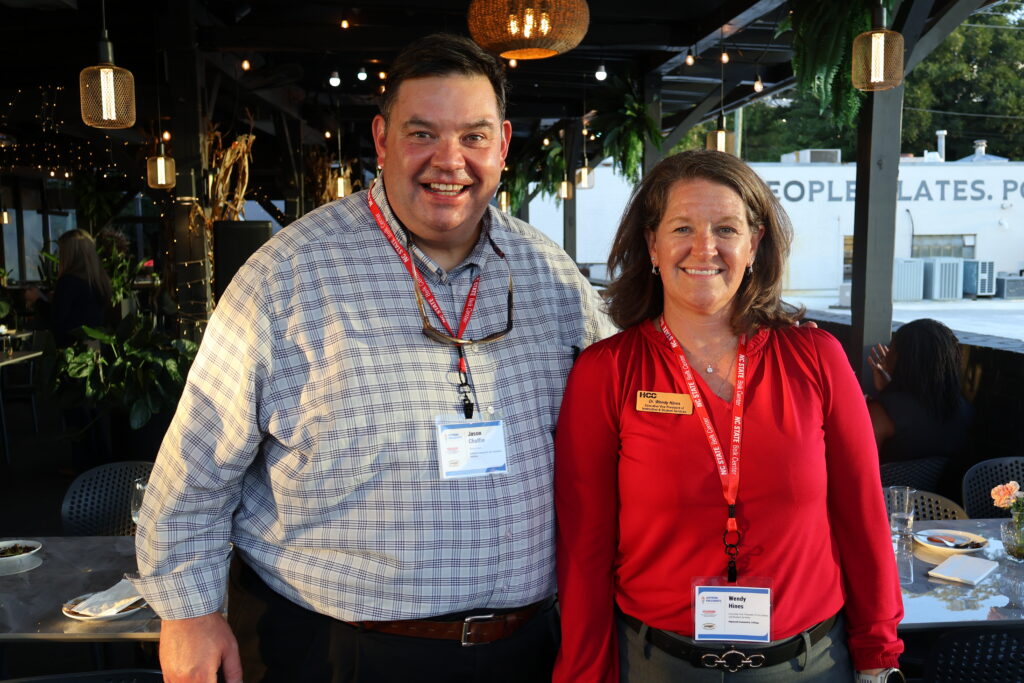
- Dr. Jason Chaffin, Caldwell Community College & Technical Institute
- Blair Hairr, Sampson Community College
- Dr. Wendy Hines, Haywood Community College
- Dr. Bruce Mack, Cleveland Community College
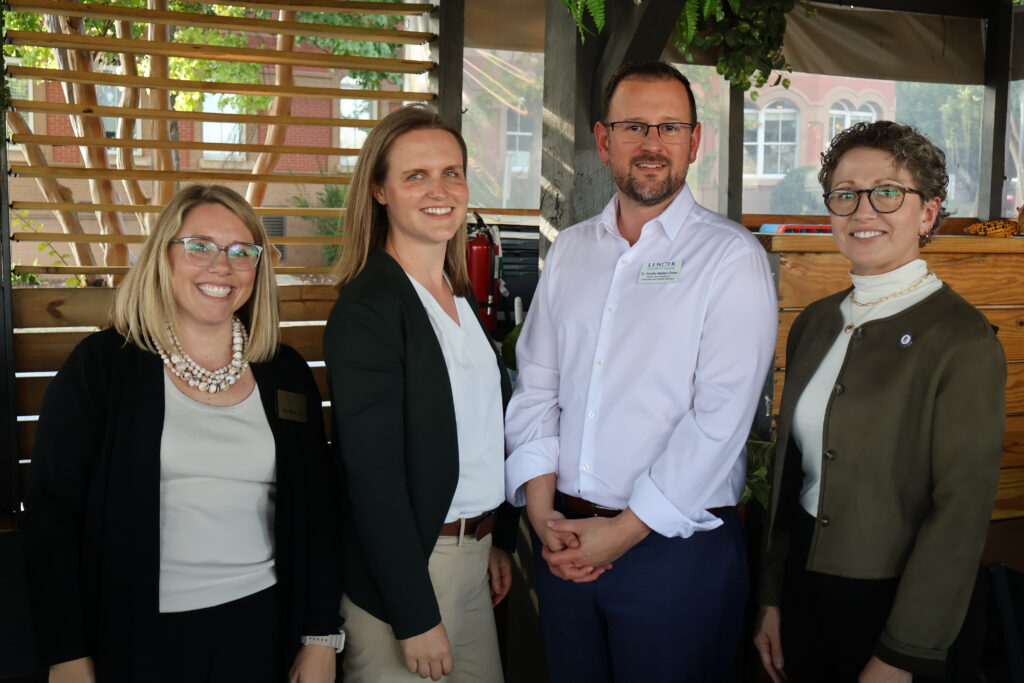
- Dr. Timothy Maddox-Fisher, Lenoir Community College
- Kristi Short, Central Carolina Community College
- Dr. Madeline Smith, Isothermal Community College
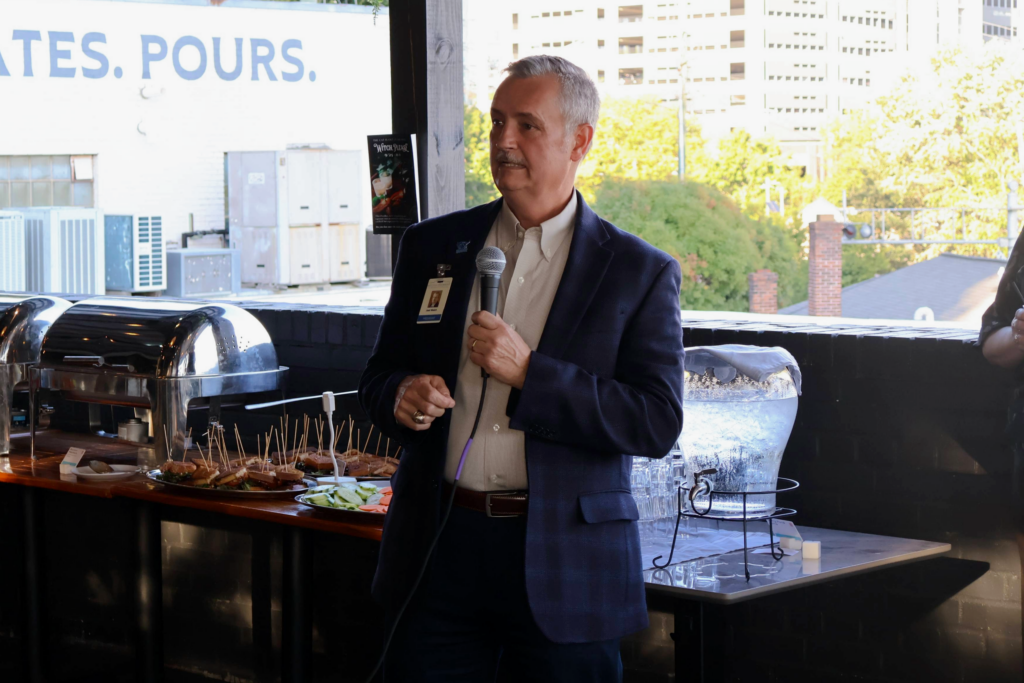
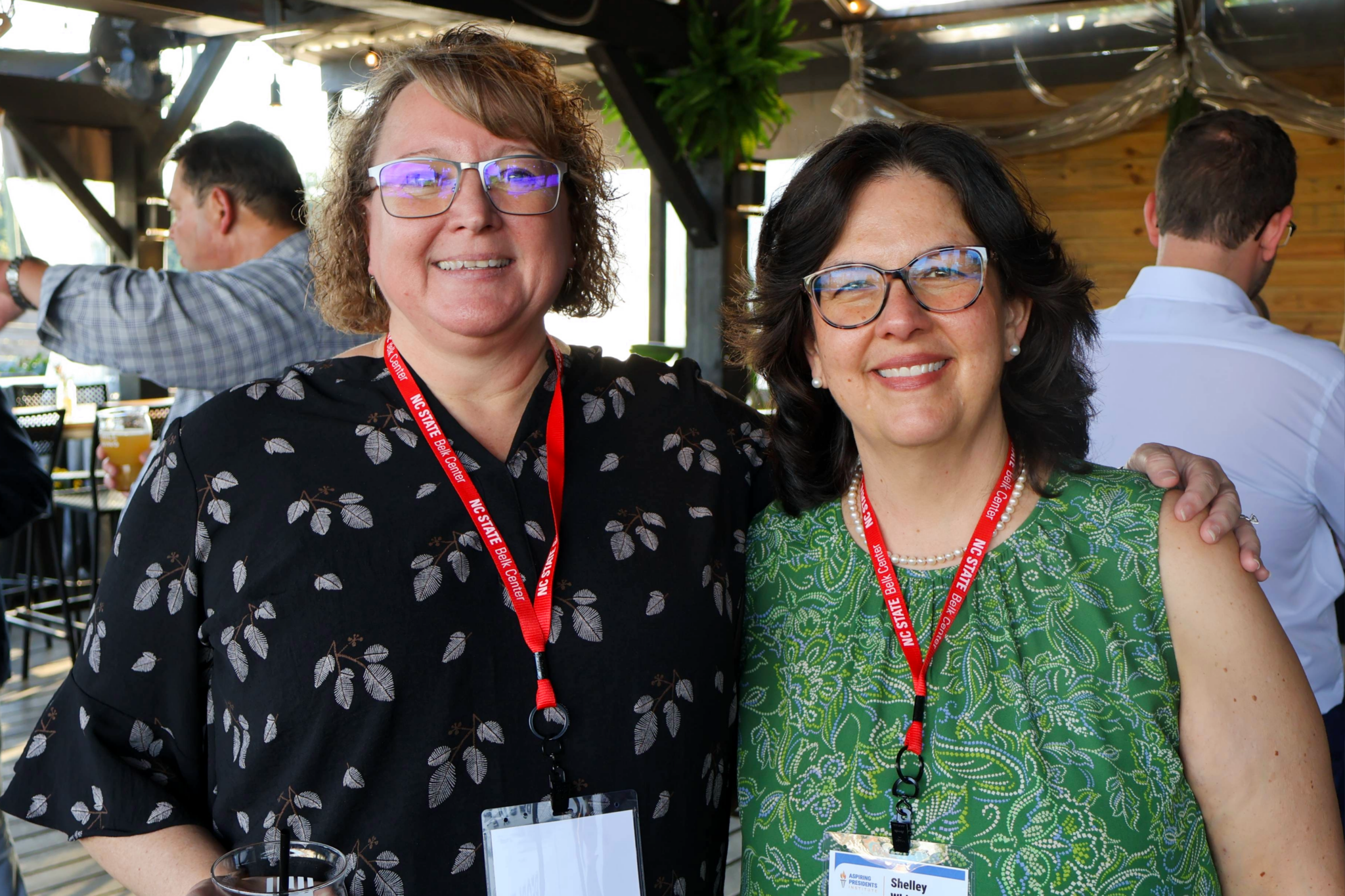
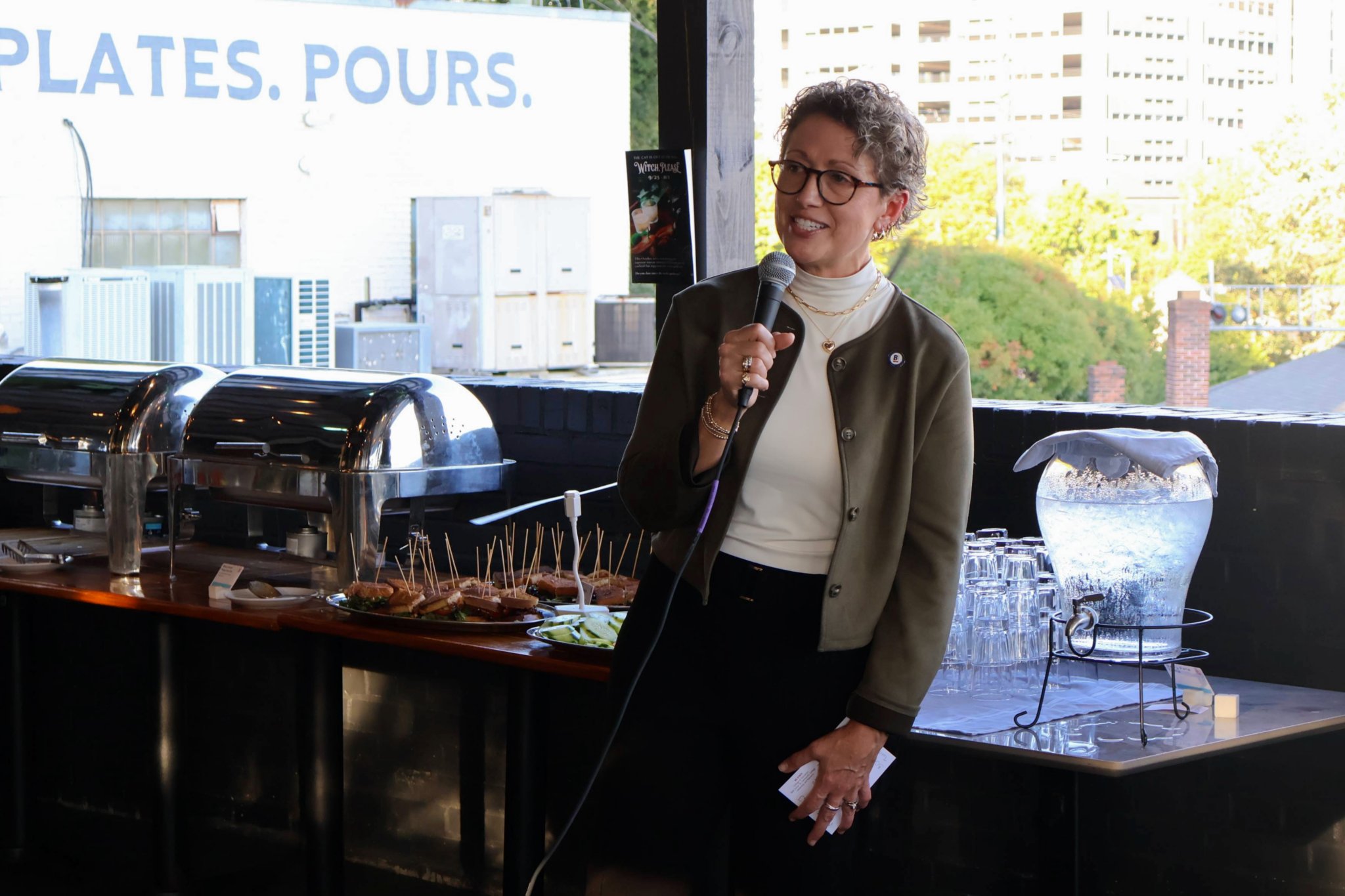
During an in-person reception in early October, Dr. Joel Welch, president of Western Piedmont Community College and vice president of the NCACCP, thanked API participants for their interest in leadership. And while he acknowledged that the job has its challenges, he said it is also critically important.
“The relationships that you build with each other, the relationships that you build with presidents across the system matter,” said Welch.
The API curriculum centers on exposing participants to the unique responsibilities of college presidents, including statewide governance and policy, external stakeholder engagement, and institutional transformation. Participants take part in mock interviews and mock community forums, practice fundraising and storytelling skills, learn about data-informed decision making, and more.
Participants are also paired with a sitting president who provides continuous support throughout the program.
“This connection with an established leader in North Carolina assures a foundation of trust and open conversation that extends far beyond the program itself, especially as alumni prepare to seek presidencies of their own,” said Jaeger.
Participants reflect on presidential aspirations and lessons learned
In interviews with EdNC, participants reflected on their interest in presidential leadership, what drew them to the API program, and the lessons they are carrying forward in their careers.
Aspiring to presidential leadership
Over the last 16 years at Lenoir Community College, Maddox-Fisher has held many roles — from adjunct faculty to program chair, to dean, to senior vice president. As an aspiring president, he knows “what it’s like for others” whom he would lead.
“I want to make an impact at the higher, broader level on our institution to impact the workforce, to impact transfer, to impact student lives in the community,” Maddox-Fisher said.
Now more than ever, community colleges are foundational to the success of both our state in general and also to the economic and social welfare of our citizens. To be able to have a part in that – to be able to steer one of the ships that’s achieving that mission — I think is very appealing.
— Dr. Jason Chaffin
Hines, who started her career as a nurse, said the community college system is receiving a level of positive attention she hasn’t seen in her more than 20-year career, including the state investing in Propel NC. Now, as an aspiring president, she hopes to move the needle on education and better meet the needs of today’s students.
“With my nursing background, I come at leadership and also serving students from a very holistic approach — understanding they’re not just a student, but also probably wear many hats outside of the classroom,” she said. “I would really like to be able to share that as a schoolwide model.”
Hairr left the API experience feeling inspired by the other leaders participating and said she is now able to proceed “eyes wide open” as she considers presidential leadership. And although there was “fear” in learning what really goes into being a president, she said she is drawn to presidential leadership to advance the rewarding mission of community colleges.
“Community colleges have a unique opportunity to impact their counties, unlike any other public work,” said Hairr. “The economic mobility that community colleges not only provide for the residents … is huge, but also the workforce development it helps with our industries.”
Lessons learned from the Aspiring Presidents Institute
Boucher, who has worked in the N.C. Community College System for roughly 26 years, said he learned a lot from the API experience. In particular, the experience of going through a mock interview and mock public forum, he said, was “humbling.”
“I realized that I may have the experience to do the work, but there’s a lot more to it in preparing for the process itself. It’s very strategic, it’s very thoughtful, and that experience really made me realize things I need to work on here locally,” he said.
Mack said the feedback provided through the mock interview is something he will continue to turn to and build on as he pursues aspirations of being a college president.
“If I get the opportunity to be a president or even to apply or even to get an interview, I would actually lean on the insight that I gained from the institute,” said Mack.
Chaffin said he was drawn to the API program for the chance to hear from sitting presidents at institutions across the state. He found a presentation from Central Piedmont President Kandi Deitemeyer on the search process both eye-opening and sobering — she emphasized that it’s a commitment not just to serve as a president, but to even pursue a presidency.
Bailey also appreciated the candor of the sitting presidents who spoke to the API cohort. Their reflections “validated what is possible” and emphasized the importance of starting with a vision to bring about change, she said.
They were so honest. Someone telling you, “It’s going to be a 24/7 job. Your family needs to be part of this decision. You have to have balance in your life because people will stop you in the grocery store to tell you what they think about what you’re doing.”
— Deborah D. Bailey
One of Short’s takeaways was that the capabilities required to be a president are distinct — skills that make someone a successful vice president don’t necessarily translate into making someone a successful president.
“I was also struck by the amount of strategy that presidents need to engage in in most aspects of their job,” she said. “There’s a lot of strategy involved — thinking about how to do something, who to include, when to do it. And I think that the people who do that successfully are impressive.”
Smith, who identifies as a “nontraditional” aspiring president given that she is not from North Carolina nor the community college space originally, said that sitting presidents also shared that the presidency of the future may look nothing like the presidencies of the past.
“I don’t shy away from those challenges because I know ultimately it leads to better lives for our communities,” she said. “North Carolina is a very unique place to have these aspirations. The Belk Center continues to open doors for folks across the state that just don’t exist in other states.”