
Perspective | When seconds count, every teacher should know CPR
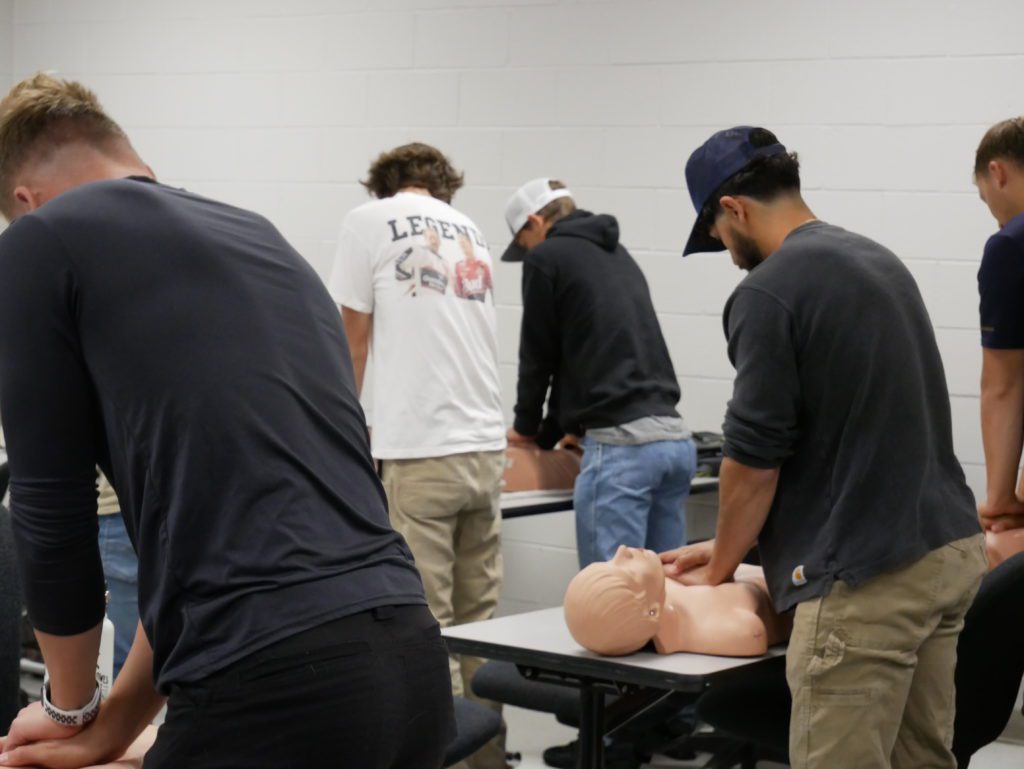
What if the person standing between a child and death were not a doctor or nurse, but their third grade teacher?
As a nurse and healthcare leader with more than 20 years of experience caring for children, I know how quickly an ordinary moment can become a life-threatening emergency. In a hospital, trained professionals and equipment are nearby. In a classroom, the first person available may be a teacher. Those first minutes matter.
More than 23,000 children experience cardiac arrest outside a hospital each year in the United States. Immediate CPR can double or triple a person’s chance of survival — but only if someone nearby knows what to do. In a study of cardiac arrests on school campuses in Japan, 50.9% of children who received bystander CPR and automated external defibrillator (AED) assistance survived 30 days with a favorable neurological outcome, compared with 20.0% who received neither.
North Carolina is making progress. Beginning in the 2026-27 school year, public schools must have a cardiac emergency response plan and at least one automated AED. Training requirements cover school nurses and staff supervising physical activity, but not every classroom teacher. A child can collapse during math class just as easily as during basketball practice.
 Sign up for the EdWeekly, a Friday roundup of the most important education news of the week.
Some will reasonably question another mandate for already overextended teachers and cash-strapped districts. Training takes time, instructors, and money. Yet leaving preparedness to chance has a cost, too. An AED cannot recognize an emergency or start compressions; a trained adult must act. The answer is not an unfunded mandate, but a phased, funded requirement built into existing teacher preparation and professional development.
North Carolina lawmakers should pass and fund legislation requiring all public-school teachers to complete hands-on CPR, AED, and first-aid training by the 2030-31 school year.
Virginia already ties similar training to teacher licensure. North Carolina could accept recognized courses or equivalents, require renewal every two years, and use existing licensure or employment records to verify completion. A phased rollout would give new teachers training before entering classrooms and current teachers paid time to complete it.
Read more
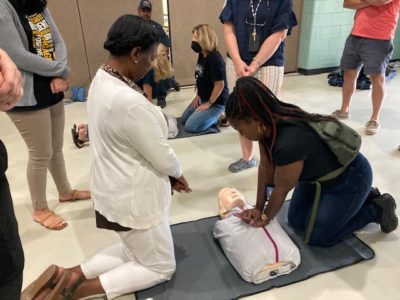

Training approximately 80,000 teachers could cost an estimated $16 million at $200 per person, before accounting for differences in local delivery costs. Legislators should budget for the rollout rather than shifting the expense to teachers. The measurable goal is straightforward: every public-school teacher trained and documented by the start of the 2030-31 school year.
Parents and educators: contact your North Carolina legislators and ask them to support a funded statewide teacher-training requirement.
Imagine that third grade classroom again. A child collapses, and the teacher calls for help, begins CPR, and uses an AED when indicated. When seconds count, the person who can save a child’s life may be standing at the front of the classroom.