
Perspective | What North Carolina gets right about workforce: Progress beyond politics

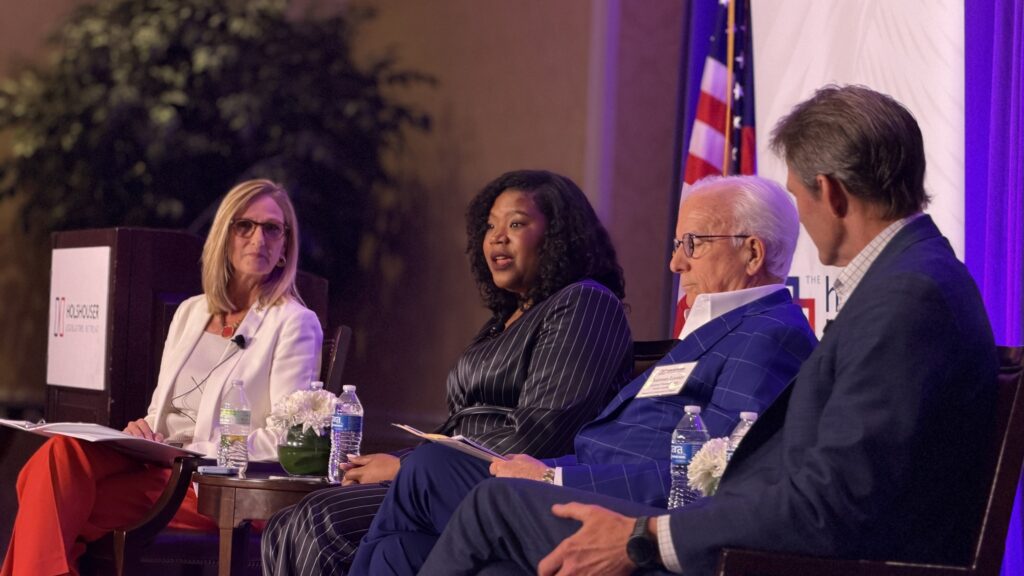
Across the country, workforce development is often framed as a policy challenge. In North Carolina, we’ve come to understand it as something more fundamental: a shared responsibility between educators and employers that works best when it rises above politics. It is a nonpartisan priority with bipartisan support — and a clear focus on outcomes.
North Carolina’s approach to workforce and talent development offers a different model — one grounded in collaboration, consistency, data, and a relentless focus on student and employer needs.
Over the past several years, our state has aligned around an ambitious goal: ensuring that 2 million North Carolinians ages 25-44 hold a high-quality credential or postsecondary degree by 2030. myFutureNC is a nonpartisan, nonprofit organization, led by a bipartisan Board of Directors, that was created to champion this work.
This goal is not owned by a single administration or political party. It is the state’s attainment goal — codified in law with bipartisan support and signed by the governor — to ensure North Carolina remains economically competitive now and into the future. The work is guided by leaders across business, education, policymakers, and philanthropy.
 Sign up for Awake58, our newsletter on all things community college.
This kind of alignment doesn’t happen by accident. It requires trust, discipline, and a willingness to prioritize long-term impact over short-term wins — placing the needs of students and employers above the silos that often define education and workforce systems.
North Carolina’s leaders don’t agree on everything, and unanimity is not what makes this work. There is broad agreement on a set of essential truths: Talent is the top driver of economic development. Education fuels economic prosperity, public safety, and healthier communities. Having a robust educational system and an educated population is one of our state’s greatest assets. Economic mobility matters. And preparing people for meaningful work benefits everyone.
This alignment is delivering results. North Carolina has been named the No. 1 state for business three out of the past four years and ranks No. 1 for workforce — reinforcing what’s possible when leaders stay focused on shared priorities.
This strong foundation has enabled progress in areas that often stall in partisan debate. Through strategic policy and philanthropic investments, the state has expanded pathways into high-demand careers, strengthened connections between education and industry, and increased access to work-based learning opportunities, including apprenticeships and pre-apprenticeships.
That same foundation is shaping how policy is developed in real time. The proposed Workforce Act of 2026 reflects North Carolina’s cross-sector approach — bringing together business and education leaders, policymakers, and philanthropists to strengthen pathways into high-demand careers and expand access to work-based learning. Rather than introducing a new direction, this Act builds on what is already working, demonstrating how alignment can translate into coordinated action.
Read more
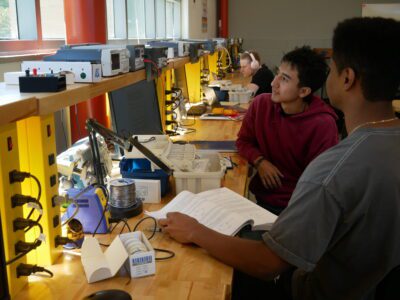
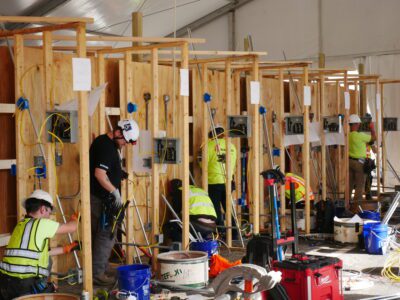
The bipartisan-led Governor’s Council on Workforce and Apprenticeships puts this approach into practice. Building on the state’s existing foundation, the council brings together leaders from industry, education, and government to strengthen coordination across the workforce system. Its value lies not in setting a new direction, but in reinforcing and accelerating a shared one.
This is what it looks like to build systems designed to last. Workforce development is not a one-year initiative or a single funding cycle — it is a long-term investment in people, communities, employers, and the educational infrastructure that supports them. North Carolina’s progress is rooted in structures that bring partners together consistently, align efforts across sectors, and create continuity beyond political cycles.
By embedding collaboration into how the work gets done — not just what gets prioritized — the state has created a model that can evolve over time while staying focused on its goals.
Work remains to be done. Gaps in attainment persist, and ensuring opportunity reaches every corner of the state will require continued focus and innovation. But North Carolina’s significant progress and continued success being No. 1 nationally in many related categories demonstrates what is possible when leaders choose partnership over partisanship.
At a time when it’s easy to focus on what divides us, North Carolina offers a reminder: Some of the most important work we do — preparing people for the future of work and ensuring employers have access to skilled talent — is our north star and unifying force.
And in our shared goal of 2 million by 2030, we are not just building a stronger workforce. We are building a stronger state — for today and for generations to come.