
Perspective | Now is the time to ensure a sound, basic education for all students


Protests continue. Throughout the country and in North Carolina, people are calling for change — systemic change to end racism and discriminatory policies. Protesters want to reform police tactics and how society treats people of color. How can North Carolina change and become more equitable? What strategies does the state need to take?
One problem of inequity has already been identified and a plan written to make schools more fair for all North Carolina students, including disproportionate numbers of black students who attend high-poverty schools. North Carolina has been involved in a lawsuit over school inequality and finance for a generation. A few months ago, just before the COVID-19 pandemic, both sides of the lawsuit agreed to the plan. Now is the time to implement systemic school reform in North Carolina.
The plan is based on agreements between plaintiffs and defendants in the lawsuit commonly called Leandro. In 1994, parents in low-income schools sued the state of North Carolina over failure to fulfill its constitutional duty to educate all its citizens. The North Carolina Supreme Court determined that every school child had the right to a “sound basic education,” to include proficient teachers, principals, and materials.
Over the years, the suit continued with few results. In the past two years, both sides of the suit agreed to hire an educational consultant, WestEd, to study the situation and make recommendations to ensure the right to education in North Carolina. Gov. Roy Cooper formed a committee to prepare for implementation.
In December, 2019, WestEd released its report and outlined measures for the state to take. The study confirmed racial disparities throughout the state, especially in high-poverty schools. WestEd wrote a specific report detailing inequities for high-poverty schools and steps to make education more fair for students of color.
Related reading
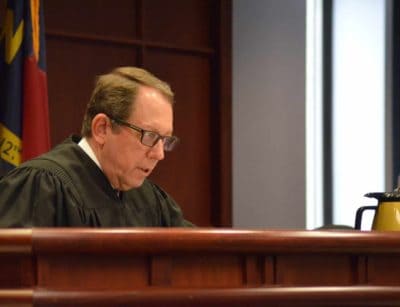
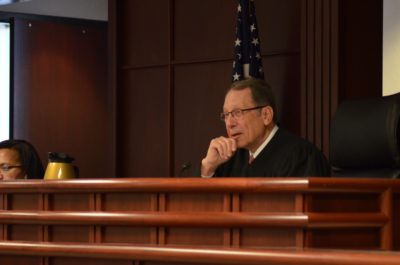
The judge in charge of the case, Superior Court Judge David Lee, gave parties involved until March to decide on first steps to adhere to the plan. The governor’s committee proposed several steps to take. Members of the General Assembly began to question the report and push back about more funding. Then COVID-19 hit and everything stopped.
Today, on streets across North Carolina, the call goes out for change. One plan is already here. WestEd calls for essential initiatives for high-poverty schools –more pre-K classes, lower class sizes, more technology resources, more experienced teachers and administrators, and better professional development to ensure teachers are using the most effective methods. These strategies are supported by research and studies around the country. These are sound, compelling steps to make education more equitable for students in the most need.
These students need North Carolina to commit to helping them receive a “sound, basic education.” They have been waiting for decades for resolution to this lawsuit. They have been waiting for generations for justice. The plan is already written. The governor and General Assembly and state superintendent need to make the decision to implement the plan.
Why are they not calling for its implementation right now? COVID-19 has created a budget shortfall. The state will need to balance the budget in this immediate fiscal situation. Nevertheless, North Carolina lawmakers and politicians should respond to the call for change and commit to a plan for fairness and opportunity for all students, especially those in high-poverty schools. The citizens on the streets and all across this state should demand this immediately.