
Perspective | From shared priorities to shared power: Why coordinated action matters for educational justice
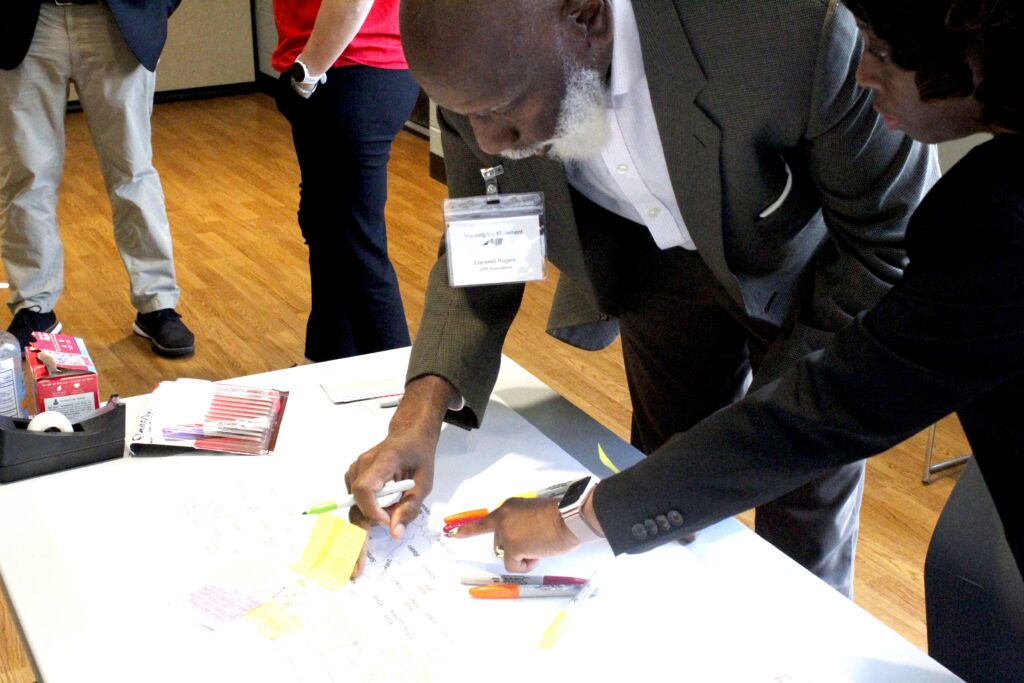
Mapping the Movement reminded us that collective impact requires more than shared concern. It requires partnership, coordination, and action.
On May 13, the Dudley Flood Center for Educational Equity & Opportunity hosted the third session of Mapping the Movement for the year. Participants did more than identify priorities, they mapped relationships, surfaced policy asks, reflected on current efforts, and began naming what it will actually take to move from concern to coordinated action.
One thing became immediately clear: North Carolina has no shortage of people committed to educational justice. Across communities, organizations, schools, advocacy groups, and institutions, people are deeply invested in ensuring students have access to opportunity and support.
But commitment alone is not enough.
The conversations throughout the session revealed that the movement for educational justice is deeply interconnected. Public school funding, educator diversity, early literacy, student mental health, food access, and school safety are not isolated issues. They are connected challenges that require connected solutions.
 Sign up for the EdWeekly, a Friday roundup of the most important education news of the week.
What surfaced across the discussions was not simply a list of concerns, but a web of dependencies. Participants identified shared priorities including fully funding public education, strengthening educator recruitment and retention, improving literacy outcomes, supporting student well-being, and shifting public narratives around equity and public schools.
Yet every issue pointed back to another. Early literacy depends on a stable and prepared educator workforce. School safety depends on mental health supports, trusted relationships, and community stability. Recruitment and retention depend on competitive compensation, preparation pathways, mentorship, and working conditions. Public education funding undergirds all of it.
Across priority area discussions, participants repeatedly named the need to connect policy priorities to the conditions that make progress possible — trust, public understanding, aligned messaging, community voice, and sustained follow-through.
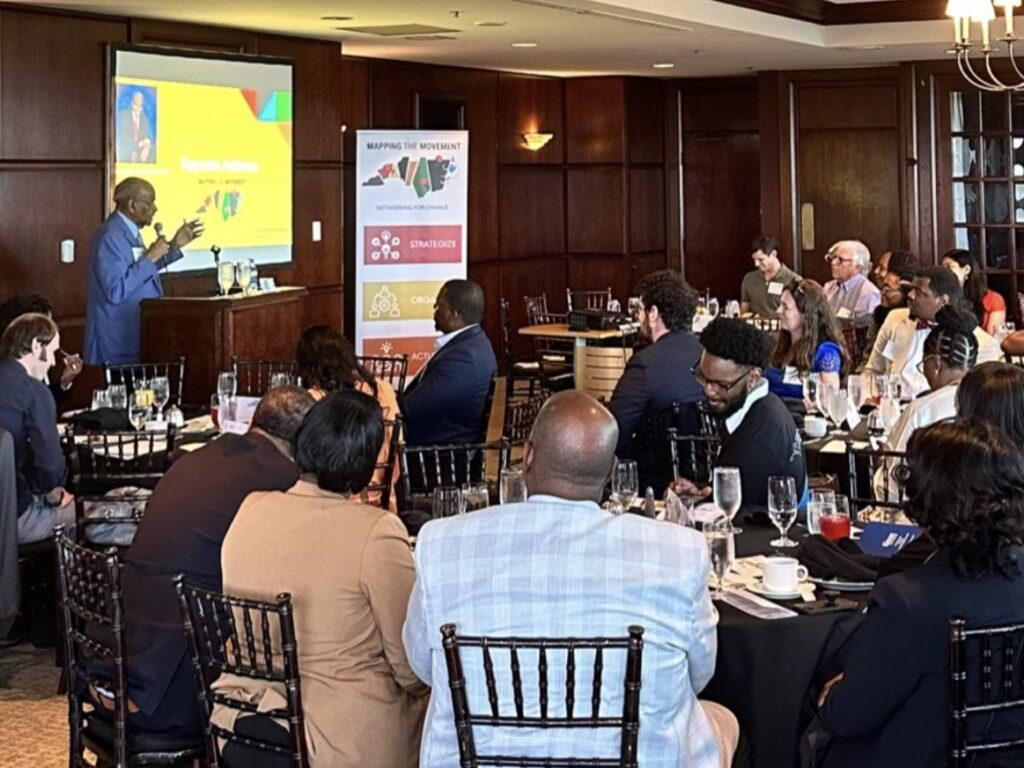
The session reinforced a critical truth: Fulfilling North Carolina’s constitutional promise to provide access to a sound basic education requires coordinated strategy, shared responsibility, and sustained public will. Simply put, no single organization holds all the relationships, expertise, resources, stories, or influence necessary to solve these challenges alone.
Some partners bring research and policy analysis. Others bring organizing power, community trust, or lived experience. Some hold relationships with lawmakers or district leaders. Others amplify the voices of students, parents, educators, and local communities. Each form of leadership matters because the work itself is layered and complex.
Educational inequity is reinforced through policy decisions, funding structures, geography, race, access, and public narrative. Our response must be equally comprehensive. We need researchers and storytellers, educators and advocates, students and policymakers, statewide organizations and grassroots leaders working together toward shared outcomes.
Throughout the session, participants were asked to think not only about what action should happen, but what those actions depend on. This “dependency test” became one of the most important framing tools of the day. Participant notes reflected this clearly: many proposed actions depended on stronger communication across organizations, clearer roles, shared language, and better ways to connect community stories to policy asks.
A policy campaign depends on aligned messaging, research, community stories, and organized public pressure. A literacy initiative depends on prepared educators, family engagement, and access to resources. Advocacy efforts depend on understanding who holds decision-making power and how local action connects to statewide strategy. Effective organizing depends on trust, communication, and follow-through.
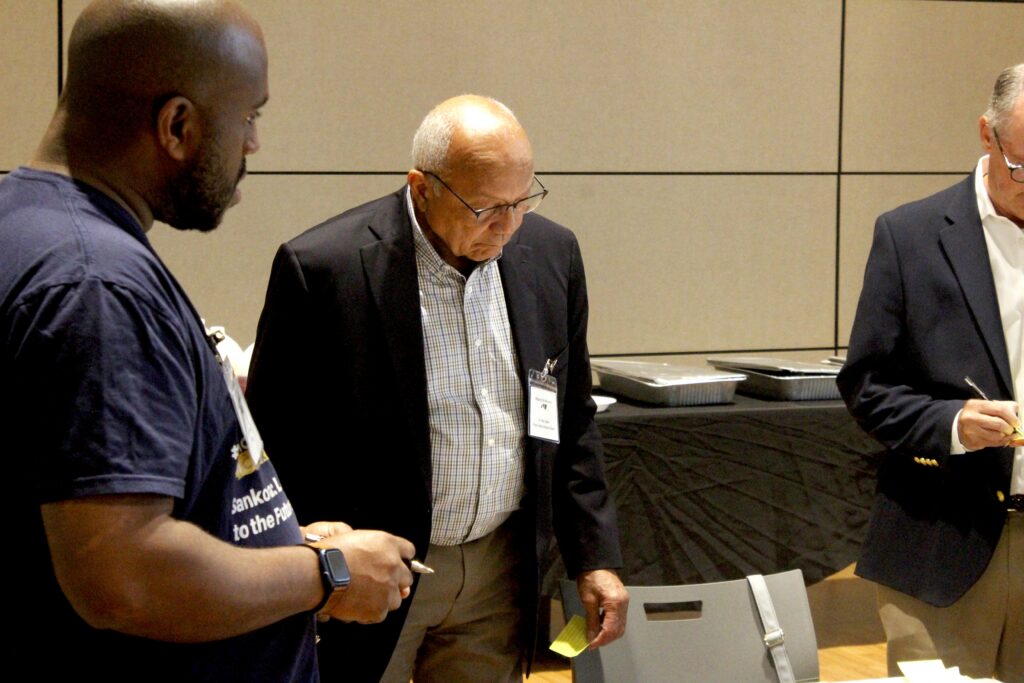
The exercise reminded participants that collective impact requires infrastructure, not just intention.
When we are not coordinated, the work breaks. Not because people do not care, but because care without coordination can become scattered. Lawmakers hear fragmented messages from groups ultimately fighting for the same students. Organizations duplicate efforts because they are unaware of existing work. Families, educators, and students are repeatedly asked to engage without seeing clear next steps or outcomes. Momentum fades between convenings. The same individuals carry too much responsibility while opportunities for broader engagement are missed.
Most importantly, disconnected efforts create space for others to shape the public narrative around education, often in ways that do not reflect the realities facing students and communities.
Mapping the Movement challenged participants to move beyond alignment in principle toward alignment in practice. The next phase of the work requires building systems for coordinated action. That means organizing around shared priorities, identifying clear roles for partners, developing common messaging, tracking progress, and creating structures for accountability and communication across the network.
Collective impact does not happen simply because people agree on values. It happens when people intentionally align their actions. It requires humility, discipline, trust, and a willingness to recognize that no one organization owns the movement. Everyone has a role to play in strengthening it.
The goal is not for every organization or participant to do the same thing. The goal is for the work happening across communities and sectors to move in the same direction.
The next phase of Mapping the Movement is about action. Each participant, partner, and organization must identify where they can contribute, what action they can take, and who they need in order to move forward. The relationship-mapping exercise offered a starting point by helping participants name not only what they care about, but who they need to be in stronger relationship with to move the work forward.
If we can align our messages, coordinate our efforts, and strengthen partnerships across the movement, we can build the collective power necessary to advance educational equity across North Carolina.
Join us Oct. 2-3, 2026, for the Color of Education Summit at the McKimmon Center in Raleigh, N.C. to continue building a path toward educational justice. To learn more about the Color of Education visit our website.