
Perspective | ‘I feel pressure all day, every day’: Finding refuge and resilience on education’s front line
The education sector faced a climate of volatility in 2025. While districts continued to grapple with the lingering scars of the pandemic, they were simultaneously confronted with waves of challenges. Shifting federal policies, sudden cessation of funding, and immigration enforcement actions increased the volatility of an already fractured system. For those educators on the front lines, it became a daily exercise in containment — protecting students from the storms outside the walls of the school, while struggling to sustain their own well-being.
It was against this backdrop that the Color of Education Summit took place in Raleigh. Organized by the Dudley Flood Center for Educational Equity and Opportunity, the summit is always a highlight for equity-minded advocates. But this year, one session offered something different. It wasn’t a lecture on policy or a workshop on pedagogy.
It was a refuge.
Aligned with the summit’s theme of storytelling, this session intentionally flipped the traditional format of a conference session. The participants, who consisted of teachers, instructional support personnel, and administrators, functioned as the presenters. The session was driven by participants’ candid stories about their experiences over the past five years, beginning with COVID and ending with the recent ramifications of budget cuts. Their insights — captured onto handwritten notes by the staff of the Dudley Flood Center — painted a picture of a workforce that is exhausted and constrained, yet deeply sustained by one another.
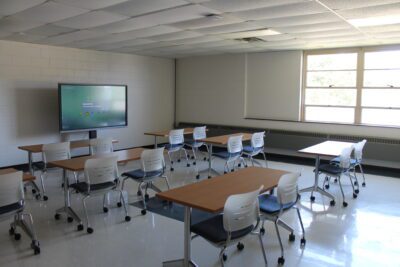
Participants quickly broke into small groups, instantly establishing community among strangers in the McKimmon Center conference room. Their insights were collected anonymously and three distinct themes emerged about the state of education in North Carolina.
Lost lessons, lost opportunities
One of the most profound themes to emerge was of lost opportunity. During the pandemic, educators experienced great tragedies as we all did — social isolation, rampant fear of the unknown, blurring of work-life boundaries, and at worst, loss of loved ones.
Yet amongst these dire circumstances was hope. Participants believed that the pandemic provided the necessary momentum for school systems to finally realize the goals of 21st-century learning. While the vision for modern learning has existed for decades, this crisis finally brought its potential to fruition. For instance, the emergence of student-centered learning, technology integration, and flexible environments gained significant momentum. One participant noted: “Teachers quickly shifted to teaching online. I hoped it would build self-efficacy to continue to innovate and change systems.”
During this period, school systems also provided resources to support all aspects of a student’s life — their bodies, their feelings, and their minds. Academics were still prioritized, but there was a stronger emphasis on student-well being.
We learned so much about our students during that time. We talked about common challenges and vulnerabilities… The relationships simply felt more authentic and less transactional.
— Session participant
This care for the whole person was also extended to educators as well. One participant reminisced about a midweek wellness initiative for staff. Administrators reevaluated the effectiveness of the traditional 40-hour work week and determined that staff needed one day a week to complete clerical, administrative, and/or professional development requirements. These innovations proved that when forced by necessity, school systems are capable of prioritizing human connection and holistic well-being over rigid traditional structures.
Under pressure
Nevertheless, the urgent drive to return to “normal” squandered the hope for systemwide educational innovation. This lost opportunity brings us to our next theme: pressure. Participants expressed that this pressure was not isolated to one role, district, or system. A special education teacher said, “I started the year with nearly 140 Individualized Education Program (IEP) goals to write. It just felt like an unrealistic expectation. I would be doing more paperwork than actual work with children.”
A principal expressed the difficulties of being positive while trying to build the capacity of a staff full of traumatized teachers. Others cited stress from overwhelming testing expectations for third graders, removal of culturally affirming books, censoring information from students, and the conflicting pressure of staying on pace versus slowing down to teach what is needed. All of which created an unsustainable environment that undermines genuine 21st-century teaching practices.
Educators shared profound concerns regarding the impact of federal mandates — specifically, the palpable fear surrounding Immigration and Customs Enforcement (ICE) activity and the constant threat of raids. The discussion surrounding potential ICE enforcement brought forth a mixture of emotions: sadness, anger, frustration, and resistance. One elementary school teacher shared how her students are unable to learn due to fear and anxiety. Multiple educators noted that in efforts to protect their children, parents frequently declined permission for their children to participate in field trips, while others discussed the rise in student absenteeism.
The relentless experience of stress and exhaustion have become the baseline for educators. Best summarized by one participant who said, “I feel pressure all day, everyday.”
Related reads
Hope and inspiration
This session’s final emergent theme was validation and collective support. In an educational climate defined by relentless pressure and systemic strain, the simple act of openness and honesty among colleagues proved to be restorative. The opportunity to hear authentic accounts of peer challenges served as a powerful antidote to isolation. This shared vulnerability validated that the overwhelming experiences and difficulties facing one educator were not unique, but part of a larger, shared reality. The unifying sentiment was clear: “It’s good to know that I am not alone.”
This communal space fostered not just comfort, but inspiration and advice. Participants felt energized by hearing that they were not the only ones “fighting for equitable student experiences,” with that advocacy stemming from every corner of the profession — teachers, school counselors, social workers, and administrators. This environment of affirmation immediately spurred action: One participant was inspired to replicate this type of open, communicative space for teachers within their own school, recognizing the vital need to “share, affirm, and question life in this time” locally.
The effectiveness of the session was heightened by the diversity of attendees. The openness and willingness to be honest in a mixed-race room was appreciated, highlighting how genuine, cross-cultural dialogue deepens understanding and strengthens the feeling of community.
 Sign up for the EdWeekly, a Friday roundup of the most important education news of the week.
Finally, attendees offered one of the most vital pieces of advice for surviving in a demanding system: the need for self-preservation. Recognizing that this work can feel “heavy and overwhelming” and demands everything of the individual, participants urged each other to actively choose rest and to “carve out time for activities that keep them at perfect peace.” This blend of peer validation, recognition of collective effort, and the powerful advice to prioritize personal well-being, solidified the session as a necessary and affirming experience.
The call for courage in 2026
The session was more than just a momentary refuge; it was a continuation of the pursuit for educational opportunity and equity — the core mission of the Dudley Flood Center. The candid sharing about lost opportunities, unrelenting pressure, and deep communal support highlights that a fractured system cannot be easily mended; it demands spaces where vulnerability is honored, and where educators can reclaim their purpose.
As we enter a new year, the insights gathered from this brave session could serve as a roadmap to redemption. They compel us to ask: How might we fulfill the need for innovation, progress, and the professional autonomy that we briefly experienced due to emergency measures taken during remote learning? The temporary empowerment felt by educators — the ability to swiftly pivot, prioritize well-being, and utilize flexible instructional models — should not be discarded as temporary measures, but adopted as a sustainable standard.
Furthermore, how might we intentionally build and maintain structures that resist the external, often political, forces seeking standardized classroom practices that leave little to no room for personalization? The answer lies in creating policies that shield schools from undue influence regarding curriculum and materials, and adopting models like “midweek wellness initiatives” and authentic whole-child support that proved beneficial under crisis. Our redemption hinges not on demanding more from exhausted staff, but on giving them back the time and trust necessary to truly innovate and lead.
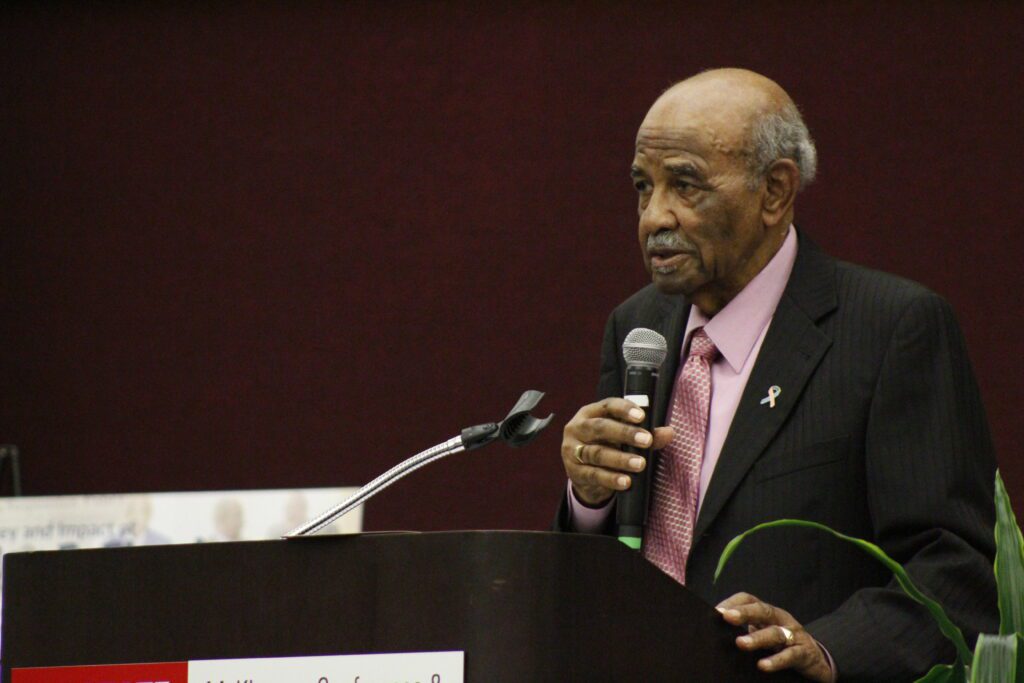
Ultimately, the power of this single conference room lay in its ability to offer connection and renewed commitment in the face of exhaustion. It is a powerful reminder of the enduring spirit that drives the profession forward, a spirit Dr. Dudley Flood himself recognized when he said: “There is power in people. There is power in association. There is power in coming together.”
In the coming year, that power of coming together — to share, to validate, and to plan — will be the most essential fuel for achieving the equitable and humane education system our students deserve.