Educators are aiming to connect students not just with high-quality instruction, but with in-demand jobs.
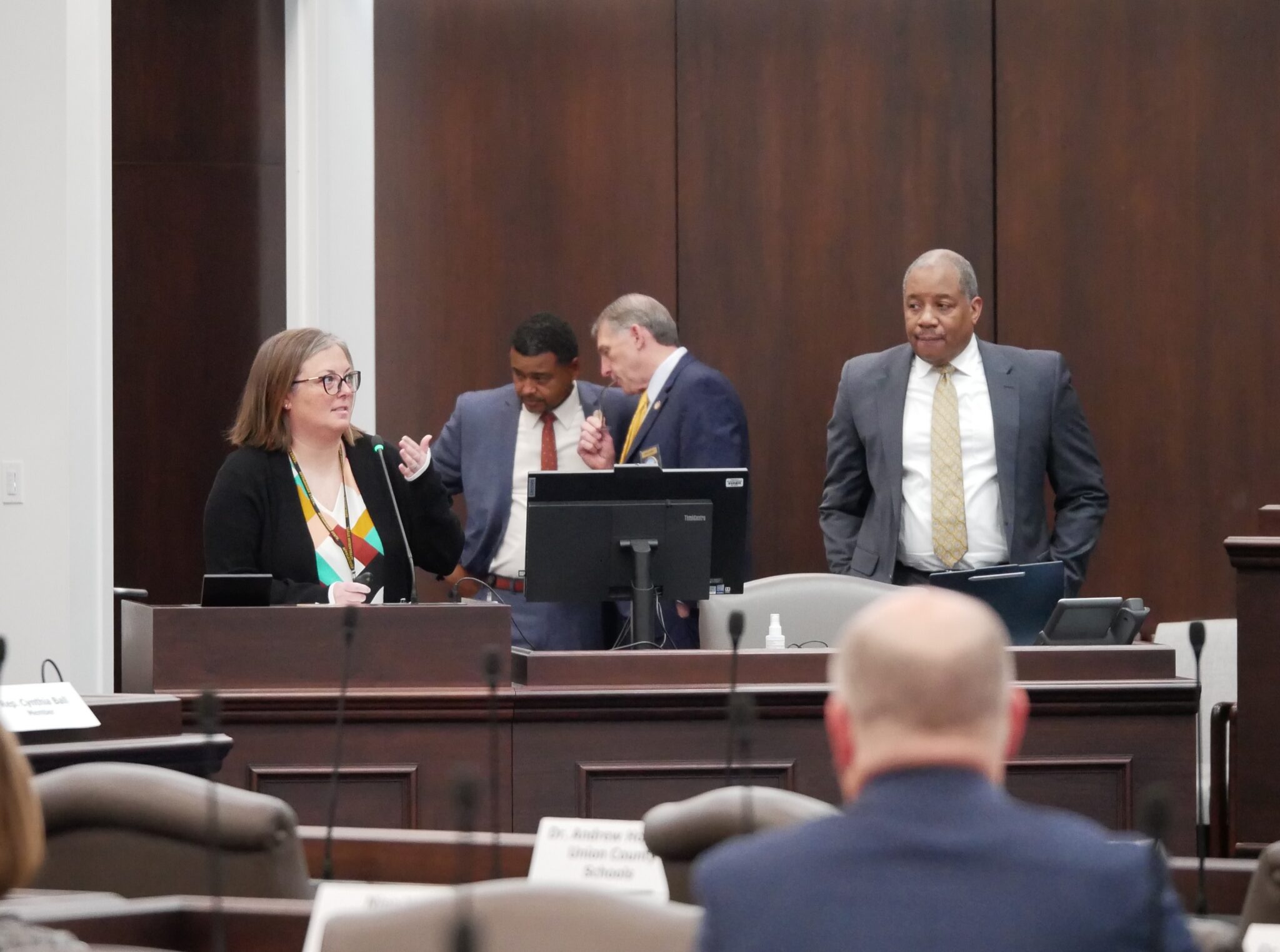
School and program leaders shared how they are aligning their work with employers’ needs with the Joint Legislative Education Oversight Committee (JLEOC) on Tuesday.
The committee consists of legislators from both chambers and typically meets in between legislative sessions to consider education issues. Find a summary of each of Tuesday’s presentations below, or navigate the menu on the left to jump to different topics.
Evolving math options based on goals after high school
The state’s education leaders are revising K-12 math standards, according to a presentation from the Department of Public Instruction (DPI). These are the end goals of a course or grade, while curriculum encompasses how educators help students reach those goals, explained Kristi Day, director of the Office of Teaching and Learning at DPI.
The State Board of Education sets standards, while curricular choices are made at the local level.
“So textbooks, lessons, activities, classroom assessments — those are all chosen by local districts, depending on what is best for their students in their schools,” she said.
Day said DPI started this process in 2024 and plans to have new standards in place by the 2028-29 school year. This summer, the state Board will vote on the changes.
“The changes are coming based on workforce needs,” Day said.
 Sign up for the EdDaily to start each weekday with the top education news.
The department wants students to be prepared for several postsecondary options, DPI leaders said, and wants the math skills they acquire to align with whatever path they choose to take after graduation. DPI is planning to create “math pathways” to connect students’ postsecondary goals to their math courses.
The draft standards would give students greater choice, leaders said. For example, high schoolers would have two required math courses and two courses they choose, instead of three requirements and one choice course.
From listening to educators, parents, employers, and other stakeholders, some themes arose. Stakeholders wanted clearer standards for educators and families, stronger vertical alignment between grades, a greater emphasis on foundational skills, and connections to real-world applications.
The draft standards place more of an emphasis on statistics and data science, and revise discrete math and computer science. Day said they have heard from employers that they need workers who can work with large datasets.
The draft standards would also change what students learn in precalculus, shifting to the Advanced Placement’s (AP) framework, and revise all four NC Math courses.
The standards aim to balance three skillsets, according to Day’s presentation: students’ conceptual understanding of content, their procedural fluency — or how well they can choose from and use a variety of strategies to solve different problems — and their ability to apply math in real-world settings.
Day said the math standards revisions are aligned with Superintendent of Public Instruction Mo Green’s strategic plan through strengthening K-12 teaching and learning, and boosting early learning.
The state has had a particular focus in recent years on aligning early reading instruction with research-backed practices often called “the science of reading.”
Related reads
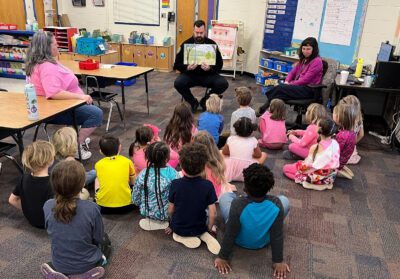
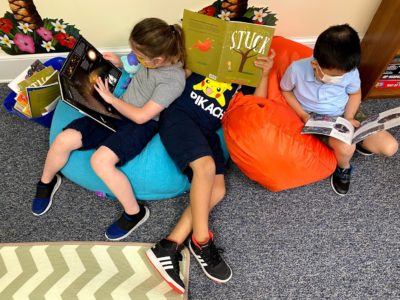
Day said DPI is “expanding science of reading successes and launching a parallel focus on foundational math in early grades so that students in those early grades are getting lots of support around literacy as well as math, to help lower the need for remediation.”
Green spoke briefly to legislators to share statewide successes: the state’s highest graduation rate at 87.7%, a record level participation in AP courses, and the highest number of students earning industry credentials at over 380,000.
Legislators requested more time with DPI officials and Green to further dig into the new standards, as the presentation was cut short due to time restraints.
You can view DPI’s full presentation here.
The launch of Rockingham’s CTE Innovative High School
Rockingham County Schools opened its second Cooperative Innovative High School (CIHS) this school year, the CTE Innovative High School, which aims to prepare students to enter the workforce directly after high school.
CIHS’s are small public high schools that are typically located on a university or community college campus, and many are early colleges, which focus on students’ earning college credit and degrees while still in high school.
Rockingham County already has an early college. The motivation to open the CTE Innovative High School came from listening to employers, said Charles Perkins, assistant superintendent of K-12 curriculum and instruction, in a presentation at Tuesday’s meeting.
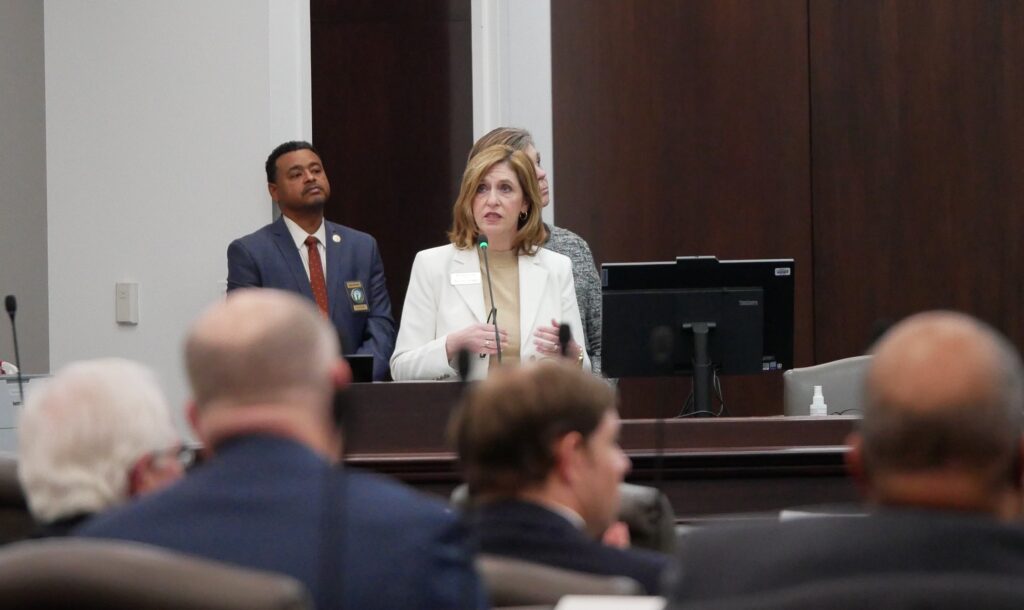
“We had gotten a lot of feedback, and some of it not so nice feedback, from our economic development that we were not producing students and graduates that were meeting the workforce development demands in our county,” Perkins said.
In response, the district partnered with economic development entities and Rockingham Community College. The new high school welcomed its inaugural class of 38 students this school year.
Students have opportunities to earn college credit and workforce credentials, and participate in job shadowing and internships, as well as pre-apprenticeships and apprenticeships.
Employers are involved every step of the way, local leaders said, both in the new high school and in the district as a whole. Students are exposed to a variety of local businesses and careers through events and course offerings throughout elementary, middle, and high school.
Related reads
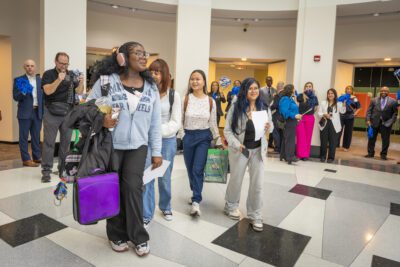

The goal is for students to “graduate, not only with degrees, but graduate into a job with an employer that has been investing them since very early,” said Rockingham Community College President Sylvia Cox.
The school offers CTE Innovative High School students three pathways, which are aligned to local high-demand industries: advanced manufacturing, construction trades, and health care.
The school is accepting applications for the 2026-27 school year for 80 incoming first-year students and 15 sophomore transfers.
Cox said the high school has used grant funding from the Golden LEAF Foundation to share personnel between the community college and high school, purchase equipment, and create accelerated credential pathways.
“They’ve given us the the ability to do the deep dive to see if we’re aligning with exactly where we need them to be, because education is great, but students need jobs that make them feel meaningful and connected to their community,” Cox said.
Driving textile innovation in Gaston County
The North Carolina Center for Applied Textile Technology, which is part of Gaston College in Belmont, is considered “the 59th institution in the community college system,” according to a Tuesday presentation.
State legislators created the center in 1943 to offer degrees and certificates to textile mill workers supporting the World War II effort. Its mission, to support the state’s textile industry, remains. But its offerings have reflected dramatic changes in that industry, said Jasmine Cox-Wade, the center’s executive director.
“Our profile of what we offer as a center shifted from specifically labor, to now offering testing, third-party quality development, and R&D support for the remaining innovators in North Carolina and throughout the country,” Cox-Wade said.
The center also provides customized industry training that prepares individuals with the basic skills they need to enter the workforce. The center partnered with 21 companies in North Carolina and, in 2025, served 2,000 workers across the state.
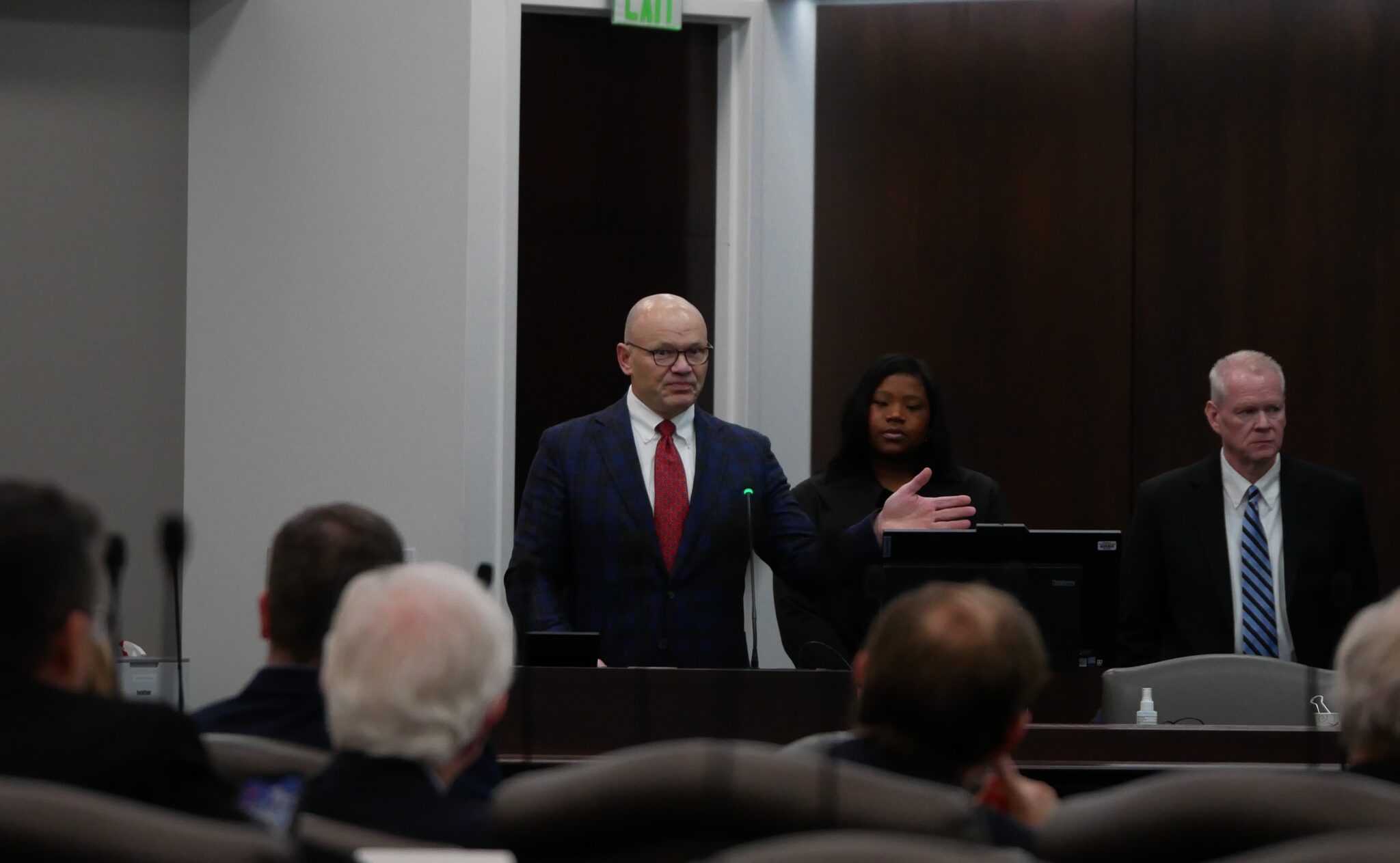
But the school is struggling to retain high-quality faculty and keep up with the industry’s demands with limited state funding, said Gaston College President John Hauser. The center currently receives $753,986 annually from the state, according to Hauser’s presentation Tuesday, and supports a $1.8 million payroll.
“So where does the rest of that money come from? I have to pull that off of state-earned FTE money,” Hauser said. “I have to pull from student resources … that they really need, to fund this center that you all set under Gaston College and have not been properly funding for some time.”
Hauser requested $4 million in recurring funds from the legislature.
Charles Heilig, president and CEO of Parkdale Mills, a yarn manufacturer processor based in the county, spoke about how the company has used the center’s resources to train its workforce and develop new products.
Almost all of the company’s employees utilize Gaston College for training and credentialing, he said.
Related reads
Heilig said his team has developed a biodegradable polyester through Gaston’s new Fiber Innovation Center, and is working on doing the same with other synthetic materials, which he sees as the future of the industry.
Pointing to a map of the campus, Heilig said: “The third building up there and the first building on the left are critically important to the future of textiles, not only in North Carolina, but across our country. … We need to innovate and create in North Carolina. Gaston College, the Fiber Innovation Center, are natural extensions to every textile company in North Carolina. We need to be a synthetic creator in our state, not only a cotton producer, not only a farming state, we need to create synthetics.”
Union County superintendent says math tutoring model shows gains, can be scaled
Union County Public Schools (UCPS) has integrated daily math tutoring for every student in fourth and seventh grades, and an outside evaluation shows it’s boosting students’ outcomes.
The district originally started the tutoring, for which it developed its own curriculum, in six low-performing schools in 2017. Four of those moved off the low-performing list, said UCPS Superintendent Andrew Houlihan in a presentation Tuesday.
The district then expanded the model to 13 more schools after the pandemic as a strategy to recover learning loss. They tried two models in these schools, one that targeted specific students and one that served all students in each grade.
Since 2024, the district has returned to the whole-grade approach, and Houlihan said he believes this model could be scaled in other districts. Houlihan said it costs his district $2.75 million across the district, or about $170,500 per elementary school and $352,500 per middle school.
Related reads

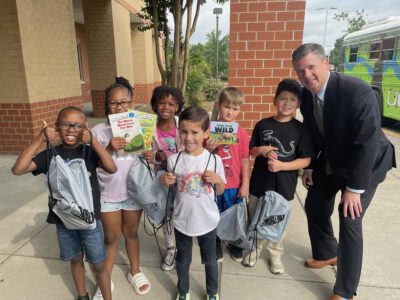

Students are pulled from their regular classroom in small groups for 30 minutes per day and receive math tutoring from trained tutors. The district aims for three children per group and caps the size at four children.
Tutors are paid at $25 per hour, must have a high school diploma, and must pass a math assessment. The district provides monthly training to all the tutors.
UNC-Chapel Hill researchers studied both the fourth and seventh grade models, and found statistically significant positive effects on students’ EOG (end of grade) math scores. The average effect of the whole-grade model for fourth graders over six years was 12 percentage points in math scores, according to Houlihan’s presentation.
The researchers, which studied the program as a post-pandemic learning recovery strategy, recommended that the legislature create a pilot program in low-performing schools with a similar high-dosage tutoring model.
Houlihan suggested the same on Tuesday. He said UCPS has already trained more than 50 school districts across the country on the model. The district is willing to serve as a lead district to train others and share its curriculum free of cost, he said. To have similar outcomes in other contexts, he said the model’s top “nonnegotiable” features are: the curriculum, the ratios, and the time per day.
The researchers pointed to similar factors: low student-to-tutor ratios, the students receiving tutoring at least three times a week — during the school day, and every week — and the tutors receiving prescriptive training. The report on the fourth grade model also said some flexibility should be granted because of the model’s ineffectiveness for “students with exceptionalities.”
Houlihan said that if the legislature invested in a pilot, districts should commit to implementing the whole-grade model, fully utilizing the program’s materials, and annual progress monitoring and evaluation.
“Don’t reinvent the wheel, steal it and make it your own,” he said.
NC Ed Corps says tutoring is key part of state’s reading efforts
Legislators also heard updates from a literacy tutoring effort improving outcomes in districts across the state. The NC Education Corps recruits and helps districts access tutors for 30-minute sessions at least three times per week in elementary school.
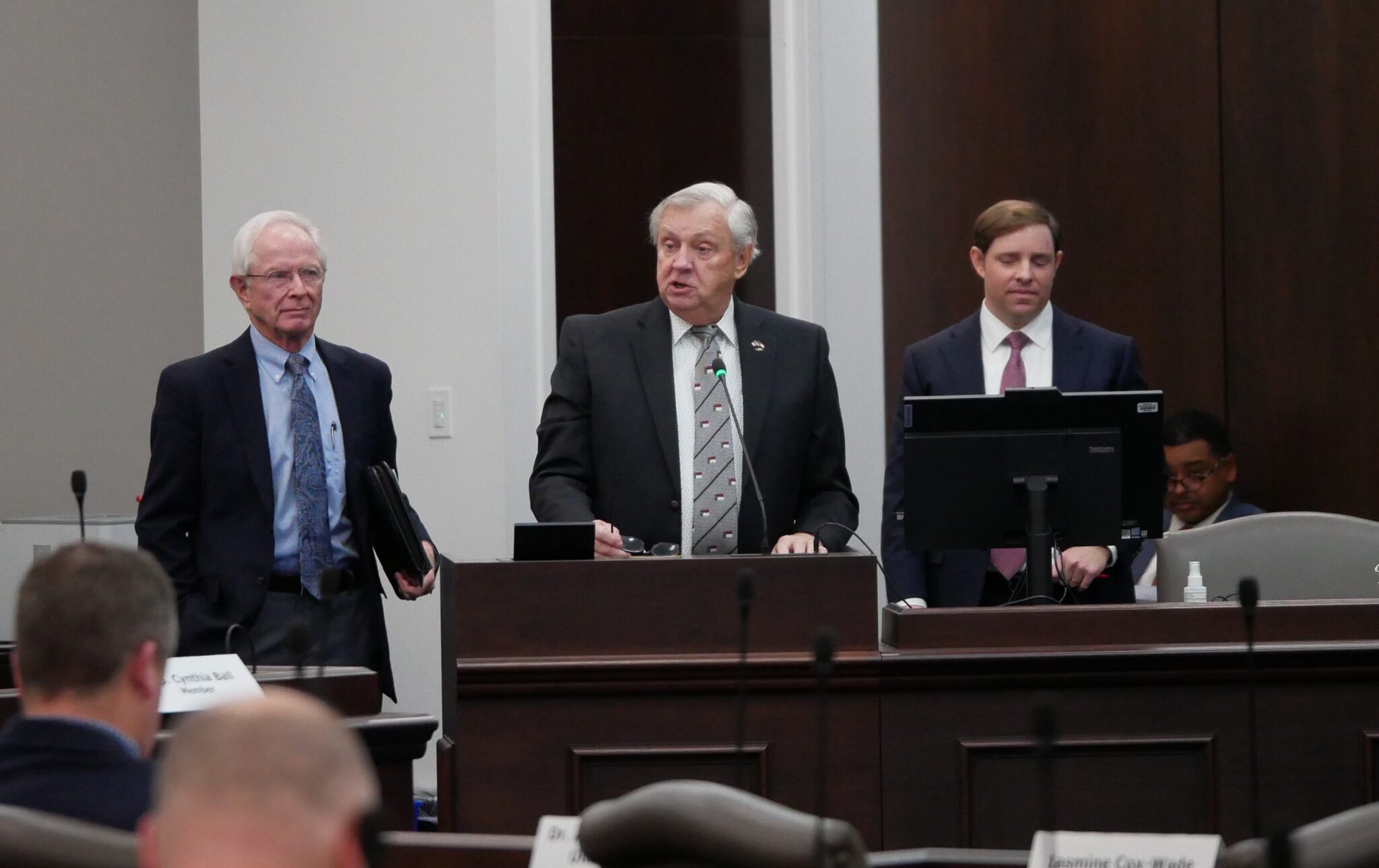
“We want to keep doing this work,” said Mike Ward, chair of the organization’s board of directors. “You’ve made literacy a priority through the Excellent Public Schools Act, Read to Achieve, and LETRS training that’s been provided to teachers. We’re doing our part to help. We share the belief that learning to read is an important thing for an individual, but we also know it’s key to our shared well-being, it’s key to economic development, it’s key to providing a competitive workforce, and it’s key if we want to continue to be a great place to do business.”
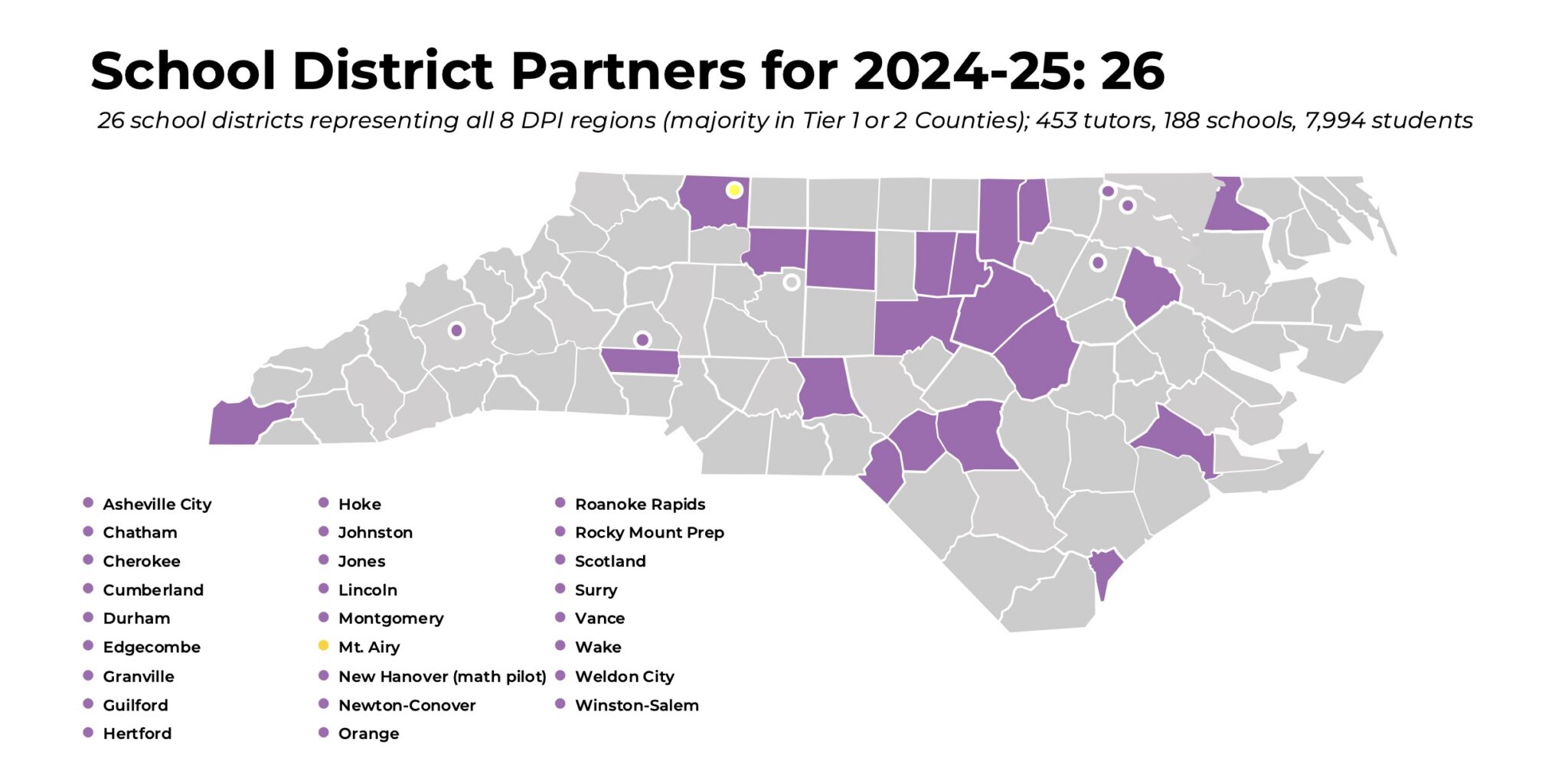
The organization has helped districts hire 1,265 corps members, half of which are retired educators, and served 41 total school districts and more than 22,000 students since its launch in 2020.
Related reads
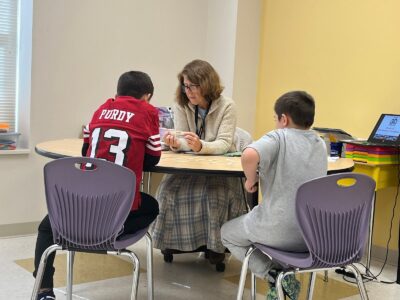
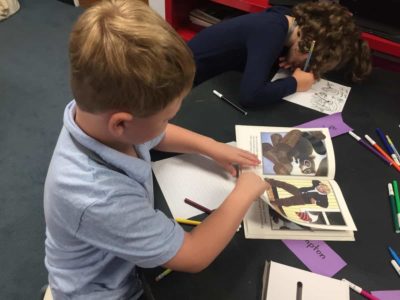
The model targets elementary schoolers who score below grade-level on beginning-of-year assessments.
An outside evaluation found students accessing the model were gaining an additional two months of learning compared to their peers receiving other interventions.
The model costs about $1,100 to $1,400 per student. It typically costs about $650 for each school and about $550 for the organization, which is funded through a mix of state and private funding, said John-Paul Smith, executive director of the group.
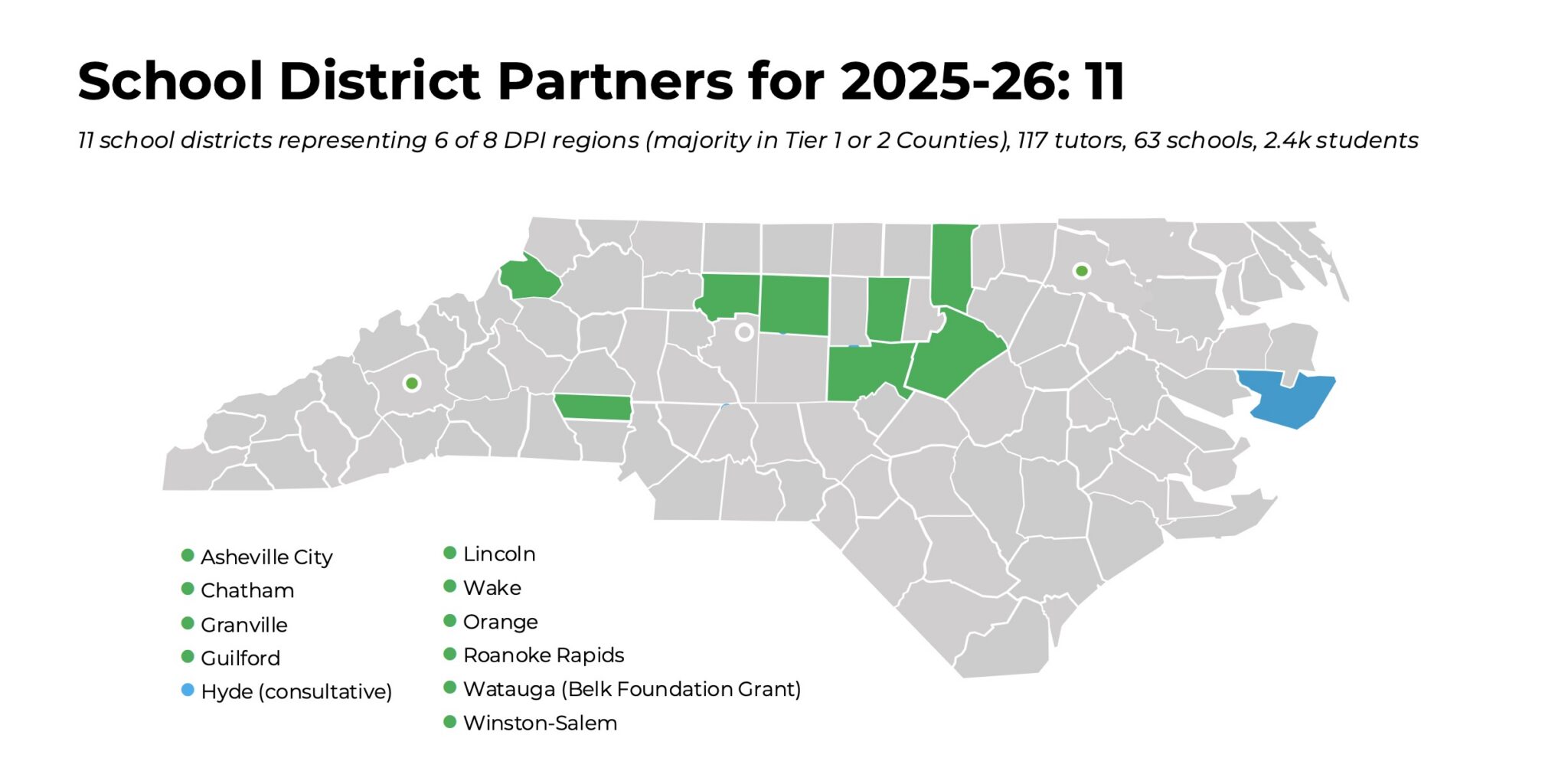
Smith said the organization needs $5 million in recurring funds from the legislature to return to operating in 26 school districts, like they were in the 2024-25 school year with the help of a one-time state allotment. This school year, the effort has scaled back to 11 school districts. It would need $2 million per year to continue its current reach.
“We’ve been squeezed (without) that additional funding,” Smith said.
About 67% of kindergarteners and 42% of third graders were reading below grade-level in 2024-25, according to data from benchmark assessment tool DIBELS.
“Certainly, we can all agree that reading is not just fundamental to education, it’s actually critical to success in life,” said Craig Horn, a former state representative from Union County and member of the organization’s board of directors.
Helping ‘last miler’ adults earn high school diplomas
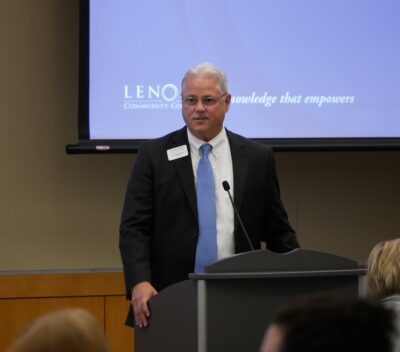
Legislators also heard from Emily Marsh, vice president of public policy and government affairs at Graduation Alliance, a company that works with states and agencies across the country to develop “diploma completion programs.”
Marsh said the company works with 20 school districts in North Carolina to provide attendance recovery services. Her presentation Tuesday focused on its “pay-for-performance” model that aims to help adults earn their high school diplomas.
Nine other states use the model, which targets adults over 21 years old without diplomas or credentials.
“We’re talking about those that have aged out of being able to return to their local school district and what we call the ‘last miler,’ or those that have two years or less left to complete their high school diploma,” Marsh said.
Related reads
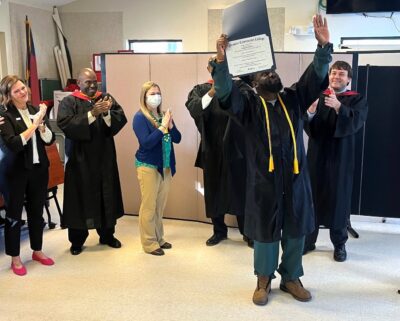
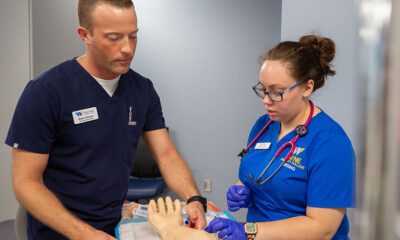
Marsh said individuals with higher incomplete high school requirements are better suited for GED programs, which are offered at all 58 community colleges.
The model pays providers as participants reach different milestones, like earning credits, employability skills, certifications, workforce credentials, and graduation. The credentials it offers its participants differ depending on what states need, Marsh said.
“It’s a program designed to add one more element to the state’s ecosystem, to reach adults and prepare them for the jobs employers are seeking to fill and to do so in the near term,” she said.
Marsh recommended the model sit within the state’s community college system. The program is available in in-person, online, or hybrid formats.
“This flexibility allows the adult learner complete their coursework no matter what their work and family schedule may look like,” she said.
Each student is connected with an academic coach to monitor their progress and “provide support in overcoming barriers that may exist,” Marsh said.
Fifty-seven percent of participants graduated, 17% enrolled in postsecondary education, and 61% went on to work in high-demand fields, according to Marsh’s presentation, like health care, construction, manufacturing, and transportation. Sixty percent got a better job or a raise after completing the program.
Editor’s note: Craig Horn is a member of EdNC’s strategic council.
Recommended reading