When Rev. Dr. David Blankenberg arrived at Central United Methodist Church in Albemarle two years ago, he learned that 54% of the students attending the two schools closest to the church on average read below grade level.
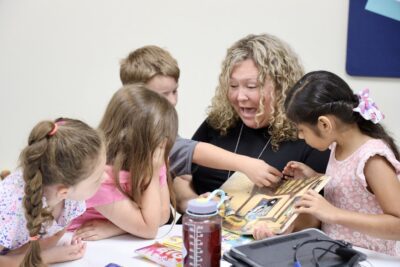
Thankfully, Central’s participation in the Summer Literacy Initiative (SLI) ensures that some rising first- and second-graders in the area have the chance to work on their reading comprehension skills during the summer.
“Whenever you find a need in the community and something that the church can offer, you know that’s a calling,” he says.
SLI, funded by The Duke Endowment, offers small groups of students four to six weeks of extra reading instruction in rural North Carolina churches. In 2012, the program began with one church. Last summer, 26 churches were involved.
 Sign up for the EdDaily to start each weekday with the top education news.
Making summer learning fun
While summer provides students a break, its length means some children don’t retain literacy skills from the previous year. Subsequently, when those students return to school in the fall, their reading comprehension immediately puts them behind their peers. The skill loss is called the summer slide.
Instead of resisting the extra education, Blankenberg hears Central SLI program participants love attending “camp.”
This past summer Blankenberg notes that three parents told him, “I can’t get my kid out of bed to go to school, but every morning they’re up with their backpack on, waiting at the end of the driveway for the bus to pick them up for camp.”
Blankenberg remembers asking a child what he loved about camp.
The child responded, “This is the place where I feel safe.” Blankenberg adds that the child’s reading score also improved. “He grew because he felt safe.”
Participants for Central’s SLI program are selected from the two elementary schools closest to the church. Teachers already working in those schools, whom students may recognize and even know, are hired as instructors. Last summer was Central’s second year of SLI and more than 20 students attended.
Blankenberg notes that the goal of summer literacy camp isn’t exponential growth — it’s stopping summer slide.
“If we can stop that flatline, even give it a little bump up, that’s a win,” he says.

Providing students with a safe place to go
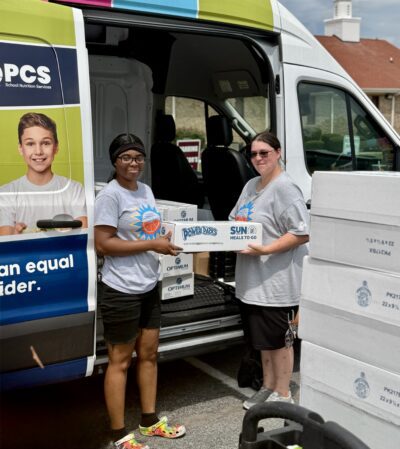
Along with the extra instruction, there are additional benefits. For one, participants receive two meals a day, which some children may not get during the summer. It also offers students a safe space. Blankenberg remembers asking a child what he loved about camp.
The child responded, “This is the place where I feel safe.” Blankenberg adds that the child’s reading score also improved. “He grew because he felt safe.”
Along with SLI, Central participated in the Rural Center’s Connect Church program, which helps churches inventory their skills and assets. Central’s Connect Church team is creating an app (and website) that compiles local nonprofit information.
As an example, Blankenberg says that once the project is live, someone with housing needs can pull up the app on a phone or one of five tablets placed around town, “click on housing, and suddenly all the resources for housing are listed right there along with direct links to their website.”
Through again meeting the local community where they are, both projects, SLI and the app, highlight how providing for others can take different forms, but starts with being present.
Editor’s note: This article was originally published by the NC Rural Center. The Duke Endowment supports the work of EdNC.

Recommended reading