
EdNC’s Hurricane Helene Playbook: Lessons learned in K-12 from before the storm through reopening

Editor’s note: This article is part of EdNC’s playbook on Hurricane Helene. Other articles in the playbook are available here.
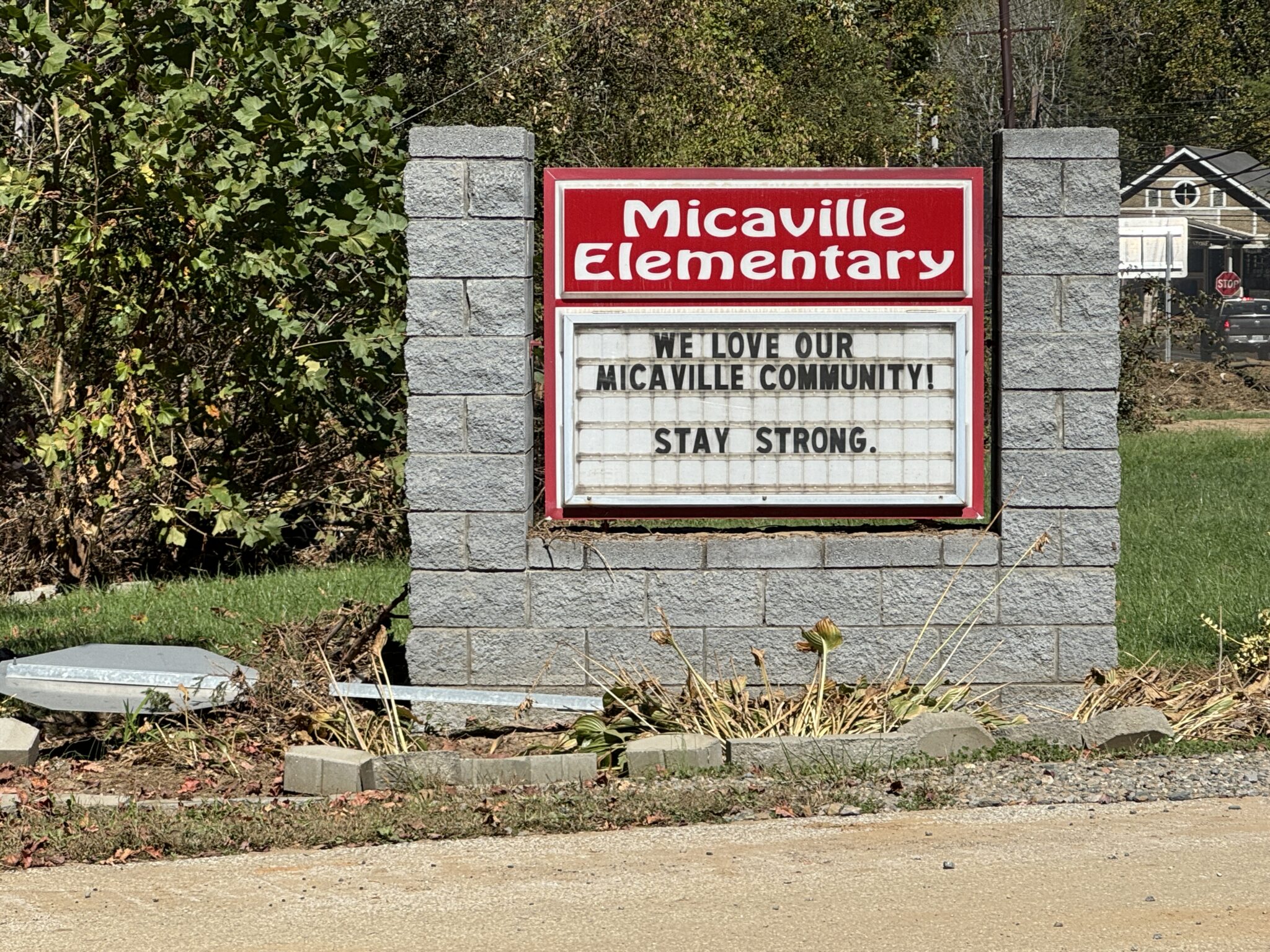
On Oct. 1, 2024, the school sign outside Micaville Elementary still read, “A reader today is a leader tomorrow!,” just like it did before Hurricane Helene hit. By Oct. 11, the sign said, “We love our Micaville community! Stay strong.”
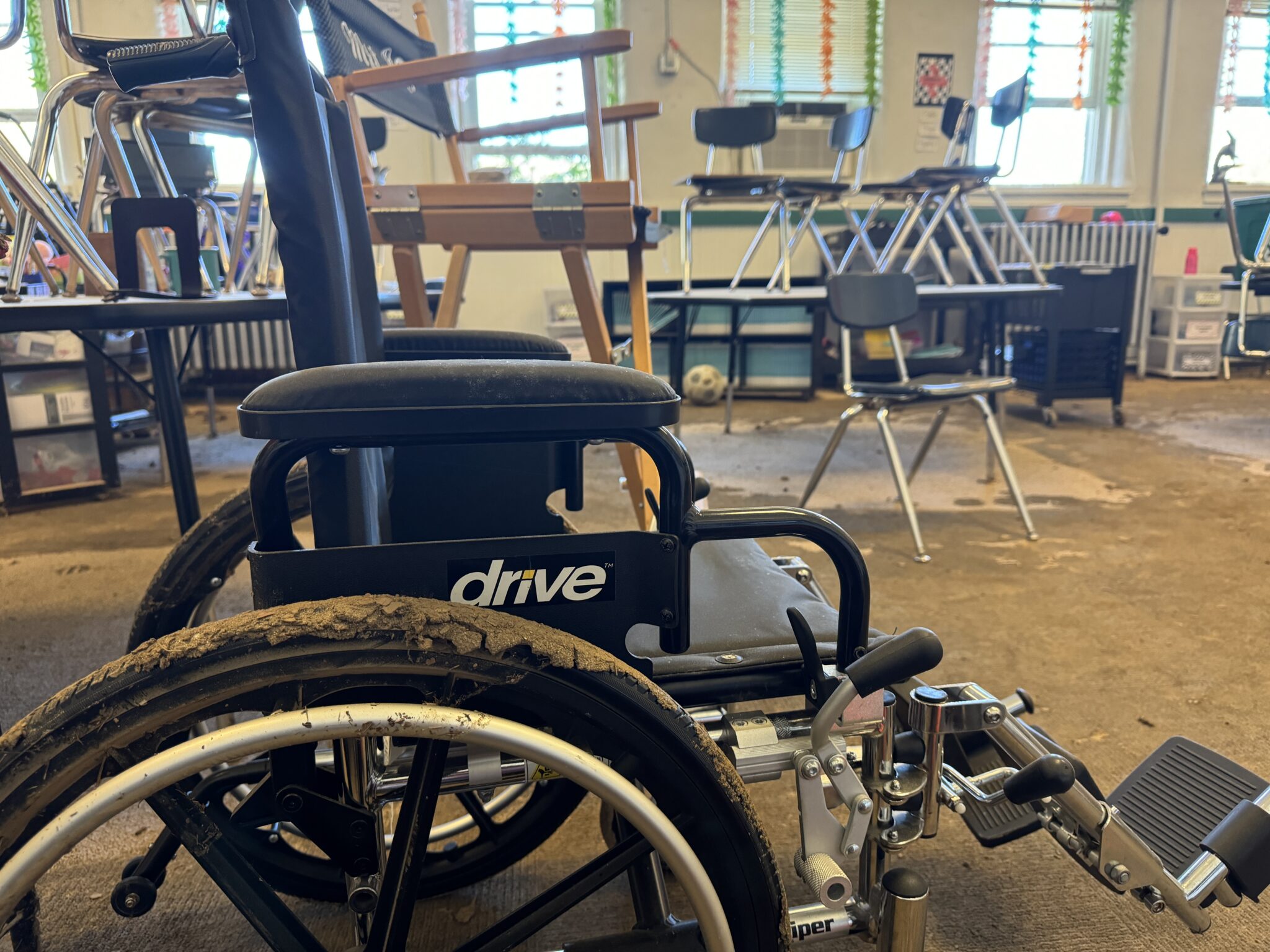
Of the four local public schools hit hardest, Micaville is the one school in western North Carolina (WNC) where students were not able to return to the school building and they were not able to be kept together as a school family.
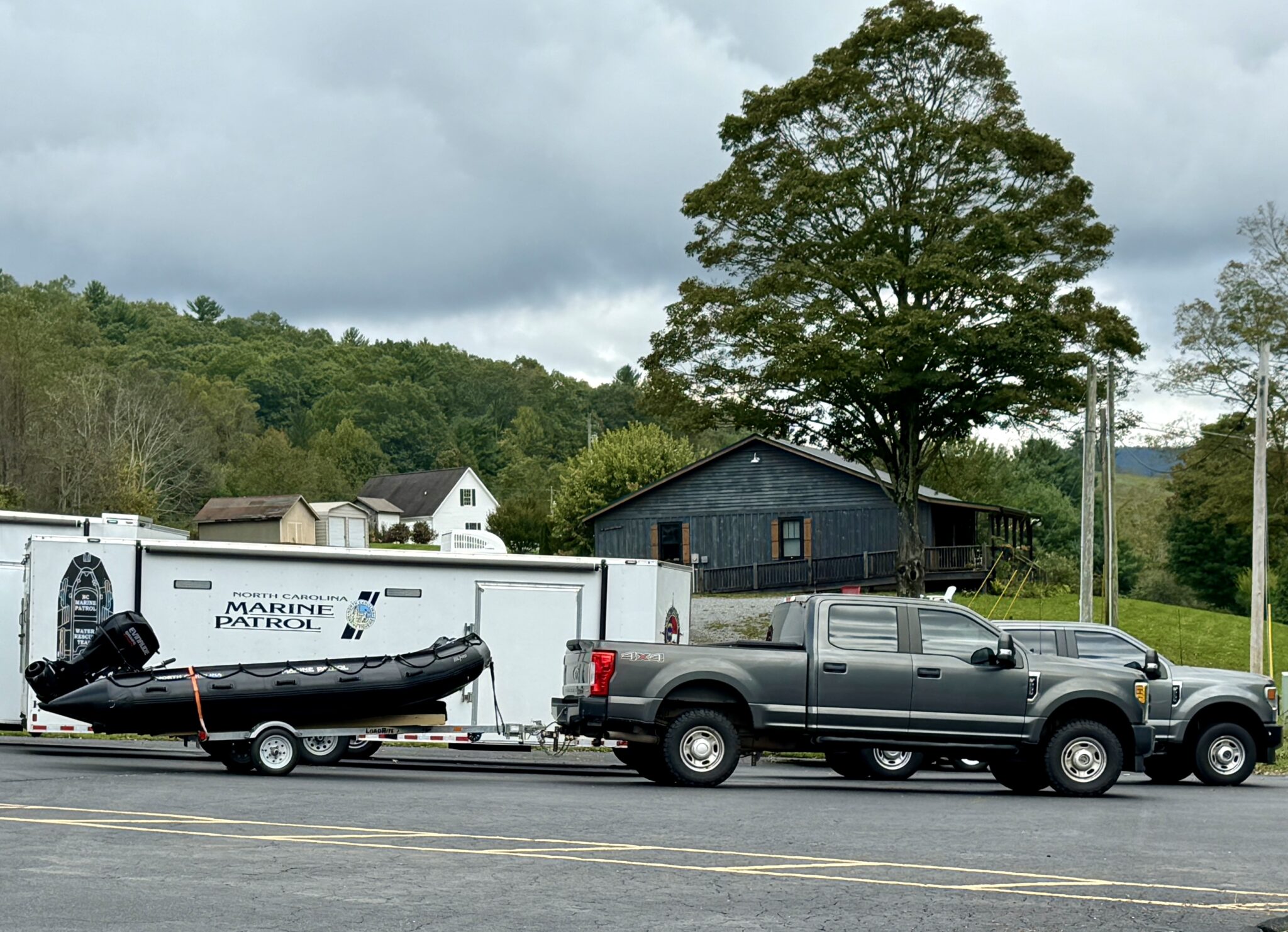
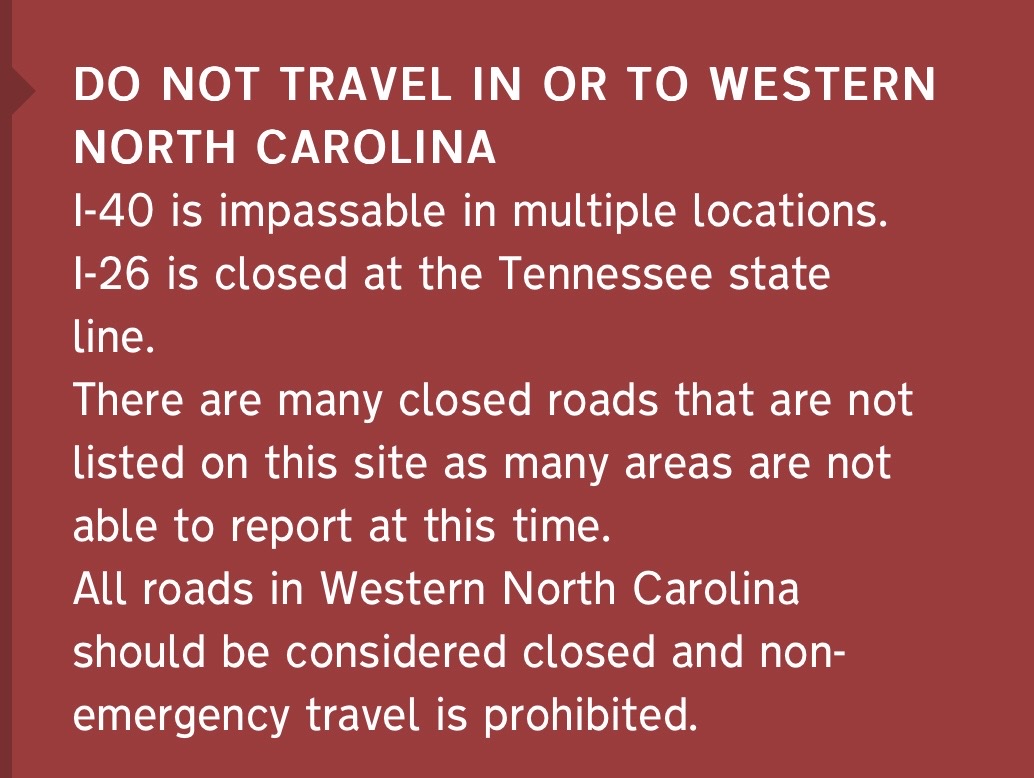
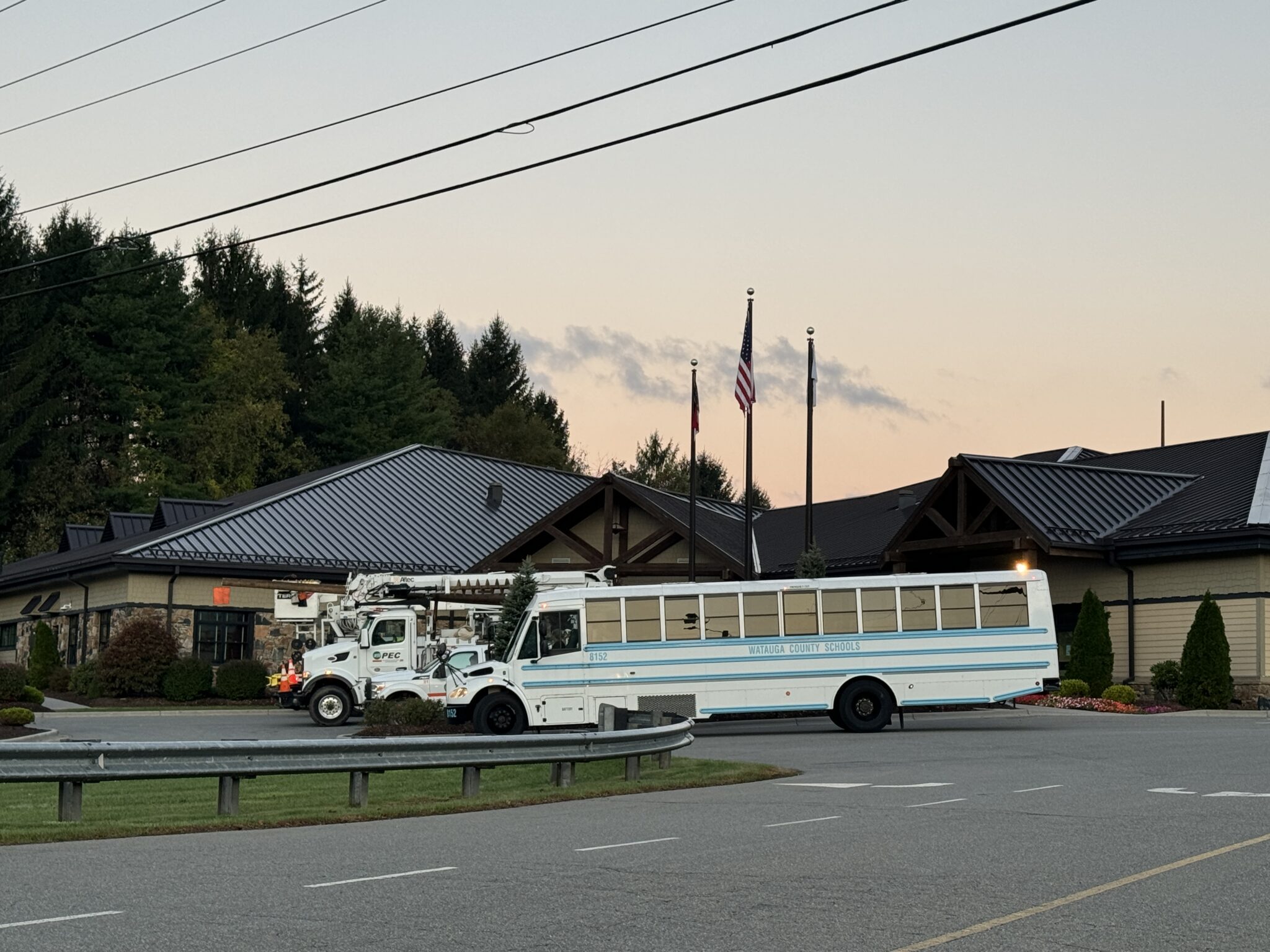
In the earliest of days after the storm, while the emergency response was getting underway, access to WNC was restricted, teachers were updating EdNC by video, swift water rescue was on standby, and school busses were being used to transport lineworkers.
School districts are the largest employer in many counties, so they often have the largest physical footprint (both buildings and parking lots), in addition to assets like diesel fuel, bus fleets, buildings powered by backup generators, and large commercial kitchens.
Those assets are critical in recovery, allowing districts to host the Red Cross and other organizations providing medical and shelter services, serve as distribution hubs, provide community meals, and stage housing, bathrooms, and laundry for recovery workers.
The role of our districts to serve as anchor institutions in their communities is never more apparent than in crisis.
More lessons learned from Hurricane Helene

Questions and preparations for school leaders before the storm
There is a moment before the storm hits when you have to assess and decide how big a threat it poses. You will have a window of opportunity to arrange for aid prior to the storm.
Checklist for school and district leaders
- Do you know your county’s emergency manager? Do you know where emergency management meetings will be held?
- Do you know the county’s emergency management plan, and does it include hurricanes?
- Do you know how your buildings will be used? Do you have a staffing plan?
- Do you have a go-bag, including names, home addresses, phone numbers of key leaders? Do you have a printed list of all students and educators?
- Do you have hard copy map, cash on hand, access to Starlink, and access to portable power?
- Diesel fuel is big commodity for school districts. Buildings with generators are a strategic asset. Identify other district assets in crisis.
- Annually, assess your insurance, deductibles, and understand options outside the state plan.
- Is your fund balance (this EdNC article has the most recent data) healthy enough to carry you through until fiscal resources start arriving?
Communications matter but even more so in crisis.
As communications failed, during and after the storm, districts turned to their local AM/FM radio stations to get the word out.
Mitchell County Schools Superintendent Chad Calhoun had access to Starlink. He connected via satellite with people outside North Carolina before the hurricane hit to arrange for an array of rockstar helpers.
Troyer’s Country Market, for example, provided breakfast, lunch, and supper at the new Mitchell Elementary/Middle School on a first-come, first-served basis for weeks following the storm.
On the first night, they served 850 plates.
The role of DPI’s regional managers
Back in 2018, Ernst & Young led an operational assessment of the Department of Public Instruction (DPI). Recommendation six of 17 called for a redesign of the regional support structure “to better coordinate and differentiate identified supports” to school districts.
That investment in regional infrastructure has never been more important than after Helene.
Dr. Jeremy Gibbs was among the regional directors initially hired. He worked in the west before becoming DPI’s deputy superintendent of district and school support services in January 2024.
Gibbs, who lives in Transylvania County, was on the ground in western North Carolina in the first week after Helene hit meeting with superintendents and visiting schools. He deployed his team of regional directors quickly. Some were also on the road and others provided strategic communications support.
After the storm: What leaders can expect
Have a plan
Just after the storm, the leadership team of Mitchell County Schools met and came up with a plan of action to guide the district’s moving forward through survival, recovery, and return.
In the first week, the plan was executed by the central office team. In the second week, principals were brought in to assist in execution.
The plan allowed leaders even without communication to operationalize the plan consistently across six domains: child care, finance, well-being/mental health, food assistance, communications, and having an ongoing voice at the table on safety and aid.
“That’s genius,” said Gibbs. “You all nailed it.” The plan was quickly iterated in other districts.
Accounting for students and educators
After Helene, in some cases, districts did not have printed lists of students and educators.
In Mitchell County, workers at the distribution center initially took magic marker to butcher paper to create a list accounting for everyone they ran into or heard was safe.
When Stephanie Dischiavi, who leads district and regional support in northwestern North Carolina, realized some districts needed master lists of students and staff, she called DPI’s Chief Information Officer Dr. Vanessa Wrenn, who had DPI’s Chief Information Security Officer Jeremiah Jackson drive hard copies of the information needed to the counties out west.
Emergency workers — from fire departments to search and rescue — conducted “side-by-sides” with educators to track down missing students and teachers.
Moving forward, districts will know they need access to those all-important lists, even if that means they need to be printed out prior to the storm.
The provision of crisis services in schools
Schools were used in a wide array of ways for disaster response. They housed search and rescue teams, Red Cross shelters, and even pets dislocated from their owners. They provided community meals.
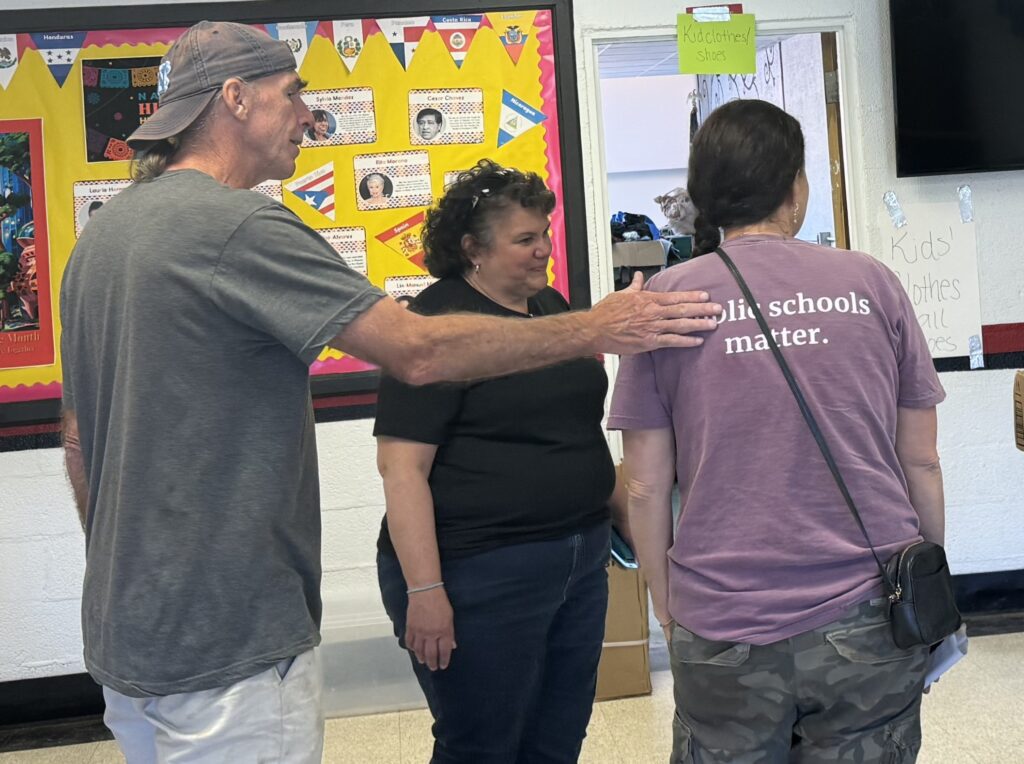
Schools were also used a distribution points for the outpouring of donations, including water, food, clothes, and other essential items.
Until there is a natural disaster, most educators don’t know how to set up or run a point of distribution, but they have leadership skills that kick into high gear.
After Helene, Henderson County Public Schools (HCPS) set up a district-wide distribution site complete with a home delivery service if needed — like Amazon.
“This is what we do,” said Sugarloaf Elementary Principal Ashley Newcomer. “We take care of our families each and every day.”
Even if educators weren’t staffing the recovery services, superintendents made sure that the principals of the building arranged to have a district employee on site 24/7.
In the early days, providing water and sewer in the buildings being used was challenging, and there were a wide array of strategies used to solve those problems, from Wine to Water to connecting the school’s water system to a truck with a tank of water.
Before students are brought back to class, the buildings have to be deep cleaned, and the undispersed donated goods have to be relocated. In some districts, those goods were moved to unused school property, which then had to be set up to serve as longer-term distribution points, putting different types of goods — diapers and formula, for instance — in separate classrooms to make things easier to find. Eventually, the remaining goods were distributed to other organizations or thrown away.
Student support prior to returning to schools
Many districts prepared weekly learning exploration kits for K-5 students, brought athletics back for older students, helped seniors on Free Application for Federal Student Aid (FAFSA) and college applications, and organized events to continue to bring the community together.

The importance of bringing students back to school
“Kids have missed too much school,” said a then-leader of the U.S. Department of Education in a meeting in Mitchell County on Oct. 30, 2024. “There’s been too much disruption.”
Calhoun agreed, and for many leaders in western North Carolina, how winter weather might compound the learning loss was top of mind.
“One of my biggest worries, concerns, is we deal a lot with winter weather,” he said.
Calhoun was worried about more than learning loss, noting the mental health of students was “very worrisome.”
“In COVID, we dealt with that a lot,” he said. “After COVID, we had a lot of withdrawn kids. Kids that were excited, happy back before being out of school came back withdrawn, unable to talk to friends, teachers.”
“That’s why we are pushing really hard,” said Calhoun. “The sooner we can get back the better.”
What is takes to get students back to school
Infrastructure and the state’s guidance
On Oct. 10, the state issued this guidance on bringing students back to schools.
Bus routes had to be refigured, and in some districts community drop-offs were used as pick-up spots because road repairs were still ongoing.
School buildings had to have electricity and some capacity for emergency communications even if the internet wasn’t back up.
Early on, district leaders thought they would have to have water and sewer to bring students back to school, but as it became clear that students would need to be back before those problems could be solved in some places, section 2 of the state’s guidance addresses how schools can bring students back with ongoing disruption to their primary water source.
In Mitchell County, it turned out to be too prohibitive for the district to pay for bathroom trailers and handwashing stations even with philanthropic support — estimates were north of $200,000 a week.
After the county prioritized it as part of their emergency management request to the state, the equipment needed arrived quickly the week before students were to return. It then took just a few days to get everything set up and hooked up.
Four schools had to find another facility after Helene
EdNC’s Caroline Parker led our reporting on the four schools that were displaced — some temporarily, some permanently — following Helene.
Public schools in Henderson, McDowell, Watauga, and Yancey counties had to pivot once students returned after the storm.
Atkinson Elementary in Henderson County needed somewhere to go when the school flooded, and the local Boys & Girls Club of Henderson County rose to the occasion by welcoming more than 300 students just 11 days after the storm. Here is the story, and here is the memorandum of understanding (MOU) in case a district wants to replicated this type of partnership with a nonprofit.
In McDowell County, students at Old Fort Elementary School merged with nearby Pleasant Gardens Elementary School for the rest of the school year, a solution that prioritized keeping the students together.
In Watauga County, the Valle Crucis School building was closed permanently, and students were housed at three different community educational institutions: 1. Appalachian State University (ASU) had one preapproved classroom to take the preschoolers, 2. Valle Crucis Conference Center and Holy Cross Episcopal Church welcomed K-5 students, and 3. Caldwell Community College and Technical Institute (CCC&TI) housed the sixth through eighth graders. A new school has since opened.
CCC&TI announced that it will provide scholarships for each of the middle school students that finished out the school year on the college’s Watauga campus in Boone. The scholarships, awarded through the college’s foundation, will provide assistance to cover up to five semesters of tuition at CCC&TI.
CCC&TI President Mark Poarch said of the partnership, “It has brought new energy and new life to this campus unlike anything we’ve ever seen before, and affirms our belief that partnerships matter.”
In Yancey County, Micaville Elementary was closed permanently because of flooding. Forty-eight students moved to South Toe Elementary and the remaining 150 moved to Burnsville Elementary School.
Support for students and educators
Buncombe County Schools enlisted the help of counselors from other districts as they brought students back to school.
In Mitchell County, the district retained the Public School Forum of North Carolina to work with educators on age-appropriate strategies for supporting students as they came back to class.
Some districts used art to help students begin to process the trauma.
Ideas that could be revisited in the future
Knowing snow days were coming, EdNC sought funding for Yancey, Mitchell, and Avery counties to obtain and deploy Starlink to families to mitigate the anticipated learning lost. Even with two philanthropies and the federal government willing to subsidize the costs, we couldn’t negotiate an affordable price point.
One idea that emerged but we did not pursue was for districts to have Starlinks in their libraries that could be checked out by families.
EdNC also tried to pioneer a combination of two approaches we had seen in our reporting — Note in the Pocket and The Wearhouse — to develop a process districts could use for cleaning, organizing, storing, and distributing all of the clothing that was donated. Here is more on that idea.
Finding closure
On May 29, 2025, the students, families, and educators who called Micaville home came back together at the school one last time to close out the school year, thanks to support from the Community Foundation of Western North Carolina.


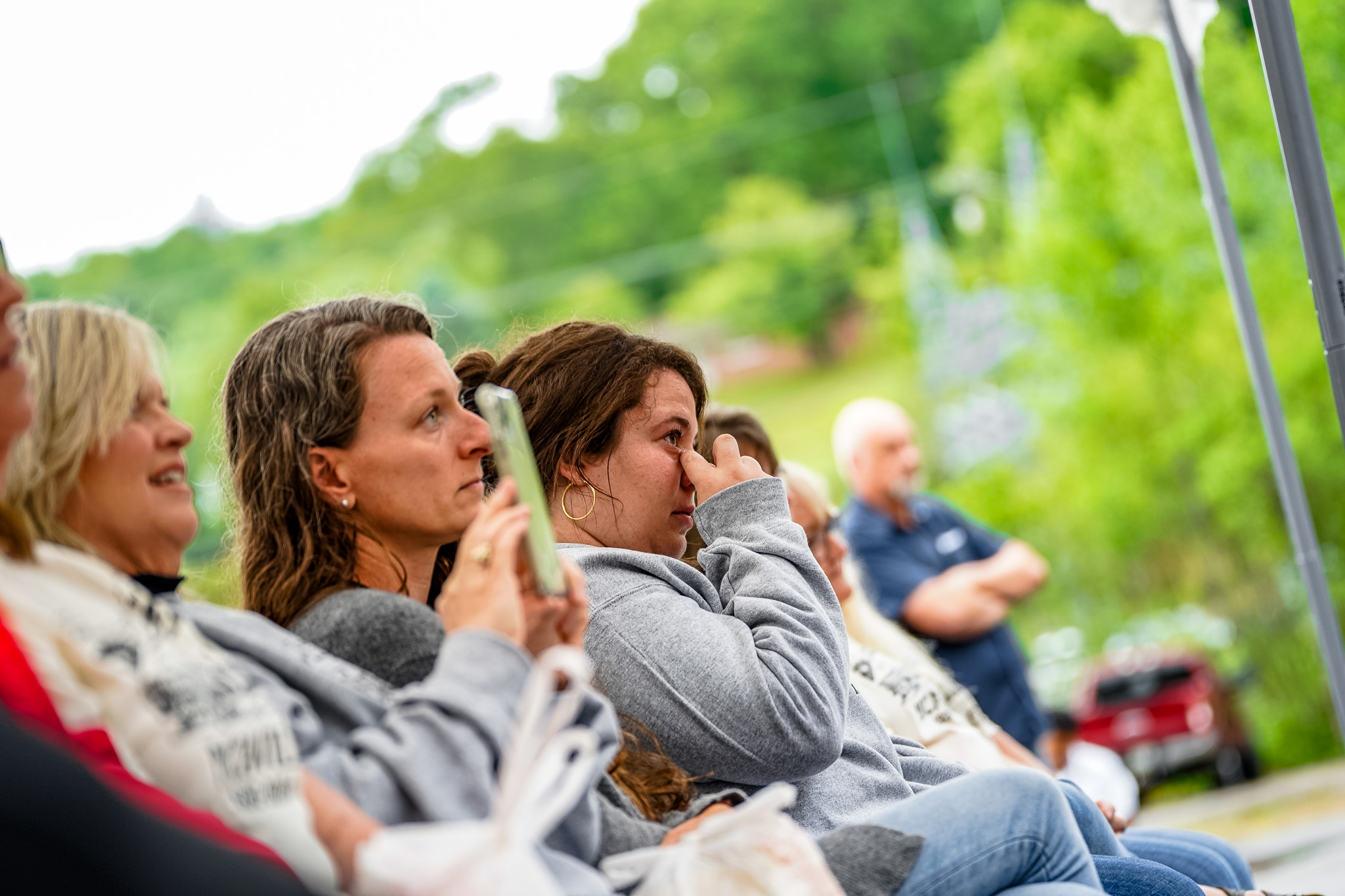
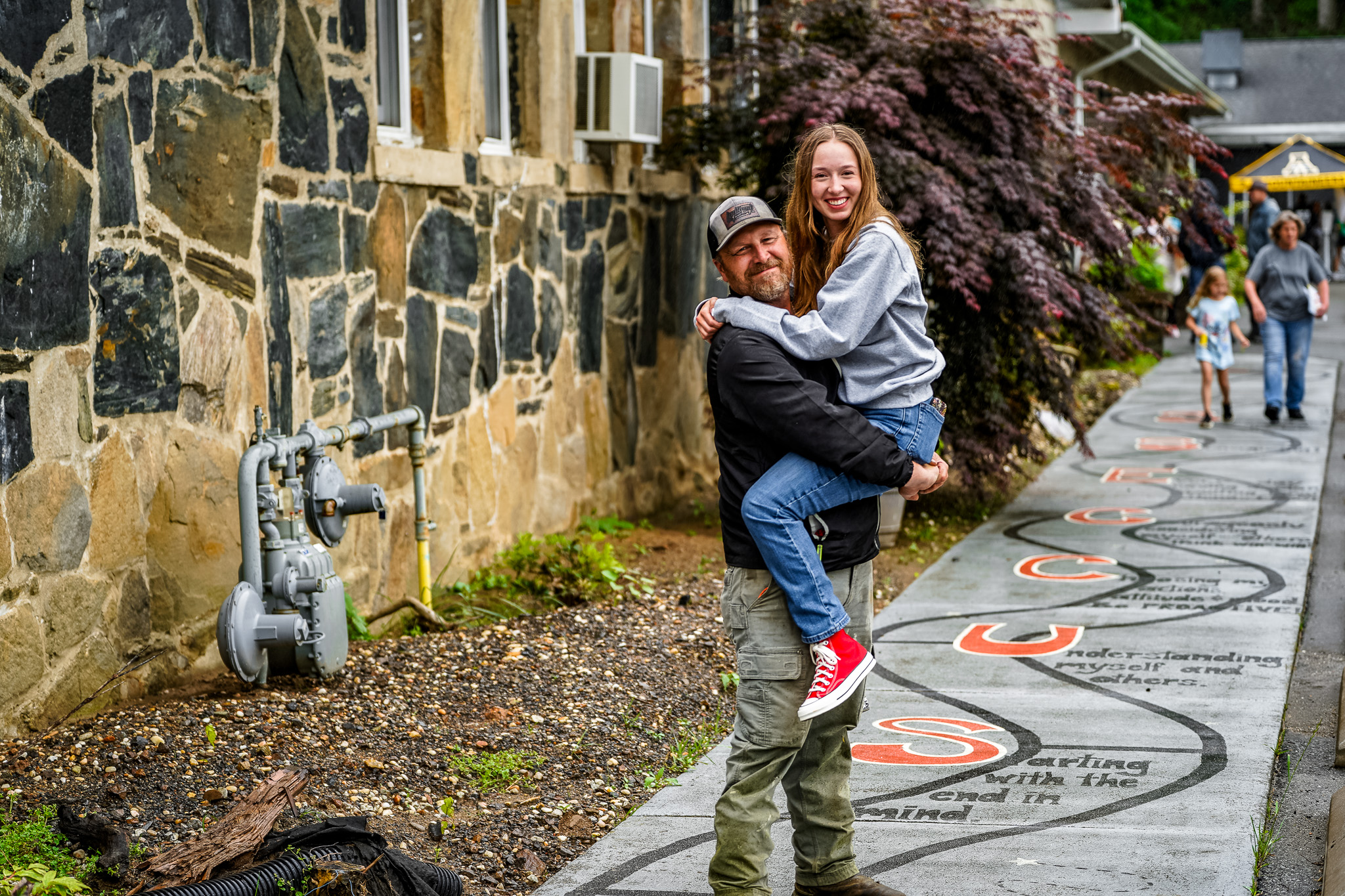
Emotions ran high as community members mourned the loss of this school that has served students across the generations since 1936. Students were surprised to receive the school’s last yearbook.
“This community has played a vital role in this community, and this community has played a vital role in this school,” said Micaville’s Principal Melanie Bennett. “And that’s why it was important for the community to have an opportunity to say goodbye to this place we have all loved.”
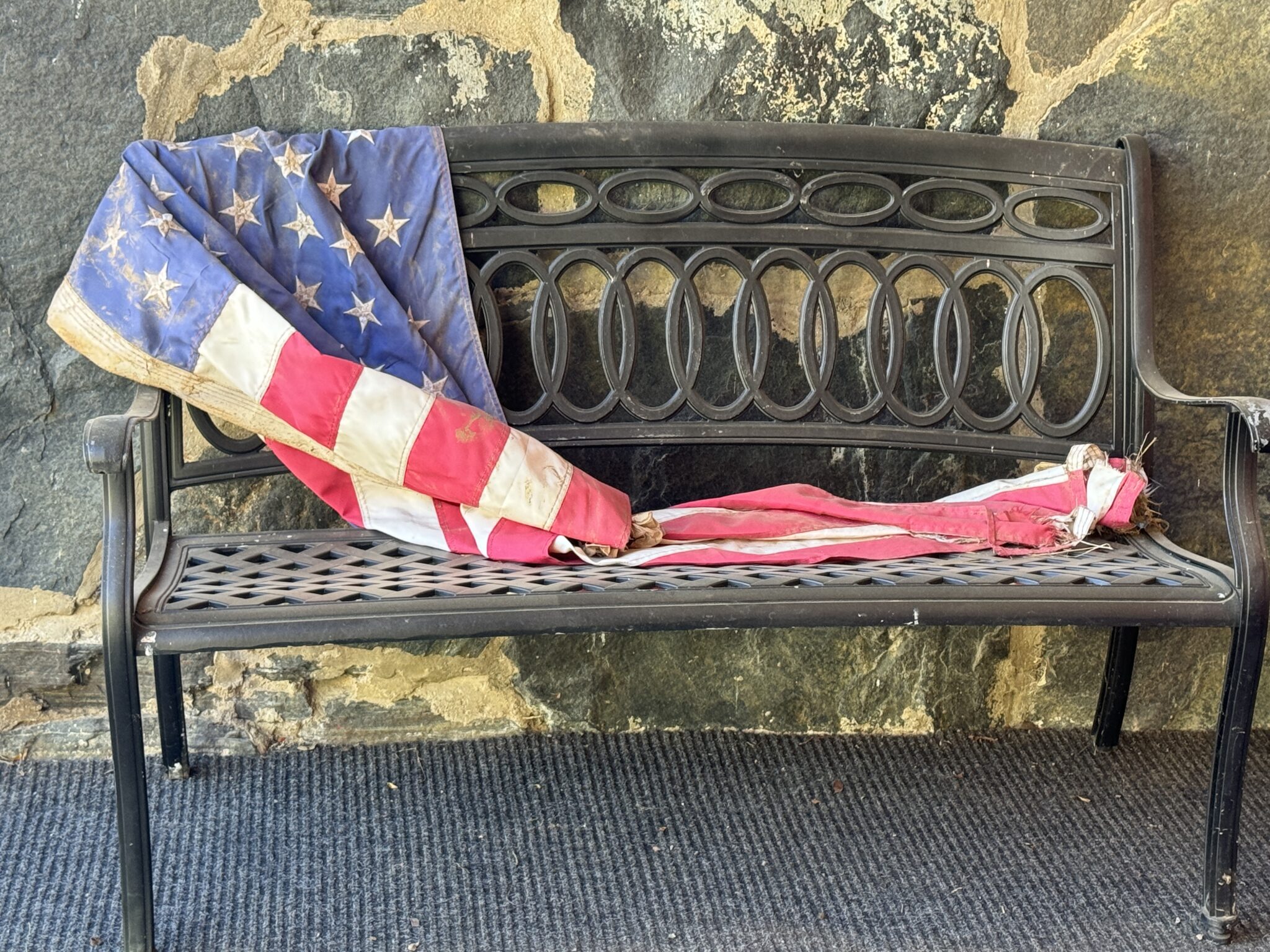
At the celebration, a flag was presented to Bennett. It hangs in her new office at Blue Ridge Elementary, just down the road about 15 miles away.