The story of a school and a Boys & Girls Club after Helene: ‘Together, we will move mountains’

A bulletin board in a hallway of Atkinson Elementary, part of Henderson County Public Schools, says, “Together, we will move mountains.” On it, students post shoutouts to each other for being kind, helping each other out, being by each other’s side, etc.
One year ago, in the aftermath of Hurricane Helene and the flooding of their school, these students found themselves going back to school in a very different location — the Boys & Girls Club of Henderson County, founded by Tom and Sue Fazio in 1993, and now funded in part by a 21st Century Community Learning Center grant from the federal government.
It’s a story also worthy of a shoutout for the students, parents, and leaders who together found an unexpected way to move the mountains that stood in the way of getting these kids back to school.
In an interview with student leaders in April 2025 — about six months after the storm — they remembered the experience as “interesting,” “exciting,” “different,” and even “cool.”
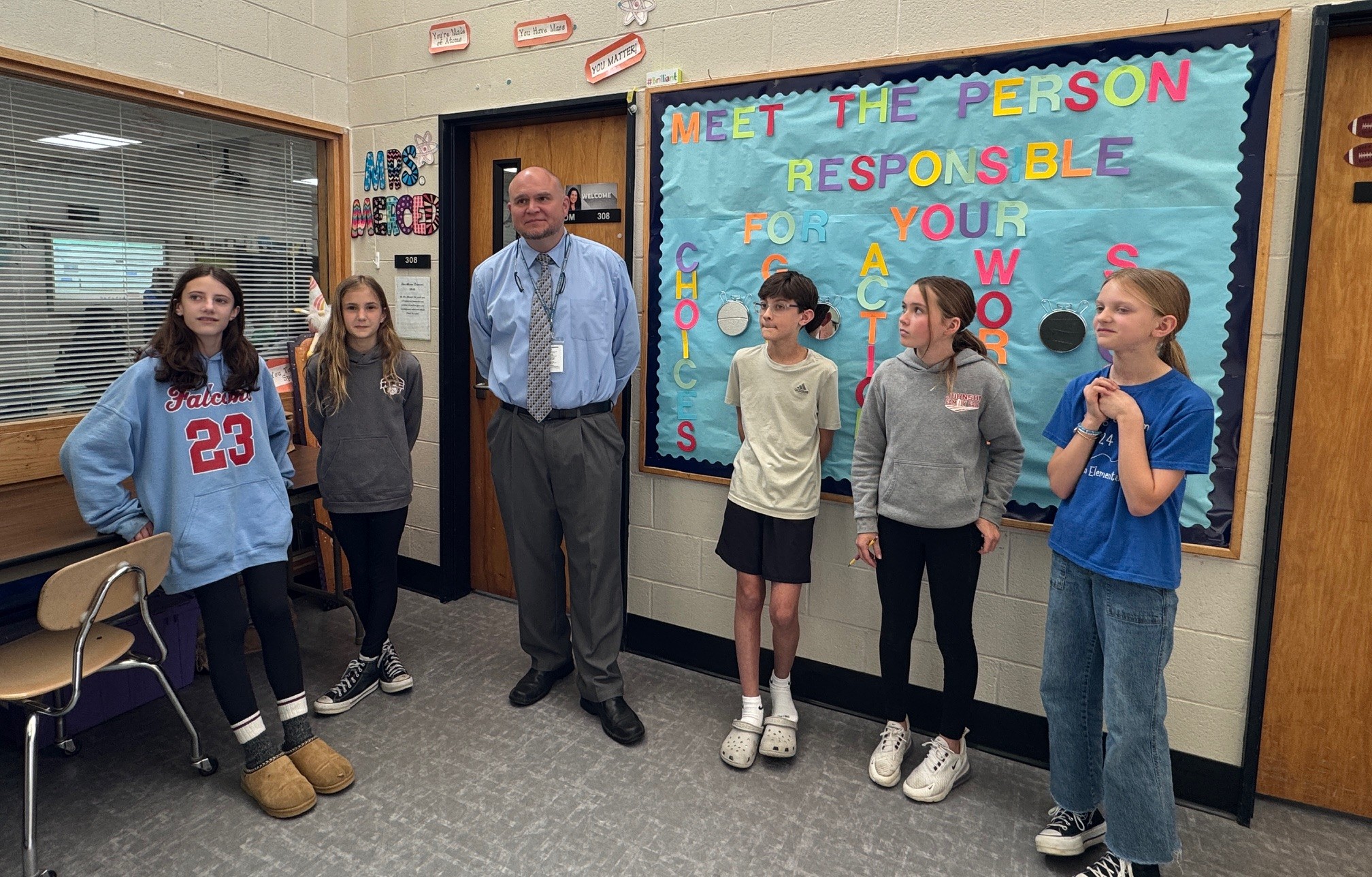
These are fifth graders whose first year in school was interrupted by the pandemic.
The principal’s one word? “Resilience,” said Mark Page, harkening back to a Facebook post just after the relocation where the school said resiliency was the word of the year and gave its own shoutout to the Club for being so hospitable and welcoming.
“Nothing we can’t do” became the school’s mantra after Helene.
 Sign up for the EdWeekly, a Friday roundup of the most important education news of the week.
The first two weeks
When education journalist Amanda Ripley — the author of “The Unthinkable: Who Survives When Disaster Strikes — and Why” — talks about leadership in crisis, she describes the three phases of disbelief, deliberation, and then the move to decisive action. Leaders in this community collectively moved through those phases in days, not weeks.
Even though the skies were back to being Carolina blue in Henderson County by the afternoon of Friday, Sept. 27, 2024 — the day the hurricane hit — Superintendent Mark Garrett didn’t realize immediately how significant the damage to Atkinson Elementary was.
“It took a couple of days,” Garrett said, “because Chad Dillon, the maintenance director, had to cut his way in to see it.”
Not just cut his way on to the school property, but on the roads to get to the school. Garrett described getting to the school like a game of Frogger, with holes in the roads, downed trees cut so that only one car could get through, water still standing in places, and silt and sand everywhere.
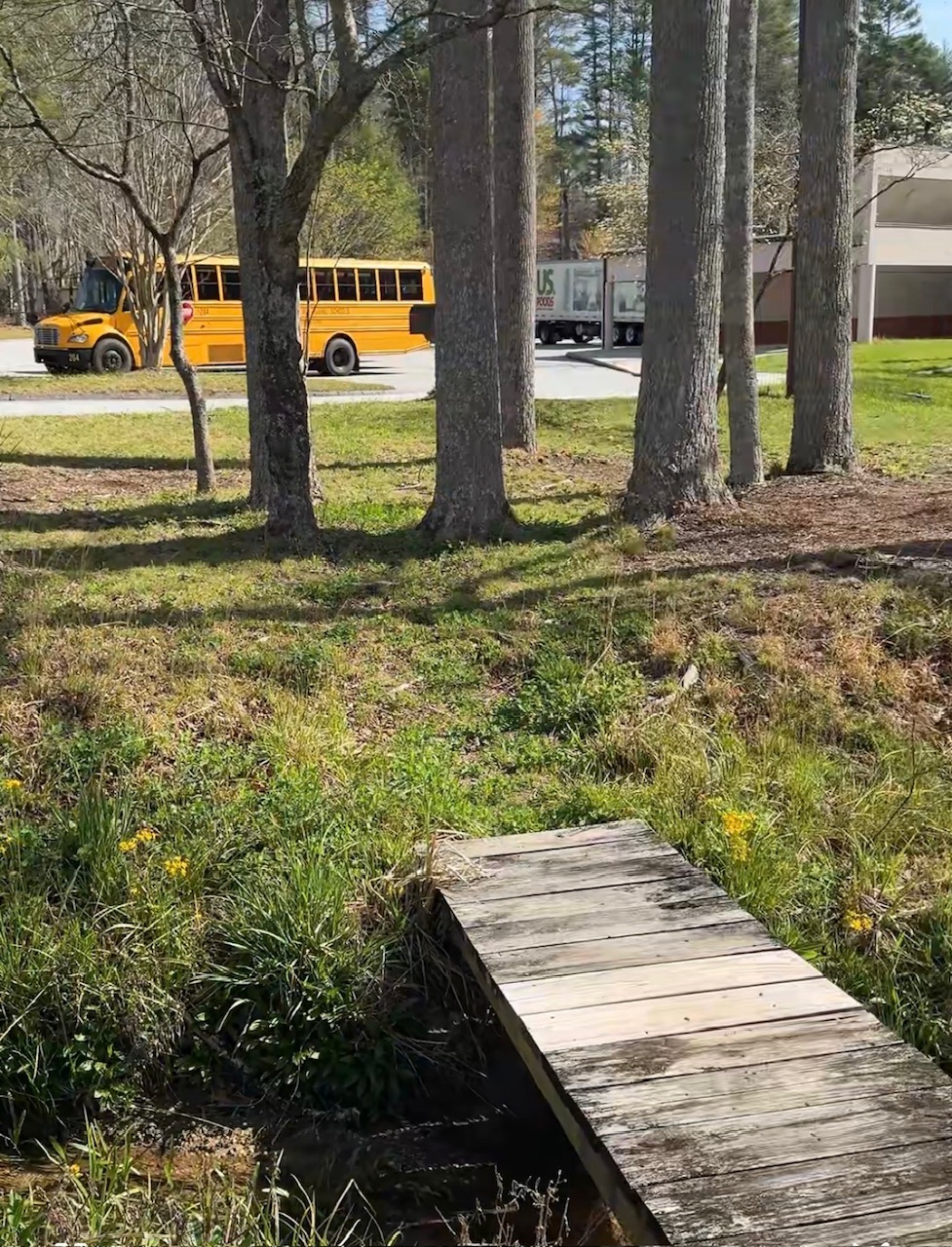
Atkinson Elementary sits on the banks of Perry Creek, with most of the school on one side of the creek and the gym on the other side. A smaller tributary comes through the front parking lot of the school before flowing into the larger waterway. The school has both interior and exterior bridges crossing the creek.

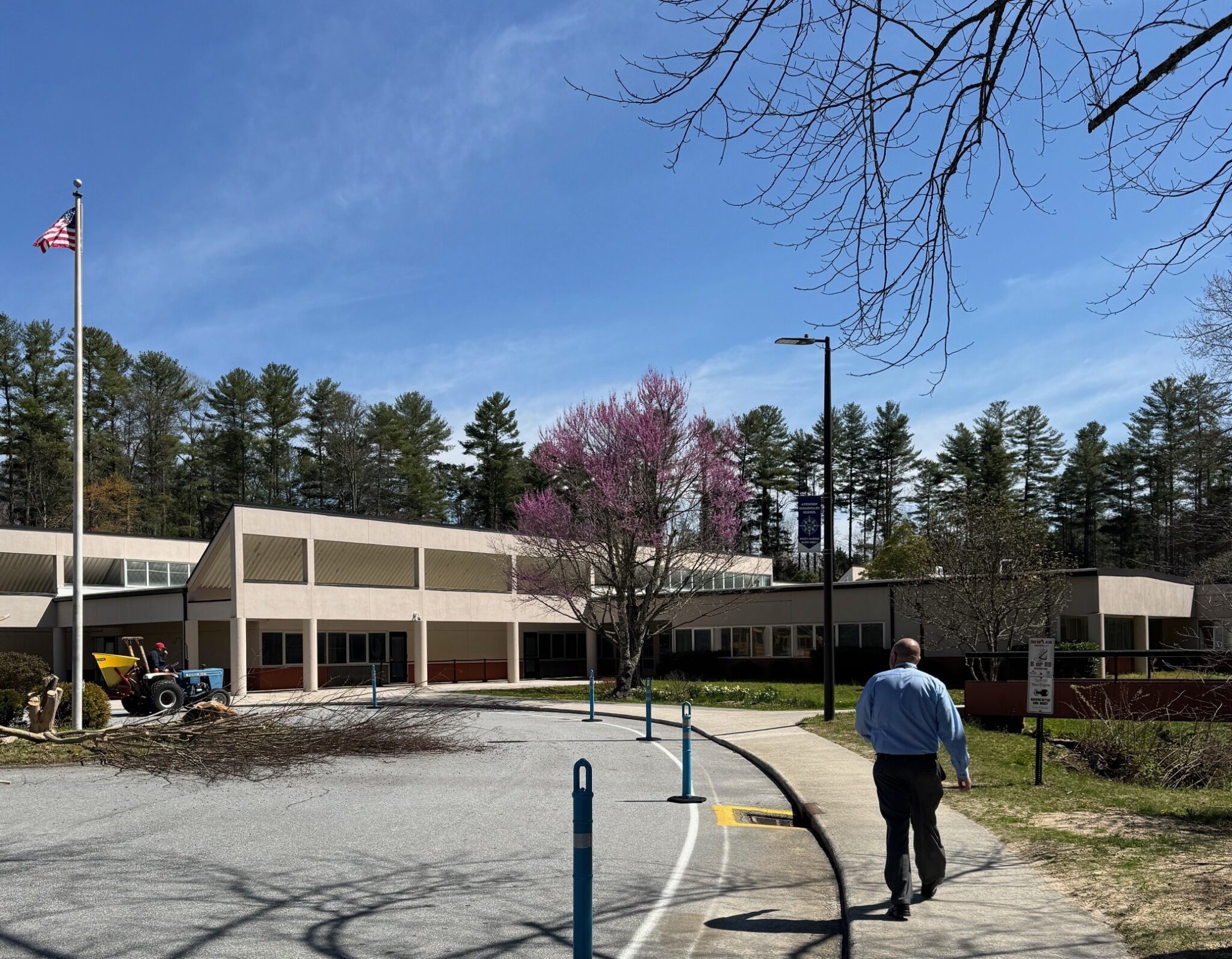
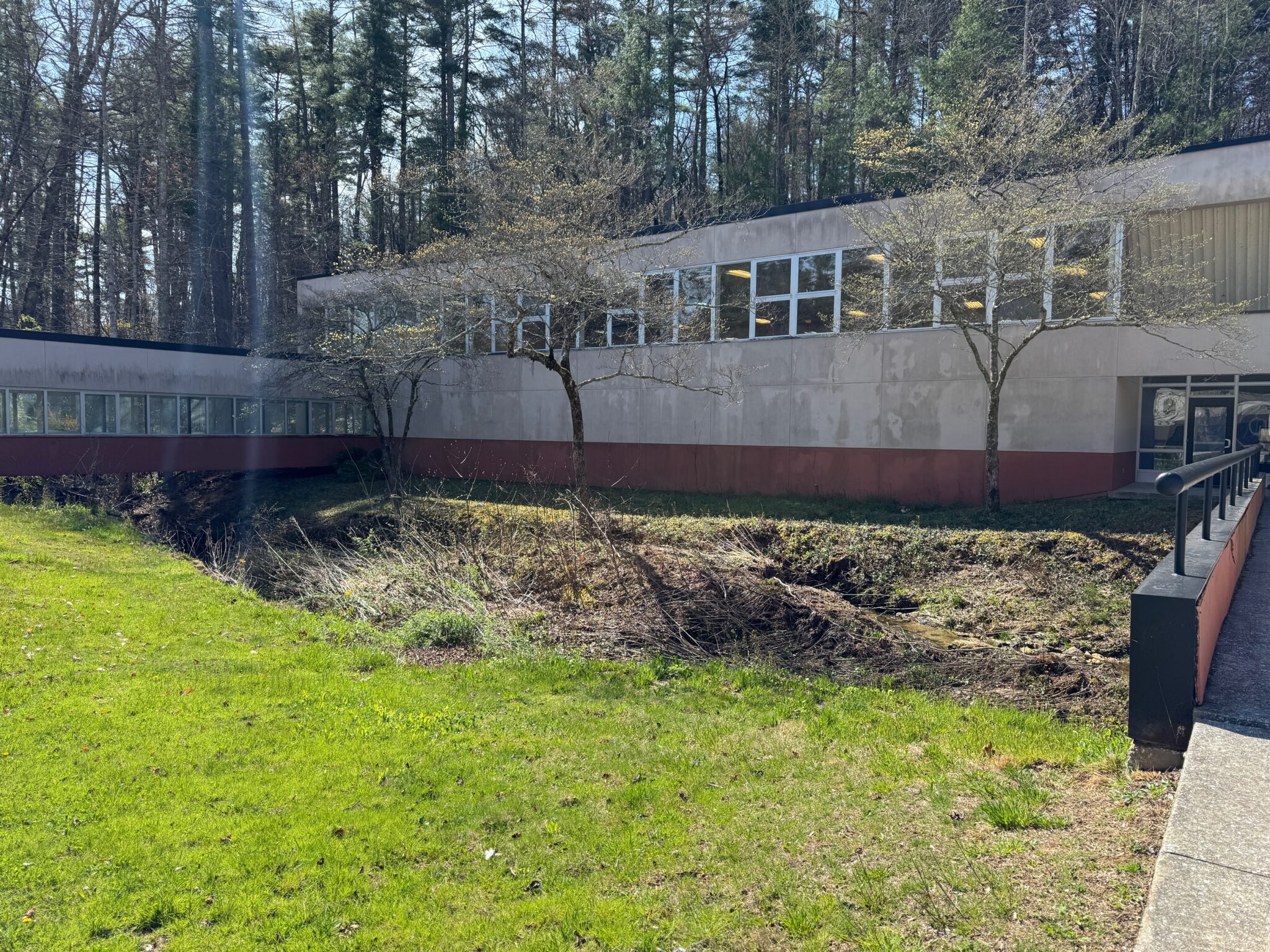
Security video at the school captured the water rising up into the school and just as quickly receding from the school.
And then in the video, said Garrett, you can see the power go off.
“The biggest problem we had wasn’t water in the building,” Garrett said.
Without power, the heating and air conditioning system didn’t work, and the team couldn’t get to the building to open the doors. The soupy, muddy residue that remained in the building sat for two days. When the maintenance director arrived at the school, it smelled like a swamp.
By the end of that first weekend, Garrett knew a “complete restoration” would be needed, including new flooring, drywall, and paint. He guessed it would take two months.
A lesson in why fund balances matter
Garrett said the public knows public schools for the teaching and learning that happens each and every day in classrooms and schools across the state.
But the operations of public schools are less well known.
Henderson County Public Schools, for example, is the largest employer in the county. The physical footprint of the district includes 2.5 million square feet in buildings and more than 650 acres of property. It houses the largest transportation service in the county with 140 buses and the only mobile fuel service. The district also serves between 1.5-2 million meals a year.
The district had a preexisting relationship with an industrial cleaning service in South Carolina, and they were able to retain their services to start the school clean up almost immediately.
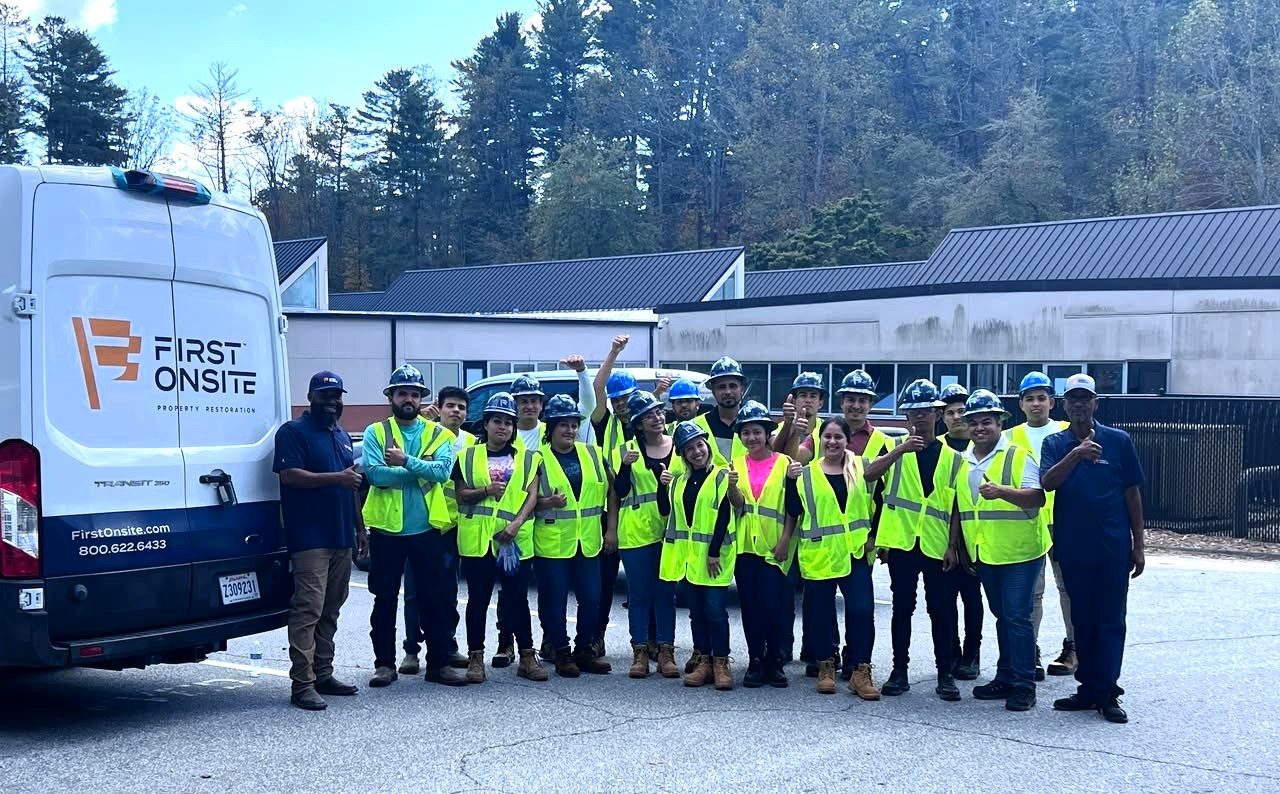

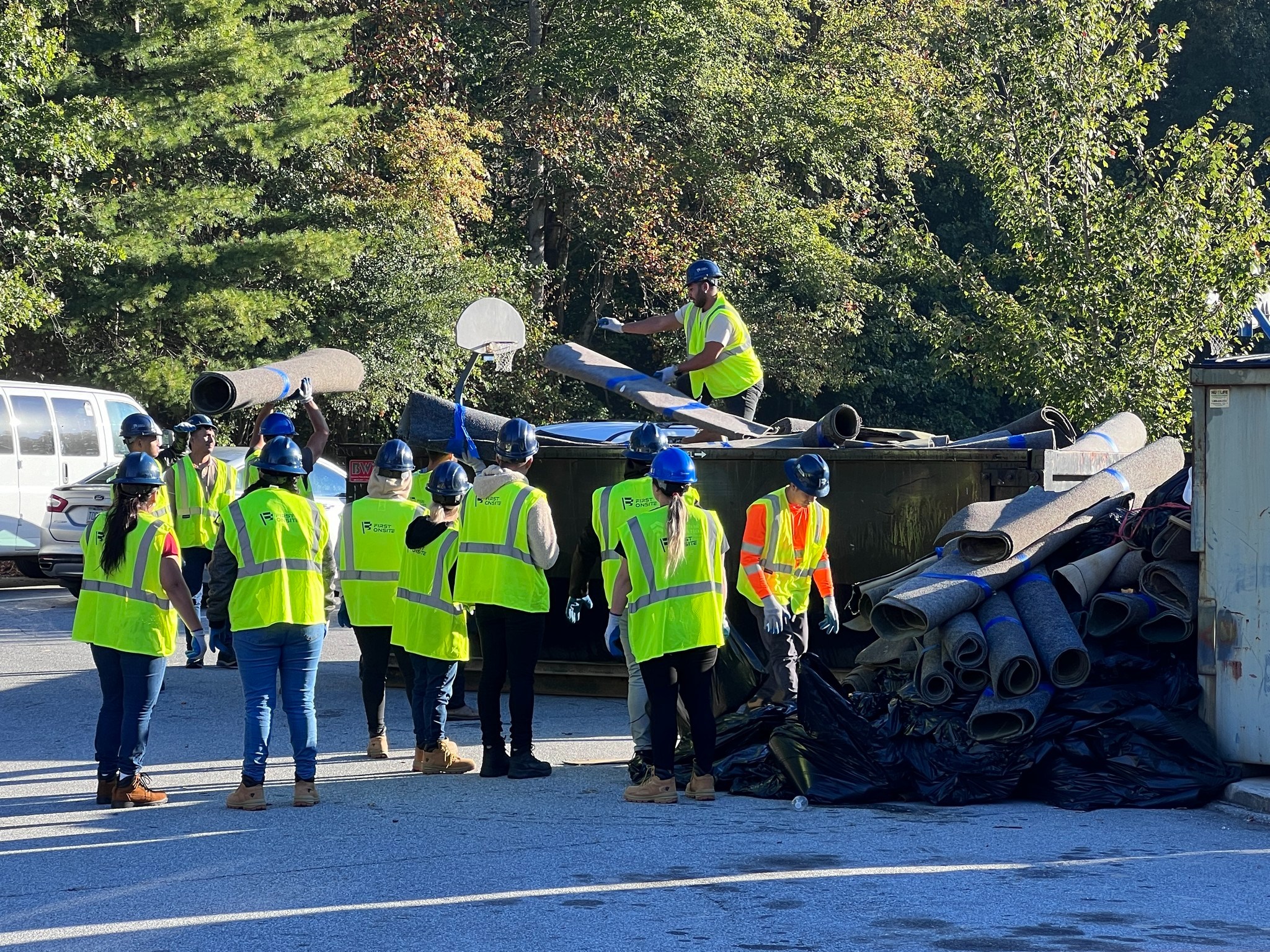
That was possible because of the district’s fund balance, which operates like a savings account.
Henderson County Public Schools’ available fund balance as of June 30, 2024, just ahead of the storm, was $6,356,114.
The annual operations of the district is about $140 million, but Garrett noted that the federal funding he receives is the least flexible, and then state dollars have more flexibility but not enough to cope with a disaster like this.
“As a district,” Garrett said, “your local dollars and fund balance are where you have the flexibility and the cash flow.”
The district fronted the clean up expenses until they were reimbursed by insurance. Henderson County Public Schools had private insurance and was not part of the state’s insurance plan.
“They’ve been really good,” Garrett said.
“Our county didn’t have to stroke any checks for us,” said Garrett, who comes from a family of farmers with a long history seeing how weather can impact crops and livelihoods. He said this experience reinforced for him the importance of a healthy fund balance.
“You’ve got to have a little money tucked back,” he said.
The drive to get students back to school
“We’ve got to get back open,” Garrett said he knew from his experience leading in COVID. He told school leaders to prepare their minds for the least worst option instead of wasting time looking for the best option.
“It’s important for kids not to feel the effect of the crisis at school,” he believes. “It’s also important to get parents back to work. The longer you are out, the worse it gets for everybody. I mean everybody.”
Starting the first Monday morning after the storm, Garrett checked in on the distribution centers housed at schools.
He then met daily from 10 a.m. to noon with principals, transportation managers, and maintenance directors at a high school that had power.
Each principal would run through a checklist, including whether their building had power, water, sewer, phones, and internet. Garrett wanted the utilities “solid, not spotty” before kids were back in the buildings. Bus routes were iterated over and over based on evolving road conditions. Maintenance triaged repairs at the different schools.
From there, Garrett would go to the county’s emergency management operations center, where he could update the emergency manager each day one-on-one.
At 3:00 p.m., Garrett would meet with the district’s central office leaders.
“Where are we today compared to yesterday?” he would ask. “What do we have to get done tomorrow?”
Deliveries to the distribution centers happened at night, so Garrett often didn’t get home until midnight.
Page, the principal at Atkinson, would stay on after the principals’ morning meeting to work through the logistics of getting his students back to school without a building. Page had more than 20 years of experience and previously had been named the district’s principal of the year. Garrett called his leadership “outstanding.”
That first Monday, the initial plan was to place the students in other elementary schools, but that would require splitting up the families — and the teachers who are like a family.
“We even had the school schedules built,” Page said. Then, “the good news came.”
The good news
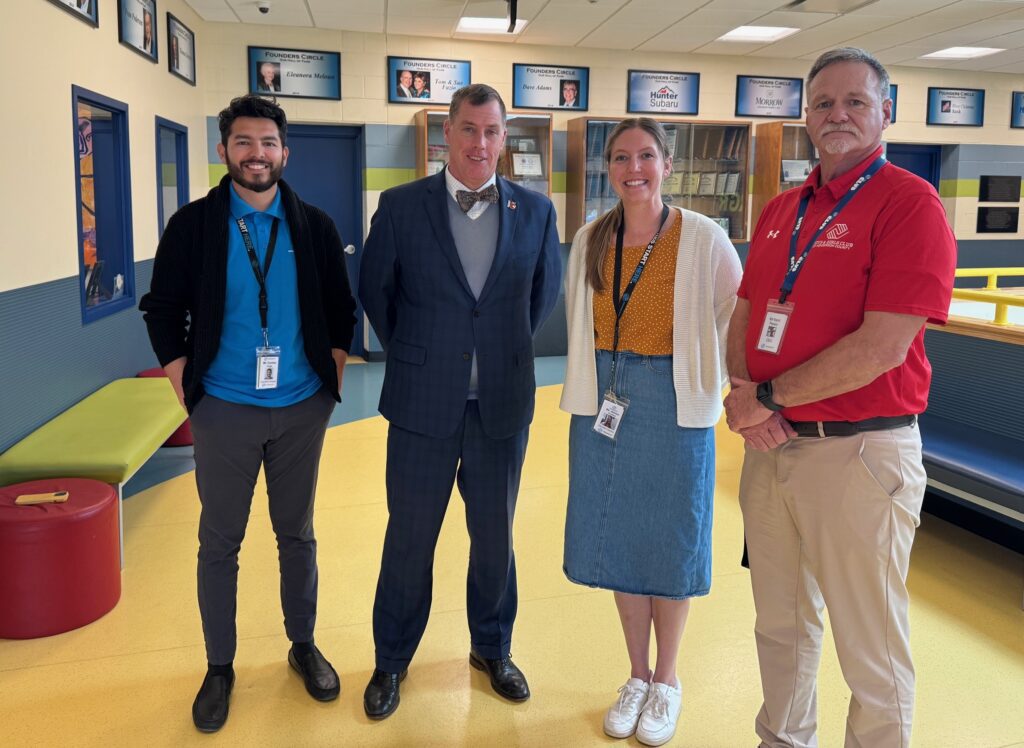
Kent Parent had just started as CEO of the Boys & Girls Club of Henderson County three days — that’s right, three days — before the storm hit, but he had deep ties in the school district, having worked for more than 15 years as an assistant principal, principal, and the head of capital projects.
One day after the storm, Parent was at the Club, where the power was still out, cleaning out the refrigerators. On his way home, he stopped by a nearby elementary school to check in on the principal, who told him the district needed space for the Atkinson students.
Parent had retired from the district prior to Garrett becoming superintendent in 2022, so he reached out to Carl Taylor, the district’s chief administrative officer.
The classrooms in the 52,000 square foot Club — used for after-school development programs — were unused during the school day, and the Club’s board was on board to take in the Atkinson students.
Parent and Garrett first exchanged texts about the possibility on Saturday, Oct. 5.
On Monday, Oct. 7, Garrett and Parent met with Club board members. Garrett remembers the board chair saying, “We’ll work the legal stuff out. We’re ready. Let’s do it. Plan on it.”
The Fazios were also supportive. Two parents of district students were on the board as was local education legend Jan King, who was the immediate past president. Blair Craven, a member of the school board, had been a Club kid and served on the Club’s board for 10 years.
“That support was one of the bigger blessings,” said Garrett, “because that meant the MOU (memorandum of understanding) didn’t have to go back and forth 18 times between attorneys changing an ‘I’ to a ‘thou.'”
On Tuesday, the district’s attorneys were working on the MOU. By Friday, teachers were moving in.
Garrett said the MOU between the district and the Club was uncomplicated, calling it “skeletal.” The district paid the Club an honorarium, but the Club did not charge the district rent. The district covered the utilities for the Club while it was there. Both entities had the necessary insurance policies already in place. The district’s technology team rented a Ryder truck, went to two Best Buys to buy the equipment they needed, and were able to install the equipment and boost the Club’s internet to accommodate what was needed for school.
“Once that became an option, there wasn’t another option,” Garrett said. “It was a huge weight lifted because we could keep the kids together.”
Another lesson, he reflected, is, “Make those relationships before you need them.”
Garrett attributed the capacity to move quickly to Parent’s leadership, history working in the district, and he noted, “We’ve got the same mission. We do it in different ways and in different buildings.” But Garrett also noted that the necessity and urgency of the situation played roles in expediting the unheard-of solution.
From his time as head of capital projects for the district, Parent knew all of the district leaders in the technology and maintenance departments. He still had their cellphone numbers in his phone.
The hardest part was getting 50 sets of keys made, Parent said.
It all came together so fast, he said, because with those relationships came the credibility needed for everyone involved to believe this solution could work.
“This is the right thing to do,” Parent would say. “Think about if it were your child.”
“Everybody believed that,” he said.
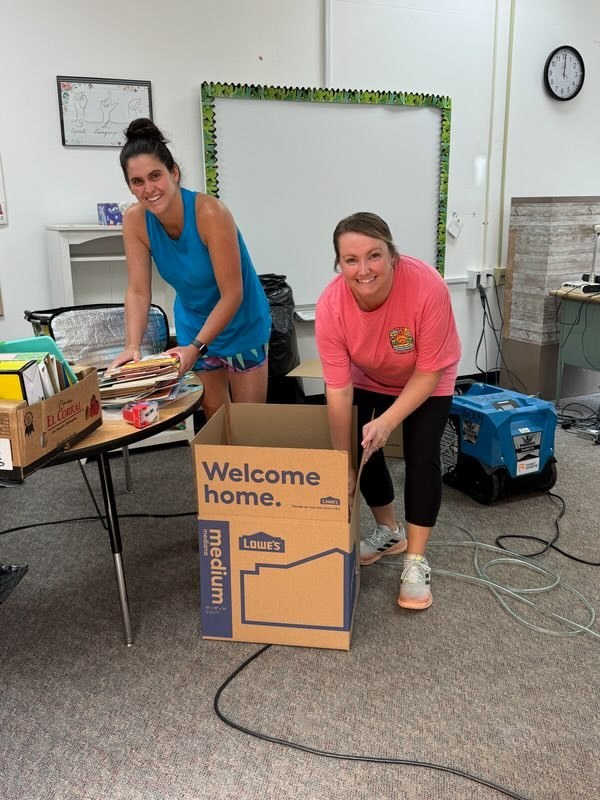
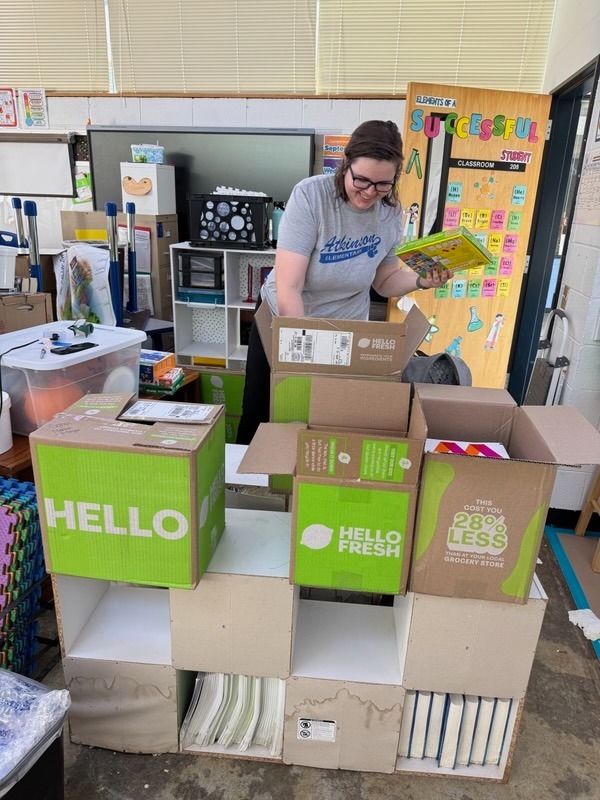
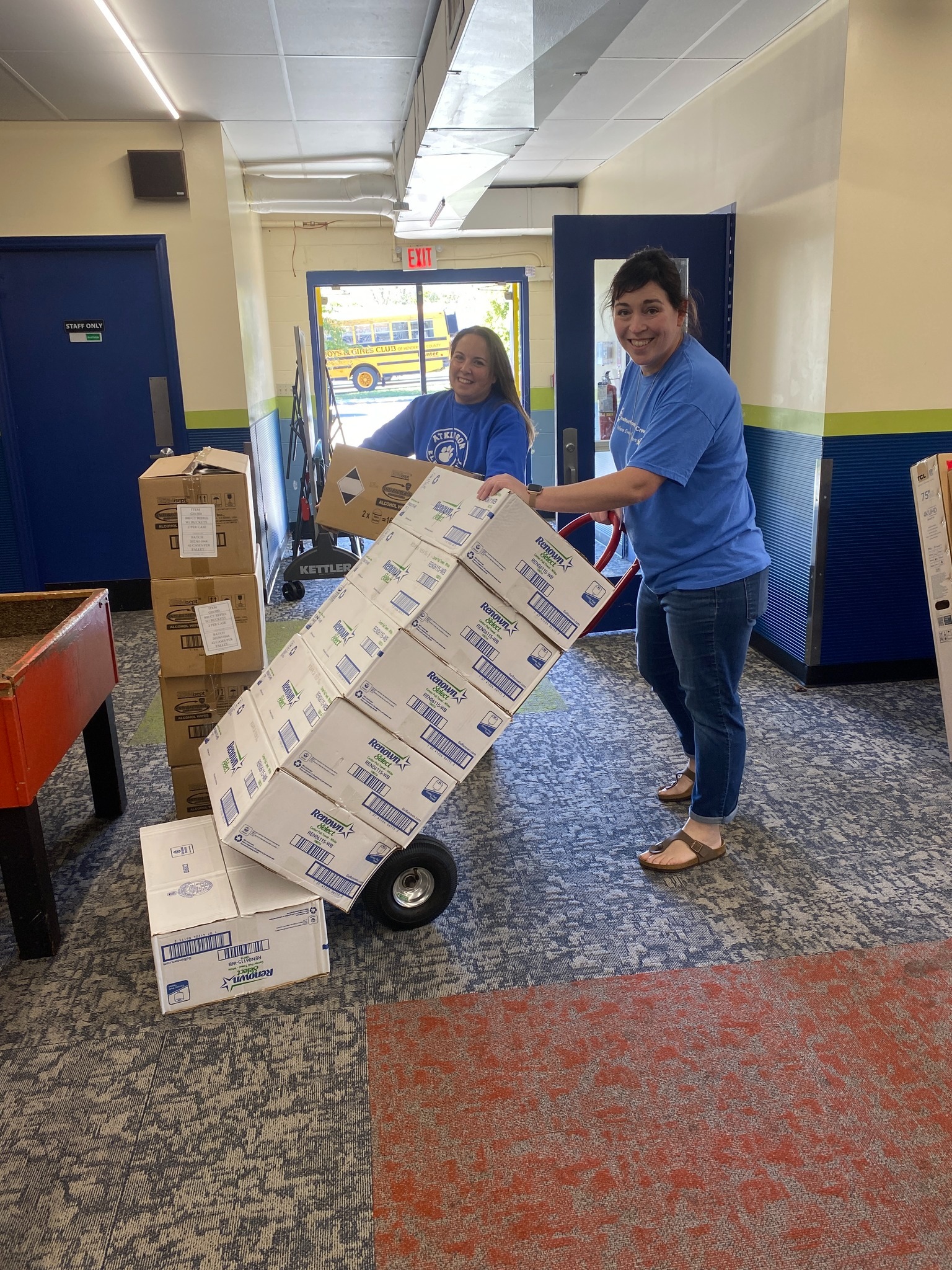
The teachers then had to come back into the elementary school to box up what they would need at the Club.
“It was amazing what these teachers did,” said Page, including three first-year teachers. “With no complaints, they came in, put their boots on, pulled up their gloves, and started working.”
Still unable to get to all of the houses, three buses would pick the students up from community stops and take them to the Club.
School meals were prepared at Henderson High School and delivered daily.
Each parent got a phone call explaining what was going to happen. A video of the space at the Club — a virtual open house — was sent around so students and parents could see it and begin to imagine what school would be like in a different place.
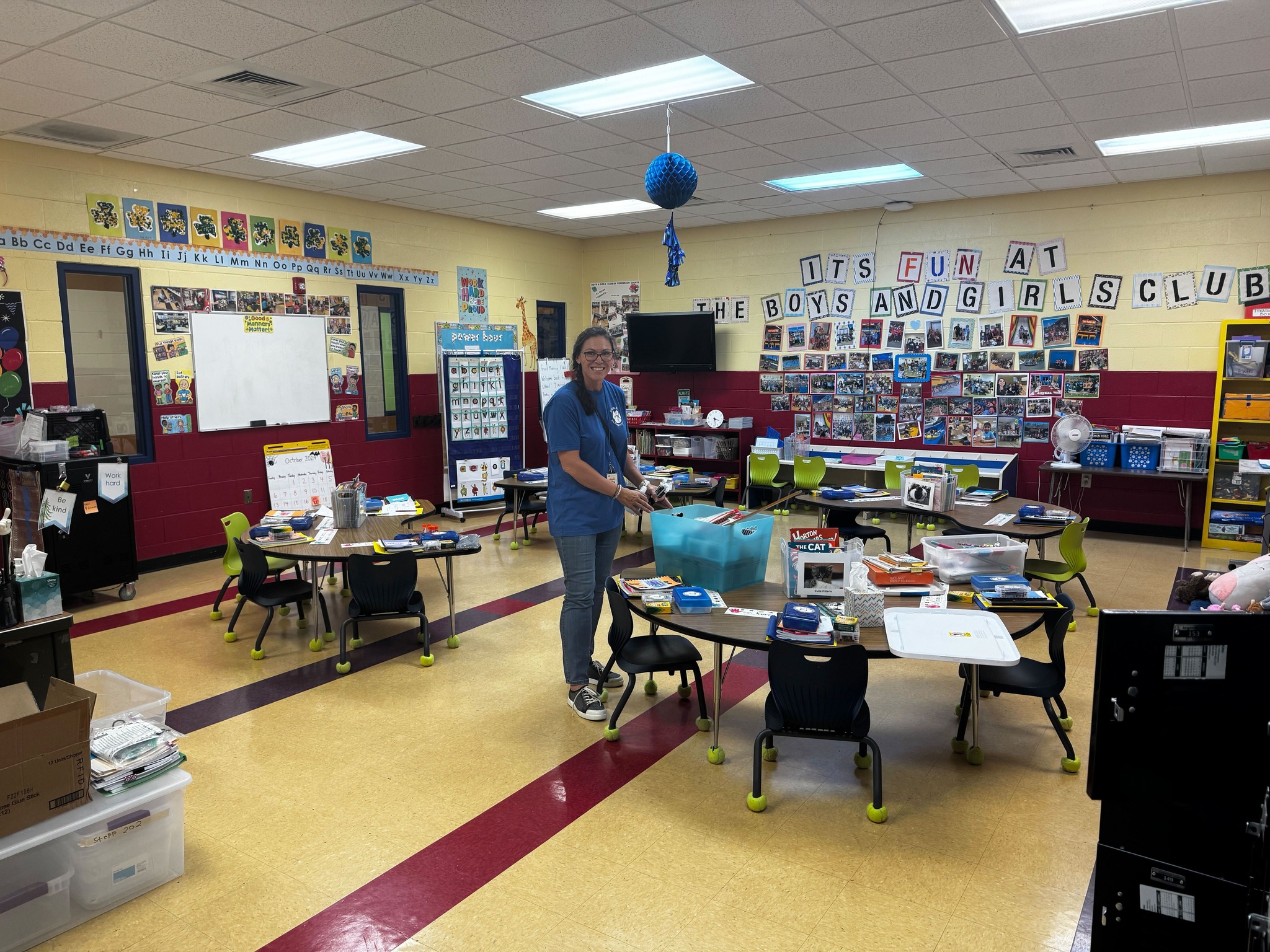
What was beautiful about what happened is how both teams came together to help, “working tirelessly to transform our Club into a school, ensuring everything is perfect for the kids,” said the Club in a Facebook post.
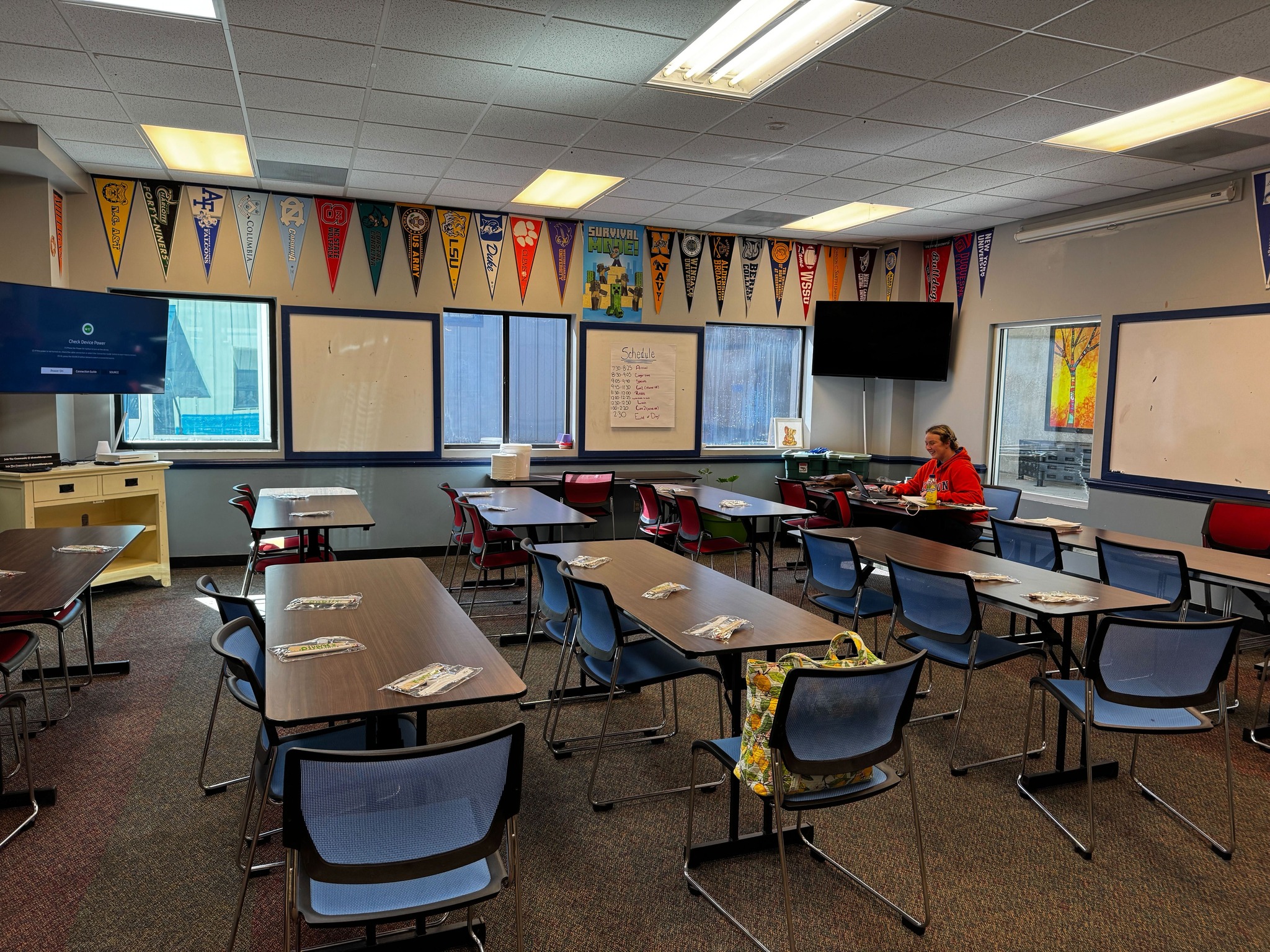
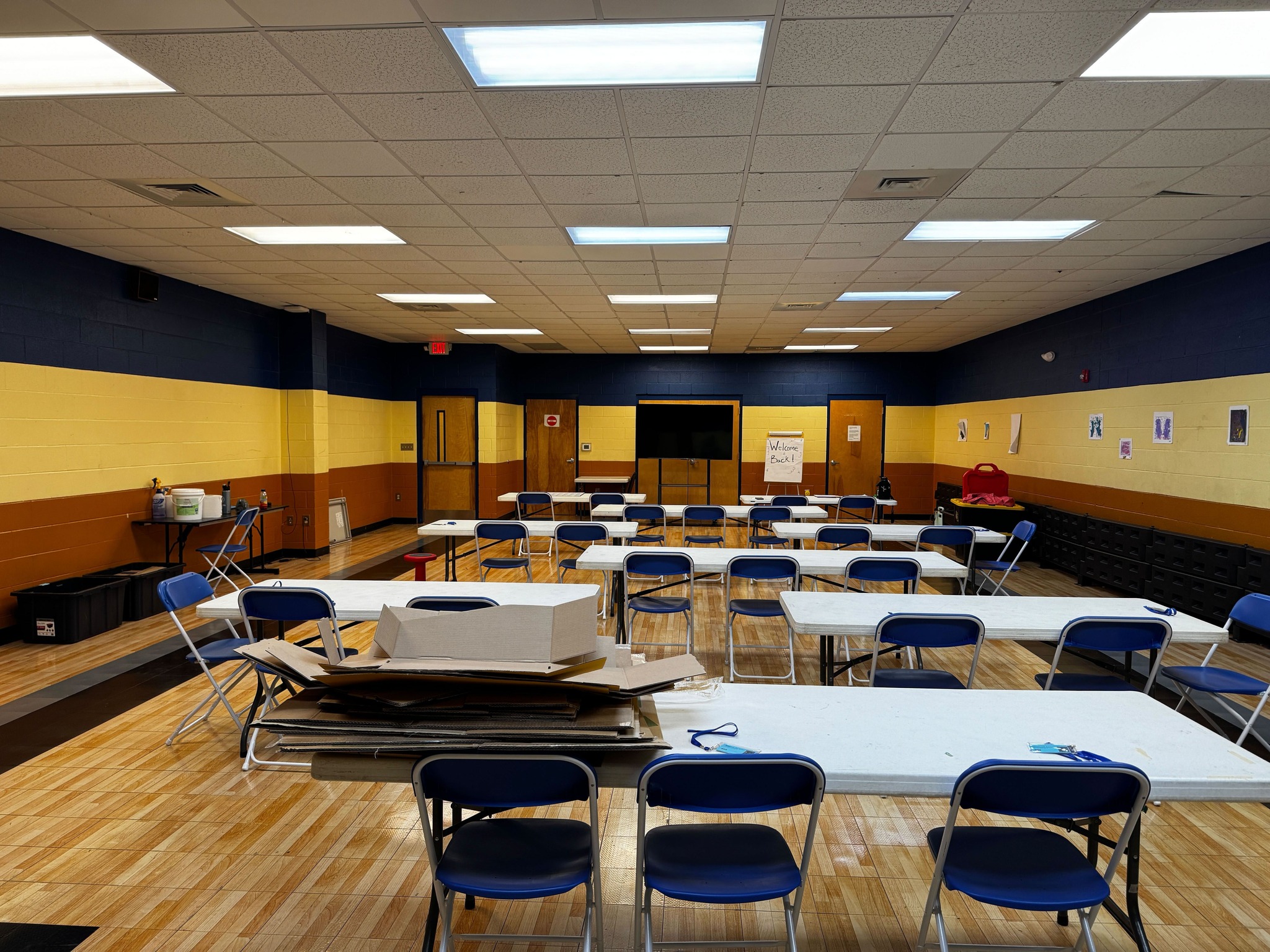


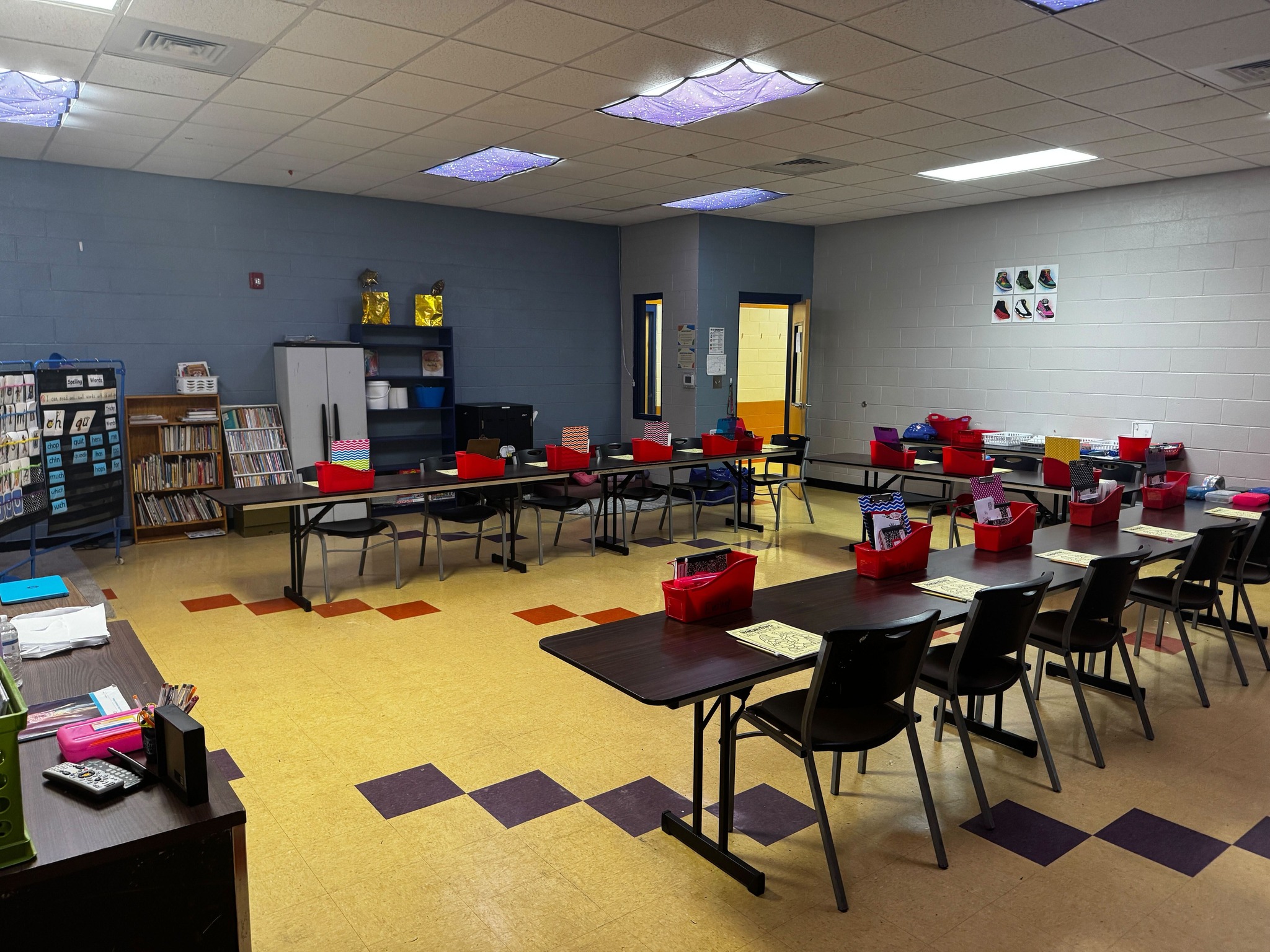
Garrett stressed the importance of preexisting relationships with the county’s emergency manager, Jimmy Brissie.
“Having those relationships before you need them again is what’s key,” he said. Garrett talked to Brissie the whole time, he said, because to open schools they first had to close down the distribution centers located at the schools.
“You can go back to school whenever you need to,” said Brissie, according to Garrett.
Laura Leatherwood, president of Blue Ridge Community College, affirmed Garrett on the importance of Brissie’s leadership.
“Henderson County was able to recover quicker because all of the leaders in our community were pulling in the same direction and those relationships were strong before the storm. Jimmy leads with a ‘we can do this’ attitude, and no matter what was needed, he made it happen,” said Leatherwood.
Having an emergency manager who prioritized education was a difference maker in how quickly this county was able to get students back into class.
Just 11 school days after the storm

Eleven school days after the storm, Oct. 15, 2024, was the first day of school for Atkinson students at the Boys & Girls Club of Henderson County — and also the first day the rest of the district went back to school after Helene.
A little more than 300 students settled into 11 classrooms.
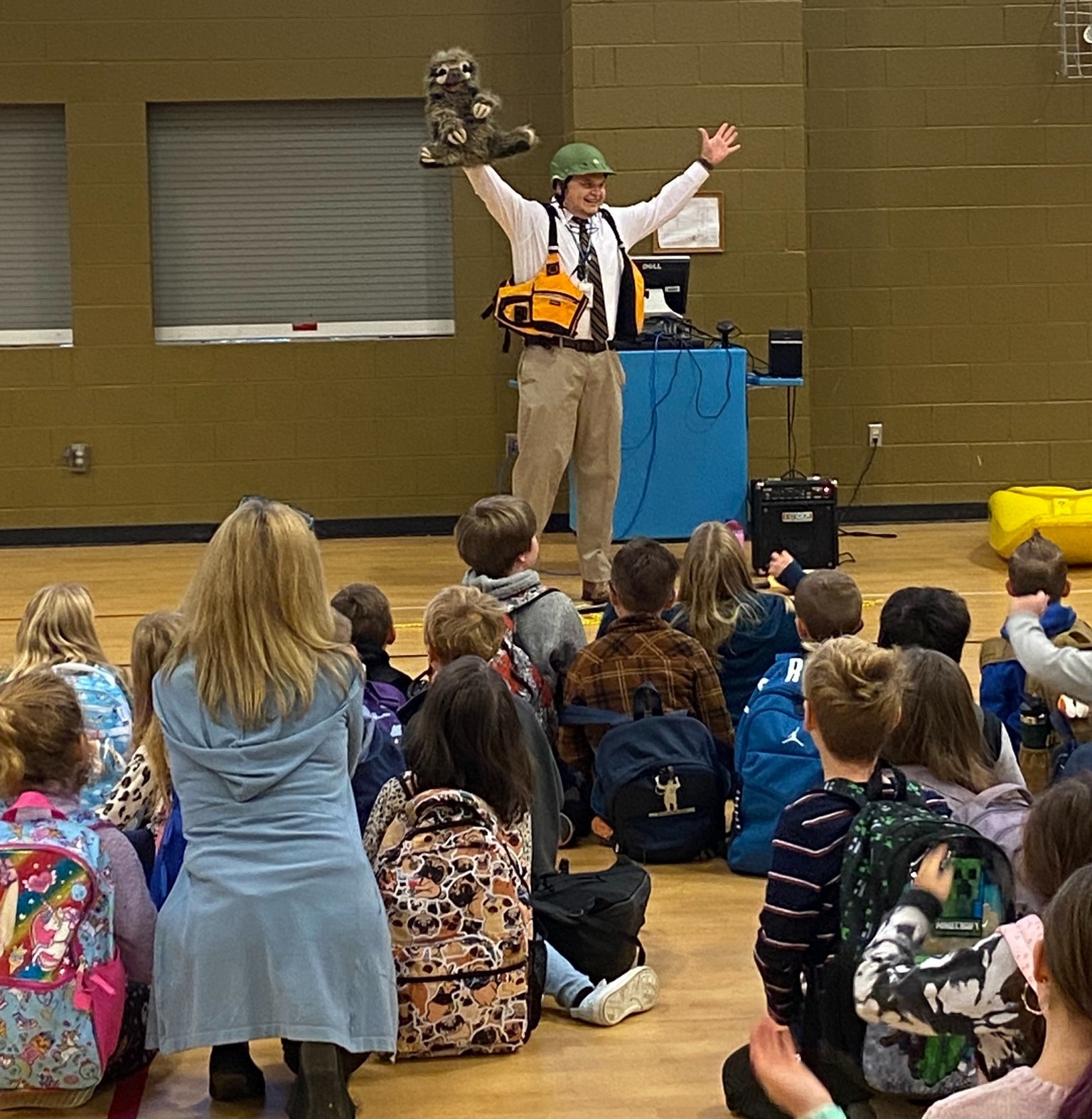
In an opening session, Principal Page spun a tall tale about the rescue of the school’s beloved stuffed sloth named Sirius. Classrooms toured the Club to learn their way around. Students were able to share their experiences of the storm with each other.
“But by day two,” said Garrett, as he clapped his hands together for emphasis, “we had school. If you didn’t know it was the Boys & Girls Club, you’d think it was a school. Students still had media. They still had PE. They still had STEM.”
“That’s what impresses me,” he said.
Each morning, the teachers arrived early at the Club to unpack their classrooms, and then at the end of the day, they would pack back up to be out by 2:30 p.m.
“Teachers are great at logistics,” said Garrett.
The school lost 30 minutes of instructional time each day but brought in an instructional coach to help educators focus on “the big, essential standards,” Page said.
In early November, Jim Clark, CEO of Boys & Girls Clubs of America, stopped by to support the Club and the district.



Dec. 6, 2024 was the students last day at the Club. The following Monday they returned to Atkinson Elementary.
“It was fun having the kids here,” Parent said. “We would do it again today.”
‘The best parts of small town America’
Garrett is quick to note the upsides of the disruption, some of which resulted in residual benefits that will shape students’ and parents’ experience of school moving forward in his district.
The virtual open house really worked to help students and parents imagine the space and what school would be like.
A video of how to navigate the car rider line at the Club smoothed drop off, which also smoothed the experience of drop off for nearby neighbors.
The opportunity for beginning teachers to work shoulder-to-shoulder with veteran teachers mitigated learning loss.
Family participation increased to 95%.
The media center and gym at Atkinson Elementary were still not ready when students returned, but specials had been mobile at the Club so that was not a pain point.
A local donor made sure students had access to a book vending machine when they returned to their school like the one at the Club.
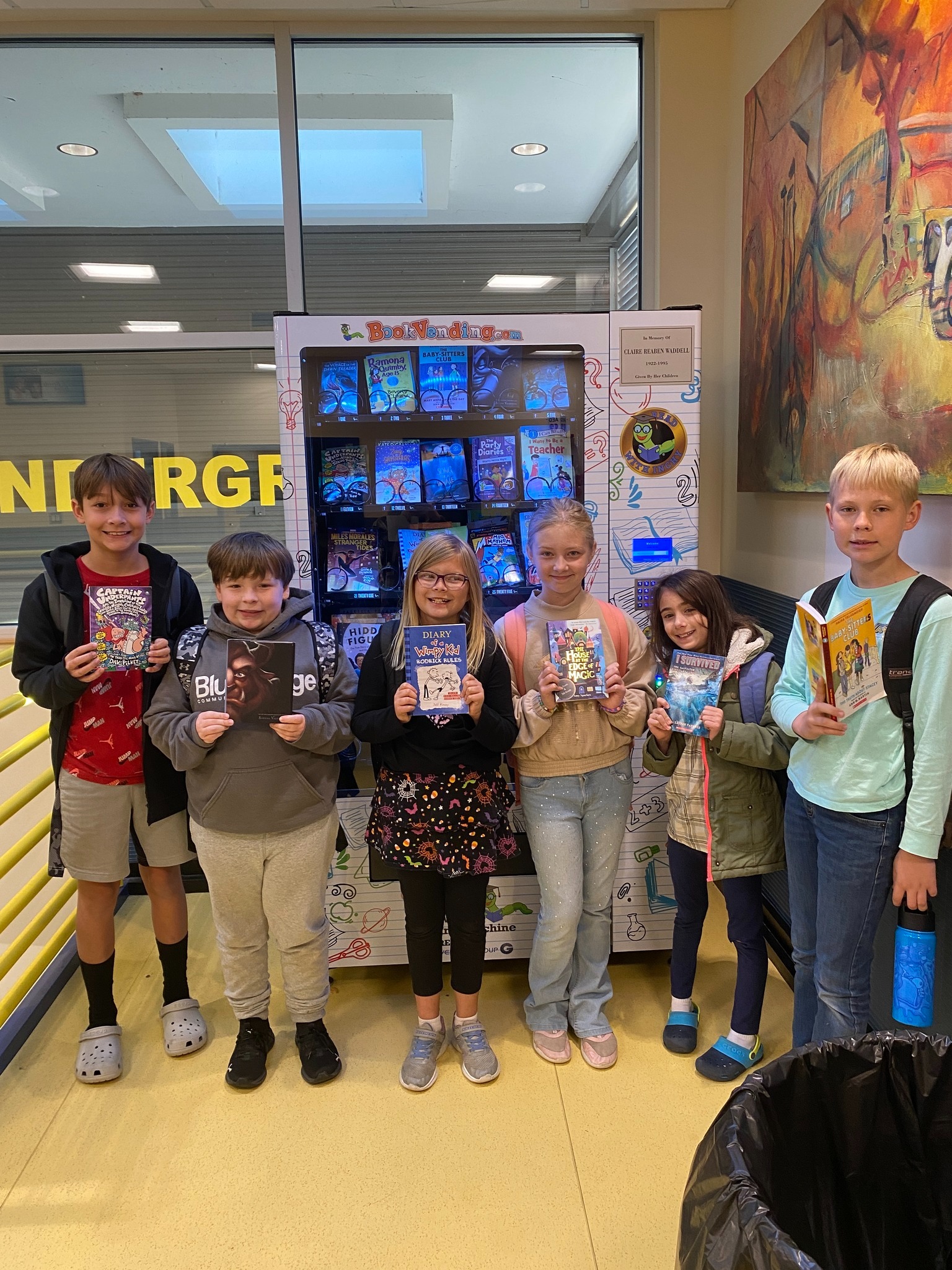

Some Atkinson students are now attending the Club after school, and principals across the district are reaching out to the Club when they need help with student support.
“That wasn’t here before the storm. That relationship wasn’t here before the storm,” said Parent. “We are partners now.”
Club leadership now meets with instructional coaches from the district, for example, to align instructional support with the district’s pacing guide. That allows the Club, Parent said, to preview learning, remediate learning, or accelerate learning.
Parent flexes as he talks about how he wants a Club kid to feel walking into a classroom having already been exposed to the material.

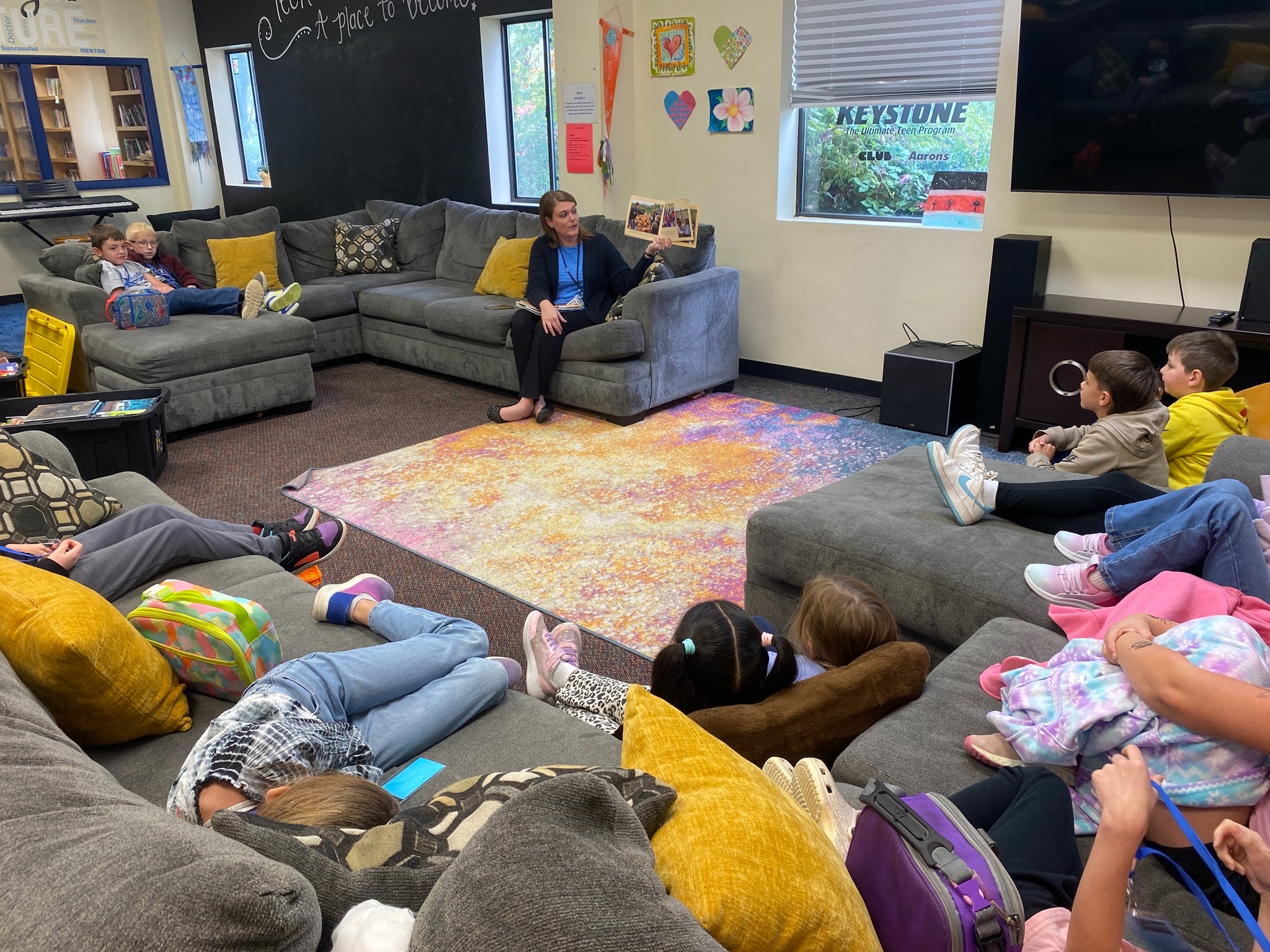
While students were happy to return to Atkinson Elementary, many of the students said they missed the big, “comfy” Club couches.
“When you’ve got great people, great things happen,” said Garrett. “And Henderson County has great people. Here all the best parts of small town America came into play.”
From all of us who watched this extraordinary, purposeful partnership unfold, thank you to the Boys & Girls Club of Henderson County not just for stepping up for our students, but for modeling how community organizations can support our schools in crisis.
“There are schools all over the nation and Boys & Girls Clubs all over the nation,” said Garrett. “This is possible.”