Connecting students to opportunity: The state of college and career advising in North Carolina school districts

“What do you want to be when you grow up?”
It is one of the earliest questions children are asked, and can be one of the most limiting. For many students, the answer is shaped by exposure: the careers they see at home, in their communities, and through their networks. Students cannot pursue pathways they have never had the opportunity to see, understand, or explore.
The question itself may be changing. In a labor market where careers are less linear and more likely to involve exploration, evolution, and transitions, students need more than an early answer. They need ongoing guidance, trusted relationships, and exposure to possibilities they might never encounter on their own.
 Sign up for Awake58, our newsletter on all things community college.
College and career advising exists to help students answer the question and to keep answering it as the path shifts. To better understand how that support reaches students across North Carolina, EdNC surveyed district leaders about advising staffing, grade-level coverage, partnerships, advising approaches, and data systems. Interviews with select participants examined district advising practices and emerging challenges in greater depth. The survey ran from March 12 to April 30, 2026 and included 92 school district leaders, including superintendents, deputy superintendents, and career and technical education (CTE) and student services directors.
The survey comes amid growing recognition that students need support navigating an increasingly complex education and workforce landscape. New research from Harvard’s Project on Workforce found that nearly half of career moves are now lateral or reactive rather than linear, meaning students need navigation skills, not only credentials.
Meanwhile, Gallup data cited in a new Commission on Purposeful Pathways report shows that while 78% of Gen Z students believe determining career plans before graduation is important, only 13% feel fully prepared to do so. The report calls for students to graduate from high school with a sense of identity, purpose, and direction, being able to say, “I know who I am, I know where I’m going, and I know who can help me get there.”
North Carolina has responded to this moment with a policy focus on career planning. Under state law, every North Carolina student must complete a Career Development Plan (CDP) before being promoted from eighth grade and must revise that plan before advancing from 10th to 11th grade. The CDP is designed to help students explore their interests, align their coursework with their career goals, and prepare for life after high school.
Statewide policy is only as strong as implementation. Helping students move from exploration to opportunity depends on the staffing, structures, partnerships, and approaches that shape advising in practice. Ultimately, the strength of these systems can influence whether students leave high school with a clear sense of purpose, direction, and access to opportunity.
Read more

Findings
The EdNC survey findings tell a connected story: School counselors remain the backbone of college and career advising in North Carolina, and they are working with a growing network of external partners — including advisers, career coaches, tools, and community resources — to connect more students to more opportunities.
The expansion of external partner organizations has increased capacity, but coverage remains uneven across grade levels, student populations, and school systems. With a clearer picture of who is doing what and where, districts, partners, and policymakers could work from a shared foundation and reach more students in the process.
The connections surface across four key survey findings:
- Staffing: Districts primarily rely on school counselors to provide advising services while expanding capacity through partnerships.
- Grade coverage: Advising is concentrated in high school despite growing interest in earlier exposure.
- Services: Districts seek to expand student advising support across college and career planning.
- Approach: While districts broadly embrace integrated advising models that connect academic planning, postsecondary preparation, and career exploration, statewide structural support for consistent implementation remains limited.
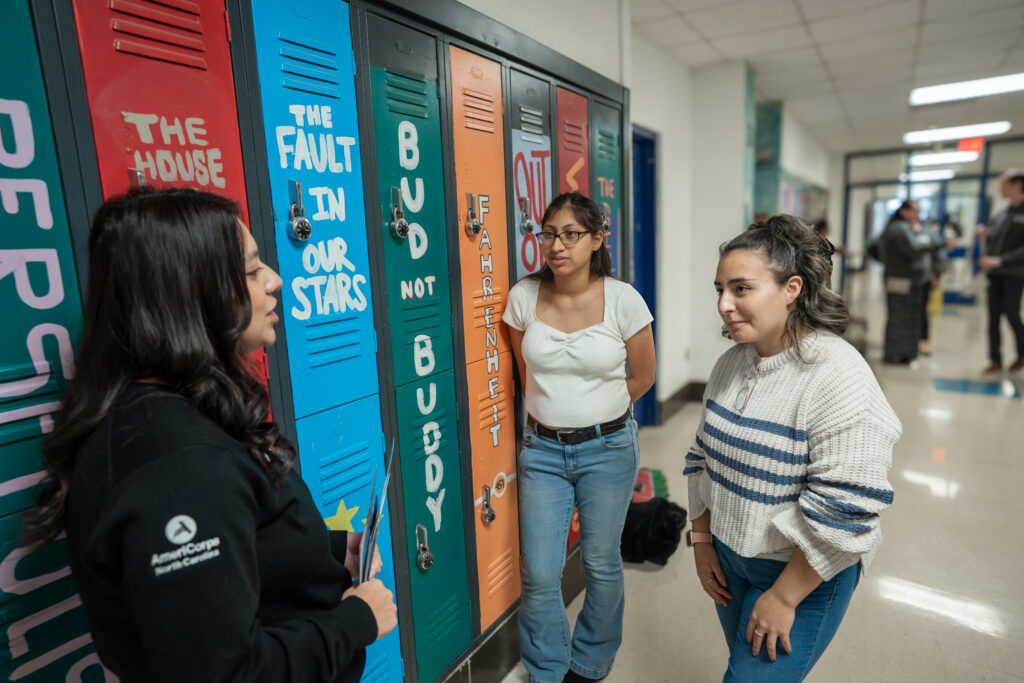
Finding 1: Districts primarily rely on school counselors while expanding advising capacity through partnerships.
Nearly two-thirds of respondents (62%) reported that school-based counselors provide most college and career advising services. Twenty-nine percent of respondents rely on dedicated college and career advisers, and 28% distribute advising responsibilities across multiple staff roles.
District leaders consistently described counselors as the foundation of the advising system, but noted that competing responsibilities limit the amount of time available for college and career planning.
“With the mental health support needed by counselors, the time is limited on academic and career advising,” wrote one survey respondent. “Fully funded mental health positions would allow our academic counselors to fully commit to the role.”
“While we meet the quantity, I am sure there is not enough time to have quality,” wrote another. The challenge raised by many district leaders was not simply whether advising exists, but whether students have enough opportunities for the deeper conversations that help them understand who they are, explore possibilities, and make informed decisions about their futures.
The American School Counselor Association (ASCA) recommends a ratio of 250 students per school counselor. In 2024-25, there were 4,318 counselors in North Carolina for a counselor to student ratio of 360:1. Here you can see ratios by state.
Many districts are responding by building broader advising teams that add dedicated advising capacity in addition to school counselors. Rather than relying on a single person or role, these school districts spread advising responsibilities across counselors, advisers, career coaches, community partners, and other staff to provide students with broader and more specialized support.
North Carolina’s advising landscape has expanded over time through partnerships like Advise NC, formerly College Advising Corps, which began in 2007 and now works through five university-based partners across the state to recruit, place, and embed Next Step Advisers in high schools. As recent college graduates serving in a near-peer model, advisers work alongside counselors and school staff to build trusted relationships with students and provide individualized support as they explore and navigate postsecondary pathways.
Current Advise NC university partners include Appalachian State University, Duke University, North Carolina State University, the University of North Carolina at Chapel Hill, and the University of North Carolina Wilmington.
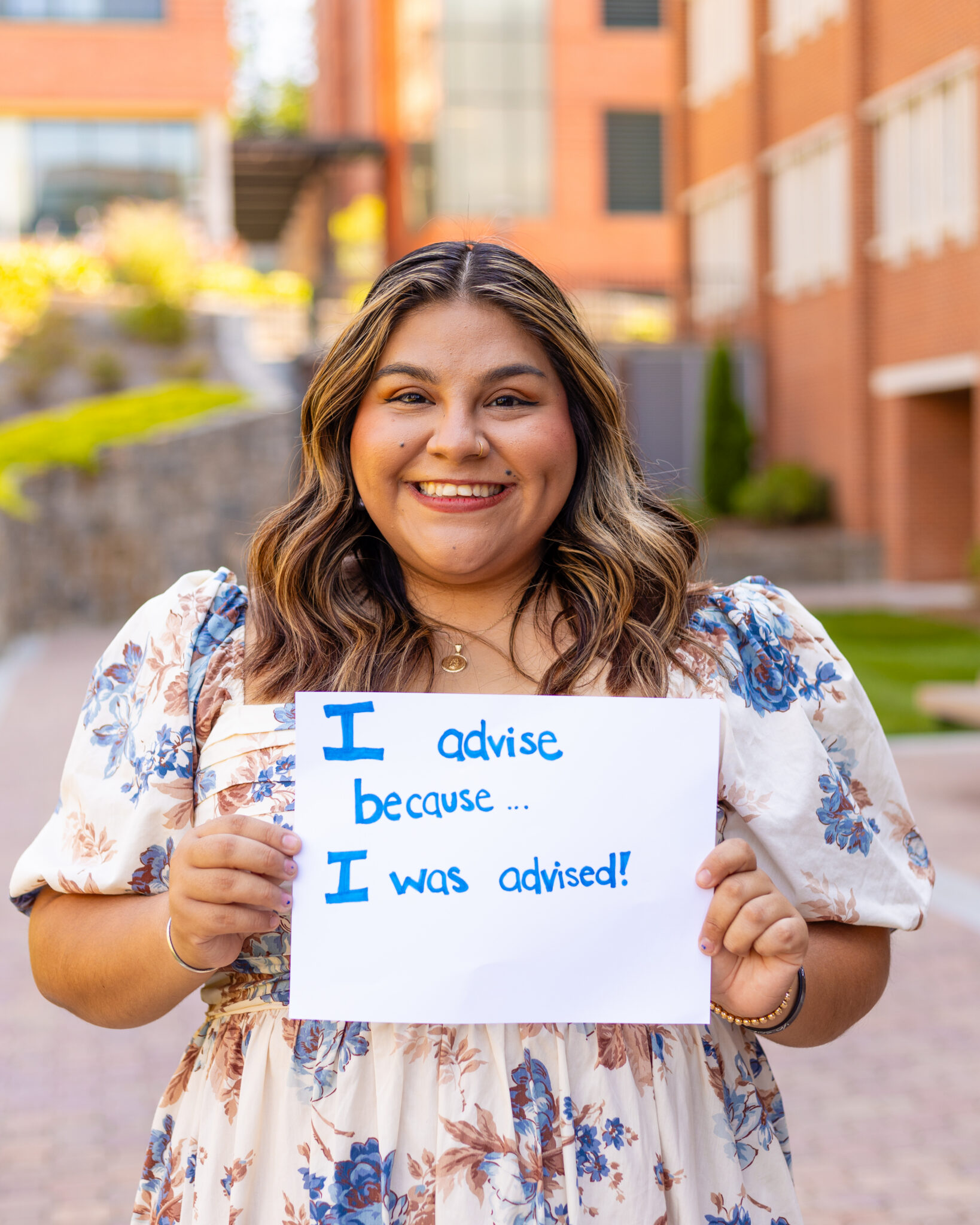
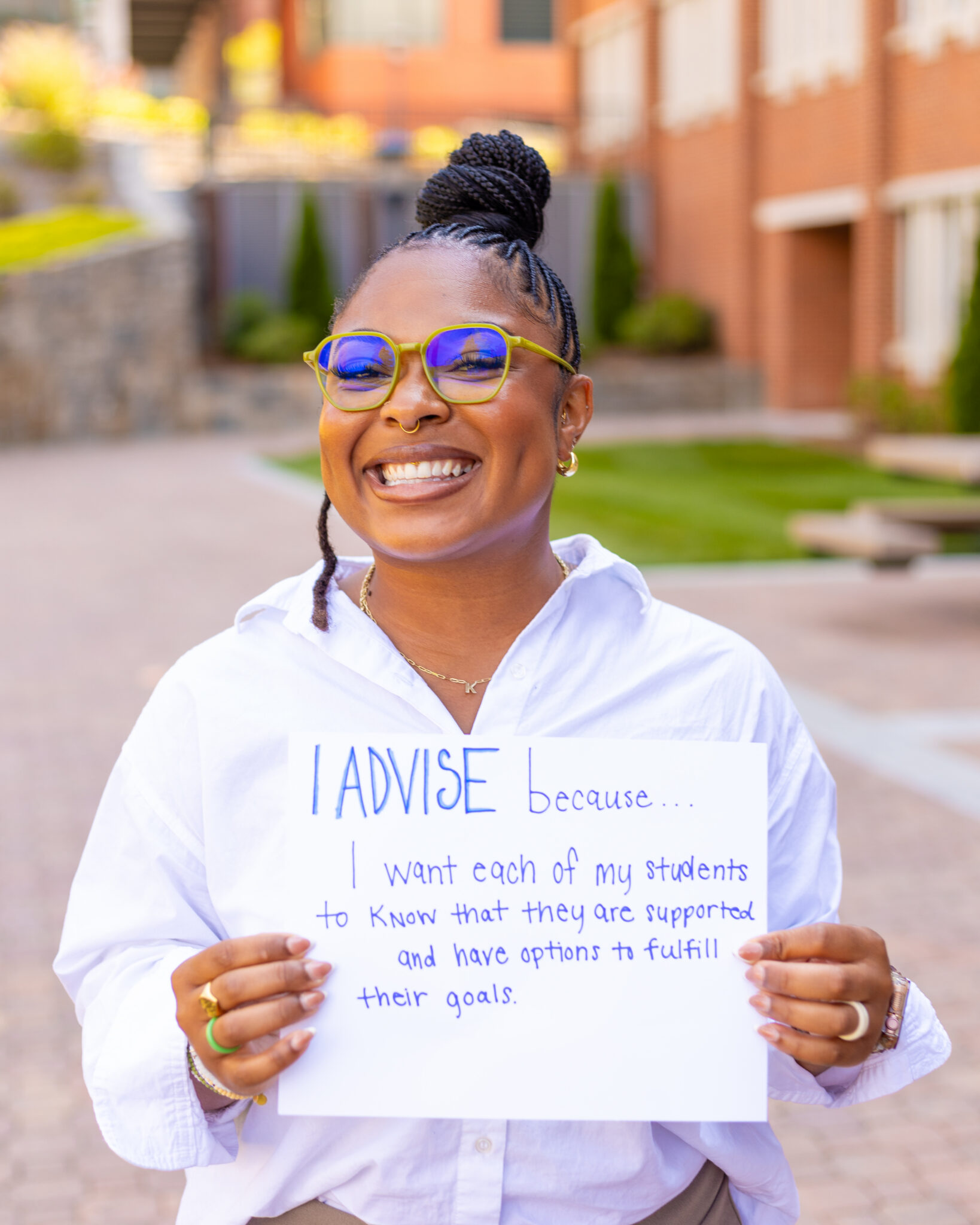
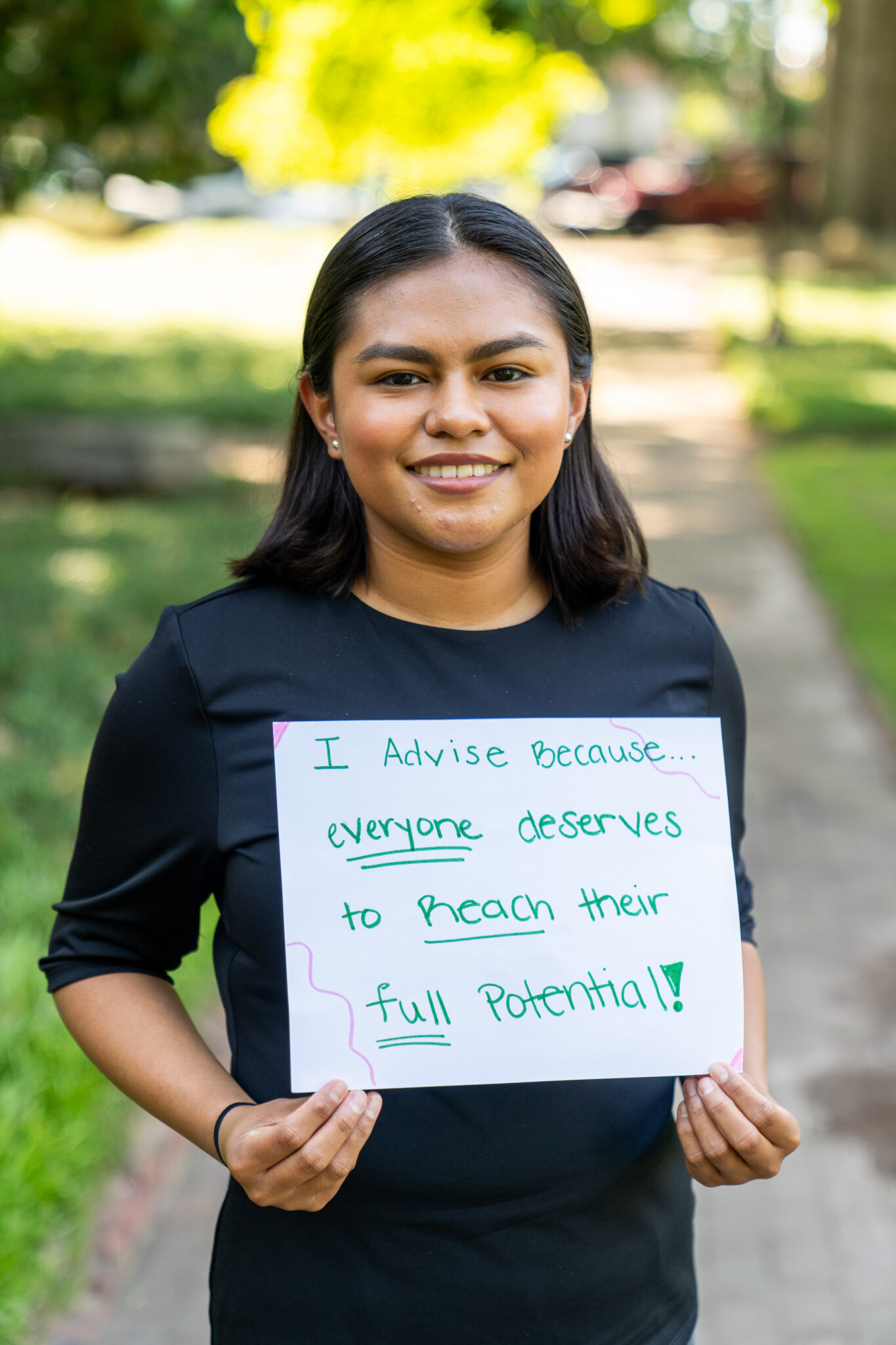
For example, Person County Schools organizes advising responsibilities across multiple staff and external partners, including Advise NC and NC Career Coaches through the North Carolina Community College System.
“One counselor cannot advise what we’re asking,” said Rodney Peterson, superintendent of Person County Schools. “The value is in the conversation and the relationship with students. We’re asking schools to help students understand pathways, navigate financial aid, think about careers, and make decisions about their future, and those conversations take time.”
Three-quarters of respondents (77%) reported relying on at least some level of external partnership to support advising capacity and college and career readiness.
The most commonly cited partners and resources were College for North Carolina (CFNC) (59%), NC Career Coaches (55%), Advise NC (43%), and GEAR UP (23%). Other organizations cited included Juntos, TRIO, and Upward Bound. Many districts also cited using NC Careers (57%) through the North Carolina Department of Commerce and support from myFutureNC Regional Impact Managers (29%). These organizations play different roles in the ecosystem, with some providing direct one-on-one student advising and others offering resources, tools, and outreach at the school or district level.
“Our high school has an Advise NC Next Step Adviser through Appalachian State University,” wrote one respondent. “We also have a community college liaison based at the high school. Both of these roles are crucial to allow students to make the most informed decisions.”
District leaders also raised concerns about financial and organizational sustainability. Several external advising roles across the state are grant-funded, and respondents noted that having stable, filled, and trained positions ultimately determines whether advising services consistently reach students.
“More money doesn’t mean anything if you don’t have the resource,” Peterson said. “And the resource in this case is a counselor or adviser.”
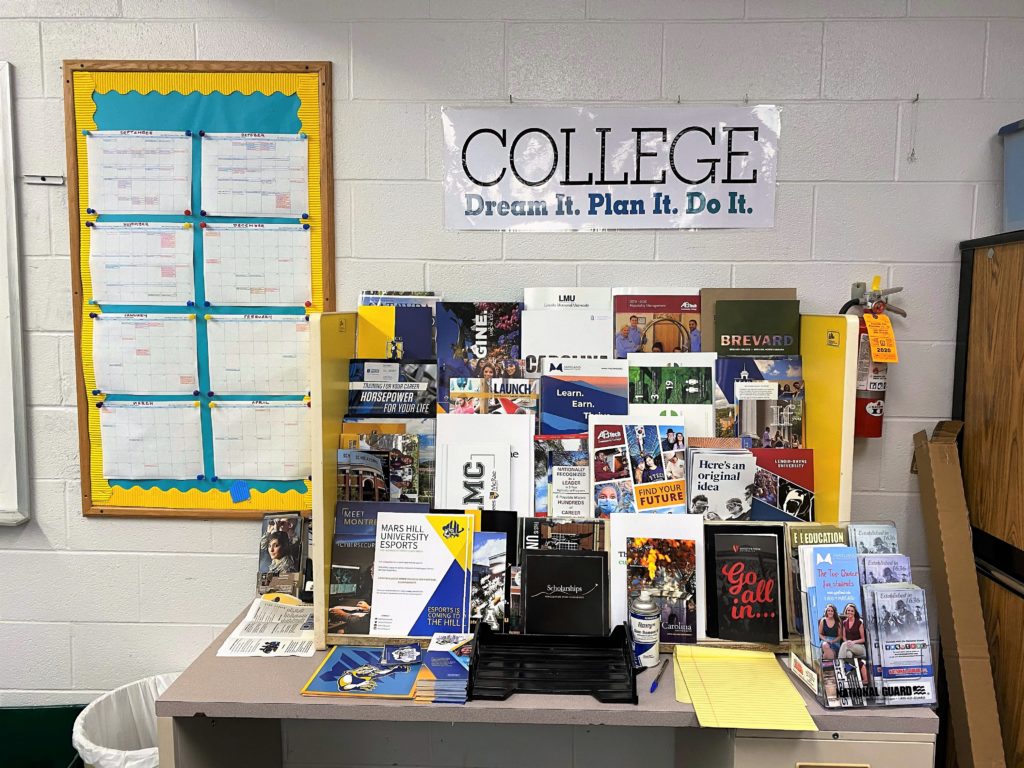
Finding 2: Advising is concentrated in high school despite growing interest in earlier exposure.
Structured college and career advising is nearly universal in grades 11 and 12, at the end of the high school experience, with 95% of respondents reporting services at those grade levels. Advising also remains strong in earlier high school years, with 87% of respondents reporting structured supports in ninth grade and 91% reporting supports in 10th grade.
Coverage drops significantly in middle school. Only 67% of respondents reported structured advising in eighth grade, 38% in seventh grade, and 28% in sixth grade.
The gap is notable given the state’s Career Development Plan requirements beginning in eighth grade. Respondents often framed earlier advising as building awareness rather than asking students to choose a career path. Early exposure can help students discover interests, understand their strengths, and explore possibilities that become more personalized and intentional over time.
“We need to develop a consistent structure for college and career advising from 5th grade to 12th grade,” wrote one respondent.
“We need stronger alignment and transition from the middle school to the high school,” wrote another.
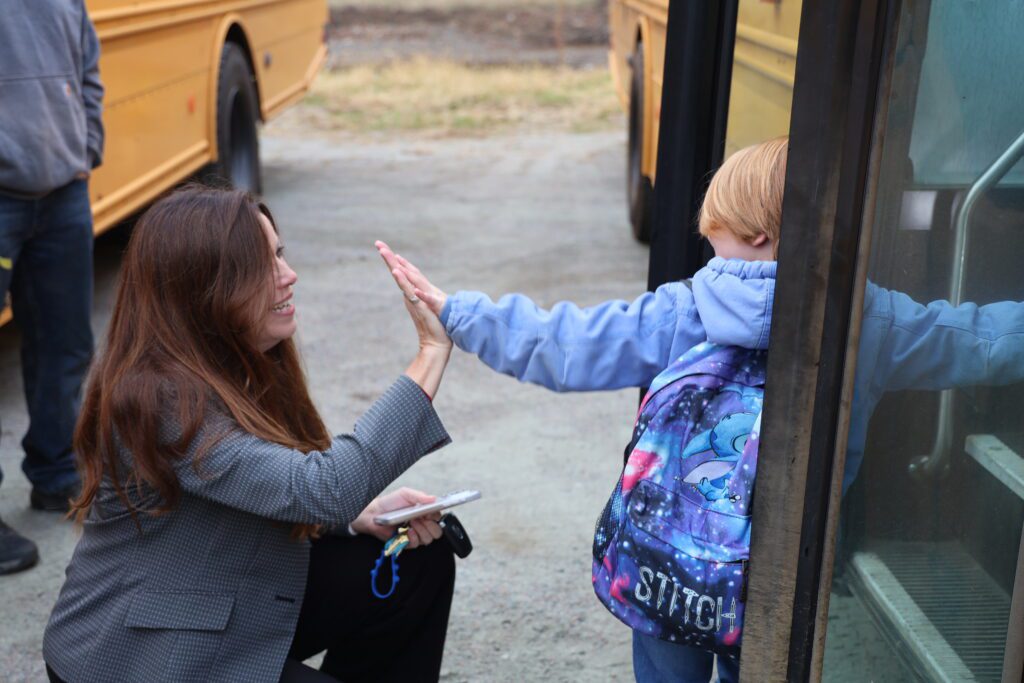
Ashe County Schools has expanded career exposure opportunities earlier in the student experience. All middle school students have the opportunity to participate in job shadowing experiences, and the district’s number of Career and Technical Education (CTE) internships has doubled each year. The district’s long-term goal is for every junior and senior to complete at least one shadowing or apprenticeship experience before graduation.
Superintendent Eisa Cox said the district’s graduation rate increased from 84% to 92% over five years as advising and career-connected learning efforts expanded.
“When kids would walk across the stage, I would shake their hand and ask them, ‘So what’s next?’” Cox said. “‘I don’t want to hear another, ‘I don’t know.’ Even if a student is still exploring their future, I want them to leave high school with choice, purpose, and opportunity because of the experiences they have had along the way.”
The survey also identified gaps after graduation. Only 14% of respondents reported offering post-graduation or summer transition support.
Research on “summer melt” has consistently shown that students can lose momentum between high school graduation and postsecondary enrollment when support systems disappear after commencement. Continued outreach, trusted relationships, and help navigating financial aid and enrollment tasks during the summer months can improve students’ transition into college and other postsecondary pathways.
More on summer melt

Finding 3: Districts seek to expand student advising supports across college and career planning.
Districts reported strong implementation of foundational advising services. Free Application for Federal Student Aid (FAFSA) and financial aid assistance (96%), college application support (93%), dual enrollment advising (95%), and career exposure activities (96%) were nearly universal.
Career interest assessments (92%) and course and pathway planning (87%) were also common across districts.
But fewer respondents reported offering services tied to labor market information, networking, mentorship, bilingual advising, or post-graduation support to ensure seamless transitions.
Only 35% of respondents reported using labor market data to inform advising decisions, and 43% reported intentional social capital building, including mentorship and employer networking opportunities. Advising services specifically designed for bilingual learners were available across 38% of respondents.
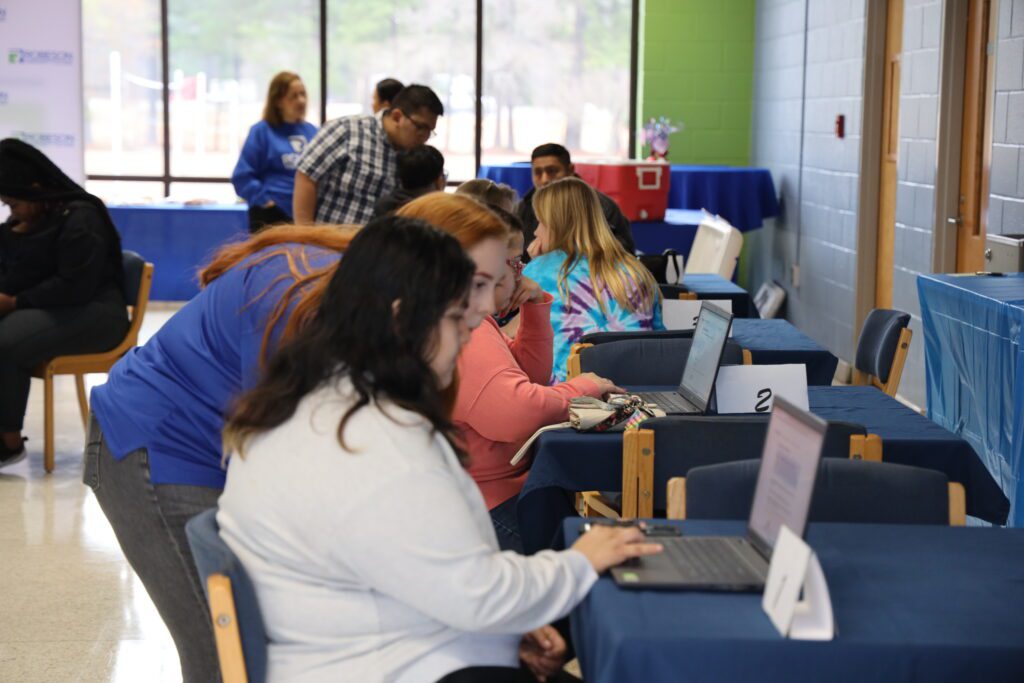
That unevenness has consequences.
Rebecca Atkins, director of school counseling for Chapel Hill-Carrboro City Schools, described students who may not proactively seek help and access support as the ones most affected by those gaps and would most significantly benefit from consistent outreach and advising to expand their understanding of options.
“We need to be doing more proactive postsecondary advising,” Atkins said. “What I would like to see more of is reaching out to students instead of waiting for students to ask us.”
The findings suggest that districts are building stronger advising ecosystems, but that more comprehensive career navigation supports remain unevenly distributed across the state.
Finding 4: While school districts broadly embrace integrated advising models, statewide structural support for consistent implementation remains limited.
EdNC drew on nationally recognized K-12 college and career advising frameworks and grouped advising approaches into five broad categories to better understand how districts structure and deliver advising supports to students. In the absence of a shared definition of high-quality college and career advising, districts often use different approaches, structures, and priorities.
The frameworks included the American School Counselor Association (ASCA) National Model, the College Board National Office for School Counselor Advocacy Eight Components of College & Career Readiness Counseling, the National Career Development Association (NCDA), Advance CTE National Career Clusters Framework, and Strada Education Foundation Principles for Quality Education-to-Career Guidance.
Districts were asked to select the approach that best reflected their current model:
- Foundational and compliance-oriented: Advising primarily focuses on meeting high school graduation requirements, academic course scheduling, and ensuring students complete required milestones.
- College access-focused: Advising emphasizes postsecondary awareness and access, including college exploration, applications, and financial aid.
- Career pathways-focused: Advising emphasizes career exploration, pathway selection, work-based learning, and alignment to workforce opportunities.
- Integrated college and career pathways: Advising intentionally integrates academic planning, postsecondary preparation, and career exploration across grade levels.
- Targeted and proactive supports: Advising includes structured outreach and additional supports for specific student groups or transition points.
The most commonly selected approach was “integrated college and career pathways,” chosen by 67% of respondents. This category connects academic planning, postsecondary preparation, and career exploration across grade levels.
At the same time, 38% of respondents also identified their advising approach as “foundational/compliance-oriented,” meaning advising primarily focuses on graduation requirements and required milestones. Only 21% reported using targeted or proactive advising approaches for specific student groups or transition points.
The findings suggest that while many districts are working toward more integrated advising models, implementation and coordination remain uneven across schools and grade levels.
Structural consistency also varies significantly across the state. Only 32% of respondents reported having a districtwide advising framework with grade-level guidance. Fifteen percent reported having no defined districtwide model, while 17% said services vary significantly by school.
“I suspect the user experience is fragmented,” wrote one respondent. “They have to know who to talk to about what, and that is not always easy or accessible to all students.”
“The experience can feel fragmented at times due to inconsistent coordination and handoffs across grade levels,” wrote another.
Several district leaders described environments where many supports operate simultaneously, including mentors, college liaisons, career development coordinators, financial aid advising, and other student support roles. While these resources can provide important layers of support, respondents noted that the challenge often lies in ensuring they are aligned and coordinated around students and families.
Many respondents and district leaders emphasized the opportunity and need for stronger coordination in using existing data systems, partners, and student supports so that counselors, career coaches, advisers, and other adults working with students can use a more connected approach.
Moment of opportunity
The survey findings suggest that North Carolina has built a significant foundation of advisers, counselors, partnerships, and statewide tools to support students as they navigate life after high school. The findings also point to a larger opportunity: creating more coordinated systems so that students experience advising in connected, proactive, and continuous ways rather than fragmented and dependent on chance.
As the state continues expanding career-connected learning, dual enrollment, workforce pathways, and postsecondary opportunities, district leaders pointed to the importance of alignment across people, systems, and supports.
The question may no longer be simply, “What do you want to be when you grow up?” In a changing economy, students need more than a plan for graduation. They need exposure to opportunities, trusted relationships, and support systems that help navigate evolving interests, opportunities, and next steps.
Behind the Story
Special thanks to partners across North Carolina who supported the development of the survey through outreach to school districts and providing insights, including leaders from the North Carolina School Superintendents’ Association, Advise NC, myFutureNC, the John M. Belk Endowment, and statewide advising and student success organizations.
Editor’s note: The John M. Belk Endowment supports the work of EdNC.