Asheville City Schools showcases choice available to public school students

If you’re standing outside around 7 a.m. during a weekday in Asheville, you might notice something strange — the same yellow district buses crisscrossing back and forth several times on the same roads.
That’s because unlike most other school districts, Asheville City Schools (ACS) does not zone its students to a specific elementary school based on where they live. Instead, the five elementary schools function like a magnet system, born out of a federal desegregation order. Each school has a theme, and students and families can pick the school they’d like to attend based on that.
“That’s the complexity of it — even though we’re little, that’s a lot,” said Jeremy Gibbs, the district’s chief operations officer.
 Sign up for the EdWeekly, a Friday roundup of the most important education news of the week.
ACS serves roughly 3,800 students, according to the latest state data, putting it among the smaller systems of North Carolina’s 115 school districts. However, unlike most of those small districts, Asheville is classified as an urban or city district. And it’s neighboring district, Buncombe County Schools, serves more than 22,000 students.
“We’re small, but we have to do everything like we’re big,” Gibbs said.
ACS has eight schools — five elementary schools, one middle school, one traditional high school, and one early college — plus a preschool program and alternative learning high school program.
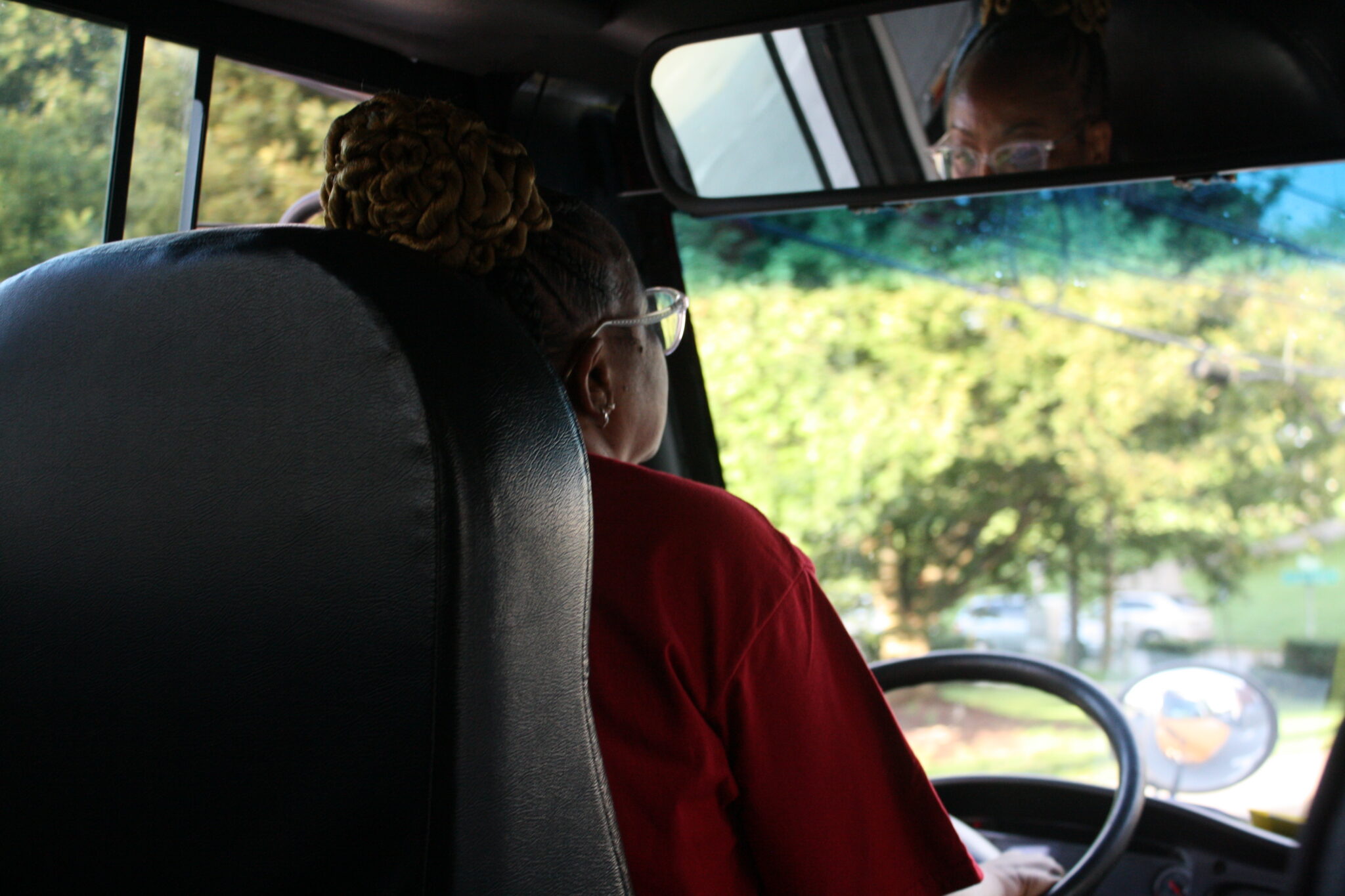
On the first day of school, veteran district employee Michelle Harrison demonstrated the vast amount of planning that goes into school operations, even in a smaller district. Harrison, who has been a bus driver and custodian for the district for more than 30 years, arrived to bus 627 at Asheville Middle School at 6:30 a.m. to review her updated routes before pick-up.
She quickly noticed her routes were more scattered than usual, as city road construction had blocked several of her normal paths. Since her route had been generated, she realized new construction would pose additional barriers. Some of the roads were very narrow, with errant trash cans creating obstacle courses for Harrison to navigate.
Still, she managed to get all her students to school safely and on time — first the elementary and middle schoolers, and then the high schoolers — greeting many by name and asking how their siblings and parents were doing.
“I get to see them grow up,” she said.
Of course, as districts focus on the day-to-day operations of running schools, they must also think about longer-term plans and visions.
Superintendent Maggie Fehrman is specifically excited about the district’s new strategic plan for the next five years — the first for ACS in over a decade. The plan has four goals:
- Sustainable stewardship for student success
- Equitable student outcomes
- Premier district for exceptional talent
- Stronger relationships, stronger public schools, stronger community
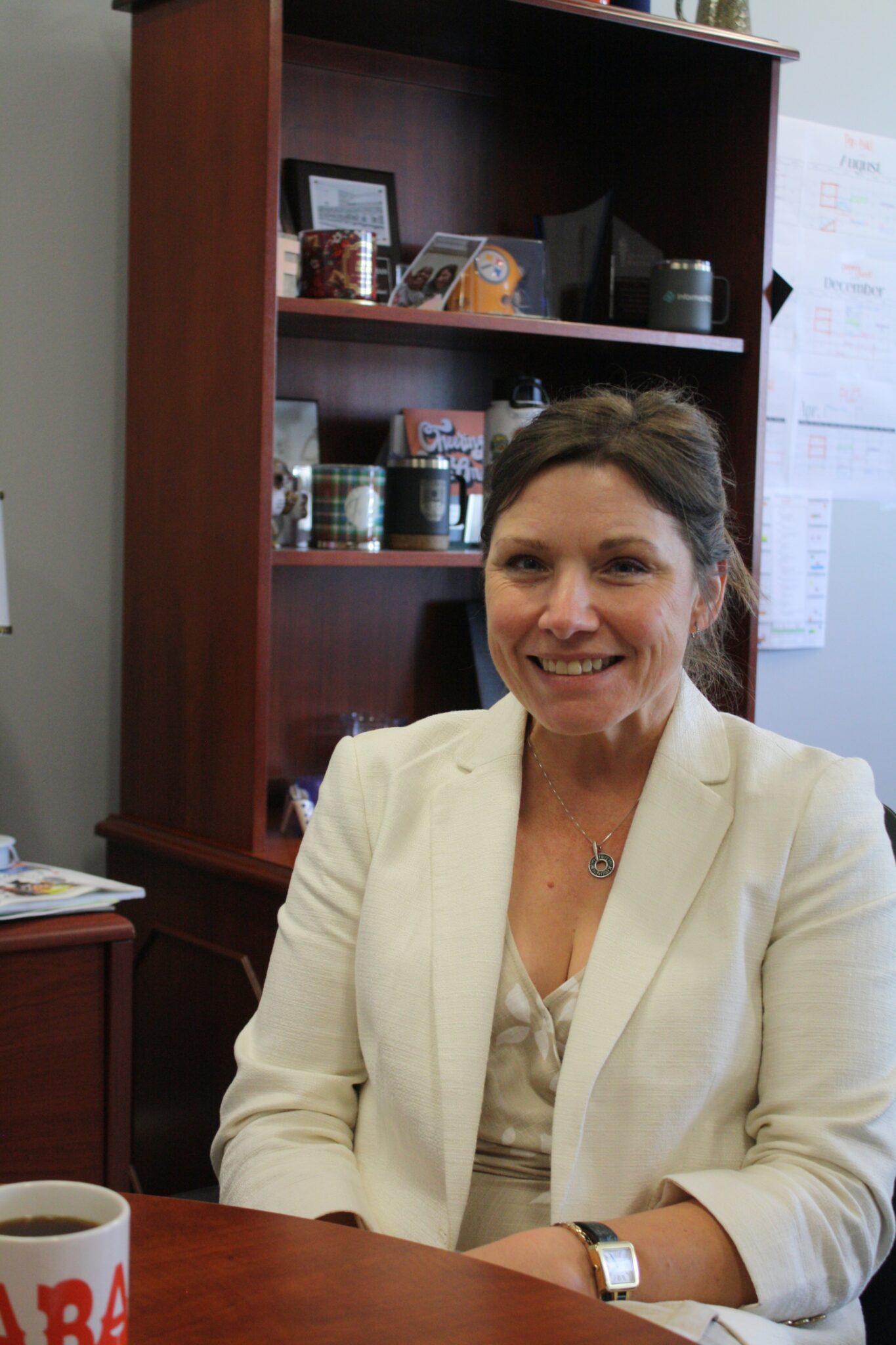
Fehrman started in the role as superintendent in July 2023 and is the district’s longest-serving superintendent in more than a decade. During her tenure, she has focused on decreasing achievement gaps. Before she came to the district, the disparity in test scores between white and Black students was the largest in the state, according to the Asheville Watchdog, and has since seen improvement.
Fehrman has also focused on expeditionary learning (EL), which is a hands-on approach to learning involving student inquiry. Each elementary school has created ELs around their theme to increase student engagement and learning.
“We know the only way you can close the achievement gap is if our Black students are exceeding growth, and that’s what we’re focused on, is really closing that achievement gap, and then bringing joy back to learning,” she said. “Students should really enjoy coming to school and having fun, and that’s our link with expeditionary learning and how we’re bringing experiences back to the classroom.”
In Asheville, Gibbs said people have many school options available to them. In recent years, like many other traditional school districts in North Carolina, the district has seen an enrollment decline.
“But while also competing with all those many, many school options — many of which are very good — we also have to be the local public school system,” Gibbs said.
Traditional public schools must remain an “open door” for all students who live in their district, Gibbs said, “no questions asked.” ACS also allows students from other districts to apply to attend their schools.
In recent years, the district has navigated the pandemic, Hurricane Helene, and controversy over its student achievement gaps. “We have to dig into the hard things,” Gibbs said. “But I think we’re well poised to do that.”
Nearly 140 years after being established in 1887, Gibbs said ACS is still trying to serve students.
“Your local traditional public school system is still here,” he said. “I think all of us in this line of work take that obligation really seriously. If we’re not here, who’s going to do this? We think it’s work that still needs to be done.”
Elementary school choice
Earlier this year, EdNC visited each school in the district, getting a glimpse at the system’s magnet elementary school system.
Isaac Dickson Elementary School
At Isaac Dickson, “a community of engaged, active, hands-on learners,” the school’s magnet theme is experiential education.
“Our belief in hands-on learning comes from research that shows students learn best by doing,” the school’s website says.
In addition to core classes, students attend specialist classes in Spanish, music, physical education, and art. There are also after-school clubs for topics like karate, cooking, chess, science, swimming, mosaics, coding, and more.
Through project-based learning, the website says, “students tackle a challenging academic curriculum in ways that are fun, engaging, meaningful, and adaptable to a variety of learning styles.”
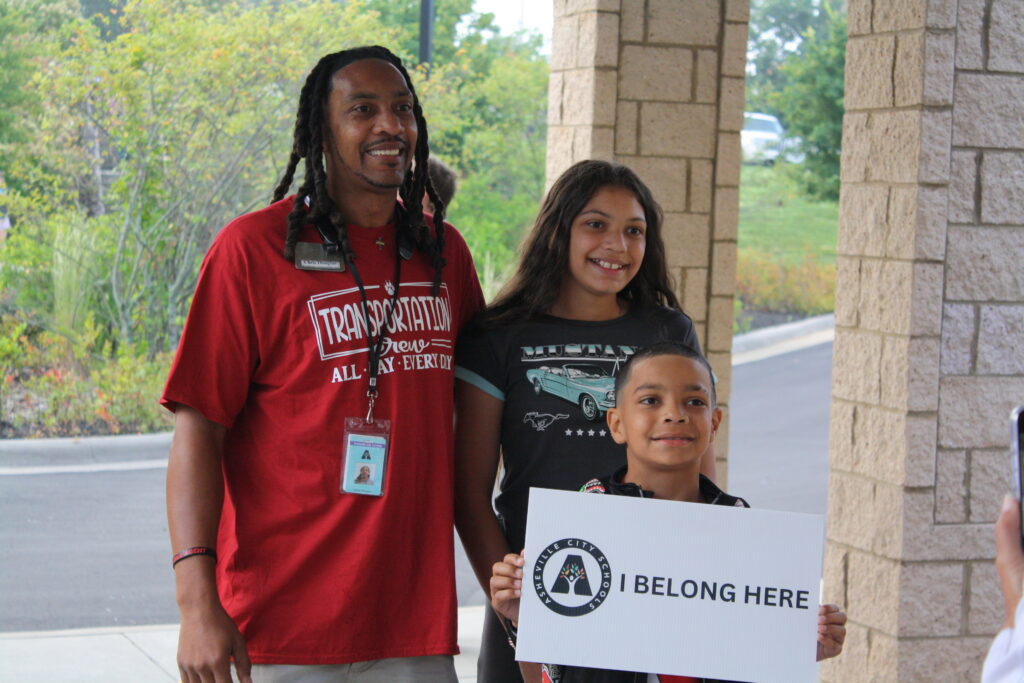
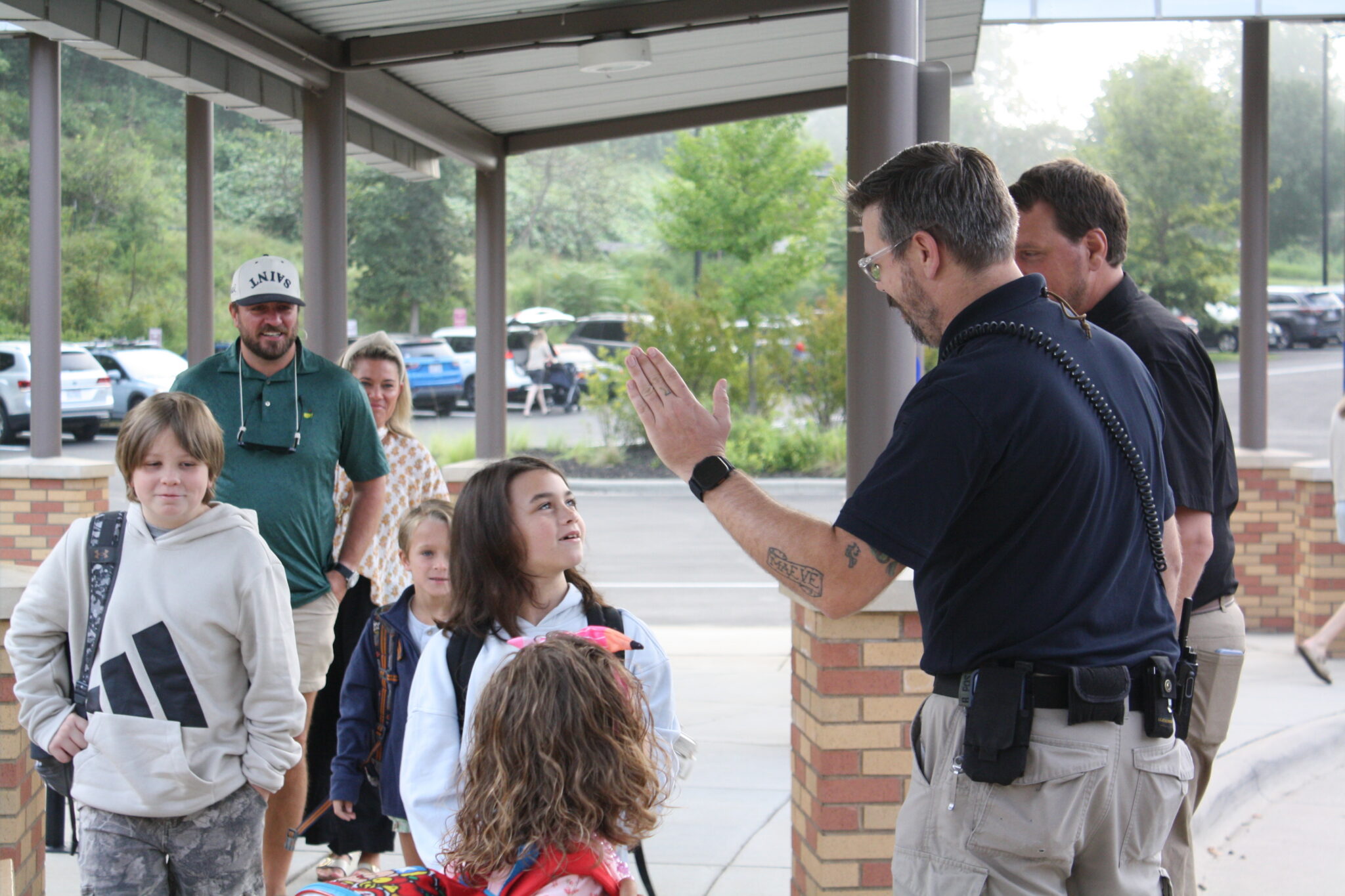
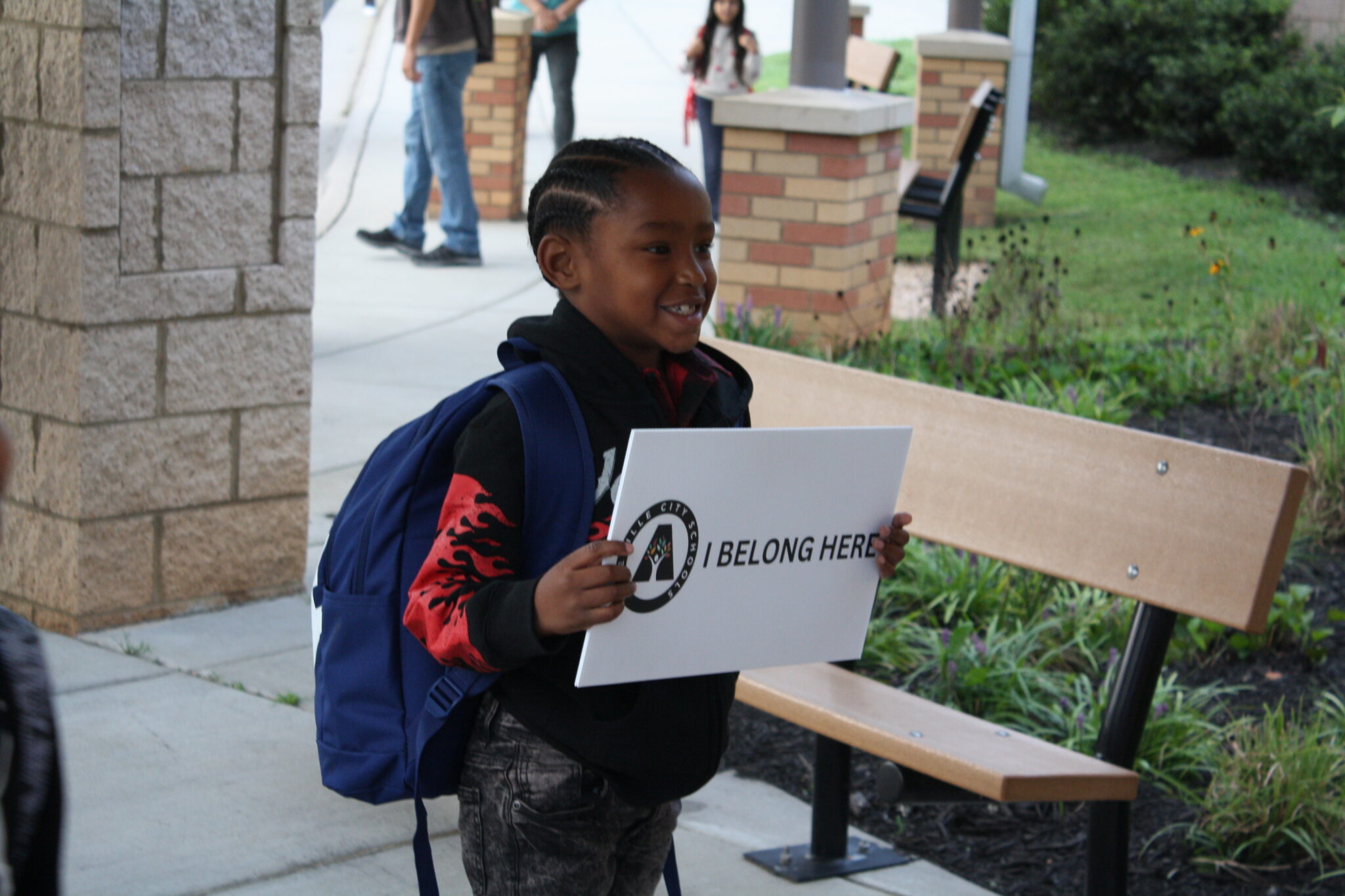
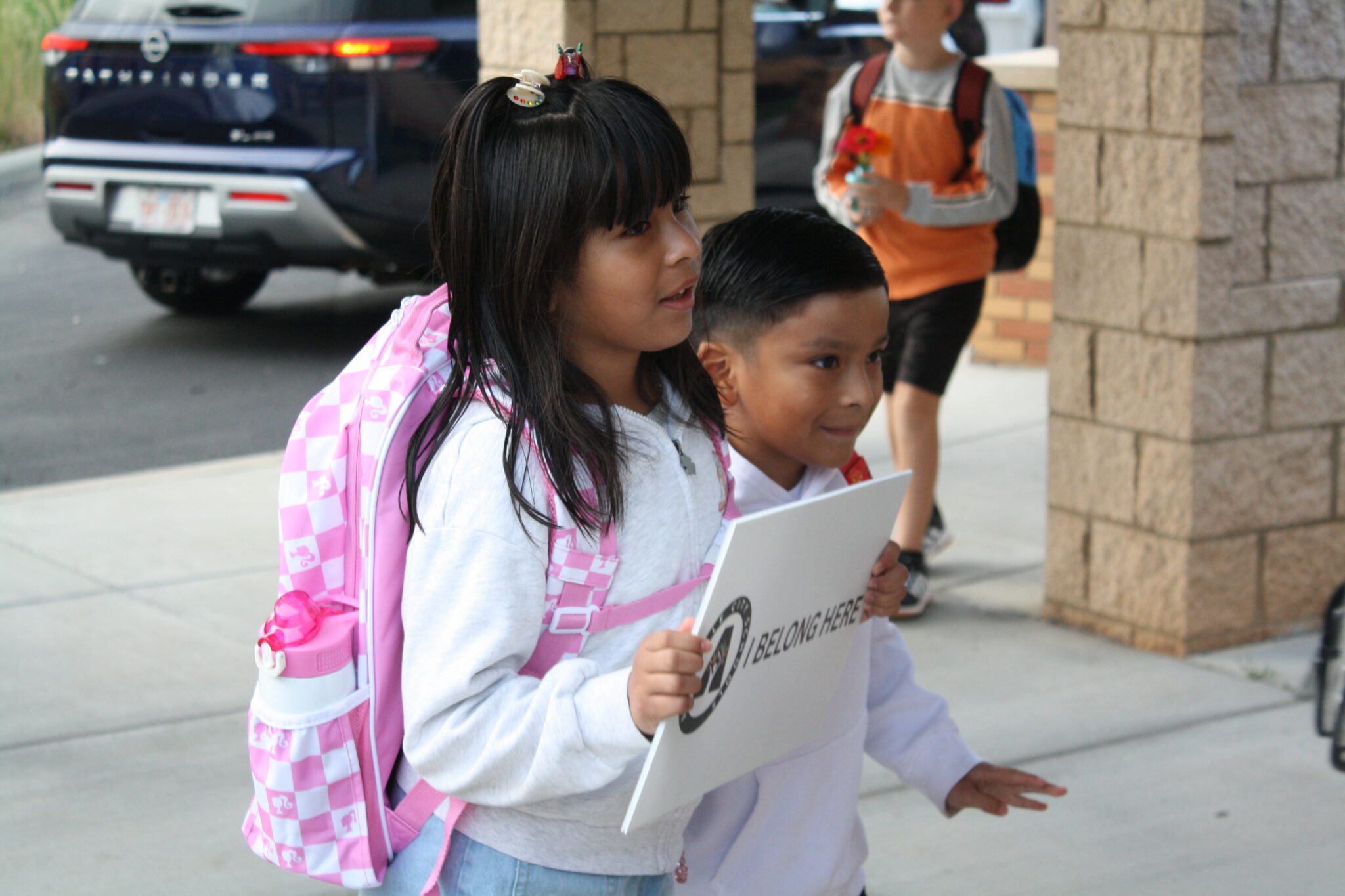
On first day of school, cheering educators lined the school entrance, welcoming students in. Many parents and students carried school supplies, and some brought flowers. And throughout the morning, students took pictures with their siblings and families outside of the school, holding signs that said “I belong here.”
Hall Fletcher Elementary School
Hall Fletcher’s magnet theme is STEAM, which stands for science, technology, engineering, arts, and mathematics.
The school has a weekly STEAM class for all grade levels and a competitive robotics team for fourth and fifth graders. This fall, K-2 students can participate in a Lego club.
“Hall Fletcher Elementary’s vision is to empower students to be successful, life-long learners through problem-solving, community building, and rigorous instruction,” the school’s website says.
The Hall Fletcher Elementary School FEAST Garden Program has also been part of Hall Fletcher for over 20 years. The garden is maintained by the FEAST program of Bountiful Cities, an Asheville nonprofit focused on growing food and building community.
According to its Facebook page, “FEAST classes work right alongside the Common Core curriculum, with hands on, interactive units ensuring our students excel beyond just earning their green thumbs! We are deeply committed to encouraging a healthy and vibrant community, for our students and families, both during and beyond their time at Hall Fletcher Elementary.”

Claxton Elementary School
Claxton Elementary, the district’s oldest school, is focused on arts and humanities.
The “Claxton Hive” aims to “cultivate a learning community where student leaders thrive and feel successful through rigorous academics supported by social and emotional learning and the arts.”
The school has a coding club, after-school arts club, school musical club, and more.
Claxton is an A+ School of North Carolina, which takes a whole-school, arts-based approach to teaching in every grade and every class.
Among other things, as an A+ school, Claxton brings artists to present at school assemblies, takes field trips to local performances, and “places a strong emphasis on encouraging our students to share their artistic talents,” according to the school’s website.
“Musicians and singers perform in various school events, both on and off campus. Fourth and fifth grade students appear in the spring musical and students take part in the Storytelling Festival. Visual artists see their work displayed in public spaces throughout the school and community,” the website says.

Ira B. Jones Elementary School
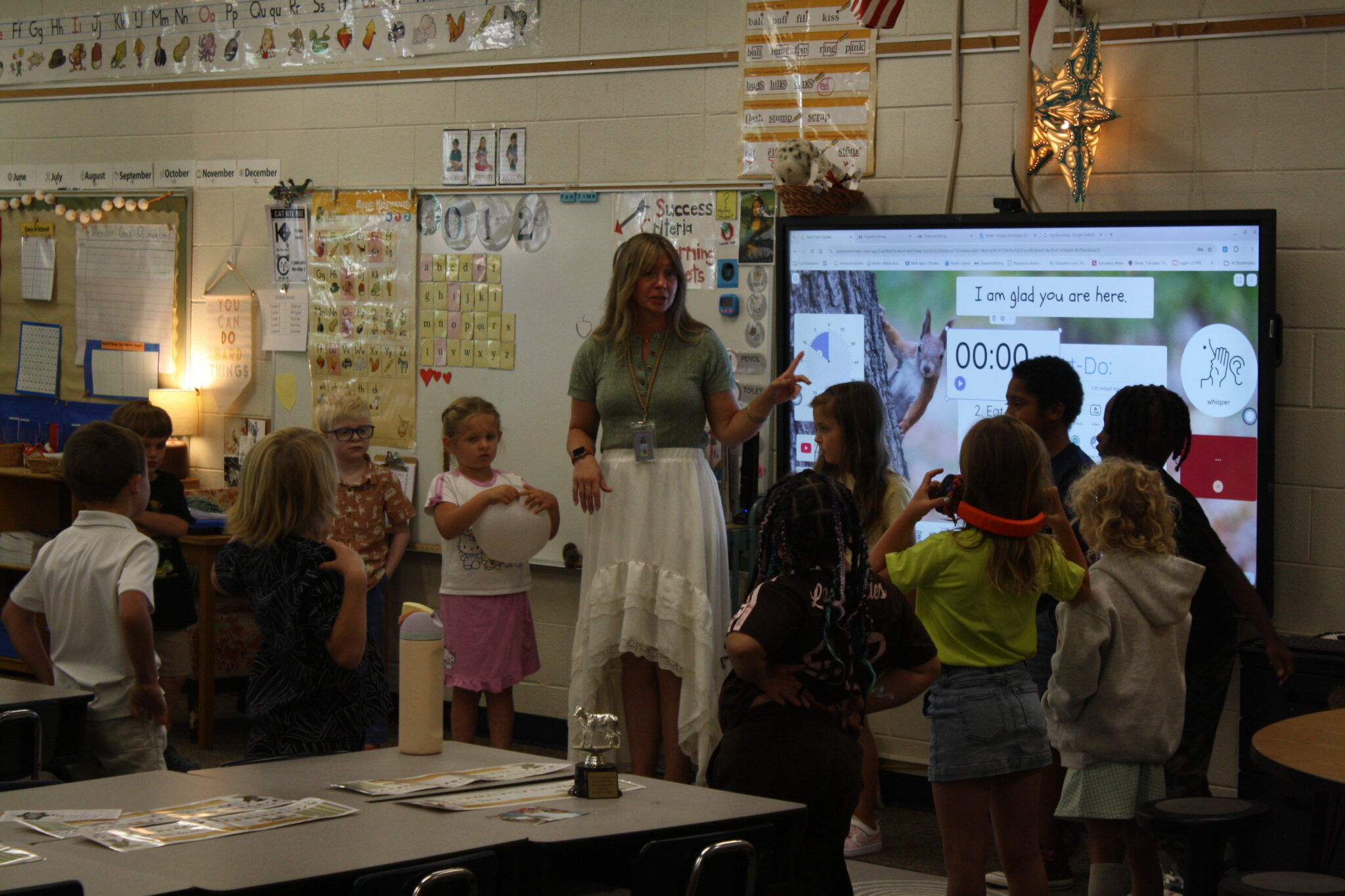
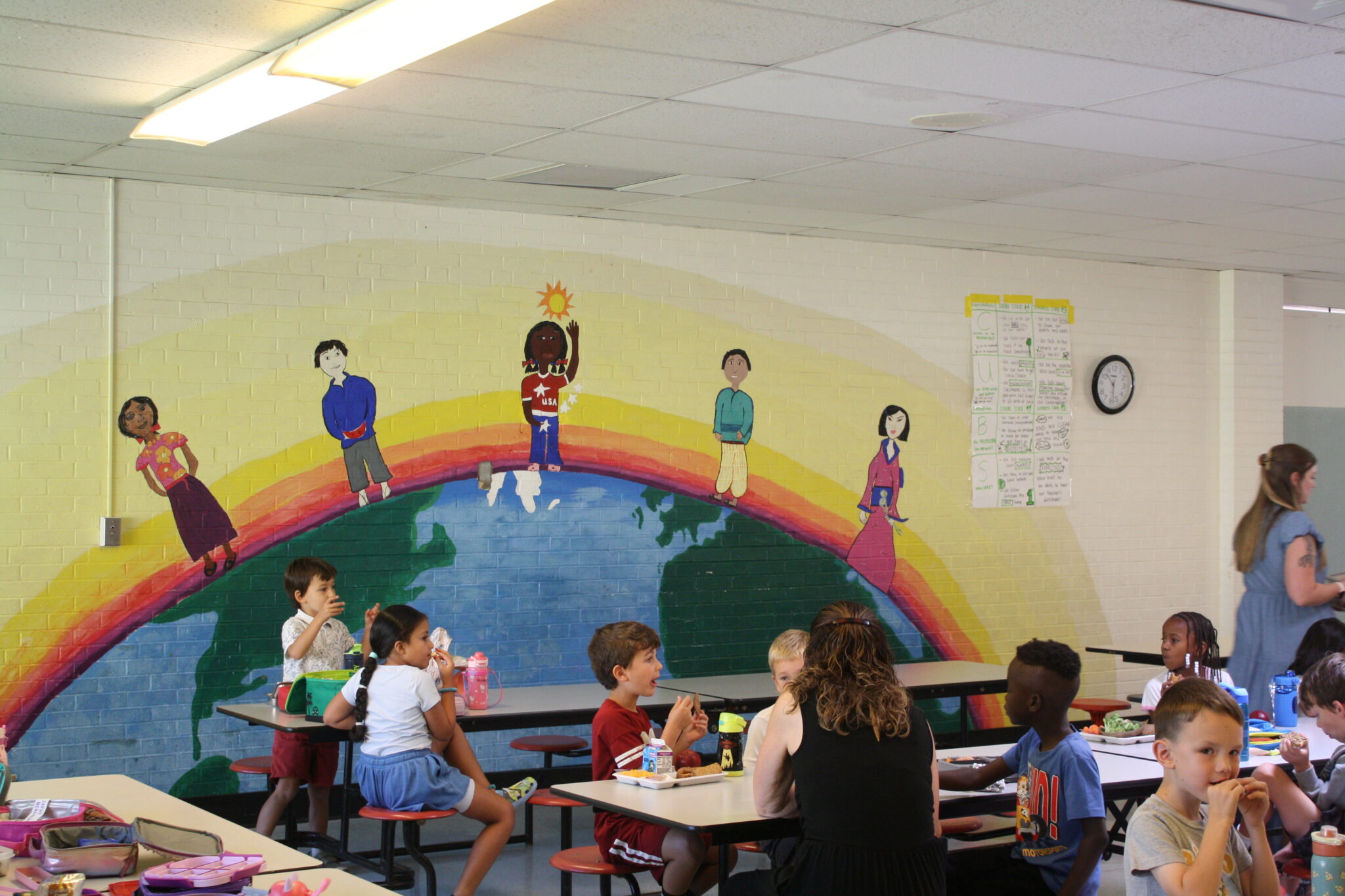
Ira B. Jones Elementary’s magnet theme is “global scholars,” with a mission “to empower students to become independent learners who seek solutions to problems so they can fully participate as global citizens.”
The school also embeds social-emotional learning across content areas and works to develop partnerships with local businesses and organizations to meet the needs of students. The school has more than 20 clubs, including frog pond arts, Spanish club, Tae Kwon Do, Japanese, and student council.
“We’re intentionally cultivating a community in which our sole focus is to create opportunities for our students to learn the value of their connection to the world and how they can improve it,” the school’s website says.
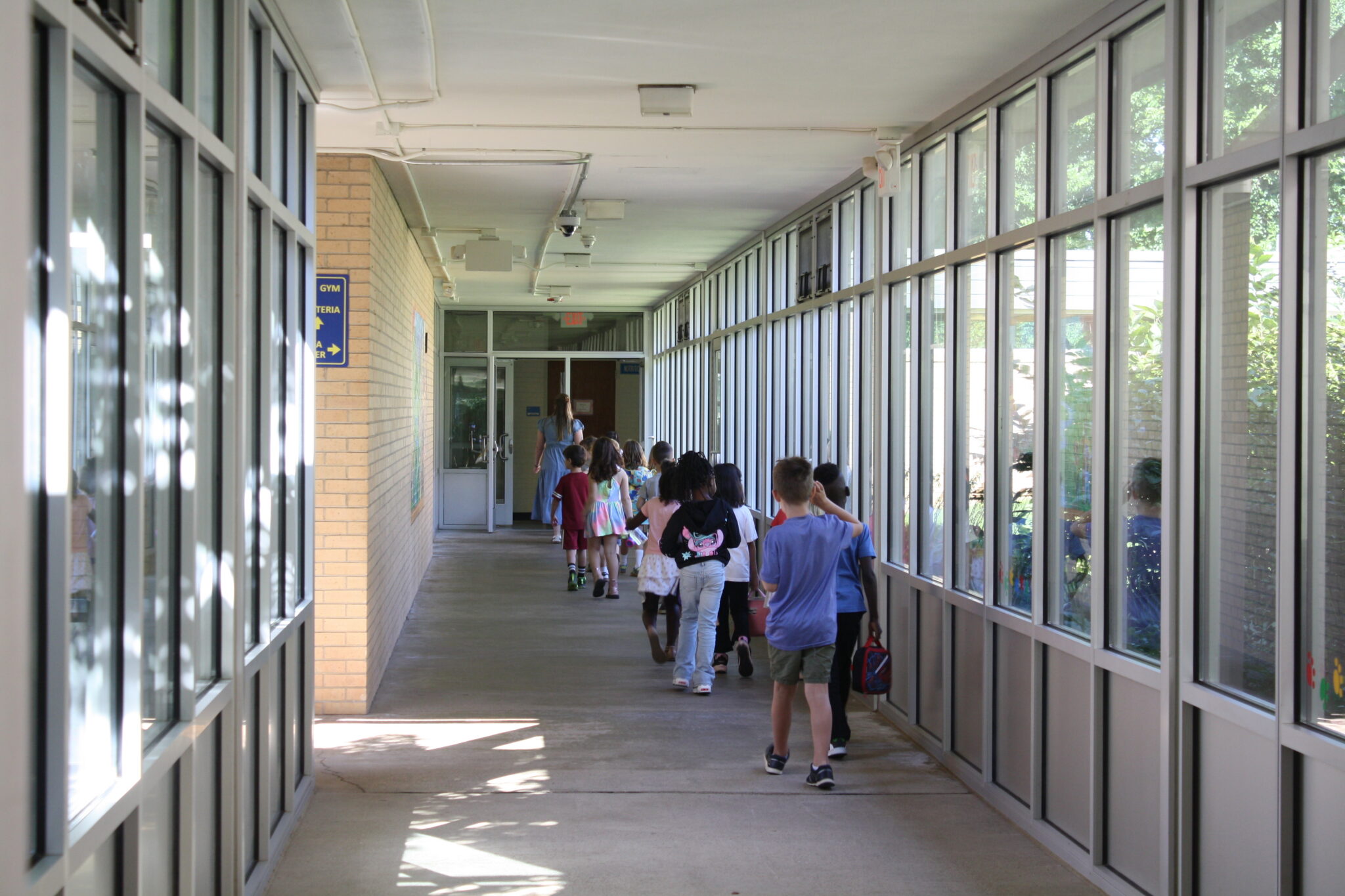
This school year, the school launched “Color Crews,” which operate like a house system, to build belonging and relationships across different grade levels. “Throughout the year, our Crews will come together for challenges, celebrations, service, and plenty of fun as we continue building a strong schoolwide community,” a Facebook post says.
Lucy S. Herring Elementary School
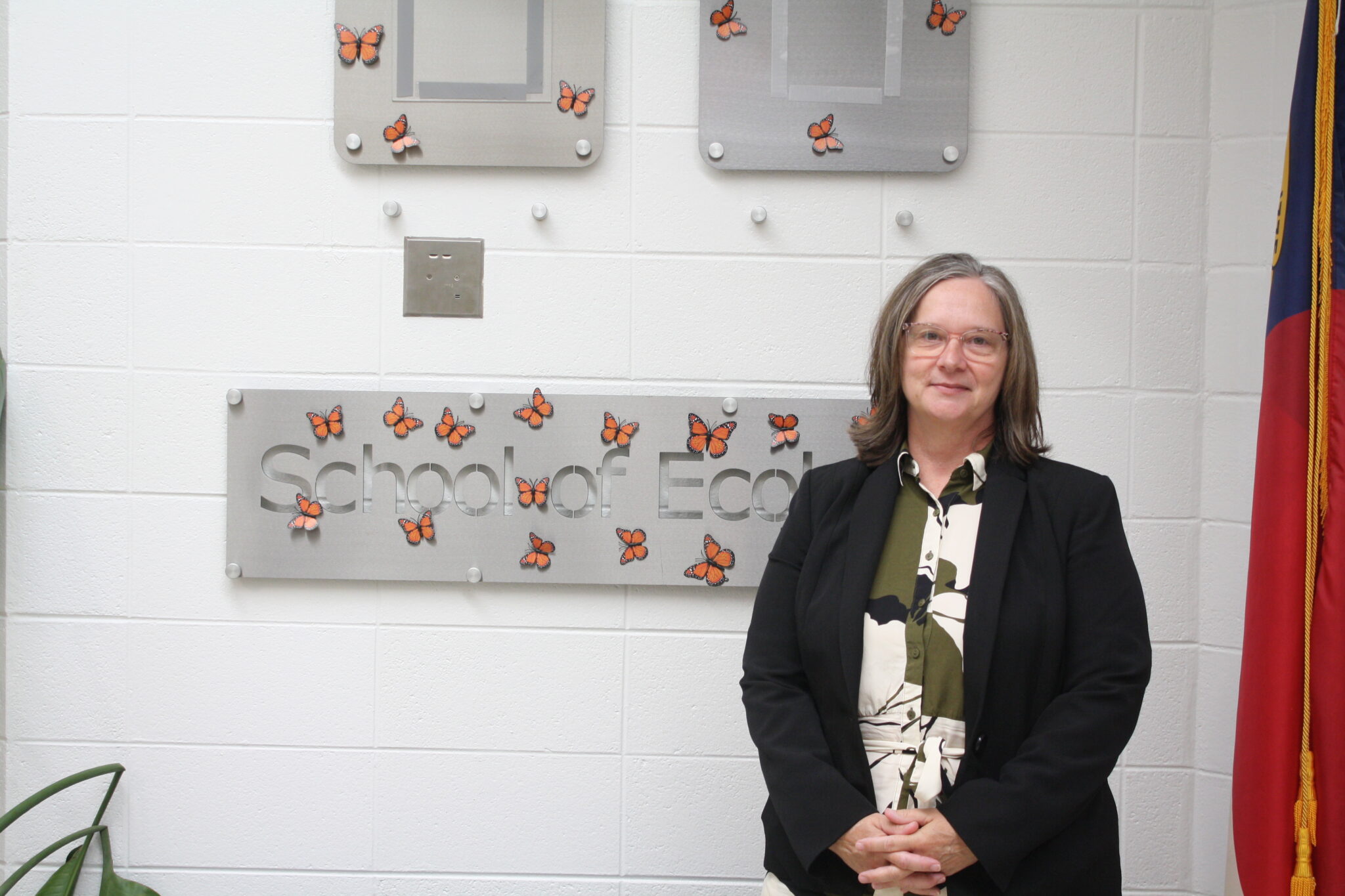
Lucy S. Herring Elementary’s theme is ecology. According to its website, the school “is a collaborative community that values diversity and fosters responsibility, individual excellence and environmental stewardship.”
The school has more than 20 clubs, including chess, makerspace, kindness club, intramural team sports, and more. You can view all the clubs at ACS here.
Lucy S. Herring Elementary also partners with local nonprofit FEAST to maintain the school’s Peace Garden and teach classes to students.
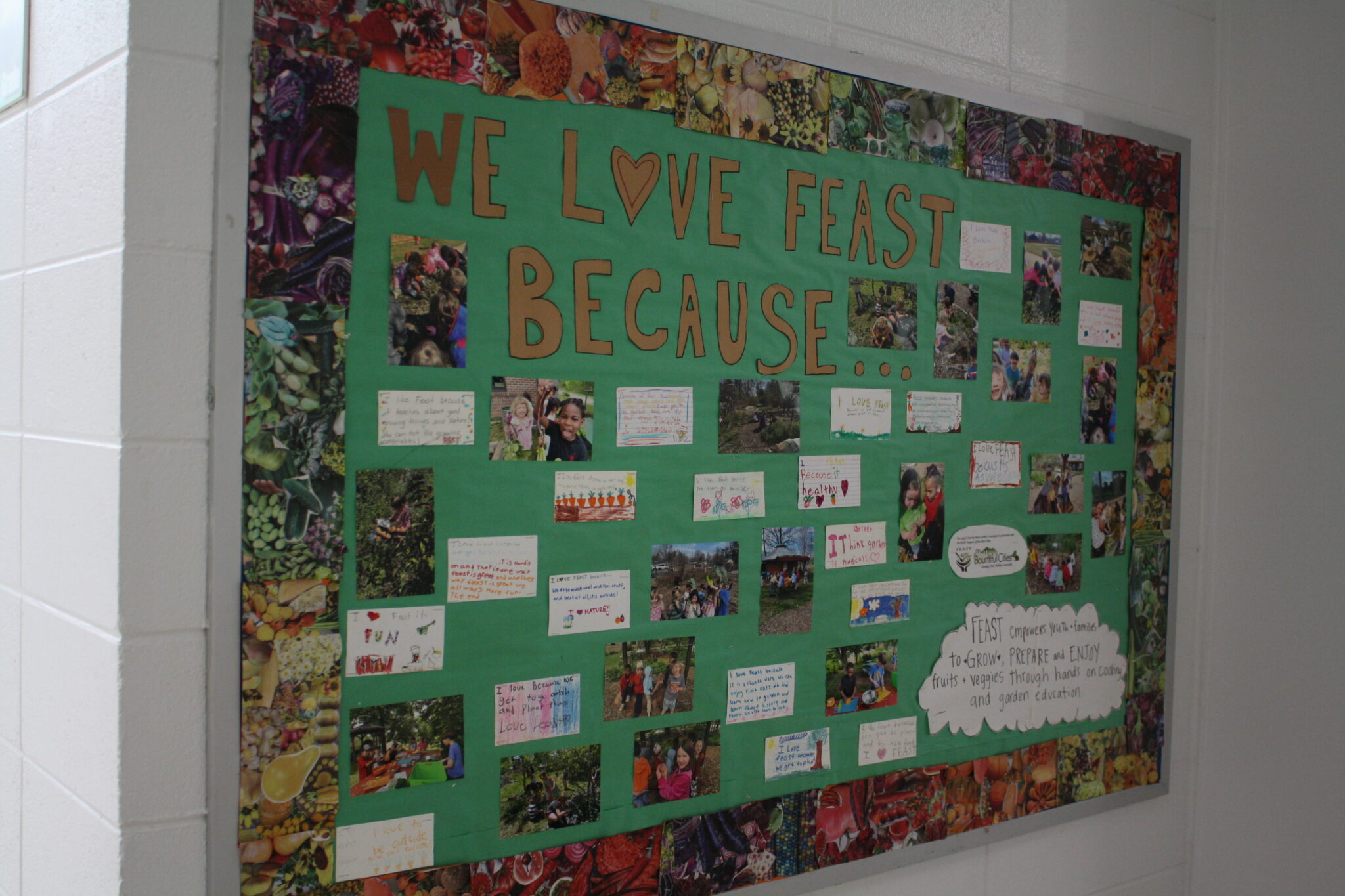
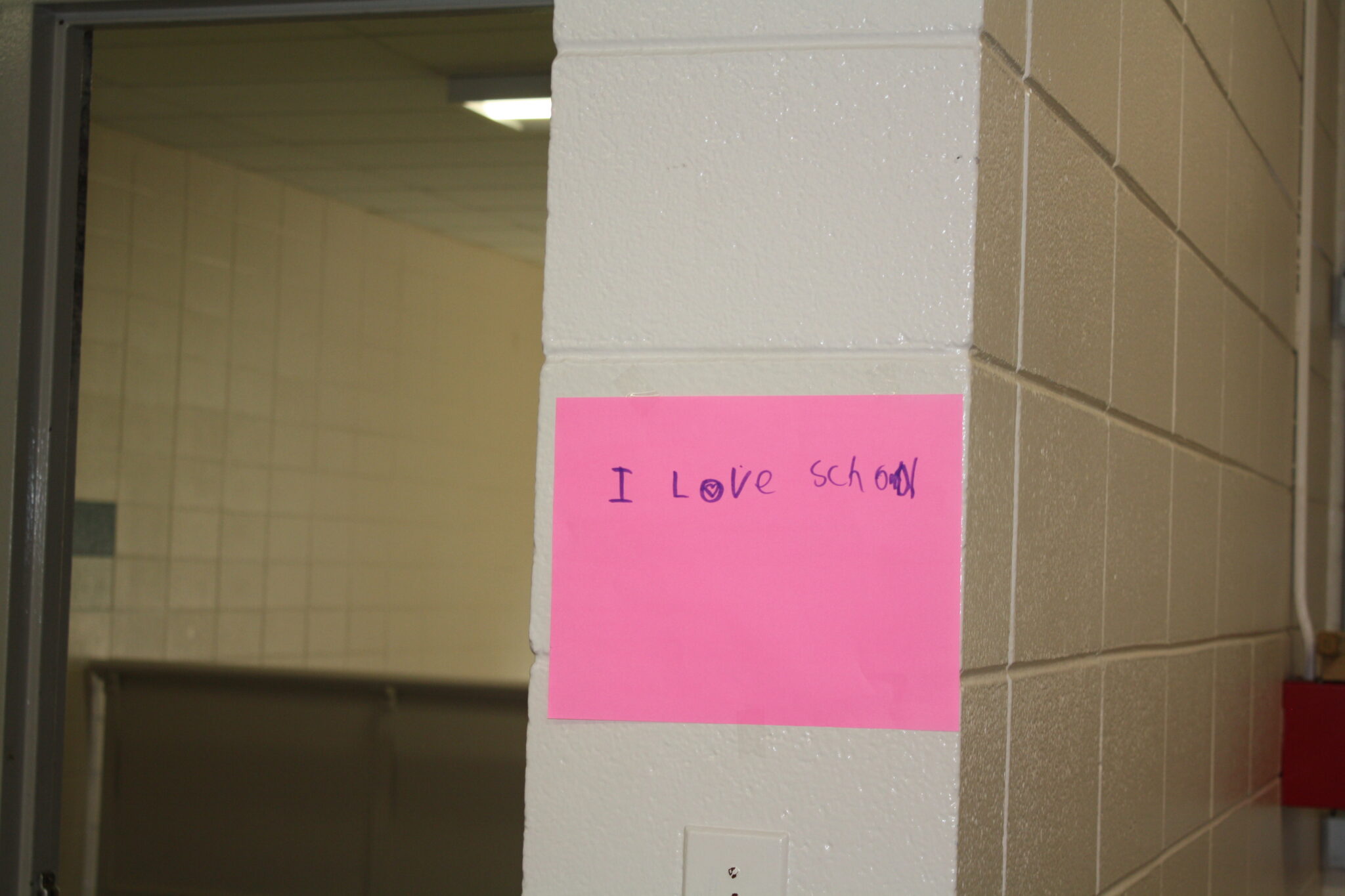
“I like (FEAST) because you go outside,” said one student note on a school bulletin board. “I think garden(ing) is magical!” said another.
Principal Julie Frank said she was “very hopeful and excited” for this school year — and the learning expeditions — ahead.
Last year, for example, second graders investigated how weather impacts the environment and people by interviewing residents about Hurricane Helene and looking at pictures of the Blue Ridge Parkway before and after the storm.
This year, fourth and fifth graders are going to visit local creeks to investigate hellbenders.
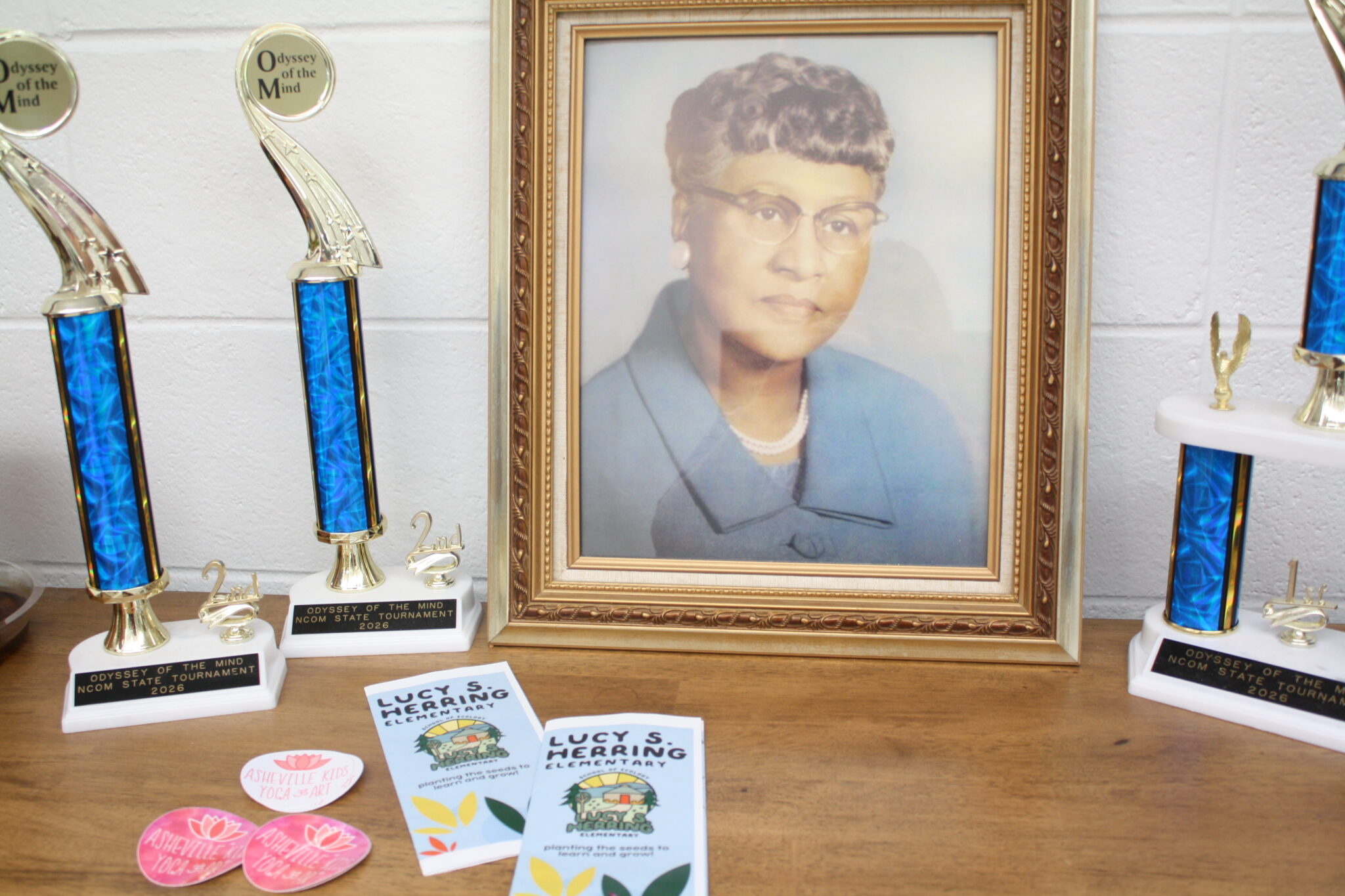
In addition to learning expeditions, Frank said she is excited about student-led parent engagement and community meeting nights throughout the year, and for the growth students will make.
“I want students to be filled with joy when they come to school, and then I want to ensure every student that leaves here is reading on grade level, because that’s our most important mission — it’s the hallmark or cornerstone of everything, really,” she said.
Pathways for middle and high schoolers
Asheville Middle School (AMS), the only middle school in the district, currently serves 662 students in grade 6-8, according to the school’s website. In 2016, the school moved to a new facility on French Broad Avenue.
The middle school offers robotics club, speech and debate, and competitive Battle of the Books and Science Olympiad teams, along with other extracurriculars and student affinity groups.
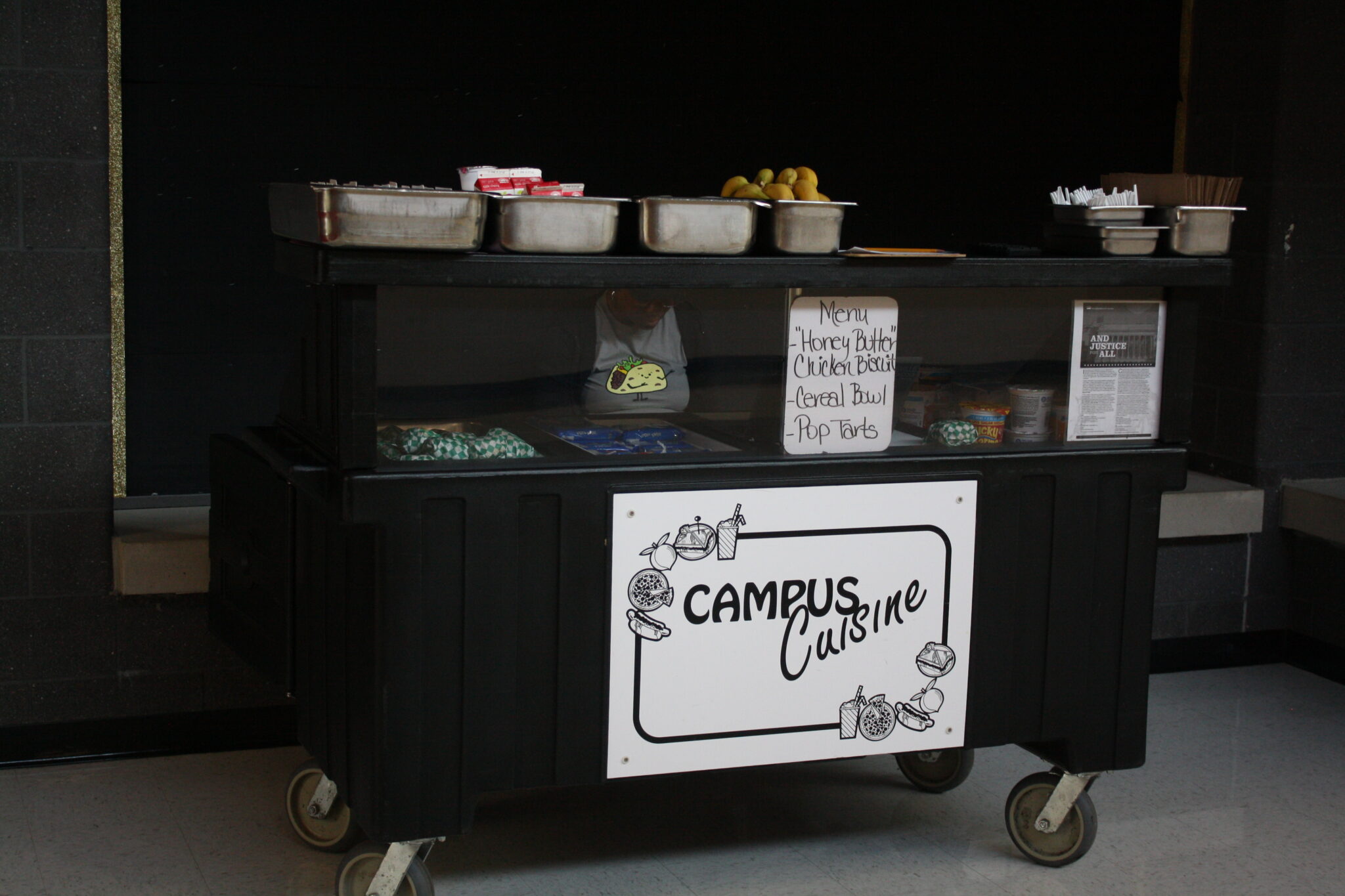
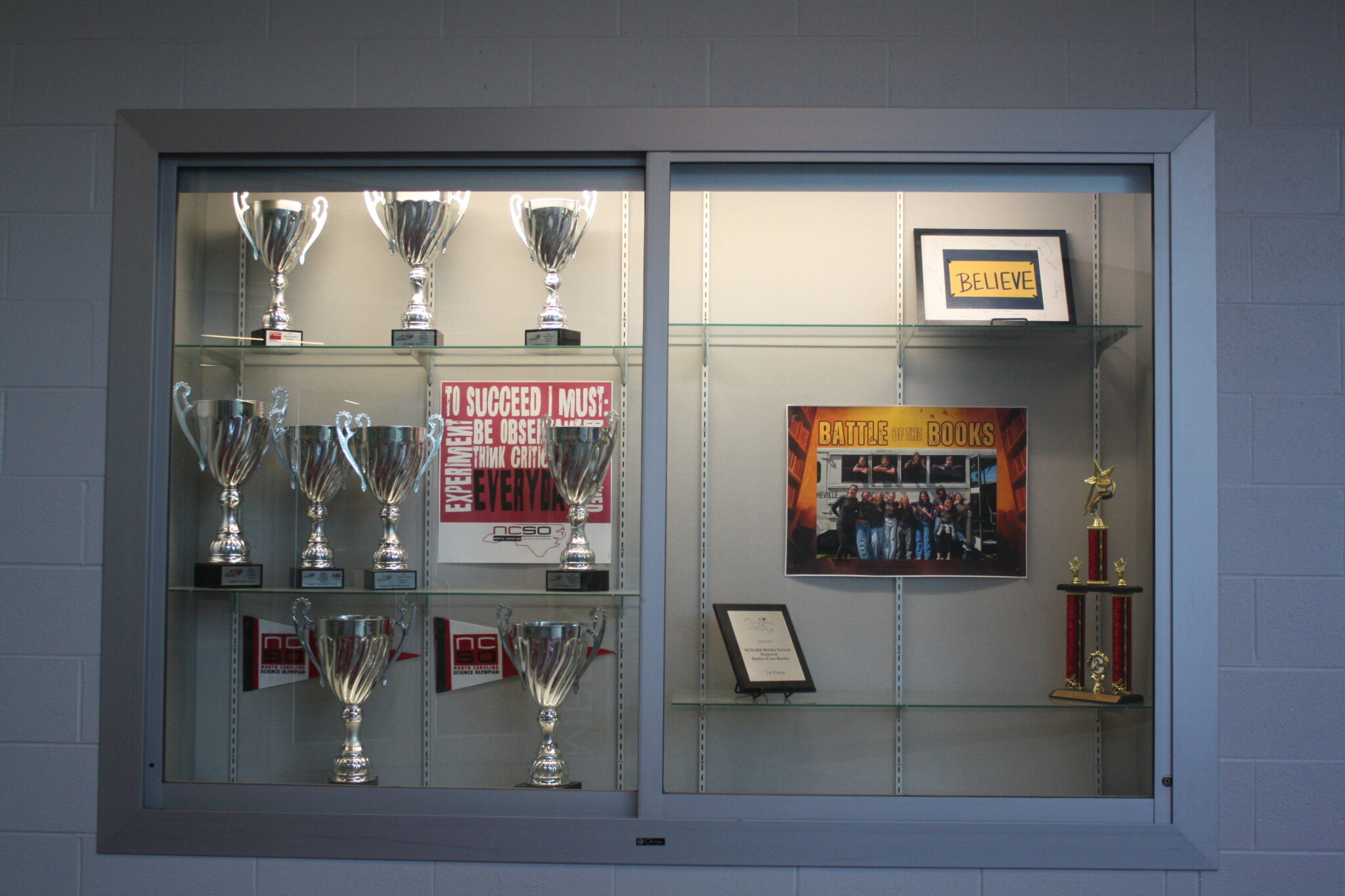
Each week, AMS announces “Character Champions” of the week, honored for practicing the school’s “habits of character,” including accountability, collaboration, engagement, respect, and revision.
This year’s updated school performance grade data showed the highest score for the school in 10 years, and “every single measured group of students met or exceeded expected growth last year, leading the way with strong academic momentum.”
On Facebook, AMS said: “Thank you to our dedicated teachers, hardworking students, and supportive families for making this milestone year possible. While we know there is still plenty of room to grow and continuous progress to be made, we are incredibly proud of this momentum and can’t wait to keep building on it together!”
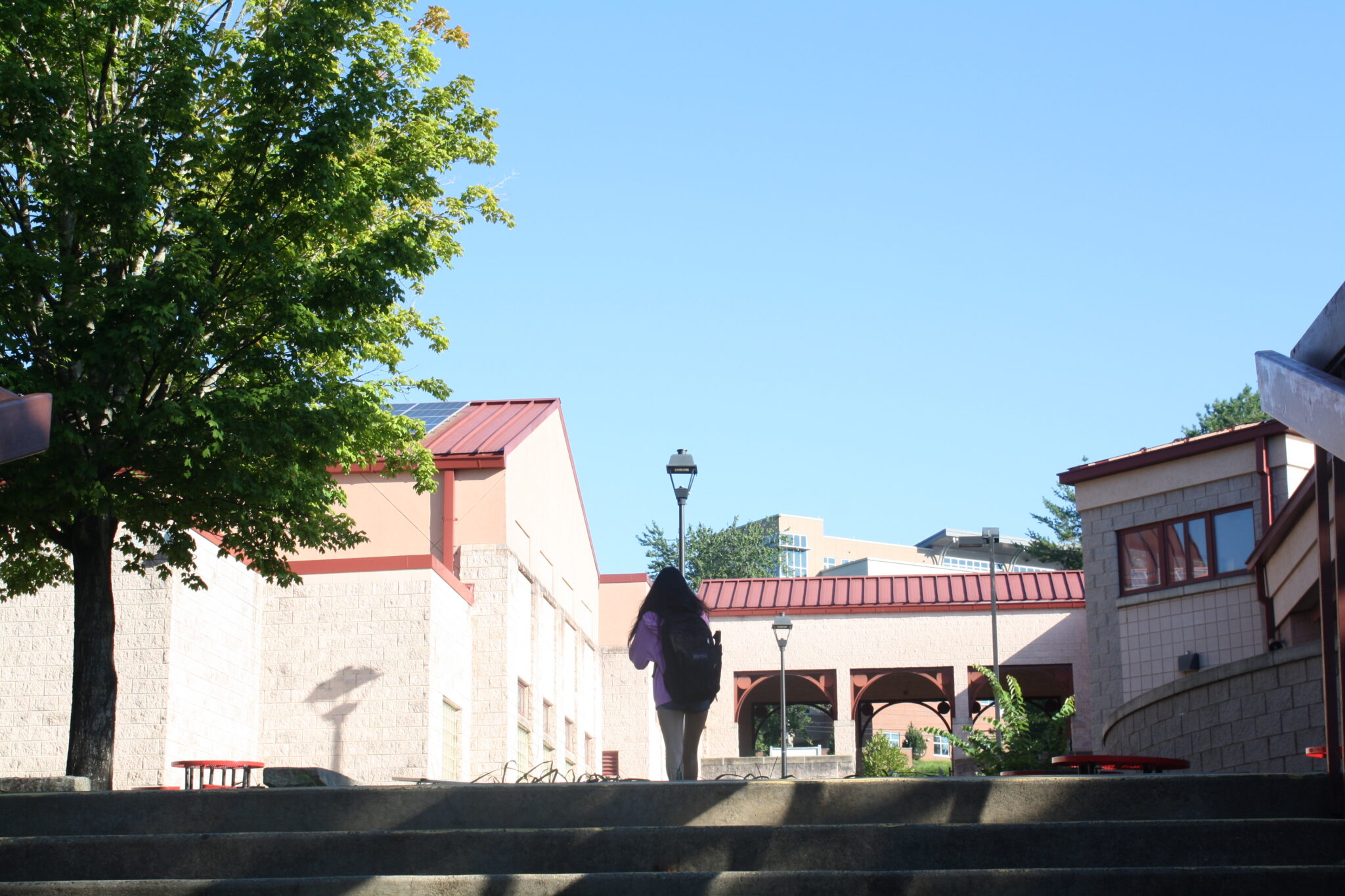
For high schoolers in the district, there are two primary options: Asheville High School or School of Inquiry and Life Sciences at Asheville (SILSA), an early college housed on the high school’s campus.
Both campuses are within walking distance from Asheville-Buncombe Technical Community College (A-B Tech), where students can attend their dual enrollment or college courses. Some community college professors also come to the high school campus to offer career and technical education (CTE) courses there.
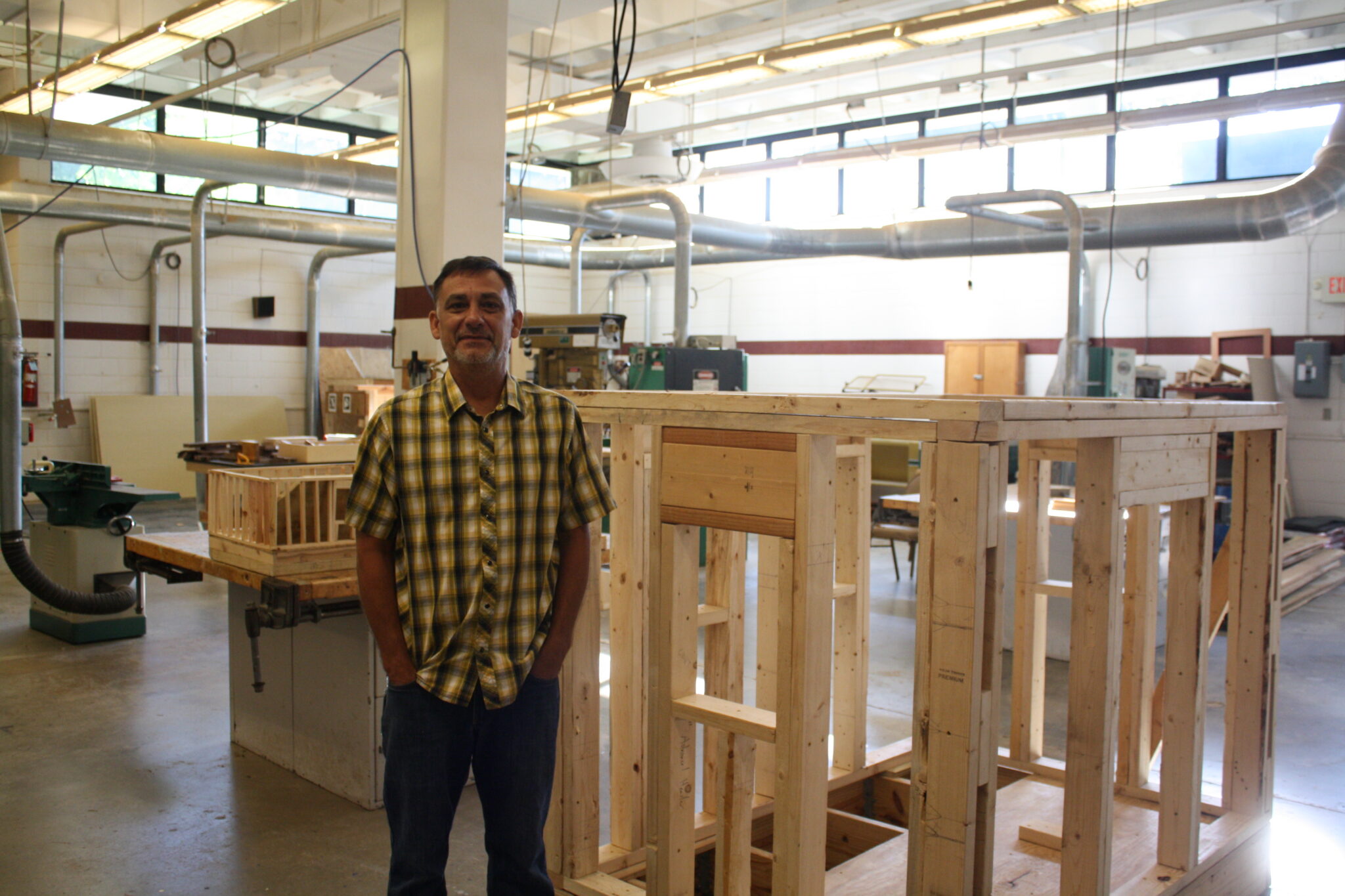
A culinary lab is being built in the high school’s CTE section, which is expected to launch this fall. The district is trying to align with workforce needs, Gibbs said, while also responding to what students want.
The high school and early college have dozens of clubs and affinity groups, including dance team, FFA (Future Farmers of America), HOSA (Health Occupations of America), and student government. The middle school and high school have a large band program, and the recently renovated high school auditorium hosts art performances.
“There’s a lot of stuff kids can take advantage of here if they want,” Gibbs said.
Finally, the William Randolph Campus is an alternative learning program, located alongside some of the district’s offices.
According to its website, the campus aims “to provide students with the support they need outside of a traditional middle and high school. Our smaller classrooms, individualized attention, and focus on social emotional learning allow for alternative methods of teaching that prioritize our students’ individual interests and gifts.”
While some students are required by the district to attend the program following behavioral challenges, some students opt-in to the program. Many of the students who were initially required to attend end up deciding to stay in the smaller environment through graduation, Gibbs said.
Two CTE courses are also offered at William Randolph, and Gibbs said the district wants to make sure students there are also exposed to A-B Tech’s offerings.
New internship provides ‘a stepping stone’ for students
While visiting ACS, EdNC also spoke with educators and students at Asheville High to learn about a new internship program helping students to explore careers and build professional skills and confidence.
Last summer, ACS helped launch the program, EPIC, which stands for “Educational Pathways to Innovative Careers.”
That first cohort began as a pilot over the summer and included six interns. Of the 28 students who applied, the district interviewed 20 to select their final candidates. The district tried to select students who might not otherwise have traditional internship or career development opportunities.
Before interviews, the district hosted a preparation lunch for students to learn more about the program and about job interviews. Once the six interns were selected, they completed one week of intensive training, then worked roughly 12 hours a week in July, while also meeting weekly for cohort support sessions on Thursdays.
Interns were paid $300 at the end of training and $1,200 at the end of their internships, which included positions at ACS, Asheville City Schools Foundation, and the Christine W. Avery Learning Center.
“I think that EPIC is a good program for students just to provide them with that real-life experience of what they may look forward to after high school,” said Shalissa McDaniels, the district’s extended learning coordinator.
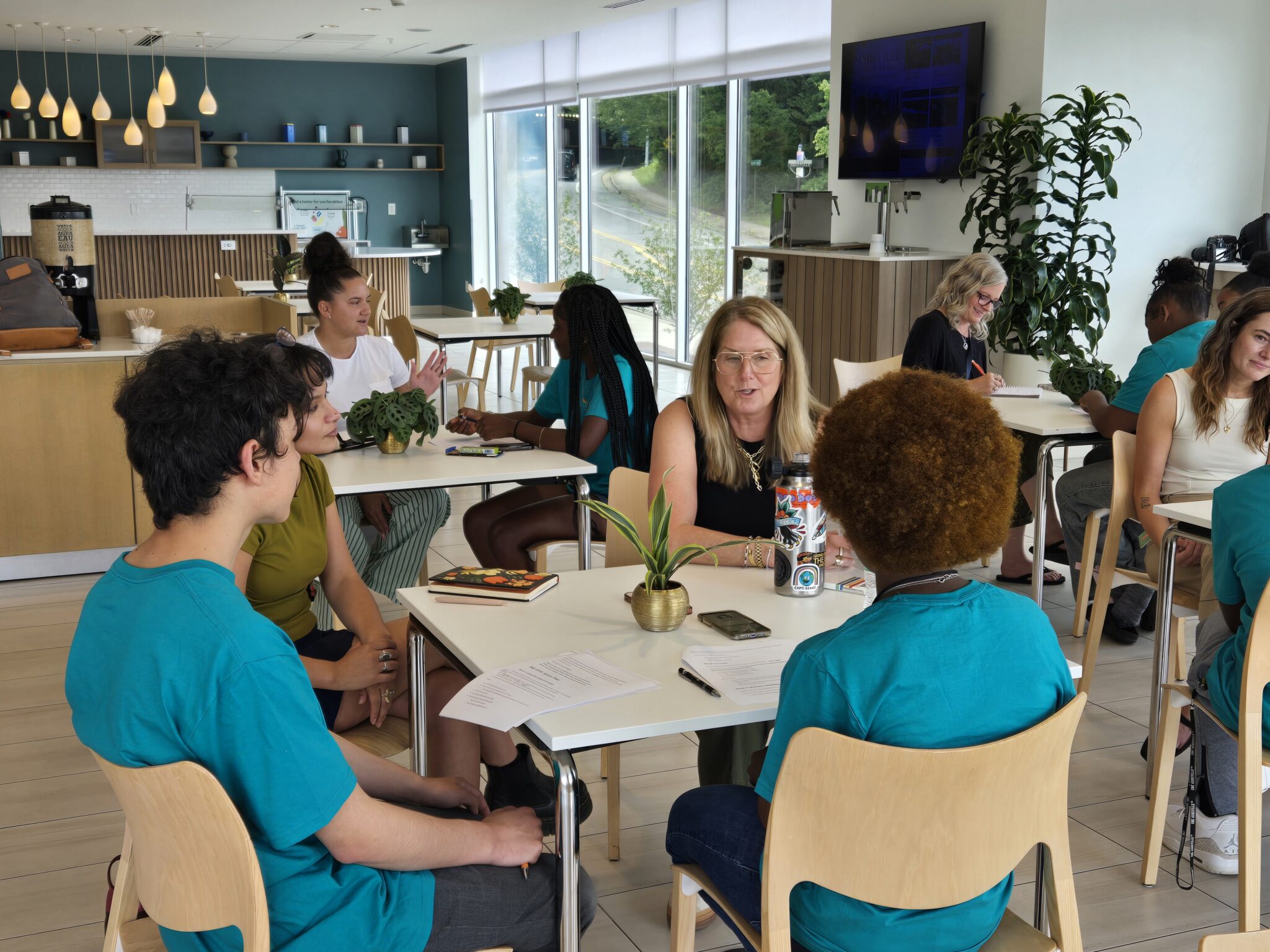
McDaniels said the program surrounds students with supports, even after they finish their internship, by trying to “plug them into the right things, such as AVID and other supports, to make sure that they’re successful for future life.”
Jackeya Mongkeya, a sophomore at Asheville High, interned at the foundation with another student. As part of his internship, he worked as a counselor at the WORX Project summer camp, while also helping take pictures and videos to make promotional materials.
“I think it’s just so important to have a stepping stone,” said Mongkeya, who is now a part of AVID, a college- and career-readiness program. “You get to prepare and get yourself ready and confident for what you need to do next.”
Deveyon Beck, a senior at Asheville High, interned with the ACS communications department, where he helped prepare for the back-to-school convocation meeting, took photos of board of education meetings, and made Instagram posts and captions.
After completing EPIC, the communications department hired Beck on contract to continue working with them part-time during the school year.
“We were so impressed with his work ethic and the job that he did and his dependability — he just came right in, jumped in, and went after it,” said Kimberly Dechant, ACS chief of staff.
In addition to interning with the communication department, Beck has been busy applying to colleges. He is also a part of the district’s EPIC committee, helping to steer the future of the program from a student viewpoint.
Through EPIC, he said he gained professional communication skills, time management skills, and exposure to a career path he is interested in.
“It’s important because a lot of students don’t know what they want to do when they get older. Having a internship helps you … find what you want your career to be,” Beck said.
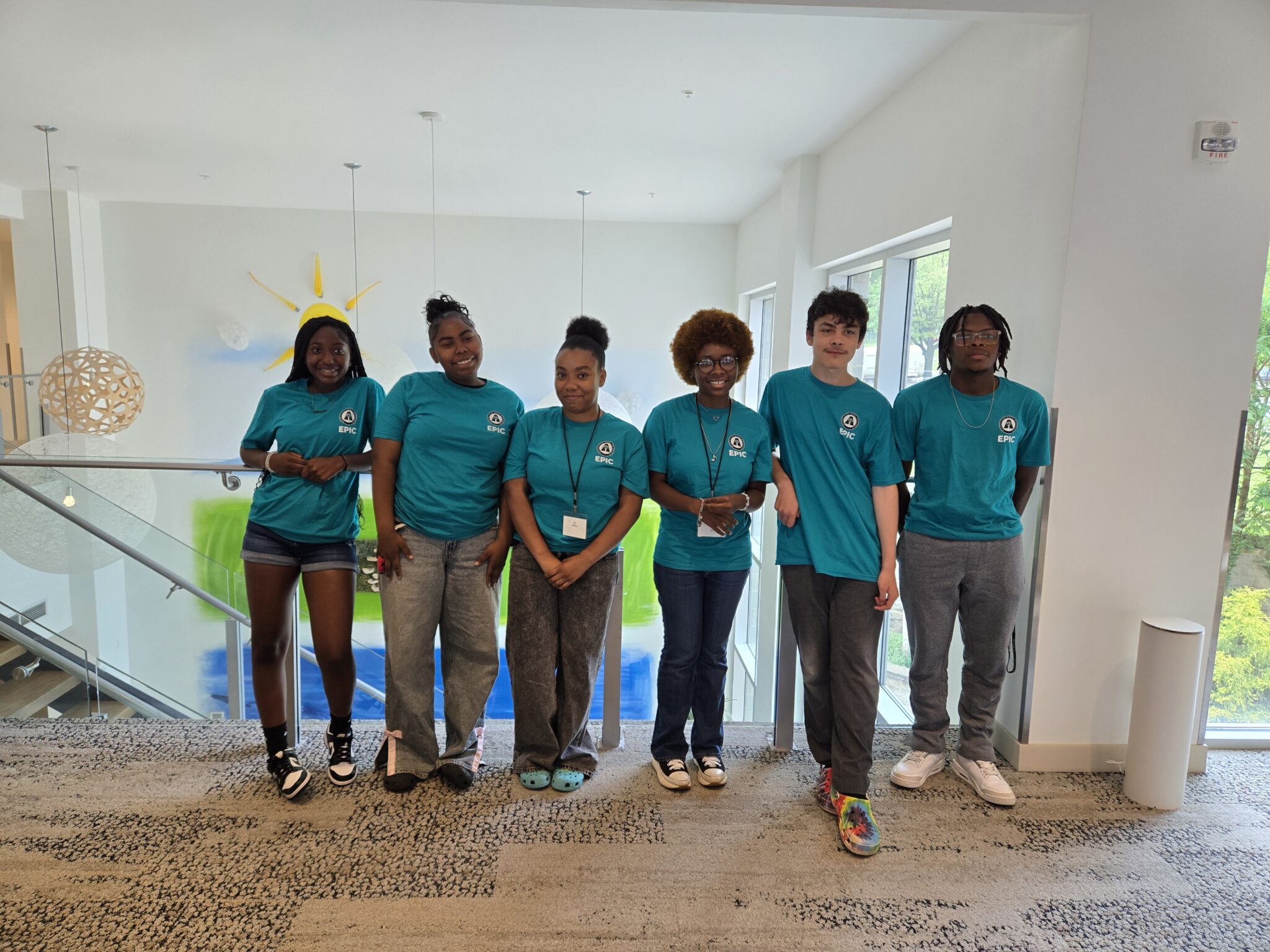
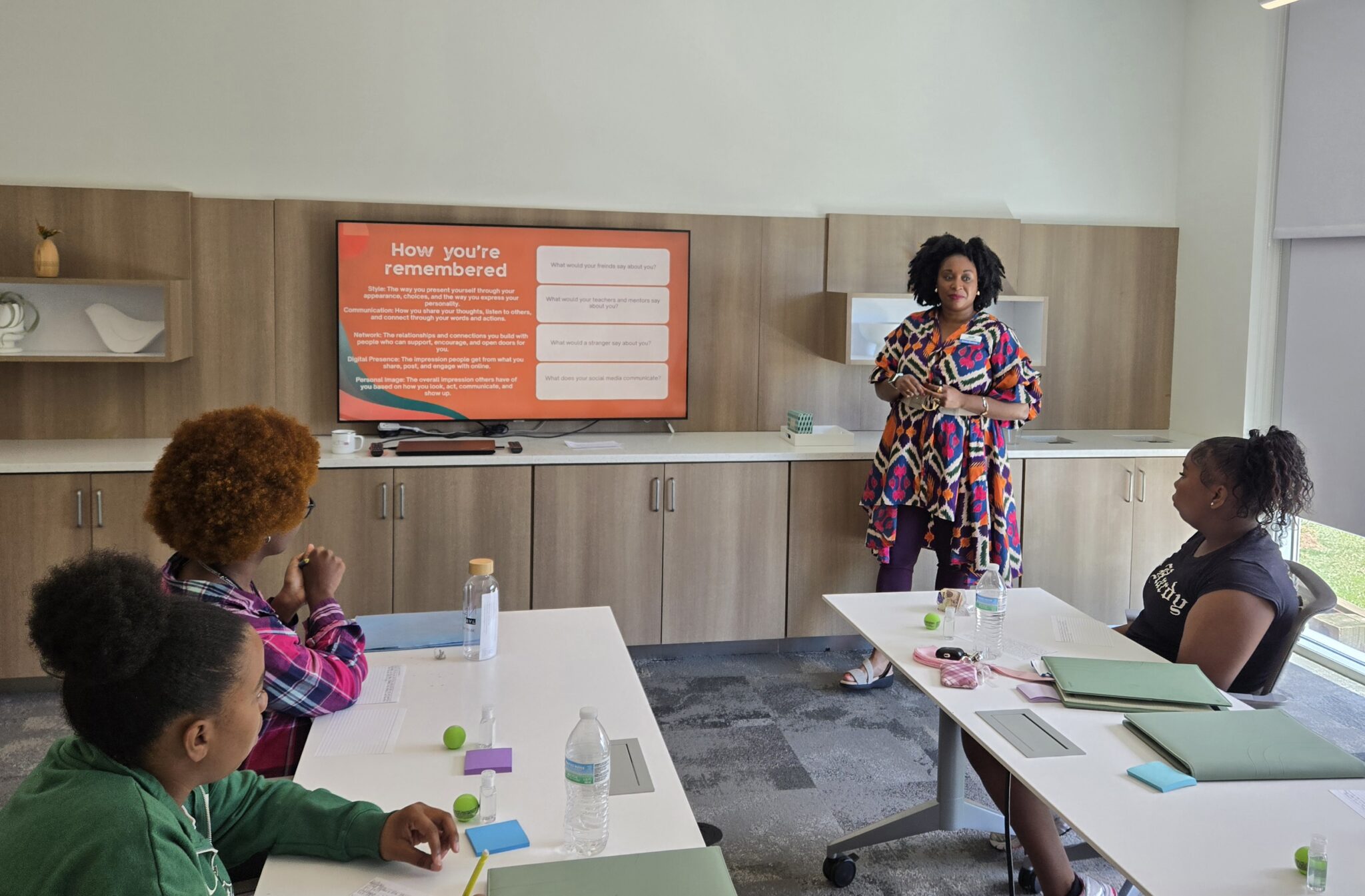
Beck and Mongkeya said the guest speakers during training were especially helpful. They learned about professional communication, job interviews, and how to set up a resume. They also took a field trip to Ross, where students were able to pick business casual clothing out for their internships.
“When we were first designing EPIC in collaboration with community partners, we were very intentional to design it to be a little bit different from other internship opportunities,” said Melissa Hedt, executive director of community partnerships at ACS.
The program is shorter, so that students don’t have to choose between traditional employment and an internship, and it is paid. EPIC also comes with wraparound supports, which Hedt said “is what sets this apart from other internship programs.”
The fall cohort expanded to 12 students, with the goal of interns working up to 120 hours this semester at their placements at local places including Radical Hotel, United Way Community Schools, Christine Avery Learning Center, East Fork Pottery, Charlotte Street Animal Hospital, Biltmore Farms, Plug Chiropractic, Posh Day Spa, Asheville City Schools Foundation, and Read to Succeed.
A spring cohort is planned to launch next semester, and ACS is continuing to talk to local businesses and industry, including health-based partners, to expand its internship offerings. Ultimately, EPIC hopes to host three additional rounds of internships across the spring, summer, and fall terms, with the goal of serving at least 60 students.
As the program expands, Hedt said former EPIC students continue to have opportunities to join events and access resources. During the first day of school, for example, she brought school supplies one of the interns has mentioned needing.
“Once you’re EPIC, you’re always EPIC,” Hedt said.
Dechant said having an EPIC intern gave ACS an opportunity to see if the program works. Hedt said survey data showed 100% of summer pilot employers were “very satisfied” by their experience with EPIC and felt interns’ contributions were “very beneficial” to their organization.
“Not only did it work, but he knocked it out of the park, and so now it’s opened doors for him,” Dechant said of Beck, adding that he will be able to work with the department next summer and over college breaks if he wants, and now has a foot in the door if he decides to pursue communications.
“It gives you an opportunity to be like, ‘Is this a good fit?’ Not only for him, but for us?” Dechant said. “It’s been an absolute win-win.”
Editor’s note: Employers interested in partnering with EPIC can learn more here. For more information, contact ACS EPIC Coordinator Erika Germer.