
Perspective | To protect rural North Carolina’s future, we need dedicated after-school funding
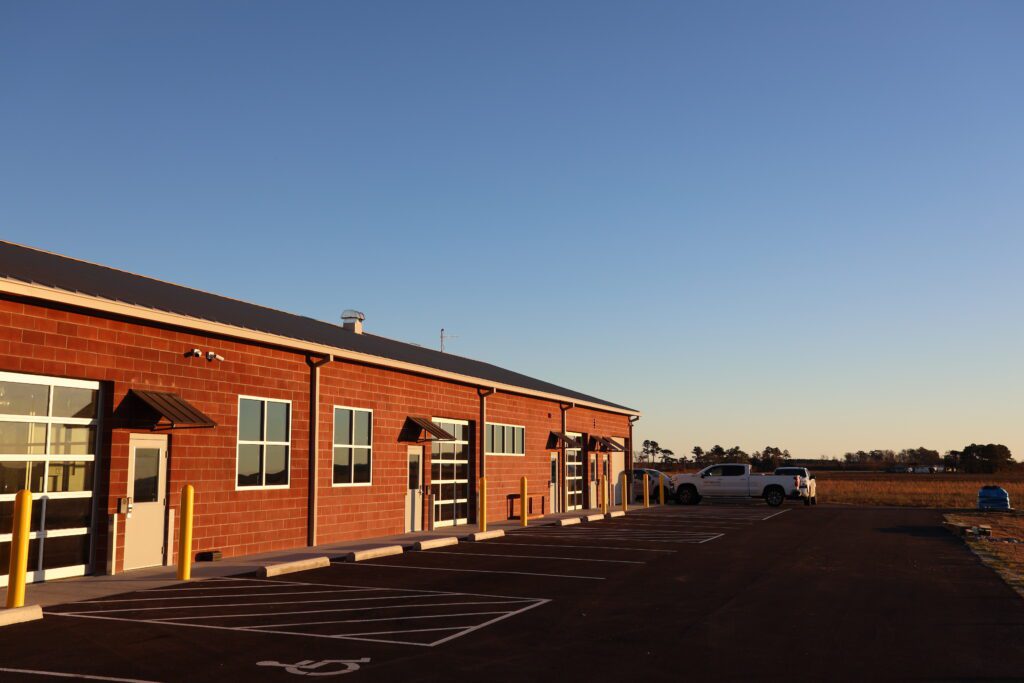
In Hyde County, geography shapes every aspect of daily life. On the mainland, families may live miles apart, and there are significant travel distances for things like chain grocery stores, work, and healthcare. On Ocracoke Island, access is defined by ferry schedules, weather, and the realities of living on an island without a bridge to the mainland.
For families living in remote districts like Hyde County, the local school is more than an educational facility; it is the literal center of both the mainland and the island communities.
But when classes end for the day, the geographic realities create another challenge for working families. Working parents employed in local industries like farming, hospitality, commercial fishing, tourism, public service, or other essential jobs need safe, reliable options for their children after school. In Hyde County, those care options are extremely limited, and distance often makes transportation to outside of the county options unrealistic.
Zip codes should not determine access to opportunities, and afterschool funding provides these unique opportunities for students in rural areas.
High-quality afterschool programs fill the gap between the end of the school day and the end of the workday. But North Carolina relies heavily on increasingly uncertain federal grants to keep program doors open, leaving rural districts vulnerable. To protect rural communities and support working families, North Carolina must establish dedicated, state-level funding for out-of-school-time programs.
 Sign up for the EdWeekly, a Friday roundup of the most important education news of the week.
Through the federal 21st Century Community Learning Center grant, Hyde County Schools served 115 students last year on both the mainland and island communities, providing tutoring, meals, and a safe environment for students in kindergarten through 12th grade.
Without these programs, students risk going home to empty houses. Instead, they’re engaging in outdoor activities, cooking, tutoring, sports, the arts, and so much more. In a world that is increasingly online, these opportunities provide students with the opportunity to engage, collaborate, play, and learn with other students in real life.
Structured out-of-school-time programs offer life-changing opportunities for enrichment that rural students often have difficulty accessing. Because rural students cannot easily travel to museums or theaters due to distance and long ferry rides, educators bring the experiences directly to the district. Students participate in aviation camps, take acting lessons, create art, sing in choirs, learn bike safety, and kayak at the Mattamuskeet Refuge through local partnerships.
Out-of-school-time programs also serve as vital spaces for connection, belonging, and childhood. After a tragic year marked by several community deaths on the mainland, our afterschool programs gave middle schoolers a much-needed, consistent place to talk with trusted adults, process difficult experiences, and support one another.
Read more


Further, the academic impact of afterschool programs is undeniable. When Hyde County did not receive the 21st Century grant for the 2024-2025 school year, students lost access to tutoring, intervention, enrichment, and extended learning. The district lost the continuity of support that takes place outside of the school day, and academic performance dropped.
Hyde County Schools subsequently saw academic performance improve after funding and programming were restored. Consistent academic and enrichment supports beyond the traditional school day are not the only factor that influences student achievement. Just think of what continuous support can provide students!
Beyond the classroom and student impacts, the productivity and stability of North Carolina’s workforce depend on families having reliable options for school-aged children outside of regular school hours. In rural communities, afterschool programming is not just an education initiative, it is a part of the infrastructure that allows parents to remain in the workforce, and local employers to have and maintain a dependable workforce.
The current funding model leaves communities vulnerable. Relying solely on the federal government to keep rural school doors open after hours is a dangerous gamble. When a grant cycle ends, the programs vanish, and rural school budgets are simply not flexible enough to absorb the sudden loss of federal dollars.
A state investment by the North Carolina General Assembly could establish a sustainable, recurring state-level funding model that allowed districts and community partners to build and maintain afterschool and out-of-school-time infrastructure.
By investing state dollars into programs that support education and the economic infrastructure of a community, North Carolina can ensure that all students receive stable support they need to succeed, whether they live in a bustling city center, across miles of rural mainland, or on Ocracoke Island.