
Perspective | 664,000 reasons North Carolina’s families can’t wait any longer for after-school

In their new strategic plan, the North Carolina Department of Public Instruction and State Board of Education call for an exciting and ambitious goal: North Carolina public schools will be the best in the nation by 2030. Given more than 80% of our students’ time is spent learning outside of school, we simply can’t be the best in the nation without strong after-school, summer learning, and out-of-school time programs.
But right now, four in five North Carolina families who want to enroll their child in an after-school program cannot access one, according to the 2025 America After 3PM report released last week by the Afterschool Alliance.
After-school and summer learning programs are more than a service for families; they are central to the vision laid out by the Department of Public Instruction and State Board of Education and living examples of how schools can lean into the eight “Pillars of Excellence” outlined in the plan.
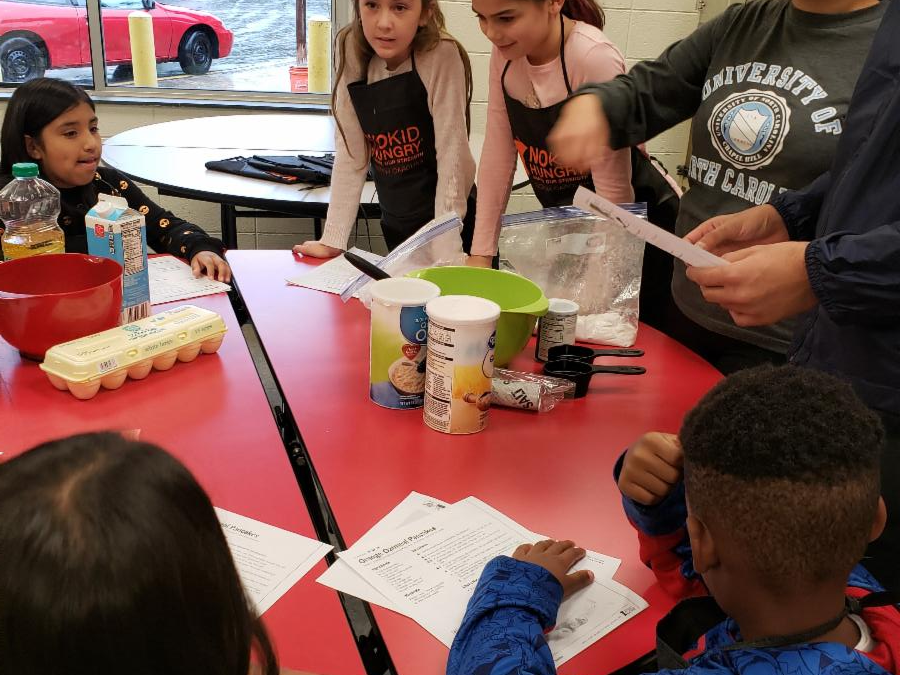
- After-school prepares students for their next phase of life through hands-on learning, career exploration, and real-world skill-building that helps them develop durable skills and chart a course to college and career. (Pillar 1: Prepare Each Student for Their Next Phase in Life)
- After-school enhances parent, caregiver, and community support by helping families stay in the workforce, and by strengthening the connection between families and schools. (Pillar 3: Enhance Parent, Caregiver and Community Support)
- After-school programs provide the support parents want for children’s mental health and healthy development. This includes safe opportunities to connect with peers, build positive relationships, learn life skills, enjoy healthy meals, and be physically active. (Pillar 4: Ensure Healthy, Safe and Secure Learning Environments)
- As local after-school programs innovate to meet community need and changing contexts, whether through STEM learning and innovation or community and business partnerships for career exploration, they lead the way in transformative change. After-school programs are a critical member of the coalition in support of public education that demonstrate to us the possibility of what public schools can be for our students. (Pillar 6: Lead Transformative Change; Pillar 8: Galvanize Champions to Fully Invest in and Support Public Education)
As a former after-school provider, I’ve seen firsthand how after-school programs help North Carolina students safely and creatively explore their passions, form relationships with trusted adults and peers, develop resilience and confidence and learn valuable skills they need to succeed in the classroom and in life.
As director of North Carolina’s statewide after-school network, I’ve also had the privilege to engage with after-school programs across North Carolina. These programs are:
- Transforming students’ relationships with math, reading, and science;
- Providing students with opportunities to explore career opportunities in different ways; and
- Serving as safe havens where kids know that they will be listened to and supported.
 Sign up for the EdWeekly, a Friday roundup of the most important education news of the week.
Parents across the state see the benefits of after-school programs too. In the America After 3PM report released last week, which includes a survey of more than 30,000 U.S. parents, North Carolina parents say that after-school programs:
- Keep their kids safe and off screens. More than eight in 10 N.C. parents say they appreciate that after-school programs keep their kids safe and off screens. In fact, 96% of parents say they feel less stressed knowing their child is safe at their after-school program.
- Keep parents in the workforce and fuel our state economy. Ninety-two percent of N.C. parents say having their child in an after-school program helps them keep their job or work more hours. When a parent has reliable after-school care, it fuels our state’s workforce and economy.
- Build students’ essential skills. The vast majority of parents see that after-school programs build essential skills like responsible decision making, teamwork, critical thinking, and leadership skills.
Even with funding cuts and staffing shortages, after-school participation in North Carolina has held steady since 2020, with programs currently serving just over 188,000 children. This is a testament to the resilience of our after-school programs and the dedication of our after-school professionals, who show up for kids across the state every day.
We can celebrate the fact that the number of students served by after-school programs in North Carolina has remained stable through the pandemic and recovery. Unfortunately, we must also face the reality that the number of students who want to be in an after-school program but cannot access one has not decreased either.
For every child we are successfully serving in North Carolina, there are four more who are missing out on a safe place to learn and grow outside of school. In total, that’s more than 664,000 North Carolina children and their families.
Parents say the biggest barriers are cost, lack of safe transportation, and availability of programs in their area. More than half of parents surveyed say after-school programs are too expensive, and nearly half say their child does not have a safe way to get to and from home from local after-school programs, or after-school program locations are inconvenient. Four in 10 N.C. parents say there just aren’t enough after-school programs in their community. The students most likely to miss out on these critical after-school opportunities come from North Carolina’s low and middle income families.
The good news is that we can make after-school more affordable and accessible to all families.
North Carolina is one of only 23 states that does not have dedicated state funding for this essential infrastructure. Yet parents across the political spectrum overwhelmingly support public funding for after-school. Five in six N.C. parents — including 90% of Democrats and 83% of Republicans — support public funding for after-school opportunities, according to the report.
North Carolina parents and families already know the truth: After-school programs are not optional. They are the key to enhanced learning and safety for N.C.’s children, as well as job security for their parents. Now is the time for our families, schools, and communities to come together and call on state leaders for dedicated investment in after-school programs. Our children, and our future, can’t afford to wait any longer.