
Perspective | Appreciation as a catalyst for investment: Why North Carolina’s after-school professionals need more than just thanks

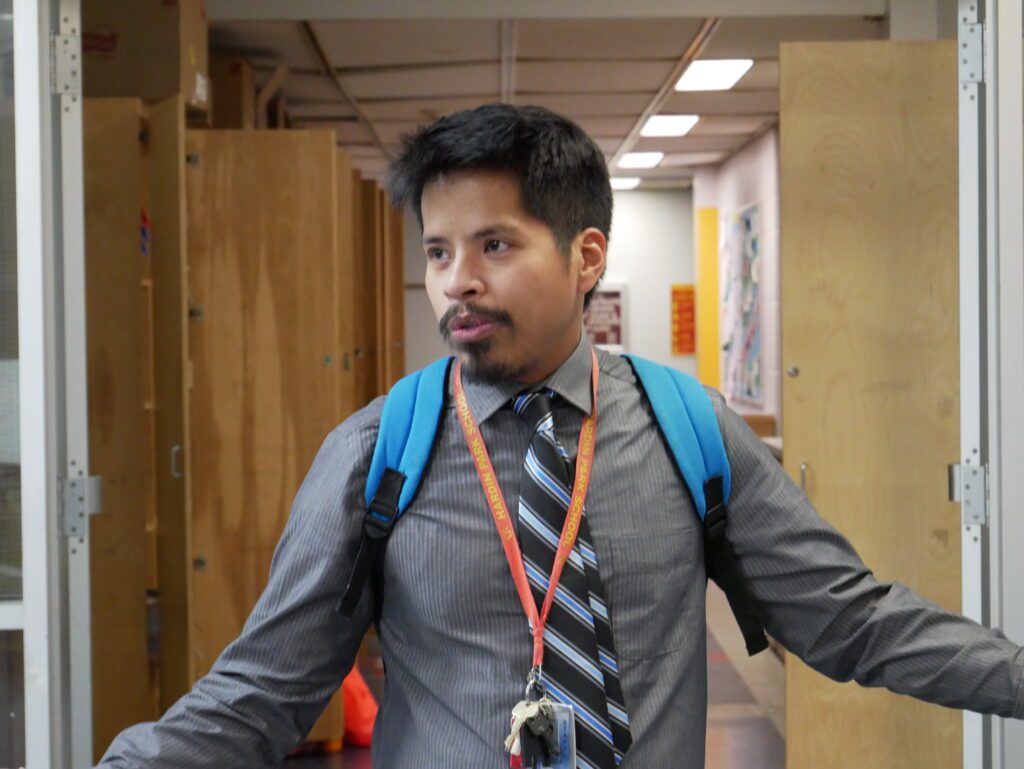
This week, North Carolina celebrates the national Afterschool Professionals Appreciation Week. It is a time to recognize the “heart of afterschool” — the tens of thousands of dedicated educators and community leaders who step in across the state when the school bell rings at 3 p.m. They are the professionals who turn the hours between the end of the school day and the time students go home into a time of discovery, safety, and growth.
But appreciation without investment is not a sustainable strategy for our state’s future. This week, our communities can’t stop at recognition and thanks for the essential contributions of after-school programs and the employees who keep them running; we must take the next step and acknowledge the challenges they face and the opportunities we have to better support them and North Carolina’s students.
The workforce behind the workforce
Like child care professionals, after-school professionals keep North Carolina working; they are part of the “workforce behind the workforce.” These professionals provide high-quality care that allows parents to stay in their jobs and keep our economy moving. In fact, more than nine in 10 North Carolina parents say after-school programs help them to keep their job or work more hours, and eight in 10 say after-school programs give them peace of mind and help them remain productive at work.
Yet while working families and employers alike rely on these professionals to keep our economy strong, the after-school puzzle in North Carolina is missing a critical piece: dedicated state funding.
The scale of the need
Despite their essential role, North Carolina after-school professionals are operating in a system stretched beyond sustainability. In North Carolina, the demand for programming after school far exceeds supply. For every child currently in an after-school program, four more are waiting for a spot to open. This gap leaves 664,362 children without access to after-school programs and to the mentors, educators, and guides who could change their life course.
While North Carolina spends this week celebrating these professionals with words and accolades, our communities that depend on after-school must come together to support the professionals and programs that keep North Carolina working. It’s time our state invests in the infrastructure that supports them.
 Sign up for Early Bird, our newsletter on all things early childhood.
An island of underinvestment
North Carolina remains one of only 22 states without dedicated state funding for after-school infrastructure. While our neighboring leaders are investing in families, North Carolina is falling behind:
- Georgia currently serves 39,897 children and youth in after-school and summer programs across 101 of Georgia’s 159 counties through Building Opportunities in Out-of-School Time (BOOST) grants.
- Alabama serves 11,776 children and youth in after-school and summer programs in every district through state-funded Alabama Summer and After-School Program (ASAP) grants.
- In Pennsylvania, BOOST grants support programs with engaged mentors and evidence-based/informed practices provided to school-age youth before school, after school, and during the summer. Every $1 invested in after-school yields a $6.69 return on investment in Pennsylvania, according to a state return-on-investment study.
- Even smaller states like Vermont and West Virginia dedicate state resources for after-school and summer programming to ensure their working families have reliable after-school options.
From appreciation to action
North Carolina’s after-school educators do more than supervise; they reduce risky behaviors among students, improve academic performance, and foster social-emotional resilience. These dedicated professionals are a direct solution for maintaining the current workforce and building the next generation of productive workers North Carolina needs to succeed.
True appreciation means ensuring that every child who wants a spot in an after-school program has one, and every professional who works in an after-school program has the resources they need to thrive. This week, North Carolina leaders must commit to making our state a state where 3 p.m. is not a time of stress for parents or under-resourced after-school educators, but a time of opportunity for every student.