
ExCEL NC: A coalition of business leaders gets vocal about child care

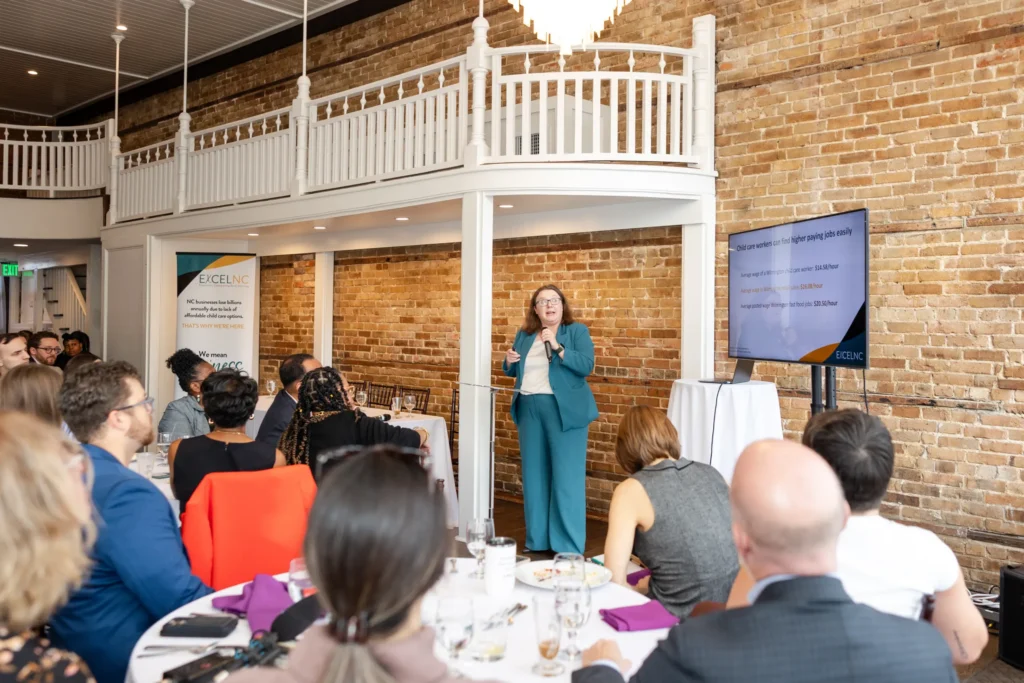
An initiative launched in April 2025 is convening business leaders to talk about child care at the local and state level.
ExCEL NC, or Executives Championing Early Learning North Carolina, is forming a coalition of business owners and leaders to advocate for “statewide solutions and strategic, fiscally responsible solutions to the child care crisis,” according to a statement from ExCEL NC.
The effort, funded by the Leon Levine Foundation, a private philanthropic fund, is based on the argument that child care is not just a social issue, but an economic one.
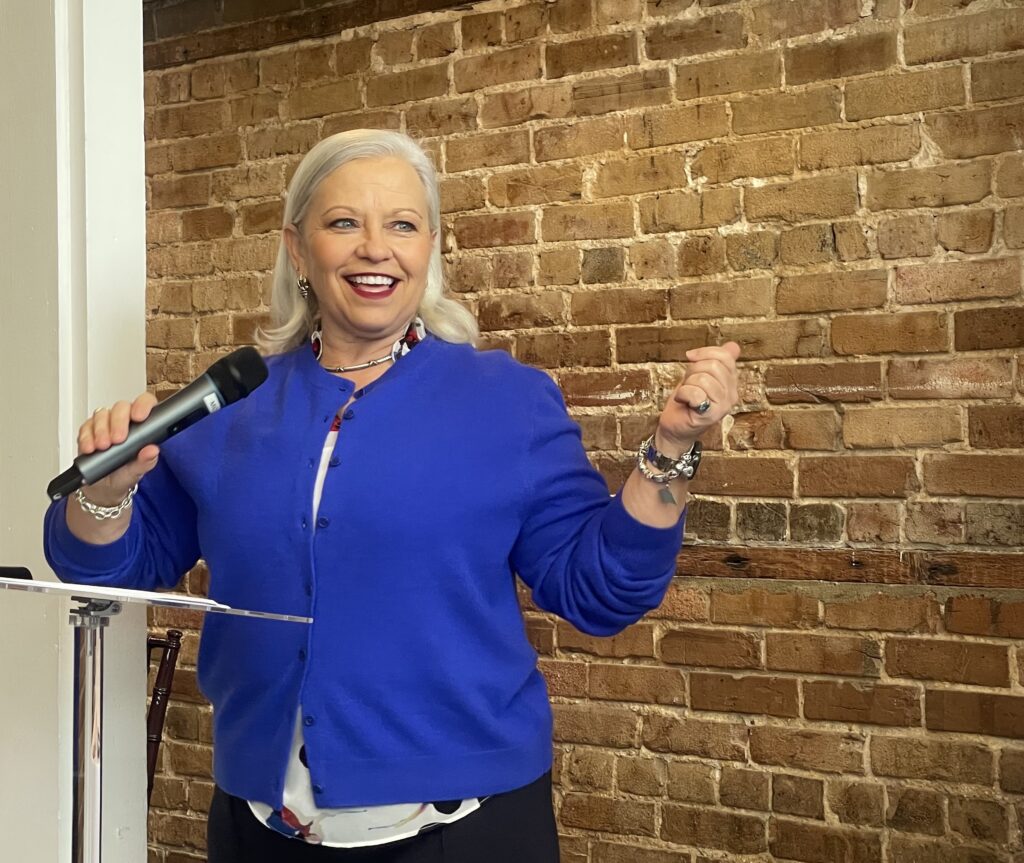
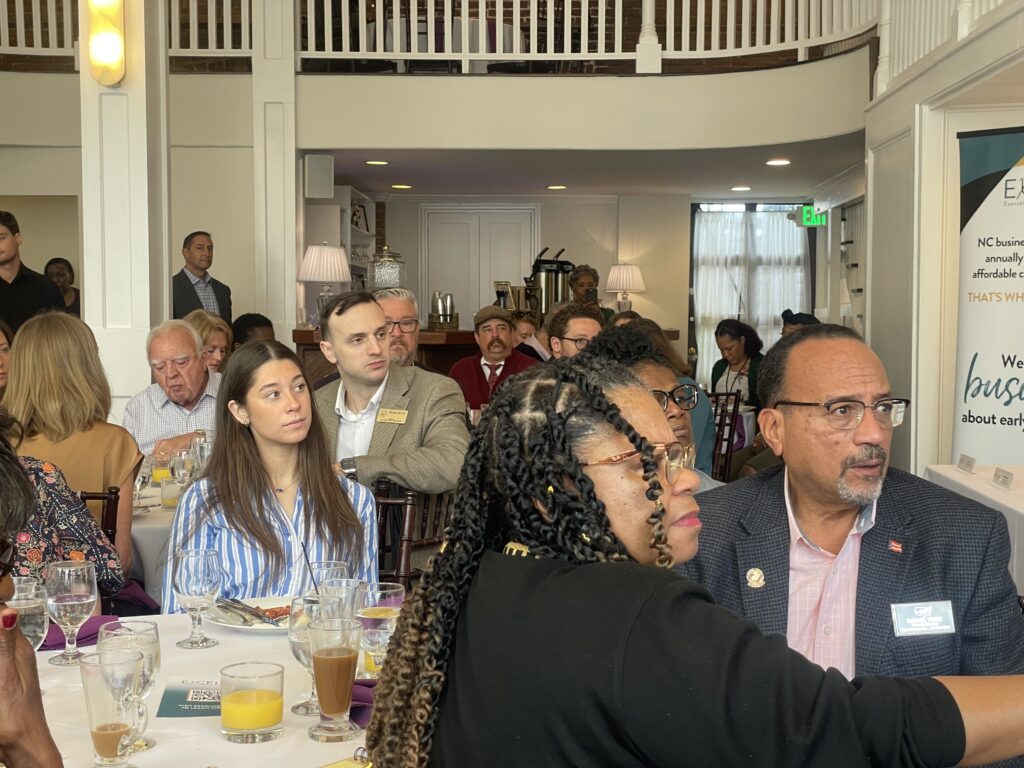
“We often hear about child care as a family issue, and while it certainly is, it’s also a workforce issue, it’s a productivity issue, and ultimately an economic growth issue,” said Kristi Maida, ExCEL NC director, at a February event in Jacksonville. The group, which is housed at nonprofit NC Child, has been hosting regional economic summits through the winter and spring to bring together community members to discuss the impacts of high costs and low access to child care on businesses and economies.
 Sign up for Early Bird, our newsletter on all things early childhood.
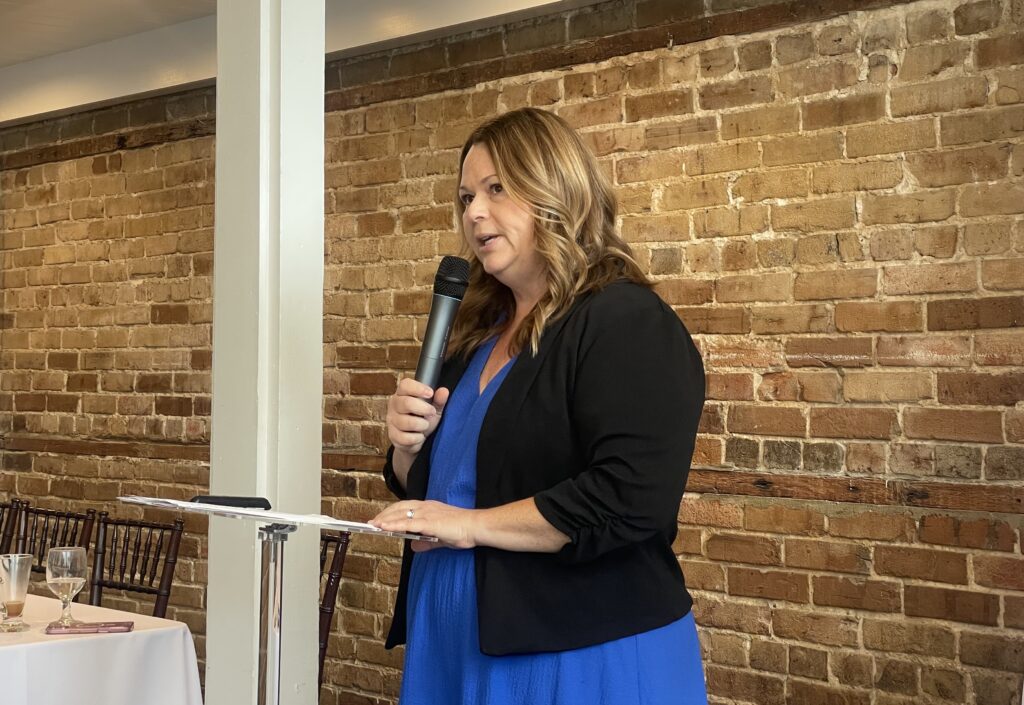
Multiple ExCEL NC “executive champions” spoke at an April press conference calling on state legislators to allocate new child care funding this legislative session.
“Private industry frankly just cannot do this alone,” said Gene McLaurin, president and CEO of Quality Oil Company, which has offices in Lumberton, Laurenburg, Waynesboro, and Rockingham. “We need both public and private sector investment to address this challenge.”
The costs of child care struggles
Child care challenges, from access and affordability to reliability and timing, are disrupting workers’ productivity and creating hiring and retention obstacles for employers. Some families are choosing for one parent to drop out of the workforce.
From 2019 to 2024, there were about 98,000 fewer workers with children in the state’s labor force, according to an NC Child presentation at an ExCEL NC event in Jacksonville in February.
“That’s a 15% decrease in just five years, and child care is a big reason for that,” said Neil Harrington, senior director of policy and research at NC Child.

Meanwhile, the cost of child care has doubled since 2020, outpacing other necessities like groceries and housing, Harrington said. With an aging population, the state’s employers will likely continue to struggle to find the workers they need, he said.
“All this really points toward kind of a new normal of tight labor markets, which also means a new normal of hiring difficulties for employers, and that’s why child care is vitally important, and why it will remain vitally important… for the months and years to come,” Harrington said.
ExCEL NC is the latest group of state leaders and organizations in recent years speaking up about the economic consequences of child care challenges — and the potential growth stable child care could provide.
Unaffordable and inaccessible child care costs the state around $5.65 billion each year, according. to a June 2024 report from the U.S. Chamber of Commerce Foundation, which has released similar studies on states across the country. It was released in partnership with NC Child and the NC Chamber Foundation, which released a 2025 report outlining employer-backed and policy solutions.
Related reads



In March 2025, a report from NC Child and the state Department of Commerce found accessible child care could increase the state’s GDP by up to $7.5 billion, add up to 68,000 jobs in the state, and increase its annual economic input by up to $13.3 billion.
Local leaders speak up across industries
ExCEL NC has been bringing these numbers to the local level, sharing the economic impacts of child care challenges on local economies at seven regional summits. Local business owners and chambers of commerce leaders have spoken on panels and shared their experiences.
The next two summits will be held in Johnston County on May 11 and Stokes County on May 18.
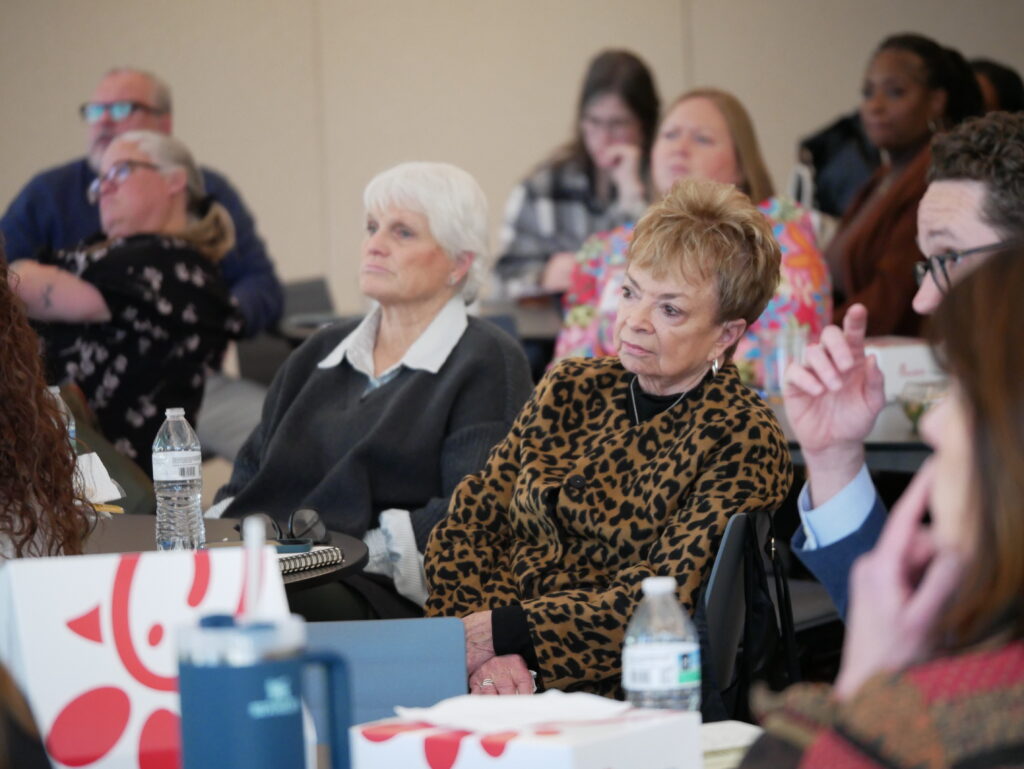
At a February summit in Onslow County, a lack of child care for nontraditional schedules has created stress and absenteeism for first responders, said Crystal Blockett, senior human resources generalist for the City of Jacksonville.
“When a firefighter or police officer is absent… that puts more work on the other members that are on the team,” Blockett said. “… Retention is an ongoing battle.”
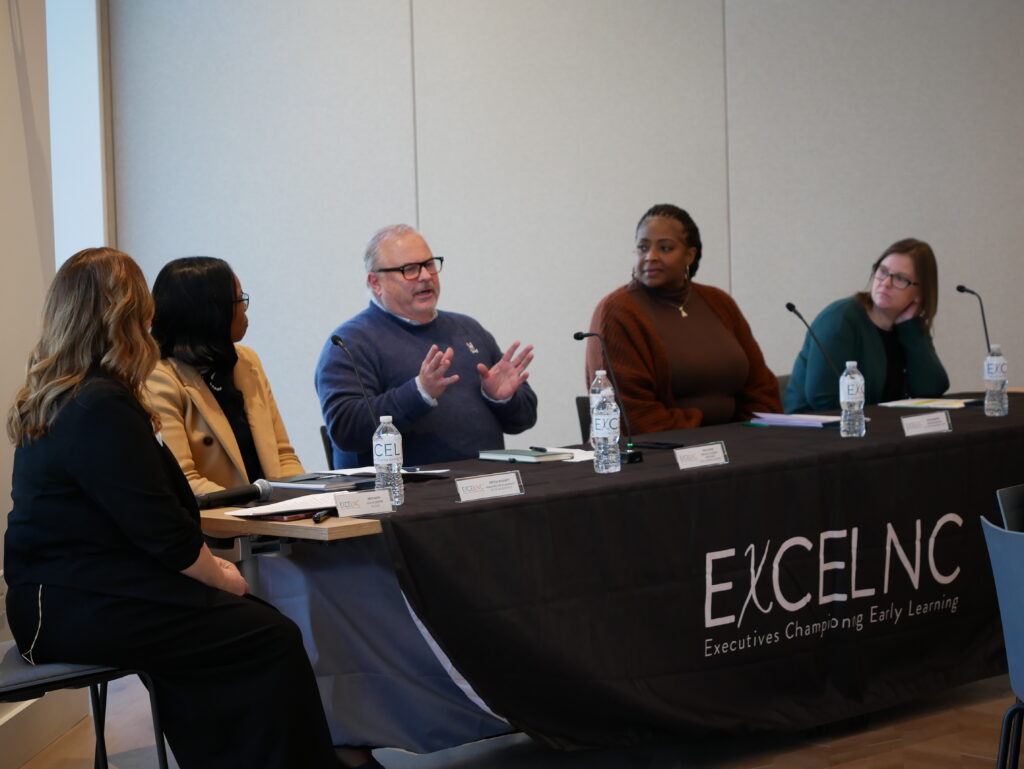
In New Hanover County, child care challenges are impacting tourism and service industries. It’s a constant turnover challenge, said Nicolas Montanya, strategic advisor for Trailborn Hotels and Resorts, at a summit in November.
“We talk amongst ourselves in the industry about the ailments of the workforce and workforce development, and child care is always top five, if not top three,” Montanya said.
His team has tried to give employees flexibility for child care needs, especially since the pandemic.
“It worked for some time, and it’s still not enough,” he said.
Middle and higher-income families are not immune to child care disruptions. Lisa Leath, chief people officer at software company Vantaca, said the company’s employees with high wages and remote work options are still struggling.
“I have babies on Zoom meetings on professional meetings,” Leath said. “I have sales folks that aren’t showing up on camera to client calls. It’s coming off unprofessional, but these people are stuck.”
The group has also hosted summits in Buncombe, Jackson, Ashe, Alamance, and Watauga counties.
This session’s ask
This legislative session, members of the coalition are advocating for child care funding at the state level.
The group is backing advocates’ calls for increased state funding for the child care subsidy program, which helps low-income working and student parents afford care. The main ask is a subsidy floor rate, which is also the lead recommendation from the North Carolina Task Force on Child Care and Early Education.
A subsidy floor would level out the reimbursement rates child care facilities receive to serve children through the program. The rates vary widely across the state, making it hard for some programs to make ends meet.
Related reads


The group is specifically supporting Senate Bill 1042, sponsored by Sen. Jim Burgin, R-Harnett, which includes $75 million in recurring funds to establish a floor, among other early childhood items.
“Child care in North Carolina is nearly impossible to find and often unaffordable, forcing many working parents out of the workforce at a time when our businesses need them most,” Maida said in a statement supporting the bill. “Senator Jim Burgin’s SB 1042 addresses this head-on, recognizing that a vibrant, strong workforce depends on a stable child care foundation. By pairing a $75 million investment with a requirement for a statewide subsidy reimbursement floor, this bill provides the immediate funding and long-term predictability needed to keep centers open and parents on the job.”