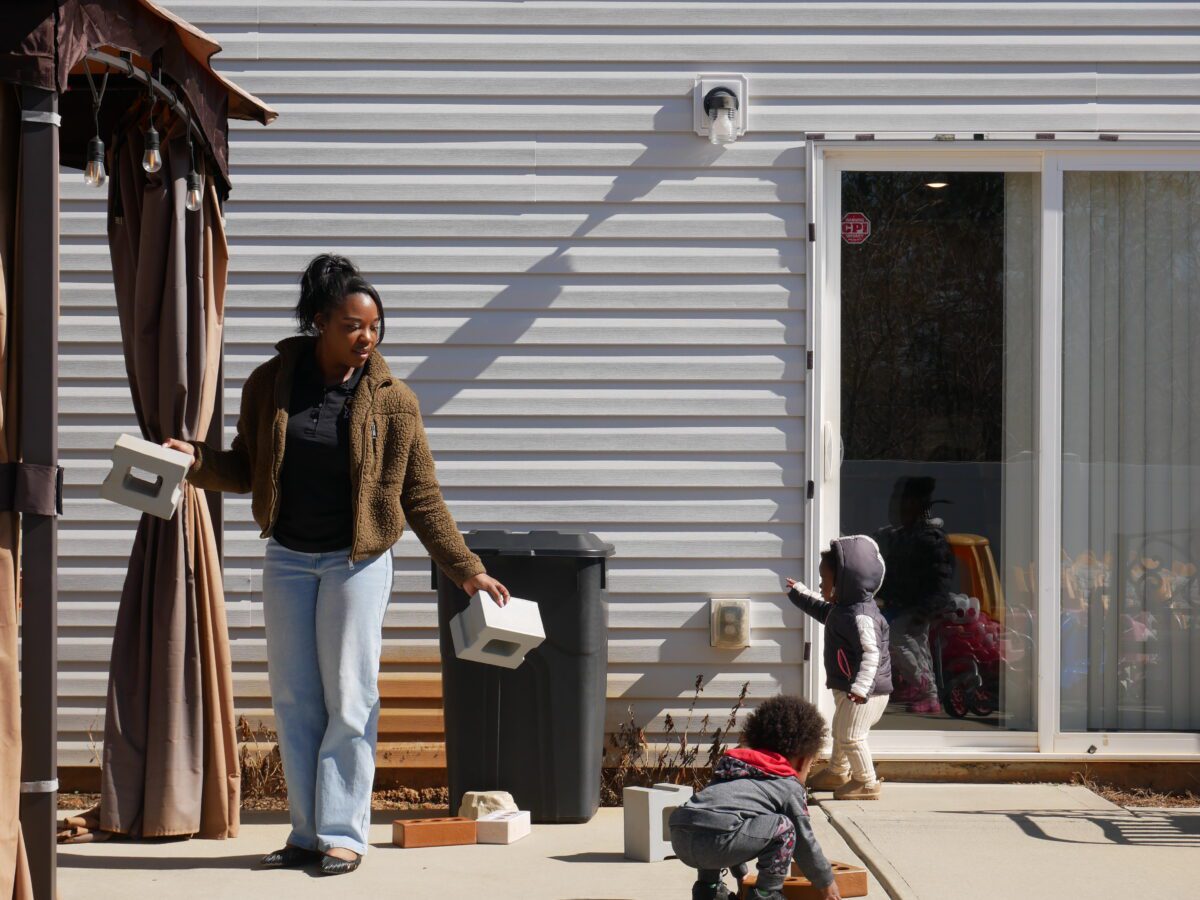
In 2024, Mama Freda’s Tiny Tots Child Care opened as Grow Early Learning’s first in-home child care program in North Carolina.
The licensed family child care home (FCCH) in Kings Mountain is one of four of its kind across three states that the nonprofit, formerly known as East Coast Migrant Head Start Project, has opened in recent years to serve agricultural workers and their families.
The organization started launching home-based child care programs two years ago because of their convenience for families, their intimate environment for children and parents, and their fit for rural communities, Grow Early Learning staff told EdNC on a recent visit to Mama Freda’s.
“We’re able to serve closer to where families actually live, and … it’s more affordable,” said Andrea Martinez Langlois, Grow Early Learning’s family child care home manager. “We can provide all the services that (we can at) the center level, just more intimate. And I like that we can bring people like Arikco in who has built such trust with families.”
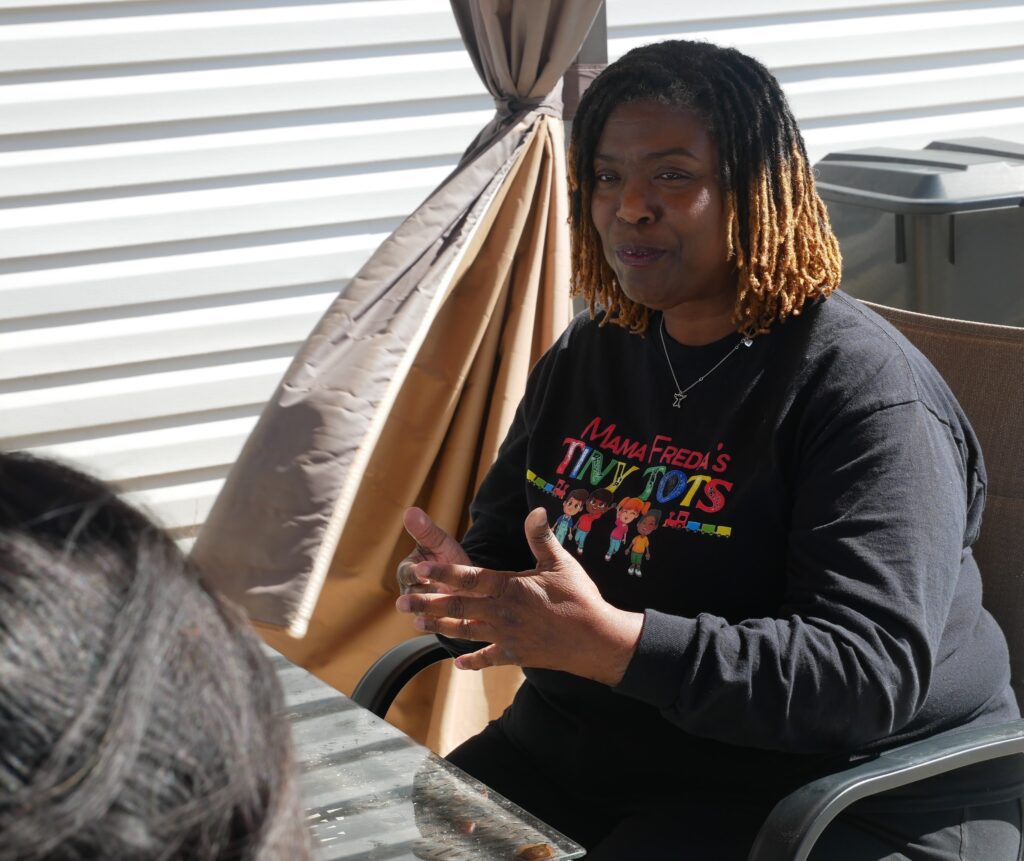
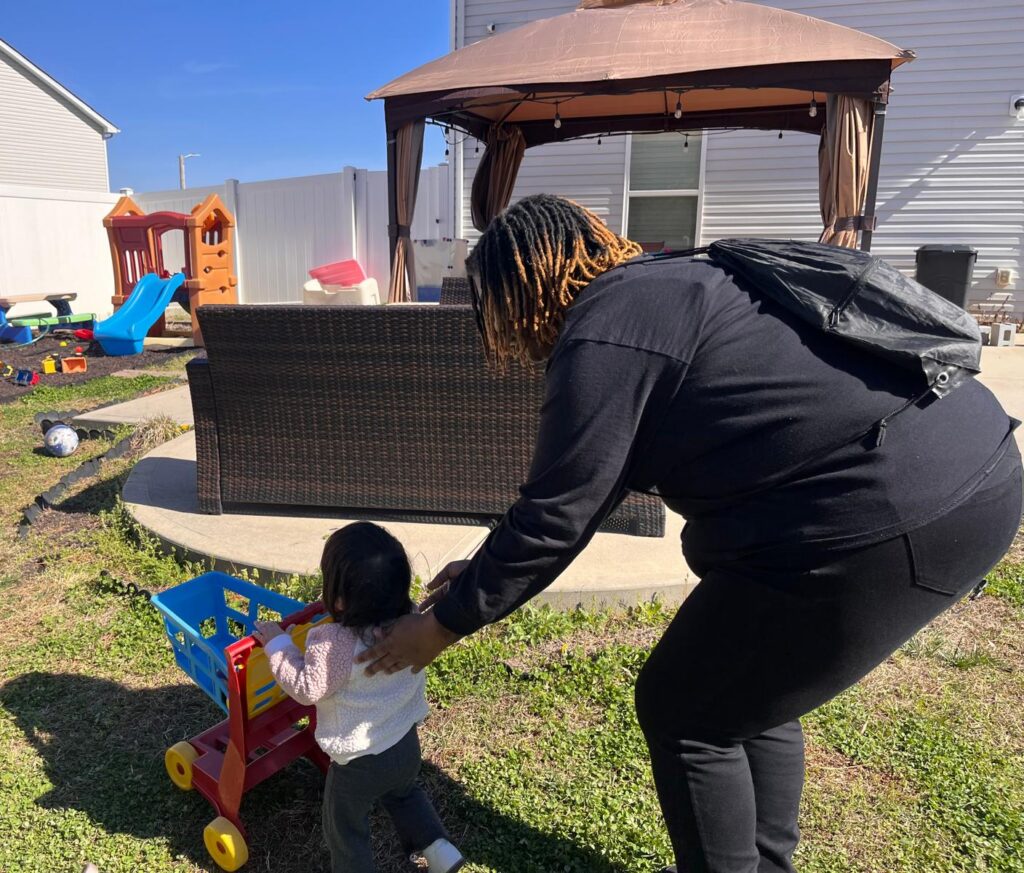
Support from Grow Early Learning has guided Arikco Watkins, owner of Mama Freda’s, from opening the program in 2024 to creating a place of learning and consistency for families during an uncertain period.
Grow Early Learning, a grantee of the federal early childhood program Head Start, operates nine child care centers and one family child care home in North Carolina that together serve 24 of the state’s counties.
As Watkins opened Mama Freda’s with new support, federal policy change and government shutdowns have threatened Head Start programming across the country.
 Sign up for Early Bird, our newsletter on all things early childhood.
Last fall, the federal government shutdown — the longest in U.S. history — closed Grow Early Learning’s 53 centers across 10 states. Ten of those centers were in North Carolina. At the time, Grow Early Leaning CEO Javier González said the shutdown disrupted care for 250 children across the state.
When the federal government reopened on Nov. 13, however, challenges remained.
For many years, federal policy limited immigration enforcement officials from entering places of worship, hospitals, and schools — including child care centers — based on their status as “protected areas,” or locations where people access activities essential to their well-being.
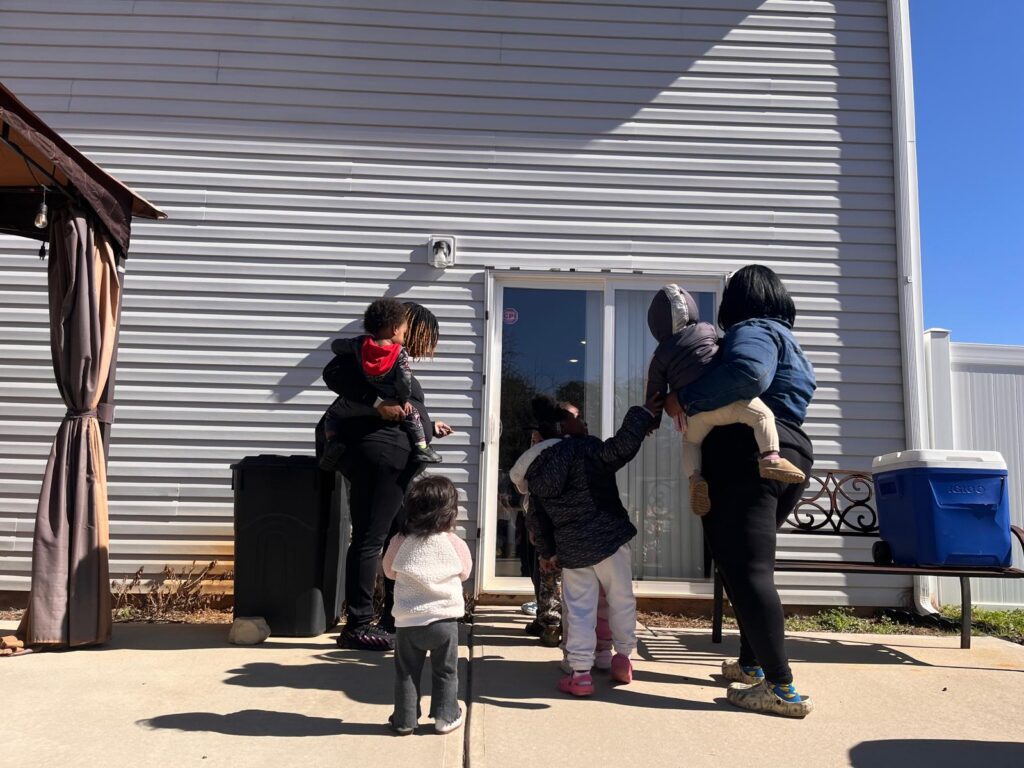
In January 2025, an executive order and Department of Homeland Security (DHS) directive removed these locations’ protected status, allowing immigration enforcement to occur in locations central to communities’ well-being. Across the country, Head Start providers witnessed the negative consequences of this federal action, from decreased attendance rates to detainment and family separation.
In response, 12 Head Start associations addressed a letter to Congress in March 2026 demanding changes to these policies. As lawmakers look to end a partial federal government shutdown driven by disagreement over DHS funding in light of immigration enforcement tactics, the March 9 letter asks lawmakers to place restrictions on DHS to “ensure that ICE and CBP agents no longer conduct enforcement actions at Head Start, child care, or other early learning programs with young children.”
“It is essential to protect the children served by these programs nationwide so that parents can feel secure knowing their children are safe while they work, attend school, and support their families and the economy,” reads the letter.

Last fall, some of the parents whose children attend Mama Freda’s caught word that immigration agents were nearby.
Watkins had already discussed a plan with Grow Early Learning staff. She was able to communicate with parents and assure them that agents were not allowed in the home without a judicial warrant. Parents picked up their children, some telling Watkins their preferences in case they were separated from their children. Watkins sent them home with extra food and told everyone to text her when they made it home. Everyone was safe.
Read more


But it’s not just during emergencies that Grow Early Learning’s support has made a difference for Watkins and her program, she said.
“Sometimes I sit and I cry because — I’m serious — I’ve never had this opportunity, or even had this support,” she said.
The difference made by funding and coaching
Grow Early Learning’s funding, technical assistance and coaching, and emotional support has changed the experience of owning and operating a family child care home, Watkins said. She knows what it’s like to do it all on her own.
After getting married and having kids in her early 20s, Watkins said she struggled to find child care for her own children and wanted a job with more flexibility. She drew inspiration from her mother, Freda, who took care of the neighborhood’s children when Watkins was a child. She decided to open her first family child care home, which offered 24/7 care, and ran it for seven years on her own.
“We wear many hats,” she said. “We are the cooks, we are the teachers, we are the disciplinarian. We are the secretary. We have to do it all.”
The wide range of demands, along with the isolation that comes with limited adult interaction, are common reasons for burnout in the field.
In North Carolina, the number of family child care homes has decreased by 17% since 2018, according to the state’s Early Care and Learning dashboard.
Read more about family child care homes
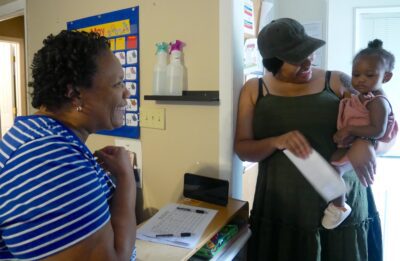
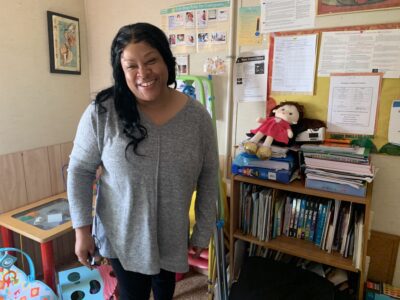
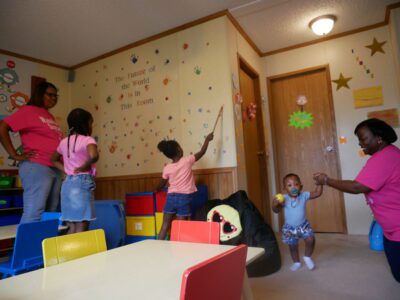
Watkins’ winding journey, including running a child care center for a brief time before considering leaving the field altogether, brought her back to in-home care. When she left a job as a teacher at a local child care center to pursue opening a new program of her own, she did not know how she would find the funding or the children.
“Something was like … you need to do it, you need to do it,” she said. Watkins moved forward with getting a new license and named the program in memory of her late mother.
The same day Watkins left her job, she got a call from Destiny Simmons, a family child care home specialist at Grow Early Learning. Simmons had been searching for new licensed programs to partner with the organization.
Simmons not only helped Watkins find children and open her program, but she also visits every two weeks to coach Watkins and meet with families. As part of the Head Start model, Simmons provides case management services to families. She connects them with resources from health to education and helps them set and meet goals.
Four children in Watkins’ program are funded through Grow Early Learning, but the coaching and high-quality curriculum provided by Grow Early Learning improves the experience for all children in the program, Watkins said.
And the consistent funding has allowed Watkins to hire other staff, including one full-time and two part-time employees. Watkins said having a team of adults on site makes the job less stressful and isolating — and improves the care and education they are able to provide to children.
“When you think of a family child care home, it’s just you,” Watkins said. “But then when you’ve got a team that comes in, and not just a team, but (it) becomes family.”
Supporting ‘how we get food on our table’
For 50 years, Grow Early Learning has served agricultural workers’ child care needs across the country, including an estimated 70,000 workers residing with their families in North Carolina.
The federal 2024 Appropriations Act expanded eligibility for Migrant and Seasonal Head Start programs, allowing migrant and seasonal Head Start programs to serve any child who has one family member whose income comes primarily from agricultural employment and removing prior restrictions based on federal poverty guidelines.
Grow Early Learning’s 2025 community assessment report explains that these new eligibility requirements have created more opportunities for families to enroll children at one of Grow Early Learnings’ campuses — including four children enrolled at Mama Freda’s.
“This is how we get food on our table,” said Martinez Langlois of the agricultural families Grow Early Learning serves. “This is a population that is important and a daily part of everyone’s lives. So the idea that us together can support that is beautiful.”
New ways to reach families
In recent years, Simmons and Martinez Langlois have built Grow Early Learning’s first family child care programs from the ground up.
“We started from ground zero,” Simmons said.
They knew that small, in-home programs would help them better serve rural places with small pockets of children, where larger centers do not make sense. And they knew many families prefer the family-like environment, especially for their youngest children. Nationally, infants and toddlers are more likely to be served through in-home programs than centers, according to the national nonprofit Home Grown.
The Grow Early Learning team had to find families that needed care and providers who were willing to partner with them and locate physically close enough to the families. They had to address a host of logistical challenges home-based programs face, like navigating zoning and homeowners association rules. They also walk new providers through the licensing process, which can be confusing and overwhelming.

“We have connections where we can bring you from zero to licensed,” Martinez Langlois said. “We make it happen.”
They have learned a lot, and they know there is a need for more facilities.
“We suffer through the same struggle that most people in rural areas suffer with, which is there is more children who need care than there is (individuals) available to provide it,” she said. “So we are constantly looking at: we know there’s a population here, there are no providers right now, but there may be soon, and contacting either licensing specialists or regional specialists.”
Growing Early Learning has partnered with the Southwestern Child Development Commission’s family child care project, one of several efforts in North Carolina to reverse the trend of home-based program closures.
Finding the right people and building relationships takes time, Martinez Langlois said.
“You can’t make providers pop out of thin air,” she said.
Creating community, giving back
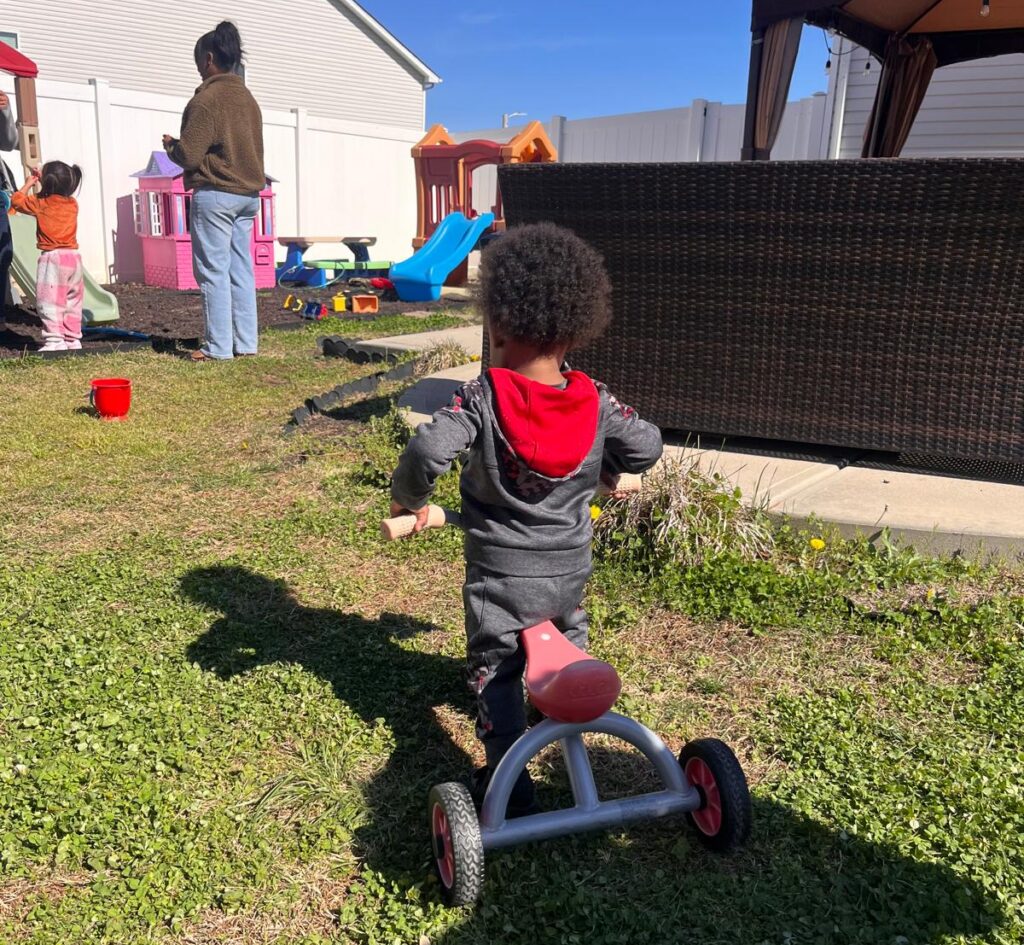
Building relationships with parents, too, takes time. But Watkins’ care for her parents, in addition to support from the Grow Early Learning team, has built a community at Mama Freda’s that protects its members’ well-being.
When Watkins encountered a language barrier with some of her parents who primarily speak Spanish, for example, she prioritized finding a solution in a translating device to make sure she could communicate with them, and she is in the process of hiring a staff member bilingual in English and Spanish. More recently, outside of the family care home facility’s operating hours, she hosted a Halloween party and planned an Easter egg hunt for the spring — both events that she plans with parents’ schedules in mind to make sure as many of her families as possible can attend and be in community with one another.
“I center it around them,” said Watkins of her approach to engaging with students’ parents, adding that the care she provides is reciprocated by parents in both words and actions.
“It’s amazing just how supportive they are and how they appreciate. It shows me that they appreciate what I do for their babies,” she said.
Simmons added that relationships between parents have also helped parents navigate the state’s early childhood health and education system and its requirements, like registering children in kindergarten or signing up for Medicaid.
“I feel like they advocate for each other because it’s so intimate,” she said.
Supporting each other extends to times of uncertainty at the federal level. When navigating the moment of potential of immigration enforcement last fall, Martinez Langlois said Grow Early Learning provided specific mental health support to families, like a therapist coming to the family child care home after the incident.
Watkins also said she checked in with parents on how they were feeling and what she or Grow Early Learning could do to support them.
“I love my job so much because I can help,” Watkins said, “When you take the time out, and you give back to others, it’ll come back to you. It always does.”
Recommended reading