CEOs push for higher teacher pay, more NC Pre-K funding

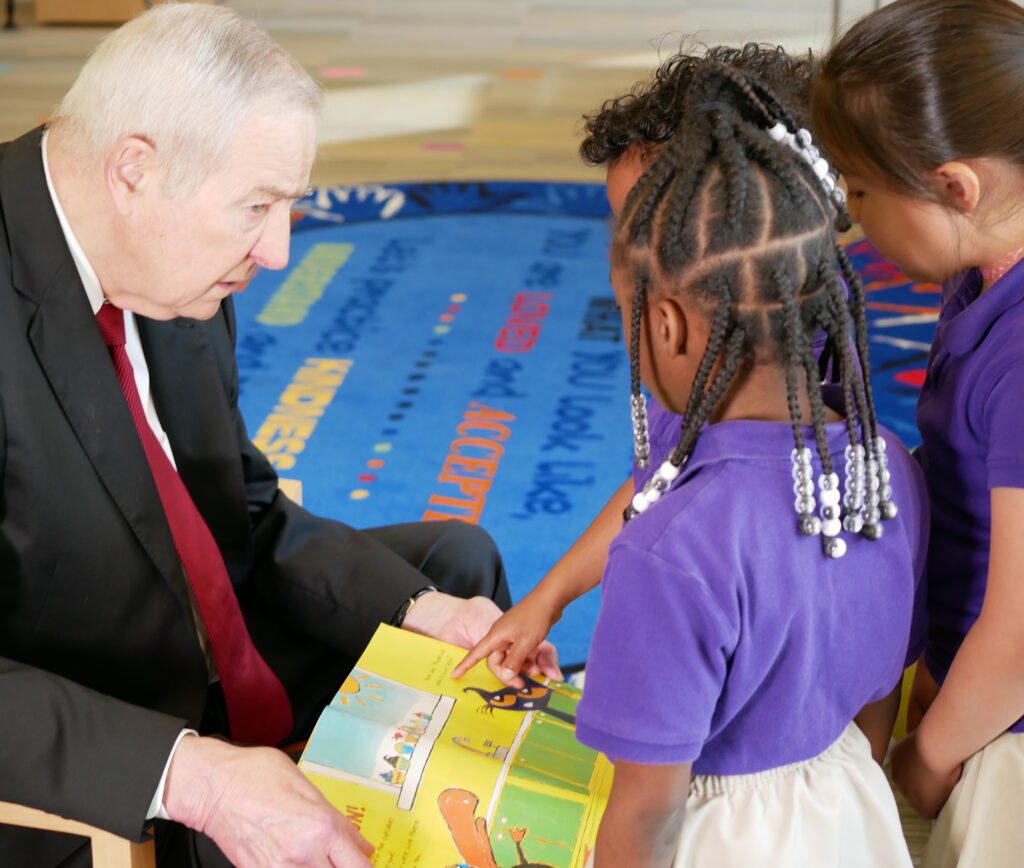
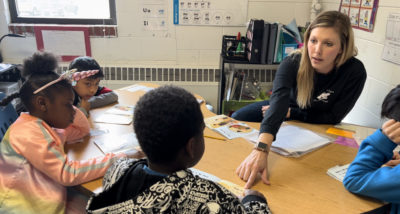
A group of North Carolina CEOs recommended teacher pay raises and more funding for NC Pre-K from this legislative session at a news conference on Tuesday at Southeast Raleigh Elementary School.
Businesses coming to the state or expanding within it “have done so in part based on a belief that the state can supply them with the talent that they need now and will need in the future,” said Jim Goodnight, chief executive officer of SAS in Cary. “To meet these growing future talent needs requires that our third-graders — all of them — be reading proficiently at the end of third grade.”
The group also released a national report with state recommendations and ways CEOs can get involved, called “Why Reading Matters — Now More than Ever.”
Increasing third-grade reading proficiency has long been a focus of North Carolina policymakers — and a common marker for educational achievement, given its correlation with success later in school and life. This same group of business leaders released a similar report six years ago centered on literacy.
Goodnight highlighted the progress North Carolina has made since, including the passage of the 2021 Excellent Public Schools Act, which requires training for teachers from pre-K to fifth grade with a program called LETRS in an effort to align reading instruction with research-backed strategies, often referred to as the science of reading.
More on the science of reading…
“But we cannot rest on our laurels,” Goodnight said.
The report urges the state this session to increase teacher pay by “a meaningful amount” and to create a compensation structure that recruits and retains highly qualified educators in the long term.
“We must have effective teachers equipped with a firm understanding of how young children learn to read, and we need those teachers in every classroom,” said Huntley Garriott, president of Live Oak Bank, a digital bank based in Wilmington. “Having those teachers in every classroom is going to be difficult because we have a very real teacher shortage.”
Goodnight said the group will meet with Republican legislative leaders and Gov. Roy Cooper to advocate for these items. So far, the House budget plan includes 7.5% across-the-board teacher pay raises over the next two years, plus other targeted boosts and step increases, for an average pay increase of 11.2%. The governor’s budget proposal includes a minimum 10%cross-the-board teacher pay raises for all teachers in the first year of the biennium and a minimum 6% in the second year. The Senate will release its proposal next.
More pre-K funding
The group’s report continues its advocacy for the expansion of NC Pre-K, the state’s public preschool program that targets 4-year-olds deemed “at-risk” through income and other eligibility requirements.
“Now is not the time to step back from our support in this proven program — a fundamental step to academic success for so many in our state,” said Trey Rabon, president of AT&T North Carolina.
Although NC Pre-K enrollment has bounced back since the pandemic, many counties still are struggling to reach eligible children, said Jim Hansen, regional president of PNC Bank. He said 60 of 100 counties are reaching less than 75% of eligible children.
 Sign up for the EdDaily to start each weekday with the top education news.
“The truth is that these providers are struggling to stay open as they continue to combat inflation and labor pressure,” Hansen said, adding that teachers in private settings are often making close to minimum wage.
In 2021, child care workers in North Carolina received a median hourly wage of $11.23, according to the Bureau of Labor Statistics. Although NC Pre-K teachers usually make more than the average child care employee, the program exists within public and private settings. The fragility and teacher shortages within private child care have an impact on NC Pre-K’s ability to expand, Hansen said.
“To address the impacts of rising inflation and teacher shortages in the pre-K program, we must take immediate steps to increase the amount paid to providers, and those increases started last year and have to continue,” Hansen said. “The increases allow providers to cover the rising costs and maintain necessary staffing levels to support the needs of our children.”
The group is advocating for “meaningful increases” to the amount NC Pre-K providers receive and the consideration of automatic future increases “for either labor costs or inflation,” Hansen said.
The House budget plan does not include increases to reimbursement rates, although last year’s budget did.